
2027 Aviation Management Degree Programs for Career Changers

Co-Founder and Chief Data Scientist
Mid-career professionals often struggle to enter the aviation industry due to its specialized knowledge requirements. Transitioning without formal training can limit job prospects in operations, logistics, or airport management. According to the Bureau of Labor Statistics, aviation management roles are projected to grow by 6% through 2032, reflecting rising demand for skilled managers. Nearly 40% of aviation students are adult learners seeking career changes, highlighting a growing trend toward flexible, targeted education.
This article explores how aviation management degree programs equip career changers with essential skills and industry insights, enabling a confident and efficient transition into this dynamic sector.
Key Things to Know About Aviation Management Degree Programs for Career Changers
- Many aviation management degree programs offer flexible scheduling through online or hybrid formats, accommodating working adults' varied hours and family commitments.
- Accelerated courses enable career changers to complete degrees in 12-18 months, responding to industry demand for skilled professionals amid rapid aviation growth.
- Programs often integrate real-world employer needs and provide dedicated support services like career advising, helping adult learners transition smoothly into aviation management roles.
What Aviation Management Programs Accept Career Changers?
Many aviation management degree programs with flexible admissions for working professionals are designed to meet the needs of career changers by offering adaptable prerequisites and practical curricula. Adult learners pursuing new career paths now represent over 40% of graduate students in professional disciplines, reflecting a significant trend toward lifelong education and career transitions.
Four common types of aviation management programs that accept career changers include:
- Online Bachelor's Programs: These programs often prioritize transferable skills and flexible scheduling, enabling working adults without traditional aviation backgrounds to enroll. They emphasize practical time management to support career changers balancing education and work.
- Accelerated Master's Degrees: Targeted at professionals holding undergraduate degrees in unrelated fields, these programs focus on core aviation concepts delivered efficiently, allowing faster entry into the aviation industry.
- Certificate Programs: Designed to provide targeted expertise in specific aviation management skills, certificates offer career changers a way to enhance qualifications without committing to full degrees. These programs add value to existing professional experience and serve as effective stepping stones.
- Hybrid Programs: Combining online and in-person learning, hybrid formats provide flexibility alongside valuable networking opportunities essential for adult learners navigating career transitions.
Programs like these illustrate how what aviation management programs accept career changers in the United States while accommodating diverse professional backgrounds and schedules. For those exploring related fields, you might find useful insights by reviewing comprehensive msw programs that emphasize flexible learning options.
What Aviation Management Specializations Are Best for Career Changers?
Selecting the right aviation management specialization is vital for career changers, as it helps align their existing skills with industry requirements and boosts career mobility. Job openings in aviation safety and compliance alone have increased by 12% over the past five years, reflecting growing demand in specific sectors. Below are four top aviation management specializations for career changers that effectively leverage transferable skills and offer accessible entry points.
- Aviation Safety and Compliance: Ideal for individuals with backgrounds in law, risk management, or quality control. This specialization emphasizes regulatory knowledge and risk assessment, allowing career changers to apply their expertise while addressing critical industry needs.
- Airport and Airline Operations: Well suited for those with experience in logistics or customer service. It focuses on daily operational decision-making and problem-solving, providing a practical route for professionals seeking to transition smoothly.
- Aviation Finance and Economics: Attracts professionals coming from finance, accounting, or business backgrounds. This area leverages analytical and budgeting skills essential for managing aviation budgets and investments, making it a strong fit for those wanting to shift into aviation management.
- Technology and Innovation: Perfect for individuals with IT or engineering experience. With automation and data analytics growing in aviation, this specialization enables leveraging technical expertise for a successful career transition.
Choosing among these best aviation management focus areas for professionals can maximize career changers' potential to thrive in a competitive field. For those interested in expanding their qualifications with flexible learning options, exploring resources like online counseling programs can offer valuable guidance on balancing education and career development.
What Are the Admission Requirements for Career Changers Applying to a Aviation Management Program?
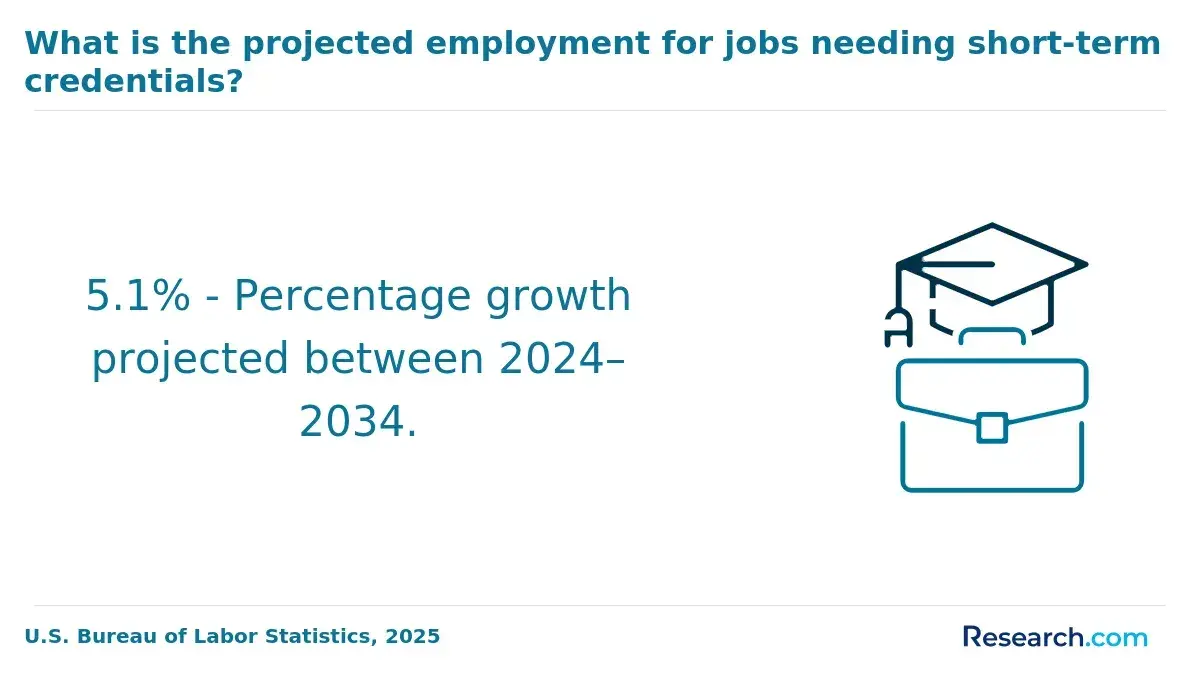
Admission requirements for career changers entering aviation management degrees emphasize flexibility to accommodate their unique backgrounds. Enrollment of students aged 25 and older in postsecondary education has grown by more than 30% over the past decade, reflecting the rise in nontraditional admissions pathways. Below are common criteria to consider when applying as a working professional.
- Educational Background: A high school diploma or equivalent is typically required, but some programs accept relevant work experience as a substitute, recognizing practical knowledge in logistics, operations, or leadership roles.
- Official Transcripts: Applicants usually must submit transcripts from prior education to verify academic history and ensure preparedness for coursework.
- Resume or CV: A detailed resume highlighting transferable skills and professional achievements helps demonstrate your readiness for a career shift into aviation management.
- Letters of Recommendation: These often focus on professional competencies and leadership potential, supporting your application beyond formal education.
- Essay or Statement of Purpose: Explaining your motivation for changing careers helps admissions committees understand your goals and commitment to this new field.
- Standardized Tests: Scores may be waived or optional for adult learners to reduce barriers and emphasize relevant experience instead.
Programs offering part-time, evening, or online courses provide vital flexibility for adult learners balancing work and study. Alternative admission options such as credit for prior learning or competency-based assessments acknowledge valuable real-world skills. For those exploring further education options in related fields, consider an affordable online psychology masters to complement leadership capabilities within aviation management. Understanding the admission criteria for aviation management programs for nontraditional students ensures career changers can navigate the application process confidently and efficiently.
For career changers, knowing the specific coursework involved in an aviation management degree can significantly ease the transition by helping them align their studies with existing responsibilities. Understanding these elements supports effective planning and commitment throughout the program. The core components typically include the following:
- Aviation Fundamentals: Provides an overview of air transportation systems, industry regulations, and standards, offering a solid foundation accessible through flexible online or hybrid formats.
- Operations Management: Covers the logistics of airport and airline operations, safety measures, and real-world problem-solving exercises designed to fit busy professionals' schedules.
- Business and Financial Management: Focuses on budgeting, marketing, and strategic decision-making within aviation contexts, with applied projects that emphasize relevance to current industry environments.
- Regulatory and Safety Compliance: Explores legal frameworks and risk management protocols essential for maintaining operational safety, supported by resources tailored for adult learners.
- Technology and Innovation: Examines new technological advances and their practical impact on aviation, ensuring students stay current with industry developments.
A professional who completed an online aviation management degree shared that balancing coursework with work and family was initially daunting. He explained, "Juggling deadlines alongside a full-time job required strict time management and often late-night study sessions." However, he appreciated how the program's structure allowed him to apply lessons directly to his evolving career path. "The practical assignments helped me connect theory with what I was experiencing at work, which kept me motivated and confident in making the career shift." His experience highlights how tailored coursework can effectively support adult learners navigating new professional journeys.
Flexible program formats play a crucial role in helping career changers successfully pursue aviation management while handling existing commitments. Recent data indicates that more than 40% of college students are adult learners, highlighting a need for adaptable learning options. Below are some popular program structures that cater to such professionals:
- Online Programs: These provide fully remote instruction, allowing students to access coursework from any location and tailor their study schedules around work and personal life.
- Part-Time Evening or Weekend Classes: Ideal for those who want in-person interaction but must attend outside regular business hours, balancing learning with daytime responsibilities.
- Hybrid Programs: Blend online coursework with occasional on-campus sessions, offering both flexibility and valuable face-to-face engagement with instructors and peers.
- Certificate Plus Degree Pathways: Allow learners to first earn a certificate in aviation management and later apply those credits toward a degree, enabling a step-by-step career transition.
These formats enhance time management and support steady progress, empowering career changers to build relevant skills without sacrificing their current roles.
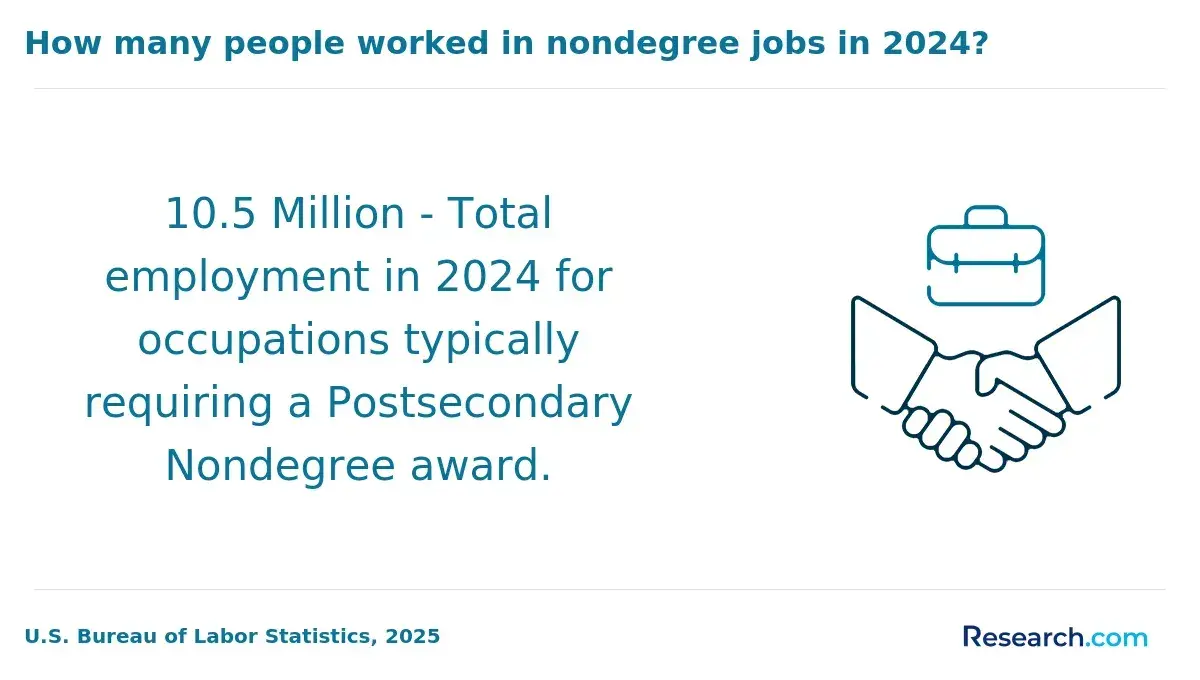
For career changers, developing new skills is vital to successfully entering the aviation sector, particularly since many adults must update their capabilities to keep pace with industry changes. Data from the U.S. Bureau of Labor Statistics predicts that by 2031, roughly 12% of workers will need reskilling or upskilling, highlighting how acquiring adaptable skills can enhance employability. Below are five essential skills typically gained through an aviation management program that support this transition:
- Industry Expertise: Gaining a thorough understanding of aviation rules, airport logistics, and airline operations prepares learners to handle the sector's unique challenges confidently.
- Leadership Abilities: Developing the capacity to manage teams and projects effectively is crucial for guiding diverse groups and ensuring smooth organizational functions within aviation.
- Financial Insight: Skills in budgeting, analyzing costs, and overseeing financial processes enable graduates to contribute to better decision-making and operational efficiency.
- Problem-Solving Skills: Cultivating critical thinking helps professionals address unforeseen issues creatively while maintaining safety standards and service quality.
- Communication Proficiency: Mastery of clear and professional communication fosters coordination among stakeholders and promotes collaboration across departments.
A career changer who recently completed an aviation management degree reflected on her journey, sharing how these skills became foundational during her transition. She described feeling overwhelmed initially, as her previous experience was in a completely different field. However, mastering industry-specific knowledge and leadership techniques gave her confidence to engage effectively with seasoned aviation professionals. "Learning financial management was daunting at first, but it made me realize how crucial these skills are for influencing operational outcomes," she noted. She also highlighted how developing strong communication abilities helped ease her integration into multidisciplinary teams, allowing her to bridge gaps between technical staff and administration. This combination of skill growth not only smoothed her career switch but also empowered her to contribute meaningfully in her new role, confirming that structured skill development is key for anyone navigating a similar path.
Choosing to pursue an aviation management degree involves careful financial planning, especially for career changers balancing education with work and family commitments. With average graduate student debt reaching approximately $71,000, understanding the full cost is vital to make informed decisions. Below are the key components to consider when evaluating aviation management degree tuition and fees for professionals.
- Tuition: Typically the largest expense, tuition varies widely depending on whether the program is offered at a public or private institution and if it is online or in-person. Costs generally range from $10,000 to over $40,000 for the entire degree, requiring career changers to weigh options carefully.
- Additional Fees: Registration, lab access, technology support, and other mandatory fees can add several hundred to a few thousand dollars. These fees support essential resources but should be factored into the total budget.
- Books and Supplies: Aviation management programs require specialized textbooks and materials, which often cost between $1,000 and $2,000 across the duration of study.
- Opportunity Costs: Many working professionals face indirect costs such as reduced income or limited work hours if they choose part-time study or evening classes to manage their schedules effectively.
- Financial Flexibility and Support: Many institutions offer installment payment plans, employer-sponsored tuition reimbursement, or scholarships aimed at adult learners, helping to ease financial burdens during the transition.
- Cost-Saving Strategies: Accelerated programs, credit transfers from previous education, and competency-based education can shorten program length and reduce tuition expenses, making this a smart approach for career changers.
For those seeking affordable educational pathways, exploring affordable online bachelor degree programs can provide insights into managing costs effectively while pursuing aviation management degree goals.
Designing an aviation management curriculum specifically for career changers is critical, as it must equip learners with both foundational knowledge and practical skills that can be transferred from previous industries. Its structure addresses the unique needs of those adapting to a new professional field, ensuring a smoother transition. Below are key features that make such programs especially supportive for career changers.
- Applied Learning: Incorporates case studies and simulations that provide hands-on experience with aviation operations, helping students understand complex concepts through practice rather than theory alone.
- Transferable Skills: Emphasizes leadership, communication, and problem-solving abilities, which are essential skills gained from aviation management degree programs and valuable across a wide range of industries.
- Flexible Scheduling: Offers online courses and adaptable pacing to accommodate working professionals' busy lives, allowing students to learn at a manageable speed without compromising work or family obligations.
- Real-World Projects: Includes internships and projects that connect students with current industry challenges, fostering practical experience and expanding professional networks.
- Regulatory Focus: Highlights safety management and aviation regulations, critical knowledge areas that quickly orient students to industry standards and compliance requirements.
For adult learners exploring new career paths, knowing what certifications can i get online related to this field can further enhance career opportunities and practical expertise.
For career changers, recognizing the potential job outcomes of an aviation management degree is vital to align skills with market opportunities. The U.S. Bureau of Labor Statistics projects a 5% growth in aviation management-related jobs from 2022 to 2032, suggesting steady demand. Below are common roles graduates can pursue.
- Airport Manager: Oversees airport functions including operations, logistics, and safety protocols. Leadership and project management experience help career changers succeed in coordinating complex activities within the airport environment.
- Airline Operations Manager: Manages airline scheduling, crew coordination, and compliance with regulations. Professionals with strong organizational and communication skills find this role suitable for transitioning into airline administration.
- Air Traffic Controller Support Specialist: Supports monitoring and coordination of air traffic systems to ensure safe flight operations. This role leverages meticulous attention to detail and problem-solving abilities.
- Aviation Safety Inspector: Conducts safety audits and ensures adherence to industry regulations across carriers and airports. Those with analytical skills and prior auditing experience can effectively contribute to maintaining safety standards.
- Aviation Logistics Coordinator: Handles supply chain management and cargo flow in the aviation sector. Career changers with backgrounds in logistics or supply chain management can apply their expertise to optimize aviation freight operations.
Salary expectations play a vital role for professionals switching careers into aviation management, impacting both financial planning and long-term motivation. Studies indicate that individuals who reskill in management-related fields can experience a median salary increase ranging from 10% to 25% within five years of completing their degree. Below are key salary ranges and factors relevant to aviation management careers.
- Entry-Level Positions: Starting salaries usually fall between $50,000 and $65,000 annually, depending on geographic region and employer size. Initial offers often reflect both academic background and any transferable skills.
- Mid-Career Management: Professionals with several years of experience generally earn from $70,000 to $90,000. These salaries vary according to organization scale and local market demands.
- Senior Experts: Individuals with specialized knowledge or certifications can command compensation exceeding $100,000, driven by operational complexity and leadership responsibilities.
- Industry Variance: Compensation differs across commercial airlines, airport operations, and aviation consulting, reflecting differences in profitability and operational demands within sectors.
- Prior Experience Impact: Previous management or technical roles substantially enhance starting salary prospects, as employers value practical expertise alongside academic achievements.
What Graduates Say About Their Aviation Management Degrees for Career Changers
- Douglas: "Switching careers to aviation management was a pivotal decision for me. Although the average cost of attendance hovered around $15,000, I viewed it as a necessary investment for a fresh start. Completing the program opened doors that I never imagined possible and truly accelerated my journey into the aviation industry."
- Nicholas: "After years in corporate finance, I pursued an aviation management degree despite concerns about the roughly $13,000 tuition. Reflecting on the experience, it was worth every penny because it gave me the technical and leadership skills essential for this field. This program was the foundation for my successful career transition and ongoing professional growth."
- Maverick: "My decision to enter aviation management came from a desire to find more purpose in my work. Yes, the program cost about $14,500, but the knowledge and networking opportunities I gained were invaluable. Completing the degree transformed my career path and helped me establish myself as a respected professional in this dynamic industry."
Other Things You Should Know About Aviation Management Degrees
Career changers do not need an FAA pilot license to begin, but they should know basic FAA rules, airport operations, and aviation safety standards. Many 2027 programs expect introductory familiarity with Federal Aviation Regulations, airport security, and airside procedures within the first year.
Career changers pursuing aviation management degrees may qualify for a variety of financial aid options, including federal student loans, scholarships tailored to adult learners, and employer tuition reimbursement. Since many students are working professionals, some institutions also offer payment plans or reduced rates for online or part-time study formats, which can ease financial burdens.
- 4 Frequently Asked Questions About Aviation Careers - CalAero https://calaero.edu/aviation/careers-in-aviation/questions-aviation-careers/
- Navigating Career Transitions in Aviation: Embrace Change & Growth https://devalsoni.com/blogs/navigating-career-transitions-in-aviation
- Aviation management - ATA https://uczelnia.akademiata.pl/en/management-bachelor-program/aviation-management/
- Civil Aviation Management https://akademiata.pl/en/offer/bachelor/civil-aviation-management/
- How to Transition into Aviation from Another Industry https://mhcaviation.com/blog/how-to-transition-into-aviation-from-another-industry
- Question for aviation management professional https://www.airlinepilotforums.com/career-questions/81604-question-aviation-management-professional.html
- Aviation Management - Bachelor’s Degree - WSIiZ w Rzeszowie https://wsiz.edu.pl/dla-kandydata/studia-anglojezyczne/aviation-management-1-stopien/
- Nowoczesna Szkoła Lotnicza - Internetowa Edukacja Pilotów z Learn ATC https://www.learn-atc.com/pl/blog/aviation-career-paths/opportunities-for-career-changers-in-aviation
- Aviation Management Degree | 5 Top Career Paths & Salaries https://wayman.edu/what-can-you-do-with-an-aviation-management-degree/
- What to expect when studying for a career in aviation management? https://blog.portobelloinstitute.com/what-to-expect-when-studying-for-a-career-in-aviation-management


