2027 How to Become a Banker: Step-By-Step Guide

Co-Founder and Chief Data Scientist
Choosing a banking career in 2026 means deciding whether you want to work at the intersection of money, clients, risk, regulation, and technology. The word “banker” can describe several different roles, from branch-based relationship bankers to investment banking representatives, commercial lenders, private bankers, and financial services sales professionals. The U.S. Bureau of Labor Statistics groups many securities-focused banking roles under the occupational title “Securities, Commodities, and Financial Services Sales Agents,” which better reflects the sales, advisory, investment, and transaction-related work many bankers perform.
Bankers help clients open and manage accounts, evaluate loans and mortgages, assess credit risk, analyze financial information, support investment decisions, and, in some roles, execute securities transactions. The career can be financially rewarding, but it is also competitive, heavily regulated, and increasingly shaped by automation, fintech platforms, data analytics, and compliance requirements. The median annual salary for bankers is $78,140.
This guide explains what bankers do, how to enter the profession, what education and licensing may be required, which skills matter most, how salary and job outlook compare, and how to decide whether banking is the right long-term path for you.
Banker Careers Table of Contents
- Why pursue a career in Banking?
- Banker Career Outlook
- Required Skills for a Banker
- How to Start Your Career in Banking
- How can I advance my career as a Banker?
- Transitioning Into Internal Auditing: A Strategic Shift for Bankers
- Alternative Career Options for a Banker
- How can accelerated finance degree programs fast-track my banking career?
- What are the challenges in a Banking career?
- How can bankers stay competitive and advance their skills in the evolving financial landscape?
- How can developing leadership and soft skills enhance a banking career?
- How are digital innovations transforming the banking landscape?
- What is the role of business management skills in banking?
- What opportunities are available for bankers to advance their education?
- How can emerging blockchain and cryptocurrency trends empower bankers?
- Why is a Strong Accounting Foundation Crucial for Bankers?
- How can sustainable finance trends influence a banker's career trajectory?
- Ethics and Compliance in Banking: Upholding Trust and Integrity
Quick Answer: Is Banking a Good Career Path?
Banking can be a strong career choice for people who are comfortable with numbers, client service, financial products, compliance rules, and performance expectations. It offers multiple entry points, including branch banking, credit analysis, commercial lending, wealth management, investment banking support, and financial services sales. However, it is not a low-pressure field. Success often depends on meeting client needs, managing risk, adapting to regulation, and continuously learning new financial technologies.
| Best fit for | May not fit if you |
| Enjoy finance, sales, analysis, and client-facing work | Prefer predictable tasks with little client interaction |
| Can handle compliance, documentation, and risk review | Dislike regulated environments and detailed recordkeeping |
| Want career paths in lending, investments, wealth, or corporate finance | Want a field with minimal performance pressure |
| Are willing to earn licenses or certifications when required | Assume a degree alone guarantees advancement |
Why pursue a career in Banking?
Banking appeals to people who want a finance career with several possible directions. A banker might work with everyday consumers, high-net-worth clients, small businesses, corporations, institutional investors, or public-sector organizations. Because banks serve many types of clients, the field offers paths in retail banking, corporate banking, private banking, investment banking, risk management, compliance, and financial advisory services.
The role can also offer financial stability and strong earning potential, especially for professionals who move into specialized lending, investment services, capital markets, relationship management, or leadership. Banks remain central to economic activity, so skilled professionals who can evaluate financial risk, explain products clearly, and maintain client trust are valuable to employers.
At the same time, job security should not be assumed. Banking can be sensitive to interest-rate cycles, mergers, automation, market volatility, and cost-cutting. Unemployment numbers have been as high as 4.4% as recently as February 2026, which suggests that candidates should think carefully about risk, location, specialization, and transferable skills. If you want a backup path outside traditional banking, comparing quick well paid degrees can help you evaluate other practical credentials.
For people who secure the right role, banking can be intellectually demanding in a positive way. Bankers monitor market conditions, interpret financial statements, follow regulatory updates, review borrower or investor risk, and communicate financial options to clients. Students exploring business-related education may also want to research scholarships for business management majors to reduce the cost of preparing for the field.
Another reason to consider banking is exposure. You may work with individuals building credit, entrepreneurs financing expansion, companies raising capital, or investors managing portfolios. That variety can build strong financial judgment and a useful professional network.
Some banking careers also have an international dimension. Multinational banks, trade finance teams, investment banks, and corporate banking groups may support cross-border transactions or global clients. If international work is important to you, compare banking with other international business careers before choosing a degree or specialization.
Banking is most attractive for people who combine analytical ability with trustworthiness, communication, persistence, and commercial judgment. It is less suitable for people who want a finance job with little regulation, limited customer contact, or minimal pressure.
Banker Career Outlook
The career outlook for bankers is best described as steady but competitive. Employment is projected to grow 3% from 2024 to 2034, which is as fast as the average for all jobs. There are 38,100 projected yearly job openings for bankers over that 10-year period. Those openings can come from growth, retirements, job changes, and turnover, but candidates should expect competition for the highest-paying roles in investment banking, wealth management, and corporate finance.
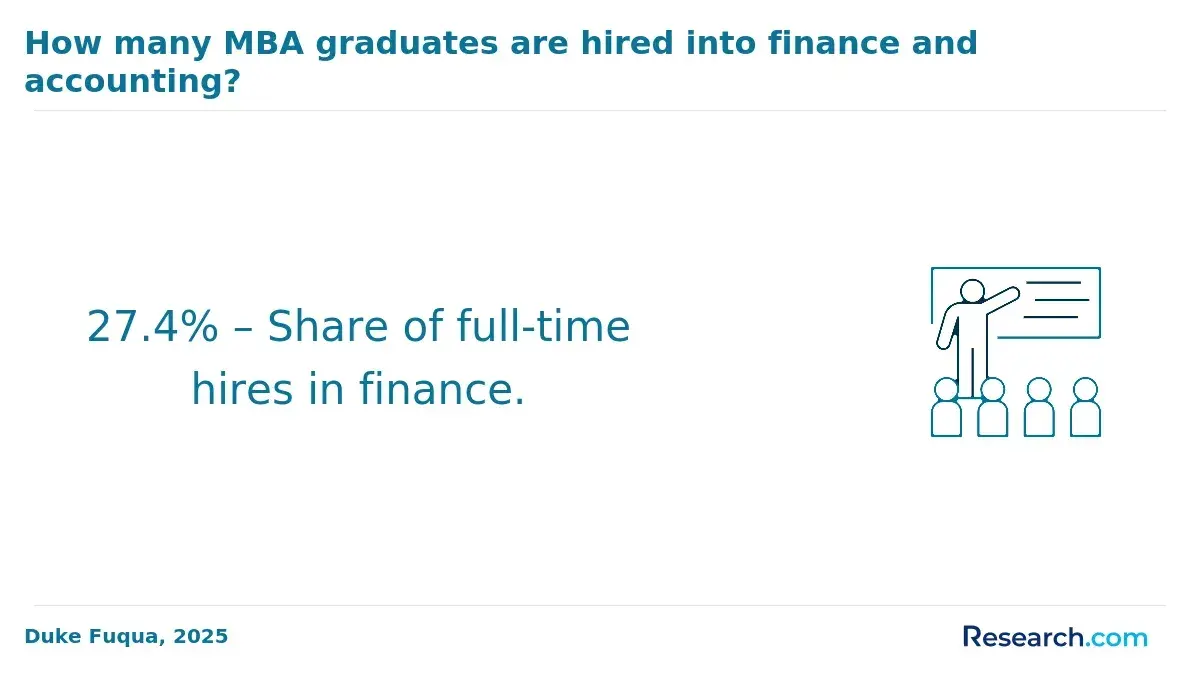
Pay varies widely by role, employer, market, location, sales performance, and licensing. The annual salary for bankers ranges from $47,080 at the low end, up to $215,210 or more among top earners in the field. This broad range is important: a branch banker, a commercial lender, and an investment banking representative may all work in “banking,” but their compensation models and risk levels can be very different. If salary is your primary goal, it may be useful to compare banking with the highest paid business majors.
| Career factor | What it means for future bankers |
| Projected growth | Employment is projected to grow 3% from 2024 to 2034. |
| Annual openings | There are 38,100 projected yearly job openings over the 10-year period. |
| Median pay | The median annual salary for bankers is $78,140. |
| Salary range | Annual pay ranges from $47,080 to $215,210 or more. |
| Competition level | Specialized and high-paying roles often require education, licensing, sales ability, technical finance skills, and strong networking. |
Required Skills for a Banker
Banking requires more than being “good with money.” Employers look for people who can interpret financial information, manage confidential data, explain products accurately, follow rules, and build client trust. The exact skill mix depends on the role: a retail banker needs strong customer service and product knowledge, while an investment banking representative needs deeper modeling, markets, and transaction skills.
Technical Skills
- Financial analysis: Bankers need to understand financial statements, income, assets, liabilities, cash flow, credit history, and investment opportunities.
- Credit and risk assessment: Lending and investment decisions require careful evaluation of repayment risk, collateral, market exposure, liquidity, and borrower or client suitability.
- Accounting and numerical accuracy: Strong arithmetic, accounting fundamentals, and attention to detail help bankers avoid costly errors in calculations, documentation, and recommendations.
- Banking platforms and software: Daily work often involves account systems, customer relationship management tools, loan platforms, reporting dashboards, and transaction software.
- Regulatory compliance: Bankers must understand rules related to anti-money laundering, know-your-customer procedures, privacy, fair lending, and securities activity when applicable.
- Financial modeling: Bankers in corporate finance, investment banking, valuation, and credit roles may build forecasts, scenario analyses, debt schedules, and valuation models.
- Market knowledge: Professionals who advise clients or support investment activity must follow interest rates, economic indicators, stocks, bonds, foreign exchange, derivatives, and sector trends.
- Data analysis and reporting: Banks increasingly rely on data to monitor risk, detect fraud, understand client behavior, and improve decision-making.
General Skills
- Clear communication: Bankers must translate complex financial information into language clients and colleagues can use.
- Customer service: Trust is central to banking. Strong service skills help retain clients and resolve problems before they escalate.
- Problem-solving: Bankers regularly address loan issues, account questions, documentation gaps, financial constraints, and client concerns.
- Adaptability: Technology, regulations, interest rates, and client expectations change quickly, so continuous learning is essential.
- Teamwork: Banking work often involves lenders, analysts, compliance staff, underwriters, operations teams, and relationship managers.
- Negotiation: Many roles require discussion of loan terms, pricing, fees, covenants, investment options, or service agreements.
- Sales and relationship building: Bankers often succeed by understanding client needs, recommending suitable products, and maintaining long-term relationships.
| Banking role | Skills that matter most |
| Retail banker | Customer service, product knowledge, compliance, sales, problem-solving |
| Commercial banker | Credit analysis, relationship management, financial statements, negotiation |
| Investment banking representative | Financial modeling, valuation, markets knowledge, transaction execution, licensing |
| Private banker | Wealth planning, client trust, investment awareness, discretion, relationship management |
| Risk or compliance banker | Regulation, data review, audit readiness, controls, documentation |
How to Start Your Career in Banking
The most common route into banking is a bachelor’s degree in finance, business, accounting, economics, or a related field. 56% of bankers hold a bachelor’s degree, making it the most-held degree among bankers. Students who need flexibility can compare an online business management degree with finance, accounting, and economics programs. A college degree is not the only possible entry point: 14% of bankers only hold a high school diploma, which shows that branch banking, teller work, customer service, and operations roles can sometimes provide an on-ramp.
After education, the next requirement depends on the type of banking work. Some roles do not require securities licensing, while others require registration through the Financial Industry Regulatory Authority (FINRA). FINRA is a private self-regulatory organization that oversees broker-dealers and registered securities professionals under the authority of the Securities and Exchange Commission. If a banker sells securities, gives certain investment recommendations, or performs regulated securities functions, the employer and role will determine which exams are required.
Typical Entry Steps
- Choose a banking track. Decide whether you are more interested in retail banking, commercial lending, wealth management, investment banking, risk, compliance, or operations.
- Build the right academic foundation. Finance, accounting, business, economics, mathematics, and data coursework are especially useful.
- Get experience early. Internships, teller roles, customer service positions, credit analyst jobs, and finance-related campus activities can help.
- Learn the regulatory expectations. Securities-related banking roles may require FINRA exams and employer sponsorship.
- Develop a professional network. Banking hiring often rewards referrals, internships, alumni connections, and strong interview preparation.
- Document measurable results. Track sales goals, client retention, underwriting experience, portfolio size, modeling projects, or compliance work when building your resume.
The Securities Industry Essentials Exam
The Securities Industry Essentials (SIE) exam tests foundational knowledge for people entering the securities industry. Topics include capital markets, regulatory agencies, products, prohibited practices, and market structure. Candidates must be 18 years or older and pay the examination fee to sit for the exam.
Passing the SIE is useful, but it does not by itself authorize a person to perform securities-related job functions. Many registered roles also require a representative-level exam and, in some cases, sponsorship by a FINRA member firm or another applicable self-regulatory organization member firm.
The Series 6 exam: the Investment Company and Variable Contracts Products Representative Qualification Examination (IR)
The Series 6 exam is for individuals who plan to sell mutual funds, variable annuities, and certain investment company products. It measures knowledge of investment products, regulations, customer interactions, and sales practices.
Candidates must pass the SIE exam before taking the Series 6. Passing the Series 6 allows registration as an Investment Company and Variable Contracts Products Representative. It is common for financial advisors, insurance agents, mutual fund representatives, and professionals who serve retail customers with these products.
The Series 7 exam: The General Securities Representative Qualification Examination
The Series 7 exam is broader than the Series 6 and evaluates whether an entry-level registered representative can perform general securities functions. It covers securities products, investment risk, customer accounts, regulatory requirements, trading, suitability, and professional conduct.
Applicants must pass the SIE exam and be associated with and sponsored by a FINRA member firm or other applicable SRO member firm. Passing the Series 7 is a common requirement for professionals who solicit, buy, or sell securities for clients.
The Series 79 exam: The Investment Banking Representative Exam
The Series 79 exam is designed for people who perform investment banking representative activities. It focuses on knowledge used in underwriting, private placements, public offerings, debt transactions, mergers and acquisitions, and related capital markets work.
To be eligible for the Series 79 exam, applicants must have passed the SIE exam and must be associated with and sponsored by a FINRA member firm or other applicable SRO member firm. It is especially relevant for professionals working in investment banks, securities firms, and financial institutions involved in capital raising or strategic transactions.
The Series 63 exam: the Uniform Securities State Law Examination
The Series 63 exam focuses on state securities laws and regulations. It is commonly required for securities agents who must register at the state level.
Many professionals take the Series 63 together with another exam, such as the Series 6 or Series 7, to satisfy state-level requirements for selling securities in covered jurisdictions.
These are among the most common FINRA-administered exams for early-career banking and securities professionals. Candidates should review the full list of qualifying exams before assuming which license applies to a specific job.
| Exam or credential | Best suited for | Important requirement |
| SIE | New entrants to securities-related roles | Must be 18 years or older and pay the examination fee |
| Series 6 | Professionals selling mutual funds, variable annuities, and investment company products | Requires passing the SIE exam |
| Series 7 | General securities representatives | Requires SIE plus association with and sponsorship by a FINRA member firm or other applicable SRO member firm |
| Series 79 | Investment banking representatives | Requires SIE plus association with and sponsorship by a FINRA member firm or other applicable SRO member firm |
| Series 63 | Securities agents registering at the state level | Often paired with Series 6 or Series 7 depending on the role |
How can I advance my career as a Banker?
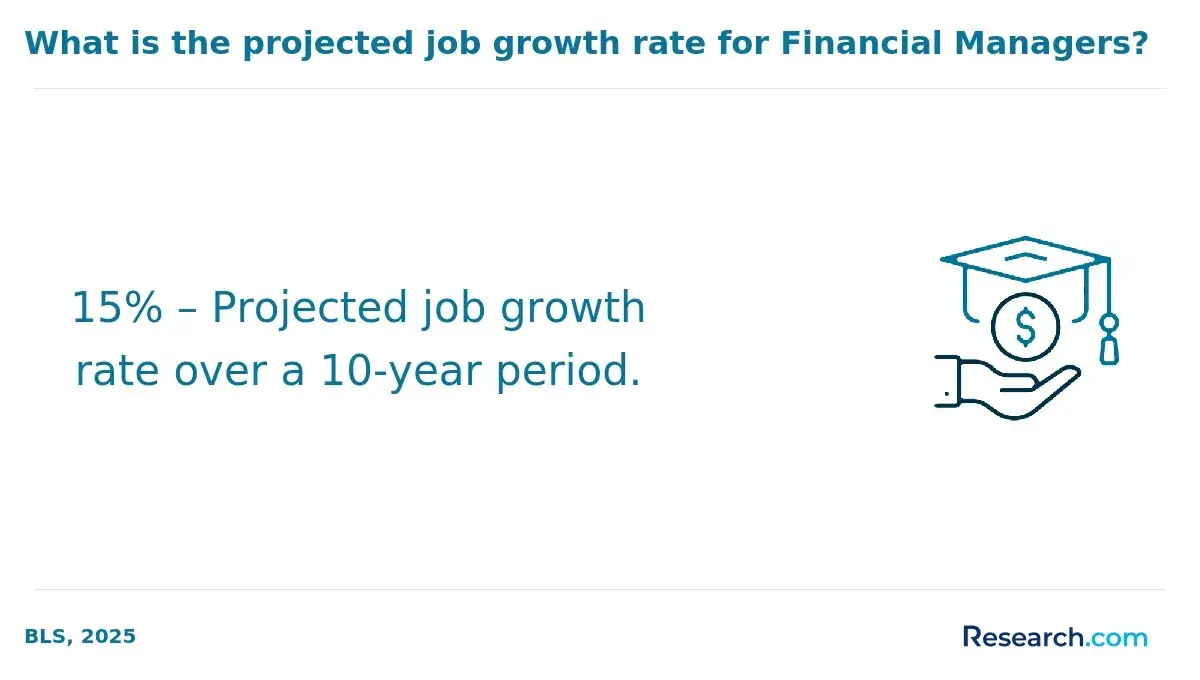
Advancement in banking usually comes from a combination of performance, credentials, specialized expertise, client relationships, and leadership ability. A graduate degree can help, especially for roles in corporate finance, investment banking, risk management, analytics, and management. Bankers and tellers who hold a master’s degree make $62,349 per year on average, while those who hold a bachelor’s degree average $44,379 per year. This creates a $17,970 annual pay gap between bankers with master’s degrees and those with bachelor’s degrees.
Degrees are not the only path. Many bankers advance by earning respected finance credentials, becoming licensed for more complex products, moving from operations into client-facing roles, or specializing in areas such as credit, risk, mergers and acquisitions, wealth management, or compliance.
Chartered Financial Analyst
The Chartered Financial Analyst (CFA) designation is awarded by the CFA Institute and is widely recognized in investment management, research, portfolio management, and financial analysis. It is best suited for bankers who want deeper investment expertise rather than a general banking credential.
To become a CFA charterholder, candidates complete the CFA Program, which covers 10 topic areas, requires over 900 hours of self-study, and includes at least 4,000 hours of qualified work experience. Many candidates take multiple years to complete all three levels because the curriculum is rigorous. There are over 190,000 CFA Charterholders all over the world, in 160 markets.
Financial Risk Manager (FRM) Certification
The Financial Risk Manager (FRM) certification is awarded by the Global Association of Risk Professionals (GARP). It is especially relevant for bankers interested in market risk, credit risk, operational risk, liquidity risk, and enterprise risk management.
FRM-certified professionals may work in banks, insurers, asset managers, consulting firms, and regulatory organizations. Their work often involves identifying threats to financial stability, measuring exposures, stress testing portfolios, evaluating controls, and advising decision-makers on risk mitigation.
Acquiring the FRM certification requires passing a comprehensive two-part examination covering quantitative analysis, financial markets and products, risk measurement and management, and current industry practices. Candidates must also demonstrate at least two year relevant work experience in risk assessment and management.
Financial Modeling and Valuation Analyst (FMVA) Certification
The Financial Modeling and Valuation Analyst certification is awarded by the Corporate Finance Institute (CFI). It can be useful for bankers who need stronger Excel modeling, valuation, accounting, forecasting, and transaction analysis skills.
CFI’s program is open to banking and finance professionals and includes eight prep courses, 13 core courses, and at least three elective courses, out of 19 available electives. After completing the coursework, candidates must pass a final exam to earn the certification.
FMVA skills are useful in investment banking, private equity, corporate finance, valuation advisory, consulting, financial planning, and mergers and acquisitions work.
Transitioning Into Internal Auditing: A Strategic Shift for Bankers
Internal auditing can be a practical career move for bankers who enjoy controls, risk, ethics, documentation, and process improvement more than sales or client acquisition. Bankers already understand financial systems, transaction flows, regulatory expectations, and operational risk, all of which transfer well into audit work.
Internal auditors evaluate whether an organization’s risk management, internal controls, financial reporting processes, and compliance systems are functioning effectively. Instead of only identifying problems, strong auditors recommend improvements that reduce risk and strengthen governance.
If you are considering the internal audit career path, credentials such as the Certified Internal Auditor designation may improve credibility. Bankers moving into audit should also build skills in fraud detection, data analytics, compliance testing, report writing, and stakeholder communication.
This transition may be especially appealing if you want a finance-adjacent role with strong analytical depth, less emphasis on sales targets, and clearer exposure to governance and enterprise risk.
Alternative Career Options for a Banker
Banking develops transferable skills in finance, analysis, client management, documentation, compliance, and risk assessment. Those skills can support movement into adjacent fields, but the right alternative depends on your interests. For example, someone who enjoys organizing operations might research how to choose the best administrative assistant education, while someone drawn to large projects and budgets may compare banking with a construction manager career path.
| Alternative role | What the work involves | Median Annual Salary |
| Economist | Studies economic data, labor markets, inflation, resource allocation, policy, and growth trends. | $93,559 |
| Real Estate Agent | Helps clients buy, sell, or rent property; may advise on pricing, negotiation, marketing, and transactions. Professionals interested in this area can compare options such as an online masters in real estate. | $45,325 |
| Accountant | Records, analyzes, reports, and verifies financial transactions; may support tax, compliance, audits, and business decisions. | $60,648 |
| Insurance Agent | Assesses client insurance needs, explains coverage, sells policies, processes claims, and maintains relationships. | $54,549 |
If you want a finance-related career outside traditional banking, you can also explore valuation-oriented paths such as the real estate appraiser career path.
Bankers: The Cutting Edge of the Financial Frontier
Banking remains one of the broadest career categories in finance. It can lead to client service, lending, investments, capital markets, compliance, audit, operations, risk management, and executive leadership. The field offers exposure to individuals, companies, investors, and institutions, but it also demands accuracy, trust, resilience, and constant learning.
The best way to evaluate banking is not to ask whether “banking” is good in general. Ask which banking path fits your strengths. Retail banking rewards service and product knowledge. Commercial banking rewards credit judgment and relationship management. Investment banking rewards stamina, modeling, transaction knowledge, and licensing. Risk and compliance reward precision, controls, and regulatory awareness.
How can accelerated finance degree programs fast-track my banking career?
Accelerated finance degree programs can help motivated students or working professionals build finance knowledge faster than a traditional schedule may allow. These programs may be useful if you already know you want to enter banking, move from a non-finance role into finance, or qualify more quickly for analyst, credit, lending, or advisory positions.
A strong accelerated program should still cover core finance, accounting, economics, analytics, risk management, and business communication. Speed should not come at the expense of accreditation, transferability, employer recognition, or preparation for licensing and graduate study. If time is your biggest constraint, compare programs carefully before selecting the fastest finance degree.
What are the challenges in a Banking career?
Banking can be rewarding, but several challenges are worth understanding before you commit. Many roles involve performance goals, client acquisition expectations, strict documentation, compliance review, and constant scrutiny of risk. Mistakes can have financial, legal, or reputational consequences.
The industry also changes quickly. Fintech platforms, automation, digital banking, artificial intelligence, cybersecurity threats, and changing regulations all affect how banks operate. Bankers who stop learning may find their skills outdated.
Work-life balance varies by role. Branch and operations roles may have more predictable schedules, while investment banking and deal-driven teams can involve long hours, urgent deadlines, and intense client demands.
Economic cycles can also affect hiring. During downturns, banks may tighten credit, reduce staff, reorganize teams, or slow hiring in vulnerable business lines. Building transferable skills in analysis, compliance, technology, sales, and relationship management can reduce career risk.
How can bankers stay competitive and advance their skills in the evolving financial landscape?
Bankers stay competitive by treating education as an ongoing requirement, not a one-time degree. The strongest professionals understand finance fundamentals, regulatory responsibilities, digital tools, client behavior, and industry trends.
Professional credentials can help when they align with your career goal. The CFA may support investment-focused roles. The FRM may benefit risk professionals. The FMVA can strengthen modeling and valuation ability. Securities licenses may be mandatory for regulated activities. Some bankers also pursue graduate business education, including one year MBA programs, when they want a faster route to broader management training.
Networking also matters. Mentors, alumni, industry associations, conferences, internal mobility programs, and cross-functional projects can expose bankers to opportunities that are not obvious from job postings alone.
Technology skills are now central. Bankers who understand data analysis, digital onboarding, AI-supported decision tools, fraud detection, cybersecurity basics, and financial modeling software are better positioned for roles that combine finance judgment with modern banking platforms.
How can developing leadership and soft skills enhance a banking career?
Technical finance skills may help you enter banking, but leadership and soft skills often determine how far you advance. Managers must coach teams, handle client escalations, communicate strategy, manage change, and make decisions under uncertainty.
Important leadership skills include strategic thinking, conflict resolution, ethical judgment, presentation ability, coaching, negotiation, and cross-functional collaboration. Bankers who want a structured business foundation may compare options such as an online business administration degree.
How are digital innovations transforming the banking landscape?
Digital banking has changed how clients open accounts, apply for loans, move money, invest, and communicate with financial institutions. As a result, bankers increasingly work with data dashboards, automated workflows, digital risk tools, customer analytics, and AI-supported systems.
This shift does not eliminate the need for human judgment. Instead, it changes what bankers must be good at. Professionals need to interpret digital outputs, spot exceptions, explain recommendations, protect client information, and understand cybersecurity and data privacy risks. Bankers seeking advanced finance education with cost in mind may compare options such as the cheapest online masters in economics.
What is the role of business management skills in banking?
Business management skills help bankers understand how financial institutions operate beyond individual transactions. Managers need to allocate resources, improve processes, supervise teams, evaluate performance, manage risk, and align banking services with market conditions.
These skills become more important as bankers move from individual contributor roles into branch leadership, portfolio management, product management, operations, strategy, or executive positions. If you are comparing business-focused academic paths, reviewing what is the difference between business administration and business management can clarify which curriculum better fits your goals.
What opportunities are available for bankers to advance their education?
Bankers can advance their education through graduate degrees, professional certificates, employer training, continuing education, and specialized finance programs. The right option depends on the target role. A lending professional may benefit from credit training, while a risk professional may pursue risk credentials, and an executive-track banker may consider an MBA or Doctor of Business Administration.
A DBA can be relevant for experienced bankers who want high-level leadership, applied research, consulting, or executive responsibilities. Cost and flexibility matter, so working professionals may want to compare online DBA programs before enrolling. Finance, accounting, international business, analytics, and compliance specializations may also support advancement.
How can emerging blockchain and cryptocurrency trends empower bankers?
Blockchain and cryptocurrency have introduced new questions for banks around payments, custody, compliance, fraud prevention, digital assets, and client education. Bankers do not need to become software developers, but those in investment, risk, compliance, fintech, or product roles may benefit from understanding distributed ledgers, tokenization, stablecoins, wallet security, and regulatory uncertainty.
Because this area changes quickly, bankers should be cautious about hype and focus on practical knowledge: how digital assets are regulated, how risks are disclosed, how transactions are monitored, and how institutions protect clients. Structured cryptocurrency university courses can help professionals build a more disciplined foundation.
Why is a Strong Accounting Foundation Crucial for Bankers?
Accounting is one of the most useful foundations for banking because it teaches how money moves through statements, businesses, and balance sheets. Bankers who understand accounting can better assess borrowers, evaluate profitability, interpret cash flow, review ratios, and identify financial red flags.
This foundation is especially important in credit analysis, commercial lending, investment banking, corporate banking, risk management, and valuation. Students who want to strengthen this area may consider an accounting degree online as an alternative or complement to a finance-focused path.
How can sustainable finance trends influence a banker's career trajectory?
Sustainable finance is affecting how banks evaluate investments, lending relationships, reputational risk, and long-term strategy. Environmental, social, and governance considerations can influence credit decisions, portfolio construction, reporting expectations, and client demand for responsible financial products.
Bankers who understand ESG data, sustainable lending, climate-related risk, and transparent reporting may be better prepared for roles in corporate banking, investment management, risk, and advisory services. Digital tools that track ESG metrics can also support more informed decision-making. For students seeking a broad and affordable business foundation, the cheapest online business administration degree may be worth comparing with finance-specific programs.
Ethics and Compliance in Banking: Upholding Trust and Integrity
Trust is the foundation of banking. Clients give banks access to sensitive financial information, deposits, credit histories, business records, and investment goals. Because of that trust, bankers operate under strict rules involving anti-money laundering, customer verification, privacy, fair lending, securities activity, and investment transparency.
Importance of Ethics in Banking
Bankers must put client interests, legal requirements, and institutional standards ahead of short-term gain. Ethical failures such as misleading clients, hiding risks, misusing confidential information, discriminating in lending, or recommending unsuitable products can lead to fines, lawsuits, termination, and lasting reputational damage.
Key Compliance Requirements
- Anti-Money Laundering (AML) and Counter-Terrorist Financing (CTF): Banks must detect, report, and prevent suspicious activity connected to money laundering or terrorism financing.
- Know Your Customer (KYC): Banks verify client identities, assess risk, collect required information, and monitor accounts for unusual activity.
- Data Privacy and Protection: Banks must protect sensitive client information and prevent unauthorized access, misuse, or breach of records.
- Fair Lending and Anti-Discrimination Laws: Financial institutions must provide access to credit and services without unlawful discrimination.
Navigating Ethical Dilemmas
Ethical dilemmas often involve conflicts between revenue goals and client suitability, pressure to approve questionable transactions, or uncertainty about disclosure. Strong bankers document decisions, escalate concerns, follow internal policies, and seek guidance from compliance teams when needed.
Ethics and compliance are not administrative side tasks. They are core banking skills that protect clients, institutions, markets, and the banker’s own career.
Common Mistakes to Avoid When Preparing for a Banking Career
| Mistake | Better approach |
| Choosing a degree based only on speed or convenience | Check accreditation, curriculum quality, employer recognition, and fit with your target banking role. |
| Assuming all banking jobs require the same licenses | Review the specific role and employer requirements before preparing for FINRA exams. |
| Ignoring accounting | Build enough accounting knowledge to read financial statements and assess risk. |
| Focusing only on salary | Compare work hours, sales pressure, licensing, advancement potential, and job stability. |
| Relying only on rankings or program ads | Ask about internship support, placement outcomes, faculty experience, alumni network, and transfer policies. |
| Underestimating compliance | Treat regulation, documentation, ethics, and privacy as core professional responsibilities. |
| Neglecting technology skills | Learn data analysis, digital banking tools, financial modeling, cybersecurity basics, and AI-supported workflows. |
Questions to Ask Before Choosing Banking
- Do I want a client-facing role, an analytical role, a risk role, or an operations role?
- Am I comfortable working in a regulated environment where documentation matters?
- Would I rather build long-term client relationships or work on transactions and deals?
- Am I willing to pursue FINRA exams or professional certifications if my target role requires them?
- Which degree or credential gives me the best path to internships, entry-level roles, and advancement?
- How much sales pressure, market risk, or long-hour work am I prepared to accept?
- Can I build transferable skills in accounting, data, compliance, communication, and financial analysis?
References
- BLS. Occupational Employment and Wage Statistics. Industry: Cross-industry, Private, Federal, State, and Local Government. https://data.bls.gov/oes/#/industry/000000
- BLS. Securities, Commodities, and Financial Services Sales Agents: Occupational Outlook Handbook. U.S. Bureau of Labor Statistics. https://www.bls.gov/ooh/sales/securities-commodities-and-financial-services-sales-agents.htm
- BLS. Tellers. https://www.bls.gov/ooh/office-and-administrative-support/tellers.htm
- CFA Institute. CFA Program. https://www.cfainstitute.org/en/programs/cfa
- CFA Institute. How to Become a CFA Charterholder. https://www.cfainstitute.org/en/programs/cfa/charter
- CFA Institute. Press release. https://www.cfainstitute.org/about/press-releases/2022/cfa-institute-expands-young-women-in-investment-program-sponsorship-AXA-investment-managers
- Corporate Finance Institute. Become a Certified Financial Modeling & Valuation Analyst (FMVA). https://corporatefinanceinstitute.com/certifications/financial-modeling-valuation-analyst-fmva-program
- Financial Industry Regulatory Authority. Professional Designations and Credentials. https://www.finra.org/investors/investing/working-with-investment-professional/professional-designations-credentials
- Financial Industry Regulatory Authority. Securities Industry Essentials® (SIE®) Exam. https://www.finra.org/registration-exams-ce/qualification-exams/securities-industry-essentials-exam
- Financial Industry Regulatory Authority. Series 6 Investment Company and Variable Contracts Products Representative Exam. https://www.finra.org/registration-exams-ce/qualification-exams/series6
- Financial Industry Regulatory Authority. Series 7 General Securities Representative Exam. https://www.finra.org/registration-exams-ce/qualification-exams/series7
- Financial Industry Regulatory Authority. Series 63 Uniform Securities Agent State Law Exam. https://www.finra.org/registration-exams-ce/qualification-exams/series63
- Financial Industry Regulatory Authority. Series 79 Investment Banking Representative Exam. https://www.finra.org/registration-exams-ce/qualification-exams/series79
- GARP. FRM® Exam | Financial Risk Manager Certification. https://www.garp.org/frm
- Indeed Editorial Team. 11 Certifications for Bankers To Pursue. https://www.indeed.com/career-advice/career-development/certification-for-bankers
- Indeed Editorial Team. 12 Careers You Can Pursue in Banking. https://www.indeed.com/career-advice/finding-a-job/career-of-banking
- Indeed Editorial Team. 15 Entry-Level Jobs in Banks (With Salaries and Job Duties). https://www.indeed.com/career-advice/finding-a-job/entry-level-jobs-in-banks
- Robert Half. February 2026 jobs report: U.S. economy loses 92,000 jobs. https://www.roberthalf.com/us/en/insights/research/february-2026-jobs-report-us-economy-loses-92000-jobs
- Salary.com. Accountant I Salary. https://www.salary.com/research/salary/benchmark/accountant-i-salary
- Salary.com. Economist Salary. https://www.salary.com/research/salary/listing/economist-salary
- Salary.com. Insurance Agent Salary. https://www.salary.com/research/salary/benchmark/insurance-agent-salary
- Salary.com. Real Estate Sales Agent Salary. https://www.salary.com/research/salary/benchmark/real-estate-agent-salary
- Western Governors University. What Is a Banker? https://www.wgu.edu/career-guide/business/banker-career.html#close
- Zippia. Banker demographics and statistics in the US. https://www.zippia.com/banker-jobs/demographics
Key Insights
- Banking is not one job. Retail banking, commercial banking, private banking, investment banking, risk, compliance, and operations require different skills and credentials.
- The salary range is wide. The median annual salary for bankers is $78,140, but annual pay ranges from $47,080 to $215,210 or more depending on role, market, performance, and specialization.
- Job growth is steady, not explosive. Employment is projected to grow 3% from 2024 to 2034, with 38,100 projected yearly job openings over that 10-year period.
- Education helps, but licensing may matter more for certain roles. 56% of bankers hold a bachelor’s degree, while 14% only hold a high school diploma. Securities-related work may require FINRA exams such as the SIE, Series 6, Series 7, Series 79, or Series 63.
- Advancement depends on specialization. The CFA, FRM, and FMVA can be valuable, but only when they match the banking path you want.
- Technology is changing banker expectations. Data analysis, digital banking tools, cybersecurity awareness, AI-supported workflows, and fintech knowledge are becoming important complements to traditional finance skills.
- Ethics and compliance are career-critical. Bankers who understand AML, KYC, fair lending, privacy, and suitability rules are better prepared to protect clients and avoid professional risk.
- The best decision starts with fit. Choose banking if you want finance plus client service, analysis, regulation, and continuous learning. Consider another business or finance path if you want lower pressure, less compliance, or minimal customer interaction.
Other Things You Should Know About Becoming a Banker
In 2027, starting a banking career without a college degree is possible but challenging. Entry-level positions like bank teller or customer service representative may not require a degree, but progressing to higher roles typically requires at least an associate degree or relevant certifications.
Key skills include financial analysis, risk assessment, customer service, problem-solving, communication, regulatory compliance, and technical skills in data analysis and financial modeling.
Beneficial certifications include Chartered Financial Analyst (CFA), Financial Risk Manager (FRM), and Financial Modeling and Valuation Analyst (FMVA). These certifications demonstrate expertise and can lead to career advancement.
To become a banker in 2027, most entry-level positions require at least a bachelor's degree in finance, economics, or a related field. Some roles may accept associate degrees coupled with relevant experience, but higher education opens more advancement opportunities.
Most banks require a criminal background check, employment verification, and credit history review before hiring. Some roles also require fingerprinting and a review under Federal Deposit Insurance Corporation Section 19 rules, which limit hiring people with certain dishonesty or breach-of-trust convictions.
Bankers have transferable skills that can lead to careers as economists, real estate agents, accountants, and insurance agents. These roles utilize financial analysis, customer service, and regulatory compliance skills.
In 2027, internships at major financial institutions like JPMorgan Chase, Goldman Sachs, or Bank of America provide valuable real-world experience, networking opportunities, and exposure to banking operations. Pursuing internships in areas such as investment banking, commercial banking, or asset management is crucial for gaining industry insight and kickstarting a banking career.