2027 Nurse Education Skills Gap Analysis: What Employers Want vs What Degree Programs Teach

Co-Founder and Chief Data Scientist
Imagine a recent nurse education graduate stepping into the workforce only to find a disconnect between the skills gained during their program and what employers actually require. This gap can lead to frustration, reduced confidence, and a slower transition into competent practice. Many graduates discover that while theoretical knowledge is robust, practical teaching skills and clinical application are often underemphasized in their degree programs.
Employers seek nurse educators who not only understand clinical content but also excel in communication, curriculum design, and adaptive teaching methods. Bridging this divide is crucial for new nurse educators aiming to meet professional expectations and advance their careers. This article explores the differences between what nurse education degree programs teach and what employers want, offering insights to help readers enhance their readiness and align better with workforce demands.
Key Things to Know About Nurse Education Skills Gap
- Employers often find nurse education programs insufficient in developing applied clinical judgment, prompting a skills gap that requires graduates to pursue additional hands-on training to meet practical demands.
- Critical communication, interdisciplinary teamwork, and technological proficiency are expected beyond classroom instruction, revealing a mismatch that can delay new nurses' full integration into healthcare settings.
- According to a 2024 Nursing Workforce Study, 58% of nurse educators recommend simulation labs and clinical externships before graduation, underscoring their role in improving real-world readiness and job retention.
- Key Things to Know About Nurse Education Skills Gap Key Things to Know About Nurse Education Skills Gap
- What Skills Do Employers Expect From Nurse Education Graduates? Employer Expectations
- What Do Nurse Education Degree Programs Typically Teach? Program Curriculum
- Where Is the Biggest Skills Gap Between Nurse Education Programs and Employers? Biggest Skills Gap
- Which Technical Skills Are Most Important for Nurse Education Careers? Technical Skills
- Which Workplace Skills Matter Beyond Technical Knowledge? Workplace Skills
- How Do Internships and Real-World Experience Improve Career Readiness? Career Experience
- How Can Students Close the Nurse Education Skills Gap Before Graduating? Closing Skills Gap
- How Is the Nurse Education Job Market Changing Employer Skill Requirements? How Is the Nurse Education Job Market Changing Employer Skill Requirements?
- How Do Different Nurse Education Programs Compare in Career Preparation? How Do Different Nurse Education Programs Compare in Career Preparation?
- How Should Students Choose a Nurse Education Program That Builds Career-Ready Skills? Choosing a Program
What Skills Do Employers Expect From Nurse Education Graduates?
Employers seeking nursing graduate employer expectations in 2024 emphasize a nuanced combination of technical capabilities and interpersonal strengths tailored to the evolving healthcare education landscape. Recent labor market data, including insights from Lightcast and the World Economic Forum, indicate that proficiency in healthcare technology and data literacy now ranks alongside essential soft skills in job demands. Graduates must be prepared not only to instruct nursing students but also to navigate and leverage digital health tools, which have become integral to clinical teaching environments. This blend of skills addresses real-world scenarios where nurse educators must interpret electronic health records and utilize evidence-based resources to guide student decision-making effectively.
Here are the essential skills for nurse education graduates that repeatedly surface in employer evaluations:
- Technical proficiency: Nurse education graduates are expected to master electronic health records, simulation technologies, and healthcare informatics. This technical foundation, typically built through clinical practicums and targeted coursework, ensures educators can model and teach the competencies modern healthcare settings demand.
- Critical thinking and clinical reasoning: Employers value the ability to assess complex patient data and facilitate student development in clinical decision-making. These skills are cultivated through immersive clinical experiences and scenario-based learning, preparing educators to mentor students through unpredictable care challenges.
- Effective communication: Strong verbal and written communication skills are vital for collaborating with healthcare teams and supporting diverse learners. Nurse education programs that emphasize interdisciplinary interaction and reflective practice better equip graduates to foster a supportive learning atmosphere.
- Adaptability and lifelong learning: The dynamic nature of healthcare requires educators to continuously update their knowledge and teaching strategies. Graduates who engage with ongoing professional development demonstrate resilience and relevance in an ever-changing field.
- Cultural competence and emotional intelligence: With patient and student populations becoming increasingly diverse, empathy and cultural awareness are indispensable. Nurse education programs that integrate these elements prepare graduates to address the psychosocial complexities of healthcare education effectively.
- Mentorship and leadership: Beyond content delivery, employers look for nurse educators capable of guiding students' professional growth and managing educational environments. Leadership roles often arise from experiences gained during clinical instruction and academic projects.
According to 2024 analyses from LinkedIn, over 60% of nursing education roles explicitly require a blend of these technical and professional skills, underscoring their significance in workforce readiness. Prospective students should consider how programs align with these expectations and assess factors such as program affordability and outcomes, including how much is the RN program, to make informed choices that support both their educational and career goals.
What Do Nurse Education Degree Programs Typically Teach?
Nurse education degree programs focus heavily on equipping students with a comprehensive set of clinical and theoretical skills essential for effective patient care and professional nursing practice. While curricula vary, most align with established competency frameworks that emphasize evidence-based practice, leadership, and interprofessional collaboration. These programs not only build foundational nursing knowledge but also seek to embed critical thinking and ethical reasoning aligned with workforce demands. For example, a newly graduated nurse educator may need to balance teaching patient-centered care while integrating emerging healthcare technologies effectively. Below are key competencies and learning outcomes commonly emphasized in nurse education curriculum fundamentals.
- Clinical Proficiency and Patient Care: Students gain core skills in direct patient assessment, treatment planning, and care delivery. This area is prioritized to ensure graduates can safely manage diverse clinical scenarios and respond to real-time patient needs across settings.
- Theoretical Nursing Foundations: Curriculum includes nursing theories, anatomy, pharmacology, and health assessment techniques. These inform both practical decisions and the development of critical thinking necessary for adapting to evolving medical environments.
- Evidence-Based Practice Competency: Programs emphasize applying best available research to nursing practice. This supports quality improvement initiatives and ensures clinical decisions are grounded in validated methodologies, an expectation identified by the American Association of Colleges of Nursing.
- Leadership and Healthcare Policy: Students learn principles of healthcare management, legal-ethical standards, and policy implications. These prepare graduates to influence organizational change and advocate for patients effectively within complex healthcare systems.
- Cultural Competence and Diversity: Preparing nurses to engage with diverse populations, curricula integrate public health principles and cultural awareness. This competency enhances communication and reduces disparities in patient outcomes.
- Technology and Informatics Skills: Although typically underrepresented, learning emerging healthcare technologies-including electronic health records and data analytics-is increasingly incorporated. This reflects employer demands for nurses confident in digital tools critical to modern healthcare delivery.
- Interprofessional Collaboration: Programs foster teamwork skills across healthcare disciplines to improve patient outcomes. Understanding roles within interdisciplinary teams is vital for efficient care coordination and patient safety.
Where Is the Biggest Skills Gap Between Nurse Education Programs and Employers?
The gap between nurse education programs and employer expectations in 2024 is most pronounced in areas requiring rapid practical application and adaptive problem-solving. While academic programs build foundational knowledge, they often underprepare graduates for the urgent decision-making and teamwork demands of clinical settings. According to recent data from the National League for Nursing, over 60% of healthcare employers report new nurses struggle with skills essential to immediate patient care. Below are key domains where these gaps frequently emerge.
- Acute Clinical Judgment: Many programs focus heavily on theory but offer limited hands-on exposure to high-pressure situations like emergency rooms or critical care units. This leaves graduates less confident in quickly assessing patient status and making timely decisions. To bridge this, students should pursue intensive clinical rotations or simulation experiences that mimic real-life crises.
- Interprofessional Communication: Effective teamwork across disciplines is crucial in healthcare, yet employers note new nurses often lack competence in conflict resolution and cultural sensitivity. Embedding leadership and communication workshops, along with collaborative projects, can enhance readiness for multidisciplinary collaboration.
- Healthcare Technology Fluency: Although simulation labs provide some technology training, actual comfort with electronic health records and health informatics tools remains uneven. Graduates benefit from certifications or internships that provide direct interaction with the systems used daily in patient management.
- Exposure to Diverse Patient Populations: Shortened practicum hours and competition for placements reduce opportunities for students to encounter complex cases and varied demographics. This gap impacts clinical adaptability and cultural competence, which are critical for quality care in diverse communities.
A nurse education graduate shared that during her first weeks in an urban hospital ICU, she felt overwhelmed by the speed and complexity of decisions required. Despite passing simulations, encountering real patients with multiple comorbidities forced her to quickly learn prioritization and communication skills on the job. She recalled hesitating before initiating certain interventions, wishing she had more extensive practical experience beforehand. Over time, mentorship and daily challenges accelerated her growth, but the initial gap underscored how academic preparation alone rarely translates directly to workforce readiness without immersive clinical experiences.
Which Technical Skills Are Most Important for Nurse Education Careers?
Technical skills bridge the gap between theoretical knowledge and effective practice in nurse education careers. As healthcare and education technologies evolve, so too do the competencies educators must master to remain relevant and impactful. The most valuable technical skills not only enhance teaching quality but also prepare students for the realities of modern clinical environments. Given the multicultural and interdisciplinary nature of healthcare, nurse educators must juggle diverse digital tools, data sources, and instructional strategies to meet employer expectations, which shift with advances in healthcare delivery models and educational technologies. Below are some of the core technical skills consistently prioritized by employers across nurse education roles.
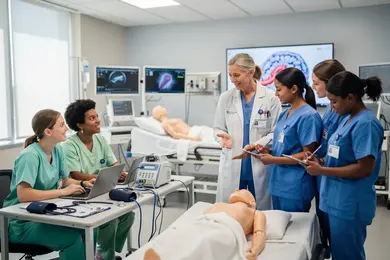
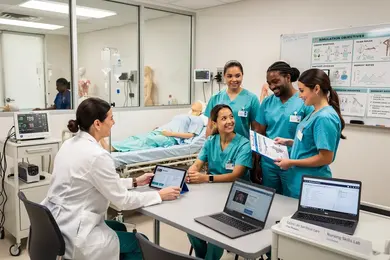
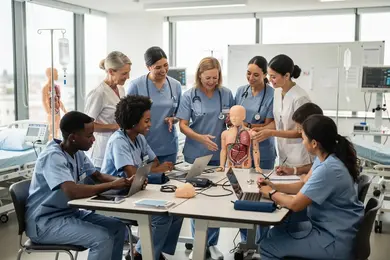
- Simulation-Based Learning: Proficiency with advanced patient simulators and virtual reality platforms enables educators to construct immersive clinical scenarios. This hands-on experience is vital as it allows students to practice decision-making and responses in lifelike settings, enhancing preparedness for actual patient care.
- Data Management and Informatics: Navigating electronic health records and interpreting clinical datasets are crucial for integrating evidence-based practices into curricula. These skills support educators in teaching students digital literacy skills needed in an increasingly data-driven healthcare field.
- Curriculum Technology Expertise: Familiarity with learning management systems and curriculum design software is essential as hybrid and online teaching methods expand. Competence here ensures flexibility and accessibility, allowing educators to tailor instruction to diverse learner needs.
- Assessment and Evaluation Tools: Effective use of standardized testing platforms and competency-based evaluation methods helps educators accurately measure student progress. Adapting instructional approaches based on these assessments strengthens educational outcomes and aligns training with employer expectations.
- Interprofessional Collaboration Software: Skills in digital tools that facilitate team-based learning promote the interdisciplinary communication essential in healthcare settings. This competency supports nurse educators in fostering collaborative skills among students, mirroring real-world clinical environments.
According to the Healthcare Education Workforce Survey 2024, over 70% of employers seek nurse educators with demonstrated expertise in these technologies, underscoring their role in graduate employability and institutional effectiveness.
Which Workplace Skills Matter Beyond Technical Knowledge?
Career success in nursing depends on more than technical expertise gained through a Nurse Education degree. While clinical competence remains the backbone of professional practice, employers report that essential soft skills for nursing professionals significantly impact both immediate workplace effectiveness and sustained career development. Research from organizations like the American Association of Colleges of Nursing and recent 2024 workforce studies by the National Academies of Sciences indicate that communication, adaptability, and critical thinking are frequently prioritized alongside clinical skills. A well-rounded skill set combines durable professional competencies with technical training to ensure graduates can navigate complex healthcare environments. Below are key critical workplace competencies for nurse education graduates employers consistently value.
- Effective Communication: Employers emphasize the ability to clearly explain complex medical information to patients and interdisciplinary teams. Nurse education programs can enhance this skill through simulation exercises and real-world clinical partnerships, preparing graduates to lead sensitive conversations and reduce misunderstandings that affect patient outcomes.
- Adaptability Under Pressure: The pandemic highlighted the need for nurses to rapidly adjust to evolving protocols and technologies. Coursework incorporating crisis scenarios or variable clinical rotations helps students build resilience and flexibility, traits that employers demand for managing uncertainty in fast-changing healthcare settings.
- Critical Thinking and Judgment: Beyond following protocols, nurses must assess deviations from textbook cases and make ethical, prioritized decisions quickly. Programs offering problem-based learning and clinical decision-making labs foster this skill, which differentiates high-performing practitioners in unpredictable situations.
- Leadership and Teamwork: Employers seek professionals capable of functioning autonomously and collaboratively within multidisciplinary teams. Developing emotional intelligence, conflict resolution, and mentorship abilities through group projects or peer coaching enhances workplace culture and patient care.
- Emotional Intelligence: Sensitivity to patient and colleague emotions supports compassionate care and effective conflict management. Training that includes reflective practice and communication workshops helps build this competency, which employers identify as frequently absent in new graduates.
- Ethical Reasoning: Nurses often face complex moral choices requiring adherence to professional standards and patient advocacy. Integrating ethics discussions into coursework prepares students to handle dilemmas that impact trust and long-term career credibility.
- Technological Proficiency: Familiarity with healthcare IT systems and medical devices is increasingly vital. Hands-on exposure through clinical practicums ensures graduates meet workforce expectations for digital competence.
One recent study noted that nearly 70% of employers in healthcare report professional skills deficits among recent nurse education graduates, underscoring the need for more comprehensive curricula focused on these competencies. Prospective students looking to strengthen their employability and workplace readiness might also explore medical assistant programs that accept financial aid as a complementary pathway to gain workplace-critical skills and practical experience.
How Do Internships and Real-World Experience Improve Career Readiness?
Classroom instruction in nurse education often falls short in fully preparing students for the complexities of healthcare environments. While theoretical knowledge is vital, it does not automatically translate into the practical judgment, confidence, and adaptability required on the job. Real-world experiences like internships provide essential opportunities to apply learned concepts in fast-paced clinical settings, helping students navigate patient care challenges, time constraints, and teamwork dynamics. A 2024 report from the National Council of State Boards of Nursing highlights that graduates with structured internships enjoy a 25% higher employment rate within six months than those without such experience, emphasizing the tangible advantages of hands-on learning.
Experiential learning also cultivates professional communication skills, technical competence, and an understanding of workplace culture that classroom settings cannot replicate. Internships and clinical placements encourage networking, mentorship, and exposure to diverse patient populations, which enhance students' ability to make informed career decisions and adapt to varying institutional expectations. However, the scope and quality of these opportunities differ widely by program and healthcare setting, making it critical for students to assess the mentorship, supervision, and range of clinical scenarios available in their training.
To leverage experiential learning effectively, prospective students should seek early internship placements and engage in applied projects that challenge their critical thinking and adaptability. Building relationships with seasoned clinicians allows for ongoing feedback and professional growth, while reflecting on practical experiences can deepen self-awareness and align skills development with long-term goals. Ultimately, internships strengthen career readiness most when combined with sustained academic effort, continuous skill refinement, and purposeful career planning.
How Can Students Close the Nurse Education Skills Gap Before Graduating?
Students pursuing a nurse education degree need not wait until graduation to develop the competencies employers demand. Building practical, job-ready skills alongside academic coursework substantially raises the odds of securing a position shortly after completing the program. This proactive approach helps bridge the persistent disconnect between theoretical learning and clinical workforce expectations by validating capabilities in real-world contexts. Integrating experiential learning options early on also cultivates critical traits such as adaptability and communication that are often decisive during hiring. Below are key strategies proven to enhance readiness before degree completion.
- Internship Engagement: Immersing oneself in clinical internships offers direct exposure to healthcare settings, allowing students to translate textbook knowledge into hands-on practice. According to a 2024 report by the American Association of Colleges of Nursing, 78% of graduates with internship experience found employment within six months, compared to 61% without, highlighting internships as a pivotal differentiator in employability.
- Research Participation: Getting involved in undergraduate research nurtures analytical thinking and an evidence-based mindset crucial for modern nursing roles. By contributing to ongoing clinical studies, students gain familiarity with evolving healthcare protocols, better preparing them for dynamic environments requiring continuous learning.
- Project-Based Learning: Tackling simulated patient care projects hones teamwork and complex problem-solving skills aligned with multidisciplinary healthcare teams. These scenarios foster communication fluency and decision-making under pressure, essential for roles demanding collaborative practice.
- Certification Acquisition: Securing certifications like Basic Life Support (BLS) or Advanced Cardiovascular Life Support (ACLS) signals mastery of core nursing competencies. A 2024 Healthcare Workforce Alliance analysis finds certification holders experience a measurable edge in hiring outcomes and smoother role transitions.
- Proactive Networking: Building relationships with clinical instructors, peers, and healthcare professionals opens doors to mentorship and employment leads early. Cultivating these connections also promotes insight into employer expectations beyond academic benchmarks.
- Time Management Mastery: Balancing demanding coursework with experiential activities requires disciplined scheduling. Students who develop effective time management demonstrate resilience and commitment-traits highly prized by employers.
- Reflective Practice: Regularly assessing clinical experiences and feedback helps students internalize lessons and adapt approaches. This reflective habit deepens self-awareness and continuous improvement aptitude sought in nursing professionals.
A recent graduate recalls struggling with when to prioritize internships amid a packed curriculum but ultimately chose to defer elective courses to secure a coveted clinical placement. The immersive experience tested their confidence, requiring quick adaptability in fast-paced units. Initially hesitant about fitting this into an already full schedule, the practical exposure clarified knowledge gaps and boosted assertiveness in patient care. This deliberate tradeoff compensated for the extra workload by significantly improving their job prospects and easing the transition into the workforce.
How Is the Nurse Education Job Market Changing Employer Skill Requirements?
Technological innovation and shifting healthcare priorities are redefining core employer nursing skill requirements 2024 for nurse educators. The U.S. Bureau of Labor Statistics projects moderate growth in demand, but with an increased emphasis on skills like digital literacy, telehealth integration, and data analytics. Unlike traditional clinical expertise alone, educators now need to navigate simulation technologies and competency-based curricula that prepare students for complex health environments. For example, a nurse educator familiar with virtual simulations can better prepare students for remote patient management, an increasingly common scenario in modern healthcare.
These changing nurse education job market skills extend beyond technical knowledge to include adaptability, emotional intelligence, and interprofessional collaboration. As LinkedIn's workforce data highlights, employers prioritize educators who can customize learning for diverse populations while addressing equity and inclusion challenges. Consequently, continuous learning and practical experience are essential for maintaining relevance; lecture-based programs without hands-on technology or leadership training may leave graduates at a disadvantage. Students should augment foundational coursework with internships, applied projects, certifications, and active professional networking to align with evolving expectations and enhance long-term employability.
Prospective and current students might consider accelerated pathways such as the RN to BSN in 6 months to quickly build foundational knowledge while seeking supplemental education focused on emerging competencies. Aligning education with these realities ensures nurse educators remain resilient amid workforce transformations noted by the World Economic Forum and allows them to thrive in a demanding, technologically advanced practice landscape.
How Do Different Nurse Education Programs Compare in Career Preparation?
Career preparation in nurse education programs depends heavily on more than just the degree title. The distinction between a baccalaureate nursing degree (BSN) and an associate degree (ADN) transcends time spent in school, reflecting divergent emphases on theory, clinical skills, and leadership. Recent workforce analyses highlight that graduates' employability is shaped by curricular alignment with employer expectations, such as adaptability and evidence-based practice. For example, a new graduate from an ADN program might enter the workforce ready for hands-on clinical care but encounter challenges in telehealth environments or interprofessional teams, which are increasingly common. Evaluating these factors critically will clarify how well a program prepares students for evolving healthcare demands. Below are major factors to compare across nurse education programs.
- Curriculum Breadth: Programs vary in how broadly they cover topics like leadership, research literacy, and community health. A BSN typically integrates these better, leading to stronger employment prospects by meeting employer demands for adaptable practitioners. Prospective students should assess curricular scope relative to their career goals and settings.
- Experiential Learning: High-fidelity simulations and structured clinical rotations correlate with smoother job integration and higher employer confidence. Programs relying mainly on lectures tend to require more on-the-job training post-graduation. Students should seek evidence of substantial hands-on practice opportunities.
- Career Focus Components: Programs that include mentorship and competency-based assessments report better graduate retention and workforce readiness. Such components can be critical differentiators, especially for those new to healthcare or switching careers.
- Alignment with Workforce Needs: Incorporating emerging skills like telehealth proficiency or interprofessional collaboration is uneven among programs. Students should verify how quickly a program updates content to stay relevant to real-world demands.
According to 2024 data from government and independent analyses, nurse education programs emphasizing simulation, mentorship, and competency assessments produce graduates more likely to meet workforce expectations for critical thinking and adaptability. Those weighing program options might also explore accelerated nursing programs near me as one pathway that balances curriculum depth and practical skill acquisition. Ultimately, how nurse training programs compare in career readiness hinges on these factors and how well they align with individual ambitions and learning preferences.
How Should Students Choose a Nurse Education Program That Builds Career-Ready Skills?
Choosing the right nurse education learning format profoundly affects long-term career readiness and skill development. Online, hybrid, and campus programs each offer unique advantages and limitations that impact hands-on experience, technology familiarity, and employability. For example, a student balancing work and family might choose hybrid learning for its flexibility while maintaining vital clinical exposure. Below are key long-term factors to consider when comparing formats.
- Practical Experience: Campus programs often provide direct access to clinical placements and simulation labs, fostering critical hands-on skills. Hybrid formats balance in-person practice with online theory, while fully online programs may require extra effort to secure quality clinical experiences, influencing adaptability in real-world roles.
- Interprofessional Training: Collaborative teamwork skills develop more naturally in campus and hybrid settings with face-to-face interactions. Online learners might miss spontaneous peer engagement but can benefit from structured virtual teamwork modules, suiting self-motivated students.
- Tech Fluency: All formats increasingly integrate up-to-date healthcare technologies, but online and hybrid programs emphasize digital literacy early. Campus formats may offer richer access to on-site electronic health record systems, enhancing user comfort, a factor linked to smoother employment transitions in 2024 workforce studies.
- Licensing Outcomes: Programs with strong accreditation and high licensing pass rates across all formats tend to better prepare graduates. However, campus programs historically show marginally higher completion rates, which can impact long-term career stability.
- Flexibility and Retention: Online and hybrid programs cater to diverse life circumstances, improving retention for working adults. Conversely, campus programs support immersive learning but require greater time commitment, appealing to full-time students.
- Networking Opportunities: Campus learners benefit from in-person mentorship and professional networks, aiding job placement. Hybrid formats offer a hybrid social network, while online cohorts rely more on virtual connections, which may influence long-term career growth.
- Cost and Accessibility: Online formats often reduce relocation and commuting expenses, expanding access for underserved populations. However, less direct supervision may challenge some students' completion success, balancing affordability with persistence.
References:
- Different Types of Nursing Education Programs Explained https://www.allnursingschools.com/articles/understanding-the-different-types-of-nursing-degrees/
- Master of Science in Nursing | Masters in Nursing Education | University of Phoenix https://www.phoenix.edu/online-nursing-degrees/nurse-education-masters-degree.html
- Nursing skills for a resumé - SEEK New Zealand https://nz.seek.com/career-advice/article/nursing-skills-for-a-resume
- Addressing the nurse skills gap | Morgan McKinley Recruitment https://www.morganmckinley.com/employers/talent-solutions/insight/addressing-nurse-skills-gap
- EdAssist | The future of nursing https://www.brighthorizons.com/resources/blog/edassist/the-future-of-nursing
- Current Trends in the Healthcare Job Market https://checkrare.com/current-trends-in-the-healthcare-job-market/
- 5 Tips-Improve Technical Skills Through Practical Nursing Schools https://vervecollege.edu/technical-skills-practical-nursing-schools/
- Internship for Nursing Students: The 18 Ultimate Guide to Elite Clinical Success https://studentsresearch.net/internship-for-nursing-students/
- Education | Careers Crossroads | RCN Careers Resources | Royal College of Nursing https://www.rcn.org.uk/Professional-Development/Your-career/Nurse/Career-Crossroads/Career-Ideas-and-Inspiration/Education
- 7 Important Trends Shaping the Future of Nursing Careers | BioInformant https://bioinformant.com/7-important-trends-shaping-the-future-of-nursing-careers/
Other Things You Should Know About Nurse Education
Many nurse education programs emphasize theoretical knowledge, sometimes at the expense of practical teaching skills that employers prioritize. This imbalance can leave graduates underprepared for the hands-on instructional challenges they face in clinical or classroom settings. Students should seek programs that integrate mentorship, role-playing, and real instruction opportunities to better simulate employer demands. Prioritizing experiential learning elements within the curriculum can improve adaptability and confidence when stepping into educator roles.
Communication and leadership are crucial but often inconsistently developed in degree programs compared to employer expectations. Since nurse educators must lead teams, facilitate complex learning, and manage interpersonal dynamics with diverse healthcare professionals, stronger emphasis on these skills is essential. Students would benefit from actively pursuing leadership roles and communication-focused training alongside their coursework to close this gap and increase their value in the workplace.
Although specialization can enhance expertise in certain instructional areas, maintaining a broad skill set generally increases employability and flexibility in the nurse education field. Employers frequently seek adaptable educators capable of teaching multiple nursing topics and adjusting methods for varied learner needs. Early specialization can risk narrowing career options, so graduates should balance depth with versatility to meet diverse institutional demands effectively.
Continuing education is critical given the fast-evolving healthcare and educational environments, but time constraints often compel tough choices. Graduates should prioritize competency areas directly impacting their current roles, such as instructional technology or curriculum design, to boost immediate performance and employer satisfaction. Strategic upskilling aligned with organizational needs not only enhances career progression but also addresses gaps that initial degree programs might overlook.