
2027 Associate to Bachelor's in Business Administration: Transfer Pathways Explained

Co-Founder and Chief Data Scientist
Moving from an associate degree to a bachelor’s degree in business administration can be one of the most cost-effective ways to earn a four-year credential, but the transfer process is rarely automatic. The main risk is credit loss: courses that counted toward your associate degree may not satisfy the bachelor’s program’s major, general education, or upper-division requirements.
That matters because lost credits can add semesters, raise tuition costs, and delay access to roles that prefer or require a bachelor’s degree. A recent study shows that approximately 43% of students transferring into business administration bachelor’s programs lose credits in the process, affecting both academic progress and financial investment.
This guide explains how associate-to-bachelor’s transfer pathways in business administration work, what admissions teams usually look for, how to protect your credits, and how to evaluate costs, scholarships, employer benefits, accreditation, and career outcomes before you commit to a program.
Key Points About Transferring from an Associate to Bachelor's in Business Administration
- Associate to bachelor's pathways offer flexible scheduling and online options, enabling working professionals to balance education with job responsibilities effectively.
- These programs often feature accelerated coursework, helping students gain essential management and leadership skills faster to meet industry demands.
- Students typically benefit from significantly lower tuition costs by completing foundational courses at community colleges before transferring to four-year institutions.
Why should you consider an associate to bachelor's in Business Administration transfer pathway?
An associate-to-bachelor’s transfer pathway can make a business administration degree more affordable and more manageable, especially for students who want to complete lower-division coursework at a community college before moving into advanced business classes at a four-year institution.
The strongest reason to consider this route is value. You can often complete general education and introductory business courses at a lower cost, then use the bachelor’s program to build higher-level skills in management, finance, marketing, operations, analytics, and strategy. Data from the U.S. Bureau of Labor Statistics shows that professionals with a bachelor's degree in business earn approximately 20% more on average than those with only an associate degree.
Key advantages of the transfer pathway
- Lower upfront cost: Completing the first part of your degree at a two-year college can reduce tuition exposure before you enter a bachelor’s program.
- Stronger academic foundation: Associate programs often cover accounting, economics, communication, statistics, and introductory management, which can prepare you for upper-division business coursework.
- Better access to advancement: A bachelor’s degree is commonly preferred for management-track roles, analyst positions, and corporate training programs.
- More room to specialize: Bachelor’s programs may let you focus on areas such as finance, supply chain, entrepreneurship, human resources, marketing, or international business.
- Expanded career network: Four-year institutions often provide internships, alumni connections, career fairs, student business organizations, and employer partnerships that can support job placement.
This path is most useful when the associate curriculum is intentionally aligned with the bachelor’s program. Before enrolling, compare degree plans course by course and ask whether the receiving university has a formal articulation agreement with your community college.
Students planning long-term graduate study may also compare later options such as the cheapest MBA online, but the first priority is making sure the bachelor’s transfer plan protects as many credits as possible.
What are the academic requirements to transfer from an associate to bachelor's in Business Administration?
Transfer requirements differ by university, but most bachelor’s programs in business administration review three things closely: your GPA, the number of transferable credits you have completed, and whether your prior coursework matches the business major’s lower-division requirements.
Common academic requirements
- Cumulative GPA: Many schools expect a minimum GPA of 2.5 to 3.0 on a 4.0 scale. More selective business schools may set a higher threshold, especially for accounting, finance, or analytics concentrations.
- Transferable credit hours: Students often need between 30 and 60 semester credits. Completing an associate degree can help, but the receiving institution still decides which credits apply to the bachelor’s degree.
- Core business coursework: Programs commonly look for courses such as financial accounting, managerial accounting, principles of management, principles of marketing, macroeconomics, microeconomics, business law, statistics, and business communication. A grade of C or better is often required for major courses.
- General education completion: English composition, oral communication, mathematics, humanities, social science, and natural science requirements may need to be completed before or shortly after transfer.
- Math readiness: Some business programs require college algebra, finite math, calculus, or statistics before students can enter upper-division finance, economics, or analytics courses.
How to avoid meeting admissions requirements but still losing time
Admission to the university does not always mean admission to the business school or full junior standing in the major. Ask for a degree audit before enrolling, not just a general transfer credit estimate. The audit should show whether each course counts as general education, a business prerequisite, a free elective, or no credit toward the degree.
Careful course selection under an articulation agreement is one of the best ways to protect your progress. If your current college and target university do not have a formal agreement, request written confirmation of course equivalencies before taking additional classes.
Students comparing other professional fields can review resources such as the best online CACREP counseling programs, but business transfer students should focus first on accreditation, course equivalency, and major prerequisites.
What documents do you need for a Business Administration transfer application?
A complete transfer application usually includes more than a form and a transcript. Business administration programs may use your documents to determine admission, scholarship eligibility, business school entry, and how your credits apply to the bachelor’s degree.
Documents commonly required
- Official college transcripts: Submit transcripts from every college attended, not only the school where you earned your associate degree. Missing transcripts can delay admission and credit evaluation.
- High school transcript or proof of graduation: Some institutions request this from recent associate degree graduates or applicants with fewer transferable credits.
- Transfer application: This may be a university-wide application, a business school application, or both. Check whether the business major has a separate deadline.
- Course descriptions or syllabi: These are especially useful when a course does not appear in the receiving school’s transfer equivalency database. Keep syllabi for accounting, economics, statistics, business law, and management courses.
- Resume: A resume can strengthen your file if you have internships, supervisory work, sales experience, bookkeeping experience, military leadership, entrepreneurship, or other business-related responsibilities.
- Personal statement: If required, use it to explain your goals, your interest in business administration, and how your associate coursework or work experience prepared you for upper-division study.
- Letters of recommendation: These may come from instructors, supervisors, or professional mentors who can speak to your academic discipline, leadership, analytical ability, or workplace performance.
- Financial aid documents: Complete required aid forms early so that your scholarship, grant, loan, and employer benefit options can be reviewed before enrollment deadlines.
Practical application tip
Create a document checklist for each target school. Transfer requirements can vary even among similar business programs, and the same document may need to be sent to admissions, financial aid, the registrar, and the business department separately.
A student who followed this transfer path said the most difficult part was coordinating documents from multiple offices. “It wasn’t just about collecting papers; it was about understanding what each school valued most,” he reflected. He found the resume and personal statement useful because they gave admissions staff a clearer picture of his business experience beyond grades.
Can prior work experience in Business Administration count toward your bachelor's credits?
Prior work experience may count toward bachelor’s credits, but it depends on the institution’s credit for prior learning policy. Colleges do not usually award credit simply because you have worked in business. They award credit when you can document college-level learning that matches specific course outcomes.
According to the Council for Adult and Experiential Learning, Credit for Prior Learning (CPL) can shorten degree completion time by up to 12 months, making it worth investigating for adult learners, military students, entrepreneurs, and working professionals.
Common ways business experience may be evaluated
- Portfolio assessment: You may submit work samples, project summaries, supervisor letters, training records, certifications, and reflective essays that demonstrate mastery of course-level outcomes.
- Professional certifications: Some business-related credentials may be reviewed for credit if they align with accounting, project management, human resources, finance, information systems, or operations coursework.
- Standardized exams: Some schools accept approved exams that demonstrate knowledge in areas such as management, marketing, accounting, economics, or business law.
- Military or corporate training: Formal training programs may be evaluated if documentation is available and the learning is comparable to college coursework.
- Documented work history: Supervisory roles, finance roles, marketing responsibilities, operations management, sales leadership, or entrepreneurship may support a portfolio, but job titles alone are rarely enough.
Questions to ask before relying on prior learning credit
- Is there a maximum number of CPL credits that can apply to the bachelor’s degree?
- Will the credits count toward the business major, general electives, or only free electives?
- Are CPL credits accepted by the business school or only by the university?
- Is there a fee for portfolio review or exam-based credit?
- Will CPL credits affect financial aid eligibility or residency requirements?
Students should request CPL details before transfer, because policies can vary widely. For broader context on online program standards in other fields, resources such as online accredited PsyD programs can help illustrate why accreditation and institutional recognition matter when evaluating nontraditional pathways.
How much can you save if you take a Business Administration transfer pathway?
A business administration transfer pathway can lower the total cost of a bachelor’s degree because many students complete lower-division courses at a less expensive two-year institution before paying four-year tuition rates for upper-division coursework.
Public two-year colleges typically charge about $3,700 annually for tuition, compared to around $10,000 per year at public four-year universities. This gap often results in students saving between 40% to 50% on tuition expenses by completing their first two years at a community college.
Where the savings usually come from
- Lower tuition for general education: English, math, science, humanities, and social science courses often cost less at community colleges.
- Reduced borrowing: Lower early tuition can reduce the amount borrowed and the interest that accumulates over time.
- Living cost flexibility: Some students can live at home or stay local while completing the associate degree.
- Lower institutional fees: Two-year colleges may have lower mandatory fees than four-year universities, though this varies by institution.
- Opportunity to work while studying: Flexible associate programs may make it easier to maintain employment before transferring.
The savings are strongest when credits transfer cleanly. If you lose too many credits, the extra semesters can reduce or erase the financial benefit. Before choosing a school, compare the full degree cost, transfer credit policy, aid package, and time to completion. Students focused on minimizing tuition can also compare options for the cheapest business administration degree online as part of their cost research.
One student who followed this route said the savings became clear only after he verified his articulation agreement and credit audit. “I wasn’t sure at first if my credits would all transfer smoothly,” he said, “but staying in close contact with advisors and doing my research paid off.” He described the lower tuition burden as a major reason he could focus on finishing the degree instead of managing heavier debt.
Are there scholarships available for students transferring to a Bachelor's in Business Administration?
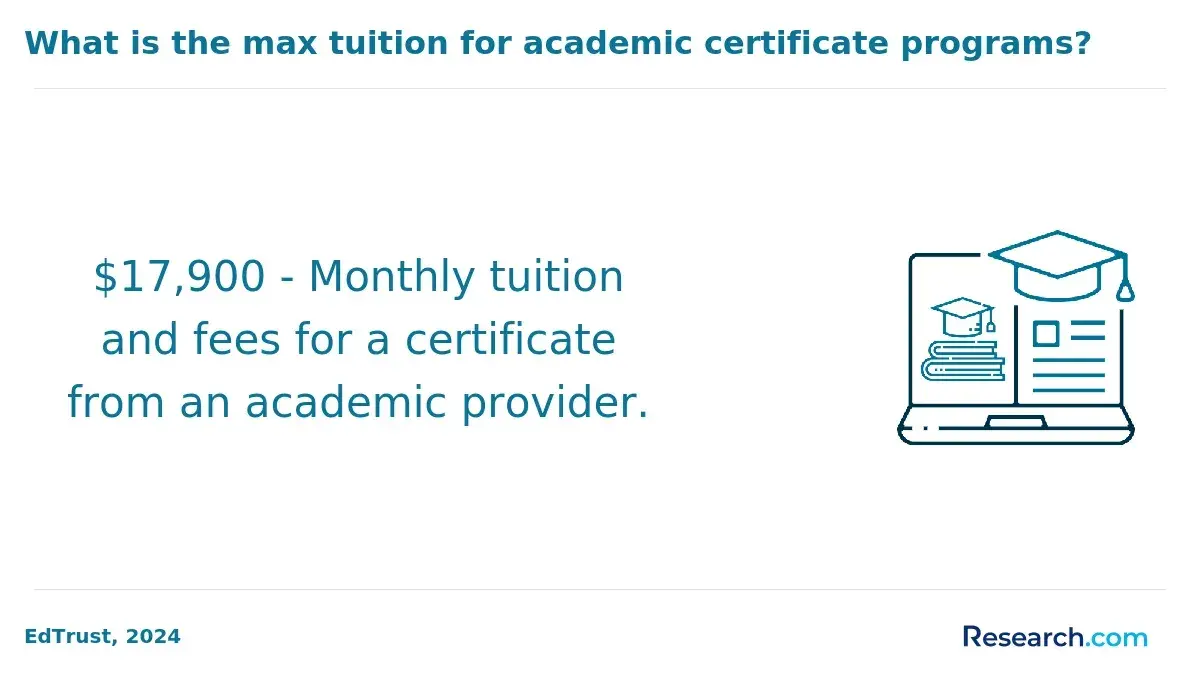
Yes. Transfer students pursuing a bachelor’s in business administration may qualify for institutional scholarships, state grants, business school awards, and scholarships from professional organizations. Nearly 60% of transfer students obtain some form of financial assistance, with average awards between $3,000 and $6,000 annually.
Common scholarship and grant sources
- Institutional transfer scholarships: Colleges may offer awards to students who complete a minimum number of transferable credits, often 30 or more, and meet GPA requirements.
- Business school scholarships: Some universities provide awards specifically for students admitted to the school of business or a business administration major.
- Phi Theta Kappa and honors transfer awards: Community college honor society membership or academic distinction may improve eligibility at some institutions.
- State-funded grants: Many states provide grants for residents transferring into accredited bachelor’s programs. Eligibility may depend on residency, income, enrollment intensity, and academic progress.
- Professional organization scholarships: Business associations may support students interested in entrepreneurship, finance, accounting, marketing, supply chain, or leadership.
- Employer-connected scholarships: Some local chambers of commerce, companies, and industry groups sponsor awards for working adults or business students in the region.
How to improve your chances
- Apply by priority transfer deadlines, not only final admission deadlines.
- Submit the financial aid application as early as possible.
- Ask whether scholarships are renewable after the first transfer year.
- Confirm whether part-time and online students are eligible.
- Prepare a resume that highlights leadership, work experience, service, and measurable business achievements.
Scholarships can reduce cost, but students should read renewal rules carefully. Some awards require a specific GPA, full-time enrollment, continued business major status, or completion of a certain number of credits each term.
Are Business Administration transfer pathways eligible for employer tuition reimbursement?
Many business administration transfer students are eligible for employer tuition reimbursement, especially if they already work in business, retail management, banking, healthcare administration, logistics, sales, human resources, or operations. Approximately 56% of U.S. employers provide some form of educational assistance, making this benefit worth checking before you enroll.
Typical employer requirements
- Employment tenure: Employers often require workers to be employed for six months to one year before using tuition benefits.
- Approved degree relevance: A bachelor’s in business administration is often considered relevant because it can support management, finance, operations, customer service, analytics, and administrative roles.
- Minimum grade requirements: Many programs require a minimum GPA of 2.5 or 3.0, or they reimburse only courses completed with a certain grade.
- Annual benefit caps: Tuition assistance often has yearly limits, which frequently range between $5,000 and $10,000. Students should confirm whether books, fees, and technology costs are included.
- Payment timing: Some employers pay the school directly, while others reimburse after grades are posted. This timing can affect cash flow.
- Degree completion policies: Transfer students may qualify under “degree completion” benefits because prior associate credits shorten the remaining bachelor’s timeline.
- Post-graduation commitment: Some employers require workers to remain with the company for a set period after receiving reimbursement or repay part of the benefit.
What to ask human resources
- Is the business administration major preapproved?
- Are online, hybrid, and part-time programs eligible?
- Does the school need to hold specific accreditation?
- Are transferred credits treated differently?
- What happens if you change employers before finishing the degree?
Employer reimbursement can be one of the most valuable funding sources for working students, but it should be planned alongside scholarships, grants, payment plans, and credit transfer rules.
How will accreditation standards affect your Business Administration degree transfer?
Accreditation affects whether your credits are likely to transfer and whether your bachelor’s degree will be recognized by employers, graduate schools, and professional organizations. It should be one of the first items you verify before enrolling in either the associate or bachelor’s program.
According to an NACADA report, nearly 75% of four-year institutions prefer or require transfer credits from regionally accredited programs, highlighting the accreditation impact on business administration degree transfer and its importance in credit mobility.
Two types of accreditation to understand
- Institutional accreditation: This applies to the college or university as a whole. It is often the baseline requirement for transfer credit, federal financial aid eligibility, and graduate school recognition.
- Programmatic business accreditation: This applies specifically to a business school or business program. It can signal that the curriculum, faculty qualifications, assessment practices, and academic standards meet business education expectations.
Why accreditation matters for transfer students
- Credit acceptance: Credits from non-accredited or poorly recognized institutions may be rejected or counted only as electives.
- Financial aid: Accreditation can affect eligibility for federal aid and some state grants.
- Graduate school options: MBA and specialized master’s programs may review the accreditation status of your bachelor’s institution.
- Employer confidence: Employers may prefer degrees from accredited institutions, especially for management-track roles.
- Professional certifications: Some credentials may require coursework or degrees from accredited schools.
Do not rely only on marketing language. Check accreditation directly through the institution’s official accreditation page and confirm that the receiving university accepts credits from your current school. If you plan to continue into graduate business education, compare accredited and affordable options such as an online MBA under 35k after you complete the bachelor’s degree.
What careers are available to graduates after completing a Bachelor's in Business Administration?
A bachelor’s in business administration can open career paths in management, operations, finance, marketing, sales, human resources, logistics, entrepreneurship, and business analysis. The degree is broad, so outcomes depend heavily on your concentration, internships, work history, technical skills, and professional network.
According to the U.S. Bureau of Labor Statistics, management occupations are expected to grow by 8% from 2022 to 2032, reflecting strong demand for professionals with a bachelor's-level education.
Common career paths
- Business Analyst: Business analysts review processes, data, systems, and workflows to identify improvements. Students interested in this path should build skills in spreadsheets, data visualization, requirements gathering, and communication.
- Marketing Manager: Marketing managers oversee campaigns, positioning, customer research, and performance metrics. Relevant coursework may include consumer behavior, digital marketing, market research, and strategic planning.
- Financial Analyst: Financial analysts evaluate budgets, investments, forecasts, and performance data. This path usually requires strong skills in accounting, finance, statistics, and spreadsheet modeling.
- Operations Manager: Operations managers improve efficiency, staffing, inventory, service delivery, and quality control. Coursework in supply chain, project management, analytics, and organizational behavior can be useful.
- Human Resources Specialist: HR specialists support recruiting, employee relations, benefits, training, compliance, and workforce planning. Students should look for coursework in employment law, compensation, organizational behavior, and communication.
- Sales Manager or Account Manager: These roles combine relationship-building, revenue goals, forecasting, negotiation, and customer strategy.
- Entrepreneur or Small Business Manager: A business administration degree can support students who want to start, manage, or expand a business, especially when paired with accounting, marketing, and operations training.
How to make the degree more career-focused
- Choose electives that match a target role instead of taking random business courses.
- Complete an internship, practicum, consulting project, or capstone tied to real business problems.
- Build technical skills in analytics, accounting software, customer relationship management platforms, or project management tools.
- Use career services early, especially after transfer, because internship recruiting may begin before senior year.
What are the most common pitfalls to avoid in a Business Administration transfer?
The biggest transfer mistakes usually happen before the student arrives at the four-year institution. Research shows that up to 30% of previously earned credits may not transfer, which can add cost and delay graduation. The goal is not simply to transfer credits; it is to transfer credits that apply to the bachelor’s degree requirements.
Common pitfalls
- Assuming all associate credits will count: A course may transfer to the university but still not satisfy a business major requirement. It may count only as an elective.
- Ignoring articulation agreements: Formal transfer agreements can show exactly which courses to take. Not using them can lead to avoidable credit loss.
- Choosing the wrong associate degree type: Some associate degrees are designed for workforce entry rather than transfer. Students planning a bachelor’s degree should confirm that their program is transfer-oriented.
- Missing business prerequisites: Accounting, economics, statistics, business law, and management prerequisites often control when students can begin upper-division courses.
- Changing majors late: Switching into business administration near the end of an associate program can require additional foundational coursework.
- Waiting too long to meet with advisors: Students should speak with advisors at both the sending and receiving institutions, not just one.
- Not requesting a written credit evaluation: Verbal advice is helpful, but a written degree audit is stronger for planning.
- Overlooking residency requirements: Bachelor’s programs usually require a minimum number of credits to be completed at the degree-granting institution.
- Forgetting financial aid limits: Extra semesters can affect aid eligibility, loan borrowing, and scholarship renewal.
Best way to reduce transfer risk
Before enrolling in your final associate courses, ask your target bachelor’s program for a transfer map or preliminary degree audit. Confirm which courses satisfy general education, business prerequisites, major requirements, concentration requirements, and electives. Keep copies of syllabi and written advising notes in case a course needs further review.
If you plan to pursue graduate education later, reviewing which master's degree is most in demand in USA can help you choose undergraduate electives and career experiences that support long-term goals.
What Graduates Say About Transferring from an Associate to Bachelor's in Business Administration
- Conrad: "I chose to transfer from an associate to a bachelor's in business administration because I wanted to deepen my understanding and open more career opportunities. The cost of the transfer pathway was surprisingly reasonable compared to other programs, which made it easier to commit financially. Earning my bachelor's has truly transformed my professional outlook and given me the confidence to pursue leadership roles."
- Walker: "Reflecting on my journey, the main reason I transferred to a bachelor's in business administration was to gain a broader skillset beyond what the associate degree offered. I appreciated how the transfer program balanced affordability with quality education, allowing me to minimize debt. This pathway has had a significant impact on my ability to network and grow in the competitive business world."
- Jane: "As a working professional, I was drawn to the associate to bachelor's in business administration transfer pathway for its flexibility and value. The cost savings compared to starting a bachelor's from scratch were a big plus. Now, having completed the program, I see how it has elevated my career prospects and enhanced my strategic thinking skills."
Other Things You Should Know About Business Administration Degrees
Transferring from an associate to a bachelor's degree generally does not affect eligibility for federal financial aid. Students maintain their eligibility by ensuring that they meet the satisfactory academic progress requirements and are enrolled in an eligible program. It's important for students to check with their financial aid office to confirm specific eligibility criteria at their chosen institution.
Students transferring with an associate degree usually require about two additional years to complete a bachelor's in business administration. This timeframe depends on the transfer credit amount accepted and the specific curriculum of the four-year institution. Some schools offer accelerated or flexible options that may shorten completion time.
Typically, courses like introductory business, economics, and general education credits transfer to a bachelor's in Business Administration. Institutions may require that courses have been completed with a grade of C or higher. Check specific transfer agreements to ensure eligibility.
References
- Transfer Student Scholarships https://edupathwaynow.lovable.app/scholarships/transfer
- Transfer Pathways Steer Students and Institutions to Undergraduate Success https://agb.org/trusteeship-article/transfer-pathways-steer-students-and-institutions-to-undergraduate-success/
- Will My Employer Pay for My Tuition? https://www.herzing.edu/blog/will-my-employer-pay-my-tuition
- Associate vs. Bachelor’s in Business Administration: Which Is Right for You? | UA Grantham https://www.uagrantham.edu/blog/associate-vs-bachelors-in-business-administration-which-is-right-for-you/
- How to Transfer from an Associate to a Bachelor’s Program Online https://www.collegetransitions.com/blog/how-to-transfer-from-an-associate-to-bachelors-program-online/
- How a Transfer-Friendly Associates Degree Can Save Time and Money https://degreeonline.education/how-a-transfer-friendly-associates-degree-can-save-time-and-money/
- What is Tuition Reimbursement and How Does it Work? https://www.aiuniv.edu/blog/2016/march/what-is-tuition-reimbursement
- Why Earn Higher Education in Business https://www.allbusinessschools.com/blog/transfer-credits-from-associate-degree-in-accounting-to-bachelors-program/


