
2027 Is 40 Too Late to Earn a Business Administration Bachelor's Degree?

Co-Founder and Chief Data Scientist
At 40, the real question is not whether you are “too old” for a business administration bachelor’s degree. It is whether the degree fits your career goal, schedule, finances, and expected return. Many adults at this stage are trying to move into management, change industries, protect long-term employability, or formalize skills they have already built at work.
A business administration bachelor’s degree can be a practical option because it covers broad, transferable areas such as management, accounting, finance, marketing, operations, and organizational decision-making. For adults with work experience, the value often comes from combining academic credentials with real-world judgment. With 45% of adult learners pursuing degrees in business-related fields, this path is already common among people returning to college for career mobility and financial stability.
This guide explains whether starting a business administration bachelor’s degree at 40 makes sense, what challenges to expect, how flexible programs work, how long completion may take, what costs to consider, and how employers may view the credential. It is designed for working adults, parents, career changers, and professionals deciding whether college is a worthwhile next step.
Key Things to Know About Whether 40 Is Too Late to Earn a Business Administration Bachelor's Degree
- Many midlife learners find business administration degrees increase career relevance by aligning with executive leadership demands and emerging industry trends, with 40% of graduates aged 25-44 advancing into management roles within five years.
- Flexible online and part-time business administration programs accommodate adult schedules, enabling students over 40 to balance work, family, and education effectively without sacrificing progress.
- Earning a business administration degree later enhances long-term earning potential and professional networks, often resulting in higher job satisfaction and opportunities for career transitions beyond midlife.
Can You Start a Business Administration Bachelor's Degree at 40?
Yes. You can start a business administration bachelor’s degree at 40, and many colleges are built to serve adult learners rather than only recent high school graduates. Undergraduate admissions generally do not treat age as a barrier. What matters more is whether you meet the school’s academic requirements, can document prior education, and can commit to the program format you choose.
Adult students often bring advantages that younger students may still be developing: workplace experience, clearer goals, stronger motivation, and a practical understanding of how business decisions affect people, budgets, and operations. In a business administration program, that experience can make coursework in leadership, finance, marketing, and organizational behavior more relevant.
The key is choosing a program designed for your reality. Look for schools that offer adult-focused advising, transfer credit evaluation, online or evening courses, career services, and clear degree plans. If you have previous college credits, military training, industry certifications, or substantial professional experience, ask whether any of it can reduce the number of courses you need to complete.
Business administration is also worth comparing with other fields before you apply. If you are still deciding whether business is the right direction, a guide to the most useful degrees can help you evaluate how business compares with other practical majors.
What Are the Biggest Challenges of Going Back to College at 40?
The biggest challenges are usually not intellectual ability. They are time, money, energy, technology, and confidence. Nearly 40% of adult learners report difficulty balancing personal responsibilities with academic demands, which makes planning just as important as choosing the right major.
Returning students often succeed when they treat college like a structured project rather than an open-ended ambition. Before enrolling, identify your weekly study windows, backup childcare or caregiving plans, budget limits, and the type of academic support you may need.
- Time management: A business administration degree requires regular reading, writing, group projects, quantitative work, and exams. Adults with jobs and families need protected study time, not just “extra time” after everything else is done.
- Competing responsibilities: Parenting, caregiving, marriage or partnership obligations, and full-time employment can collide with deadlines. A realistic course load is better than an aggressive plan that leads to withdrawal or burnout.
- Financial pressure: Tuition, fees, books, software, and reduced work hours can affect household finances. Build a full budget before enrolling, and compare tuition policies carefully. If you are researching long-term education costs across degree levels, resources on affordable master’s degrees online can provide useful context, though a bachelor’s degree has different requirements.
- Technology adjustment: Online learning platforms, digital textbooks, video meetings, spreadsheets, and proctored exams may require a learning curve. Ask whether the school offers orientation, technical support, and practice modules before classes begin.
- Academic confidence: Many adults worry about writing papers, using citations, taking exams, or doing math after years away from school. Tutoring, writing centers, academic coaching, and peer groups can make the transition less intimidating.
- Overcommitment: A common mistake is enrolling in too many courses at once to “finish faster.” For working adults, steady progress is often more effective than an unsustainable pace.
Can You Work Full-Time While Earning a Business Administration Degree at 40?
Yes, you can work full-time while earning a business administration degree at 40, but the program format and course load matter. The most realistic path for many working adults is part-time enrollment in an online, hybrid, evening, weekend, or accelerated format that allows predictable scheduling.
Full-time work can also strengthen your learning. Business administration courses often connect directly to workplace situations: budgeting, supervision, customer behavior, operations, project planning, and communication. Students who are already employed can apply concepts immediately and bring stronger examples to class discussions and assignments.
What makes full-time work and school manageable?
- A fixed weekly schedule: Block study hours before the term starts and protect them the way you would protect work meetings.
- A manageable course load: If your job is demanding, taking fewer courses may help you stay enrolled and perform better.
- Supervisor awareness: You do not always need to disclose every detail, but some employers may offer schedule flexibility, tuition assistance, or project opportunities related to your studies.
- Family buy-in: Adults often need practical support at home, especially during exam weeks or major assignments.
- Use of work experience: Choose projects and electives that connect to your current role when allowed. This can make coursework more useful and less abstract.
A professional over 40 described the experience this way: “It’s definitely demanding, especially during busy workweeks, but setting clear priorities keeps me on track.” He noted that late nights after family time were sometimes necessary, but the degree felt more worthwhile because he could connect theory with daily work. That is the trade-off for many adult learners: the schedule is difficult, but the learning can feel immediately relevant.
What Are the Most Flexible Ways to Earn a Business Administration Bachelor's Degree at 40?
The most flexible ways to earn a business administration bachelor’s degree at 40 are online programs, part-time enrollment, evening or weekend classes, hybrid formats, and self-paced courses. The best option depends on how predictable your work schedule is, whether you need face-to-face support, and how quickly you want to finish.
| Flexible option | Best for | Main trade-off |
| Online learning | Adults who need to study around work, family, or commuting limits | Requires self-discipline and comfort with digital tools |
| Part-time enrollment | Students balancing college with full-time work or caregiving | Usually extends the time needed to finish |
| Evening or weekend classes | Learners who prefer scheduled class meetings and instructor interaction | Less flexible than fully online coursework |
| Self-paced study | Students who can manage independent deadlines and variable workloads | May offer less structure and peer interaction |
| Hybrid study | Adults who want some in-person support without being on campus constantly | Still requires travel or scheduled attendance |
When comparing programs, look beyond the word “flexible.” Ask whether courses are asynchronous or require live attendance, how group projects are handled, how exams are proctored, how often courses start, and whether support services are available outside standard business hours.
Cost can also affect flexibility. A program that looks convenient may become stressful if tuition does not fit your budget. If you are comparing online options, it can help to research how much is a business degree online before committing to a school.
For broader perspective on online education models at other levels, you can also review resources on the most affordable EdD programs, while keeping in mind that doctoral programs differ significantly from bachelor’s programs.
How Long Does It Take to Finish a Business Administration Bachelor's Degree at 40?
The time required depends on your course load, transfer credits, program structure, and life responsibilities. Full-time students typically complete the degree in about four years, but many adults at 40 choose part-time study so they can continue working and managing family obligations.
If you already earned college credits, your timeline may be shorter. Transfer credits or recognized learning from past education or professional experience can shorten the duration, sometimes by a year or more. The only way to know is to request an official transfer credit evaluation from the schools you are considering.
| Factor | How it affects completion time |
| Course load | Full-time study moves faster, while part-time study is often more manageable for working adults. |
| Prior credits | Accepted transfer credits may reduce the number of required courses. |
| Program format | Online, hybrid, evening, weekend, and self-paced options can make continuous enrollment easier. |
| Life responsibilities | Childcare, eldercare, job changes, illness, or financial interruptions may slow progress. |
| Motivation and goals | Adults with clear career goals often stay focused, but they still need a realistic pace. |
One adult learner who returned to school at 40 said completing her business administration degree took longer than the traditional four years because she was balancing a full-time job and family duties. “I had to slow down at times, especially when my youngest started school,” she explained. She also found that prior work experience helped her skip some introductory courses, which saved time.
The lesson is simple: finishing later does not mean failing. For adult learners, the better measure is whether the pace is sustainable and aligned with the reason you enrolled in the first place.
How Much Does It Cost to Get a Business Administration Bachelor's Degree at 40?
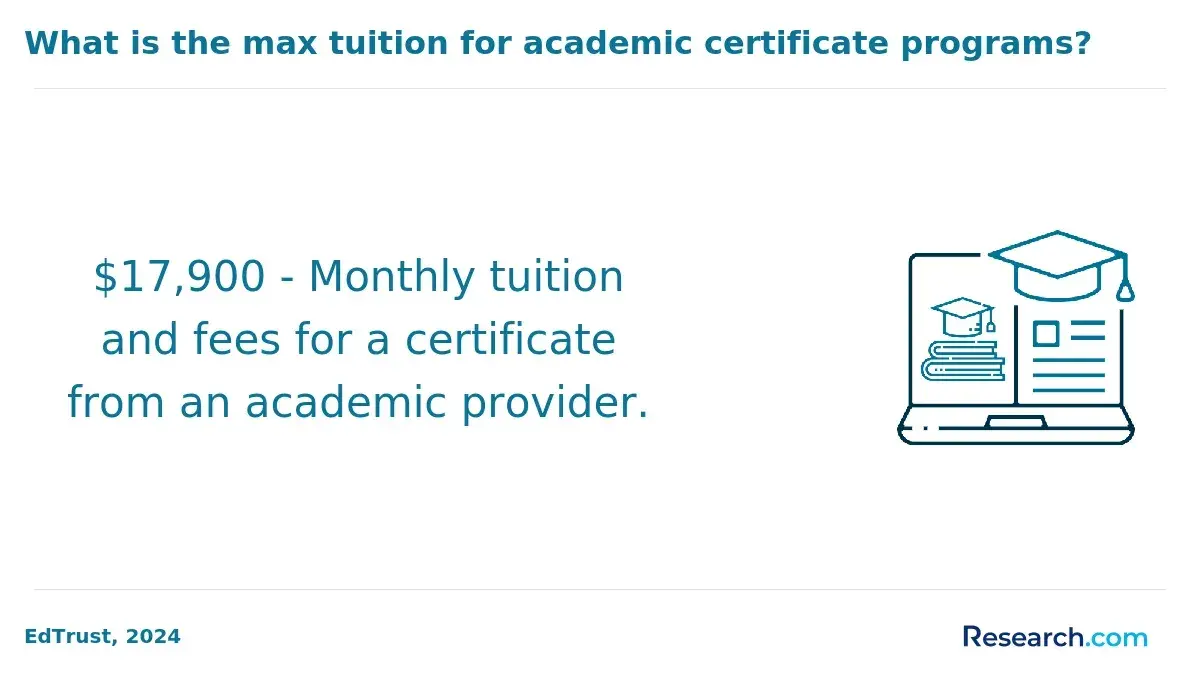
The average total cost to earn a business administration bachelor’s degree in the United States can vary widely and often reaches tens of thousands of dollars depending on the institution, enrollment status, transfer credits, and program format. At 40, the cost decision is especially important because tuition may compete with mortgage payments, childcare, retirement savings, debt, or reduced work hours.
Do not evaluate cost by tuition alone. Ask each school for a full cost estimate, including fees and materials, and compare the total amount you may pay through graduation.
- Tuition variation: Tuition is usually the largest expense and differs by school type, residency status, and whether you enroll full-time or part-time.
- Learning materials: Textbooks, digital access codes, software, calculators, subscriptions, and business tools can add to the total cost.
- Enrollment pace: Part-time study can make payments easier to manage in the short term, but extended enrollment may affect the total amount paid over time.
- Additional fees: Technology fees, student service fees, graduation fees, lab charges, and administrative costs may be billed separately from tuition.
- Study mode costs: Online students may save on commuting, parking, or relocation, but they may need reliable technology and internet access. In-person students may face transportation and scheduling costs.
- Opportunity cost: If you reduce work hours or decline overtime to study, include that lost income in your planning.
Cost questions to ask before enrolling
- How many credits will transfer toward the degree?
- Is tuition charged per credit, per course, or per term?
- Are online courses priced differently from campus courses?
- What fees are mandatory?
- Does the school offer payment plans, employer billing, scholarships, or credit for prior learning?
- What happens financially if you need to pause enrollment?
A lower-cost program is not automatically the best choice, and a higher-cost program is not automatically better. Focus on accredited institutions, transparent pricing, realistic completion timelines, and a curriculum that supports your career goal.
What Are the Risks of Going Back to College at 40?
The main risks of going back to college at 40 are financial strain, unfinished credits, schedule overload, academic stress, and choosing a program that does not clearly support your goals. These risks do not mean you should avoid college, but they do mean you should plan carefully before applying.
- Workload demands: Coursework can become stressful when layered on top of employment, family, caregiving, and health responsibilities. A lighter course load may protect your long-term progress.
- Academic adjustment: Returning to writing, research, exams, group projects, and quantitative assignments can feel difficult at first. Refresher resources and tutoring can reduce the shock.
- Inconsistent performance: Business programs may require steady participation and deadline management. Falling behind early can be hard to recover from if you have limited study time.
- Financial risk: Borrowing without a clear completion plan can create long-term pressure. Understand tuition, fees, aid eligibility, loan obligations, and refund policies before enrolling.
- Social isolation: Adult learners may feel disconnected from younger classmates or campus culture. Online discussion groups, adult learner communities, and professional networking events can help.
- Mental and physical strain: Studying after work, sleeping less, and managing multiple roles can affect health. Plan rest, exercise, and boundaries as part of your academic strategy.
- Program mismatch: A business administration degree is broad. If your target career requires a specialized credential, certification, license, or graduate degree, confirm that the bachelor’s program is the right step.
The best way to reduce risk is to make the decision concrete. Identify the job outcome you want, verify whether the degree is commonly requested for that path, compare accredited programs, calculate total cost, and start with a course load you can maintain.
Can You Start a New Career at 40 With a Business Administration Bachelor's Degree?
Yes. A business administration bachelor’s degree can support a career change at 40, especially if you use it to reposition existing experience rather than start from zero. The degree provides a broad foundation in management, finance, marketing, operations, business communication, and organizational behavior, which can apply across many industries.
Common directions include management, operations, sales, human resources, project coordination, entrepreneurship, customer success, banking, logistics, and administrative leadership. The strongest career transitions usually happen when your prior experience connects with the new role. For example, a retail supervisor may move toward operations management, a healthcare administrator may pursue business office leadership, or a skilled trades professional may use the degree to support business ownership.
How to make a career change more realistic
- Choose electives strategically: Pick courses in finance, data, marketing, human resources, or entrepreneurship based on your target role.
- Build evidence while enrolled: Use class projects, internships, work projects, or volunteer leadership to show applied business skills.
- Update your professional story: Employers should understand why you earned the degree and how it connects to your next step.
- Network before graduation: Career changes are easier when you build relationships while studying, not after the degree is complete.
- Check credential requirements: Some fields may require certifications, licenses, or graduate education beyond a bachelor’s degree.
For some adults, a bachelor’s degree is the main credential needed to compete for business roles. For others, it becomes a foundation for later specialization. If your long-term path involves communication, leadership, or media-related roles, an online master’s in communications may be one possible future option after the bachelor’s degree.
Do Employers Value Business Administration Bachelor's Degrees Earned at 40?
Employers generally value a business administration bachelor’s degree earned at 40 when it is relevant to the role and paired with strong work experience. Most employers are less concerned about the age at which the degree was completed and more concerned with what the candidate can do: manage people, analyze problems, communicate clearly, understand financial information, and make sound business decisions.
With 41% of the U.S. workforce aged 40 or older, earning a degree later in life is not unusual. For many professionals, it signals persistence, adaptability, and a willingness to update skills. It can also help remove a barrier for roles where a bachelor’s degree is preferred or required.
Employers typically look at the following:
- Relevance of skills: Coursework in management, accounting, finance, marketing, operations, analytics, and technology should connect to the job you want.
- Work experience: Adult graduates can stand out when they show how years of experience plus new academic training make them more effective.
- Accreditation and school credibility: Employers may not investigate every detail, but attending a legitimate, accredited institution helps protect the value of the credential.
- Career narrative: Be ready to explain why you went back to school, what you learned, and how the degree improves your ability to contribute.
- Adaptability: Completing a degree while managing adult responsibilities can demonstrate discipline, resilience, and follow-through.
The degree alone is rarely enough to guarantee a promotion or new job. Pair it with a targeted resume, measurable accomplishments, professional references, and evidence of current skills. If you are still comparing broad bachelor’s options, resources on low-cost online interdisciplinary studies bachelor programs can help you think through alternative pathways, though business administration may be stronger for explicitly business-focused goals.
What Steps Should I Take Before Applying to a Business Administration Bachelor's Program?
Before applying, confirm that the degree supports a specific goal, that the program is affordable, and that the schedule is realistic. Nearly 60% of adult learners feel that adequate preparation significantly boosts their chances of persisting in college programs, which is especially important for students balancing school with work and family.
- Define your career reason: Write down the role, promotion, industry change, or business goal you want the degree to support. A clear goal helps you choose the right program and electives.
- Review your academic history: Gather transcripts from every college you attended. Ask schools for transfer evaluations before assuming how many credits will count.
- Check admission requirements: Each school may have different expectations for transcripts, applications, placement tests, essays, recommendations, or prior coursework.
- Verify accreditation: Choose a properly accredited institution. Accreditation can affect credit transfer, employer acceptance, graduate school options, and financial aid eligibility.
- Compare formats: Decide whether online, hybrid, evening, weekend, full-time, or part-time study fits your schedule. Look closely at live attendance requirements and exam policies.
- Estimate total cost: Include tuition, fees, books, technology, transportation, and possible income changes. Ask about scholarships, employer tuition assistance, payment plans, and financial aid.
- Assess skill gaps: Business programs often require writing, math, spreadsheets, presentations, and research. Use refresher courses or tutoring early if needed.
- Plan your support system: Talk with family, employers, or caregivers about schedule changes before classes begin. Support at home and work can affect persistence.
- Contact advising: Ask about adult learner services, career support, transfer credits, degree maps, tutoring, and policies for stopping out if life circumstances change.
A strong application starts with a strong decision. The best program is not simply the fastest or the most convenient; it is the one you can complete and use.
What Graduates Say About Earning a Business Administration Bachelor's Degree at 40
- : "Deciding to go back to college at 42 was daunting, but pursuing a business administration bachelor's degree proved to be one of the best decisions I made. I chose this degree because it offered a comprehensive understanding of management and finance-skills that directly impacted my ability to run my own company more efficiently. Earning the degree later in life showed me that it's never too late to invest in yourself and transform your career. — Cole"
- : "At 45, I returned to school to challenge myself intellectually and expand my career options. Business administration appealed to me because of its versatility and relevance across industries. The impact of earning this degree at my age was profound-not only did it boost my confidence, but it also opened doors to leadership roles I hadn't previously considered achievable. — Wayne"
- : "Going back to college after 40 was a strategic move to pivot my career trajectory. I picked business administration to gain practical business knowledge that I could immediately apply in my professional life. Graduating later allowed me to combine experience with education, which has been invaluable in earning respect and advancement opportunities within my company. — Penelope"
Other Things You Should Know About Business Administration Degrees
Most universities and colleges do not impose age limits for enrolling in business administration bachelor's degree programs. Adult learners aged 40 and above are generally welcomed, provided they meet academic admission requirements. Some institutions offer special support services aimed at mature students to ease their transition into academic life.
Yes, many programs consider relevant work experience and may grant credit for prior learning or professional certifications. This recognition can reduce the total number of required credits and shorten completion time. Applicants should inquire with admissions offices about policies on experiential credit and portfolio assessments.
Returning to school at 40 or older provides expanded networking opportunities through interaction with diverse classmates, faculty, and alumni. Mature students often bring valuable real-world perspectives that enhance classroom discussions and relationship-building. Many programs also offer career services tailored to adult learners to support professional connections.
In 2027, mature students pursuing a business administration bachelor's degree can explore options like federal student aid, scholarships, grants, and employer-sponsored tuition assistance. Many universities offer scholarships specifically for non-traditional students, making education more financially accessible.
References
- Business Management Degree Tuition https://www.pennfoster.edu/programs/business/business-management-bachelors-degree/tuition
- Facts about working full-time as a full-time student https://www.luminafoundation.org/topics/todays-students/working-adults/
- Business Administration Degrees (Types, Courses & FAQ) https://www.allbusinessschools.com/business-administration/degrees/
- My journey into studying Business as an adult learner - Bradford Life https://www.bradford.ac.uk/blogs/bradford-life/my-journey-into-studying-business-as-an-adult-learner.php
- Bachelor's of Business Administration Online | Stevenson University https://www.stevenson.edu/online/academics/online-undergraduate-programs/business-administration/


