
2027 Online Business Administration Bachelor's Degree Programs With Monthly Start Dates

Co-Founder and Chief Data Scientist
If you are ready to start a business degree now, waiting for the next semester can be a real barrier. Online business administration bachelor’s programs with monthly start dates are designed for students who need a faster entry point: working adults, military learners, transfer students, parents, and career changers who cannot build their plans around a traditional academic calendar.
These programs can be practical, but flexibility should not be the only factor you consider. Accreditation, transfer-credit rules, tuition structure, financial aid timing, course format, and employer recognition all affect whether a monthly-start program is worth the investment. According to recent data, over 45% of online business administration students enroll in programs with rolling admissions to accommodate their complex schedules.
This guide explains how monthly-start online business administration bachelor’s degrees work, what they usually require, how much they may cost, which accreditation signals matter, and what career outcomes are realistic after graduation.
Key Things to Know About Online Business Administration Bachelor's Degree Programs With Monthly Start Dates
- Accredited online business administration programs typically require a high school diploma or equivalent and accept transfer credits, ensuring smooth admission for working adults and transfer students.
- Curricula blend general education with major-specific courses, averaging $15,000 to $30,000 total cost; monthly start dates enable flexible pacing aligned with professional schedules.
- Graduates qualify for diverse roles in management, finance, and marketing, with 9% projected job growth through 2032 according to labor statistics, emphasizing strong career prospects.
What Are Online Business Administration Bachelor's Degree Programs With Monthly Start Dates, and How Do They Work?
Online business administration bachelor’s degree programs with monthly start dates let eligible students begin coursework at the start of many or all months instead of waiting for a fall, spring, or summer term. The main advantage is timing: students can apply, complete enrollment steps, and begin sooner when their work, family, or military schedule allows.
Most of these programs use asynchronous online courses, meaning students can view lectures, complete readings, and submit assignments without attending class at a fixed weekly time. Some also use competency-based learning, where students move forward by demonstrating mastery of course outcomes rather than simply completing a set number of weeks in class.
A typical bachelor’s degree in business administration requires about 120 credit hours. Those credits usually include general education courses, core business classes, electives, and sometimes a capstone or applied business project. Common subject areas include accounting, economics, marketing, management, business law, finance, operations, strategy, and organizational behavior.
Monthly-start programs still require structure. Students may need to follow prerequisites, take courses in a recommended sequence, meet assignment deadlines, and maintain satisfactory academic progress. The flexibility is in the entry point and often the pacing—not in eliminating academic standards.
These programs are best suited for students who want year-round access to enrollment but can manage independent study. Learners who need a highly synchronized cohort experience may prefer a semester-based model. Students planning long-term academic progression can also compare undergraduate flexibility with advanced online pathways, including doctoral programs that may fit future leadership or research goals.
Which Regional Accreditation Bodies Approve Online Business Administration Bachelor's Programs With Monthly Start Dates?
For an online business administration bachelor’s program with monthly start dates, institutional accreditation is one of the most important quality checks. Regional accreditation is widely recognized by employers, graduate schools, and many organizations that evaluate transfer credits. It shows that the institution has been reviewed for academic quality, governance, financial stability, student support, and institutional effectiveness.
The key regional accrediting bodies include:
- Higher Learning Commission (HLC): accredits institutions in the central U.S.
- Southern Association of Colleges and Schools Commission on Colleges (SACSCOC): accredits institutions in southern states.
- New England Commission of Higher Education (NECHE): accredits institutions in New England.
- Western Senior College and University Commission (WSCUC): accredits institutions in the western U.S.
- Middle States Commission on Higher Education (MSCHE): accredits institutions in the mid-Atlantic region.
- Northwest Commission on Colleges and Universities (NWCCU): accredits institutions in the northwest region.
Students should verify accreditation before applying, especially when a school advertises easy admission or frequent start dates. Use the U.S. Department of Education's Database of Accredited Postsecondary Institutions and Programs or the Council for Higher Education Accreditation's database to confirm the institution’s current status.
Programmatic accreditation can add another layer of review. Some business administration programs hold accreditation from the Accreditation Council for Business Schools and Programs (ACBSP), which focuses on business education quality, learning outcomes, and continuous improvement.
Avoid assuming that monthly start dates automatically mean a program is less rigorous. Many accredited institutions offer flexible calendars. The risk is choosing an unaccredited or poorly reviewed provider that uses fast enrollment as a selling point while offering a degree with limited value. Students who later plan to move into executive, consulting, or organizational leadership roles may also review advanced options such as an online PhD leadership program.
How Do Monthly Start Dates in Online Business Administration Programs Differ From Traditional Semester or Quarter Systems?
Monthly-start online business administration programs differ mainly in enrollment timing, course pacing, financial aid scheduling, and student interaction. They are not automatically easier or shorter than semester-based programs; they simply give students more entry points during the year.
- Rolling Enrollment: Traditional semester and quarter systems group students into fixed start dates. Monthly-start programs open new enrollment windows more frequently, which can reduce waiting time for students who are ready to begin.
- Course Sequencing: Some programs still require students to follow a fixed sequence because business courses build on one another. For example, advanced finance may require prior accounting or economics coursework. Monthly starts help with timing, but students still need an academic plan.
- Pacing and Workload: Monthly starts can create momentum, but they can also tempt students to take on too much too quickly. Working adults should ask how many courses are realistic per term and whether overlapping course dates are allowed.
- Learning Community: Traditional cohorts often move through courses together. Monthly-start programs may have smaller, staggered groups, which can reduce peer familiarity. Strong programs address this with discussion boards, group projects, live optional sessions, and accessible faculty support.
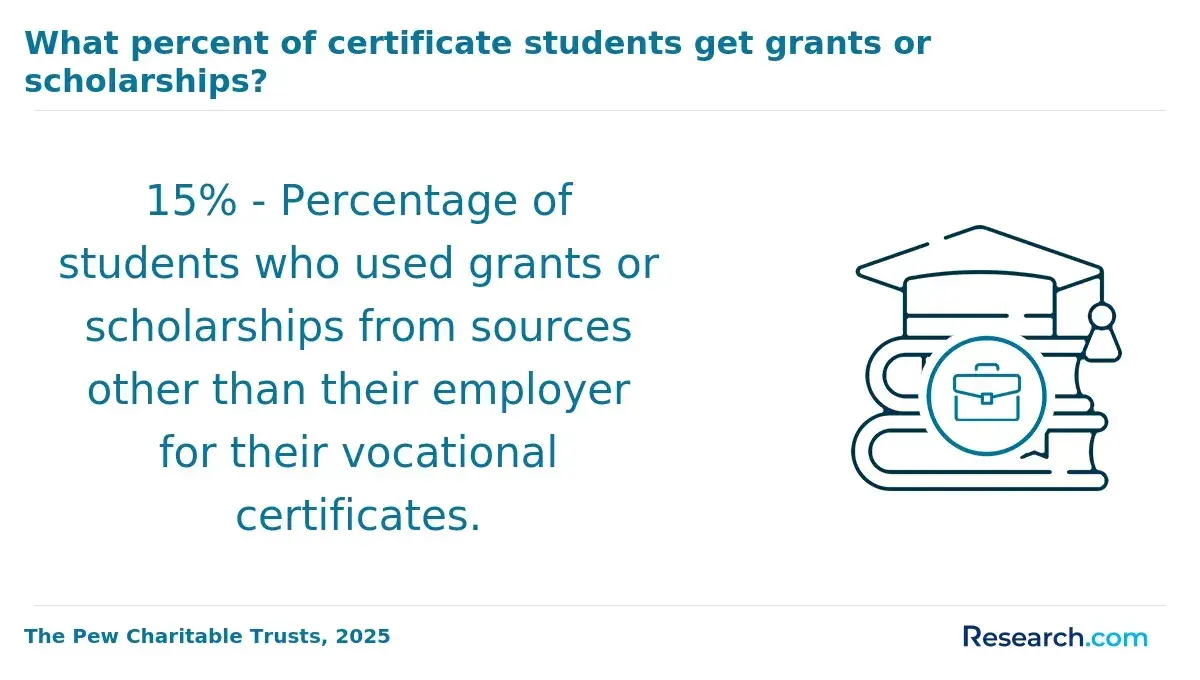
- Financial Aid Considerations: Federal Title IV aid depends on academic calendars, enrollment status, and disbursement rules. Students should confirm how aid is packaged and released for monthly starts before enrolling, especially if they depend on aid to cover tuition by the first course.
One graduate described the model as both demanding and useful. Starting quickly helped him avoid months of delay, but overlapping deadlines required careful planning. His experience highlights the main trade-off: monthly starts offer control over timing, but they reward students who are organized, proactive, and willing to communicate early with advisors and instructors.
What Are the Admission Requirements for Online Business Administration Bachelor's Programs With Monthly Start Dates?
Admission requirements for online business administration bachelor’s programs with monthly start dates are usually similar to other bachelor’s programs. The difference is that application review and enrollment may happen more frequently throughout the year.
- High School Diploma or GED: Most programs require proof of secondary education through a high school diploma, GED, or equivalent credential.
- Transcripts: Applicants typically submit official transcripts from high school and any colleges previously attended. Some schools may review unofficial transcripts at first, but official records are usually required for final admission and transfer-credit evaluation.
- GPA Requirements: Many programs set minimum GPA expectations ranging from 2.0 to 3.0. Open-admission programs may be more flexible, while selective schools may require stronger academic records.
- Standardized Testing: Many online programs no longer require SAT or ACT scores, especially for adult learners and transfer students. Some selective institutions may still require or recommend them.
- Transfer Credit Review: Transfer applicants should ask how many credits can be accepted, whether business courses must be recent, and whether credits from nationally accredited schools will transfer. Syllabi or course descriptions may be needed for some evaluations.
- Credit for Prior Learning: Some programs award credit for military training, professional certifications, exams, or documented work experience. Policies vary, so students should request a written estimate before enrolling.
- Support for Applicants With Weaker Records: Students below the preferred GPA may still qualify through provisional admission, a personal statement, recommendation letters, preparatory coursework, or an academic success plan.
The strongest applicants do more than meet the minimum requirements. They compare admission standards with graduation requirements, transfer rules, and financial aid policies. Students considering alternate or complementary fields can also research affordable online criminal justice programs while deciding which academic path best fits their career goals.
What Is the Minimum GPA Requirement for an Online Business Administration Bachelor's Program With Monthly Start Dates?
The minimum GPA requirement for many online business administration bachelor’s programs with monthly start dates is usually between 2.0 and 2.5 on a 4.0 scale. Some open-admission schools may consider applicants near or below 2.0, while more selective programs may require at least a 2.5 GPA.
Applicants should not treat the published minimum as the only academic standard that matters. After admission, students usually must maintain satisfactory academic progress, commonly a minimum 2.0 GPA, to remain eligible for financial aid and avoid academic probation. Graduation requirements may also require cumulative GPAs above 2.0 or 2.5, depending on the school.
If your GPA is below the stated threshold, ask whether the institution offers provisional or conditional admission. Under this model, students may begin coursework while meeting specific performance requirements during the first term or first set of classes. Some schools also allow appeals when a transcript does not reflect current readiness because of documented personal, medical, military, or professional circumstances.
A practical way to compare programs is to group them by selectivity:
- Open or access-focused programs: may accept a wider range of academic records and provide more structured onboarding.
- Moderately selective programs: often expect a GPA around the middle of the common range and may review transfer performance closely.
- Competitive programs: may expect stronger GPAs, more complete applications, or evidence of college-level readiness.
Always confirm GPA policies in the school’s current academic catalog. Requirements can vary by program, transfer status, and admission pathway. One graduate who entered through a provisional policy said the key was understanding the rules before applying, then using early coursework to prove readiness.
How Long Does It Take to Complete an Online Business Administration Bachelor's Degree With Monthly Enrollment Options?
An online business administration bachelor’s degree with monthly enrollment options generally requires about 120 semester credit hours. Completion time depends on how many credits you take at once, how many credits you transfer in, and whether the program allows accelerated or competency-based progress.
Full-time students typically take 12 to 15 credits per term and often finish within 3 to 4 years. Monthly starts can help full-time learners avoid long gaps between courses, which may support steady progress.
Part-time students often take 6 to 9 credit hours each term. This pace is more realistic for many working adults, parents, and military students, but it usually extends completion to 5 to 7 years. Monthly enrollment can make part-time study easier to manage because students may have more opportunities to pause, restart, or adjust course loads.
Transfer credits can make a major difference. Students who bring in previous college coursework, military training, professional certifications, or prior learning credits may reduce the number of credits they still need, sometimes by 30 credits or more. Before enrolling, ask for a transfer-credit evaluation in writing so you can estimate your true remaining timeline.
Students should also ask about leave-of-absence rules, maximum time to degree, course availability, and whether required business courses are offered every month. A program may advertise monthly starts, but not every course may be available every month.
What Does an Online Business Administration Bachelor's Program With Monthly Start Dates Typically Cost, and What Financial Aid Is Available?
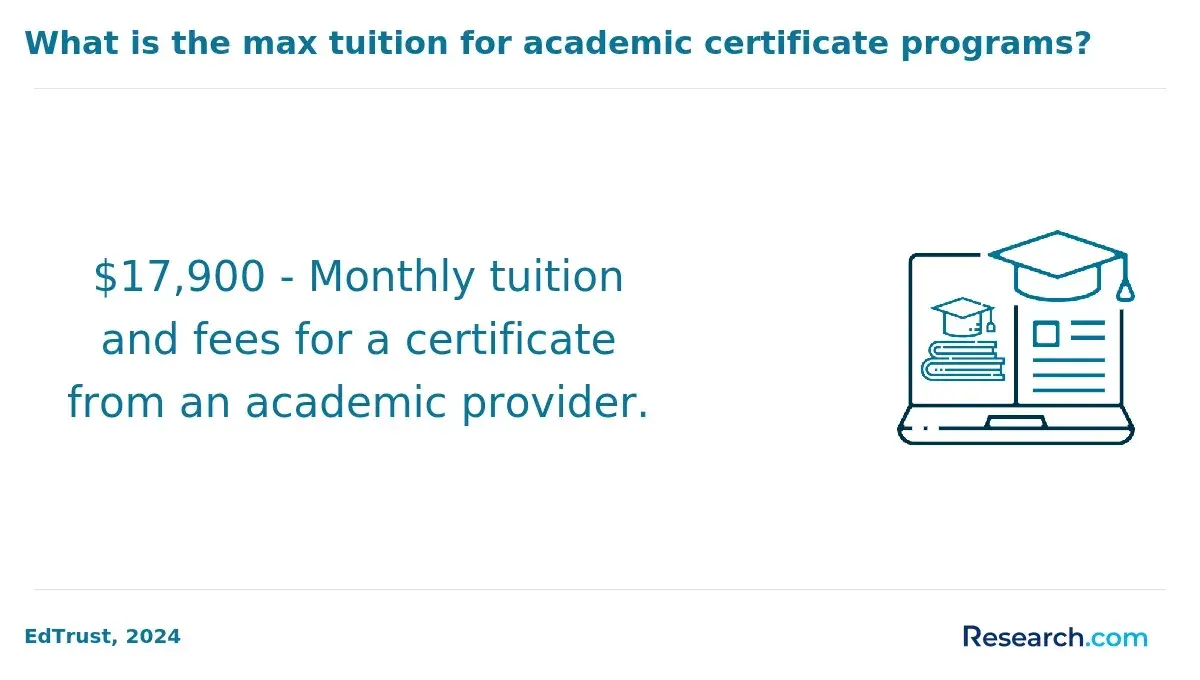
The cost of an online business administration bachelor’s program with monthly start dates depends on tuition, required fees, transfer credits, books or digital materials, technology requirements, and any residency or practicum expenses. Tuition is typically charged per credit hour, ranging from $200 to $600, and most programs require about 120 credit hours.
Students should also budget for technology fees, commonly $50 to $100 per semester, and course materials that may total several hundred dollars annually. Although many programs are fully online, some include optional or required in-person components that may add travel and lodging costs.
When comparing schools, focus on total cost after transfer credits and aid—not just the advertised per-credit rate. If affordability is your main concern, reviewing options for the cheapest online bachelor's degree business administration can help you identify lower-cost programs before narrowing your list by accreditation and fit.
- Federal Financial Aid: Eligible students may qualify for Pell Grants, subsidized and unsubsidized Direct Loans, and Federal Work-Study. Eligibility depends on enrollment status, financial need, and the school’s aid policies.
- FAFSA Filing: Students must complete the Free Application for Federal Student Aid each year. With rolling enrollment and monthly starts, timing matters because aid must align with the school’s academic calendar and disbursement schedule.
- Scholarships: Business administration students may find scholarships through institutions, state grant programs, professional associations, and scholarship databases such as the College Board Scholarship Search and Fastweb.
Sample cost comparison before aid:
- Lower-cost program: $200 per credit hour, $100 technology fee per semester, optional $500 practicum, totaling about $26,500 before aid.
- Mid-range program: $400 per credit hour, $75 technology fee, no practicum, approximately $49,000 before aid.
- Higher-cost program: $600 per credit hour, $100 technology fee, mandatory $1,000 practicum, roughly $74,500 before aid.
Net costs often decrease by 30% to 50%, depending on the financial aid package. Students should request a net price estimate, ask whether tuition is locked or may increase, and confirm whether dropping or delaying a monthly course affects aid eligibility.
Which Schools Offer the Most Reputable Online Business Administration Bachelor's Degree Programs With Monthly Start Dates?
Reputable online business administration bachelor’s programs with monthly start dates usually combine recognized accreditation, transparent pricing, strong transfer policies, useful student support, and a curriculum aligned with business careers. Reputation should be evaluated through evidence, not marketing language alone.
- Southern New Hampshire University: NECHE-accredited, SNHU charges about $320 per credit hour and accepts up to 90 transfer credits. Its online business curriculum emphasizes practical workplace skills, and students can access academic advising and career services.
- Western Governors University: Accredited by NWCCU, WGU uses flat-rate tuition near $3,920 per six-month term. Its competency-based format allows students to progress by demonstrating mastery, which may benefit disciplined learners with prior business knowledge or professional experience.
- Fort Hays State University: Accredited by the Higher Learning Commission, Fort Hays charges about $218 per credit hour and accepts up to 75 credits. Its coursework includes business fundamentals with attention to entrepreneurship and small business topics.
- University of the People: Tuition-free and DEAC-accredited, University of the People charges modest assessment fees and offers monthly enrollment. Students should review how its accreditation type aligns with their transfer, employer, and graduate school goals.
- Liberty University: SACSCOC-accredited, Liberty charges roughly $390 per credit hour and accepts up to 75% transfer credits. Students can choose from broad business coursework and concentrations such as management and marketing.
To judge whether a school is a good fit, ask these questions before applying:
- Is the institution currently accredited by a recognized accreditor?
- How many of my credits will transfer, and will the school provide the evaluation in writing?
- Are required courses offered often enough to support my target graduation timeline?
- What career services are available to online students?
- Does the program have employer partnerships, alumni outcomes, or faculty expertise relevant to my career goals?
Published rankings can be a starting point, but they should not replace your own review of cost, academic fit, transfer value, and support services. Students considering people-focused career alternatives may also compare reputable online master's degree in counseling programs.
What Courses and Curriculum Can Students Expect in an Online Business Administration Bachelor's Program?
An online business administration bachelor’s curriculum is designed to give students a broad foundation in how organizations operate. The degree is typically generalist by design, which makes it useful for students who want flexibility across industries rather than preparation for one narrow role.
- General Education: Students usually complete courses in English composition, mathematics, social sciences, humanities, and natural sciences. These courses build communication, quantitative reasoning, research, and critical thinking skills.
- Foundational Business Courses: Lower-division business classes commonly cover accounting, economics, marketing, management, business law, and introductory finance. These courses help students understand the major functions of a business.
- Upper-Division Major Coursework: Advanced courses often include organizational behavior, strategic management, financial management, business ethics, operations management, and leadership. These classes connect business theory with decision-making and problem-solving.
- Specializations and Concentrations: Many programs offer focused electives in finance, marketing, entrepreneurship, international business, human resources management, or supply chain management. A concentration can help students signal interest in a specific career path.
- Applied Learning: Strong programs include capstones, business simulations, practicums, case studies, or employer-connected projects. These experiences help students apply concepts to realistic business problems.
- Technology and Tools: Students may use spreadsheets, statistical analysis tools, customer relationship management platforms, databases, presentation software, and other business technologies.
Students should compare curricula carefully. A program with many electives may offer flexibility, while a more structured program may provide clearer sequencing. If you want a broader interdisciplinary pathway that combines business with other academic areas, you may also review best value online interdisciplinary studies degrees.
How Do Online Business Administration Programs With Monthly Start Dates Support Working Adults and Non-Traditional Students?
Monthly-start online business administration programs are often built around the needs of students who cannot attend campus on a fixed schedule. The most helpful programs combine flexible course delivery with structured support, because adult learners usually need both independence and clear guidance.
Common flexibility features include asynchronous lectures, recorded materials, mobile-friendly learning platforms, multiple start dates, and online assignment submission. These features allow students to study before work, after a shift, during travel, or around family responsibilities.
Support services matter just as much as format. Look for academic advising, transfer-credit counseling, career services, online tutoring, writing support, technical help, disability accommodations, and military or veteran services. Adult learners returning to school may also benefit from orientation modules that explain online learning systems, academic writing expectations, and time-management strategies.
Prior learning policies can be especially valuable. CLEP exams, portfolio assessments, professional certifications, and military training credits may reduce both cost and time to completion when accepted by the institution.
Recent data from the National Center for Education Statistics shows that over 70% of distance education students are age 25 or older. That figure reflects why many online programs now design services for learners who are balancing school with employment, caregiving, military service, or career transition.
What Career Outcomes and Salary Expectations Are Realistic for Business Administration Bachelor's Graduates?
A bachelor’s degree in business administration can support entry-level and mid-level roles across many industries, but it does not guarantee a specific job title or salary. Outcomes depend on experience, location, industry, internships, technical skills, networking, and how well the student uses career services.
- Career Paths: Graduates may pursue roles such as sales representative, administrative manager, operations supervisor, marketing coordinator, financial analyst, human resources specialist, business analyst, or management trainee. More advanced roles, including business consultant and senior financial manager, often prefer candidates with graduate degrees or substantial experience.
- Employment Outlook: Data from the U.S. Bureau of Labor Statistics projects management roles to grow approximately 8 percent through 2031. This suggests steady demand for professionals who can manage teams, analyze operations, and support organizational goals.
- Salary Expectations: Median annual earnings vary by role and location, with management positions averaging around $77,000 and financial analyst roles near $63,000 nationally. New graduates should expect entry-level salaries to vary widely based on work history and market conditions.
- Regional Differences: Lightcast and the Economic Policy Institute show significant variation in job availability and income levels across regions. Urban business centers and states with major corporate headquarters may offer more openings and higher pay, while rural markets may offer fewer roles but lower living costs.
- Emerging Fields: Business graduates with skills in data analytics, digital transformation, sustainability, supply chain systems, and technology-enabled operations may be better positioned for newer roles. Pairing the degree with internships, certifications, or software skills can strengthen employability.
To improve career outcomes, students should choose electives intentionally, build a portfolio of applied projects, seek internships or employer-based projects, and use career services before the final term—not only after graduation.
What Graduates Say About Their Online Business Administration Bachelor's Degree Programs With Monthly Start Dates
- : "The program's accreditation gave me confidence in the quality of education I was receiving, and the admissions process was straightforward. Monthly starts made it easier to begin without delaying my plans. The curriculum balanced business theory with practical skills, and the career support helped me move into a management role after graduation. — Jan"
- : "The admission requirements were clear and accessible, which made returning to school less intimidating. The monthly format helped me balance work and study, and the coursework gave me a stronger foundation in business analysis. For me, the value went beyond tuition because the degree helped open professional opportunities. — Walter"
- : "The monthly enrollment option let me start when I was ready instead of waiting for a traditional term. The program gave me a solid foundation in business strategy, operations, and finance at a reasonable price point. That structure helped me transition into corporate finance with more confidence. — Hermione"
Other Things You Should Know About Business Administration Degrees
Most online business administration bachelor's degree programs with monthly start dates do not directly satisfy state licensure or certification requirements because business administration itself is generally not a licensed profession. However, these programs often cover foundational knowledge and skills useful for certifications in areas like project management, human resources, or finance. Students interested in specific certifications should verify that their chosen program's curriculum aligns with the certification prerequisites in their state or industry.
Online business administration programs with monthly start dates typically accept transfer credits from accredited institutions, provided these courses align with degree requirements. Many programs also offer prior learning assessments, allowing students to earn credit for relevant professional experience or certifications. The evaluation process for transfer credits and prior learning is conducted on a case-by-case basis to ensure academic standards are maintained while accelerating degree completion.
Employers generally regard online business administration degrees from accredited institutions as equivalent to traditional degrees, especially when coursework is rigorous and current. Programs with monthly start dates demonstrate flexibility and commitment to continuous learning, which can appeal to employers valuing adaptability. Ultimately, credibility depends on the school's reputation, accreditation status, and how well graduates can apply their skills in professional settings.
References
- Online Bachelor's in Business Administration | Aspen University https://www.aspen.edu/business-technology/bachelors-business-administration/
- How Long Does It Take to Get a Business Administration Degree? - Team Academy https://teamacademy.nl/how-long-does-it-take-to-get-a-business-administration-degree/
- What do you learn in a bachelor's in business administration? | edX https://www.edx.org/resources/what-do-you-learn-in-a-bachelors-in-business-administration
- Bachelor of Business Administration Online https://www.marian.edu/academics/programs/bachelors/online/bachelor-business-administration.php
- Online Bachelor's in Business Administration Curriculum https://online.maryville.edu/online-bachelors-degrees/business-administration/curriculum/
- List of Online Colleges with Regional Accreditation https://www.onlineu.com/resources/accreditation/regional-accreditation
- Business administration online bachelor degree https://www.mci.edu/en/study/bachelor/business-administration
- BBA Fee Breakdown: How Much Does an Online BBA Degree Cost? https://www.nexford.edu/insights/how-much-does-an-online-bba-degree-cost
- Bachelor of Business Administration Online https://www.grace.edu/programs/business-administration/


