
2027 Best LPN Programs in Indiana – Accredited Online LPN Programs

Co-Founder and Chief Data Scientist
Choosing an LPN program in Indiana is usually a three-part decision: you need a program that qualifies you for licensure, fits your schedule and budget, and gives you enough hands-on preparation to pass the NCLEX-PN and work safely with patients. Licensed practical nurses support patient care in hospitals, long-term care facilities, clinics, home health, and other settings while working under the direction of registered nurses and physicians.
This decision matters because Indiana continues to face workforce pressure in nursing. The state currently has only 72% of the workforce needed to meet statewide demand, and broader questions about the nursing shortage in the United States make practical nursing an important entry point for people who want to enter healthcare without spending four years in school first.
This guide explains how Indiana LPN licensure works, what programs may cost, how long training usually takes, whether online or hybrid study is realistic, which program options to compare, and how to choose a school without overlooking accreditation, clinical training, exam readiness, or career mobility.
Best Online LPN Programs in Indiana Table of Contents
- How to become an LPN in Indiana?
- What is the typical cost of LPN programs in Indiana?
- How long does it take to become an LPN in Indiana?
- Can you become an LPN in Indiana with an online degree?
- Online LPN Programs in Indiana for 2027
- Is Indiana a good state for LPNs?
- What can I do with an LPN degree in Indiana?
- What are the next steps after completing an LPN program in Indiana?
- What are the benefits of pursuing an LPN bridge program in Indiana?
- How can LPNs excel in NCLEX-PN exam preparation?
- What additional certifications can LPNs pursue in Indiana to boost their expertise?
- What are the career paths and advancement opportunities for LPNs in Indiana?
- What are the Indiana nursing license requirements?
- What job placement and career support resources exist for LPN graduates in Indiana?
- How can I transition from LPN to advanced practice nursing?
- What should I consider when choosing an LPN program in Indiana?
- Can LPNs Transition to a Nurse Midwife Role in Indiana?
- What questions should I ask when selecting an online LPN program in Indiana?
- How can I finance my LPN education in Indiana?
- Is an Accelerated Online LPN Program a Viable Option for Career Advancement?
Quick answer: How do you become an LPN in Indiana?
To become an LPN in Indiana, you generally complete a state-recognized practical nursing program, apply for licensure, pass the NCLEX-PN, complete required background checks and documentation, and receive approval from the Indiana Board of Nursing. Nurses who already hold an active practical nursing license in another jurisdiction may apply through endorsement instead of starting over through the examination pathway.
The shortest practical nursing route is usually faster than a four-year nursing degree. Most LPN programs take about 12 to 18 months, although exact timelines depend on the school, course load, clinical schedule, and whether the program is full-time, part-time, or accelerated.
What does an LPN do in Indiana?
An Indiana licensed practical nurse provides direct nursing care within the scope allowed by state law and employer policy. Typical responsibilities may include checking vital signs, documenting patient status, administering medications when permitted, assisting with wound care, helping patients with daily needs, reporting changes in condition, and supporting care plans created by RNs, physicians, or other licensed providers.
LPNs are not interchangeable with registered nurses. RNs generally have broader assessment, leadership, and care-planning responsibilities. For many students, however, practical nursing is a realistic first step into the profession because it can lead to employment sooner and later connect to LPN-to-RN, associate degree, BSN, or advanced nursing pathways.
How to become an LPN in Indiana?
Indiana recognizes two main routes into LPN licensure: licensure by examination for new graduates and licensure by endorsement for nurses who already hold a practical nursing license elsewhere. The process is governed by state nursing law and board requirements; candidates should always verify current rules through the Indiana Board of Nursing and the relevant state statutes for Indiana practical nursing licensure.
Licensure by examination
Licensure by examination is the standard route for students who are completing practical nursing education for the first time. The goal is to finish an eligible program, receive authorization to test, pass the NCLEX-PN, and satisfy the Board’s documentation and background-check requirements.
- Complete an eligible practical nursing program. Students must graduate from an approved LPN program that covers nursing fundamentals, physiology, pharmacology, patient safety, health promotion, clinical judgment, and supervised practice. For students who want to enter nursing quickly, LPN training is often one of the fastest nursing career entry routes.
- Submit the licensure application. After finishing the program, candidates complete the application form, pay the $50 application fee, provide required education documents, complete the criminal background check, and pay the NCLEX fee.
- Address any additional review items. If an applicant answers “Yes” to certain background or conduct questions, the Board may request supporting records, court documents, written explanations, or an appearance before the Board.
- Take the NCLEX-PN. Once all required materials are processed, eligible graduates receive authorization to test. After the candidate earns a passing NCLEX-PN result and the Board completes its review, the LPN license can be issued.
Licensure by endorsement
Endorsement is designed for practical nurses who are already licensed in another state, territory, country, or jurisdiction and want authority to practice in Indiana. This route does not eliminate verification requirements; it shifts the focus from first-time examination eligibility to proof of existing licensure, education, and good standing.
- File the endorsement application. Applicants submit the online endorsement application and pay the $50.00 single-state application fee by credit or debit card.
- Request optional temporary or compact-related privileges. Current active LPNs may request a Temporary Permit for an additional $10.00. Applicants who need the Nurse Licensure Compact option may apply for an NLC in addition to the primary license for an extra $25.00.
- Complete fingerprinting and background screening. Endorsement applicants must complete the criminal background check. Anyone who answers “Yes” to application questions must provide a personal statement with relevant details such as the violation, location, date, cause number, disposition, and plaintiff names when applicable, along with supporting documents.
- Verify nursing education. Applicants educated outside Indiana enter their nursing program information on the application. If the original licensing state does not verify education for other boards, the applicant must provide an official transcript from a state-accredited nursing program. If the nursing program was not previously approved, the school must send original transcripts directly to the Board for evaluation.
- Verify every relevant license. Applicants must obtain official verification from each US state, territory, or country where they currently hold or have previously held a health profession license. This includes nursing licenses and other health-related credentials such as CNA licenses or EMT certifications, regardless of whether the license is active, inactive, expired, or otherwise no longer current.
| Licensure route | Who it is for | Main requirements | Decision point |
| Examination | New practical nursing graduates | Approved education, application, $50 fee, background check, NCLEX-PN fee, NCLEX-PN passing result | Use this route if you are entering LPN practice for the first time. |
| Endorsement | Licensed practical nurses from another jurisdiction | Online endorsement application, $50.00 fee, license verification, education verification, fingerprinting/background check | Use this route if you already hold or have held a practical nursing license elsewhere and want Indiana authorization. |
| Temporary permit option | Eligible active LPNs applying by endorsement | Temporary Permit request and an additional $10.00 fee | Ask whether temporary authority is necessary before paying for it. |
| NLC option | Applicants who need compact-related licensing privileges | NLC request in addition to the primary license and an extra $25.00 fee | Confirm whether your work plans require compact privileges. |
What is the typical cost of LPN programs in Indiana?
LPN program costs in Indiana vary widely by institution type, residency status, program length, required fees, clinical supplies, books, uniforms, testing costs, and whether the school is public or private. Public two-year institutions are typically less expensive than private schools, but tuition is only one part of the total cost of attendance.
Available figures show that LPN programs can average $5,041 for in-state students at two-year public institutions and $9,642 for out-of-state students. Private school costs can reach $38,300. Some fast track LPN programs may cost less when they require fewer credits, but students should confirm whether the quoted price includes fees, clinical requirements, exam preparation, supplies, and licensure-related expenses.
| Cost factor | Why it matters | What to ask before enrolling |
| Tuition and fees | The advertised tuition may not include program fees, lab charges, exam costs, or technology fees. | What is the full estimated cost from admission through graduation? |
| Residency status | In-state and out-of-state prices can differ substantially. | Do I qualify for in-state pricing, and what proof is required? |
| Clinical expenses | Students may need uniforms, immunizations, background checks, transportation, and liability coverage. | Which clinical costs are billed by the school, and which are paid separately? |
| Program length | A shorter program may reduce tuition but can increase weekly workload. | How many credits and clinical hours are required? |
| Private versus public school | Private programs may have higher tuition but different scheduling or support options. | What outcomes justify the added cost? |
How long does it take to become an LPN in Indiana?
Students often compare LPN training with longer nursing pathways because they want to know how long nursing school takes before choosing a route. A traditional nursing degree can require several years, while practical nursing programs are commonly shorter.
In Indiana, LPN preparation typically requires about 12 to 18 months of classroom, lab, simulation, and clinical learning (Indiana Center for Nursing, n.d.). Accelerated options may shorten the calendar time, while programs with extended clinical immersion, part-time schedules, or additional academic support may take longer.
| Timeline option | Best fit | Trade-off |
| Full-time LPN program | Students who can prioritize school for 12 to 18 months | Faster completion, but less flexibility for work or family responsibilities |
| Part-time LPN program | Working adults or caregivers who need a lighter weekly schedule | More manageable schedule, but a longer path to licensure |
| Accelerated LPN program | Highly organized students with strong study habits and reliable clinical availability | Quicker progress, but heavier weekly academic and clinical demands |
| LPN-to-RN bridge after licensure | LPNs who want to keep working while moving toward RN practice | Builds on prior nursing education, but adds another licensure and education step |
Can you become an LPN in Indiana with an online degree?
A fully online LPN program is uncommon because practical nursing requires hands-on skill development, lab practice, competency checks, and supervised clinical experience. Students can learn theory online, but they still need in-person practice to demonstrate safe patient care skills. Nursing curricula often include skills validation and practical training expectations, which cannot be completed through lectures alone.
For that reason, many online LPN options are better described as hybrid programs. Academic courses may be delivered online, while labs, simulations, check-offs, and clinical rotations take place on campus or at approved healthcare sites. Students comparing LPN schools in Indianapolis, Fort Wayne, Evansville, South Bend, or other Indiana communities should ask where clinicals are located and whether the school arranges placements.
The Board may consider online education when the program has appropriate recognition and prepares students according to evidence-based nursing standards. Prospective students should look for institutional and nursing accreditation, including recognition from organizations such as the Accreditation Commission for Education in Nursing (ACEN) or the Commission on Collegiate Nursing Education (CCNE), when applicable. Accreditation does not automatically guarantee licensure, so students should confirm Indiana eligibility before enrolling.
| Format | What it usually includes | When it makes sense | Risk to check |
| Campus-based LPN | In-person classes, labs, simulations, and clinical rotations | You live near campus and want face-to-face structure | Commuting and fixed schedules may be difficult |
| Hybrid LPN | Online theory courses plus required in-person labs and clinicals | You need some flexibility but can attend required hands-on sessions | Clinical sites may be far from home |
| Fully online claim | Online coursework advertised as practical nursing preparation | Only worth considering after careful licensure verification | May not meet Indiana clinical or licensure requirements |
Online LPN Programs in Indiana for 2027
A practical nursing program is worth considering when it prepares students for licensure, provides real clinical practice, supports NCLEX-PN readiness, and fits the student’s financial situation. If you are still weighing the broader value of nursing education, Research.com’s guide to whether nursing school is worth it can help frame the return-on-investment question.
The programs below were selected using available criteria such as acceptance rate, average cost, and accreditation. Some options are Indiana-based, while others may be relevant for students considering licensure by reciprocity or bridge pathways. Always confirm current admissions rules, state authorization, clinical placement requirements, and Indiana licensure eligibility directly with the school and the Board before applying.
1. Lake Area Technical College
Lake Area Technical College offers practical nursing education that combines nursing science, general education, and hands-on preparation. The curriculum includes subjects such as anatomy, psychology, composition, and mathematics while preparing students to meet NCLEX-PN expectations. Although the college is located in South Dakota, graduates may explore Indiana licensure through reciprocity if they meet state requirements.
- Acceptance Rate: 100%
- Average Cost: $2,480 for 20 credits
- Accreditation: ACEN
2. Indiana State University
Indiana State University provides an LPN-to-BSN pathway for licensed practical nurses who want to move beyond certificate-level preparation and work toward registered nursing. The curriculum includes advanced science coursework such as physiology, chemistry, and microbiology, along with writing support that helps students strengthen research, documentation, and communication skills. Graduates can pursue NCLEX eligibility and RN career opportunities.
- Acceptance Rate: 94%
- Average Cost: $9,712 per 12 to 18 credits for in-state students; $12,626 for out-of-state residents
- Accreditation: ACEN
3. Ivy Tech Community College
Ivy Tech Community College is a major option for students seeking practical nursing education in Indiana, including those looking for Indianapolis-area pathways. Its program combines nursing coursework, general education, and student success preparation to help students build the foundation needed for NCLEX-PN readiness. While the practical nursing program is delivered in person, the college also offers online bridge opportunities for students who want to continue toward associate-level nursing education after becoming LPNs.
- Acceptance Rate: 100%
- Average Cost: $2,455.76 per semester for in-state students; $4,732.57 for out-of-state residents
- Accreditation: ACEN
4. Vincennes University
Vincennes University prepares practical nursing students through a mix of theory, clinical application, evidence-based care, and patient-centered learning. Students learn to collect relevant health information, provide safe care, and work with patients across the lifespan. The program can support employment preparation for settings such as hospitals, schools, and long-term care facilities.
- Acceptance Rate: 75%
- Average Cost: $3,443 per semester for in-state students; $8,145 for out-of-state residents
- Accreditation: ACEN
5. University of Saint Francis
University of Saint Francis offers an LPN-to-ASN bridge for licensed practical nurses who want to advance toward associate-level nursing preparation. The program emphasizes person-centered care, simulation-based learning, and clinical partnerships. Students are encouraged to complete 450 clinical hours to strengthen applied competence, and graduates may pursue opportunities in hospitals, outpatient clinics, public health agencies, and related settings.
- Acceptance Rate: 99%
- Average Cost: $34,190 per 12 to 18 semester hours
- Accreditation: ACEN
| Program | Best suited for | Key point to verify |
| Lake Area Technical College | Students considering an out-of-state program and Indiana licensure through reciprocity | Whether your intended Indiana licensure route is accepted at the time you apply |
| Indiana State University | Current LPNs seeking a bachelor’s pathway | Clinical requirements, online format expectations, and RN licensure preparation |
| Ivy Tech Community College | Indiana students looking for a practical nursing route with bridge options | Campus availability, admission competitiveness, and clinical placement logistics |
| Vincennes University | Students who want theory and practice integrated across patient populations | Clinical sites, schedule format, and NCLEX-PN support |
| University of Saint Francis | Licensed LPNs interested in an ASN bridge | Total cost, 450 clinical hours, and schedule compatibility |
Is Indiana a good state for LPNs?
Indiana can be a practical state for LPNs because it has documented workforce need, multiple nursing education pathways, and employment opportunities across care settings. Still, whether it is “good” for you depends on your local job market, commute, employer benefits, cost of living, desired specialty, and long-term plan for RN or advanced nursing education.
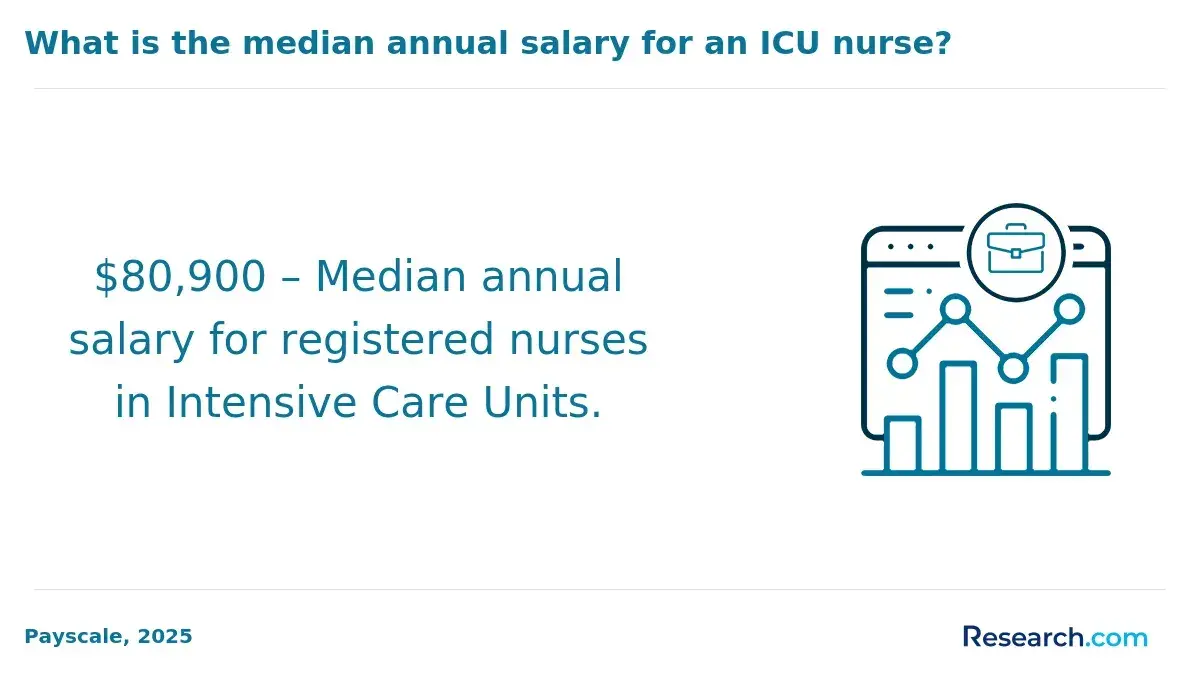
- Income. The average annual median salary for LPNs in Indiana is $62,990, slightly above the national annual median salary of $62,340. Salary should not be treated as guaranteed; pay varies by employer, shift, setting, experience, and region.
- Cost of living. Indiana residents have an annual average of $34,694 in personal consumption and expenses, including categories such as housing, utilities, energy goods and services, food, and beverages. This context can help students compare expected LPN earnings against living expenses.
- Employment outlook. Indiana reports an employment level of 14,680 for LPNs, and the state is preparing to fill more than 5,000 vacancies by 2031. This suggests continued need, especially in settings that rely heavily on practical nursing care.
- Education mobility. Indiana offers LPN, LPN-to-RN, ASN, BSN, master’s, and doctoral nursing pathways. This makes it possible for practical nurses to enter the workforce and later continue their education.
| Why Indiana may work well | Why you should still be cautious |
| There is statewide concern about nursing workforce gaps. | Openings may not be evenly distributed across every city or employer. |
| LPNs can work in long-term care, clinics, home health, hospitals, and other settings. | Some employers may prefer RNs for certain units or responsibilities. |
| Bridge programs can support movement from LPN to RN or BSN. | Bridge admission may require prerequisites, minimum grades, active licensure, and clinical availability. |
| The LPN route can be faster than a four-year degree. | Scope of practice and advancement options are narrower than for RNs. |
What can I do with an LPN degree in Indiana?
After completing an eligible LPN program and earning licensure, you can pursue practical nursing roles in direct patient care and use the credential as a foundation for further nursing education. The strongest career plan depends on whether you want to work immediately, specialize in a care setting, or continue toward RN licensure.
- Start in practical nursing roles. Licensed LPNs can seek employment in settings such as long-term care, outpatient clinics, home health, rehabilitation centers, physician offices, and some hospital units. Some industries reported by BLS, including personal care services and junior colleges, may show higher wage potential, with some roles paying upwards of $90,000; however, those figures should not be assumed for every entry-level LPN job.
- Work across different care environments. Indiana’s healthcare staffing needs are not limited to hospitals. Practical nurses may find opportunities in community-based care, long-term care, outpatient services, residential facilities, and other patient support environments.
- Continue into higher nursing education. LPN education builds a foundation in basic nursing care, medication safety, patient monitoring, documentation, and clinical communication. Those skills can support later enrollment in LPN-to-RN, associate degree, or bachelor’s programs.
- Participate in community health efforts. Practical nurses may contribute to patient education, preventive care, public awareness, chronic disease support, and community outreach depending on employer setting and scope of practice.
What are the next steps after completing an LPN program in Indiana?
After graduation, your immediate priority is licensure: complete the application, satisfy background-check requirements, prepare for the NCLEX-PN, and track all Board communications carefully. Once licensed, you can apply for LPN jobs, compare employer benefits, and decide whether you want to remain in practical nursing or plan for RN advancement.
If your long-term goal is advanced clinical practice, specialty care, or graduate nursing education, begin mapping the steps early. LPNs who eventually want to move into nurse practitioner roles can review the best nurse practitioner programs in Indiana to understand how far the pathway extends beyond practical nursing.
What are the benefits of pursuing an LPN bridge program in Indiana?
An LPN bridge program helps licensed practical nurses use prior training and work experience to move toward RN, ASN, or BSN preparation. It can be a smart option for LPNs who want a broader scope of practice but do not want to discard the education they have already completed.
- Career growth. Bridge programs can move LPNs toward RN roles with expanded responsibilities, greater independence in patient care, and more opportunities in specialty units, leadership, or healthcare administration.
- Higher earning potential. Transitioning from LPN to RN may improve long-term compensation. RNs in Indiana have a median annual salary of around $75,000, compared with the average LPN salary of $56,980. A BSN can also support access to roles that require or prefer bachelor’s-level nursing education.
- Flexible formats for working nurses. Many bridge pathways are built for employed LPNs and may include online coursework, part-time scheduling, or hybrid delivery with required in-person clinical experiences.
- Broader job options. Bridge graduates can pursue a wider range of settings, including hospitals, outpatient care centers, specialty clinics, and advanced clinical environments where RN licensure is expected.
- Foundation for graduate study. LPN-to-RN and LPN-to-BSN routes can become stepping stones toward master’s or doctoral nursing education, including education, research, leadership, or advanced practice tracks.
How can LPNs excel in NCLEX-PN exam preparation?
NCLEX-PN preparation should begin before graduation, not after. Strong candidates use a structured study plan, identify weak content areas early, and practice clinical judgment questions repeatedly. The exam is not only about memorizing facts; it measures whether a candidate can make safe decisions for practical nursing care.
- Use the test plan as your study map. Organize review time around NCLEX-PN content categories rather than studying randomly.
- Take practice questions consistently. Review rationales for both correct and incorrect answers so you learn the decision process.
- Practice prioritization and safety scenarios. Focus on delegation limits, medication safety, infection control, patient changes, and urgent versus non-urgent findings.
- Simulate test conditions. Timed practice helps build stamina and reduce anxiety.
- Ask faculty for remediation help. If your school provides predictor exams, tutoring, or review sessions, use them before your authorization to test expires.
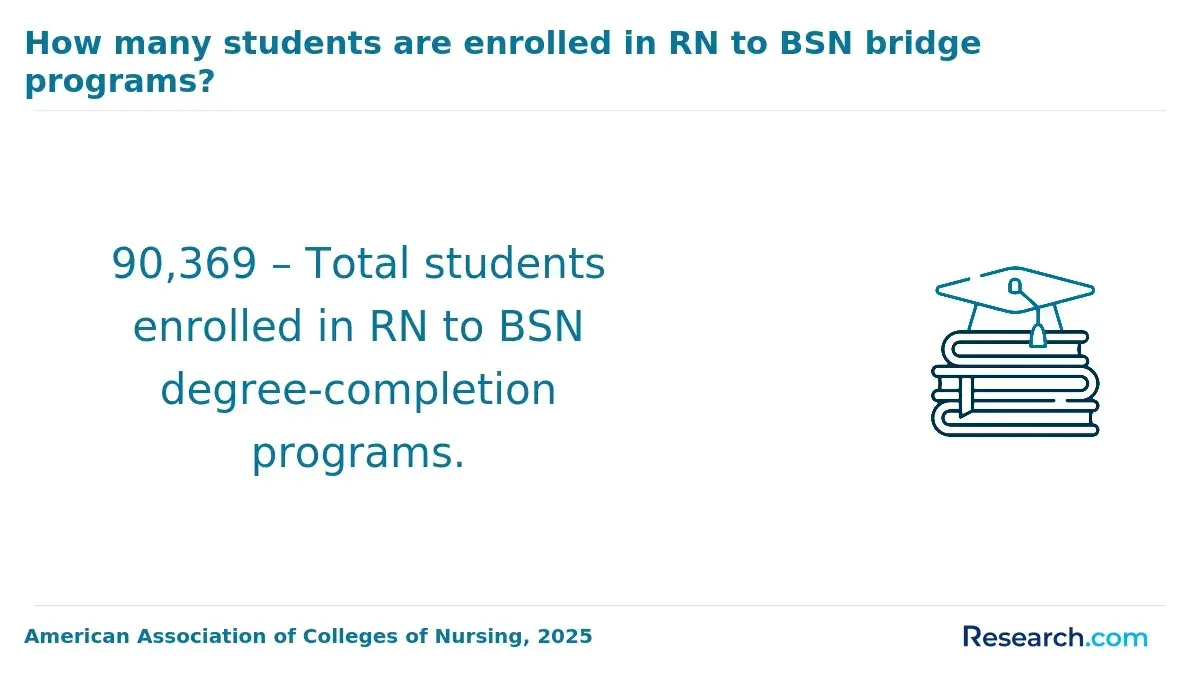
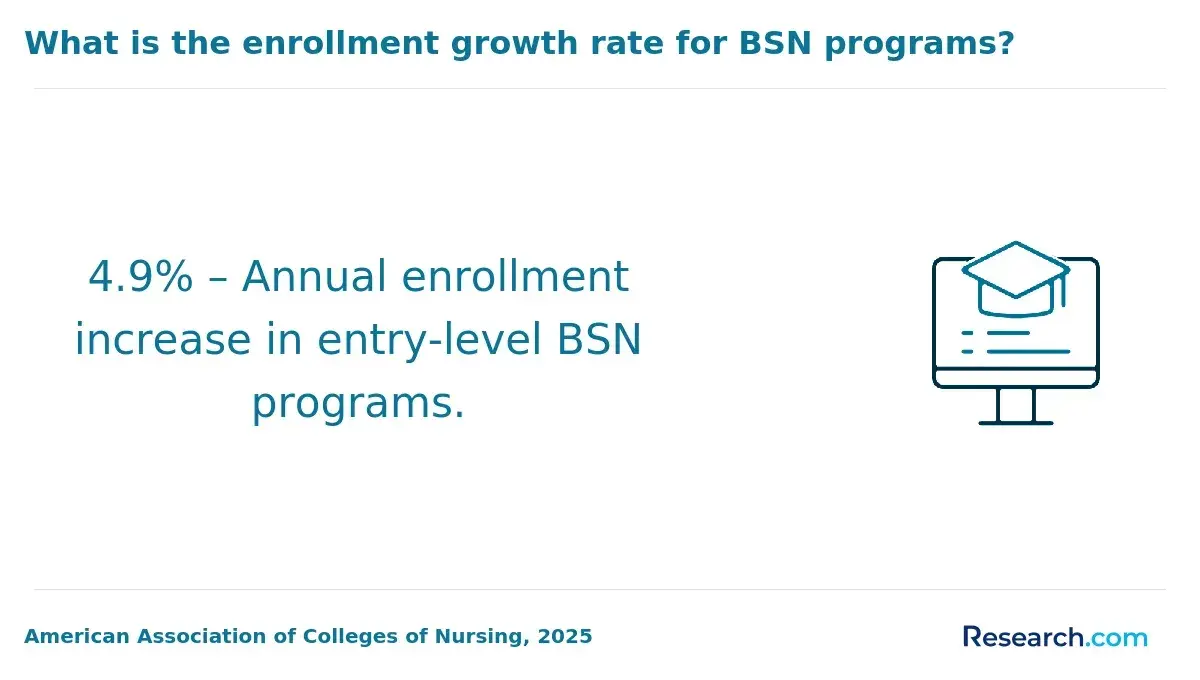
LPNs who later plan to continue into RN and BSN education can also compare accelerated post-licensure options, including a 6-month RN to BSN program, after they meet the appropriate RN pathway requirements.
What additional certifications can LPNs pursue in Indiana to boost their expertise?
Additional credentials can help LPNs focus their skills, but they should be chosen strategically. A certification is most useful when it matches your employer setting, patient population, and long-term career goals. Common areas of additional development may include gerontology, pharmacology, wound care, nutrition, IV therapy where permitted, and long-term care.
For example, an LPN working with chronic disease management or wellness education may benefit from deeper knowledge of nutrition and patient counseling. Those interested in that broader field can review how to become a nutritionist in Indiana and decide whether a separate nutrition pathway makes sense.
| Certification or skill area | Why LPNs consider it | Best fit |
| Gerontology | Supports care for older adults and long-term care populations | LPNs in nursing homes, assisted living, home health, or rehab |
| Wound care | Builds competence in skin integrity, dressings, and healing support | LPNs in long-term care, home health, and post-acute care |
| Pharmacology | Strengthens medication knowledge and safety awareness | LPNs who regularly administer or monitor medications |
| Nutrition | Improves patient education and wellness support | LPNs in chronic disease, community health, or preventive care settings |
What are the career paths and advancement opportunities for LPNs in Indiana?
LPNs in Indiana can build careers in several directions. Some stay in practical nursing and become highly experienced in long-term care, rehabilitation, home health, or outpatient practice. Others use the LPN credential as a launch point for RN licensure, BSN completion, leadership roles, or graduate nursing education.
The most common advancement route is an LPN-to-RN bridge program. This pathway prepares practical nurses for the NCLEX-RN and expands their scope of practice. RN preparation can also open doors to hospital roles, specialty units, care coordination, supervisory work, and eventually BSN or graduate-level nursing.
If RN licensure is your next target, review the process for becoming a registered nurse in Indiana. Understanding prerequisites, clinical requirements, licensure steps, and program formats will help you avoid losing time or credits.
| Career stage | Typical next move | What to prepare |
| New LPN | Entry-level practical nursing job | NCLEX-PN pass result, license, resume, references, clinical documentation |
| Experienced LPN | Specialized unit, charge role where permitted, or employer-sponsored training | Strong evaluations, continuing education, specialty skills |
| LPN pursuing RN | LPN-to-RN or LPN-to-ASN bridge | Prerequisites, active license, transcripts, clinical schedule availability |
| RN pursuing BSN or beyond | RN-to-BSN, MSN, DNP, or specialty graduate education | RN licensure, academic planning, career goal clarity |
What are the Indiana nursing license requirements?
Indiana nursing applicants must meet more than education requirements. Depending on the licensure route, applicants may need to pass the appropriate licensing examination, submit official transcripts or completion documents, complete a criminal background check, pay required fees, and provide any requested supporting documentation.
Renewal and continuing requirements can also change, so applicants and licensed nurses should review current Board guidance. For a focused breakdown, see Research.com’s guide to Indiana nursing license requirements.
What job placement and career support resources exist for LPN graduates in Indiana?
Career support varies significantly by school. Strong LPN programs typically offer resume help, interview preparation, employer introductions, job fairs, alumni connections, and guidance on licensure paperwork. Some programs maintain relationships with local hospitals, long-term care facilities, clinics, and home health agencies, which can help students learn where graduates are being hired.
Before enrolling, ask each school for job placement support details rather than accepting broad claims. Useful questions include: Which employers hire recent graduates? Does the school offer mock interviews? Are clinical partners also hiring partners? What percentage of graduates pass the NCLEX-PN? What happens if a student does not pass on the first attempt?
Students who want a step-by-step career pathway can also use Research.com’s guide on how to become a certified LPN in Indiana.
How can I transition from LPN to advanced practice nursing?
Advanced practice nursing requires several stages beyond practical nursing. An LPN typically must first become an RN, then complete BSN-level preparation if required, then pursue graduate education in an advanced practice specialty. This is a long pathway, but the LPN role can still be the starting point.
- Earn and maintain LPN licensure. Build safe clinical habits, strong documentation skills, and professional references.
- Complete an LPN-to-RN pathway. This prepares you for RN licensure and a broader scope of nursing practice.
- Advance to BSN-level education if needed. Many graduate programs expect or prefer bachelor’s-level nursing preparation.
- Choose a graduate specialty. Options may include nurse practitioner, nurse educator, leadership, or other advanced nursing tracks.
- Meet specialty licensure or certification requirements. Advanced practice roles require additional approvals beyond LPN or RN licensure.
If your target is nurse practitioner practice, review the educational and licensure path for becoming a nurse practitioner in Indiana.
What should I consider when choosing an LPN program in Indiana?
The best LPN program is not always the cheapest, fastest, or closest. It is the program that meets Indiana licensing expectations, gives you adequate clinical preparation, supports NCLEX-PN success, and fits your real life well enough for you to finish.
| Selection factor | Why it matters | Warning sign |
| Accreditation and approval | Licensure eligibility depends on recognized education and state requirements. | The school cannot clearly explain approval, accreditation, or Board eligibility. |
| Clinical placements | LPN training requires supervised hands-on practice. | Students must find their own clinical sites without support. |
| NCLEX-PN preparation | Passing the exam is required for licensure by examination. | The program avoids sharing pass-rate context or remediation support. |
| Total cost | Fees, supplies, transportation, and testing expenses affect affordability. | The school only advertises tuition and excludes required extras. |
| Schedule format | Clinical days, labs, and exams may conflict with work or family obligations. | The program promises flexibility but has fixed in-person requirements you cannot meet. |
| Transfer and bridge options | Future RN or BSN plans may depend on credit acceptance. | Credits do not transfer well or bridge pathways are unclear. |
For a broader comparison of nursing education options in the state, review the best nursing schools in Indiana.
Can LPNs Transition to a Nurse Midwife Role in Indiana?
Yes, but not directly from LPN practice alone. Nurse midwifery is an advanced nursing role that requires RN preparation and graduate-level education focused on women’s health, pregnancy, birth, reproductive care, and family-centered clinical decision-making.
A practical route usually begins with LPN licensure, continues through RN and BSN-level preparation, and then moves into an accredited master’s or doctoral nurse midwifery program. Anyone considering this path should review the requirements for nurse midwife education in Indiana before choosing an LPN program, because early planning can help reduce duplicated coursework.
What questions should I ask when selecting an online LPN program in Indiana?
Online flexibility can be helpful, but it can also hide important requirements. Before enrolling in any online or hybrid LPN program, ask direct questions and request written answers.
| Question to ask | Why it matters |
| Is this program approved for Indiana LPN licensure eligibility? | A program that is not accepted by the Board may not qualify you for licensure. |
| Who arranges clinical placements? | Students need confirmed hands-on sites, not just online coursework. |
| Where are labs, simulations, and skill check-offs held? | Hybrid programs may require travel even if lectures are online. |
| What are the NCLEX-PN pass rates and remediation policies? | Exam preparation is central to becoming licensed. |
| What is the total program cost? | Books, supplies, uniforms, testing, background checks, and clinical fees can add up. |
| Will credits apply to an LPN-to-RN bridge later? | Credit transfer matters if you plan to advance. |
| What happens if I move or need a clinical site in another area? | State authorization and placement availability can affect completion. |
Students comparing broader online nursing options can also review the best online nursing programs in Indiana.
How can I finance my LPN education in Indiana?
Financing an LPN program starts with knowing the full cost and then combining aid sources where possible. Students should complete the FAFSA to check eligibility for federal grants and loans, ask schools about institutional aid, and search for scholarships from healthcare employers, community organizations, and nursing-related foundations.
- File the FAFSA early. Federal aid eligibility often starts with this form.
- Ask about school-based grants and payment plans. Some institutions offer installment options or need-based aid.
- Look for employer support. Healthcare employers may offer tuition reimbursement, especially in shortage areas.
- Compare total costs, not tuition alone. Include transportation, childcare, uniforms, books, licensing fees, and missed work hours.
- Evaluate alternative healthcare pathways. If budget or timeline is your main concern, compare LPN programs with related options such as the best medical assistant programs in Indiana.
Is an Accelerated Online LPN Program a Viable Option for Career Advancement?
An accelerated online or hybrid LPN program can be viable for some students, but only if it meets Indiana licensure expectations and includes required in-person clinical training. “Accelerated” should not mean reduced clinical quality. It usually means the same or similar content is delivered in a more compressed schedule.
This format may work for students with strong study habits, reliable transportation, flexible work arrangements, and enough weekly time for labs, clinicals, reading, practice questions, and exams. It may be a poor fit for students who need extensive academic support, cannot attend in-person sessions, or are balancing unpredictable work hours.
Students exploring faster nursing routes can compare the structure of accelerated pathways, including the best 12-month accelerated online nursing degree program, while remembering that LPN licensure still requires Board-acceptable education and clinical preparation.
Current trends affecting LPN students in Indiana
- Hybrid learning is becoming more common. Many programs now separate lecture content from clinical skill development, allowing online coursework while preserving in-person practice.
- Employers expect stronger technology skills. LPNs increasingly work with electronic health records, medication systems, telehealth workflows, and digital documentation tools.
- Clinical placement access matters. Nursing shortages can create job openings, but programs still need enough qualified clinical sites and instructors to train students safely.
- Bridge pathways are important for long-term mobility. Students who may want RN or BSN credentials later should choose LPN programs with clear progression options.
- Cost scrutiny is rising. Students are comparing tuition, completion time, licensure outcomes, and wage potential more carefully before enrolling.
Common mistakes to avoid when choosing an Indiana LPN program
| Mistake | Why it can hurt you | Better approach |
| Choosing a program without checking licensure eligibility | You may complete coursework that does not qualify you for Indiana licensure. | Confirm approval, accreditation, and Board eligibility before applying. |
| Focusing only on tuition | Fees, supplies, clinical travel, exam costs, and lost work time can change affordability. | Request a full cost-of-attendance estimate. |
| Assuming “online” means no campus visits | LPN programs usually require labs, simulations, and clinical rotations. | Ask for the exact in-person schedule and clinical locations. |
| Ignoring NCLEX-PN support | Graduation alone does not make you licensed; passing the exam is essential. | Ask about pass rates, practice testing, remediation, and faculty support. |
| Not planning for advancement | Credits may not transfer smoothly into RN or BSN programs. | Ask whether the program has bridge agreements or transfer pathways. |
| Relying only on rankings | A highly visible school may not be the best fit for your schedule, location, or goals. | Use rankings as one input alongside accreditation, outcomes, cost, and logistics. |
Providing quality healthcare across the lifespan
LPN education introduces students to the discipline, responsibility, and pace of nursing work. The transition can be demanding, especially during early coursework and clinical training. Students who want to understand what the beginning of nursing education feels like can review what to expect in the first year of nursing school.
For Indiana students, the LPN path can provide a faster entry into patient care while preserving the option to continue toward RN, BSN, and advanced nursing roles. The key is to choose a program that is legitimate, clinically strong, affordable, and aligned with your long-term career plan.
Key Insights
- Indiana needs more nurses. The state currently has 72% of the workforce needed to meet statewide demand and is preparing to fill more than 5,000 vacancies by 2031.
- There are two main LPN licensure routes. New graduates usually apply by examination and take the NCLEX-PN, while already licensed practical nurses may apply by endorsement.
- Program cost varies sharply. Reported costs include $5,041 for in-state students at two-year public institutions, $9,642 for out-of-state students, and up to $38,300 for private schools; other cited benchmarks include $4,637, $8,927, and $35,447, so students should verify current costs directly with schools.
- Most LPN programs are not fully online. Hybrid coursework may be available, but labs, simulations, skill checks, and clinical rotations typically require in-person participation.
- The usual timeline is 12 to 18 months. Accelerated programs may move faster, but they require strong time management and should still meet clinical and licensure requirements.
- Indiana can be a practical state for LPN employment. The average annual median salary cited for Indiana LPNs is $62,990, compared with the national annual median salary of $62,340, and the state reports an LPN employment level of 14,680.
- Bridge programs expand future options. LPN-to-RN, LPN-to-ASN, and LPN-to-BSN pathways can increase responsibility, mobility, and potential access to graduate nursing roles.
- Do not enroll until you verify the essentials. Confirm accreditation, Indiana licensure eligibility, clinical placement support, NCLEX-PN preparation, total cost, and transfer options before committing.
Related Articles for Nearby States
- 2027 Best LPN Programs in Ohio – Accredited Online LPN Programs
- 2027 Best LPN Programs in Illinois – Accredited Online LPN Programs
- 2027 Best LPN Programs in Kentucky – Accredited Online LPN Programs
- 2027 Best LPN Programs in Michigan – Accredited Online LPN Programs
- 2027 Best LPN Programs in Wisconsin – Accredited Online LPN Programs
- 2027 Best LPN Programs in Missouri – Accredited Online LPN Programs
- 2027 Best LPN Programs in Tennessee – Accredited Online LPN Programs
- 2027 Best LPN Programs in Iowa – Accredited Online LPN Programs
- 2027 Best LPN Programs in West Virginia – Accredited Online LPN Programs
- 2027 Best LPN Programs in Minnesota – Accredited Online LPN Programs
References:
- Herman, J. (2024, September 12). Monthly and annual expenses by state. Nasdaq. Retrieved from Nasdaq.
- Indiana Center for Nursing. (n.d.). Licensed Practical Nursing. Retrieved from IC4N.
- National Center for Education Statistics. (2024, January). Average undergraduate tuition, fees, room, and board charges for full-time students in degree-granting postsecondary institutions, by control and level of institution and state. Retrieved from NCES.
- Rhoades, E. (2025, September 2). New Indiana state law addresses nursing shortage. WTHR. Retrieved from WTHR.
- US Bureau of Labor Statistics. (2024). Occupational Employment and Wage Statistics Query System. Occupational Employment and Wage Statistics. Area: Indiana. Retrieved from BLS.
Other Things You Should Know About LPN Programs in Indiana
Admission requirements for online LPN programs in Indiana in 2027 typically include a high school diploma or GED, completion of prerequisite courses like biology and math, a minimum GPA, and passing an entrance exam. Specific requirements may vary by school, so applicants should check program websites.
The cost of LPN programs in Indiana varies. In-state students at public institutions pay an average of $4,637, while out-of-state students pay around $8,927. Private institutions can cost up to $35,447. Additional costs may include textbooks, supplies, and fees.
In Indiana, completing an online LPN program typically takes about 12 to 18 months, depending on whether you attend full-time or part-time. These programs combine online coursework with in-person clinical training to ensure comprehensive education.
Yes, many online LPN programs in Indiana are eligible for federal financial aid in 2027. Students should file the FAFSA to determine their eligibility. Some programs may also offer scholarships or state-specific grants to assist with tuition costs.
Indiana LPN programs require supervised clinical practice in settings such as hospitals, long-term care facilities, or clinics. Students usually complete around 500 to 750 clinical hours, along with classroom and skills lab instruction, before qualifying to take the NCLEX-PN exam.


