2027 How to Become a Preschool Teacher in Texas: Requirements & Certification

Co-Founder and Chief Data Scientist
If you want to teach preschool in Texas, the first decision is not simply “which degree should I get?” It is where you want to teach. A public school pre-K classroom, a Head Start program, a private preschool, a faith-based center, and a licensed childcare center can each use different hiring standards, credentials, and expectations.
This guide explains how preschool teacher requirements work in Texas, including degree options, certification routes, exams, background checks, continuing education, specializations, job settings, salary considerations, and ways to move into other teaching roles. It is designed for first-time college students, career changers, teaching assistants, childcare workers, and anyone comparing traditional and alternative routes into early childhood education.
The goal is to help you choose the most practical path for your budget, timeline, and career goals while avoiding common mistakes such as choosing a non-approved preparation program, assuming all preschool jobs require the same credential, or focusing only on tuition without checking certification outcomes.
Quick answer: How do you become a preschool teacher in Texas?
To become a licensed preschool teacher in a Texas public school setting, you generally need a bachelor’s degree from an accredited institution, completion of an approved educator preparation program, student teaching or supervised classroom experience, passing scores on required Texas certification exams, an application through the Texas Education Agency, and a background check with fingerprinting. Some private preschools, childcare centers, Head Start programs, and home-based programs may hire candidates with different credentials, such as an associate degree, a Child Development Associate credential, or early childhood experience.
Key Things You Should Know About Becoming a Preschool Teacher in Texas
- Licensing administrative body: The Texas Education Agency, often called TEA, oversees educator certification in Texas. TEA sets the certification standards for teachers who work in public school settings and confirms whether candidates have met education, preparation, testing, and background check requirements.
- Core licensing requirements: Candidates who want a Texas teaching certificate for preschool or early childhood classrooms typically need at least a bachelor’s degree from an accredited college or university, an approved educator preparation program, supervised teaching experience, and passing exam scores. Requirements can differ for private preschools and childcare programs.
- Certification exams: Texas teacher certification includes multiple assessments. The Pedagogy and Professional Responsibilities exam evaluates knowledge of teaching practice, student development, classroom management, and professional responsibilities. Passing the required assessments is necessary before certification can be issued.
- Application process: After finishing the preparation and testing steps, candidates apply for certification through the TEA online system. Applicants should be prepared to submit transcripts, educator preparation documentation, exam results, and fingerprint-based background check information.
- Renewal and continuing education: After certification, preschool teachers must keep their credential active. This includes professional development and renewal every five years, so teachers continue building current knowledge in child development, early learning, safety, assessment, and inclusive instruction.
- What degree do I need to become a preschool teacher in Texas?
- What are alternative certification programs for becoming a preschool teacher in Texas?
- How do you get a preschool teaching license in Texas?
- What are the continuing education requirements for preschool teachers in Texas?
- What specializations are available for preschool teachers in Texas?
- How can preschool teachers in Texas advance their careers?
- How do Texas state regulations affect preschool teaching?
- What types of schools and programs hire preschool teachers in Texas?
- What is the job outlook for preschool teachers in Texas over the next 5 years?
- What skills are essential for success as a preschool teacher in Texas?
- What are the common challenges faced by preschool teachers in Texas?
- How do preschool teaching credentials compare with private school teaching requirements in Texas?
- What is the most cost-effective way to become a preschool teacher in Texas?
- How can I transition to other teaching roles in Texas?
- What professional organizations can enhance my preschool teaching career in Texas?
- How does integrating arts into preschool education enhance learning outcomes in Texas?
- What financial aid options are available for aspiring preschool teachers in Texas?
- How do preschool teachers address special needs in Texas classrooms?
- What are the key certification requirements for preschool educators in Texas?
- How do preschool teachers support speech and language development in Texas?
- How can pursuing an advanced degree enhance my career as a preschool teacher in Texas?
- What emerging trends are shaping preschool teaching practices in Texas?
- What salary and benefits can I expect as a preschool teacher in Texas?
What degree do I need to become a preschool teacher in Texas?
The degree you need depends on the preschool setting. For many Texas public school pre-K teaching roles, the expected route is a bachelor’s degree plus an approved educator preparation program and state certification. For some childcare centers, private preschools, assistant roles, and early childhood support positions, an associate degree in early childhood education or a related field may be enough to enter the field.
An early childhood education degree is useful because it gives future teachers structured training in child development, developmentally appropriate practice, classroom routines, family communication, observation, assessment, play-based learning, and behavior guidance for young children.
| Education option | When it may make sense | Important limitation |
| Child Development Associate credential or similar childcare credential | Useful for childcare centers, assistant roles, and candidates who want an entry point into early childhood education | May not meet public school teacher certification requirements by itself |
| Associate degree in early childhood education | Can help candidates qualify for preschool, assistant teacher, or childcare-based pre-K roles | May limit access to certified public school teaching positions and leadership roles |
| Bachelor’s degree with educator preparation | Best fit for candidates seeking Texas teacher certification and public school pre-K opportunities | Usually takes more time and costs more than short-term credential routes |
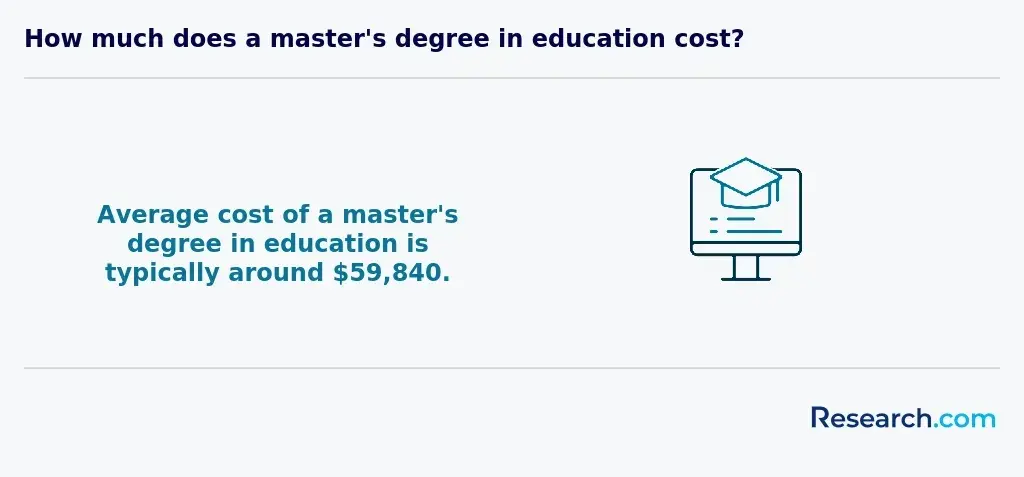
| Graduate degree in education or early childhood education | Helpful for leadership, curriculum, coaching, administration, or specialized instructional roles | Usually makes the most sense after clarifying career goals and employer requirements |
- Choose an accredited institution: Accreditation matters because employers, educator preparation programs, and certification authorities may rely on it when reviewing transcripts. Before enrolling, confirm that the school is recognized and that its educator preparation route is approved for the credential you want.
- Match the degree to the job setting: A childcare center and a public school district may not evaluate credentials the same way. Always review job postings from the type of employer you want before choosing a program.
- Think beyond entry-level employment: An associate degree may help you start working sooner, while a bachelor’s degree can support broader certification and advancement options. Many full-time teaching positions prefer or require bachelor’s-level preparation.
- Consider earnings and long-term growth: Preschool teachers with a bachelor’s degree can earn around $40,000 annually, while those with an associate degree might start closer to $30,000. Actual pay varies by employer, location, credential, benefits, and experience.
What are alternative certification programs for becoming a preschool teacher in Texas?
Alternative certification programs give career changers and nontraditional candidates a route into teaching without completing a conventional undergraduate education major. In Texas, only approved programs can recommend a candidate for a Texas educator certificate, so program approval should be the first thing you verify.
How alternative certification works
Alternative certification programs usually combine coursework, field-based training, mentoring, and supervised classroom practice. Many programs are designed around practical classroom readiness and can be completed in about a year, depending on the candidate’s background, testing timeline, and placement requirements. Some candidates work as paid interns while completing requirements; others complete unpaid clinical teaching that functions more like student teaching.
Traditional route vs. alternative certification
| Pathway | Best for | Main advantage | Main trade-off |
| Traditional teacher preparation | Students planning an education degree from the beginning | More structured progression through coursework and student teaching | May take longer before entering a paid teaching role |
| Alternative certification program | Career changers, degree holders, and experienced classroom assistants | Can move candidates into supervised teaching more quickly | Requires strong time management while completing coursework, testing, and classroom duties |
| Early childhood assistant-to-teacher route | Current aides, childcare workers, or preschool assistants | Builds on existing classroom experience | Still requires meeting certification, degree, and testing rules for public school teaching |
Internships, mentoring, and classroom experience
After admission to an alternative certification program, candidates usually need a teaching assignment or supervised placement that matches the certification area they are pursuing. A mentor, field supervisor, or program representative helps evaluate progress and support classroom practice during the first year or clinical experience.
Online and accelerated options
Some Texas alternative certification programs offer online coursework, evening options, or accelerated schedules. These formats can help working adults, parents, and teaching assistants continue earning income while completing certification steps. The key is to confirm that the program is approved, that it prepares you for the correct certification exams, and that it has a clear plan for field placement.
If you are comparing teaching pathways beyond Texas, this guide to Arkansas teacher induction programs can help you see how another state structures teacher entry and support.
How do you get a preschool teaching license in Texas?
To earn a Texas preschool teaching license for public school teaching, candidates must follow the certification process connected to the Texas Education Code, Chapter 21, Subchapter B. The route includes preparation, exams, an application, and a background check.
- Confirm the certification area you need. Before enrolling in a program, identify whether your target role is public pre-K, early childhood through elementary, special education, bilingual education, or a childcare-based preschool role.
- Complete an approved educator preparation program. This may be part of a university degree program or an alternative certification program. The program should be approved to recommend candidates for Texas certification.
- Finish student teaching, clinical teaching, or a supervised internship. Texas expects future teachers to demonstrate classroom readiness through supervised experience with children.
- Pass the required Texas certification exams. These may include content-area assessments and the Pedagogy and Professional Responsibilities exam, depending on the credential.
- Submit the certification application through TEA. You will need documentation such as transcripts, educator preparation completion records, and exam results.
- Complete fingerprinting and the required background check. This step helps protect children and is required before certification can be issued.
- Track renewal requirements after certification. Certification is not a one-time task. Teachers must renew and complete continuing education on the required schedule.
| Step | What to prepare | Common mistake to avoid |
| Program selection | Approved educator preparation program information | Choosing a program before checking whether it can recommend candidates for Texas certification |
| Testing | Exam registration, study plan, and eligibility approval | Waiting until the end of the program to understand which exams are required |
| Application | Transcripts, program completion proof, and passing scores | Submitting incomplete records or using unofficial documentation when official records are required |
| Background check | Fingerprinting and criminal history review | Assuming certification can be finalized before the background check clears |
| Renewal | Professional development records | Failing to document continuing education during the renewal cycle |
The total timeline can vary, and certification approval may take several weeks after all materials are submitted. Costs can include preparation program tuition, testing fees, application fees, fingerprinting, and other documentation expenses. Candidates should budget for several hundred dollars in certification-related costs in addition to tuition.
If you are exploring education-related careers outside early childhood instruction, you can compare transferable academic and research abilities through this overview of required skills for historians.
What are the continuing education requirements for preschool teachers in Texas?
Preschool teachers must complete ongoing professional development to keep their license active. This article uses the requirement of 30 hours of professional development every five years. Because rules can vary by credential type and may change, teachers should verify their exact renewal requirements through TEA or their employer before the renewal deadline.
- Useful course topics: Strong continuing education options include child development, early literacy, classroom management, special education strategies, trauma-informed teaching, family engagement, health and safety, and assessment for young children.
- Why renewal training matters: Early childhood practice changes as research, policy, technology, and family needs evolve. Professional development helps teachers stay current rather than relying only on what they learned during initial preparation.
- Flexible formats: Teachers may find online courses, district workshops, conferences, in-person trainings, coaching sessions, and employer-sponsored professional learning. The best format is the one that fits your schedule and is accepted for renewal.
- Career value: Continuing education can support promotions, specialized classroom assignments, leadership opportunities, and stronger performance evaluations. It may also help teachers qualify for higher-paying roles when employers reward advanced training.
What specializations are available for preschool teachers in Texas?
Specializations can help preschool teachers serve specific student populations, qualify for niche roles, or prepare for leadership. The best specialization is the one that matches the children you want to teach and the employers you want to work for.
| Specialization | What it focuses on | Who should consider it |
| Early childhood special education | Supporting young children with disabilities, developmental delays, and individualized learning needs | Teachers who want to work in inclusive classrooms, special education settings, or intervention-focused programs |
| Bilingual education | Teaching young children in English and another language while supporting language development and cultural identity | Educators working in multilingual Texas communities |
| Montessori or Reggio Emilia methods | Child-led exploration, hands-on materials, observation, creativity, and classroom environment design | Teachers interested in private preschools or progressive early learning models |
| STEM education for preschoolers | Introducing science, technology, engineering, and math through play, inquiry, sorting, building, questioning, and exploration | Teachers who want to strengthen early problem-solving and inquiry-based learning |
| Curriculum development certification | Designing early childhood learning experiences, lesson sequences, assessments, and developmentally appropriate materials | Teachers interested in lead teacher, instructional coach, or program design roles |
Texas preschool roles often begin with an associate degree in early childhood education for some settings, while many schools prefer candidates with a bachelor’s degree. Additional credentials, including the Certified Childcare Professional credential, may strengthen a candidate’s profile. Because each specialization can carry its own requirements, review job postings and certification rules before investing in a credential.
If you are comparing broader teaching careers, this guide to Tennessee teaching credentials can provide another point of comparison.
How can preschool teachers in Texas advance their careers?
Preschool teachers in Texas can advance by increasing their education level, developing a specialization, moving into leadership, coaching other educators, or transitioning into related education roles. Advancement should be planned around the type of work you want: classroom expertise, administration, training, advocacy, research, or K–12 teaching.
- Earn a higher degree: A bachelor’s degree or master’s degree in early childhood education can prepare teachers for broader instructional, leadership, or specialist roles. It can also deepen knowledge of curriculum, assessment, child development, and family engagement.
- Move into administration: Teachers interested in directing programs or managing multiple classrooms may pursue leadership preparation. Texas is rolling out an Administrator Pathway in 2024 for those who want to become directors or multi-site leaders.
- Become a trainer: Teachers who enjoy mentoring adults may pursue professional development roles. The Texas Trainer Registry offers a route for educators who want to train others in areas such as literacy, social-emotional learning, and classroom practice.
- Shift into coaching: Instructional coaching allows experienced teachers to support other educators through observation, feedback, planning, and professional learning. A Coach Pathway is being developed to recognize competencies and experience in this area.
- Enter policy or advocacy: Teachers who want to influence early childhood systems can work with advocacy groups, agencies, nonprofits, or policy organizations focused on access, funding, workforce quality, and child outcomes.
- Explore research or consulting: Educators with strong analytical and program-improvement skills may contribute to studies, evaluation projects, curriculum consulting, or professional learning design.
To compare how another state structures teaching credentials, see this overview of South Carolina teaching credential requirements.
How do Texas state regulations affect preschool teaching?
Texas regulations shape who can teach, how programs are staffed, how children are supervised, what safety practices must be followed, and how learning is documented. The exact rules depend on whether the program is a public school pre-K program, licensed childcare center, Head Start provider, private school, or home-based program.
- Child-to-teacher ratios: Texas mandates a maximum ratio of 11 children for every 1 teacher in preschool settings. Ratios affect classroom safety, supervision, instructional quality, and how much individual attention each child receives.
- Health and safety rules: Preschool teachers must follow procedures for sanitation, emergency planning, illness response, supervision, and safe classroom environments.
- Credential expectations: Some preschool settings require a Child Development Associate credential or a degree in early childhood education, while public school roles generally follow TEA certification rules.
- Curriculum frameworks: Texas preschool programs use curriculum expectations that guide lesson planning, developmental goals, school readiness, and classroom activities.
- Assessment and reporting: Teachers may be responsible for observing children, tracking developmental progress, communicating with families, and completing reports required by their employer or state program rules.
What types of schools and programs hire preschool teachers in Texas?
Preschool teachers in Texas work in several types of programs. Each setting can offer a different balance of certification requirements, pay, benefits, classroom philosophy, schedule, and advancement potential.
Public pre-K programs
Texas school districts operate public pre-kindergarten programs for eligible children aged 3–5 years. These roles usually follow state certification requirements and may offer district salary schedules, benefits, professional development, and opportunities to move into other public school positions.
Private preschools
Private preschools include independent, faith-based, Montessori, Reggio Emilia-inspired, and other early learning programs. Some may not require state teacher certification, but they often value early childhood coursework, classroom experience, and training aligned with their educational philosophy.
Charter schools
Some Texas charter schools include early childhood classrooms. These schools may combine academic readiness, play-based learning, and school-specific instructional models. Requirements can vary, so candidates should review each school’s hiring standards.
Childcare centers with pre-K programs
Licensed childcare centers may offer structured pre-K classrooms and may hire teachers with a range of qualifications. This can be a practical entry point for candidates moving up from assistant roles. If you are starting at the assistant level, review this guide on how to become a teacher assistant in Texas.
Head Start programs
Head Start programs serve children from low-income families and focus on school readiness, health, family support, and comprehensive child development. Depending on the position, teachers may need a Child Development Associate credential or a higher early childhood qualification.
Home-based preschools
Some educators teach in or operate home-based preschool programs. These settings can offer smaller groups and close family relationships, but they also require strong organization, safety compliance, recordkeeping, and business management.
What is the job outlook for preschool teachers in Texas over the next 5 years?
The outlook for preschool teachers in Texas is shaped by population growth, family demand for early learning, public funding, childcare availability, and workforce shortages. Urban areas may have more openings because of larger populations and more early childhood programs, while rural areas may have fewer employers but can face shortages of qualified educators.
- Urban and rural differences: Large metro areas often have more school districts, childcare centers, private preschools, and Head Start programs. Rural communities may offer fewer openings but may value candidates who are certified, flexible, and willing to serve hard-to-staff classrooms.
- Demographic change: Texas continues to serve diverse families and multilingual communities. This can increase demand for teachers with bilingual, culturally responsive, and inclusive classroom skills.
- Public investment: Expanded attention to early childhood education, including initiatives such as Pre-K for All, can influence hiring in public and publicly funded programs.
- Public and private hiring: Both school-based and private preschool settings can offer opportunities, but compensation, benefits, certification expectations, and curriculum models may differ substantially.
- Economic conditions: Education and childcare are essential services, but funding levels, tuition affordability, and family demand can affect hiring patterns during economic shifts.
What skills are essential for success as a preschool teacher in Texas?
Successful preschool teachers combine warmth with structure. They need to support children who are still learning how to communicate, share, follow routines, regulate emotions, and build early academic concepts.
| Skill | Why it matters in preschool | How to strengthen it |
| Communication | Teachers must explain ideas to children, listen carefully, and keep families informed | Practice parent updates, child-friendly language, and active listening |
| Classroom management | Young children need predictable routines, clear expectations, and positive reinforcement | Learn age-appropriate behavior guidance and build consistent classroom procedures |
| Creativity | Preschool learning often happens through stories, art, music, movement, dramatic play, and hands-on exploration | Build activity banks and adapt lessons to different interests and learning styles |
| Inclusive teaching | Texas classrooms include children with varied languages, abilities, cultures, and developmental needs | Study differentiated instruction, special education basics, and culturally responsive practice |
| Patience and resilience | Preschool classrooms can be joyful, noisy, emotional, and unpredictable | Use reflection, coaching, boundaries, and self-care routines to prevent burnout |
Teachers who develop these skills are better prepared to create safe, engaging classrooms where children build confidence, independence, early literacy, social skills, and curiosity.
What are the common challenges faced by preschool teachers in Texas?
Preschool teaching is meaningful work, but it is also demanding. Aspiring teachers should understand the challenges before investing in a degree or credential.
- Large groups and individual needs: Texas preschool classrooms may include around 20 children, making it difficult to give each child individualized attention without strong routines and support.
- Administrative workload: Lesson planning, child observations, documentation, parent communication, assessment records, and compliance tasks can extend beyond classroom hours.
- Behavior guidance: Preschoolers are still learning emotional regulation, social problem-solving, and self-control. Teachers need constructive strategies rather than reactive discipline.
- Language and cultural diversity: Texas classrooms often serve children from many linguistic and cultural backgrounds. Teachers must build inclusive environments that respect family identity and support language growth.
- Burnout risk: The emotional labor of caring for young children can be high. Sustainable teachers learn to set boundaries, collaborate with colleagues, and use planning systems that reduce daily stress.
Knowing these realities helps candidates choose better preparation programs, ask stronger questions during interviews, and build the habits needed for a long-term career. If you are comparing certification systems across states, you can also review how to become a teacher in Wisconsin.
How do preschool teaching credentials compare with private school teaching requirements in Texas?
Texas public school preschool roles usually follow state certification rules, while private schools may set their own hiring requirements. A private preschool may prioritize early childhood experience, training in a specific teaching philosophy, religious affiliation, bilingual ability, classroom references, or a childcare credential instead of requiring the same state certification expected in public schools.
If you want maximum mobility, a state-recognized teaching certificate can keep more options open. If you are committed to a private setting, study that school’s philosophy and hiring standards before choosing a program. For a closer look at non-public school expectations, review private school teacher requirements in Texas.
What is the most cost-effective way to become a preschool teacher in Texas?
The lowest-cost route depends on your target job. If you want to work in childcare or a private preschool, a shorter credential, associate degree, employer-paid training, or community college program may be more affordable. If you want to become a certified public school teacher, the cheapest route is not always the shortest route; it is the route that leads to the correct certification without forcing you to repeat coursework or switch programs later.
| Cost-saving strategy | Why it can help | What to verify first |
| Start at a community college | Can reduce lower-division tuition costs | Whether credits transfer into a bachelor’s or certification pathway |
| Use employer tuition assistance | May lower out-of-pocket costs while you work | Service commitments, eligible programs, and reimbursement rules |
| Choose an approved alternative certification program | Can help degree holders enter teaching without a second bachelor’s degree | Approval status, exam preparation, placement support, and total fees |
| Apply for grants and scholarships | Can reduce borrowing | Deadlines, eligibility, renewal rules, and required enrollment status |
For candidates focused on reducing credential costs, this guide to the cheapest teaching credential program in Texas can help compare affordability factors.
How can I transition to other teaching roles in Texas?
Preschool teachers develop skills that transfer well to other education roles: classroom management, curriculum planning, family communication, observation, differentiation, and student support. To move into another teaching area, identify the grade level or subject, check the required Texas certification, complete any needed coursework or exams, and document your classroom experience.
For example, moving from preschool into a subject-specific middle school role usually requires a different certification area and content exam. If that path interests you, see this guide on how to be a middle school math teacher in Texas.
What professional organizations can enhance my preschool teaching career in Texas?
Professional organizations can help preschool teachers stay current, find mentors, attend training, understand policy changes, and connect with other early childhood educators. These groups can be especially valuable for teachers who work in small centers or private programs without large district-level professional development systems.
- Look for early childhood-focused groups: Prioritize organizations that offer training in child development, classroom practice, assessment, and family engagement.
- Use membership strategically: Attend workshops, seek mentorship, volunteer on committees, and track professional development hours.
- Build career mobility: Networking can expose teachers to openings in public schools, private preschools, Head Start programs, coaching, and leadership.
If you are considering a move from preschool into elementary classrooms, this resource on how to become an elementary teacher in Texas can help you compare next steps.
How does integrating arts into preschool education enhance learning outcomes in Texas?
Arts integration can make preschool learning more active, expressive, and developmentally appropriate. Music, movement, drawing, painting, dramatic play, and storytelling help children build fine motor control, vocabulary, social confidence, listening skills, emotional expression, and early problem-solving.
For Texas preschool teachers, arts-based teaching is especially useful in diverse classrooms because children can show understanding in ways that do not rely only on spoken language or worksheets. A child can retell a story through movement, explore patterns through music, or practice social roles through dramatic play.
Teachers who want deeper arts expertise may explore training connected to how to become an art teacher in Texas, especially if they plan to develop an arts-focused curriculum or transition into specialized instruction later.
What financial aid options are available for aspiring preschool teachers in Texas?
Financial aid can make early childhood education training more realistic, but students should compare the full cost of attendance, not just tuition. Fees, books, transportation, testing, background checks, and unpaid clinical experiences can all affect affordability.
- Federal and state grants: Eligible students may qualify for Pell Grants of up to $6,495. Texas students attending community colleges may also explore the Texas Educational Opportunity Grant, which can provide up to $5,000 a year. Grants do not need to be repaid when students meet the requirements.
- Early childhood education scholarships: Some scholarships are designed for students preparing to work with young children. The Texas Association for the Education of Young Children offers scholarships for students committed to early childhood education. Colleges, local nonprofits, districts, and childcare organizations may offer additional awards.
- Loan forgiveness: Candidates who teach in high-need schools may qualify for loan forgiveness. The Teacher Loan Forgiveness Program can forgive up to $17,500 of federal student loans for eligible teachers who complete five consecutive years in a low-income school.
- Continuing education support: After entering the field, teachers may find stipends, employer-paid workshops, conference support, or professional development reimbursement.
- Work-study and employer assistance: Work-study can help students earn income while enrolled. Some childcare centers, districts, and education employers may also provide tuition assistance for employees pursuing education credentials.
How do preschool teachers address special needs in Texas classrooms?
Preschool teachers support children with disabilities and developmental delays through observation, differentiation, collaboration, and consistent routines. In inclusive classrooms, teachers may adapt activities, use visual schedules, provide sensory supports, simplify directions, support peer interaction, and work with specialists on individualized learning plans.
Teachers should also understand referral procedures, family communication expectations, and the difference between general classroom support and formal special education services. If you want to specialize in this area, review special education teacher requirements in Texas.
What are the key certification requirements for preschool educators in Texas?
The key certification requirements for Texas preschool educators include the correct degree pathway, an approved educator preparation program, supervised teaching experience, required exams, an application through TEA, and a background check. Some roles also require additional training or endorsements in areas such as bilingual education, special education, or early childhood instruction.
Because requirements vary by setting and credential, candidates should check the exact certification attached to their target job before enrolling. For a broader breakdown of options, review Texas teacher certification requirements.
How do preschool teachers support speech and language development in Texas?
Preschool teachers are often among the first professionals to notice speech, language, or communication delays. They support language development by modeling clear speech, reading aloud, singing, asking open-ended questions, expanding children’s sentences, encouraging peer conversation, and using play to build vocabulary.
When a child may need additional support, teachers document observations, communicate with families, and collaborate with specialists. Clear referral processes matter because early intervention can make a significant difference. Educators interested in related clinical careers can explore how to become a speech pathologist in Texas.
How can pursuing an advanced degree enhance my career as a preschool teacher in Texas?
An advanced degree can help preschool teachers move into leadership, curriculum design, coaching, administration, special education, bilingual education, research, or teacher training. Graduate study can also strengthen understanding of child development, assessment, family systems, policy, and evidence-based instructional methods.
Before enrolling, compare tuition, flexibility, accreditation, fieldwork expectations, and whether the degree aligns with your target role. A graduate degree is most valuable when it supports a clear career move rather than serving as a general credential with no plan. Teachers seeking a flexible route can compare options such as the easiest masters program for teachers.
What emerging trends are shaping preschool teaching practices in Texas?
Several trends are influencing preschool instruction in Texas. Teachers are seeing greater emphasis on school readiness, social-emotional development, inclusive classrooms, bilingual and culturally responsive teaching, digital tools used in age-appropriate ways, and data-informed observation. Programs are also paying closer attention to workforce development, teacher retention, and pathways from assistant roles into certified teaching.
Technology is changing planning and communication, but preschool teaching remains highly relational. AI tools may help with lesson ideas, documentation drafts, translation support, and administrative efficiency, but they do not replace the teacher’s judgment, supervision, warmth, or understanding of child development.
Some educators also draw from interdisciplinary approaches. For example, math-focused play, patterning, spatial reasoning, and early problem-solving can connect to broader STEM learning; readers interested in quantitative academic pathways can explore this ranking of easiest mathematics degree programs.
What salary and benefits can I expect as a preschool teacher in Texas?
Preschool teacher compensation in Texas varies by employer, location, education level, certification, specialization, and years of experience. Public school districts may offer structured salary schedules and benefits, while private preschools and childcare centers may vary more widely in pay and benefits.
Common benefits may include health insurance, retirement plans, paid time off, professional development, tuition assistance, and predictable school-year schedules, depending on the employer. Teachers with advanced certifications, bilingual skills, special education preparation, or leadership responsibilities may have access to stronger compensation in some settings, but salary outcomes are never guaranteed.
When comparing job offers, look beyond the hourly or annual wage. Ask about planning time, class size, assistant support, paid training, health coverage, retirement contributions, renewal support, and whether professional development is paid. If you are considering other teaching specialties, this guide to how to become a music teacher in Texas can help compare a different education path.
Common mistakes to avoid when becoming a preschool teacher in Texas
| Mistake | Why it causes problems | Better approach |
| Choosing a program before checking approval | A non-approved program may not lead to the certification you need | Confirm approval with TEA or the relevant credentialing authority before enrolling |
| Assuming all preschool jobs require the same credential | Public schools, private preschools, Head Start, and childcare centers can set different requirements | Identify your target employer type first, then choose the credential |
| Looking only at tuition | Testing, books, fees, unpaid fieldwork, transportation, and background checks add cost | Calculate total cost of attendance and certification-related expenses |
| Ignoring transfer credit rules | Credits may not apply if you later move from an associate degree into a bachelor’s program | Ask for written transfer guidance before starting coursework |
| Waiting too long to plan for exams | Testing delays can postpone certification and hiring | Ask your program for the exam timeline early and build a study plan |
| Not comparing benefits | A higher hourly rate may not outweigh weaker health insurance, retirement, or paid leave | Compare the full compensation package before accepting a role |
Questions to ask before choosing a Texas preschool teacher pathway
- Do I want to teach in a public school district, private preschool, Head Start program, childcare center, charter school, or home-based setting?
- Does my target job require Texas teacher certification, a Child Development Associate credential, an associate degree, a bachelor’s degree, or specialized training?
- Is the educator preparation program approved to recommend candidates for Texas certification?
- What exams will I need, and when should I take them?
- How much supervised classroom experience is required?
- Will my credits transfer if I begin at a community college?
- What is the total cost, including tuition, fees, books, testing, fingerprinting, and transportation?
- Does the program offer placement support, mentoring, or internship options?
- What salary, benefits, planning time, and classroom support do local employers provide?
- Which specialization would make me more employable in my community?
Here's What Preschool Teachers in Texas Have to Say About Their Career?
"Teaching preschool in Texas showed me how much the earliest school experiences matter. I learned to build lessons that felt playful but still helped children grow in language, social skills, and confidence. Seeing a child understand something new for the first time made the hard days worthwhile. The experience also shaped the way I later worked with older students because it taught me patience, empathy, and the importance of strong foundations." - Sylvia
"I grew up in Houston and always remembered how creative and patient my preschool teachers were. When I entered the classroom myself, I quickly learned how different every child’s needs could be. One student who struggled with language began making progress through play, repetition, and encouragement. That experience pushed me toward inclusive teaching and helped me build communication skills I still use every day." - Jana
"My first preschool experience was in a rural Texas community with limited resources. I volunteered because I wanted to help, but I discovered how powerful early learning can be. Preschool taught me to be resourceful, calm, and creative. Those habits stayed with me as my teaching career grew, and I still believe early childhood classrooms are where many students first learn to love school." - Lander
Related Articles for Nearby States
- 2027 How to Become a Preschool Teacher in Louisiana: Requirements & Certification
- 2027 How to Become a Preschool Teacher in Oklahoma: Requirements & Certification
- 2027 How to Become a Preschool Teacher in Arkansas: Requirements & Certification
- 2027 How to Become a Preschool Teacher in New Mexico: Requirements & Certification
- 2027 How to Become a Preschool Teacher in Kansas: Requirements & Certification
- 2027 How to Become a Preschool Teacher in Missouri: Requirements & Certification
- 2027 How to Become a Preschool Teacher in Colorado: Requirements & Certification
- 2027 How to Become a Preschool Teacher in Mississippi: Requirements & Certification
- 2027 How to Become a Preschool Teacher in Tennessee: Requirements & Certification
- 2027 How to Become a Preschool Teacher in Arizona: Requirements & Certification
Key Insights
- Your workplace determines your credential path. Public school pre-K roles usually require Texas teacher certification, while private preschools, childcare centers, Head Start programs, and home-based settings may use different requirements.
- A bachelor’s degree plus an approved educator preparation program is the safest route for public school teaching. An associate degree or childcare credential may help you start sooner, but it may not qualify you for every preschool teaching job.
- Alternative certification can work well for career changers. It is most useful when the program is approved, offers strong placement support, and prepares you for the correct Texas exams.
- Do not choose based on tuition alone. Compare total costs, transfer policies, exam fees, fieldwork requirements, financial aid, and whether the program actually leads to the credential you need.
- Specializations can improve career options. Bilingual education, early childhood special education, curriculum development, STEM, and Montessori or Reggio Emilia methods can help teachers align with specific employers and student needs.
- Preschool teaching requires more than affection for children. Strong teachers need classroom management, communication, observation, creativity, cultural responsiveness, patience, and resilience.
- Plan for long-term growth from the beginning. Continuing education, advanced degrees, coaching, administration, policy work, and related teaching certifications can turn preschool teaching into a broader education career.
References:
- tea.texas.gov (01 Sep 2023). High-Quality Prekindergarten Teacher Qualifications. Texas Education Agency
- wrksolutions.com (n.d.). Preschool Teachers. Workforce Solutions
- public.tecpds.org (n.d.). Texas ECE Career Pathways. TECPDS
Other Things You Should Know about Becoming a Preschool Teacher in Texas
Texas preschool teachers must follow the Texas Educator Code of Ethics, enforced by the Texas Education Agency. It requires professional conduct, honesty, and appropriate boundaries with children and families. Violations can lead to certification sanctions, including suspension or revocation, under TEA disciplinary rules.
Absolutely! In Texas, you can kickstart your career as a preschool teacher with just an associate's degree in early childhood education or a related field. While having a bachelor's degree can open more doors, many preschools are happy to hire teachers with an associate's degree, especially if you have some hands-on experience. Here’s what you need to know:
- Complete an Associate's Degree: Focus on early childhood education.
- Gain Experience: Volunteer or work in childcare settings.
- Get Certified: Consider obtaining a Child Development Associate (CDA) credential.
- Background Check: Pass a criminal background check, which is mandatory in Texas.
With these steps, you’ll be well on your way to shaping young minds!
To become a certified preschool teacher in Texas, you must pass the Texas Examinations of Educator Standards (TExES) Early Childhood-Grade 6 exam. This test evaluates your knowledge and skills necessary for teaching young children effectively in the state.