
2027 How to Become a High School History Teacher in Florida: Requirements & Certification

Co-Founder and Chief Data Scientist
Becoming a high school history teacher in Florida is a structured process: you need the right degree, Florida certification, subject-area competency, classroom experience, and a clear understanding of state standards. The opportunity is real. Florida reported 4,489 teacher vacancies in the 2022-2023 academic year, and secondary schools continue to need qualified teachers who can help students understand U.S. history, world history, civics, economics, geography, and Florida’s role in broader historical events.
This guide is for future teachers, career changers, substitute teachers, education majors, and history graduates who want to teach high school history or social science in Florida. You will learn the education requirements, certification steps, exam expectations, classroom experience options, salary considerations, alternative pathways, and practical decisions to make before enrolling in a teacher preparation program.
Quick Answer: How do you become a high school history teacher in Florida?
To become a high school history teacher in Florida, you generally need at least a bachelor’s degree from an accredited institution, subject-area preparation in history or social science, completion of a state-approved teacher preparation route, passing scores on required Florida Teacher Certification Examinations, a background check, and certification through the Florida Department of Education. Many candidates begin with a Temporary Certificate while completing remaining requirements, then move to a renewable Professional Certificate.
Key Things You Should Know About Becoming an HS History Teacher in Florida
- Licensing administrative body: The Florida Department of Education (FDOE) manages teacher certification, sets statewide certification rules, and reviews applications for Florida teaching certificates.
- Minimum education requirement: Florida candidates need at least a bachelor’s degree from an accredited institution. For high school history teachers, the degree is often in history, social science, education, or a related field.
- Subject-area competency: Future high school history teachers usually demonstrate content knowledge by passing the Florida Subject Area Examination in Social Science.
- Required certification exams: The Florida Teacher Certification Examination (FTCE) system includes the General Knowledge Test, Professional Education Test, and a Subject Area Examination tied to the teaching field.
- Application process: After meeting education and testing requirements, candidates apply through the FDOE online portal and submit official transcripts, exam results, and background check documentation. Review times can vary, so applicants should plan for several weeks.
- Certificate options: Florida offers a Temporary Certificate, valid for three years, and a Professional Certificate, renewable every five years with continuing professional development.
- What education do you need to become a history teacher in Florida?
- What is the Florida certification process for high school history teachers?
- How much classroom experience do Florida history teachers need?
- What standards and curriculum rules apply to Florida high school history?
- What is the job market and salary outlook for Florida history teachers?
- How do Florida history teachers maintain certification and keep learning?
- Which classroom management and teaching methods work well in history classes?
- How can Florida history teachers advance their careers?
- What alternative pathways can lead to history teacher certification in Florida?
- What legal and ethical rules must Florida history teachers follow?
- What should aspiring Florida history teachers do next?
- Can extra certifications make you a stronger teacher?
- Are online teacher certification programs useful for future history teachers?
- Can early childhood education experience help future high school teachers?
- How does interdisciplinary collaboration strengthen history teaching?
- How can museums and cultural institutions support history instruction?
- How can librarians help improve a history curriculum?
- Should history teachers consider private school jobs?
- How can visual arts make history lessons more effective?
- What are Florida’s teacher certification requirements?
- Can interdisciplinary certifications improve history instruction?
- What resources help new history teachers in Florida?
- Should future Florida history teachers consider an online history degree?
- How can Florida local history be included in high school lessons?
What education do you need to become a history teacher in Florida?
The standard route to teaching high school history in Florida starts with a bachelor’s degree and preparation in both content and pedagogy. A strong candidate understands historical content, knows how teenagers learn, and can translate complex events into lessons that meet state standards.
- Bachelor’s degree: Florida requires at least a bachelor’s degree. Common majors include history, social science education, education, or another closely related field.
- History and social science coursework: Candidates should expect coursework in U.S. history, world history, government, geography, economics, and research methods, along with education-focused classes such as learning theory, educational psychology, assessment, and instructional planning.
- Teacher preparation program: A state-approved or accredited teacher preparation program helps candidates build classroom skills through supervised practice, lesson design, classroom management training, and student teaching.
- Accreditation: Before enrolling, confirm that the institution and educator preparation pathway meet Florida certification expectations. Accreditation from a recognized organization, such as the Council for the Accreditation of Educator Preparation (CAEP), can be an important quality signal.
- Subject-area competency: Future high school history teachers must show they know the content they plan to teach. In Florida, this commonly means passing the FTCE Subject Area Examination in Social Science.
| Education choice | Best fit | Decision point |
| Bachelor’s in history | Students who want deep subject knowledge before completing teacher preparation | Confirm how the program supports Florida certification and student teaching |
| Bachelor’s in education or social science education | Students who want certification preparation built into the degree | Check whether the program is aligned with Florida secondary social science requirements |
| Master’s degree | Licensed or aspiring teachers seeking stronger credentials or advancement options | A master’s degree is not usually required for initial certification, so compare cost against career goals |
| Alternative certification pathway | Career changers with a bachelor’s degree outside education | Make sure the pathway leads to Florida certification and includes required pedagogy training |
The visual below shows the average number of students distributed per teacher in private institutions in the country.
What is the Florida certification process for high school history teachers?
Florida does not use a separate “history-only” license in the way some states describe single-subject credentials. Instead, candidates typically pursue Florida teacher certification in the appropriate secondary social science teaching area. The goal is to prove three things: you have the required degree, you know the subject, and you are prepared to teach safely and effectively.
The process usually follows these steps:
- Earn a qualifying bachelor’s degree. Your degree must come from an accredited institution and should support the subject area you intend to teach.
- Complete an approved teacher preparation route. This may be part of an undergraduate education degree, a post-baccalaureate program, an Educator Preparation Institute, or a district-based alternative pathway.
- Pass required FTCE exams. Candidates may need the General Knowledge Test, Professional Education Test, and the Subject Area Examination in Social Science.
- Apply through the Florida Department of Education. Submit your certification application, official transcripts, and required testing documentation through the FDOE system.
- Complete the background check process. Florida schools require background screening before a teacher can work with students.
- Move from temporary to professional certification if needed. Some candidates start with a Temporary Certificate while completing remaining requirements, then qualify for a Professional Certificate.
| Certificate type | Length | Who uses it | What to watch |
| Temporary Certificate | Valid for three years | Candidates who meet initial eligibility but still need to complete all professional requirements | It is not renewable in the same way as a Professional Certificate, so plan your timeline early |
| Professional Certificate | Renewable every five years | Teachers who have completed full certification requirements | Renewal requires ongoing professional development and compliance with Florida rules |
The most common mistake at this stage is assuming that a degree alone qualifies someone to teach. In Florida, the degree is only one part of the certification file. Testing, documentation, background clearance, and program completion also matter.
How much classroom experience do Florida history teachers need?
Classroom experience is where aspiring teachers learn whether they can manage a room, explain difficult material, adjust lessons in real time, and build professional habits. For traditional candidates, this experience often comes through student teaching during a semester-long placement with a mentor teacher.
Florida also recognizes practical experience through alternative routes. For certification, Florida mandates a minimum of 60 hours of teaching experience, which may be completed through student teaching or other approved experiences such as substitute teaching, volunteering in instructional settings, or alternative preparation activities.
How to make student teaching more valuable
- Ask to teach full lessons early. Observing is useful, but the biggest growth comes from planning, teaching, and revising lessons.
- Request specific feedback. Ask your mentor to evaluate questioning techniques, pacing, student engagement, classroom routines, and assessment quality.
- Build a teaching portfolio. Save lesson plans, sample assessments, classroom management reflections, and evidence of student learning.
- Learn school systems. Pay attention to grading platforms, parent communication, IEP or accommodation procedures, department meetings, and school discipline policies.
- Network professionally. Principals, department chairs, mentor teachers, and district staff can become references when you apply for your first position.
Where to find internship or field experience opportunities
- University partnerships: Many teacher preparation programs coordinate placements with Florida school districts.
- Education job fairs: District hiring events may connect candidates with schools that need interns, substitutes, or new teachers.
- State and education job platforms: Teach Florida and Florida Department of Education resources can help candidates identify openings and district contacts.
What standards and curriculum rules apply to Florida high school history?
Florida history teachers do more than cover dates and events. They teach students how to analyze evidence, understand cause and effect, compare perspectives, read primary sources, and connect Florida, national, and global history. Teachers must align lessons with state standards while also using district curriculum maps, adopted instructional materials, and local school expectations.
- Multiple perspectives: Effective history instruction helps students examine events through social, political, cultural, economic, geographic, and ethnic lenses.
- Florida connections: Teachers are expected to help students understand how Florida’s history fits within larger U.S. and world history themes.
- Historical thinking skills: Students should practice document analysis, source evaluation, argument writing, discussion, chronological reasoning, and evidence-based interpretation.
- Civic understanding: High school social science instruction often connects history to citizenship, institutions, rights, responsibilities, and public decision-making.
Practical lesson-planning checklist
- Start with the standard. Identify the exact skill and content students must master before choosing activities.
- Use primary and secondary sources. Pair textbook context with letters, speeches, photographs, maps, newspaper excerpts, court documents, or local archives.
- Plan for discussion norms. History can involve sensitive topics, so students need expectations for evidence, respect, and civil disagreement.
- Connect state and local history. Florida examples can make national and global themes more concrete.
- Assess more than memorization. Include writing, source analysis, short constructed responses, presentations, and projects.
Teachers who want to strengthen leadership, department collaboration, or curriculum planning skills may also consider an organizational leadership master's degree online if it fits their long-term goals.
What is the job market and salary outlook for Florida history teachers?
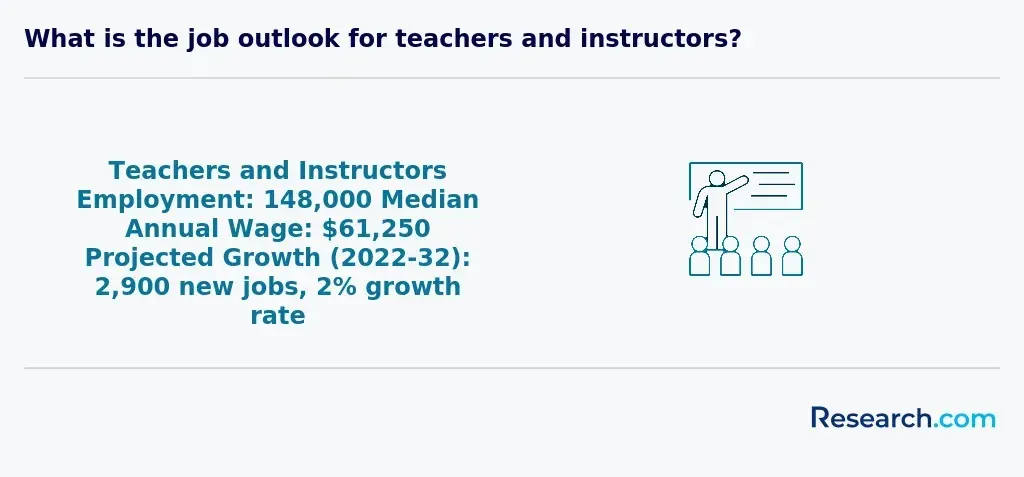
Florida’s teacher shortage creates opportunities for qualified candidates, but demand can vary by district, subject area, school level, and location. The state reported 4,489 teacher vacancies in the 2022-2023 academic year, which signals a broad need for educators. However, a high-demand market does not guarantee a specific job or salary, especially for candidates who are still completing certification requirements.
Recent data cited for Florida places the average salary for a high school history teacher at around $50,000 annually. Location and experience matter. Teachers in urban areas such as Miami or Orlando may earn more, often exceeding $55,000, while teachers in rural regions may see figures closer to $45,000.
| Salary factor | How it can affect pay | What candidates should ask |
| District location | Urban districts may offer higher salaries than some rural areas | Where is the district salary schedule posted? |
| Years of experience | Pay often increases with experience according to district rules | How does the district place new teachers with prior experience? |
| Education level | Some districts may offer pay adjustments for advanced degrees | Does a master’s degree change placement on the salary schedule? |
| Benefits | Health insurance, retirement plans, and paid leave can significantly affect total compensation | What is the total benefits package, not just base salary? |
| Certification status | Fully certified candidates may be more competitive for permanent roles | Will the district hire teachers on a Temporary Certificate? |
When comparing offers, do not look only at the salary number. Review class load, planning periods, mentoring support, certification assistance, professional development, commute, school culture, and expectations for extracurricular duties.
How do Florida history teachers maintain certification and keep learning?
Professional development is not optional for long-term teaching in Florida. Teachers need continuing education to renew credentials, stay current with standards, improve instruction, and respond to new classroom challenges.
- Workshops and seminars: Organizations such as the National Council for History Education offer professional learning centered on historical inquiry, source analysis, and effective history instruction.
- Online courses: Online professional development can help teachers earn continuing education credits while working full time.
- Conferences: Events such as the NCHE Conference allow teachers to exchange materials, learn from historians and educators, and build professional networks.
- District training: Florida districts often provide training tied to curriculum adoption, assessment practices, classroom technology, student support, and instructional standards.
- Advanced degrees: Some teachers pursue graduate education to move into curriculum leadership, administration, instructional coaching, or specialized teaching roles.
Teachers planning to deepen their credentials can compare accredited online teaching degrees and choose a specialization that supports their classroom or leadership goals.
Which classroom management and teaching methods work well in history classes?
High school history teachers need both content knowledge and classroom systems. Strong instruction keeps students active, gives them reasons to care about the past, and prevents the course from becoming a list of disconnected facts.
| Strategy | How it helps in history class | Example use |
| Interactive learning | Increases participation and gives students multiple ways to process historical content | Use collaborative document analysis, debates, timelines, digital discussion boards, or map-based activities |
| Differentiated instruction | Supports students with different reading levels, language needs, and learning preferences | Offer source excerpts at varied complexity levels or allow students to show understanding through writing, visuals, or presentations |
| Positive reinforcement | Builds a classroom culture where students know expectations and feel recognized for effort | Reinforce preparation, respectful discussion, evidence use, and improvement over time |
| Culturally relevant pedagogy | Helps students see how history connects to communities, identities, and lived experiences | Include Florida, local, national, and global perspectives in units whenever appropriate |
| Structured discussion | Helps students talk about controversial or complex topics without personal attacks | Use sentence stems, source-based claims, and discussion roles |
Common classroom mistakes to avoid
- Lecturing every day: Direct instruction has a place, but students also need practice interpreting sources and building arguments.
- Skipping reading support: Primary sources can be difficult. Vocabulary, context, and guided questions help students access the material.
- Teaching controversy without structure: Sensitive topics require clear norms, credible sources, and careful facilitation.
- Relying only on textbooks: Textbooks provide structure, but local archives, maps, speeches, court cases, images, and oral histories can make history more meaningful.
How can Florida history teachers advance their careers?
History teachers in Florida can build long-term careers in several directions: deeper classroom specialization, department leadership, curriculum design, school administration, instructional coaching, policy work, or higher education. The best path depends on whether a teacher wants to remain classroom-centered or move into broader leadership roles.
- Advanced degrees: A master’s or doctorate can support career movement into leadership, curriculum, teacher education, or specialized academic roles.
- Subject specialization: Teachers may focus on American history, world history, women’s studies, archaeology, civics, economics, or other social science areas.
- Leadership certification: Teachers interested in department chair, assistant principal, or principal roles may pursue a Florida Educational Leadership Certificate.
- Endorsements: Areas such as gifted education or ESOL can help teachers serve a wider range of students.
- Curriculum and policy work: Experienced teachers may contribute to district curriculum writing, standards implementation, assessment design, or instructional materials review.
Educators exploring broader teaching specialties can compare how different credentials affect classroom options, advancement, and long-term flexibility.
What alternative pathways can lead to history teacher certification in Florida?
Not every Florida history teacher begins as an education major. Career changers with a bachelor’s degree in history, political science, anthropology, law, journalism, public administration, or another field may qualify through an alternative preparation pathway.
Florida alternative routes include Educator Preparation Institutes (EPIs) and district-based programs such as the Professional Development Certification Program (PDCP). These pathways are designed for people who have content knowledge but need formal preparation in teaching methods, classroom management, assessment, and Florida certification requirements.
Alternative certification steps
- Confirm eligibility. Candidates need at least a bachelor’s degree and must meet subject-area knowledge expectations, often through the FTCE Social Science examination.
- Choose an approved pathway. Compare EPIs, district programs, and post-baccalaureate options based on cost, schedule, field placement, and certification outcomes.
- Begin teaching if eligible. Some candidates may teach under a Temporary Certificate while completing required coursework and mentoring.
- Complete pedagogy and testing requirements. Candidates must finish the required preparation components and pass any remaining exams.
- Apply for the Professional Certificate. Once all requirements are complete, candidates can move toward full professional certification.
When an alternative pathway makes sense
- You already have a bachelor’s degree. Returning for a second full undergraduate degree may not be necessary.
- You need a working-adult schedule. Many programs offer evening, hybrid, or online components.
- You want classroom experience quickly. Some routes allow candidates to teach while completing certification requirements.
- You are changing careers. Alternative pathways can convert existing subject expertise into a teaching credential.
If you still need a full undergraduate education foundation, a bachelor of education online degree may be worth comparing with alternative certification options.
What legal and ethical rules must Florida history teachers follow?
Florida history teachers must follow certification rules, school policies, state law, and professional ethics. This is especially important in history classes because teachers often cover war, race, religion, politics, civil rights, immigration, constitutional issues, and other topics that can generate disagreement.
Legal requirements
- Valid certification: Public school teachers must hold the correct Florida teaching certificate for their assignment.
- Background screening: Teachers must complete required criminal background checks before working with students.
- Mandatory reporting: Educators must report suspected child abuse and other required violations under Florida rules.
- Professional compliance: Teachers must follow the Florida School Code, district policies, and professional conduct requirements.
Ethical expectations
- Protect student welfare: Teachers must create a learning environment that is safe, respectful, and academically honest.
- Respect student diversity: Teachers should not discriminate based on race, religion, background, identity, or other protected or personal characteristics.
- Present history responsibly: Teachers should avoid intentional distortion, unsupported claims, or suppression of relevant evidence.
- Handle controversial topics carefully: Strong history instruction uses credible sources, multiple viewpoints where appropriate, and discussion norms that require evidence and respect.
Teachers who want to advance while staying cost-conscious can compare affordable online M.Ed programs and evaluate whether graduate study supports certification renewal, pay movement, or leadership goals.
What should aspiring Florida history teachers do next?
If you are serious about teaching high school history in Florida, start by mapping your current status against the state’s requirements. Do you already have a bachelor’s degree? Have you completed teacher preparation? Have you passed the Social Science subject exam? Do you need a Temporary Certificate or a full Professional Certificate? For a focused walkthrough of this career route, review how to become a high school history teacher in Florida.
Can extra certifications make you a stronger teacher?
Additional certifications can help history teachers support students with a wider range of learning needs. For example, special education training can strengthen lesson differentiation, accommodation planning, behavior support, and inclusive classroom practice. Teachers interested in this direction can review how to become a special education teacher in Florida to understand the credential path.
Are online teacher certification programs useful for future history teachers?
An online teacher certification program can be a practical option for candidates who need flexibility while completing certification coursework. Before enrolling, verify that the program aligns with Florida requirements, includes any required field experience, prepares students for the relevant FTCE exams, and provides clear advising for Temporary and Professional Certificate steps.
Can early childhood education experience help future high school teachers?
Early childhood roles are not a substitute for secondary history certification, but they can help future teachers practice patience, routines, communication, and developmental awareness. Those skills can transfer to high school classrooms, especially when working with students who need structure and differentiated support. Entry-level candidates curious about school-based experience can review the preschool teacher assistant requirements in Florida.
How does interdisciplinary collaboration strengthen history teaching?
History becomes more engaging when students connect it to science, economics, geography, literature, statistics, art, and technology. Interdisciplinary planning can help students analyze historical data, interpret maps, evaluate inventions, and understand how scientific and social change interact. Teachers interested in cross-disciplinary instructional design may find ideas in an online science education degree program, especially when building inquiry-based lessons.
How can museums and cultural institutions support history instruction?
Museums, archives, historical societies, and cultural centers can make history tangible. These partnerships may support guest speakers, field trips, artifact analysis, document collections, local history projects, and virtual exhibits. Teachers can also learn from strategies used at other grade levels; for example, how to become a kindergarten teacher in Florida? may offer perspective on adapting complex material for different learners while keeping instruction organized.
How can librarians help improve a history curriculum?
School and public librarians can help history teachers locate primary sources, evaluate digital collections, teach research skills, and build student confidence with evidence. Librarians also support media literacy, citation habits, and source verification, all of which are central to strong historical thinking. Teachers who want to understand this support role can explore how to become a librarian in Florida?.
Should history teachers consider private school jobs?
Private schools can offer a different teaching environment from public schools. Some may provide more curricular flexibility, smaller communities, or distinctive missions, while others may have different pay structures, certification expectations, and benefits. Candidates comparing sectors can use how to become a private school teacher in Florida to understand how private school pathways differ.
How can visual arts make history lessons more effective?
Visual art can help students interpret propaganda, architecture, political cartoons, photography, memorials, maps, and cultural movements. It also gives students another way to demonstrate understanding beyond essays and tests. History teachers interested in arts-integrated lessons can review how to become an art teacher in Florida for ideas on connecting visual analysis and classroom instruction.
What are Florida’s teacher certification requirements?
Florida certification involves more than earning a degree. Candidates must document education, complete required preparation, pass the relevant assessments, satisfy background screening, and apply through the state certification process. For a broader explanation of certificate categories and requirements, see teacher certification requirements in Florida.
Can interdisciplinary certifications improve history instruction?
Some history teachers benefit from adding credentials or skills outside social science. Quantitative reasoning, data interpretation, economics, geography, and statistics can all strengthen historical analysis. Teachers interested in building stronger analytical instruction can compare requirements such as high school math teacher requirements in Florida and consider how those skills might support document analysis, demographic interpretation, and evidence-based argumentation.
What resources help new history teachers in Florida?
New teachers need more than a certificate. They need lesson materials, mentors, reliable sources, professional communities, and realistic support during the first years in the classroom.
- Workshops and training: HistoryMiami Museum offers year-round workshops for K-12 educators, including sessions that help teachers make local history accessible and relevant.
- Teaching materials: New teachers can use resources organized by American history, civics, geography, and related areas, including worksheets, readings, and image-analysis tools.
- Mentorship and networking: Educator networks such as the Educators’ Circle can connect new teachers with experienced professionals and community resources.
- Online resources: Digital videos, archives, journals, museum collections, and state materials can supplement textbook-based instruction.
- Degree program resources: Reviewing the curriculum structure of a teaching degree online can help aspiring teachers understand common coursework, pacing, and preparation expectations.
The chart below shows the racial/ethnical framework of traditional public schools in the United States.
How does Florida promote cultural competency in history education?
Cultural competency matters in Florida because classrooms include students from many racial, ethnic, linguistic, religious, and community backgrounds. History teachers need to help students examine the past accurately while also creating a classroom where students can participate respectfully.
- Inclusive curriculum: Teachers are encouraged to include diverse communities, perspectives, and contributions when building history lessons.
- Professional development: Training in cultural competency and multicultural education can help teachers improve discussion facilitation, source selection, and student support.
- Community partnerships: Cultural organizations, museums, historical societies, and local speakers can bring underrepresented histories into the classroom.
- Source variety: Using oral histories, photographs, letters, newspapers, maps, and community archives can expand students’ understanding beyond a single narrative.
Should future Florida history teachers consider an online history degree?
An online history degree can be useful for students who need flexibility because of work, family responsibilities, location, or scheduling limits. The key question is not whether the program is online; it is whether it is accredited, academically rigorous, and aligned with Florida teacher certification needs.
When an online history degree may be a good fit
- You need scheduling flexibility: Online coursework can help students complete degree requirements without relocating or commuting.
- You want access to digital resources: Online programs may include virtual libraries, digital archives, recorded lectures, and interactive modules.
- You want a focused history curriculum: Some programs offer tracks in American history, world history, or social studies education.
- You plan to pursue certification: Confirm that the program supports Florida certification requirements, especially field experience and subject-area preparation.
Questions to ask before enrolling
- Is the institution accredited?
- Does the program lead directly to teacher certification, or will I need a separate certification pathway?
- Does the curriculum prepare me for the FTCE Social Science exam?
- How are student teaching, internship, or field experience requirements handled for Florida residents?
- What are the total costs, including fees, books, testing, and certification application expenses?
- Will transfer credits apply if I already completed college coursework?
How can Florida local history be included in high school lessons?
Florida’s local history can make high school history more relevant because students can connect national and global events to places they know. Local examples also help students practice historical inquiry using community archives, landmarks, oral histories, and primary sources.
- Connect Florida to U.S. history. Teachers can use examples such as Spanish exploration, the founding of St. Augustine, Florida’s secession during the Civil War, and civil rights activism in St. Augustine to show how state history fits within national events.
- Use landmarks and museums. Sites such as the Castillo de San Marcos, the Edison and Ford Winter Estates, and the Ernest Hemingway Home and Museum can support field trips, virtual tours, or document-based lessons.
- Analyze primary sources. Florida archives and historical societies, including the Florida Memory Project, provide photographs, letters, legal records, maps, and other materials students can examine directly.
- Include multicultural perspectives. Florida history includes Native American communities such as the Seminoles, African American history, Cuban immigration, and many other cultural influences.
- Assign community-based projects. Students can interview community elders, research local landmarks, document neighborhood histories, or participate in heritage events.
- Link local events to broader themes. Florida’s agricultural history, civil rights history, immigration patterns, and role in space exploration through NASA’s Kennedy Space Center can connect local material to national and global developments.
Teachers who want flexible credential options while continuing to build subject expertise can compare the cheapest online teaching credential programs Florida.
Common mistakes to avoid when becoming a Florida history teacher
| Mistake | Why it matters | Better approach |
| Choosing a program without checking accreditation or Florida alignment | The program may not support certification requirements | Confirm accreditation, state approval, exam preparation, and field placement rules before enrolling |
| Assuming a history degree automatically qualifies you to teach | Florida certification also requires testing, preparation, and application approval | Map your degree, exams, and certification pathway with FDOE requirements |
| Focusing only on tuition | Testing fees, application costs, books, commuting, and unpaid field experience can affect total cost | Calculate the full cost of becoming certified |
| Ignoring exam preparation | FTCE exams can delay certification if not completed on time | Build a study plan before applying for jobs or student teaching |
| Overlooking district differences | Salary, mentoring, workload, and benefits vary by district | Compare salary schedules, support programs, and school culture |
| Assuming online programs solve every scheduling issue | Field experience and student teaching may still require in-person placement | Ask how online programs handle Florida-based classroom requirements |
Here's What Graduates Have to Say About Becoming a High School History Teacher in Florida
-
: "
"Teaching history in Florida allows me to connect students with our rich cultural heritage. I love seeing their eyes light up when they learn about local events like the Civil Rights Movement in St. Augustine. It’s rewarding to inspire future generations." — Sidney
"
-
: "
"Becoming a history teacher in Florida has been a dream come true. I get to share stories of our diverse communities and engage students in discussions about their own backgrounds. It’s fulfilling to help them understand their place in history." — Stefan
"
-
: "
"Florida's vibrant arts and culture scene is a treasure trove for history teachers. I love incorporating local artists, musicians, and writers into my lessons to bring history to life. It's rewarding to see students develop a deeper appreciation for the arts and their connection to the past." — Martha
"
Related Articles for Nearby States
- 2027 How to Become a High School History Teacher in Georgia: Requirements & Certification
- 2027 How to Become a High School History Teacher in Alabama: Requirements & Certification
- 2027 How to Become a High School History Teacher in South Carolina: Requirements & Certification
- 2027 How to Become a High School History Teacher in Mississippi: Requirements & Certification
- 2027 How to Become a High School History Teacher in Tennessee: Requirements & Certification
- 2027 How to Become a High School History Teacher in North Carolina: Requirements & Certification
- 2027 How to Become a High School History Teacher in Louisiana: Requirements & Certification
- 2027 How to Become a High School History Teacher in Kentucky: Requirements & Certification
- 2027 How to Become a High School History Teacher in Arkansas: Requirements & Certification
- 2027 How to Become a High School History Teacher in Virginia: Requirements & Certification
Key Insights
- Florida history teachers need both content knowledge and certification. A bachelor’s degree is required, but candidates must also meet Florida testing, preparation, application, and background check requirements.
- The most common certification path includes FTCE exams. High school history candidates typically prepare for the General Knowledge Test, Professional Education Test, and Social Science Subject Area Examination.
- Temporary certification can be a bridge, not a stopping point. Florida’s Temporary Certificate is valid for three years, while the Professional Certificate is renewable every five years and requires ongoing development.
- Classroom experience is essential. Student teaching, substitute work, internships, and approved alternative experiences help candidates build practical teaching skill before managing their own classroom.
- Salary varies by district and context. The cited average for a high school history teacher in Florida is around $50,000 annually, with urban areas such as Miami or Orlando often exceeding $55,000 and some rural areas closer to $45,000.
- Alternative pathways can work well for career changers. EPIs and district-based programs such as PDCP can help bachelor’s degree holders transition into teaching without completing a traditional undergraduate education major.
- Program choice matters. Before enrolling in any degree or certification program, verify accreditation, Florida alignment, FTCE preparation, student teaching support, total cost, and certification outcomes.
- Strong history teaching is active and evidence-based. The best classrooms use primary sources, discussion norms, local history, diverse perspectives, and structured analysis instead of relying only on lecture and memorization.
References:
- Ballotpedia (2024). Public education in Florida. Ballotpedia
- Florida Department of Education. Principles of Professional Conduct for the Education Profession in Florida. Florida Department of Education
- History Miami Museum. Resources by Program. HistoryMiami MuseumFlorida Department of Education professional conduct guidance
- National Council for History Education. All History is Local. National Council for History Education
Other Things You Should Know About Becoming a High School History Teacher in Florida
The Florida Department of Education, through the Bureau of Educator Certification, issues Florida teaching certificates. Applicants submit credentials, test scores, and background clearance through the state certification process, and the Bureau determines eligibility for a Professional or Temporary Certificate in 2027.
To maintain a teaching certification in Florida, educators must complete 120 in-service points of professional development every five years. This includes coursework in special education, ELL strategies, and reading instruction, as specified by the Florida Department of Education.
To become certified, you must pass the Florida Teacher Certification Examinations (FTCE), including the General Knowledge Test, the Professional Education Test, and the Subject Area Examination for History. Each exam assesses specific competencies required for teaching history in Florida.


