2027 How to Become a Teacher in Arkansas – What Degree Do You Need to Be a Teacher?

Co-Founder and Chief Data Scientist
Becoming a teacher in Arkansas is a licensure decision, a career decision, and often a financial decision. The state needs qualified educators, especially in Southern Arkansas and the Delta region, where vacancies in high-poverty districts increased by 12% over the last academic year (Forward Arkansas, 2025). At the same time, aspiring teachers must choose the right educator preparation program, pass required exams, meet background-check and training rules, and understand what salaries and advancement opportunities realistically look like.
This guide explains how to become a teacher in Arkansas in 2026, including traditional and alternative certification routes, online program options, licensure exams, provisional teaching pathways, renewal requirements, salary data, teacher shortage areas, and ways to reduce the cost of earning certification. It is written for high school students planning an education degree, college students choosing a licensure program, career changers with a bachelor’s degree, substitute teachers, and out-of-state educators considering Arkansas certification.
Arkansas also remains an economically active state, ranking 18th in economic performance among the 49 other states and the District of Columbia in the United States (US) (Rich States, Poor States, 2025). For future teachers, the key question is not simply whether teaching jobs exist. It is whether the pathway, cost, salary, certification rules, and working conditions match your goals.
Quick answer: How do you become a teacher in Arkansas?
To become a licensed teacher in Arkansas, most candidates earn a bachelor’s degree from a regionally accredited institution, complete a state-approved educator preparation program, pass the required Praxis and content-area exams, complete supervised teaching experience, clear required background checks, and apply for licensure through the Arkansas Department of Education. Career changers and some candidates who already hold a degree may qualify for alternative routes that allow them to teach while completing pedagogy training and licensure requirements.
What are the benefits of becoming a teacher in Arkansas?
- Strong demand in shortage areas: Arkansas continues to report teacher shortages, particularly in Southern Arkansas and the Delta region, which can create opportunities for new educators who meet certification requirements.
- Steady education-sector employment: In 2023, the median hourly wage for educational instruction and library occupations in Arkansas was $26.45 [US Bureau of Labor Statistics (BLS), 2024].
- Meaningful community impact: Teachers influence students’ academic growth, career readiness, confidence, and long-term opportunities. For many educators, this purpose is a major reason to enter and remain in the profession.
- List of Degree Programs for Becoming a Teacher in Arkansas for 2027
- What are the educational requirements to become a teacher in Arkansas?
- How do I choose the right teacher preparation program in Arkansas?
- Are online teacher preparation programs accepted in Arkansas?
- What is the process for obtaining teacher certification in Arkansas?
- Can I start teaching while completing a teacher preparation program in Arkansas?
- What are the alternative routes to teacher certification in Arkansas?
- Can out-of-state teachers transfer their certification to Arkansas?
- What are the ongoing professional development requirements for teachers in Arkansas?
- What is the average salary for teachers in Arkansas?
- What is the job outlook for teachers in Arkansas?
- How can Arkansas teachers mitigate burnout and maintain work-life balance?
- How can further education enhance teaching careers in Arkansas?
- What unique opportunities does special education teacher certification in Arkansas offer?
- How can Arkansas teachers effectively integrate educational technology in the classroom?
- What alternative career pathways in Arkansas complement traditional classroom teaching?
- How are recent legislative and curriculum updates impacting teacher certification in Arkansas?
- What are the private school teacher requirements in Arkansas?
- What unique challenges do teachers in Arkansas face, and how can they be addressed?
- What are the different teacher certification tracks in Arkansas?
- Why choose a teaching career in Arkansas?
- How can aspiring teachers minimize the cost of obtaining certification in Arkansas?
- What are the initial steps to becoming a teacher in Arkansas?
- How can online teacher preparation programs enhance Arkansas educators' effectiveness?
- What are the opportunities and requirements for substitute teaching in Arkansas?
- What are the career advancement opportunities for teachers in Arkansas?
List of Degree Programs for Becoming a Teacher in Arkansas for 2027
The programs below are examples of Arkansas-based pathways that can prepare students for teacher licensure. Before enrolling, confirm that the program matches the grade level and subject you want to teach, verify current approval status with the Arkansas Department of Education, and ask how the program supports field placements, licensure testing, and job placement.
| School | Program focus | Format | Credits | Estimated cost per credit | Accreditation listed |
| Arkansas Tech University | Elementary Education | In person or blended | 121 | $354 | Council for the Accreditation of Educator Preparation (CAEP) |
| University of Arkansas at Fort Smith | K-12 Education concentrations | Program-based preparation | 120 | $281 | Council for the Accreditation of Educator Preparation (CAEP) |
| University of Central Arkansas | Elementary Education K6 | Performance-based preparation | 123 | $446 | Council for the Accreditation of Educator Preparation (CAEP) |
| Southern Arkansas University | Elementary Education (K-6 STEM) | Campus or blended | 120 (Bachelor’s) | $500 | Higher Learning Commission (HLC) |
| Arkansas State University | Elementary Education BSE | Online | 125 | $323 | Council for the Accreditation of Educator Preparation (CAEP) |
1. Arkansas Tech University
Arkansas Tech University (ATU) offers an accredited Elementary Education program at the Russellville campus. Students can study in person or through a blended format while preparing to teach grades K-6. The curriculum is built around the knowledge, professional behaviors, and classroom skills expected of elementary educators, including assessment design, field-based learning, and lesson and unit planning.
- Program Length: Four years
- Tracks/concentrations: Elementary Education
- Estimated Cost per Credit: $354
- Required Credits to Graduate: 121
- Accreditation: Council for the Accreditation of Educator Preparation (CAEP)
2. University of Arkansas at Fort Smith
The University of Arkansas at Fort Smith (UAFS) provides several teacher preparation programs, including elementary education licensure bachelor’s programs with concentrations in Biology, English, Social Studies, Mathematics, and Music. The programs emphasize research-informed teaching practices, faculty guidance, classroom-based experience, and the professional skills needed to support students effectively.
- Program Length: Four years
- Tracks/concentrations:
- K-12 Education in Biology
- K-12 Education in English
- K-12 Education in Social Studies
- K-12 Education in Mathematics
- K-12 Education in Music
- Estimated Cost per Credit: $281
- Required Credits to Graduate: 120
- Accreditation: Council for the Accreditation of Educator Preparation (CAEP)
3. University of Central Arkansas
The University of Central Arkansas (UCA) offers an Elementary Education K6 program designed for students seeking Arkansas teacher licensure. The program uses a performance-based model, meaning candidates must show that they can apply teaching knowledge and skills through assessments and supervised field placements.
- Program Length: Four years
- Tracks/concentrations: Elementary Education
- Estimated Cost per Credit: $446
- Required Credits to Graduate: 123
- Accreditation: Council for the Accreditation of Educator Preparation (CAEP)
4. Southern Arkansas University
Southern Arkansas University (SAU) offers an Elementary Education (K-6 STEM) program focused on developmentally appropriate instruction and the individual learning needs of children. Coursework covers pedagogy, educational theory, observation-based assessment, and practical classroom experience. Students may complete the program on campus or through a blended format and graduate with a single elementary education licensure certificate.
- Program Length: Four years (Bachelor’s)
- Tracks/concentrations: Elementary Education
- Estimated Cost per Credit: $500
- Required Credits to Graduate: 120 (Bachelor’s)
- Accreditation: Higher Learning Commission (HLC)
5. Arkansas State University
Arkansas State University (ASU) offers an online Elementary Education BSE program for students preparing to teach kindergarten through sixth grade. The program includes field experience, child development coursework, and instruction in effective classroom practices. Arkansas also permits elementary teachers to pursue an Early Childhood Teaching Endorsement for ages three and four, which students can earn while completing the BSE program.
- Program Length: Four years
- Tracks/concentrations: Elementary Education
- Estimated Cost per Credit: $323
- Required Credits to Graduate: 125
- Accreditation: Council for the Accreditation of Educator Preparation (CAEP)
What are the educational requirements to become a teacher in Arkansas?
Arkansas teacher candidates generally need two academic components: a bachelor’s degree and an approved educator preparation program. The exact route depends on whether you are earning your first degree in education, changing careers after earning a bachelor’s degree in another field, or transferring an existing license from another state.
- Earn a bachelor’s degree. Prospective teachers must graduate from a regionally accredited academic institution. Ideally, the degree should align with the grade band or subject area the candidate plans to teach, such as elementary education, secondary mathematics, science, English, or music.
- Complete an educator preparation program (EPP). Arkansas requires aspiring teachers to complete an approved EPP. These programs combine education coursework, classroom management training, field experiences, student teaching, and licensure preparation.
Students asking, “Can you get your teaching degree online?" should know that some Arkansas institutions offer online or hybrid options. Many undergraduate education degrees include the EPP as part of the program. Candidates who already hold a degree in another field may need an alternative route rather than a traditional undergraduate education degree.
| Candidate type | Likely pathway | Best fit |
| First-time college student | Bachelor’s degree with embedded educator preparation program | Students who know they want to teach and need both the degree and licensure preparation |
| College graduate in another field | Alternative licensure route or post-baccalaureate preparation | Career changers who already meet bachelor’s degree requirements |
| Licensed teacher from another state | Reciprocity review through Arkansas | Educators who already hold teaching credentials elsewhere |
| Working professional with content expertise | Provisional or career-focused pathway, if eligible | Candidates with experience in the subject they want to teach |
How do I choose the right teacher preparation program in Arkansas?
The best teacher preparation program is not always the cheapest, fastest, or most convenient option. It is the program that is approved for Arkansas licensure, matches your intended teaching field, provides meaningful supervised classroom experience, and supports you through exams and job placement.
- Confirm approval and accreditation. Choose a program recognized for Arkansas teacher preparation. Ask the program directly whether completing it makes you eligible for the license, endorsement, grade level, and subject area you want.
- Check the curriculum and specialization options. A strong fit should offer coursework aligned with your career goal, whether that is elementary education, secondary science, special education, English as a second language (ESL), music, mathematics, or another field.
- Evaluate clinical placements. Ask where field experiences and student teaching take place, how placements are assigned, whether rural or high-need schools are available, and how candidates are supervised.
- Review licensure exam support. Programs should help candidates prepare for Praxis Core Academic Skills for Educators (CASE), PRAXIS II Principles of Learning and Teaching, subject tests, and any other required assessments.
- Compare total cost, not only tuition. Include fees, books, exam costs, transportation, background checks, technology costs, and lost wages if student teaching limits your work schedule.
Questions to ask before enrolling
- Is this program currently approved for Arkansas teacher licensure?
- Which license areas and grade levels does the program prepare students for?
- How many supervised classroom hours are included?
- Does the program arrange student teaching placements, or must students find them?
- What support is available for licensure exams?
- Can previous college credits transfer into the program?
- Are online students eligible for the same licensure recommendation as campus students?
- What happens if I complete the program but do not pass a required exam on the first attempt?
Are online teacher preparation programs accepted in Arkansas?
Yes. Arkansas accepts online teacher preparation programs when they meet the state’s approval and licensure requirements. Online coursework can be convenient for working adults, rural students, parents, and career changers, but teacher preparation still requires practical classroom experience. A fully online course schedule does not remove fieldwork, student teaching, exam, background-check, or state training requirements.
Before choosing an online program, verify its accreditation status and confirm that it is accepted by the Arkansas Department of Education for the specific license you plan to pursue. This is especially important if the institution is based outside Arkansas, because not every online education degree automatically leads to Arkansas licensure.
| Online program factor | Why it matters | What to verify |
| State approval | Licensure depends on whether Arkansas recognizes the preparation route | Ask whether graduates are eligible for Arkansas teacher certification |
| Field placement support | Teaching practice must occur in real classrooms | Find out whether the school helps arrange placements in your area |
| Exam preparation | Passing required exams is a licensure step | Ask what Praxis and content-area support is provided |
| Program format | Some programs are online, blended, or require campus visits | Confirm synchronous meetings, residency requirements, and deadlines |
| Licensure transferability | Out-of-state online programs may not align with Arkansas rules | Get written confirmation before enrolling |
What is the process for obtaining teacher certification in Arkansas?
Arkansas teacher certification is a sequence of education, testing, supervised experience, application, and renewal steps. Candidates should plan early because missing a test, training certificate, transcript, or background check can delay licensure.
1. Complete an Approved Teacher Preparation Program
Arkansas has 19 schools with state-approved educator preparation programs for aspiring elementary, middle school, and high school teachers. For state approval, a program must be accredited by the Council for the Accreditation of Educator Preparation (CAEP) or by an accrediting organization with comparable authority.
Arkansas EPPs include seven hours of required state-mandated training: two hours on child maltreatment, two hours on parental involvement, two hours on teen suicide awareness and prevention, and one hour on dyslexia awareness.
Undergraduate education programs that qualify as EPPs also include supervised practicum experience with a licensed Arkansas teacher. To satisfy licensure requirements, the supervised teaching component must include at least 60 complete school days or 420 contact hours (Arkansas Department of Education, n.d.).
2. Pass Arkansas Licensure Exams
Teacher candidates must pass required assessments before qualifying for licensure. Arkansas candidates take the PRAXIS Core Academic Skills for Educators (CASE), administered by the Educational Testing Service (ETS), which includes reading, writing, and arithmetic sections.
Candidates also complete tests tied to the certification area they are seeking. These include the PRAXIS II Principles of Learning and Teaching test and the PRAXIS II subject test that corresponds to the intended grade level and subject. Elementary education candidates for grades K to six and special education candidates for grades K to 12 must also pass the Pearson-administered Foundations of Reading assessment.
3. Apply for Provisional Licensure as a Teacher in Arkansas
The Provisional Professional Teaching License (PPTL) is a three-year license that permits educators to teach in Arkansas public schools while completing remaining standard-license requirements.
To qualify, applicants must hold an accredited bachelor’s or master’s degree in child development or a related field, have three years of experience in the content area they plan to teach, and earn passing scores on the required state content knowledge exam. Applicants must also provide a statement of justification explaining their qualifications to teach the subject, two recommendation letters, and proof of clear background checks.
PPTL holders must complete 12 hours of pedagogy training each year while the license is valid. This requirement is separate from professional development required by state law or the employing district. If a teacher does not complete the required training within one year of licensure, the provisional license will be revoked (Arkansas Department of Education, n.d.).
Candidates can contact the Office of Educator Licensure for details about provisional licensing. The office phone number, email address, and physical address are available on the ADE website.
4. Apply for a Standard Arkansas Teaching License
After teaching for three years under the Provisional Professional Teaching License, Arkansas educators may apply for a standard five-year educator license. They must also pass one of the following approved pedagogy assessments:
- Principles of Learning and Teaching exam, administered by the ETS
- Implementing Collaborative Learning Structures, administered by BloomBoard
- Leveraging Effective Instructional Practices, administered by BloomBoard
- Scaffolding Instruction to Increase Rigor, administered by ArkansasIDEAS
- Using Explicit Instruction to Teach Vocabulary, administered by ArkansasIDEAS
A standard license application must include the following:
- Documentation such as training certificates, transcripts, and professional license records
- A recommendation for full licensure from the superintendent of the teacher’s school district
- A $75 licensure fee
The ADE issues a 5-year standard license within seven to 10 days after receiving all required documentation. After licensure, credentials can be checked through the Arkansas teacher licensure lookup.
5. Maintain Your Standard License
A five-year Arkansas teaching license becomes valid on January 1 of the issue year and expires on December 31 of the fifth year. Teachers may renew online, pay the required $75 fee, and begin renewal at any point during the fifth year.
For renewal, teachers must document 36 hours of professional development from state-approved programs each year. They must also provide evidence of an awareness credential in knowledge and practices of scientific reading instruction and maintain clear background checks from the ASP, FBI, and Child Maltreatment Registry (Arkansas Department of Education, n.d.).
| Certification step | Main requirement | Decision point for candidates |
| Education | Bachelor’s degree and approved educator preparation | Choose a program aligned with the license area you want |
| Training | Seven hours of state-mandated training | Confirm these modules are included or available |
| Clinical practice | At least 60 complete school days or 420 contact hours | Ask how placements are assigned and supervised |
| Testing | Praxis and required content or reading assessments | Plan test preparation before student teaching or licensure deadlines |
| Application | Documentation, background checks, and fees | Keep transcripts, training certificates, and test scores organized |
| Renewal | 36 hours of professional development each year | Track approved hours throughout the license cycle |
Can I start teaching while completing a teacher preparation program in Arkansas?
In some cases, yes. Arkansas offers alternative pathways, including the Transitional Licensure Program, that may allow eligible candidates to teach while completing required coursework and training. This option is often most relevant for candidates who already hold a bachelor’s degree and can secure a qualifying teaching position.
Eligibility can depend on the route, the school district, the shortage area, the candidate’s academic background, and enrollment in an approved educator preparation program. Before accepting a position, confirm requirements with the Arkansas Department of Education, the hiring school district, and the preparation provider. Teaching while completing licensure can provide valuable experience, but it also means balancing a full classroom role with coursework, exams, and professional obligations.
What are the alternative routes to teacher certification in Arkansas?
Alternative certification routes are designed for candidates who do not follow the traditional undergraduate education-degree pathway. They can be useful for career changers, professionals with subject-matter expertise, and candidates willing to teach in high-need schools while completing requirements.
| Alternative route | Who it may fit | What to consider |
| Transitional Licensure Program | Bachelor’s degree holders who want to teach while completing required preparation | You may need a teaching position and concurrent enrollment in an approved program |
| Arkansas Professional Pathway to Educator Licensure (APPEL) | Career changers with bachelor’s degrees | The route combines coursework with job-embedded training |
| Teach For America (TFA) | Recent college graduates and professionals willing to teach in high-need schools for a minimum of two years | Best for candidates prepared for intensive service in challenging school settings |
| Residency Programs | Aspiring teachers seeking mentorship and classroom immersion | Availability may depend on district or organization partnerships |
| Career and Technical Education (CTE) Licensure | Professionals with industry experience in specific career fields | Appropriate for vocational and technical subject areas |
Can out-of-state teachers transfer their certification to Arkansas?
Out-of-state teachers may be able to transfer credentials to Arkansas through reciprocity. Arkansas participates in reciprocity arrangements with many states, but reciprocity does not always mean automatic licensure. The Arkansas Department of Education may review the teacher’s existing license, education, experience, test history, and whether the original credential aligns with Arkansas requirements.
Typical steps include submitting an application, providing proof of certification, completing required background checks, and meeting any Arkansas-specific conditions. Teachers moving to Arkansas should start the reciprocity process before relocating or accepting a job whenever possible, because missing documentation can slow hiring and onboarding.
What are the ongoing professional development requirements for teachers in Arkansas?
Arkansas teachers must continue professional learning to renew and maintain licensure. For standard license renewal, teachers document 36 hours of professional development from state-approved programs each year. Professional development may address instructional methods, classroom management, content knowledge, scientific reading instruction, inclusive teaching, student supports, and district priorities.
Teachers should keep records of completed training throughout the year instead of waiting until renewal. Strong documentation helps avoid delays when renewing a license or changing districts.
What is the average salary for teachers in Arkansas?
Arkansas teacher pay should be evaluated against local cost of living, district salary schedules, benefits, advancement opportunities, and the possibility of working in nearby states. According to the data cited, secondary school teachers in Arkansas had a mean annual wage of $59,190, compared with $75,980 for secondary school teachers across the US (US BLS, 2025).
For context, an adult Arkansas resident without children can meet typical expenses in the Natural State with a gross annual income of $43,732 (Glasmeier & Massachusetts Institute of Technology, 2025). That amount includes necessities such as housing, food, and transportation. The figure is lower than the $70,840 median annual wage of high school teachers across the country (US BLS, 2025). Arkansas teachers who live near state borders may also compare pay opportunities in nearby states, though licensure transfer and commuting costs should be considered.
| Measure | Amount | Source noted |
| Median hourly wage for educational instruction and library occupations in Arkansas | $26.45 | US Bureau of Labor Statistics (BLS), 2024 |
| Mean annual wage for secondary school teachers in Arkansas | $59,190 | US BLS, 2025 |
| Mean annual wage for secondary school teachers across the US | $75,980 | US BLS, 2025 |
| Gross annual income for an adult Arkansas resident without children to afford typical expenses | $43,732 | Glasmeier & Massachusetts Institute of Technology, 2025 |
| Median annual wage of high school teachers across the country | $70,840 | US BLS, 2025 |
What is the job outlook for teachers in Arkansas?
Arkansas continues to face teacher shortages, especially in Southern Arkansas and the Delta region. Retirements and educators leaving the state contribute to hiring needs, which can benefit candidates who are certified, flexible about location, and prepared to teach in shortage subjects or high-need districts.
For educators considering advanced study and asking, “What can you do with a doctorate in education,” Arkansas public education can offer classroom, leadership, and policy-related pathways. Employment for local educators has been projected to grow at a rate as fast as the average for all US occupations by 2033 (US BLS, 2025). Preschool teachers are in demand, with projected job growth of 4% through 2033, and Arkansas expects over 14,000 annual openings for secondary school teachers. The state also needs more secondary school teachers in art, drama, mathematics, social studies, and science (Projections Central, 2025).
Arkansas licensure may also support mobility. The state participates in the NASDTEC Interstate Agreement, which allows teachers certified in Arkansas to work in 46 other states without obtaining additional licenses, subject to participating-state rules. Out-of-state license reciprocity has remained the primary pathway for new hires, accounting for nearly 40% of new teacher licenses issued (Arkansas Department of Education, 2025).
How can Arkansas teachers mitigate burnout and maintain work-life balance?
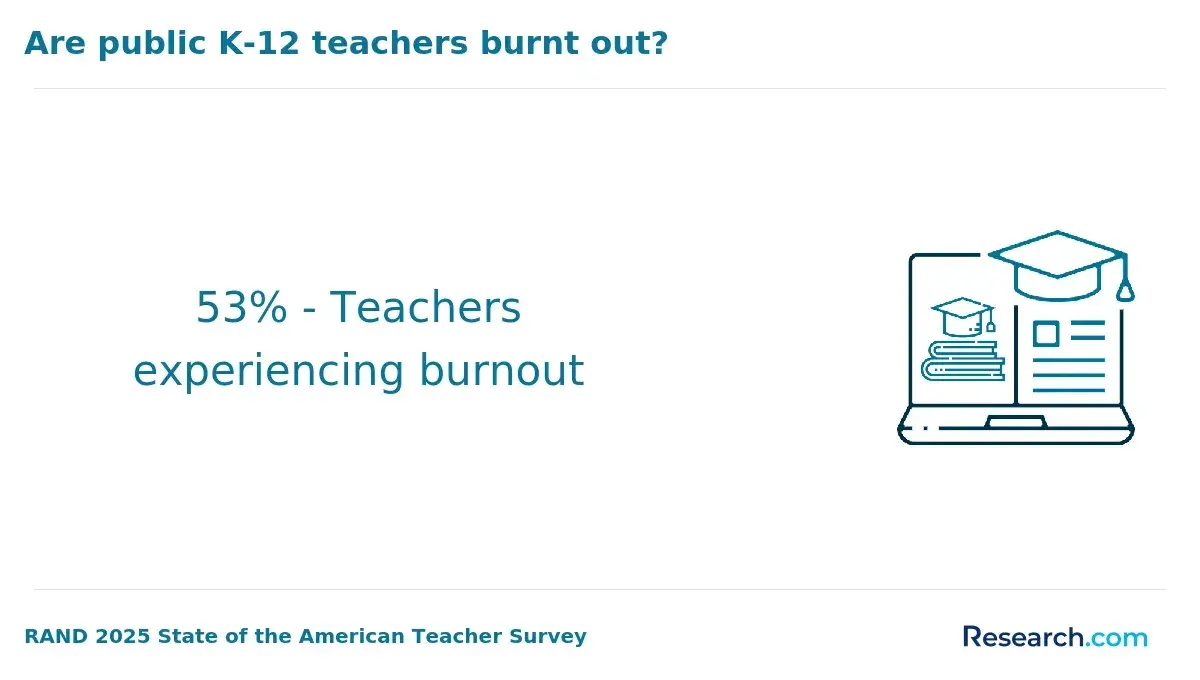
Teacher burnout in Arkansas can be tied to heavy workloads, staffing gaps, large student needs, limited resources, and the emotional demands of classroom work. New teachers are especially vulnerable when they enter a shortage district without strong mentoring or realistic planning time.
Practical strategies include setting boundaries around after-hours work, using shared lesson resources, documenting repeated workload concerns, seeking mentoring from experienced teachers, and joining professional communities that offer support rather than only compliance training. Teachers should also use district professional development strategically by choosing sessions on time management, classroom systems, behavior supports, and resilience when available. Candidates interested in subject-specific preparation can also review how to become an English teacher in Arkansas to understand role-specific expectations before entering the classroom.
How can further education enhance teaching careers in Arkansas?
Advanced education can help Arkansas teachers move into specialized instructional roles, leadership positions, curriculum work, and higher-paying responsibilities when district salary schedules recognize graduate credentials. It can also deepen content knowledge and expose teachers to current research in assessment, child development, literacy, special education, and instructional design.
Further education is most valuable when it matches a clear goal. A teacher who wants to work with younger children may benefit from a master's in early childhood education online, while a teacher pursuing administration may need a leadership-focused degree. Before enrolling, teachers should ask whether the program affects licensure, salary placement, endorsement eligibility, or advancement options in their district.
What unique opportunities does special education teacher certification in Arkansas offer?
Special education certification can open doors in a high-need area because schools require educators trained to support students with disabilities, individualized education programs, accommodations, behavior supports, and collaborative service models. It can also position teachers for roles that involve close work with families, intervention teams, paraprofessionals, related service providers, and general education teachers.
This path is demanding and requires patience, documentation skills, instructional flexibility, and legal awareness. Candidates considering this specialty should review the requirements for special education teacher certification in Arkansas before selecting a program or endorsement route.
How can Arkansas teachers effectively integrate educational technology in the classroom?
Technology integration is most effective when it improves learning rather than simply adding another platform. Arkansas teachers can use digital tools for formative assessment, accessibility supports, communication, practice, simulations, collaborative work, and differentiated instruction. The key is aligning each tool with a curriculum goal and student need.
Teachers should seek professional development in digital literacy, privacy-aware tool use, online assessment, and classroom routines for devices. Early childhood and elementary educators should be especially careful to balance screen-based tools with developmentally appropriate learning. Candidates comparing flexible education pathways can review easiest early childhood education ECE degree programs while also confirming that any selected program meets Arkansas licensure expectations.
What alternative career pathways in Arkansas complement traditional classroom teaching?
A teaching license can lead beyond a single classroom assignment. Arkansas educators may move into school administration, curriculum design, instructional coaching, educational technology support, assessment coordination, library media services, mentoring, higher education, policy, or professional development roles.
The right next step depends on a teacher’s strengths. Educators who enjoy organizing learning resources and supporting literacy across grade levels may explore how to be a school librarian in Arkansas. Teachers who prefer adult learning may pursue instructional coaching or curriculum roles. Those interested in system-level decisions may consider administration, advocacy, or district leadership.
How are recent legislative and curriculum updates impacting teacher certification in Arkansas?
Teacher certification in Arkansas is affected by state rules, assessment requirements, reading instruction expectations, and curriculum updates. Prospective and current teachers should not rely on outdated program pages, informal advice, or requirements from another state. Instead, they should regularly check official Arkansas Department of Education guidance and confirm requirements with their preparation program or district licensure office.
Updates can affect eligibility, testing, professional development, endorsements, and classroom expectations. Early childhood candidates should pay close attention to changes involving young learners, including kindergarten teacher requirements in Arkansas, because grade-level rules and reading-related expectations can influence program choice and licensure planning.
What are the private school teacher requirements in Arkansas?
Private schools in Arkansas may set hiring standards that differ from public school licensure rules. Some schools prefer or require certified teachers, while others emphasize subject knowledge, prior classroom experience, faith-based mission fit, specialized skills, or independent school experience. Requirements can vary significantly by institution.
Candidates should review each school’s job posting and ask whether state certification, background checks, specific training, or continuing education are expected. For a focused overview, see private school teacher requirements in Arkansas.
What unique challenges do teachers in Arkansas face, and how can they be addressed?
Teaching in Arkansas can be rewarding, but candidates should enter the profession with a realistic view of working conditions. The strongest teachers often succeed because they plan for these challenges rather than assuming passion alone will be enough.
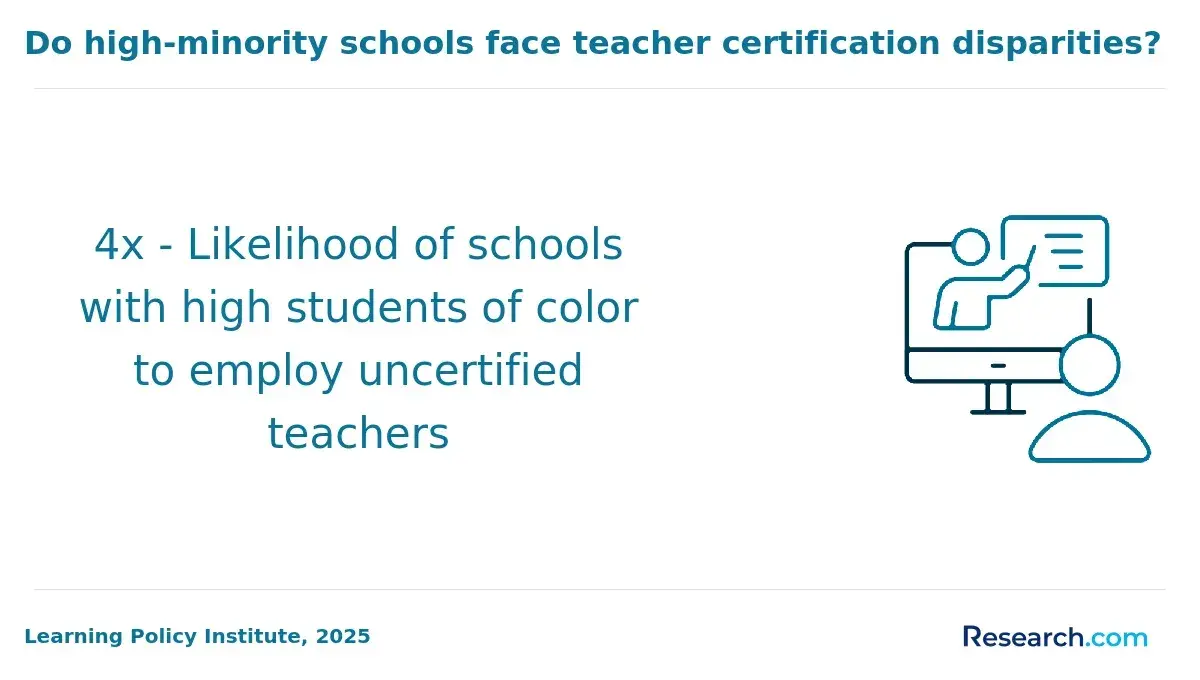
- Rural and regional shortages: Southern Arkansas and the Delta region have significant staffing needs, and some schools may depend on uncertified or alternatively licensed teachers. Possible responses include targeted incentives, stronger mentoring, loan forgiveness options, and better support for new teachers in high-need districts.
- Limited resources: Some districts may have fewer instructional materials, support staff, or enrichment opportunities. Teachers can respond by collaborating with colleagues, using district-approved shared resources, and building partnerships with families and local organizations.
- Compensation below national benchmarks: Arkansas teachers often earn less than national averages, which can affect recruitment and retention. Candidates should compare salary schedules, benefits, cost of living, advancement steps, and nearby-state options before choosing a district.
- Need for specialized training: Diverse student needs require skill in reading instruction, special education, language support, behavior systems, and family engagement. Accessible professional development and strong school-based coaching can help teachers serve students more effectively.
| Common mistake | Why it creates problems | Better approach |
| Choosing a program without confirming Arkansas approval | The degree may not lead to the license you need | Verify approval for your grade level and subject before enrolling |
| Looking only at tuition | Fees, exams, books, travel, and unpaid student teaching can change total cost | Build a full certification budget |
| Assuming every online degree leads to licensure | Some online programs are designed for other states or non-licensure careers | Ask for written confirmation of Arkansas licensure alignment |
| Waiting too long to prepare for Praxis exams | Failed or delayed tests can postpone licensure | Plan exam preparation early and track testing deadlines |
| Ignoring work-life balance during job search | High-need roles can be rewarding but demanding | Ask about mentoring, planning time, class supports, and new-teacher induction |
| Assuming salary outcomes are guaranteed | Pay depends on district schedules, experience, credentials, and role | Review actual district salary schedules and benefit packages |
What are the different teacher certification tracks in Arkansas?
Arkansas candidates can pursue traditional teacher preparation, alternative licensure, provisional pathways, reciprocity, and specialized tracks such as CTE licensure. Each route has different eligibility rules, timelines, testing requirements, and employment conditions.
The traditional route is usually best for students beginning college with the goal of becoming a teacher. Alternative routes may fit career changers who already have a bachelor’s degree. Reciprocity may suit licensed educators relocating to Arkansas. For a deeper comparison, review the guide to teacher certification requirements in Arkansas.
Why choose a teaching career in Arkansas?
A teaching career in Arkansas can make sense for candidates who want stable public-service work, are willing to meet state licensure rules, and are prepared to serve communities with real staffing needs. It may be especially appealing to people who want to work in rural schools, shortage subjects, early childhood education, special education, or communities where teachers have a visible local impact.
- Demand for qualified educators: Persistent shortages, especially in rural and underserved areas, can create openings for prepared candidates.
- Multiple entry routes: Traditional degrees, alternative licensure, provisional pathways, and online options give candidates more than one way to enter the profession.
- Community-centered work: Arkansas teachers often play an important role in student development, family engagement, and local workforce preparation.
- Flexible preparation options: Some aspiring teachers can pursue a bachelor of education online degree while balancing work, family, or location constraints.
- Room for advancement: Teachers can move into specialized instruction, leadership, curriculum, coaching, or administration with the right experience and credentials.
How can aspiring teachers minimize the cost of obtaining certification in Arkansas?
The cheapest route to Arkansas teacher certification depends on your starting point. A first-time college student may save money through transfer credits, community college coursework, scholarships, or in-state tuition. A career changer may save time and money by using an alternative licensure route instead of completing a second bachelor’s degree.
Start by comparing the full cost of each pathway, including tuition, fees, testing, transportation, technology, books, background checks, and income lost during student teaching. Then ask programs about transfer policies, scholarships, payment plans, and whether prior coursework can reduce required credits. The Arkansas Department of Higher Education also provides financial aid options for students in teacher preparation programs.
Prospective educators should also compare the types of teaching certificates in Arkansas, because the most affordable route may differ for elementary, secondary, special education, CTE, substitute, and career-changing candidates. Online programs can reduce commuting costs and improve scheduling flexibility, but only if they meet Arkansas licensure requirements.
What are the initial steps to becoming a teacher in Arkansas?
The first step is to decide what you want to teach: grade level, subject, school type, and preferred region. That decision determines the preparation program, exams, field placements, and license area you need. Next, review approved educator preparation programs, compare costs and formats, confirm licensure alignment, and create a timeline for coursework, student teaching, testing, and application paperwork.
Students interested in elementary education should review the specific process for how to become an elementary school teacher in Arkansas, since K-6 preparation can include reading-related requirements, field experience, and endorsement considerations that differ from some secondary pathways.
How can online teacher preparation programs enhance Arkansas educators' effectiveness?
Online teacher preparation can help Arkansas candidates access coursework without relocating or pausing work. Strong online programs can also expose educators to digital instruction, virtual collaboration, online assessment tools, and flexible learning strategies that are increasingly relevant in classrooms.
The benefit depends on quality and licensure alignment. A useful online program should provide clear field-placement support, regular faculty interaction, exam preparation, and training that connects theory to classroom practice. Candidates considering this option can review how to become a teacher online in Arkansas while confirming that any selected program satisfies Arkansas certification rules.
What are the opportunities and requirements for substitute teaching in Arkansas?
Substitute teaching can be a practical entry point for people exploring education before committing to full licensure. It offers exposure to classroom management, school routines, grade-level differences, and district culture. It can also help candidates build local references and professional networks.
Requirements can include verified credentials, required training, and background checks. Because districts may have specific procedures, candidates should review local requirements and the broader Arkansas substitute teacher requirements. Substitute teaching is not the same as full teacher certification, but it can help aspiring educators decide whether a long-term teaching pathway is right for them.
What are the career advancement opportunities for teachers in Arkansas?
Arkansas teachers can advance by building expertise, earning additional credentials, moving into leadership, or shifting into specialized education roles. The best advancement path depends on whether the teacher wants to stay close to classroom instruction or move into schoolwide and district-level work.
- Advanced certifications and licenses: National Board Certification and specialized credentials in areas such as special education or bilingual education may strengthen professional opportunities and, in some cases, affect pay.
- Administrative roles: Teachers who complete leadership-focused advanced degrees, such as a PhD in educational leadership online, may pursue roles such as principal, superintendent, or district leader.
- Instructional coaching and curriculum development: Experienced educators can support other teachers, design instructional materials, and help schools improve teaching practices.
- Higher education opportunities: Teachers with master’s or doctoral degrees may teach in colleges or universities, especially in education programs that prepare future teachers.
- Policy and advocacy work: Educators interested in school funding, equity, standards, and reform can move into advocacy organizations, committees, or policy-related roles.
- Mentorship programs: Supporting new teachers can strengthen the profession while helping experienced educators grow as leaders.
Key Insights
- Arkansas teacher certification usually requires a bachelor’s degree, an approved educator preparation program, supervised teaching experience, required exams, background checks, and a state licensure application.
- Shortages in Southern Arkansas and the Delta region create opportunities, but candidates should evaluate district support, salary schedules, workload, and mentoring before accepting a role.
- Online teacher preparation programs can be valid in Arkansas, but only if they meet state approval and include required field experience and licensure preparation.
- Alternative routes such as the Transitional Licensure Program, APPEL, Teach For America, residency programs, and CTE licensure may help career changers enter teaching without repeating a full traditional undergraduate pathway.
- Salary should be assessed realistically. Arkansas secondary school teachers had a mean annual wage of $59,190, while secondary school teachers across the US had a mean annual wage of $75,980 (US BLS, 2025).
- The most avoidable mistakes are enrolling in a non-approved program, overlooking total certification costs, delaying exam preparation, and assuming an online or out-of-state degree automatically leads to Arkansas licensure.
- Career growth is possible through endorsements, advanced degrees, instructional coaching, administration, special education, curriculum work, library services, higher education, and policy roles.
Related Articles for Nearby States
- 2027 How to Become a Teacher in Missouri – What Degree Do You Need to Be a Teacher?
- 2027 How to Become a Teacher in Oklahoma – What Degree Do You Need to Be a Teacher?
- 2027 How to Become a Teacher in Tennessee – What Degree Do You Need to Be a Teacher
- 2027 How to Become a Teacher in Mississippi – What Degree Do You Need to Be a Teacher?
- 2027 How to Become a Teacher in Louisiana – What Degree Do You Need to Be a Teacher?
- 2027 How to Become a Teacher in Texas – What Degree Do You Need to Be a Teacher
- 2027 How to Become a Teacher in Kentucky – What Degree Do You Need to Be a Teacher?
- 2027 How to Become a Teacher in Kansas – What Degree Do You Need to Be a Teacher?
- 2027 How to Become a Teacher in Alabama – What Degree Do You Need to Be a Teacher?
- 2027 How to Become a Teacher in Illinois – What Degree Do You Need to Be a Teacher?
References:
- Arkansas Department of Education. (n.d.). Division of Elementary and Secondary Education Offices Educator Effectiveness and Licensure Become an Arkansas Teacher Provisional Professional Teaching License. https://dese.ade.arkansas.gov/Offices/educator-effectiveness/become-an-arkansas-teacher/provisional-professional-teaching-license
- Arkansas Department of Education. (2025). Educator licensure rules and requirements. https://dese.ade.arkansas.gov/Files/Educator_Licensure_Rules_-_Final_-_9-2-24_Legal.pdf
- Arkansas Department of Education. (2025). Arkansas Qualified Teacher (AQT) requirements. https://dese.ade.arkansas.gov/Offices/educator-effectiveness/education-workforce-resources/arkansas-qualified-teacher-aqt
- Forward Arkansas. (2025). State of Arkansas education report: Teacher pipeline and workforce trends. https://forwardarkansas.org/state-of-education-2025/
- Glasmeier, A. K., & Massachusetts Institute of Technology. (2025). Living Wage Calculator: Living wage calculation for Arkansas. https://livingwage.mit.edu/states/05
- Laffer, A. B., Moore, S., & Williams, J. (2025). Rich States, Poor States: ALEC-Laffer State Economic Competitiveness Index (18th ed.). American Legislative Exchange Council. https://www.richstatespoorstates.org/states/AR/
- O*NET. (n.d.). Arkansas Wages: 25-2031.00 Secondary School Teachers, Except Special and Career/Technical Education. https://www.onetonline.org/link/localwages/25-2031.00?st=AR
- U.S. Bureau of Labor Statistics. (2025). Occupational Employment and Wage Statistics: Secondary School Teachers, Except Special and Career/Technical Education. https://www.bls.gov/oes/current/oes252031.htm
- U.S. Bureau of Labor Statistics. (2025). Occupational Outlook Handbook: High school teachers. https://www.bls.gov/ooh/education-training-and-library/high-school-teachers.htm
Other Things You Should Know about Becoming a Teacher in Arkansas
Prospective teachers in Arkansas in 2027 must pass the Praxis Core Academic Skills for Educators tests, covering mathematics, reading, and writing. Additionally, subject-specific Praxis tests are required based on the area of certification sought, as established by the Arkansas Department of Education.
The APPEL program in Arkansas is an alternative route to teacher licensure for individuals who hold a bachelor's degree but do not have a teaching license. It allows participants to teach while completing coursework and assessments over two years to earn full licensure.
The Arkansas Department of Education, through the Office of Educator Licensure, issues and renews teaching licenses in the state. Applicants must meet Arkansas licensure rules, pass required background checks, and submit official transcripts and test scores when applying for an initial license.