2027 School Counseling ROI by Institution Type: Public vs Private vs Nonprofit Online Programs

Co-Founder and Chief Data Scientist
A prospective student compares three online school counseling programs that initially appear equivalent. Tuition costs vary widely, with private institutions often charging double that of public counterparts. A 2024 National Student Clearinghouse report highlights that graduates from nonprofit online programs have a 15% higher completion rate yet carry 20% more average debt than public program graduates. This disparity signals differing institutional support levels and long-term financial pressures.
Considering employer preferences for practical experience and credential relevance, the choice influences career trajectory and debt management significantly. This article analyzes ROI disparities across public, private, and nonprofit online school counseling programs to guide informed decisions.
Key Things to Know About School Counseling ROI by Institution Type
- Public online school counseling programs generally offer lower tuition and more flexible pacing, enabling working adults to minimize debt and accelerate entry into the workforce, though they may have fewer tailored learner support services.
- Private institutions often provide stronger employer brand recognition and networking access, enhancing post-graduation placement; however, their higher cost can increase financial risk, influencing ROI depending on career advancement outcomes.
- Recent 2024 data show nonprofit online programs tend to balance moderate costs with accredited quality and stable graduation rates, presenting a pragmatic tradeoff that appeals to students prioritizing both affordability and recognized credentials.
- Key Things to Know About School Counseling ROI by Institution Type Key Things to Know About School Counseling ROI by Institution Type
- What Does ROI Mean for a School Counseling Program and How Is It Measured? Understanding School Counseling Program ROI
- How Do Public, Private, and Nonprofit Online School Counseling Programs Differ in Overall Value? Value by Institution Type
- How Do Tuition Costs Affect the ROI of a School Counseling Program Across Institution Types? Tuition Costs and ROI
- How Do Graduation Rates Influence School Counseling Program ROI? Graduation Rates Impact ROI
- What Role Do Career Outcomes Play in the ROI of a School Counseling Degree? Career Outcomes and ROI
- How Does Student Debt Impact the Long-Term ROI of a School Counseling Program? Debt vs. Long-Term ROI
- How Do Flexibility and Adult Learner Support Affect School Counseling Program Value? Flexibility and Program Value
- How Do Accreditation and Institutional Reputation Influence School Counseling ROI? How Do Accreditation and Institutional Reputation Influence School Counseling ROI?
- How Does Time-to-Degree Affect the ROI of Public, Private, and Nonprofit School Counseling Programs? How Does Time-to-Degree Affect the ROI of Public, Private, and Nonprofit School Counseling Programs?
- How Can You Choose the Best School Counseling Program Based on Your ROI Goals? Choosing Programs by ROI
What Does ROI Mean for a School Counseling Program and How Is It Measured?
Return on investment in school counseling programs must be assessed through a multidimensional lens that goes beyond the immediate tuition costs and entry-level salary outcomes. For example, a working adult considering enrollment at a public university with lower tuition and higher on-time graduation rates may find overall value in faster workforce reentry and reduced debt. Conversely, a nonprofit online program charging higher fees might justify its cost by offering superior academic advising, flexible schedules, and stronger licensure support, which can enhance long-term career stability and job satisfaction. Students should weigh these tradeoffs carefully, as a lower sticker price often does not translate into the strongest economic or professional outcome.
Measuring educational ROI for online school counseling requires detailed consideration of total costs including student debt, time-to-degree, and institutional reputation alongside career realities like licensure success and employer connections. According to recent data from the National Center for Education Statistics, average student debt for counseling master's degree graduates hovers near $30,000, making repayment a critical factor in net financial benefit. Importantly, different student goals shape ROI interpretations: those prioritizing accelerated credentialing and minimal opportunity costs might favor public institutions, while career changers valuing flexibility and personalized support may lean toward select nonprofit online programs. In practical terms, comparing programs involves balancing quantifiable metrics with qualitative factors such as networking and academic resources.
Similar to easy nursing programs, the decision-making process can resemble choosing among the easiest nursing programs to get into, where affordability, program quality, and post-completion earning potential form a complex calculus rather than a simple checklist. Appreciating that some private or nonprofit institutions leverage reputational advantages and tailored curriculum updates to boost career outcomes is vital for mid-career professionals seeking enduring value. Ultimately, prospective students should contextualize ROI within their distinct employment prospects and life circumstances to avoid overemphasis on immediate costs or starting salaries alone, ensuring a strategically aligned educational investment.
How Do Public, Private, and Nonprofit Online School Counseling Programs Differ in Overall Value?
Evaluating online school counseling programs by institution type reveals distinct tradeoffs affecting affordability, completion, and career readiness. Public programs typically feature lower tuition driven by state funding, which appeals to budget-conscious students, but their regional reputations and varied employer perceptions can impact long-term employability. Private nonprofit programs often justify higher costs with enhanced advising, smaller cohorts, and stronger career resources, reflected in a 2024 report from the National Center for Education Statistics showing private program graduation rates outpace public ones by approximately 7%. However, that comes with an average 15% higher student debt burden, forcing many to weigh whether improved retention and support offset increased financial strain. Nonprofit providers frequently balance these factors by emphasizing accreditation and employer networks, with evidence from the Council for Accreditation of Counseling and Related Educational Programs indicating employer satisfaction scores up to 10% above national averages, yet pricing and flexibility vary widely within this sector.
Differences in program structure also matter in practical terms: public programs often prioritize asynchronous delivery favorable to working adults needing schedule flexibility, whereas private and nonprofit alternatives may integrate synchronous sessions that facilitate peer connections and applied learning, potentially enhancing practical skills but sometimes limiting time management options. These distinctions influence how students navigate financial aid, debt accumulation, and career outcomes aligned with their personal circumstances and goals. Learners must consider not only sticker price but also the interplay of graduation likelihood, accreditation rigor, student service quality, and market perception to gauge the comprehensive value and return on investment over the long term.
One prospective student faced this exact dilemma while choosing between a low-cost state university's online school counseling degree and a higher-priced private nonprofit program with strong employer endorsements. The candidate worried about incurring substantial debt despite the private institution's appeal but found the public option's flexible format better suited current work demands. Extensive comparisons of graduation rates, credit transfer policies, and alumni employment statistics ultimately led to selecting a nonprofit program balancing affordability with accreditation standards. This decision reflected a conscious negotiation of risk and benefit informed by real-world financial and career implications rather than prestige alone.
How Do Tuition Costs Affect the ROI of a School Counseling Program Across Institution Types?
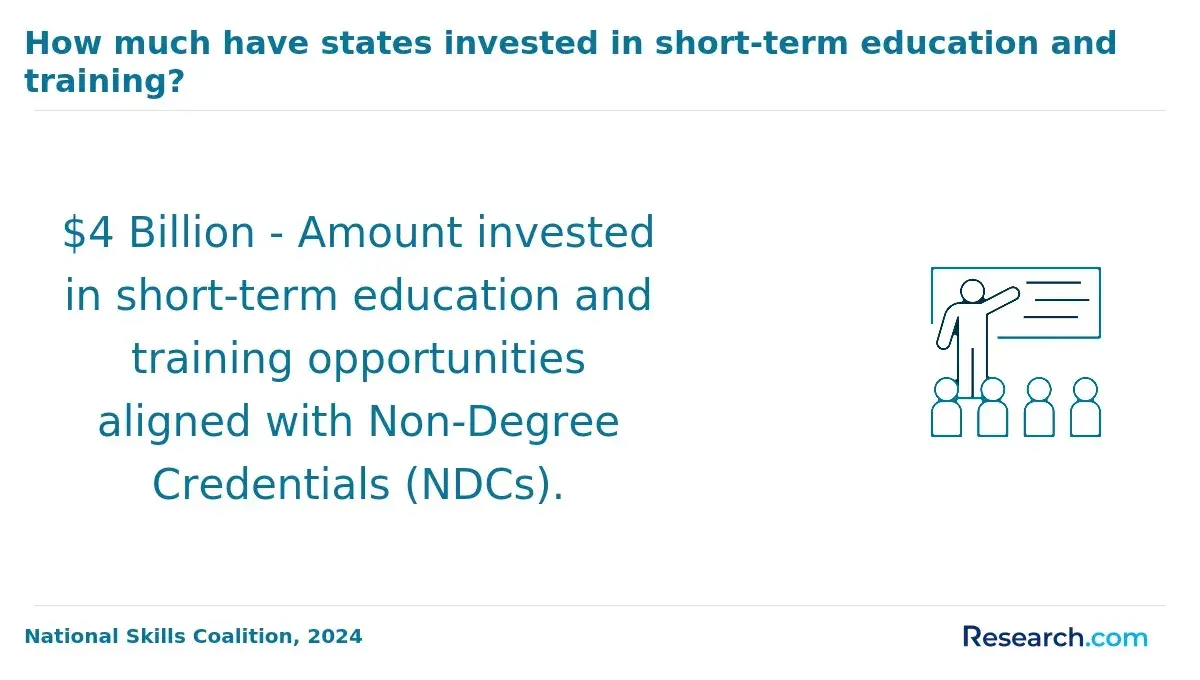
Tuition costs significantly shape the return on investment for school counseling programs, but lower sticker prices at public institutions don't guarantee better long-term value. Public online programs, often charging between $10,000 and $20,000 for graduate tuition according to 2024 NCES data, typically offer advantages in affordability and completion rates due to state support and flexible scheduling for working adults. However, the impact of institutional financial aid, the likelihood of timely graduation, and post-degree employment outcomes must be weighed alongside raw cost to accurately assess ROI. For example, a student balancing full-time work might benefit more from public programs' flexibility and lower debt burden despite fewer specialized networking opportunities than pricier private nonprofit alternatives.
Conversely, private and nonprofit online school counseling programs often exceed $30,000 in tuition but may justify this premium through enhanced curricula, stronger alumni connections, and targeted career services that can boost early salary potential. A Brookings Institution study from 2024 highlights that graduates from selective nonprofit counseling programs may achieve median incomes 10-15% higher within five years, which can offset initial debt when career advancement hinges on specialized expertise and employer recognition. Yet, this premium isn't universally advantageous; higher costs without robust support services or program quality improvements can leave graduates with heavier debt and limited employment gains. Students must therefore evaluate not just upfront fees but how program features align with their professional goals, debt tolerance, and time-to-completion risk to determine true financial and career value.
How Do Graduation Rates Influence School Counseling Program ROI?
Graduation rates provide a practical lens for assessing the effect of completion rates on online school counseling investment, particularly by highlighting how outcomes differ between institution types. For instance, public online graduate programs average about a 60-65% graduation rate according to the National Center for Education Statistics (NCES), while private institutions often report around 70%, reflecting variations in resources and student demographics. However, completion figures alone can mask the tradeoffs adult learners face, such as balancing coursework with work or family obligations, especially within nonprofit programs that may enroll more part-time or nontraditional students. These nuances mean that faster time-to-degree-often correlated with higher graduation rates-can lower debt and improve early career earnings, yet flexibility may be more critical for some students' persistence and ultimate success.
Assessing the graduation rates impact on school counseling program ROI requires considering support mechanisms like academic advising and career services that influence persistence beyond raw completion numbers. While higher graduation rates generally indicate stronger institutional effectiveness, they should be interpreted alongside costs, credential recognition, and job market alignment for a full picture. Prospective students comparing options must weigh how differences in program structure and financial aid affect long-term value, rather than relying solely on completion statistics. For career changers or those balancing external pressures, evaluating programs designed for flexible pacing may better serve outcomes than focusing strictly on graduation rates, especially in a field tied to workforce demand where practical experience can weigh heavily.
Given these factors, students should integrate graduation data with broader considerations including earning potential and debt management. For those exploring related fields such as medical coding, understanding sector-specific labor trends is also vital, and resources like medical coding jobs salary analyses provide targeted insight that complements educational outcome metrics in career planning.
What Role Do Career Outcomes Play in the ROI of a School Counseling Degree?
Career outcomes directly shape the return on investment for online school counseling programs, as successful job placement and employer recognition often mitigate upfront costs and student debt. Data from the National Center for Education Statistics in 2024 shows public online programs achieve about 78% employment in relevant roles within six months, slightly outperforming nonprofit and private institutions. However, private programs may offer deeper practicum experiences valued by some employers, which can enhance skills but come with higher tuition, making the tradeoff between cost and applied training a central consideration. The decision often hinges on local labor market alignment, as graduates tied to regional districts through nonprofit or public programs may see smoother transitions into employment compared to those in private pathways that are more flexible yet less locally networked.
Long-term career mobility also varies; stronger professional connections fostered by public and nonprofit institutions can translate into more stable advancement opportunities, which influence overall ROI beyond initial salaries. Conversely, private programs may attract career changers who prioritize schedule adaptability over embedded job pipelines, potentially delaying earnings recovery. Students must weigh how institutional differences in curriculum focus, mentor access, and practicum availability intersect with their financial and geographic constraints to gauge realistic return expectations. Effectively, career outcome disparities combined with tuition variation mean that ROI is a complex balance between immediate employment rates, debt levels, job readiness, and future professional growth potential.
An online school counseling graduate recalled weighing options carefully, feeling uncertain if the degree's cost would justify her hoped-for promotion. She chose a nonprofit program recognized by her local school district, which facilitated practicum placements essential for hands-on experience. After graduating, her credential was acknowledged internally, allowing her to expand responsibilities within two years. Though she initially doubted measuring ROI purely financially, she appreciated how the program's career support and network helped sustain her upward trajectory, turning the degree from a mere credential into a practical asset for her evolving role.
How Does Student Debt Impact the Long-Term ROI of a School Counseling Program?
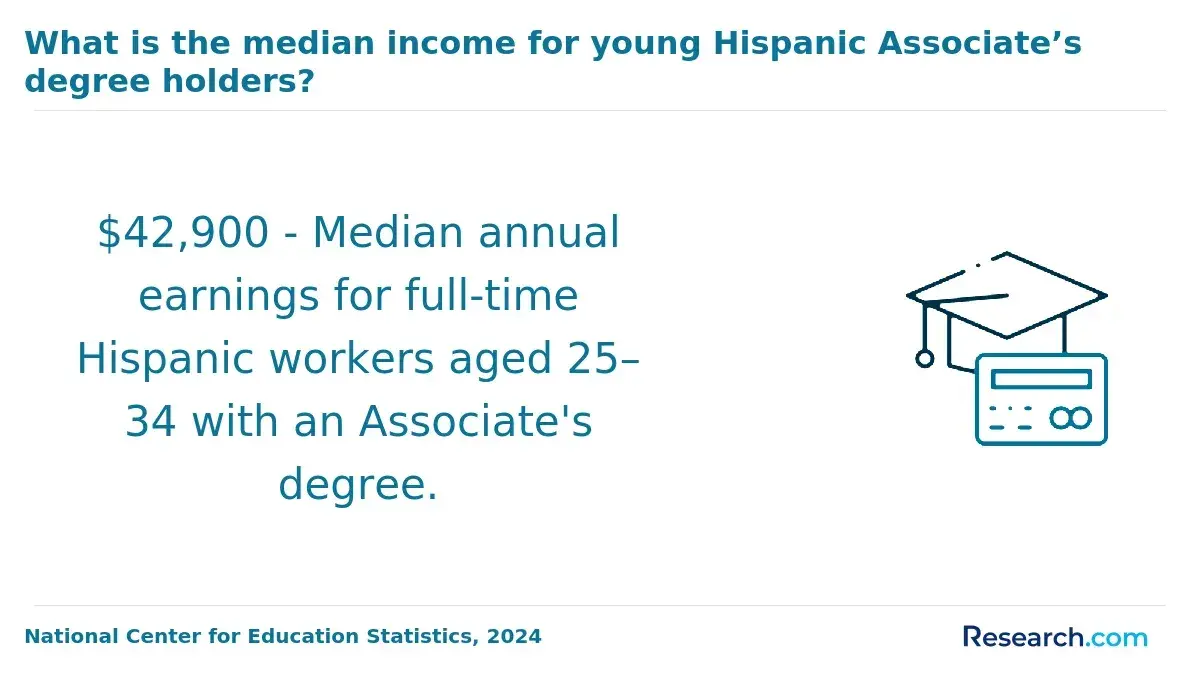
Higher debt levels from private nonprofit programs-often around 30% greater than those at public institutions-pose significant challenges to the long-term financial benefits of school counseling degrees. For instance, a graduate from a private online institution carrying substantial loans may delay critical milestones such as homeownership or retirement savings, especially if salary growth is modest or job placement in competitive school counseling roles is slower. Meanwhile, public programs usually come with lower tuition, reducing borrowing costs and easing repayment pressures, which can improve net ROI despite sometimes lower starting salaries depending on geographic and employment market factors.
Repayment obligations differ notably across public, private, and nonprofit online institutions, reflecting variations in program cost, student demographics, and career outcomes. Nonprofit online programs frequently target nontraditional and adult learners, offering flexible pacing that may suit working professionals but can also extend debt repayment timelines. The key for students is to evaluate debt burden not just against tuition but within realistic job market trajectories and salary prospects, remembering that minimal debt alone does not guarantee positive ROI without strong employment outcomes or professional recognition. For those weighing programs, resources like ABSN programs online highlight how cost and career fit intersect in educational choices.
How Do Flexibility and Adult Learner Support Affect School Counseling Program Value?
Program flexibility and adult learner support significantly affect the return on investment for online school counseling degrees, particularly by shaping persistence and time-to-degree outcomes. For adult students balancing work, family, or military commitments, access to asynchronous coursework and part-time enrollment options can mean the difference between progressing steadily and dropping out. Data from the National Center for Education Statistics in 2024 reveals that programs with mainly asynchronous formats yield a 15% higher six-year graduation rate among adult learners, underscoring how flexible scheduling directly impacts completion rates and thus educational value.
Beyond scheduling, the availability of targeted support services such as academic advising, career planning, faculty accessibility, and transfer credit assistance plays a pivotal role in mitigating common barriers adult learners face. Private and nonprofit institutions often provide more comprehensive support infrastructures tailored to these needs, leading to faster credential completion and stronger employment readiness, albeit frequently at higher tuition prices. In contrast, public schools generally offer lower costs but fewer specialized services, which can prolong degree timelines and reduce short-term ROI. Prospective students must weigh these tradeoffs carefully: while enhanced learner supports improve long-term outcomes and stability in demanding counseling roles, they come with increased upfront expenses and potential debt burdens that can offset earnings gains early on.
Employers increasingly prioritize graduates who have demonstrated persistence and benefited from robust support systems, viewing these indicators as proxies for workplace readiness and resilience. Consequently, program value extends beyond cost and convenience to include how well institutions equip students with skills and credentials aligned with workforce expectations. For adult learners navigating financial constraints and career transitions, choosing a school counseling program demands balancing affordable access with the quality of academic and professional support-factors that together determine the true practical and economic worth of the educational investment.
How Do Accreditation and Institutional Reputation Influence School Counseling ROI?
Accreditation status and institutional reputation directly influence the return on investment of a school counseling program by shaping graduate employability and financial outcomes. For example, programs accredited by CACREP ensure alignment with licensure requirements, which a 2024 National Center for Education Statistics report links to a 15% higher employment rate within six months post-graduation compared to nonaccredited counterparts. However, choosing a highly reputable public institution may offer additional benefits such as lower tuition and better credit transfer options, which reduce debt burden and enhance long-term career flexibility, while private or nonprofit schools often require weighing cost against prestige and program quality.
Employers frequently consider accreditation as a baseline but assess institutional reputation and demonstrated competencies when making hiring decisions, meaning degrees from lesser-known yet accredited online programs can still result in positive job outcomes if they deliver relevant skills and student support for timely completion. The interaction of accreditation with factors like graduation rates, licensure pathway alignment, and credit transferability strongly affects both immediate employment prospects and future educational investments. Thus, cost-conscious adult learners and career changers must carefully analyze how these institutional attributes balance against tuition costs and potential debt to determine a school counseling program's practical value and overall ROI.
How Does Time-to-Degree Affect the ROI of Public, Private, and Nonprofit School Counseling Programs?
Time-to-degree directly shapes the return on investment for public, private, and nonprofit online school counseling programs by affecting both the total tuition paid and the duration a student remains out of the workforce or working fewer hours. For example, public institutions typically provide shorter completion times with more rigid curricula and fewer transfer credits, which helps reduce tuition exposure and opportunity costs but may limit flexibility for working adults. In contrast, private and nonprofit programs often offer greater flexibility and part-time options, allowing students to balance work and study, yet this often extends completion timelines, leading to higher cumulative costs and delayed entry into higher-paying roles. These tradeoffs significantly influence how quickly a graduate can capitalize on degree-related gains like salary increases or enhanced job stability.
Comparing accelerated time-to-degree advantages in school counseling online programs reveals important practical decisions for cost-conscious adults. Students leveraging transfer credits or enrolling full-time can shorten time to degree, materially improving the financial outlook by lowering debt and accelerating career progression. However, longer programs may better accommodate those needing to maintain employment or manage family obligations, highlighting a tension between short-term ROI and sustainable pacing. Prospective candidates should also factor in completion rates, as programs with lower rates increase the risk of extending time-to-degree unexpectedly. For those assessing career implications, understanding how time-to-degree intersects with job market realities, such as licensure requirements or degrees valued by employers, is crucial-akin to evaluating detailed salary trajectories like those found in the pharmaceutical rep salary sector, where educational timing impacts entry opportunities and earnings potential. Pharmaceutical rep salary examples further illustrate how education duration affects workforce outcomes in specialized roles.
How Can You Choose the Best School Counseling Program Based on Your ROI Goals?
The best return on investment in school counseling online programs depends significantly on individual priorities rather than simply whether the institution is public, private, or nonprofit. Public programs often present lower tuition and access to state aid, which can reduce debt burdens, but their longer time-to-degree due to limited course offerings may delay workforce entry and earnings. Conversely, private institutions, despite higher upfront costs, frequently provide accelerated pathways, enhanced learner support, and stronger professional networks that can improve career outcomes, a tradeoff that may justify the additional expense for some students focused on rapid employability.
Nonprofit online programs usually position themselves between public and private options by offering moderate tuition alongside mission-driven support and recognized accreditation. Evaluating school counseling program ROI requires weighing these factors alongside graduation and retention rates, financial aid availability, and program flexibility-especially for adult learners balancing employment and family obligations. Different personal circumstances affect how time-to-degree impacts income loss or gain, making this a critical consideration for cost-conscious students analyzing best online school counseling programs by return on investment.
Students should also consider how accreditation and licensure alignment influence employer acceptance and long-term job placement. Resources like detailed data on speech pathology online program cost can offer additional insights into comparable tuition structures and fees. Ultimately, ROI-focused decisions are best informed by a realistic appraisal of educational quality, financial obligations, and career outcomes rather than defaulting to categorical assumptions based on institution type.
References
- How Student Loan Debt Impacts Your College ROI https://www.lendkey.com/blog/student-loans/how-student-loan-debt-impacts-your-college-roi/
- Private Schools vs Independent Schools https://www.fayschool.org/the-private-school-admission-process-k-9/private-schools-vs-independent-schools
- Types of Data to Measure School Counseling Program Success https://www.schoolcounselor.org/newsletters/october-2018/types-of-data-to-measure-school-counseling-program
- MA in Educational Counseling, PPS Credential (School Counseling) https://www.umassglobal.edu/academic-programs/ma-in-ed-counseling-pps-credential-school-counseling
- Making sure you're not a bot! https://www.econstor.eu/bitstream/10419/325009/1/cesifo1_wp12018.pdf
- High school counselors need support. Here’s how universities can help. | EAB https://eab.com/resources/blog/enrollment-blog/high-school-counselors-support/
- What Is ROI in Education? A Practical Guide for K–12 Leaders https://leveldata.com/what-is-roi-in-education/
- View of Evaluating University Degree Programs Regarding the Effective Use of Public and Private Funding https://www.econjournals.com/index.php/irmm/article/view/3307/pdf
- Online Master of Science in Education (MSED) School Counseling https://online.sbu.edu/programs/msed/school-counseling
- Does College Pay Off? A Comprehensive Return On Investment Analysis - FREOPP https://freopp.org/whitepapers/does-college-pay-off-a-comprehensive-return-on-investment-analysis/
Other Things You Should Know About School Counseling
The mode of instruction significantly impacts practical skill development and employer readiness. Public programs often leverage state education frameworks to align curricula closely with local district requirements, potentially easing job placement at public schools. Private institutions may offer more specialized electives or faster-paced formats but sometimes sacrifice depth for flexibility. Nonprofit offerings might balance these aspects but vary widely in clinical supervision quality and internship networks, influencing graduates' preparedness and employer perception. Prospective students should weigh whether the program's delivery enhances hands-on learning versus expediency, as this can materially affect long-term career success and satisfaction.
Empirical data suggest public school districts tend to favor graduates from regionally accredited public institutions due to alignment with state licensure standards and perceived rigor. Private program alumni may face questions about program selectivity or clinical experience depth if accreditation or practicum structures differ from public norms. Nonprofit program graduates can navigate a middle ground but should verify if practicum placements meet local credentialing mandates. For working professionals, prioritizing programs with clear employer recognition can reduce hiring friction and improve ROI, especially within competitive or regulated school counseling labor markets.
Private online school counseling programs often promote accelerated pacing to attract career changers, which can increase short-term workload stress and challenge skill mastery. Public programs typically maintain standard academic terms with consistent but moderate demands, fostering steady progression and deeper integration of counseling theory and practice. Nonprofit programs vary, with some adopting rigorous clinical hour requirements that extend time to degree but enhance practical competence and licensure readiness. Choosing the right workload balance depends on individual circumstances; for most students aiming at sustainable return, a measured pace with substantive experiential components optimizes long-term ROI over quick completion promises.
Physical proximity to practicum locations remains critical regardless of institution type, as it affects supervision quality, networking, and direct exposure to school settings. Public programs often have established partnerships within local school districts, easing access to relevant school counseling experiences. Private programs may require students to secure their own sites, which can delay completion or limit quality if local options are scarce. Nonprofit programs may offer hybrid approaches but still depend on strong site connections to justify their ROI. Prospective students should prioritize programs with dependable practicum placements near their intended work region to avoid compromising clinical training and, ultimately, employment prospects.