2027 School Counseling Degree Growth by State: Where Interest Is Rising the Fastest

Co-Founder and Chief Data Scientist
States experiencing rapid growth in school counseling degree enrollment face distinct economic and demographic pressures shaping this trend. For example, regions with rising youth populations and expanding K-12 systems require more qualified counselors, influencing state education budgets and licensure regulations. Data from the National Center for Education Statistics shows a 12% increase in online graduate program enrollment among working adults pursuing school counseling credentials in 2024, highlighting a shift toward flexible learning paths. This accessibility gain impacts where and how candidates engage with these programs, affecting both workforce supply and the timing of career transitions within these growing state markets.
Key Things to Know About the State Where School Counseling Degree Interest Is Rising the Fastest
- Florida's rapid enrollment growth in school counseling degrees correlates with relaxed state licensure reciprocity, easing workforce mobility but requiring graduates to navigate differing certification demands regionally.
- In Texas, demographic expansion of K-12 populations intensifies employer demand for culturally competent counselors, pressuring programs to emphasize diversity training to align with workforce expectations.
- California's significant rise in online degree availability reduces timing and cost barriers, but this shift also leads to tradeoffs in hands-on practicum access, affecting early career preparedness for some students.
- Which States Are Seeing the Fastest Growth in School Counseling Degree Enrollment? States Seeing the Fastest Growth in Enrollment
- What Does Enrollment Growth in School Counseling Programs Actually Tell Prospective Students? Interpreting Enrollment Growth
- How Do Regional Job Market Conditions Drive School Counseling Degree Demand by State? Role of Regional Job Market Conditions
- Which States Have Added the Most New School Counseling Degree Programs in the Last Five Years? States That Have Added the Most Programs
- How Has the Rise of Online Education Changed Which States Lead in School Counseling Program Interest? Role of Online Education in Increased Program Interest
- What Demographic Trends Are Fueling School Counseling Degree Growth in Specific States? Demographic Trends Fueling Growth
- How Do State Funding Levels for School Counseling Services Influence Degree Program Growth? Role of State Funding Levels
- Which States Are Emerging as Unexpected Leaders in School Counseling Degree Interest? States Emerging as Unexpected Leaders in Growth
- How Does State Population Size Affect the Interpretation of School Counseling Degree Growth Data? Role of State Population Size
- What Role Do State Licensing Requirements Play in Driving or Suppressing School Counseling Enrollment? Role of State Licensing Requirements
Which States Are Seeing the Fastest Growth in School Counseling Degree Enrollment?
Nationally, the surge in graduate and undergraduate enrollment for school counseling degrees signals shifting employer expectations and evolving licensure standards that prioritize specialized credentials. However, this growth is neither uniform nor random; it reflects distinct state-level dynamics rooted in demographic change, educational policy, and workforce readiness efforts. Recognizing where these enrollment spikes are concentrated can guide prospective students and career changers in aligning their educational investments with stronger regional job markets and program vitality. Data drawn from IPEDS underscores five states where enrollment growth notably outpaces the national average, representing diverse geographic and regulatory contexts that illustrate the complex interplay between policy, demand, and training capacity in the sector.
- Arizona: Fueled by one of the fastest population expansions nationally and targeted funding to bolster K-12 mental health supports, Arizona's public universities have ramped up school counseling programs to meet rising demand, especially in underserved urban and rural areas. Graduates here face a market with increasing openings but must navigate licensure processes that have recently tightened, amplifying the value of accredited, comprehensive programs.
- Florida: The state's large, ethnically diverse student population and updated counselor-to-student ratio mandates create a regulatory environment where credentialed counselors are in high demand. Enrollment growth is driven by programs emphasizing culturally responsive training and bilingual competencies, which directly affect employability in Florida's heterogeneous school districts.
- North Carolina: Investments in rural education access and university program expansion reflect a strategic effort to close service gaps in less densely populated areas. Prospective students considering North Carolina's programs encounter a tradeoff: strong institutional support for licensing but varying internship placements outside urban centers, which may impact hands-on experience quality.
- Texas: Broad institutional backing combined with demographic growth propels Texas ahead, with a particular focus on bilingual and culturally competent counselors given its diverse population. Programs here increasingly integrate community-based practicum opportunities, enhancing graduate readiness in ethnically complex school systems.
- Washington: Progressive education policies paired with increased public funding for counselor positions have steadily lifted demand. The state's approach favors comprehensive, high-quality preparation programs that align closely with licensure requirements, appealing to students seeking robust training and solid regional career pipelines.
This article will further analyze the policy shifts, funding mechanisms, and demographic trends that drive enrollment growth in these states, alongside the workforce implications for graduates. Understanding enrollment momentum offers actionable insights for those weighing program options, particularly for geographically mobile students or career changers. Such momentum often correlates with stronger employer networks and better-aligned curriculum models, which are critical for navigating the evolving landscape of school counseling education and licensure. Additionally, for students considering specialized paths, awareness of these factors can complement knowledge about related fields-such as a PharmD degree-where regional demand and program infrastructure similarly shape career trajectories.
What Does Enrollment Growth in School Counseling Programs Actually Tell Prospective Students?
Rapid enrollment growth in school counseling programs can signal expanding opportunity, but it does not inherently guarantee program quality or positive career outcomes. Prospective students must critically evaluate what underlies this growth to avoid choices that may hinder timely licensure or employment.
Raw enrollment numbers can reflect genuine labor market demand or appeal but may also mask aggressive recruitment or diminished academic standards. Interpreting growth requires attention to complementary data points that indicate program efficacy and graduate success.
- Context: Increases may stem from authentic workforce needs and high-caliber training, or from enrollment-driven revenue models that weaken educational rigor.
- Retention and Graduation Rates: Robust completion statistics show students are adequately supported, which is essential for entering the workforce on schedule.
- Job Placement Outcomes: Sustained employment of graduates in preferred geographic and institutional settings confirms alignment between training and employer expectations.
- Licensure Pass Rates: Because licensure is nonnegotiable for practice, exam success reflects instructional quality and practical preparation.
- Program Reputation Versus Volume: Growth motivated by quantity rather than quality risks resource overextension and diluted learning experiences.
- Direct Outreach: Conversations with current students and alumni reveal nuanced insights on program strengths and shortcomings beyond what statistics disclose.
How Do Regional Job Market Conditions Drive School Counseling Degree Demand by State?
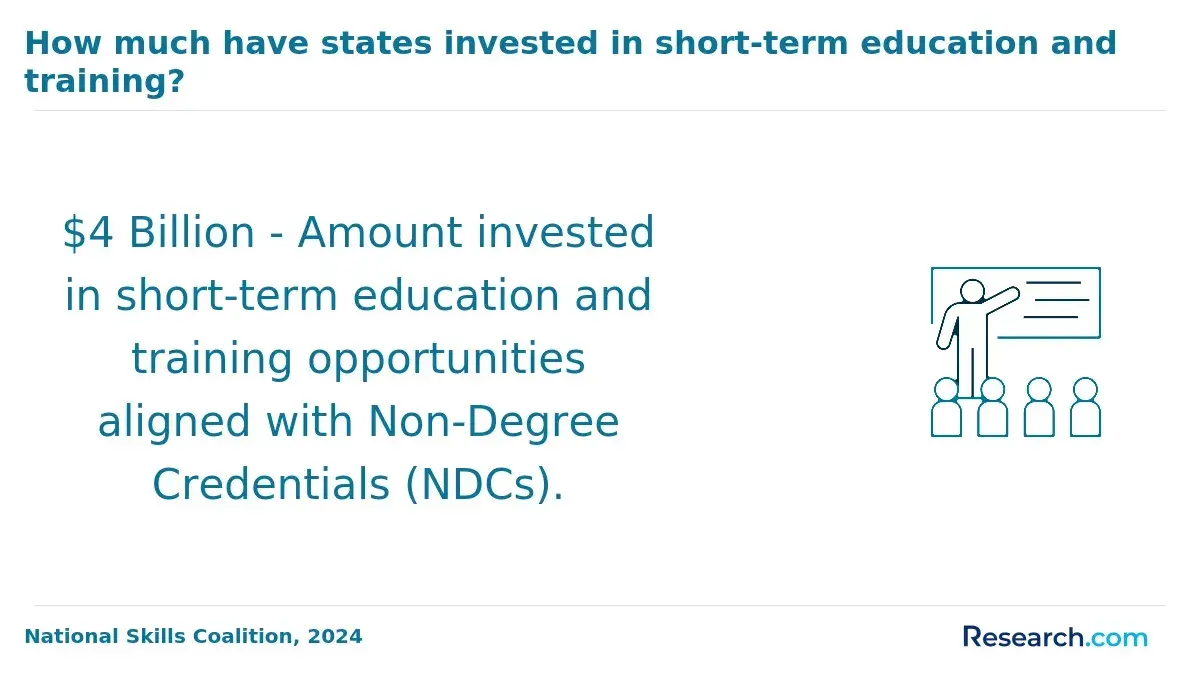
Regional labor market nuances critically shape demand for school counseling degree programs, driving enrollment shifts across states. State-specific expansions in public education, healthcare services, and targeted employer incentives directly affect the availability and nature of school counseling jobs. For example, a state with growing mental health funding in K-12 districts can offer more practicum placements with diverse clinical experiences and better post-degree salary prospects. Conversely, states experiencing stagnant hiring present longer job searches and limited hands-on training, pressuring students to balance program costs and personal career timelines carefully. This interplay between local economic conditions and credential demand makes analyzing regional workforce demand for school counseling degrees essential for prospective students.
- California: Anticipates substantial growth in school counseling job openings fueled by rapid population increase and expanded mental health services funding at the district level.
- Texas: Strong public education budget growth and statewide initiatives to embed counseling in both urban and rural schools are driving demand for credentialed professionals.
- Florida: Healthcare and education infrastructure expansion, combined with state incentives, are contributing to a steady rise in school counseling employment opportunities.
- New York: Urban demographic pressures paired with increased student support funding sustain a robust need for counselors skilled at addressing diverse populations.
- Washington: Increasing investments in school-based mental health interventions and public sector hiring predict a continued upward trend in counseling roles.
Students eyeing graduate programs must rigorously assess their chosen state's workforce projections and licensing pathways. A thriving regional job market enhances the feasibility of securing rich practicum experiences and bolsters negotiating leverage for salary and employment terms after graduation. Failing to consider such dynamics risks extended job searches or limited training quality, particularly in areas where school counseling employment growth is flat or declining.
Aligning education with realistic regional demand reflects not only on licensure hurdles but also employer expectations within school districts and related sectors. For individuals considering a shift into this field, it's prudent to evaluate detailed labor market data-such as Bureau of Labor Statistics projections and state workforce reports-to make informed decisions. For those exploring alternative or complementary paths, reviewing opportunities linked to biology major jobs may offer additional insight into healthcare-related labor market trends influencing school counseling roles.
Which States Have Added the Most New School Counseling Degree Programs in the Last Five Years?
Expansion of school counseling degree programs in certain states reveals how local workforce demands and education policies shape graduate training pipelines, directly impacting graduate employability and specialization options. States experiencing sustained growth often combine demographic shifts, targeted funding, and regulatory motivations, creating environments where candidates can access diverse program models and financial aid, though this variety also necessitates careful program vetting to ensure licensure alignment and practical focus.
- California: Driven by a large, diverse student population and chronic counselor shortages, California institutions have responded by launching online tracks and enlarging enrollments. State accreditation rules and competitive grant schemes further stimulate growth, though students often face comparatively higher tuition, making cost-benefit analysis essential.
- Texas: Rapid demographic expansion and official workforce shortage zones have spurred the creation of new school counseling programs rather than mere expansion. This leads to enhanced scholarship competition and program specializations emphasizing urban and bilingual counseling, reflecting regional needs but also intensifying application complexity.
- Florida: Florida blends new program introductions with expanded capacity in existing schools, supported by state grants targeting severe counselor shortfalls. The resulting proliferation of online options increases accessibility but requires candidates to scrutinize program rigor and delivery methods for career readiness.
- North Carolina: Institutional incentives tied to evolving regional workforce demands have encouraged mid-sized universities to both inaugurate new accredited programs and expand current offerings. This competitive landscape fosters financial aid availability and diverse curricular tracks including trauma-informed and substance abuse counseling, aiding specialization for niche job markets.
- Washington: Legislative support for workforce development promotes innovative program designs combining online cohorts with discrete new offerings focused on culturally responsive education. These expansions underscore the importance of curriculum relevance to local district needs, enhancing program attractiveness despite potential trade-offs in program scale.
For prospective students, the presence of multiple programs within these states can translate into increased tuition competition and a wider range of scholarships, especially at public institutions vying for enrollment. However, this diversity demands diligent evaluation of accreditation quality, curriculum alignment with state licensure, and specialization relevance. Comparing programs within the same state before campus selection allows candidates to leverage market competition, improving financial aid prospects and access to niche concentrations aligned with regional employment gaps.
One graduate recounted navigating a particularly drawn-out admission cycle in a state with rapid program growth. Initial application submissions did not yield timely responses, prompting her to simultaneously prepare backup applications at alternative institutions to avoid losing momentum. The staggered rolling admissions forced a delicate balance between patience and urgency, ultimately influencing her final enrollment decision based on scholarship offers and program focus clarity. This experience highlights how expanding program numbers can introduce procedural uncertainties, making proactive communication and application timing critical for prospective students.
How Has the Rise of Online Education Changed Which States Lead in School Counseling Program Interest?
The growth of fully online school counseling programs has fundamentally altered the state-based enrollment landscape, detaching student choice from geographic proximity. Previously, many students enrolled in graduate programs within commuting distance or where they were willing to relocate, constraining options by regional program availability. Now, states like Oregon and Florida have emerged as national education centers by leveraging strong online offerings that draw significant numbers of out-of-state learners. This shift means program quality, accreditation, and affordability increasingly drive where students enroll rather than location.
This geographic decoupling allows students to access programs that align more closely with their career objectives, regardless of physical distance. For example, a student in the Midwest might choose an accredited online program in Florida because of its specialized curriculum or competitive tuition, sidestepping local options that may lack those advantages. However, this expanded access also requires careful scrutiny of state-specific licensure rules, as credentials earned online may not seamlessly translate to every state's regulatory environment, potentially complicating employment prospects.
- Geographic Decoupling: Online delivery removes physical barriers, enabling states with recognized programs to attract a diverse national cohort beyond their borders.
- Program Reputation: Applicants prioritize accreditation, faculty expertise, and demonstrated outcomes over traditional location-based preferences.
- Tuition and Affordability: States offering competitive tuition and financial aid on online platforms become more attractive to cost-sensitive students nationwide.
- Licensure Nuances: Graduates must navigate varied state licensure requirements, which can restrict the portability of their credentials despite online access.
- Implications for Students and Programs: Students benefit from broader options tailored to career goals, while programs must manage delivery and regulatory complexities linked to a geographically dispersed student body.
What Demographic Trends Are Fueling School Counseling Degree Growth in Specific States?
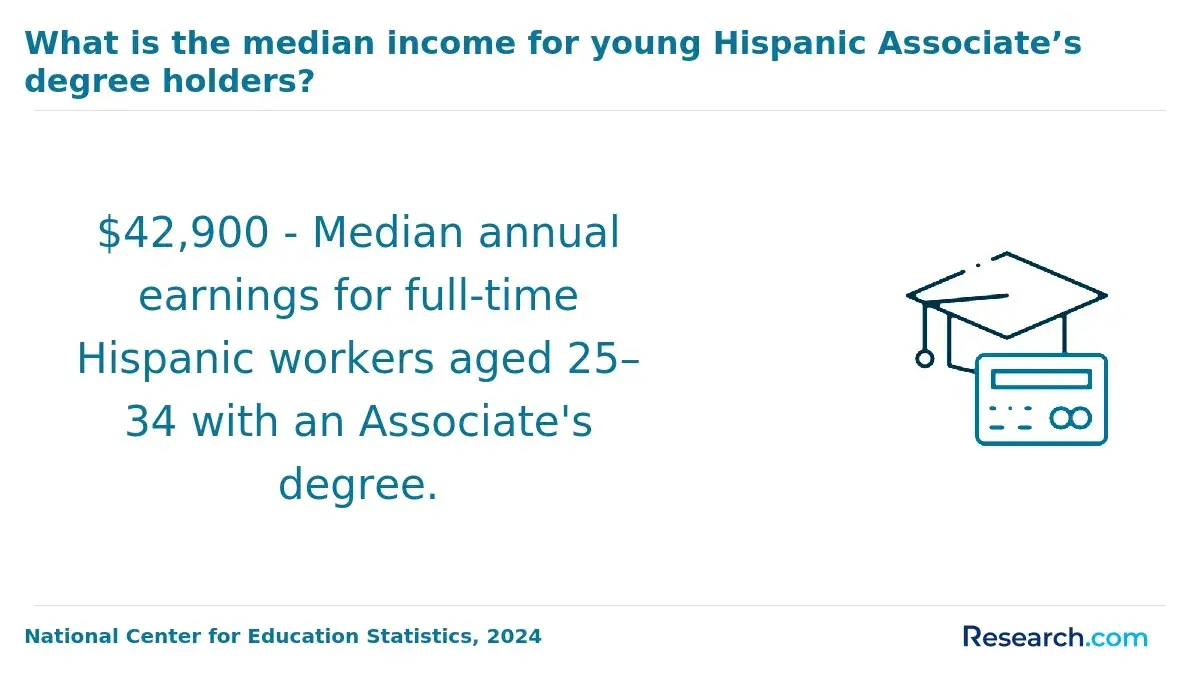
School counseling degree growth across the United States is shaped by distinct demographic and public health shifts that create complex, localized opportunities rather than uniform demand. Students and career changers must evaluate these unique regional dynamics as they weigh their educational investments, recognizing that state-specific trends often dictate the sustainability and scale of workforce openings. For example, practitioners entering states with aging populations may face slower job growth but benefit from evolving priorities around mental health services, which can alter service models and required competencies.
- Population Aging: States in the Northeast and Midwest generally see stable or declining K-12 enrollment due to aging populations, but this demographic also pressures schools to address an aging educator workforce and increasing student mental health needs, subtly altering demand for counselors.
- Immigration Patterns: States such as Texas, California, and Florida experience rapid population growth fueled by immigration, resulting in diverse student bodies and heightened demand for bilingual and culturally competent counselors, which in turn stimulates enrollment in targeted graduate programs.
- Urbanization: Metropolitan regions in states like Colorado and Georgia have expanded school-age populations through urban migration, intensifying counselor demand to manage larger, more diverse and often socially vulnerable student populations facing increased emotional challenges.
- K-12 Enrollment Growth: Southern and Western states benefit from robust enrollment increases driven by birth rates and migration, creating direct pipelines for counseling program interest because education systems in these states often mandate counselor-to-student ratios that necessitate hiring growth.
- Mental Health Diagnoses: Rising prevalence of anxiety, depression, and behavioral disorders among youth-highlighted in states such as Oregon and New Jersey-push school districts to expand counseling services, which supports strong employment prospects for recent graduates anticipating these regional needs.
This regional granularity in school counseling degree growth underscores the importance of understanding the interplay between demographic trends and public health data at the state level. Students with geographic flexibility should align their choices with states exhibiting durable demand linked to stable population increases and mental health challenges rather than transient policy or economic fluctuations. For those exploring related fields, exploring options such as a nutritionist bachelor degree online can complement understanding of health-related workforce trends that also impact school support services.
How Do State Funding Levels for School Counseling Services Influence Degree Program Growth?
States allocating substantial public funds toward school counseling services significantly shape the expansion of degree programs in this area. Investments via Medicaid reimbursements, block grants, or targeted mental health funding often result in clearer, more dependable employment paths for graduates. In contrast, states with minimal or unpredictable funding typically face stagnating or shrinking job markets, which discourages program growth and prompts graduates to relocate to regions with better financial backing and institutional support.
- Employment Stability: Robust funding correlates with sustained school counseling positions, minimizing turnover and making the profession more appealing, which in turn drives enrollment increases within related graduate programs.
- Pipeline Development: Well-funded states often establish partnerships among schools, mental health providers, and universities, creating streamlined career trajectories that attract students and justify program expansion.
- Graduate Retention: Consistent underfunding can trigger a brain drain where newly credentialed counselors leave their home states, undermining local workforce capacity and discouraging prospective students from enrolling in in-state programs.
- Legislative Signals: Reviewing a state's recent budgetary decisions and legislative trends on school counseling funding offers crucial foresight into the durability of job opportunities after graduation.
- Program Transparency: Prospective students should request data on the percentage of graduates employed within-state after five years, reflecting both funding environments and real-world labor market conditions.
One graduate recalled waiting anxiously during a rolling admissions cycle in a midwestern state known for volatile school counseling budgets. Uncertainty over funding announcements delayed program offers, forcing the applicant to weigh accepting an early provisional admission elsewhere against holding out for a fully funded spot closer to home. This experience highlighted how state funding rhythms not only affect program availability but also complicate students' strategic planning and financial readiness in pursuing school counseling credentials.
Which States Are Emerging as Unexpected Leaders in School Counseling Degree Interest?
Emerging states in school counseling degree growth illustrate how targeted policies and programmatic innovations can reshape regional workforce landscapes, but these gains come with practical risks. For example, South Dakota's expansion of online and hybrid programs, alongside its participation in the interstate counselor licensure compact, lowers geographic barriers and attracts mobile students seeking flexibility. However, the sustainability of its enrollment surge hinges on whether temporary pandemic-era educational grants transition into lasting incentives for rural mental health professionals. This dynamic is crucial for prospective students weighing program accessibility against long-term career stability.
- South Dakota: Growth driven by workforce development investments, expanded online/hybrid programs, and interstate licensure compact membership. While enrollment gains partly rely on temporary funding, state incentives for rural counselors may extend demand.
- West Virginia: Increased school counseling interest reflects legislation boosting K-12 mental health funding and new graduate programs for working professionals. Enrollment is sensitive to volatile education budgets, signaling potential decline after pandemic-related grants end.
- Alaska: Enrollment rises through targeted hiring incentives addressing rural mental health shortages and indigenous support initiatives. Geographic isolation and funding dependence limit scalability, posing risks if priorities shift.
- Montana: Enrollment growth tied to novel regional university programs with less competitive admissions and lower tuition. Career changers and mobile students respond to cost advantages, but growth sustainability depends on persistent state mental health support.
Students considering these emerging markets must evaluate tradeoffs between lower tuition, less saturated programs, and stronger local incentives against uncertain funding continuity and the complexity of licensure portability. Temporary boosts in enrollment underscore the need for prospective school counselors to prioritize programs embedded in stable policy and workforce environments, as these factors more closely correlate with consistent hiring demand and professional growth opportunities. Additionally, observing actual admissions cycles reveals that fast-growing programs in such states often have flexible start dates and rolling admissions to accommodate working professionals' schedules.
Those exploring school counseling options might also review complementary pathways like affordable online bridges within healthcare education, exemplified by BSN to MSN programs, which highlight how strategic academic choices can enable career transitions while managing costs and timelines effectively.
Understanding the fastest rising school counseling enrollment by state enables students-especially career changers, geographically mobile individuals, and working professionals-to align their graduate education with regional workforce realities and licensing frameworks, ultimately supporting more informed decision-making for sustainable career outcomes.
How Does State Population Size Affect the Interpretation of School Counseling Degree Growth Data?
Raw enrollment growth figures in school counseling degree programs can mislead when viewed without context, especially relative to state population size. For example, a large state adding 2,000 new school counseling graduates annually might seem to show robust growth compared to a smaller state adding only 300. However, without considering how many licensed counselors already serve the population, these absolute numbers distort market realities. A smaller state with 300 new graduates could represent a significant proportional increase, signaling stronger demand and less saturated employment prospects than the larger state where the workforce may be near capacity.
This distinction between absolute and per-capita growth is crucial for evaluating the true expansion of school counseling markets. Per-capita growth rates and workforce saturation metrics provide more meaningful indicators of employer demand and job availability. States with licensed school counseling professionals below the national average often indicate underserved markets, which generally offer better early-career hiring opportunities. Conversely, markets with high counselor-to-population ratios, even if graduate numbers rise, can present more competition and slower hiring.
When assessing the impact of state demographics on school counseling enrollment trends, it is also important to account for workforce retention and turnover, which can alter effective market size beyond raw enrollment data. Readers should recognize that enrollment rises do not automatically translate to proportional workforce expansion, particularly in states with complex licensure rules or rapid population growth.
- Licensure Complexity: States with more restrictive or multi-step licensure procedures may discourage enrollment despite growth in interest, affecting workforce availability.
- Population Growth Impact: Rapid general population growth can temporarily outpace increases in school counseling workforce, raising demand in emerging markets.
- Market Saturation: High-density markets with many licensed counselors might offer fewer entry-level roles despite large graduate numbers.
- Workforce Retention: States with higher attrition or counselor turnover impact the effective size of the workforce beyond enrollment statistics.
For those considering geographic flexibility, weighing these factors informs better decision-making about where to pursue a degree and enter the workforce. In regions with lower counselor-to-population ratios, new graduates may find less competition and healthier job markets. However, prospective students and career changers must also evaluate licensure hurdles and local demand to align expectations with realistic employment outcomes. For insights on related workforce topics such as athletic director salary trends, reviewing specialized career resources can provide a complementary understanding of employment patterns and compensation benchmarks.
What Role Do State Licensing Requirements Play in Driving or Suppressing School Counseling Enrollment?
The design and transparency of state licensing requirements directly influence enrollment patterns in graduate programs for school counseling. States that offer clear, stable, and accessible licensure pathways reduce uncertainty and perceived barriers, making their programs more attractive to candidates. By contrast, states with convoluted or frequently changing licensure rules tend to suppress growth, as prospective students factor in the additional time, cost, and risk associated with post-degree credentialing. This dynamic affects not only individual decisions but also broader workforce development and regional supply of qualified counselors.
- Clarity: Clear licensing frameworks demystify the process from degree completion to credentialing, encouraging candidates to commit by outlining precise requirements including supervised experience hours and exam benchmarks.
- Stringency: While rigorous standards promote professional competence, excessive complexity or length in licensure pathways can deter potential enrollees, particularly career changers or working professionals balancing multiple obligations.
- Employer Expectations: Licensing boards shape local job markets; states where licensed candidates are preferred or mandatory induce greater competition for accredited programs, reinforcing demand linked to licensure status and contributing to salary ranges that typically fall between $50,000 and $70,000 depending on region and experience.
- Feedback Loop: Robust licensure systems stimulate program enrollment, which strengthens institutional investment in regulatory clarity and responsiveness, supporting ongoing refinement of licensure processes that better align with workforce needs.
- Comparative Considerations: Because licensing is multifaceted, applicants must evaluate full state-specific licensure pathways, including any evolving requirements post-degree, and weigh these realistically against alternative states' conditions and their geographic or professional mobility.
References
- State-By-State Student-to-Counselor Ratio Report - National Association for College Admission Counseling (NACAC) https://www.nacacnet.org/state-by-state-student-to-counselor-ratio-report/
- What Is School Counseling? Roles, Careers & Program Info https://www.psychology.org/counseling/school-counseling/
- Protecting Funding for California School Counseling in 2025-26 — Hatching Results - School Counselor Training https://www.hatchingresults.com/blog/2025/4/protecting-funding-for-school-counseling-in-2025-26
- Leading the Way, Every Day https://www.schoolcounselor.org/Newsletters/March-2020/Leading-the-Way,-Every-Day
- Research That Shows How Career Education Programs Align With Regional Job Markets https://economic-mobility.wested.org/project/research-that-shows-how-career-education-programs-align-with-regional-job-markets/
- NY School Counseling Amendments - NYSSSWA https://nyssswa.org/school-counseling-amendments/
- School Counseling - Chestnut Hill College https://www.chc.edu/academics/programs/school-counseling-ms/
- For Students - CACREP https://www.cacrep.org/for-students/
- School Counselors Amplify Student Success in School and Beyond | MaiaLearning https://www.maialearning.com/blog/school-counselors-amplify-student-success-in-school-and-beyond
- The Growth of Online Education Increases Opportunities https://changinghighered.com/growth-of-online-education/