2027 Medical Assisting Tuition Inflation Report: How Fast Are Program Costs Rising?

Co-Founder and Chief Data Scientist
Medical assisting programs face unique cost pressures driven by the discipline's demand for specialized clinical training, up-to-date medical technology, and compliance with evolving accreditation standards. These factors contribute to tuition inflation distinct from broader education trends.
For example, investments in simulation labs and electronic health record systems have escalated since 2023, reflecting employer expectations for workforce readiness. Meanwhile, faculty with clinical expertise command higher salaries due to labor market shortages in allied health fields.
Enrollment data from 2024 also show a growing proportion of non-traditional students balancing work and study, which influences program delivery models and operational expenses. This report examines how these intertwined forces shape tuition growth and what rising costs imply about the field's educational evolution and workforce development.
Key Things to Know About Medical Assisting Tuition Inflation
- Annual tuition inflation for medical assisting programs has outpaced general higher education, rising over 6% since 2023, pressuring budgets and prompting some students to extend enrollment duration to manage costs.
- Employers increasingly expect certification and hands-on experience despite rising tuition, creating a tradeoff where students may sacrifice practical training opportunities to afford escalating educational fees.
- Faster tuition growth limits access for lower-income applicants, shifting workforce demographics and potentially reducing diversity in entry-level healthcare roles, impacting long-term talent pipeline stability.
- Key Things to Know About Medical Assisting Tuition Inflation Key Things to Know
- How Much Has Medical Assisting Tuition Increased Over the Past Decade? Tuition Increase
- How Does Medical Assisting Tuition Inflation Compare to Overall Inflation? Tuition Inflation
- Which Types of Schools Have Experienced the Fastest Medical Assisting Tuition Growth? Tuition Growth by School Type
- What Factors Are Driving Rising Costs in Medical Assisting Degree Programs? Tuition Cost Drivers
- How Does Medical Assisting Tuition Growth Vary by State and Region? Tuition Growth by State
- Are Online Medical Assisting Programs Becoming More Affordable Than Campus-Based Programs? Online Program Affordability
- How Have Financial Aid and Scholarships Changed as Medical Assisting Tuition Has Increased? Impact on Financial Aid and Scholarships
- How Does Rising Medical Assisting Tuition Affect Student Debt After Graduation? Impact on Student Debt
- Do Higher-Cost Medical Assisting Programs Deliver Better Career Outcomes or Earnings? Impact on Career Outcomes
- What Do Current Tuition Trends Suggest About the Future Cost of a Medical Assisting Degree? Tuition Trends
How Much Has Medical Assisting Tuition Increased Over the Past Decade?
Over the last decade, tuition for medical assisting programs has risen significantly, with data from the National Center for Education Statistics showing increases in the range of 30% to 40% since 2014. This growth outpaces general inflation and reflects a steeper climb compared to many other postsecondary credentials.
Public community colleges, often the most affordable option, have still seen increases of about 25% to 35% depending on the state, while private career schools have frequently pushed tuition higher by 40% or more. These regional trends in medical assisting program tuition growth point toward increased financial barriers for students pursuing relatively short-term technical credentials.
Several factors drive this rising tuition landscape. Reduced state funding in many regions has shifted more of the cost burden onto students, while institutions have invested in advanced simulation technologies, faculty expertise, and compliance with stricter accreditation standards.
Demand for accredited medical assisting programs has also expanded as healthcare employers prioritize qualified graduates, which in turn pressures programs to enhance quality and capacity. These operational factors, combined with relatively stagnant starting wages in the sector, create tension between escalating costs and the financial return students can expect from their investment.
As tuition pressures mount, affordability and long-term value become critical considerations for prospective students. Choices around program length, delivery format, and availability of financial assistance can influence both immediate expenses and post-graduation outcomes, underscoring the importance of thorough due diligence.
Students seeking cost-effective options might explore alternatives such as the cheapest online FNP programs as a comparative benchmark, especially when balancing earning potential against education debt. Ultimately, understanding how tuition escalation intersects with labor market realities is essential for making informed decisions in this evolving educational sector.
How Does Medical Assisting Tuition Inflation Compare to Overall Inflation?
Recent data from the U.S. Bureau of Labor Statistics indicates that general consumer price inflation, measured by the Consumer Price Index, has averaged around 3.4% annually between 2021 and 2024. In contrast, medical assisting tuition inflation has regularly surpassed a 5% annual increase over the same period, as reported by the National Center for Education Statistics and the College Board.
This divergence reflects that tuition costs for medical assisting programs are rising more rapidly than broad economic inflation, underscoring distinct pressures within educational pricing structures compared to the overall marketplace. Notably, regional differences in medical assisting program cost increases further complicate affordability and planning for prospective students across various states.
The persistent gap between medical assisting tuition inflation rates compared to overall inflation stems largely from structural shifts in higher education funding and institutional cost dynamics. Declines in state subsidies compel many public and private institutions to offset revenue shortfalls through tuition increases.
Simultaneously, rising administrative expenses and expanded student support services add layers of operational costs beyond instruction alone. Investments in updated clinical training equipment, technology infrastructure, and compliance with evolving healthcare standards further drive costs upward, reflecting not just inflation but a reallocation of resources toward specialized workforce preparation.
These rising expenses exert real pressures on students' financial decisions, often increasing dependence on borrowing amid stagnant wage growth in entry-level healthcare roles. Such affordability challenges influence how learners approach program selection and weigh the practical return on investment in credentialing or certification, including considerations around alternatives like CCS certification.
Understanding this inflation gap helps clarify why educational costs escalate faster than typical consumer prices and signals the need for careful evaluation of program value within these shifting economic realities.
Which Types of Schools Have Experienced the Fastest Medical Assisting Tuition Growth?
Tuition growth rates for medical assisting programs vary substantially by institution type due to differences in funding mechanisms, market pressures, and program delivery formats. Understanding these dynamics is critical as rising education costs directly affect accessibility and the potential return on investment for adult learners.
Structural factors such as public subsidies, institutional missions, and the cost of specialized resources heavily influence tuition inflation across schools, shaping affordability trends and long-term financial commitments.
- For-Profit Institutions: These schools have exhibited the fastest tuition growth, often exceeding 10% annually, driven by their reliance on tuition as a primary revenue source without substantial public funding. Aggressive program expansion and marketing to adult learners amplify cost pressures, while relatively lower economies of scale and regulatory complexities contribute to increasing tuition rates.
- Public Community Colleges: Typically demonstrating restrained tuition increases under 5% per year, these colleges benefit from state appropriations and mandate affordable access. Their larger enrollment base and mission to serve workforce development needs keep tuition growth modest despite expanding demand for credentialed medical assistants.
- Private Nonprofit Universities: These institutions face mid-range tuition growth influenced by reduced endowment income volatility and commitments to comprehensive student services. Though less dependent on tuition hikes than for-profits, they invest heavily in faculty and infrastructure, which gradually pushes tuition upward.
- Research-Intensive Universities: Offering fewer medical assisting programs, these universities often bundle costs within broader healthcare or allied health curricula. Their tuition changes are moderated by diversified funding streams and higher institutional prestige, although specialized program expansion may add modest incremental cost pressures.
- Regional Colleges: Serving localized populations, regional colleges adjust tuition based on competitive pressures and local economic conditions. Their tuition growth rates typically fall between community colleges and private universities, reflecting balanced reliance on public funds and tuition revenue as they update curricula to meet employer certification expectations.
- Online Universities: With increased scalability and lower physical infrastructure costs, some online institutions maintain steadier tuition growth. However, investments in technology platforms and virtual clinical training simulations can incrementally raise program expenses, influencing tuition adjustments aligned with market demand.
What Factors Are Driving Rising Costs in Medical Assisting Degree Programs?
Rising expenses in medical assisting degree programs stem from a complex interplay of institutional and economic factors rather than any single element. These programs increasingly confront expanded operational demands, including sophisticated instructional technologies and evolving accreditation criteria that require substantial investment. Simultaneously, shifts in funding landscapes, especially for public institutions, place greater pressure on tuition revenue to bridge budget gaps.
This financial restructuring occurs alongside broader market forces such as growing labor competition for qualified faculty and heightened expectations for student services, all of which contribute to steady cost escalations that many programs must absorb.
Key drivers of these cost increases include declining state appropriations, which compel institutions to rely more heavily on tuition to maintain program quality and compliance with regulatory updates. Faculty salaries are rising in response to competition from healthcare employers seeking experienced professionals, pushing payroll costs upward.
At the same time, institutions are expanding administrative roles and investing in digital infrastructure and simulation technologies to provide contemporary training environments. According to recent data from the National Center for Education Statistics, expenditures related to instructional resources in health fields have grown by over 7% annually, while compliance and curriculum adaptation costs add another 3-5% each year, cumulatively affecting the bottom line for medical assisting programs across various institutional types.
One medical assisting graduate recalled the challenge of navigating program admissions amid rising fees and resource constraints. After completing prerequisite coursework, she hesitated to apply promptly due to unclear timelines and the prospect of escalating costs with each passing semester.
The program's rolling admissions process created uncertainty, compelling her to strategize carefully about when to secure enrollment to avoid further tuition increases. This experience highlights how financial pressures extend beyond tuition invoices to influence applicant decision-making and access to timely education in this field.
How Does Medical Assisting Tuition Growth Vary by State and Region?
Medical assisting tuition increase trends by state demonstrate significant variation influenced by multifaceted regional and institutional factors. Tuition growth rates are not uniform across the United States due to disparities in state funding levels, differences in public university system structures, and divergent local economic conditions.
Regions with robust state appropriations for higher education frequently experience slower tuition inflation, while states facing funding shortfalls or relying heavily on private institutions often see sharper rises in program costs. These variations reflect how public policy, institutional cost structures, and local economic pressures intersect to shape educational affordability over time.
Key drivers behind regional variations in medical assisting program costs include state budget allocations, cost of living differences, and the distribution of public versus private providers.
States with declining or stagnant higher education appropriations must compensate with increased tuition, particularly in states where public university systems serve large, diverse populations. Urban centers, home to many research universities and private colleges, impose higher operational costs, pushing tuition upward in places like California, Massachusetts, and New York, where annual increases have exceeded 5%.
Conversely, Midwest states such as Ohio and Iowa maintain more moderate tuition growth rates, often under 3%, supported by steadier funding and lower living expenses. Workforce demand also plays a complex role. In regions with growing healthcare needs, programs may raise tuition to expand capacity or increase investment in clinical training infrastructure.
These tuition dynamics have broader consequences for student decision-making, affordability, and long-term outcomes. Prospective students weighing program options must consider how regional tuition inflation impacts total educational debt and potential return on investment, especially when local job market wages and employer hiring preferences vary.
Additionally, rising costs in certain states may restrict mobility or deter enrollment from lower-income applicants, exacerbating regional workforce shortages in medical assisting fields. For learners seeking cost-effective pathways, reviewing trends and structural causes behind tuition increases alongside employment prospects is crucial. Resources like the best exercise science degree online provide examples of regional program variations that can inform these complex evaluations.
Are Online Medical Assisting Programs Becoming More Affordable Than Campus-Based Programs?
Tuition trends over recent years show that online medical assisting programs are generally increasing in cost at a slower rate than campus-based ones, but this does not guarantee straightforward affordability advantages. Campus programs face a typical annual tuition inflation around 5.8%, largely due to ongoing costs like facility upkeep, campus staffing, and coordination of in-person clinical experiences.
By comparison, online programs have seen annual tuition increases nearer to 3.2%, reflecting their ability to avoid some physical infrastructure expenses. However, because some prestigious institutions offer online medical assisting at similar price points to their on-campus options, the pricing strategies depend heavily on institution-specific factors rather than a clear-cut online cost benefit.
The relative affordability gap between delivery formats largely stems from different underlying cost structures and strategic investments. Online programs reduce expenses tied to physical classrooms and on-site operations but often channel funds into digital platform development, instructional design tailored for remote learning, and expanded student support services to compensate for the lack of direct contact.
Moreover, faculty models may differ, with online instruction sometimes requiring additional coordination or smaller class sizes to maintain quality, partially offsetting savings on facilities. These nuances mean affordability variations are not purely structural savings but shaped by institutional priorities around technology, learner engagement, and retention, making such cost dynamics complex and evolving rather than merely transitional.
A graduate of an online medical assisting program recalled waiting anxiously during the rolling admissions cycle, uncertain when she would receive her acceptance. She initially hesitated to commit to the program while weighing campus options but found the flexible start dates and distance learning format crucial after a delay with her clinical partner confirmation.
Although the tuition was competitive, unexpected waits and paperwork complexity nearly pushed her toward a campus program before her online slot was finalized. This experience highlights that affordability, in practice, intertwines with admission timing, preparatory hurdles, and logistical factors that influence the true cost and access dynamic beyond sticker price comparisons.
How Have Financial Aid and Scholarships Changed as Medical Assisting Tuition Has Increased?
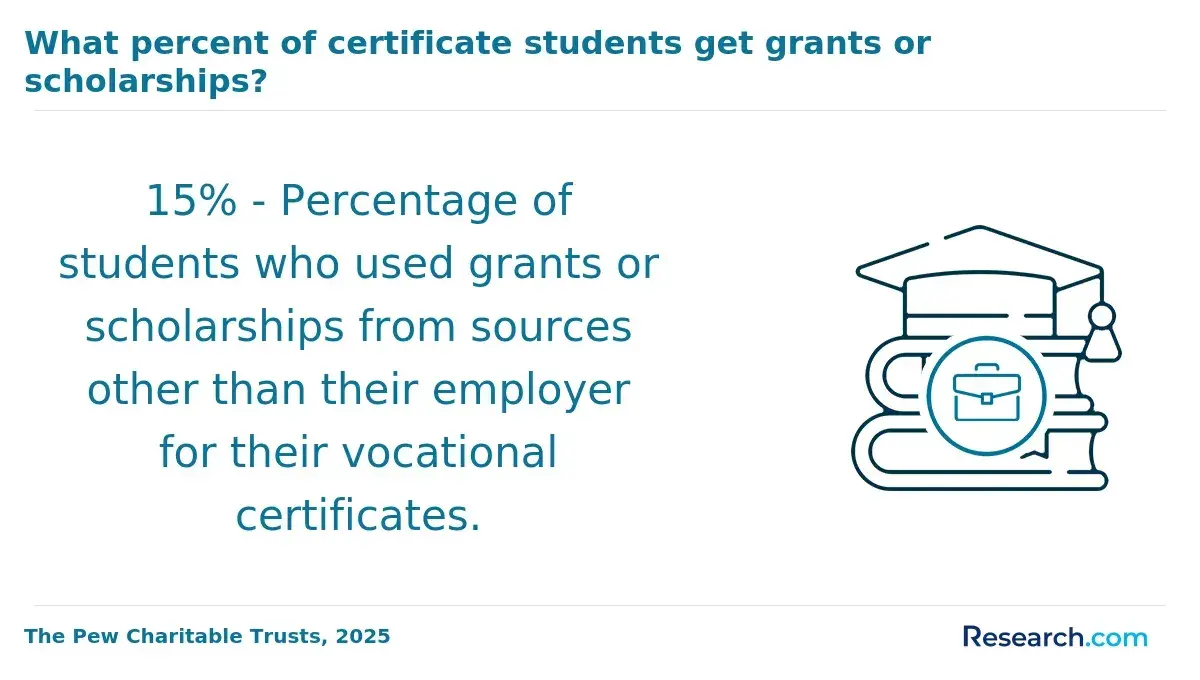
As tuition for medical assisting programs has climbed steeply, financial aid and scholarship offerings have shifted in complex ways that do not always translate into increased affordability. While many institutions have expanded merit-based scholarships targeting competitive applicants, these tend to be limited and do not fully offset rising costs.
Need-based aid, including federal Pell Grants, has seen only incremental growth insufficient to match tuition inflation, leading to a persistent gap between sticker price and net price. Institutional aid packages often require bundling multiple funding sources, complicating access and navigation for students. This dynamic results in many learners facing higher out-of-pocket expenses despite nominally broader aid availability.
Several forces shape these aid changes. Heightened competition among colleges to attract qualified students has prompted more strategic deployment of merit scholarships, especially at private and career-focused schools. Meanwhile, federal and state funding adjustments have struggled to keep pace with accelerating tuition increases, limiting growth in need-based support despite increased eligibility rates.
To protect margins amid these pressures, some programs rely on tuition discounting techniques that shift costs onto borrowers or offload expenses to service-driven workforce grants with restrictive conditions. These intersecting factors underscore a financial aid landscape that often prioritizes enrollment management goals over direct relief for low- and moderate-income students.
The broader implications of these trends complicate the net affordability of medical assisting education. Although expanded aid options can help some high-achieving students reduce costs, the average medical assisting student frequently incurs greater debt loads due to stagnant grant funding and rising tuition. Dependence on loans is widespread as grants and scholarships fail to close the affordability gap, intensifying financial strain amid modest entry-level wages in healthcare support roles.
Furthermore, conditional workforce grants may disqualify students unwilling or unable to meet service obligations, limiting genuine accessibility. These realities critically affect decision-making around program choice and financial viability for students weighing medical assisting pathways.
How Does Rising Medical Assisting Tuition Affect Student Debt After Graduation?
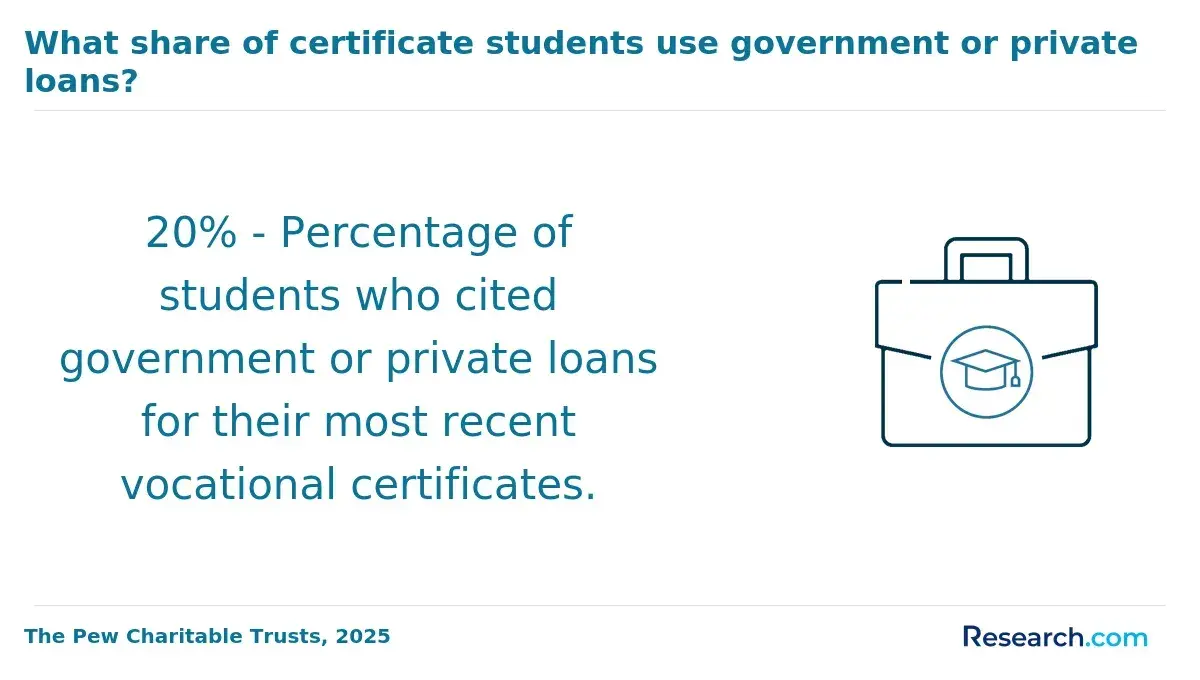
Rising tuition costs in medical assisting programs systematically drive higher borrowing requirements, significantly increasing the average student debt levels at graduation. As tuition rises faster than inflation, students must secure larger loans to cover the full cost of education, especially when financial aid does not keep pace. This trend is evident in the growing dependence on federal and private loans, with adult learners particularly affected due to added living expenses and opportunity costs.
These borrowing patterns directly influence debt accumulation after program completion, shaping the financial starting point for graduates entering a workforce where entry salaries often lag behind educational expenses, amplifying repayment challenges linked to medical assisting tuition impact on student loan debt.
Several factors amplify this dynamic, including widening gaps between tuition fees and accessible financial aid, which vary regionally and institutionally, contributing to regional differences in medical assisting program costs and debt. Private programs tend to command higher tuition but may offer less comprehensive aid, whereas public institutions often present more affordable pricing but with limited seats amidst rising demand.
Interest capitalization during extended study periods inflates total debt burdens, while postgraduation income disparities across medical assisting career paths complicate borrowers' ability to repay loans in a timely manner. These intersecting variables underscore the complexity behind debt levels beyond raw tuition figures, forcing students and families to carefully consider program cost structures relative to expected earning potential.
In practice, higher debt burdens intensify repayment stress, influencing career and financial decisions long after graduation. Many borrowers rely on income-driven repayment plans or loan forgiveness programs to manage obligations, but eligibility varies and future policy changes add elements of uncertainty. Such fiscal pressures may prompt candidates to opt for lower-cost programs or alternatives perceived as offering better value, directly impacting enrollment patterns and perceived degree return.
For those weighing training options, combining realistic salary expectations with an understanding of cumulative debt effects is crucial. Exploring related career pathways, including bioinformatics degree career options, might offer comparative insights into long-term outcomes and affordability considerations.
Do Higher-Cost Medical Assisting Programs Deliver Better Career Outcomes or Earnings?
Higher-cost medical assisting programs do not consistently deliver better career outcomes or higher earnings. While it may be intuitive to assume that more expensive programs offer superior returns, evidence from sources like the National Center for Education Statistics and labor market research from 2024 shows that program cost alone is a weak predictor of employment success or salary levels.
Many employers prioritize certification, hands-on experience, and demonstrated competencies over the prestige associated with tuition price. This dynamic suggests that rising medical assisting tuition does not necessarily translate into an earnings premium for graduates.
Outcomes hinge more significantly on factors such as institutional accreditation, clinical training opportunities, employer partnerships, and geographic job market conditions than on cost. Programs with strong internship pipelines or regional healthcare connections may facilitate better job placement regardless of price.
Specialization options can also impact long-term earnings potential, but these tend to be influenced by continuing education rather than initial tuition expenses. Additionally, graduation and licensure exam pass rates display marginal variability between higher- and lower-cost programs. For those evaluating programs, recognizing that factors like brand reputation or location often drive tuition inflation highlights the need for deeper analysis of career support and practical training.
For context on related allied health fields emphasizing clinical placement effectiveness, reviewing the best online PMHNP programs offers insight into program structure tied to outcomes
Prospective students should approach medical assisting tuition impact on earnings by assessing the real-world value of enrollment choices. This involves weighing program quality metrics, accreditation, and local healthcare demand rather than focusing primarily on sticker price.
Effective decision-making incorporates evaluating the return on investment based on labor market outcomes and career trajectory data rather than assuming higher tuition guarantees better financial or employment results. Careful scrutiny of outcomes and realistic expectations foster more strategic educational investments within the allied health workforce landscape.
What Do Current Tuition Trends Suggest About the Future Cost of a Medical Assisting Degree?
Current tuition trends for medical assisting degree programs indicate a persistent upward trajectory that surpasses general inflation rates.
Data from the National Center for Education Statistics in early 2024 shows tuition and fees for associate degree programs, including many medical assisting courses, increasing roughly 4.7% annually over the past three years, exceeding the 3.2% average inflation rate during the same period. This pattern suggests that unless structural changes occur, future medical assisting program costs will continue to rise at a pace outstripping broader economic inflation.
Several key factors influence these tuition outcomes. Public funding limitations have tightened, reducing institutional subsidies and prompting schools to shift more expenses onto students. Concurrently, demand for specialized skills in healthcare drives enrollment growth, incentivizing institutions to invest in advanced technology, simulation labs, and enhanced student support services, costs that typically get reflected in tuition pricing.
The expansion of online and accelerated program formats aims to mitigate expenses for some learners but also requires significant upfront technology and curriculum development investments, sustaining cost pressures.
These trends imply growing affordability challenges, especially for adult learners balancing financial and time constraints. Prospective students should anticipate higher overall debt burdens and increasingly evaluate tradeoffs between program length, format, quality, and cost. Understanding historical tuition growth and institutional funding drivers offers a more reliable framework for projecting medical assisting degree expenses than simplistic inflation-based forecasts alone.
References
- Medical Assistant Statistics (Employment, Salary, & More) https://www.stepful.com/post/medical-assistant-statistics
- Top 20 Medical Assistant Scholarships to Apply for in November 2025 https://bold.org/scholarships/by-major/medical-assistant-scholarships/
- How Does Increasing Financial Aid Promote Student Economic Success? https://www.ihep.org/press/how-does-increasing-financial-aid-promote-student-economic-success/
- Medical Assistant Program Tuition & Cost | Mobile Medical Assistant School https://mobilemedicalassistant.com/tuition/
- Future of Healthcare: Medical Assisting Trends - allenschool.edu https://www.allenschool.edu/future-of-healthcare-medical-assisting-trends/
- 5 Things to Know About a Career as a Clinical Medical Assistant https://www.nhti.edu/5-things-to-know-about-a-career-as-a-clinical-medical-assistant/
- Scholarships for Medical Assistants https://cfcd.baptistonline.org/resources/scholarships-for-medical-assistants/
- 2025â26 Medical Assistant Salary: Facts, Figures, Salaries by State https://credenzahealth.com/career-advice/medical-assistant-salary-facts-figures-salaries-by-state
- How Rising Inflation Affects Student Loan Interest Rates | SoFi https://www.sofi.com/learn/content/inflation-and-student-loans/
Other Things You Should Know About Medical Assisting
Programs with higher tuition often include more extensive clinical hours or accelerated course schedules, which can lead to faster credentialing and earlier workforce entry. However, these intensive programs may increase student stress and reduce time for part-time work, potentially offsetting financial gains. Students should consider whether a shorter, costlier program's faster completion aligns with their financial resilience and personal circumstances, or if a longer, less expensive path with a more manageable workload better suits their needs.
Increasing tuition does not always correlate with enhanced clinical training quality or availability. Some programs raise costs without expanding lab time or externship placements, limiting practical experience integral to employer expectations. Prospective students should prioritize programs offering robust and supervised hands-on training rather than simply assuming higher tuition translates to better career preparation.
As tuition rises, some programs may focus on accelerated pathways that prepare students mainly for certification exams rather than broader skills development. While certification is essential, programs cutting corners on comprehensive skills could hamper long-term career adaptability. Learners should prioritize programs demonstrating strong employer feedback and graduate retention in the field over those emphasizing speed over depth, even if it means higher upfront costs.
Employers primarily assess competencies and hands-on experience rather than tuition paid, so high tuition alone does not guarantee preference. However, costly programs tied to strong clinical partnerships may produce graduates with better job placement, providing indirect hiring advantages. Students should investigate a program's employer network and graduate outcomes rather than equate tuition inflation with improved job prospects.