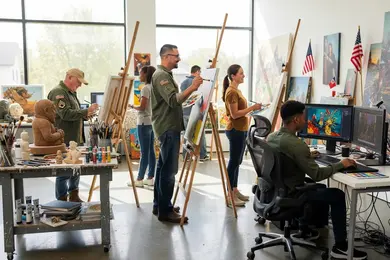
2027 Online BFA (Bachelor of Fine Arts) Bachelor's Degree Programs With No Prerequisites

Co-Founder and Chief Data Scientist
Many aspiring artists with unrelated undergraduate degrees struggle to find accessible pathways into creative professions. Traditional BFA programs often require portfolios or prior experience, creating barriers for those eager to start fresh. The flexibility of online bfa bachelor's degree programs with no prerequisites offers a vital solution-especially as demand for creative skills in media and design fields is projected to grow by 10% through 2030. This article explores how these programs provide open-entry, accredited options that accommodate working professionals and career changers, guiding readers toward informed decisions for a successful transition into the arts industry.
Key Benefits of Online BFA (Bachelor of Fine Arts) Bachelor's Degree Programs With No Prerequisites
- Online BFA programs with no prerequisites offer flexible schedules, allowing working professionals to balance job commitments and studies without sacrificing career progress.
- These programs facilitate accelerated skill acquisition by focusing on practical, portfolio-driven coursework tailored to quickly build artistic competencies.
- Students can earn a respected BFA credential affordably and on their own timeline, benefiting from open admission policies and streamlined credit transfer options.
What Does 'No Prerequisites' Mean for Online BFA (Bachelor of Fine Arts) Bachelor's Degree Programs, and Who Benefits Most?
In online bfa bachelor's degree programs, "no prerequisites" means applicants can enroll without completing specific prior coursework, standardized tests, or portfolio submissions before admission. This differs from open admission policies, which guarantee acceptance to all applicants regardless of academic background, and low-barrier enrollment, which reduces but does not remove application requirements. No-prerequisite programs eliminate entry barriers tied to prior academic experience, broadening access to a bfa education.
This flexible model especially benefits career changers transitioning into creative fields without foundational art classes, working adults balancing jobs and family, returning learners resuming studies after a break, and first-generation college students who may find traditional admission requirements challenging. Increasing enrollment data from the National Center for Education Statistics (NCES) highlights growing participation of non-traditional students in online programs-older adults and part-time learners-emphasizing the value of no-prerequisites in accommodating diverse life situations.
Using no prerequisites opens opportunities for many aspiring artists across backgrounds and stages of life. For those exploring this path, it is important to consider quality, accreditation, financial aid, and support services alongside accessibility.
Key topics covered in this article include:
- Enrollment Flexibility: How no-prerequisite policies allow a wide range of students to start bfa studies promptly, improving accessibility without compromising academic standards.
- Quality and Accreditation: The ways reputable programs uphold educational quality and accreditation despite open entry, ensuring degrees hold value in art careers.
- Financial Aid Options: Overview of various funding opportunities designed to help manage costs, making no-prerequisite bfa programs more affordable.
- Student Support Services: Resources such as tutoring, advising, and career counseling that are critical for success in online bfa pathways.
For prospective students interested in flexible, affordable education options, exploring programs like the best online masters in artificial intelligence can provide valuable insights into online degree possibilities comparable in accessibility and support.
Which Accredited Online BFA (Bachelor of Fine Arts) Bachelor's Programs Accept Students With No Prior College Coursework?
Several regionally accredited institutions provide online bfa (Bachelor of Fine Arts) bachelor's programs that accept students with no prior college coursework. These accessible pathways often attract working adults, first-generation students, and career changers seeking fine arts education without the usual prerequisites.
- Academy of Art University: This regionally accredited school offers a fully online bfa with open admission policies-no formal prerequisites required. The program includes foundational courses to support students new to college-level study. Enrollment exceeds 10,000 annually, reflecting its emphasis on flexible, career-focused education.
- National University: Known for low-barrier enrollment and regional accreditation, National University's online bfa requires no prior college credits. It combines asynchronous coursework with personalized advising designed for those beginning higher education. The institution serves a large adult learner population.
- Liberty University: Liberty's online bfa admits students without formal academic prerequisites and provides preparatory courses as needed. Its regional accreditation ensures quality education, and the university supports over 100,000 online students, highlighting strong infrastructure for remote learners.
- Southern New Hampshire University: SNHU offers online undergraduate art degrees similar to a bfa, focusing on accessibility. They accept students without prior college experience and provide bridge coursework to ease transitions. SNHU is regionally accredited and enrolls roughly 135,000 students, many of whom are adult learners.
- Bellevue University: Bellevue's online bfa welcomes adult learners with no prerequisites via open admission and foundational course options. Its regional accreditation and career-relevant curriculum make it a viable choice. Bellevue serves about 10,000 online students, emphasizing student support.
Programs that waive prerequisites typically include rigorous foundational or bridge courses to equip students without prior college experience with essential skills. These schools share regional accreditation for academic credibility, flexible online formats tailored for adult learners, and comprehensive student support services such as tutoring, advising, and career counseling. Prospective students interested in accredited online bfa programs with no prerequisites should verify financial aid availability, credit transfer policies, and graduation outcomes thoroughly to make informed decisions.
For those considering further study or wanting insight into cost-effective options beyond the bachelor's level, exploring affordable master degree online programs can help identify financially sustainable pathways in higher education.
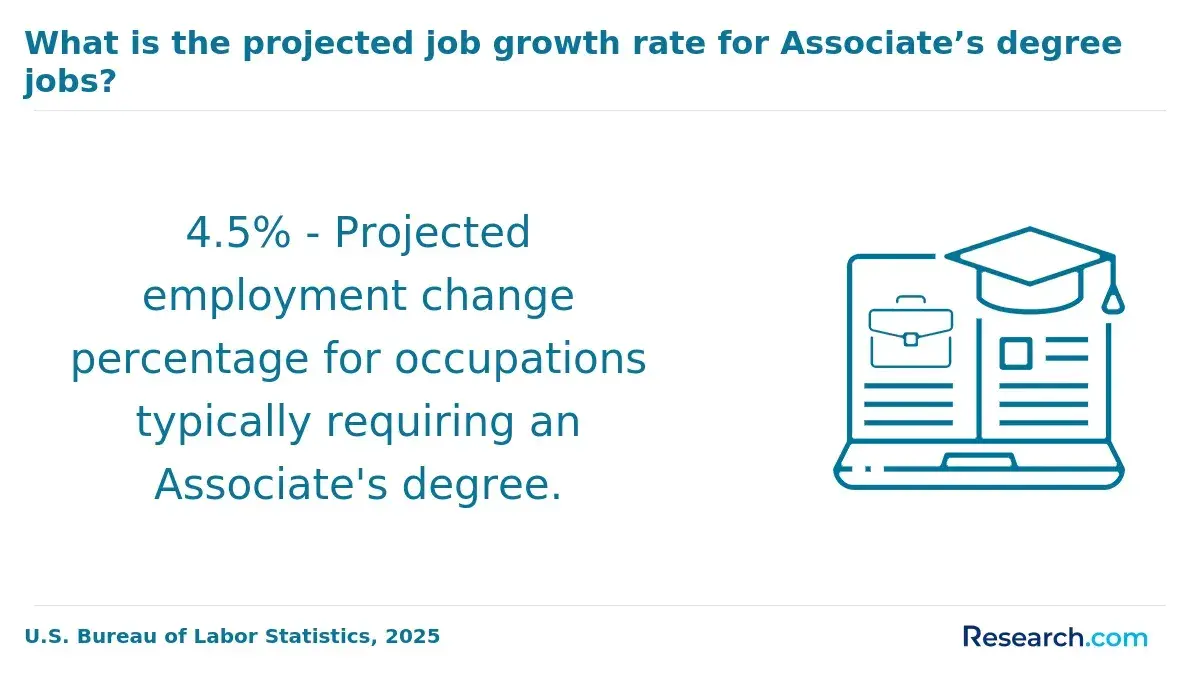
2026 Update: Online Studio, Software, and Portfolio Readiness Checks
For 2026, this section adds a practical review of what students should confirm before enrolling in a no-prerequisite online BFA program, especially when coursework depends on digital tools, studio access, and creative project submission.
- Whether required software is included, discounted, or paid separately by the student
- Minimum computer, tablet, camera, or scanner requirements for studio and design courses
- Expected art supplies, production materials, or home workspace needs by concentration
- How critiques are handled, including live sessions, recorded feedback, or peer reviews
- Whether students build a professional portfolio throughout the program, not only at the end
- Policies for submitting large media files, original artwork, or time-based projects online
Checking these details helps students avoid surprise costs and choose a program that matches their creative goals, available equipment, and preferred way of learning online.
How Do Open-Admission Policies in Online BFA (Bachelor of Fine Arts) Programs Differ From Traditional Selective Admissions?
Open-admission policies for online bfa programs allow students to enroll without meeting specific academic prerequisites or portfolio requirements, contrasting sharply with selective admissions that demand demonstrated skills or past achievements. Unlike rolling admissions-which review applicants as they apply but still enforce standards-or conditional admissions that impose probationary conditions, open admission offers immediate access. For instance, Oregon State University's Ecampus clearly lists no formal prerequisites for its art programs on its admissions pages and IPEDS data supports this flexibility. While open admission increases access, it also results in cohorts with widely varying artistic and academic preparedness.
To support this diversity, institutions commonly provide developmental courses, orientation sessions, and advising tailored to help students build essential skills like art techniques or academic writing. These resources aim to level the playing field, compensating for the absence of selective filtering. Students considering open-admission bfa programs should assess whether the less restrictive entry aligns with their ambition for either a flexible learning environment or a competitive, portfolio-driven setting.
- Open Accessibility: Students can enroll without prior coursework or auditions, broadening opportunities for adult learners and career changers.
- Support Systems: Targeted academic supports help students bridge gaps in preparation and improve success rates.
- Admissions Contrast: Unlike selective or conditional models, open admission removes entry barriers but often requires self-motivation to handle varied skill levels.
- Variable Preparedness: Wide-ranging readiness among students means personal evaluation is vital to meet academic and professional goals.
Recent findings from the National Center for Education Statistics show a 12% rise in enrollment of working adults in bachelor's degree programs with open-admission policies over the last five years-a sign of growing demand for adaptable education options.
A professional who pursued an online bfa program with no prerequisites shared that the transition was challenging yet rewarding. He described feeling initially overwhelmed by the mix of skill levels in his classes but found the orientation modules and advising services instrumental in building his confidence. "Not having to worry about a portfolio at the start removed a huge barrier," he said, "but keeping up required real discipline and making full use of the support offered." His experience highlighted how open-admission programs can open doors for career changers willing to invest in their growth despite diverse peer backgrounds.
What Are the Typical Enrollment Requirements for No-Prerequisite Online BFA (Bachelor of Fine Arts) Bachelor's Programs?
The typical enrollment requirements for online BFA bachelor's degree programs with no prerequisites include the following:
- Proof of High School Completion: Applicants generally need to provide a high school diploma or an equivalent credential such as a GED. This requirement remains consistent across most institutions to confirm basic educational readiness, even when admission criteria waive formal prerequisites for online bfa bachelor's programs.
- Minimum Age Requirements: Typically, students must be at least 18 years old to enroll. However, some colleges offer dual-enrollment options, enabling high school students to take college courses simultaneously, increasing access to education for younger learners exploring bfa programs.
- English Language Proficiency: Non-native speakers often must demonstrate their English skills by submitting test scores like TOEFL or IELTS, ensuring they can manage coursework effectively in an English-language environment and meet admission criteria for online bfa bachelor's programs without prerequisites.
- Application Documents: Completing the application form along with submitting official transcripts is standard. Many programs also request a personal statement or portfolio to evaluate artistic talent and motivation-critical components in admission processes within online bfa bachelor's programs.
- Alternative Routes: Students lacking traditional credentials can pursue GED certification or enroll in bridge programs designed to equip them for college-level work. Community colleges and some universities provide foundational courses that help smooth the transition into bfa degree studies, facilitating access to admission without prior coursework.
- Support Services: Many institutions include advising, technical help, and orientation sessions to assist applicants through the enrollment process. These resources improve the chances of success for students navigating the requirements of credits, application preparation, and academic expectations.
For working adults or first-generation students exploring options, it's essential to review what are the best online universities offering nationally accredited programs with open or low-barrier admissions policies that maintain education quality and provide financial aid opportunities.
Are No-Prerequisite Online BFA (Bachelor of Fine Arts) Bachelor's Programs Available at Regionally Accredited Universities?
Regionally accredited institutions uphold rigorous academic standards recognized nationwide, making them essential for students pursuing no-prerequisite online bfa bachelor's programs. This accreditation ensures smoother credit transfer between schools, wider acceptance by employers, and eligibility for federal financial aid, including Pell Grants and student loans. In contrast, national accreditation-common among vocational or for-profit schools-may lack these benefits, making regional accreditation a key factor even for open-admission or low-barrier enrollment programs.
Students can use the U.S. Department of Education's accreditation database and the Council for Higher Education Accreditation (CHEA) directory to confirm a school's regional accreditation status. Choosing regionally accredited schools safeguards degree value and access to necessary resources throughout the educational journey.
- Verify Regional Accreditation: Use official databases to confirm the institution meets recognized regional standards, ensuring academic quality and support.
- Check Credit Transfer Policies: Understand how credits earned will transfer if you switch institutions or advance to graduate studies, preventing loss of progress.
- Confirm Financial Aid Eligibility: Ensure the program qualifies for federal aid, which typically requires regional accreditation, to reduce out-of-pocket costs.
- Review Admission Criteria: Even when programs have no formal prerequisites, verify the application process to ensure genuine open access.
One professional who completed an online bfa program without prerequisites described initial hesitation about program quality but found that regional accreditation made all the difference. She recalled feeling reassured when she confirmed her school's status through official databases, which ultimately gave her confidence in her education's legitimacy. Admitting she faced challenges balancing study with work, she appreciated that the accessible admission process didn't compromise the rigorous instruction or career support she received. Reflecting on her journey, she emphasized that having a degree recognized by employers and eligibility for financial aid were central to her decision and success, proving that no-prerequisite programs can meet high standards when regionally accredited.
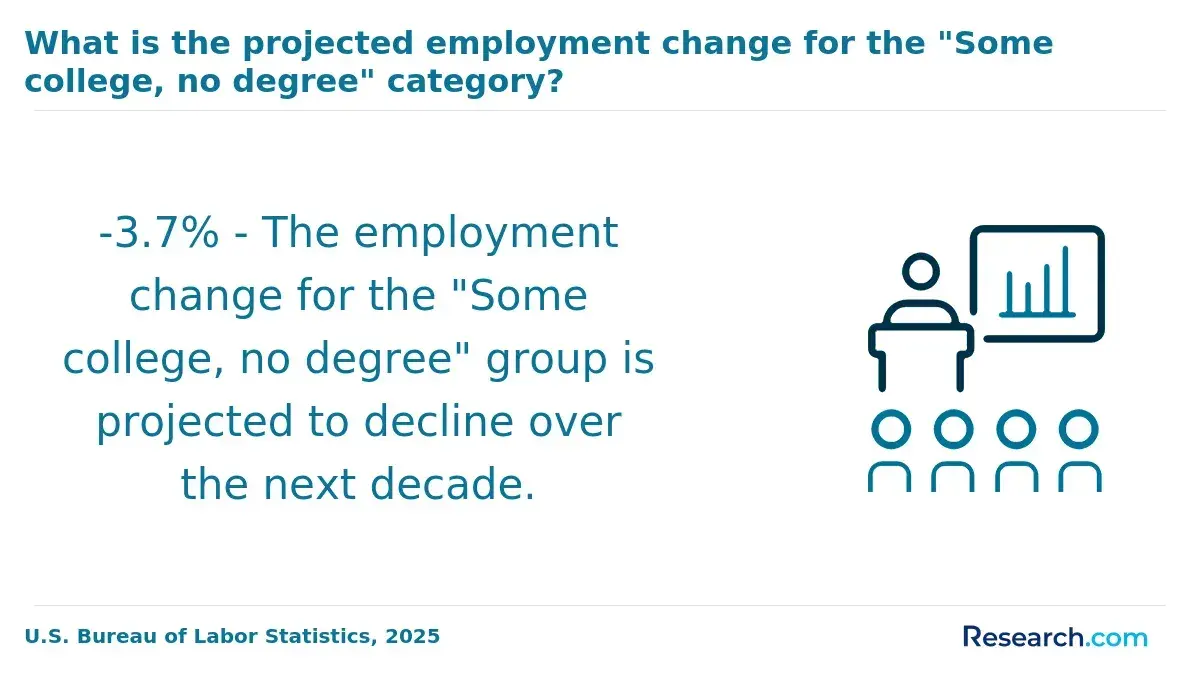
How Do Students Without Academic Prerequisites Catch Up in Online BFA (Bachelor of Fine Arts) Bachelor's Courses?
Many online bfa programs with open admission policies provide essential academic support to help students develop core skills and succeed in their studies. These resources focus on reinforcing foundational knowledge for those without formal prerequisites.
- Developmental Courses: Foundational classes in areas such as academic writing, art history, and digital media fundamentals help students build a strong skill base before progressing to advanced coursework. Institutions like Southern New Hampshire University and the Academy of Art University offer these online preparatory modules to support learner readiness.
- Personalized Tutoring: Targeted tutoring options allow students to receive one-on-one guidance in challenging subjects like drawing, portfolio creation, and art theory. For example, Full Sail University provides accessible on-demand tutoring tailored specifically for online bfa learners.
- Peer Mentoring: Students benefit from connections with peers who have navigated similar academic paths. Learning communities, such as those found at the University of Florida Online, formalize peer mentoring to share strategies and boost motivation.
- Self-Assessment Tools: Diagnostic quizzes and reflective surveys enable prospective and current students to evaluate their academic readiness and identify areas to strengthen proactively.
- Retention Outcomes: Data from the 2023 National Survey of Student Engagement indicates that online students engaging with robust support services enjoy a 20% higher retention rate and improved graduation success compared to those without such resources.
Encouraging early and regular use of developmental courses, tutoring, and mentoring empowers students-especially first-generation learners and career changers-to close educational gaps and build confidence in their creative and scholarly abilities.
What Support Services Help No-Prerequisite Students Succeed in Online BFA (Bachelor of Fine Arts) Bachelor's Programs?
Students enrolled in no-prerequisite online bfa (Bachelor of Fine Arts) programs benefit from a broad range of student support services designed to address academic challenges and personal needs. These services help maintain student engagement, an important factor since retention rates improve significantly when learners receive tailored support during their studies.
- Academic Advising: Personalized guidance helps students select courses that align with their artistic goals and skill levels. Advisors aid in navigating degree requirements and provide workload management strategies essential for those new to fine arts study.
- Mental Health Resources: Programs increasingly offer virtual counseling, stress management workshops, and crisis support to address anxiety and stress common among online learners balancing multiple responsibilities.
- Disability Accommodations: Accredited online bfa programs ensure equitable education through extended test times, accessible course materials, and other tailored accommodations for students with disabilities.
- Career Counseling: Services include portfolio development, targeted job search strategies, and networking opportunities within creative industries. Many programs offer virtual fairs and one-on-one coaching tailored to fine arts careers.
- Flexible Virtual Support: Asynchronous tutoring, recorded workshops, and online discussion boards allow students to seek help on their own schedules-crucial for working adults and caregivers studying during nontraditional hours.
According to U.S. News Best Online Bachelor's Programs data, institutions with nationally recognized student support infrastructures consistently demonstrate higher retention and graduation rates. Investing in programs with strong support services can dramatically lower dropout risks for no-prerequisite bfa students navigating online study for the first time. These services ensure that working adults, first-generation students, and career changers receive the guidance necessary to complete their degrees successfully.
Can Transfer Credits or Prior Learning Assessments Replace Prerequisites in Online BFA (Bachelor of Fine Arts) Programs?
Many online bachelor of fine arts programs offer transfer credits and Prior Learning Assessments (PLA) as alternatives to traditional prerequisite courses, which helps students save time and tuition costs. Transfer credits usually come from previously completed college classes, while PLA evaluates knowledge gained outside formal education, including work experience, military service, or professional certifications. These options expand access for working adults and career changers reentering higher education.
Institutions with flexible PLA and transfer credit policies often accept credit by examination through CLEP (College Level Examination Program) and DSST (DANTES Subject Standardized Tests), both recognized by the American Council on Education (ACE). The ACE credit recommendation framework standardizes how workplace training, military service, and certifications translate into academic credit for bachelor of fine arts programs. Additionally, portfolio assessments or documentation of artistic accomplishments frequently serve as valid PLA routes to waive prerequisites.
Schools known for accommodating transfer credits and PLA, like Thomas Edison State University, Charter Oak State College, and Excelsior College, typically accept up to 90 credits from these sources. Most online bachelor of fine arts programs cap transferable credits at 75% or fewer of degree requirements to maintain academic quality. Students should carefully document prior learning-official transcripts, detailed work or military records, and portfolios-to maximize prerequisite waivers.
Recent data shows over 20% of adult learners use PLA credits to shorten degree timelines, underscoring a growing adoption of competency-based education in the arts.
- Transfer Credit Flexibility: Many online bachelor of fine arts programs accept college-level credits from accredited institutions, reducing prerequisite coursework and accelerating degree completion.
- Prior Learning Assessment Options: CLEP, DSST, and portfolio reviews provide pathways to earn credit for professional and experiential learning.
- ACE Framework: The American Council on Education provides standardized credit guidelines for workplace, military, and certification learning relevant to bachelor of fine arts curricula.
- Documentation Importance: Thorough, organized evidence of prior learning is crucial for gaining prerequisite waivers and maximizing credit transfer.
- Institutional Credit Limits: Schools generally limit credits from PLA or transfer sources to between 50%-75% of total degree credits, ensuring rigorous standards.
Prospective students seeking widely accessible options with minimal prerequisites can also explore resources tailored to adult learners, such as online mba programs in operations management, which often mirror flexible credit transfer policies found in bachelor of fine arts pathways.
What Is the Average Time to Completion for No-Prerequisite Online BFA (Bachelor of Fine Arts) Bachelor's Degree Programs?
Most online BFA (Bachelor of Fine Arts) bachelor's degree programs follow a standard 120-credit-hour framework, which generally corresponds to a four-year full-time schedule. However, the average time to complete no-prerequisite online BFA programs varies significantly depending on enrollment pace, term length, and whether students have prior credits. Enrollment as a part-time student or taking breaks can extend completion times, while full-time students often finish on schedule.
Accelerated online BFA programs with eight-week terms, competency-based education, and year-round enrollment are increasingly available. Institutions such as Savannah College of Art and Design (SCAD) and Academy of Art University offer these pathways, enabling students to complete degrees in two to three years. Data from these schools highlight the effectiveness of continuous course enrollment in shortening graduation timelines. The typical duration of online BFA bachelor's degree without prerequisites can thus be reduced by selecting programs with accelerated term schedules.
IPEDS completion data reveal that open-admission online programs without prerequisites tend to have longer average graduation timelines than selective-admission schools. Open admission enhances access for nontraditional students but often results in more part-time attendance and interruptions. In contrast, selective-admission programs frequently provide more structured support that helps learners progress more quickly. For individuals seeking a college with low gpa, understanding these differences is crucial for planning.
Time to completion substantially affects total tuition costs and opportunity costs-such as lost income or delayed career advancement. Prospective students must consider these factors alongside financial aid availability, credit transfer potential, and student support services when choosing a program.
- Credit Hour Standard: A BFA degree generally requires 120 credit hours, setting the baseline for full-time students aiming for four years to graduate.
- Enrollment Pace: Completion time varies widely based on whether students enroll full-time or part-time; accelerated options speed progress.
- Term Length Flexibility: Programs offering shorter, eight-week or year-round terms enable faster course completion than traditional semesters.
- Prior Credits: Transfer and prior credits reduce required coursework and can shorten time to graduation.
- Admission Type Impact: Open-admission policies increase accessibility but may extend degree timelines; selective admissions often enhance on-time completion.
- Cost Considerations: Faster finish times mean lower tuition and opportunity costs, critical for financial planning.
How Does Tuition Compare Between No-Prerequisite and Standard Online BFA (Bachelor of Fine Arts) Bachelor's Programs?
Tuition rates for online bfa programs without admission prerequisites are generally similar or slightly lower per credit hour than those for selective-admission programs, especially when offered by public or open-access schools.
- Tuition Rates: Open-admission programs often provide more affordable base pricing, reflecting their broader access policies.
- Extra Fees: Many no-prerequisite options require additional charges for foundational or developmental courses that selective programs usually skip, increasing overall expenses despite lower credit costs.
- Institutional Type: Public universities with open enrollment typically charge less, while private, selective institutions set higher prices tied to specialized faculty, smaller classes, and enhanced facilities.
- Funding Sources: Selective programs may offset tuition costs through donations, endowments, and grants, whereas open-admission schools depend more heavily on tuition revenue, impacting fee structures.
- Program Delivery: Prices can fluctuate based on online program intensity and available support, like tutoring and advising, which may add to fees regardless of admission criteria.
- Cost Evaluation: Students should estimate total degree expenses-including all fees and possible extra coursework-instead of focusing only on per-credit charges to make well-informed decisions.
Which Online BFA (Bachelor of Fine Arts) Bachelor's Programs Allow Students To Start Without A High School Diploma Or GED?
Many accredited online bfa programs admit students who hold a high school equivalency credential, such as a GED or HiSET, broadening access for non-traditional learners. These programs often treat these credentials as equal to a traditional diploma, but applicants typically must submit official test results during the application process. Some institutions may require additional documentation to demonstrate academic readiness beyond the equivalency credential.
- Conditional Enrollment: Certain schools provide provisional acceptance to GED holders, requiring completion of orientation sessions or placement exams prior to full enrollment. This helps ensure students have the foundational skills needed for success in bfa coursework.
- International Students: Applicants who completed secondary education outside the U.S. usually need to submit evaluations from approved credential agencies. Programs sometimes accept recognized foreign equivalents in place of a U.S. diploma or GED.
- Accreditation Assurance: Despite flexible admission policies, reputable online bfa programs maintain regional or national accreditation to guarantee academic quality and degree recognition by employers.
- Student Support: Many programs offer targeted tutoring, mentoring, and career services aimed at supporting GED students' academic progress and professional outcomes.
- Financial Aid Eligibility: Students with a GED enrolled in accredited online bfa programs generally qualify for federal aid, scholarships, and grants, easing educational costs.
- Credit Transfers: Some programs accept transfer credits from community colleges or prior learning, reducing time and expense toward graduation.
What Graduates Say About Their Online BFA (Bachelor of Fine Arts) Bachelor's Degree Program With No Prerequisites
- Kian: "Choosing the online bfa (Bachelor of Fine Arts) program with no prerequisites was a game-changer for me because it allowed me to start my artistic career without delays or prior formal experience. The affordability of the program made it accessible while providing quality education that respected my busy schedule. Since graduating, I've noticed a significant boost in both my creative confidence and my professional opportunities in the design industry."
- Leonard: "Reflecting on my journey, the decision to enroll in the online bfa program without any prerequisite demands was driven by the flexibility it offered me as a working professional. The cost was reasonable compared to traditional programs, which made balancing finances and studies manageable. Pursuing this degree expanded my network and skillset, enabling me to transition smoothly into freelance illustration with a solid foundation and credentials."
- David: "From a practical standpoint, the appeal of the online bfa with no prerequisite was the direct access to structured curriculum without needing prior coursework. The pricing was transparent and competitive, making it easier to commit financially to my career goals. Professionally, this degree has been instrumental in landing roles that prioritize both creativity and formal education, ultimately elevating my status in the art world."
Other Things You Should Know About BFA (Bachelor of Fine Arts) Degrees
Yes. Many online BFA programs require a senior portfolio, capstone project, or thesis exhibition before graduation, even when they admit students with no prerequisites. Schools often ask for 15 to 30 completed studio credits in the major and a final review by faculty or an external panel.
Graduates can pursue careers in fields like graphic design, illustration, animation, photography, and fine arts education. Some may start freelance projects or enter the creative industry in roles such as art direction or gallery management. The lack of prerequisites allows individuals from diverse backgrounds to develop necessary skills and build professional portfolios for various artistic careers.
To participate, you'll need a reliable computer, high-speed internet, and compatible software for tasks like graphic design or video editing. Specific programs may require additional tools or software, so check the program's technical requirements for precise details before enrolling.
References
- Online Degree Completion Program: BFA in Performing Arts - Manhattan School of Music https://www.msmnyc.edu/admission/college-programs/online-degree-completion-program-bfa-in-performing-arts/
- Bachelor of Fine Arts BFA https://www.auckland.ac.nz/en/study/study-options/find-a-study-option/bachelor-of-fine-arts-bfa.html
- How long is a BFA degree? - Answers https://www.answers.com/performing-arts-ec/How_long_is_a_BFA_degree
- Client Challenge https://www.scribd.com/document/520052920/Bfa-Draw-Paint
- Bachelor of Fine Arts (BFA) | Faculty of Arts https://www.uottawa.ca/faculty-arts/visual-arts/undergraduate-programs/visual-arts
- 15 High-Paying Creative Careers You Can Pursue with a BFA https://aaft.com/blog/fine-art/what-can-you-do-with-a-bfa-15-high-paying-creative-careers/
- College without a High School Diploma with C4L Academy https://chartercollege.edu/news-hub/enroll-college-without-high-school-diploma-through-c4l-academy/
- Distance learning without A-levels: Start now and realize your dream! - Allensbach University https://www.allensbach-hochschule.de/en/distance-learning-without-high-school-diploma/
- Colleges Without High School Diploma or GED 2025 https://www.educationconnection.com/resources/colleges-that-dont-require-high-school-diploma-or-ged/
- The Best Online Degrees for Career Change After 30 | National University https://www.nu.edu/blog/best-online-degrees-for-career-change/