2027 Return on Investment of an Online BFA (Bachelor of Fine Arts) Bachelor's Degree: Salary vs Cost

Co-Founder and Chief Data Scientist
Consider a working professional with a bachelor's degree in an unrelated field seeking to enter the creative arts. They face uncertain returns when evaluating an online bfa (Bachelor of Fine Arts) bachelor's degree-balancing tuition costs against potential earnings. Recent data shows that visual artists with a bachelor's degree earn a median annual wage of $50,550, roughly 20% higher than those without a degree in fine arts-related fields.
This article unpacks how salary prospects compare with educational expenses for online bfa programs and guides readers in assessing whether investing in this degree aligns with their career goals and financial realities.
Key Things to Know About the Return on Investment of an Online BFA (Bachelor of Fine Arts) Bachelor's Degree
- Online BFA tuition varies widely, averaging $15,000 to $40,000-significantly lower than traditional programs-making it more accessible for first-generation and budget-conscious students.
- Graduates' median salaries range from $45,000 to $60,000 annually, depending on specialization and experience-reflecting moderate financial returns balanced against creative career goals.
- Non-financial benefits include improved job security, expanded professional networks, and enhanced opportunities for career advancement in competitive creative industries.
What Is the True Cost of Earning an Online BFA (Bachelor of Fine Arts) Bachelor's Degree From Enrollment to Graduation?
When evaluating the cost breakdown of earning an online BFA bachelor's degree, it's essential to consider both direct and indirect expenses that influence the true investment. These factors help establish a comprehensive baseline for return on investment online BFA degree cost analysis beyond just tuition.
- Tuition Fees: Published tuition varies considerably, generally ranging from $15,000 to $50,000 for the entire online BFA program. However, according to data from the National Center for Education Statistics and IPEDS, many students pay 25% to 40% less due to grants and scholarships, with net prices differing by institution and financial background.
- Technology Costs: Reliable computers, high-speed internet, and often specialized software for artistic creation or virtual classrooms add $500 to $1,500 to the total. These expenses are frequently overlooked but are critical for successful online learning.
- Textbooks and Course Materials: Beyond traditional textbooks, specialized art supplies and digital resources are required. Annual costs for these materials typically fall between $500 and $1,200 and should be factored into budgeting.
- Proctoring and Fees: Additional fees for online exam proctoring or access to course platforms can range from $50 to $300 per semester. Students should research institution-specific charges that may not be included in base tuition.
Combining these expenses, the total cost of an online BFA degree generally ranges from $18,000 to $60,000 from enrollment through graduation. This realistic cost framework supports informed decisions when weighing salary outcomes and career growth tied to earning this degree. Those seeking advanced credentials might also explore an easy masters degree for further professional development opportunities.
How Does the Starting Salary for BFA (Bachelor of Fine Arts) Bachelor's Degree Graduates Compare to the Total Cost of the Degree?
The starting salary for graduates holding a bfa (Bachelor of Fine Arts) bachelor's degree varies by career but generally falls between $35,000 and $45,000 annually according to Bureau of Labor Statistics (BLS) Occupational Outlook Handbook data. Entry-level roles such as graphic designers and fine artists typically earn around $38,000 per year.
Considering the wide range in the average total cost of an online bfa degree-from roughly $20,000 with low tuition and significant financial aid to more than $60,000 without aid-the time to recoup this investment varies. This affects the comparative return on investment for online BFA bachelor's degree programs in the United States, an important factor for budget-conscious students.
In best-case scenarios, graduates might offset the cost of their degree in approximately 6 to 8 months of gross starting salary; in the worst cases, it may take upward of 18 months. These estimates focus on gross annual salary and do not include taxes or living expenses.
Over time, projected salary increases and advancement into specialized or managerial positions can significantly improve these financial outcomes, with earnings potentially doubling within 5 to 10 years. This growth supports better long-term financial stability, making the degree a valuable investment beyond initial costs.
Beyond salary, a BFA degree offers benefits like career advancement and job security, which complement the financial returns. Students exploring their options should also consider programs like an online counseling degree for related educational pathways.
- Starting Salary Range: Median entry-level salaries for common bfa careers like graphic design and fine art range from $35,000 to $45,000 annually, based on BLS data.
- Cost Variation: Online bfa degree costs vary widely-from $20,000 with low tuition and aid up to $60,000 without aid-directly impacting payback time.
- Payback Period: Depending on tuition and aid, graduates need 6 to 18 months of gross starting salary to recover degree costs.
- Salary Growth Potential: Mid-career salary increases often double earnings within 5 to 10 years, improving overall return on investment.
- Beyond Finances: The degree also provides non-financial advantages like enhanced job security, professional development, and career advancement opportunities.
What Is the Average Return on Investment (ROI) for an Online BFA (Bachelor of Fine Arts) Bachelor's Degree Over a 10-Year Career?
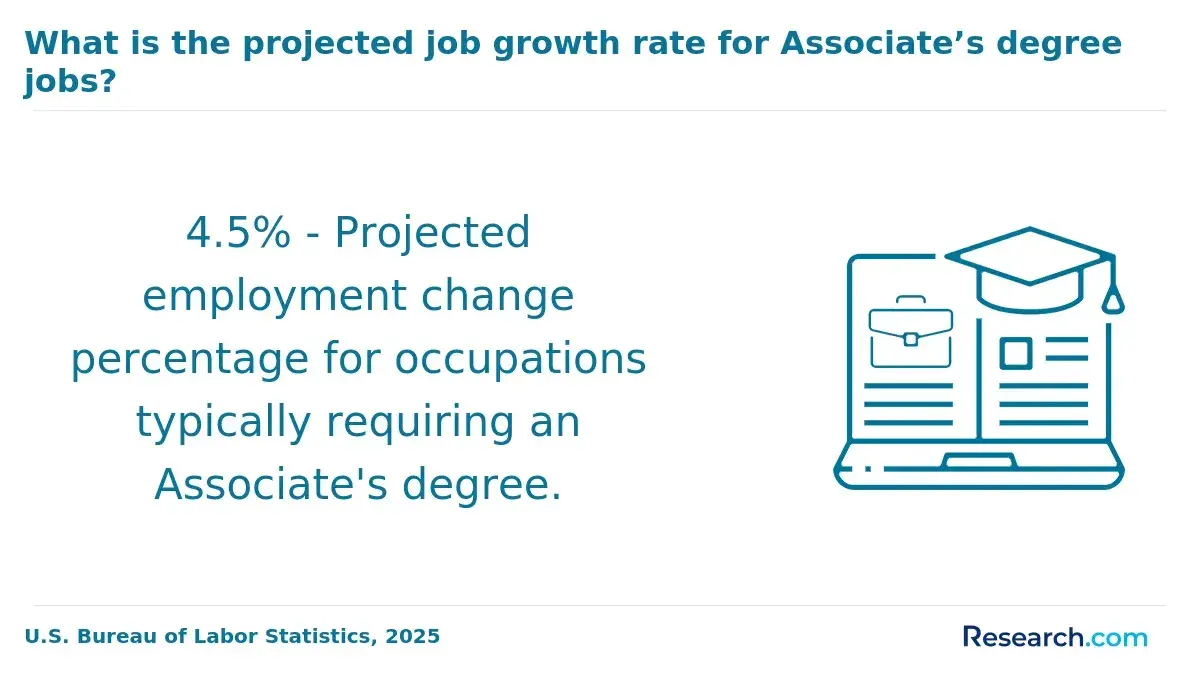
Return on investment (ROI) in higher education measures the financial benefits gained from obtaining a degree relative to its total costs. For an online bfa bachelor's degree, ROI compares the extra earnings accumulated over ten years against the expenses of tuition, fees, and related costs, offset by what someone with only a high school diploma or associate degree would earn in the same field.
Data from the Georgetown University Center on Education and the Workforce shows most bachelor's degrees yield a positive ROI within a decade, though this varies widely depending on the major.
Using median wage figures from the Bureau of Labor Statistics for bfa-related careers like graphic designers, fine artists, and multimedia artists, starting salaries hover around $50,000 annually. Accounting for a 3% yearly raise, total earnings over ten years can surpass $550,000.
Subtracting an average total online bfa degree cost near $50,000 and comparing this to the roughly $30,000 starting salary of a high school graduate with minimal wage growth, the net additional earnings gap is about $200,000. This indicates a solid but typically modest ROI compared to STEM degrees, which often see higher returns.
- Cost Factors: Tuition and fees for an online bfa degree typically range from $30,000 to $60,000, a key variable influencing overall ROI.
- Earnings Growth: While initial median wages in bfa fields may be modest, steady increases occur with experience and specialization.
- Comparative ROI: The bfa degree offers positive returns but generally trails the national average ROI for bachelor's degrees, which is about $380,000 over ten years.
- Non-Financial Returns: Benefits beyond salary include greater job security, opportunities for leadership in creative fields, and continued professional development.
A professional who enrolled in an online bfa bachelor's program after carefully weighing its cost against prospective earnings shared that the decision wasn't straightforward. "I had to balance passion with practicality," he explained, reflecting on the challenge of budgeting for tuition while working full time. Despite moments of doubt, he found the program's flexibility essential, allowing him to advance his skills without sacrificing income.
He noted that understanding the long-term financial gains helped keep him motivated during tougher periods when juggling studies and work felt overwhelming. His experience confirms that a clear-eyed assessment of ROI helped him commit to a path that combined creative fulfillment with financial prudence.
How Do Online BFA (Bachelor of Fine Arts) Program Tuition Rates Compare Across Public, Private, and For-Profit Institutions?
Tuition is just one factor when comparing online BFA programs. Public, private nonprofit, and for-profit schools differ in cost, graduation rates, and career outcomes. Evaluating these differences helps students balance affordability with long-term job prospects and professional growth.
- Private Nonprofit Schools: Tuition at private nonprofit institutions can be significantly higher, often falling between $20,000 and $40,000 yearly for online bfa programs. These schools often provide enhanced academic resources, smaller classes, and valuable alumni networks that may contribute to career advancement, though the steeper price demands careful consideration of potential salary outcomes and professional growth opportunities.
- Public Institutions: Public universities generally offer the most affordable option for online bfa tuition comparison by institution type, especially for in-state students benefiting from flat-rate online tuition. Annual costs typically range from $7,000 to $15,000, making these programs appealing to students with tight budgets who seek credible qualifications and a balanced return on investment.
- For-Profit Colleges: While for-profit colleges may promote lower tuition fees competitive with public in-state rates, students should be cautious given data from IPEDS and other sources. These institutions tend to report lower graduation rates and face employer skepticism, which might hinder salary potential and job placement success-factors critical when evaluating long-term ROI beyond upfront savings.
Choosing an online bfa program requires weighing cost differences for online bfa programs public vs private vs for-profit alongside career outcomes and job security. Public universities often strike a strong balance between affordability and employer reputation.
Private nonprofit colleges might justify higher tuition through professional networking and advancement. For those seeking budget-friendly options, reviewing the cheapest online construction management degree rankings offers insight into cost-effective degrees, illustrating how tuition interacts with career value.
What Long-Term Salary Growth Can BFA (Bachelor of Fine Arts) Bachelor's Degree Holders Expect Over a 20- to 30-Year Career?
Salary growth for bfa bachelor's degree holders typically unfolds gradually over a multi-decade career, influenced by experience, specialization, and industry shifts. In the initial five years, earnings rise steadily but modestly as graduates build foundational skills and network within creative fields like fine arts, graphic design, or animation.
- Early Career Growth: Salary increases are slow but consistent while professionals focus on developing portfolios and establishing industry connections.
- Mid-Career Acceleration: Around the 10-year mark, income growth often quickens, reflecting advancement into roles such as art director or senior designer and opportunities for higher-paying freelance projects.
- Peak Earnings Plateau: After 15 to 20 years, many reach their highest salary range, though those who expand into areas like teaching, management, or entrepreneurship may see continued gains, albeit at a slower pace.
- Mid-Career Salary Benchmarks: According to the American Community Survey and PayScale data, mid-career bfa professionals earn median salaries typically between $45,000 and $60,000, depending on locality and focus.
- Cumulative Lifetime Earnings Premium: Over 30 years, earning potential for bfa holders generally exceeds comparable non-degree holders by $400,000 to $700,000, boosted by greater job stability and advancement possibilities.
A professional who completed an online bfa program shared how the early years were marked by uncertainty and financial constraints, requiring persistent effort to find reliable work. "It wasn't just about talent-it was learning how to market myself and build relationships," she recalled.
Over time, gaining confidence and strategic career moves helped her steadily increase income, ultimately enabling career sustainability and personal satisfaction. Her experience underscores that while growth is seldom rapid initially, disciplined progression and skill diversification are key to long-term success in creative industries.
How Does the ROI of an Online BFA (Bachelor of Fine Arts) Bachelor's Degree Compare to an Associate Degree or a Professional Certificate?
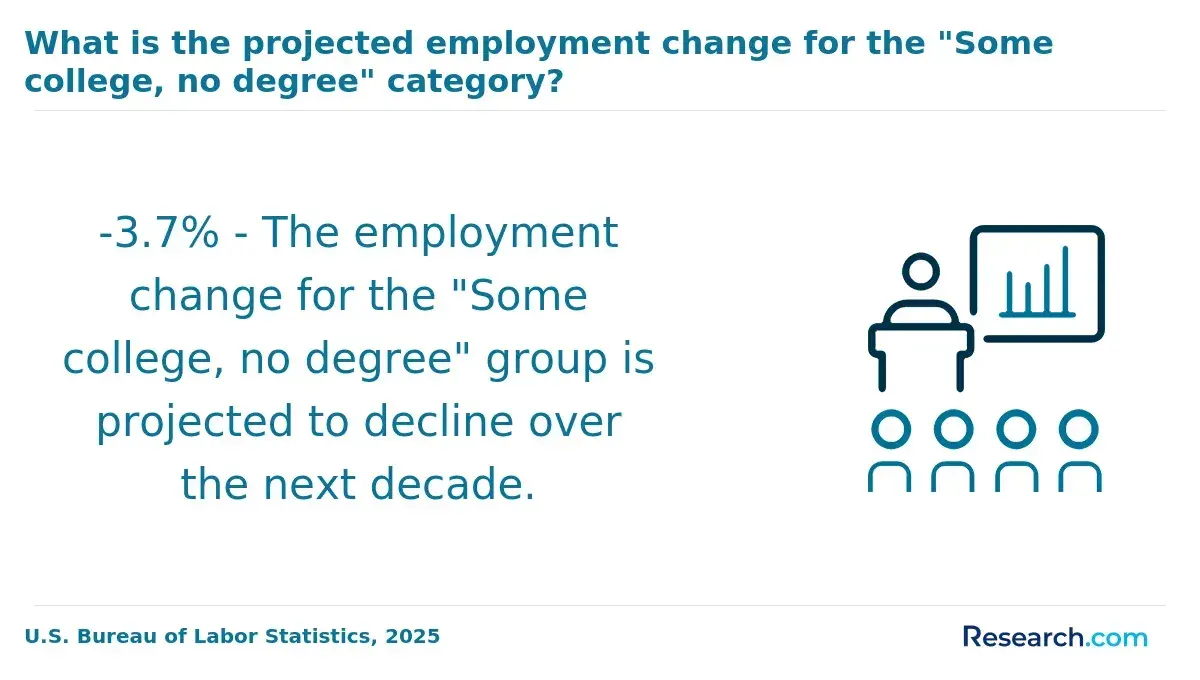
Tuition for online BFA bachelor's programs generally exceeds that of associate degrees and certificates, with average total costs for bachelor's degrees ranging from $40,000 to $70,000. In contrast, associate programs often cost between $10,000 and $25,000, while certificates are typically the least expensive, resulting in a more manageable upfront investment for shorter credentials.
The Bureau of Labor Statistics shows that those holding bachelor's degrees in fine arts fields earn median salaries about 15% to 30% higher than individuals with associate degrees or certificates. This salary gap tends to grow as bachelor's degree holders access higher-level positions with increased responsibilities, reflecting the added value of a full undergraduate education.
For students who need rapid workforce entry or who face budget constraints, associate degrees or certificates can be advantageous by providing faster completion times and quicker access to jobs. These options minimize debt accumulation and offer reasonable starting salaries that suit immediate financial needs.
Meanwhile, an online bfa degree often offers stronger prospects for long-term career progression, improved job stability, and leadership roles in creative industries. Employers frequently prioritize bachelor's graduates for positions involving project oversight, higher creative input, and teaching, which can offset initial costs over time through greater earning potential and professional growth.
- Decision Framework: Evaluate your current financial capacity and career goals by balancing quick affordability with anticipated salary growth.
- If entering the workforce without significant debt and acquiring foundational skills matters most, an associate degree or certificate might be the better fit.
- If your aim is sustained career advancement, enhanced professional development, and higher lifetime earnings, investing in a bachelor's degree could yield a superior return.
Beyond finances, bachelor's degree holders benefit from expanded networking, broader curricula, and deeper professional development resources, all of which contribute to resilience and adaptability in evolving creative fields over the long term.
Which Online BFA (Bachelor of Fine Arts) Specializations or Concentrations Yield the Highest Earning Potential After Graduation?
Graduates earning an online bfa (Bachelor of Fine Arts) degree with specialized concentrations often experience varying salary outcomes that significantly affect their return on investment. Selecting a concentration wisely can maximize both earning potential and career growth.
- Animation and Motion Arts: This specialization prepares students for roles in film, gaming, and advertising. According to Bureau of Labor Statistics (BLS) data for multimedia artists and animators, median salaries range from $65,000 to $85,000. Skills in 3D modeling and visual effects tend to command higher wages compared to general bfa graduates.
- Graphic Design: With a median annual wage near $53,000, graphic design careers span branding, marketing, and digital products. Those proficient in UX/UI design or digital product development often enjoy a salary premium. However, earning additional certifications increases upfront costs but enhances long-term earnings.
- Illustration: Illustrators typically earn median salaries around $54,000 in publishing, advertising, and entertainment. Proficiency in animation or digital tools generally leads to better pay than for general art degree holders.
- Art Education: Starting salaries usually range from $49,000 to $58,000, reflecting strong job stability in schools and community programs. Nevertheless, certification and licensure requirements add to time and financial investment before entering the workforce.
- Photography: Commercial and industrial photography roles yield initial earnings between $40,000 and $60,000. Growth depends on portfolio strength and specialized training.
Specializations emphasizing technology and commercial art fields provide a notable salary advantage over more general bfa tracks. Candidates with prior experience or industry certifications can reduce time-to-roi by entering higher pay brackets with fewer additional expenses. Conversely, fields requiring licensure or extensive certification, such as art education, increase total investment and should be carefully weighed against expected financial returns and career goals.
How Do Employer Tuition Reimbursement and Financial Aid Reduce the Net Cost of an Online BFA (Bachelor of Fine Arts) Bachelor's Degree?
Employer tuition reimbursement programs provide a powerful way to lower the net cost of an online BFA (Bachelor of Fine Arts) bachelor's degree for working professionals and first-generation college students. Under IRS Section 127, employers can offer up to $5,250 annually in tax-free tuition assistance.
This benefit often covers a significant portion of tuition, especially for online bfa programs designed to support career advancement. According to the Society for Human Resource Management (SHRM), nearly 60% of U.S. employers provide some form of tuition assistance, demonstrating its prevalence as a valuable resource for students balancing work and education.
Beyond employer benefits, federal and institutional financial aid options further reduce the overall expense of an online bfa bachelor's degree. Grants and scholarships provide non-repayable funds that directly lower tuition charges.
Subsidized federal student loans offer low-interest borrowing with deferred repayment until after graduation. Additionally, many colleges provide need-based aid targeted specifically at online students. Together, these resources can dramatically reduce out-of-pocket tuition costs.
For example, consider a student with an annual tuition of $10,000 for an online bfa program. If their employer reimburses $5,250 under IRS guidelines, and the student receives a $3,000 federal grant along with $1,500 in scholarships, their remaining cost would be just $250. Over a typical four-year degree, these combined savings could exceed $38,000, allowing students to pursue quality education without incurring substantial debt. Those examining financial aid options for reducing the cost of an online bfa bachelor's degree should also explore specialized programs such as crypto degrees for additional career benefits.
- Employer Tuition Reimbursement: Many employers provide tuition benefits up to IRS limits, significantly lowering education expenses for employees pursuing online bfa degrees during or outside work hours.
- Prevalence of Benefits: Nearly 60% of U.S. employers offer tuition assistance, making it a common and accessible support tool for online bfa students aiming to reduce debt and accelerate degree completion.
- Federal and Institutional Aid: Grants, scholarships, and subsidized loans complement employer reimbursement, yielding a much lower net tuition cost than the initial sticker price.
- Reduced Out-of-Pocket Costs: Combining employer reimbursement with financial aid can decrease education costs by over 75%, enabling students to invest more confidently in their online bfa education.
- Example Scenario: A student paying $10,000 annually might owe only $250 after accounting for employer benefits and federal aid, facilitating affordable access to quality online bfa programs without excessive borrowing.
What Hidden Costs Should Students Factor Into the Total Investment of an Online BFA (Bachelor of Fine Arts) Bachelor's Degree?
When budgeting for an online BFA (Bachelor of Fine Arts) degree, students often overlook significant additional expenses beyond tuition that can add up and impact the total cost. These hidden costs-technology fees, proctoring services, graduation fees, course-specific software licenses, and professional organization memberships-may increase your financial commitment by $1,000 to $2,500 or more throughout the program, based on College Board and institutional disclosures.
Technology fees typically range from $50 to $200 per semester, covering essential digital platforms and software access for remote learning. Proctoring and exam costs, often $30 to $100 per test, accumulate when multiple assessments require paid supervision. Graduation fees, charged at $100 to $300, cover diplomas and ceremonies and can catch students by surprise near program completion.
Course-specific software licenses such as Adobe Creative Suite or specialized design tools may require an additional investment of $100 to $600 annually. While optional, joining professional organizations related to fine arts can further support career advancement but might cost between $50 and $150 each year. These supplementary expenses extend the break-even timeline-the point when increased earnings offset total education costs-by several months.
For students considering the hidden costs of online BFA degree programs, it is vital to request a comprehensive cost-of-attendance breakdown that goes beyond tuition to include all fees. This approach helps ensure sound financial planning and informed decision-making aligned with career goals. For those weighing options, comparing verified salary outcomes with expenses can clarify the value proposition, similar to researching an electrical engineering degree online admissions process.
- Technology Fees: Semester-based fees from $50 to $200 cover necessary digital learning tools and platforms that support online coursework.
- Proctoring and Exam Costs: Online exam supervision fees between $30 and $100 per test add up with multiple courses requiring these paid services.
- Software Licenses: Essential creative software licenses often add $100 to $600 annually, critical for completing course work but increasing overall expenses.
- Graduation Fees: Charges of $100 to $300 for diplomas and ceremonies can surprise students toward the end of their degree program.
- Professional Memberships: Optional memberships assist professional development and typically cost $50 to $150 per year, supporting long-term career growth.
How Does the Accreditation Status of an Online BFA (Bachelor of Fine Arts) Program Affect Graduate Salary and Employability?
Regional accreditation evaluates entire institutions and is widely valued by employers for its broad, rigorous quality standards. Programmatic accreditation, in contrast, targets specific programs like art or design, confirming specialized training quality. Both types matter, but regional accreditation provides graduates with stronger recognition and often more benefits, such as eligibility for federal funding and transfer opportunities.
Surveys from the National Association of Colleges and Employers (NACE) and SHRM show hiring managers prefer candidates from regionally accredited schools. Degrees from non-accredited or only nationally accredited institutions may raise doubts about curriculum rigor and practical skills, lowering salary offers and reducing job prospects. This is especially true in competitive creative fields, where employers weigh the legitimacy of credentials heavily.
Graduates from unaccredited programs may also face barriers to licensure exams, advanced degree enrollment, and employment in government or healthcare sectors that mandate accredited qualifications. Verification of accreditation through the U.S. Department of Education or the Council for Higher Education Accreditation (CHEA) databases is essential before enrolling to protect investments and future flexibility.
- Regional vs. Programmatic Accreditation: Regional accreditation covers overall institutional quality, while programmatic accreditation certifies specific program standards within schools, both supporting graduate credibility.
- Employer Preferences: Hiring managers favor degrees from regionally accredited institutions, linking accreditation to higher salary potential and better career opportunities.
- Licensure and Graduate School Access: Lack of appropriate accreditation can disqualify graduates from licensure exams and advanced academic pathways.
- Career Limitations: Jobs in government, healthcare, and certain creative industries often require degrees from accredited programs, limiting opportunities without them.
- Verification Tools: The U.S. Department of Education and CHEA offer reliable accreditation databases to help prospective students confirm accreditation status before committing.
What Entry-Level Job Titles and Salary Ranges Are Available to Graduates of Online BFA (Bachelor of Fine Arts) Bachelor's Programs?
Graduates holding an online BFA (Bachelor of Fine Arts) degree find themselves navigating a wide array of entry-level roles that reflect both artistic talent and formal training. Median starting salaries vary depending on occupation and industry, informing the expected timeline to recoup educational expenses.
- Graphic Designer: Starting pay generally ranges from $40,000 to $50,000, with tech and marketing firms frequently offering the highest entry-level wages.
- Art Director Assistant: Entry salaries fall between $45,000 and $55,000, often more competitive within advertising and media organizations.
- Animator: Compensation typically ranges from $45,000 to $60,000, with the entertainment and gaming industries leading in pay.
- Illustrator: Median salaries start near $35,000 to $45,000 and peak higher in publishing and advertising sectors.
- Gallery Assistant: Earnings usually hover between $30,000 and $40,000, mainly in museums and educational settings.
- Photography Assistant: Pay often ranges from $30,000 to $45,000, with opportunities concentrated in commercial, fashion, and media fields.
- Multimedia Artist: Typical starting salaries fall between $40,000 and $55,000, boosted in tech and entertainment contexts.
- Art Educator (K-12): Starting wages range from $40,000 to $50,000, primarily within public schools and private educational institutions.
Internships, specialized certifications such as Adobe Creative Suite mastery, and focused study areas like digital media or animation can elevate early-career salaries and shorten the time required to recover degree costs. Recognizing where each role fits within this salary spectrum enables students and career changers to choose programs offering the best mix of professional opportunity and financial return.
What Graduates Say About the Return on Investment of Their Online BFA (Bachelor of Fine Arts) Bachelor's Degree
- Kian: "Choosing the online bfa (Bachelor of Fine Arts) program was a careful decision-I weighed the cost against the potential for career growth and realized the flexible schedule allowed me to keep working while building skills. The return on investment wasn't just financial; I gained industry connections and a portfolio that opened doors to freelance opportunities. Today, my career trajectory is far more promising thanks to the program's blend of practical learning and creative exploration."
- Leonard: "Reflecting on my journey, the online bfa (Bachelor of Fine Arts) degree provided more than I initially expected. Beyond the reasonable tuition, the program delivered invaluable career advancement opportunities and enhanced job security by equipping me with a diverse skill set. This degree truly expanded my professional horizons and gave me confidence to pursue unique projects I wouldn't have considered before."
- David: "From a professional standpoint, investing in an online bfa (Bachelor of Fine Arts) was one of the smartest moves I made. The program's flexible format allowed me to balance work and study efficiently, while the curriculum's relevance ensured I stayed competitive in the creative job market. The non-financial returns such as improved creative thinking and networking have been indispensable in elevating my design career."
Other Things You Should Know About BFA (Bachelor of Fine Arts) Degrees
On average, graduates with an online Bfa bachelor's degree can expect to recoup their tuition costs within 6 to 10 years through increased earnings. This varies based on factors such as the total debt incurred, salary growth, and job placement rate. While some graduates in highly competitive creative industries may take longer, others benefit from steady income gains that accelerate repayment.
An online BFA should come from a school accredited by a U.S. Department of Education–recognized institutional accreditor, with programmatic accreditation where available in the fine arts field. This helps employers and graduate schools recognize the degree and supports transfer of credits, licensure review, and long-term earnings potential.
Online BFA programs in 2027 offer financial aid options such as federal student loans, grants, and scholarships. These can significantly enhance the degree's return on investment by reducing upfront costs. Scholarships from arts organizations and institutions can further alleviate financial burdens, optimizing overall value.
Geographic location and industry sector significantly impact salary outcomes for BFA graduates. Urban areas with thriving arts scenes or sectors like graphic design or animation offer higher salaries. Conversely, rural areas or traditional fine arts sectors might offer lower compensation, affecting the degree's ROI in 2027.
References
- Check the Return on Investment (ROI) for Colleges and Academic Majors - The College Solution https://thecollegesolution.com/roi-for-colleges-and-college-majors/
- 15 High-Paying Creative Careers You Can Pursue with a BFA https://aaft.com/blog/fine-art/what-can-you-do-with-a-bfa-15-high-paying-creative-careers/
- Online Bachelors in Fine Arts | AcademicEarth.org https://academicearth.org/bachelors-in-fine-arts/
- Cost of Online Education vs. Traditional Education [2025]: Comparison https://educationdata.org/cost-of-online-education-vs-traditional-education
- Does an Online Degree Provide a Better Return on Investment Than One From a Brick and Mortar School? https://www.collegevaluesonline.com/faq/does-an-online-degree-provide-a-better-return-on-investment-than-one-from-a-brick-and-mortar-school/
- How to Ask Your Employer to Fund Your Education https://www.investopedia.com/articles/professionaleducation/11/convincing-work-fund-education.asp
- 5 Best Online Art Degrees | Find Affordable Options https://www.affordablecollegesonline.org/degrees/art-schools/
- 100 Great Affordable Art Schools for an Undergraduate Degree https://www.greatvaluecolleges.net/affordable/art-music/
- Hidden Costs of Being a Student https://www.campusconnectnamibia.com/post/hidden-costs-of-being-a-student
- 5 Hidden Costs of Traditional Learning (And How PAIU Solves Them) - Paris American International University https://parisamerican.org/5-hidden-costs-of-traditional-college-and-how-paiu-solves-them/