2027 Hybrid vs Fully Online BFA (Bachelor of Fine Arts) Bachelor's Degree Programs

Co-Founder and Chief Data Scientist
A working artist living several hours from the nearest university weighs two options: logging into classes from a home studio or traveling weekly to campus for in-person critiques and studio time. Balancing a freelance career with a demanding schedule, they must consider whether the convenience of a fully online BFA (Bachelor of Fine Arts) program outweighs the hands-on experience and networking opportunities offered by hybrid models. With 65% of online BFA graduates reporting improved employment prospects within two years, the decision hinges on how much direct engagement is vital.
This article explores hybrid versus fully online BFA bachelor's degree programs to help students find the ideal fit for their goals and lifestyle.
Key Benefits of Hybrid vs Fully Online BFA (Bachelor of Fine Arts) Bachelor's Degree Programs
- Hybrid programs offer greater learning flexibility by combining online coursework with scheduled in-person sessions, enhancing skills through direct studio access and hands-on critique.
- Fully online BFA programs provide minimal to no in-person interaction, which suits self-motivated learners but limits face-to-face networking vital in arts careers.
- Hybrid formats better support balancing education with professional and personal commitments, as students attend occasional on-campus classes without sacrificing the convenience of remote study.
What Is a Hybrid vs Fully Online BFA (Bachelor of Fine Arts) Bachelor's Degree?
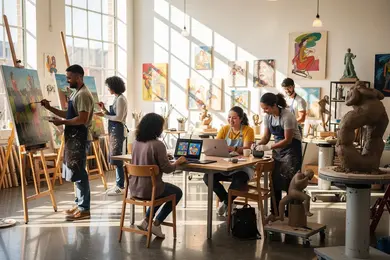
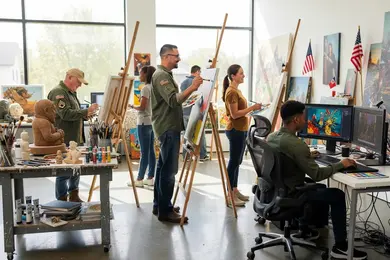
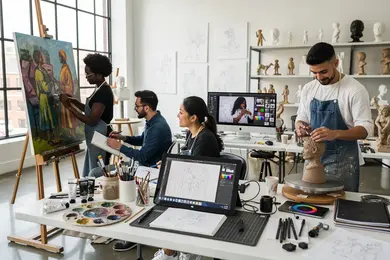
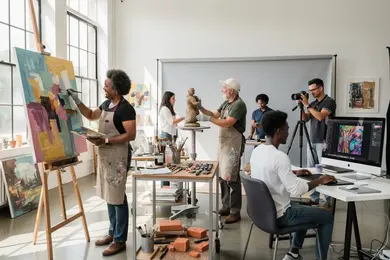
Hybrid and fully online bfa (Bachelor of Fine Arts) degree programs differ significantly in their delivery method, level of in-person interaction, and overall learning structure. Over 30% of U.S. higher education students engage in some form of online learning, which highlights the growing importance of understanding these formats. The following comparison outlines key distinctions between hybrid versus fully online bfa degree programs.
Hybrid Programs
- Course delivery blends online coursework with scheduled on-campus sessions, providing a mix of virtual and face-to-face learning.
- Students usually follow a semi-fixed schedule that requires travel to campus on certain days for critiques, studio work, and hands-on projects.
- This format offers direct interaction with professors and classmates, enhancing collaborative and experiential learning.
- Students benefit from access to physical materials, equipment, and studio space, which supports tactile and immersive experiences.
- The hybrid approach suits those who want a balance of flexibility and personal engagement in their bfa education.
Fully Online Programs
- All instruction is delivered remotely via digital platforms, with coursework completed asynchronously or through scheduled virtual sessions.
- Students enjoy greater scheduling flexibility since no campus visits are required, allowing them to tailor study hours to their own routines.
- Interaction occurs through online discussions, video critiques, and digital galleries, relying heavily on multimedia tools.
- The learning experience is shaped by the use of digital assignments and electronic submissions without direct access to physical studio resources.
- Fully online bfa programs appeal to learners prioritizing convenience and accessibility.
Students comparing the differences between hybrid and online bachelor of fine arts formats should assess which mode aligns better with their lifestyle and artistic goals. For those exploring options in related fields, resources on online MBA programs affordable also provide useful insights into flexible degree pathways.
How Does a Hybrid vs Fully Online BFA (Bachelor of Fine Arts) Bachelor's Degree Program Work?
Both hybrid and fully online bfa (Bachelor of Fine Arts) bachelor's degree programs follow structured academic pathways that aim to deliver a comprehensive arts education. However, they differ significantly in coursework delivery and how students interact with instructors and peers. Enrollment in distance education courses increased by over 30% from 2012 to 2019, reflecting the growing interest in flexible higher education options. Below is a comparison of how hybrid bfa bachelor of fine arts program structure contrasts with fully online formats.
Hybrid Programs
- Hybrid programs combine scheduled on-campus sessions for studio work, critiques, or workshops essential to arts practice with online coursework.
- Online components are delivered through learning management systems, featuring video lectures, readings, and discussion forums.
- Students participate regularly through a mix of synchronous in-person classes and asynchronous online activities.
- Communication with instructors and peers occurs via email, video conferencing, and face-to-face discussions to foster collaboration and feedback.
- Flexible scheduling allows for some in-person attendance while maintaining structured timelines for assignments and projects.
Fully Online Programs
- Fully online bfa degree program format and delivery rely entirely on digital platforms without requiring campus visits.
- Course materials include pre-recorded videos, virtual galleries, and various digital resources accessible remotely.
- Class participation involves discussion boards, live webinars, and group video calls, emphasizing asynchronous learning with occasional scheduled live sessions.
- Communication is primarily through email, messaging apps, and video conferences that support critiques and mentoring.
- Use of specialized software and virtual studios enables students to complete creative assignments and art production remotely.
Students exploring art education options should consider the program delivery that best fits their lifestyle while pursuing one of the best degrees in the world.
Are Admission Requirements Different for Hybrid and Fully Online BFA (Bachelor of Fine Arts) Bachelor's Degrees?
Admission criteria for hybrid and fully online bfa bachelor's degree programs generally align, but slight variations exist depending on the school's policies and how the program is structured. Both formats require foundational academic credentials, yet specific expectations may differ. Here's a closer look at some common distinctions.
- Portfolio Requirements: Hybrid programs often ask for portfolios showcasing a mix of digital and physical artwork or studio projects, reflecting their on-campus components. Fully online programs usually accept portfolios consisting purely of digital art submissions suited for virtual evaluation.
- Technology Access: Applicants to fully online programs must demonstrate reliable access to digital tools and software needed for art creation and online collaboration. Hybrid students may face fewer technical demands since they can use campus facilities and equipment.
- Interviews and Auditions: Hybrid candidates may need to attend in-person interviews or perform live auditions to assess their skills. Fully online applicants typically complete interviews or auditions remotely through video conferencing or recorded materials.
- Prerequisite Experience: Hybrid programs sometimes require prior hands-on studio courses or in-person art training, consistent with their blended format. Fully online programs might focus more on theoretical coursework completed independently or online prior to enrollment.
- Residency Policies: Some hybrid programs prefer or require local residency due to on-site class attendance, whereas fully online programs generally do not have geographic restrictions for applicants.
When I spoke with a student enrolled in a fully online bfa program, she shared how the virtual portfolio submission was both challenging and empowering. She described the effort involved in digitizing her work and ensuring her collection accurately represented her skills without physical pieces to support it. Although applying remotely required mastering new technical tools, she appreciated the flexibility and felt the process gave her confidence in managing digital art platforms-skills she believes will benefit her throughout her career.
Is the Learning Experience Better in Hybrid vs Online BFA (Bachelor of Fine Arts) Bachelor's Degrees?
Hybrid BFA programs blend on-campus and online learning, offering a unique balance that enhances skill development through direct instructor feedback during studio sessions, critiques, and workshops. This format promotes active peer interaction, fostering spontaneous discussions and networking that are less common in purely online settings. Students benefit from hands-on access to campus resources like specialized art studios, galleries, and equipment, which are essential for many fine arts disciplines. The in-person component often creates a more immersive environment, motivating students by combining mentorship with practical experience. This dynamic approach supports deeper creative growth and collaboration.
Fully online BFA programs prioritize flexibility, making it easier for students to study from any location, which is ideal for those managing work, family, or other responsibilities. Instruction and critique typically occur through digital platforms, with video conferencing and virtual studios used to encourage communication. However, the lack of physical studio time can restrict tactile learning experiences and limit the immediacy of peer engagement. Access to materials and equipment depends on the digital resources offered by the institution, often requiring students to find local alternatives for hands-on practice. While convenient, the fully online format sometimes falls short in replicating the interactive studio atmosphere central to many fine arts programs.
Which Is More Flexible: Hybrid or Fully Online BFA (Bachelor of Fine Arts) Bachelor's Degree?
Hybrid bfa programs blend online instruction with scheduled in-person sessions, such as studio work, critiques, or exhibitions, creating a structured yet flexible learning environment. These programs balance digital coursework with essential face-to-face engagement, requiring students to attend campus on specific dates. While this approach maintains valuable hands-on experiences, it can limit flexibility for those with busy or unpredictable schedules. The combination of remote and on-site learning reflects a growing trend in flexible learning options for bfa bachelor's programs, appealing to students who want some campus interaction without fully committing to daily on-site attendance.
Fully online bfa programs offer greater adaptability by delivering all courses remotely, often with asynchronous formats that let students study on their own time. This setup supports learners in managing educational demands alongside personal and professional responsibilities from any location. A 2022 Online Learning Consortium report found that 87% of online students valued the ability to choose when to study as the key flexibility advantage of fully online learning. Although fully online degrees may provide fewer direct studio opportunities, they excel in granting scheduling autonomy, making them a highly flexible choice. For those interested in alternative degree paths, programs such as masters in social work also embrace similar flexibility models.
What Is the Workload for Hybrid vs Fully Online BFA (Bachelor of Fine Arts) Bachelor's Degrees?
Though hybrid and fully online bfa bachelor's degree programs adhere to comparable academic standards, the way students manage time and structure their studies can differ notably. Research from the Online Learning Consortium shows that students enrolled in these formats commonly spend between 15 and 20 hours weekly on their coursework. This figure underscores the demanding nature of fine arts education regardless of how it's delivered.
Hybrid bfa programs balance on-campus and digital learning, dividing workload between scheduled, in-person activities and flexible online tasks. Students typically participate in studio sessions, critiques, or workshops held at specific times, which helps establish a predictable weekly routine. This blend of structured face-to-face interactions alongside asynchronous components encourages students to stay organized while adapting to different learning modes. The fixed in-person commitments offer convenient milestones that support time management but require attending the campus regularly.
Fully online bfa programs emphasize asynchronous learning, enabling students to complete readings, projects, and critiques on their own timetable. Without fixed class times, learners must cultivate strong discipline and organization to meet deadlines and progress steadily. Coursework often includes digital portfolio submissions, video presentations, and written reflections, replacing traditional studio hours. While flexibility reduces challenges like commuting, it also places the full responsibility for pacing and engagement on the student's self-motivation and scheduling skills.
Employment Status of Online Degree Graduates During Program Completion in 2025

How Does Tuition Compare for Hybrid vs Online BFA (Bachelor of Fine Arts) Bachelor's Degrees?
Tuition for hybrid and fully online bfa (Bachelor of Fine Arts) programs varies based on factors such as delivery format, institutional policies, credit requirements, and additional fees. Research indicates fully online programs may cost 10-20% less per credit hour than hybrid options due to lower operational expenses and reduced campus-related fees.
- Per-Credit Costs: Fully online bfa programs generally have lower per-credit tuition rates because they rely on digital content and eliminate expenses tied to on-campus instruction. Hybrid programs often incur higher credit costs reflecting the blended learning approach requiring physical resources.
- Technology and Campus Fees: Students in hybrid programs usually face extra technology surcharges or campus fees that support both in-person and online components. In contrast, fully online students often encounter fewer or reduced fees since they do not utilize campus facilities regularly.
- Residency and Facility Charges: Hybrid formats may require residency fees for on-campus sessions like studios or workshops, increasing total tuition. Fully online programs avoid these charges by delivering all content remotely.
- Payment Flexibility: Some online programs offer more flexible payment plans or flat-rate tuition options that simplify budgeting. Hybrid program billing tends to follow traditional semester schedules and may be less flexible.
When speaking with a graduate of a hybrid bfa program about tuition, he reflected on the challenge of balancing costs with program demands. He described navigating additional fees for campus access as "a surprise" that added to his financial planning stress. Managing payments aligned with semester deadlines also required careful budgeting and occasional adjustments. Despite these hurdles, he valued the hybrid experience but emphasized the importance of thoroughly understanding tuition structures before enrolling.
Do Employers Prefer Hybrid or Fully Online BFA (Bachelor of Fine Arts) Bachelor's Degrees?
Employer perceptions of hybrid and fully online bfa (Bachelor of Fine Arts) bachelor's degrees have evolved considerably as online education quality and acceptance have grown. A 2021 survey by the Strada Education Network and Gallup found that nearly 70% of employers now accept online degrees at face value, reflecting greater trust in alternative learning formats. This shift has altered how employers view hybrid versus fully online bfa degree programs in the creative arts.
- Hands-On Experience: Hybrid bfa programs often include in-person instruction or studio time, which employers see as valuable for developing practical skills in fine arts. Fully online formats sometimes raise concerns about the depth of hands-on training despite advancements in virtual studios and digital portfolios.
- Flexibility and Adaptability: Fully online bfa graduates tend to demonstrate strong self-motivation and adaptability, traits increasingly prized by employers in dynamic work environments. Hybrid students may signal a blend of discipline from both online and in-person settings.
- Professional Networking: Employers often view hybrid programs as offering better opportunities for direct engagement with faculty and peers, helping students build essential professional networks. Fully online students may rely more on digital connections but can still forge meaningful relationships.
- Evidence of Competence: From an employer's standpoint, the candidate's portfolio of work and creativity is more important than whether their bfa program was hybrid or fully online. Demonstrated skills often outweigh the mode of education alone.
For students comparing hybrid versus fully online bfa degree employer preferences, it's worth considering how each format aligns with their personal learning style and career goals. To explore related opportunities in the arts and beyond, prospective students may also research online sports degrees, showcasing the breadth of reputable online programs available today.
Who Should Choose a Hybrid vs Fully Online BFA (Bachelor of Fine Arts) Bachelor's Degree?
Choosing between a hybrid and a fully online BFA (Bachelor of Fine Arts) program depends largely on personal learning preferences, desired schedule flexibility, and lifestyle considerations. Hybrid programs blend in-person engagement with online coursework, while fully online degrees offer complete remote access, appealing to different student needs. The following points highlight which students may benefit most from each format.
- Hands-On Learners: Students who excel through direct mentorship and require access to physical studios or specialized equipment often prefer hybrid bfa bachelor degree benefits for working professionals. Hybrid programs provide essential in-person experiences crucial for refining artistic techniques.
- Structured Schedules: Those who appreciate a consistent routine but need some flexibility to manage other commitments find hybrid formats ideal. These programs balance on-campus interaction with online work, supporting students who cannot attend full-time in person.
- Independent Motivators: Fully online bfa programs for students seeking flexible schedules suit learners comfortable with self-directed study and digital collaboration. This format empowers students who juggle jobs or family responsibilities to complete coursework without location constraints.
- Remote Students: Learners living far from fine arts institutions or specialized resources benefit from fully online programs that eliminate the need for commuting or relocation, making fine arts education accessible regardless of geography.
- Professional Balancers: Working professionals can leverage hybrid programs to engage occasionally on campus while maintaining employment, combining practical studio time with flexible digital learning.
- Flexible Schedule Seekers: Students requiring maximum adaptability often thrive in fully online settings, especially when balancing complex personal or work schedules. For example, those investigating interdisciplinary options like an environmental engineering online degree often require varied timing and remote coursework.
How Can I Succeed in a Hybrid vs Fully Online BFA (Bachelor of Fine Arts) Bachelor's Degree Program?
Strategies for succeeding in hybrid and fully online bfa programs vary due to differences in course format and interaction levels. Hybrid students balance on-campus sessions with online tasks, while fully online learners depend completely on virtual environments, requiring distinct approaches. The following strategies address these nuances to help students thrive in either setting.
- Time Management: Hybrid students need to coordinate time between scheduled in-person classes and independent online work. Fully online learners benefit from creating consistent daily routines to maintain focus and prevent procrastination.
- Engagement: Those in hybrid programs gain from active participation in classroom discussions. Online students can foster involvement by regularly contributing to video calls and virtual forums.
- Digital Tools: Fully online students rely heavily on software for submitting work and collaborating remotely, so mastering these platforms is essential. Hybrid students also use these tools but have additional access to physical studios and face-to-face interactions.
- Study Habits: Hybrid learners prepare for hands-on workshops and live critiques, whereas online students must hone virtual communication skills to effectively exchange feedback.
- Workspace Setup: Online students should establish a distraction-free space dedicated to study. Hybrid students can alternate between campus and home environments but should organize both to maximize productivity.
- Networking: Hybrid formats allow for in-person relationship building, while fully online students need to actively engage with peers and professionals through social media and online art communities.
- Technical Preparedness: Reliable internet and hardware are crucial for online learners. Hybrid students benefit from campus resources but should still be ready to handle occasional technical issues independently.
What Graduates Say About Hybrid vs Fully Online BFA (Bachelor of Fine Arts) Bachelor's Degree Programs
- Kelly: "Choosing a fully online bfa degree was crucial for me as I balanced a full-time job and family commitments. The flexibility to attend classes asynchronously allowed me to dive deep into my creative work without sacrificing my personal responsibilities. This program truly prepared me to collaborate with diverse teams remotely, a skill that has been invaluable in today's virtual art world."
- Leonard: "Enrolling in a hybrid bfa program was a fantastic middle ground that offered both face-to-face critique sessions and online lectures. Navigating this blend took some adjustment, but it ultimately enhanced my discipline and time management skills. The combination significantly boosted my confidence and portfolio quality, helping me secure internships and gallery showings early in my career."
- David: "Pursuing a bfa degree fully online gave me the freedom to explore various art styles without geographic constraints. The constant interaction through digital platforms challenged me to articulate my artistic vision more clearly and receive diverse feedback. This experience reshaped my professional trajectory, enabling me to work freelance with clients globally and expand my creative opportunities."
Other Things You Should Know About BFA (Bachelor of Fine Arts) Degrees
Hybrid BFA programs combine in-person and online interactions, allowing students to participate in face-to-face critiques and collaborative workshops. This blend facilitates direct feedback from instructors and peers, which is crucial for artistic growth. Online components usually include discussion boards and virtual meetings to sustain collaboration between on-campus sessions.
Both hybrid and fully online BFA programs often encourage or require internships, externships, or exhibition opportunities. Hybrid formats can provide easier access to on-site placements due to their in-person elements. Fully online students may need to seek local opportunities independently, with faculty guidance to connect with galleries, studios, or art organizations.
Fully online BFA students should be proficient in digital art software, such as Adobe Creative Suite or 3D modeling programs, depending on their specialization. Reliable internet access and familiarity with virtual communication platforms are essential. These skills enable students to complete assignments, participate in critiques, and engage with multimedia content effectively.
References
- BFA Course Details: A Complete Comparison of BFA vs BA for Creative Careers - Artemisia College https://www.artemisiacollege.com/blog/bfa-vs-ba-degree-key-differences/
- BFA - Athens State University https://www.athens.edu/bfa/
- Find The Best Online Art Schools | Accredited Schools Online https://www.accreditedschoolsonline.org/liberal-arts/art-schools/online/
- Studio art major at Grand Valley State University https://www.gvsu.edu/academics/studio-art-ba-bfa-bs.htm
- The Ultimate Guide to Bachelor of Fine Arts (BFA) Course 2026 https://www.budhacollege.edu.in/blog/ultimate-guide-to-bachelor-of-fine-arts-bfa-course
- Hybrid Flexible Learning studies at VIZJA - VIZJA University in Warsaw https://vizja.pl/en/studia-hfl-w-vizja/
- BA vs BFA Degree: What's the Difference? (How to Choose) https://www.allartschools.com/bachelor-art-fine-arts-compared/
- The Rise of Hybrid & Online Degrees: Are They Worth It? | EdNet Consultants https://www.ednetconsultants.com/the-rise-of-hybrid-online-degrees-are-they-worth-it/
- 2025 Most Affordable Online Graphic Design Degrees https://www.onlineu.com/most-affordable-colleges/graphic-design-degrees
- What is the difference between a B.A. and a BFA? - RMCAD https://www.rmcad.edu/blog/what-is-the-difference-between-a-b-a-and-a-bfa/