
2027 Best Instructional Design Degrees for Working Adults

Co-Founder and Chief Data Scientist
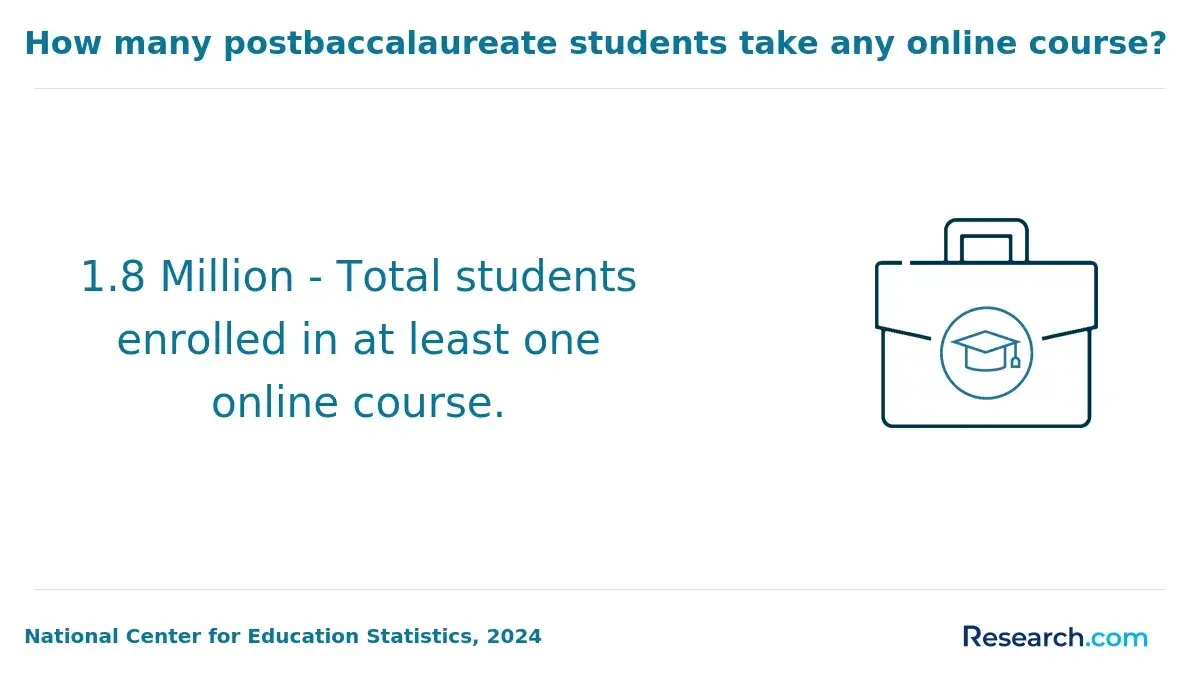
Balancing a full-time job while pursuing an instructional design degree can overwhelm working adults, leading to delayed graduation or dropped courses. According to the National Center for Education Statistics, about 40% of students enrolled in online degree programs are over 30, reflecting a growing trend of adult learners seeking flexible education options. This surge highlights the need for programs tailored to professionals' busy schedules without compromising quality. This article explores the best instructional design degree options specifically designed for working adults, focusing on flexibility, accreditation, and career advancement potential to help readers make informed decisions aligned with their busy lives and professional goals.
Key Things to Know About Instructional Design Degrees for Working Adults
- Instructional design degrees often offer flexible scheduling with online or hybrid formats, accommodating working adults' time constraints and allowing study alongside professional commitments.
- Programs frequently emphasize employer-relevant skills, aligning coursework with current industry tools and practices to boost job market competitiveness.
- Many institutions provide accelerated pacing options and dedicated support services, such as career advising, to help working professionals complete degrees efficiently and advance their careers.
What Are the Best Instructional Design Degrees for Working Adults?
The best instructional design degrees for working adults depend on factors like schedule flexibility, career alignment, and return on investment. A rising trend among adult learners is part-time enrollment combined with asynchronous study options, which help accommodate full-time jobs and family life without sacrificing educational quality.
Suitable programs typically offer flexible online or hybrid formats and practical curricula that enhance real-world job skills. Below are several instructional design degree paths well suited for employed students:
- Master's in Instructional Design and Technology: This degree often features fully online delivery and integrates theoretical knowledge with hands-on projects, supporting professionals interested in career advancement or changing fields.
- Certificate in Instructional Design: Shorter than a degree, these certificates focus on immediate skill acquisition with flexible pacing, ideal for adults with limited study time who need quick career benefits.
- Master's in Educational Technology: Designed for those who want to combine technology and education, this option is popular for its flexible online format and relevancy to tech-oriented instructional roles.
- Master's in Adult Education and Training: Tailored to professionals working with adult learners, this program emphasizes workforce development and is commonly available part-time or online for better schedule management.
These flexible instructional design degree programs for professionals emphasize credentials that employers value, enabling career growth without interrupting work life. For related fields, consider exploring options like an AI degree online, which can complement instructional design skills in tech-driven industries.
What Are the Admission Requirements for Working Adults in Instructional Design Degree Programs?
Admission requirements for working adults in instructional design degree programs are designed to accommodate the distinct needs of professionals balancing employment and education. With over 40% of graduate students enrolling part-time, programs recognize the importance of flexibility to support ongoing careers. This trend highlights why admission policies often differ significantly from those for traditional students.
Common considerations for admission reflect the practical realities of working learners. These include:
- Professional Experience: Many programs prioritize relevant work experience in education, training, or related fields over standardized test scores, valuing practical skills as strong indicators of success.
- GPA Expectations: Minimum GPA requirements are often present but may be relaxed for applicants with demonstrated professional achievements, recognizing that experience can compensate for academic metrics.
- Test Waivers: Standardized tests like the GRE may be waived for seasoned professionals, reducing barriers to entry and expediting the application process.
- Recommendations: Professional recommendations are emphasized, focusing on work ethic and applied skills rather than purely academic qualities.
- Flexible Enrollment: Options for part-time or online enrollment accommodate working schedules, enabling learners to balance family, employment, and education more effectively.
Those interested in how to apply for instructional design programs as a working professional can find this flexibility and practical approach critical to their success. For adults seeking accredited and adaptable programs, it's also helpful to explore options for an online business degree as a complementary pathway to career advancement.
What Coursework Is Required in Instructional Design Degree Programs for Working Adults?
Instructional design degree coursework for working adults is structured to balance career relevance, practical skills, and flexible learning formats that accommodate full-time employment. More than 60% of adult learners in these programs pursue them for career advancement and skill upgrading, reflecting the strong demand for applied knowledge. These programs often integrate asynchronous modules and project-based assignments to help students immediately apply new concepts in their professional roles.
Common coursework areas in instructional design programs for working adults include:
- Learning Theories and Instructional Models: This course covers foundational principles of how adults learn and explores various instructional design frameworks, enabling professionals to craft effective training tailored to diverse learner needs and improve educational outcomes.
- Technology Integration: Students develop skills to use digital tools and multimedia technologies essential for creating engaging and interactive learning content, a necessity in modern e-learning environments.
- Curriculum Development and Evaluation: This focuses on designing, implementing, and assessing training programs, ensuring instructional materials enhance learner performance and align with organizational objectives.
- Project Management: Emphasizing practical skills such as needs analysis, budgeting, and timeline management, this coursework prepares students to efficiently lead learning initiatives in professional settings.
Students seeking flexible and affordable options can also explore degrees like a MFT degree tailored for adult learners looking to balance education with existing career commitments.
The length of time needed to complete an instructional design degree while maintaining a full-time job varies considerably due to individual circumstances. On average, working adults pursuing this degree part-time finish in about three years, though some may take longer depending on their situation.
Several elements affect how quickly working students can earn their degree, including:
- Program format: Flexibility differs between fully online, hybrid, and traditional campus programs. Online and hybrid formats often allow learners to set their own pace, which can shorten or extend completion time.
- Course load: Enrolling in fewer courses each term can make balancing work and study easier but usually increases total program length. Conversely, taking heavier course loads can accelerate graduation but requires significant time management.
- Prior credits: Transfer credits from previous education or relevant job experience may reduce required coursework, helping students graduate sooner.
- Work obligations: Demanding or inconsistent work schedules can limit available study hours, potentially extending the time to finish the program.
- Accelerated pathways: Some programs offer fast-track or intensive options tailored for professionals seeking quicker degree completion.
Regarding how long it takes in real life, a professional who completed an online instructional design degree while working shared that balancing deadlines and job responsibilities was challenging. He described late-night study sessions after full workdays and sometimes feeling overwhelmed but said setting small goals and using breaks effectively helped maintain progress. He found the program's flexible schedule valuable, noting, "Being able to access lectures anytime was crucial when unexpected work projects came up." Though it took a couple of years longer than initially planned, he appreciated the combination of work experience and academic learning that shaped his growth throughout the program.
Cost plays a crucial role for employed students pursuing an instructional design degree, especially since nearly 60% of adult learners now enroll part-time, reflecting the need to juggle education with work and personal commitments. Managing expenses while maintaining a full-time job requires careful consideration of several financial factors.
Key elements that impact the overall cost of an instructional design degree include:
- Tuition per Credit: Prices vary widely, often ranging from $300 to $700 per credit hour. For part-time learners, higher per-credit costs can substantially increase total financial requirements.
- Program Length: Degrees requiring more credits or additional specializations extend the duration of study, leading to higher cumulative expenses over time.
- Additional Fees: Charges like technology, registration, and lab fees contribute to the overall cost, and these can be more pronounced in traditional on-campus programs compared to online options.
- Materials and Textbooks: Some programs incorporate digital materials to help lower costs, but students should budget for textbooks and software, which may add several hundred dollars per year.
- Format and Financial Aid: Online formats can reduce commuting and housing expenses, while employer tuition assistance, scholarships, and payment plans offer ways to lessen the financial burden.

Balancing work, family, and studies can create significant financial pressure for adults pursuing an Instructional Design degree. Financial aid options can alleviate some of this burden, making it easier to manage expenses without sacrificing other responsibilities.
Several resources are available to support working students in this field:
- Federal Financial Aid: This includes grants like Pell Grants and low-interest loans funded by the government. Applicants need to complete the FAFSA to determine their eligibility, which is generally based on financial need.
- Employer Tuition Assistance: Many employers provide partial or full reimbursements for continuing education related to job skills. The availability and extent of these programs vary, but they can substantially reduce educational costs.
- Scholarships for Adult Learners: Various groups and institutions offer scholarships designed specifically for mature or returning students. These awards often take into account professional background and academic ambitions.
- State and Private Grants: Some states offer grants focused on adult learners or high-demand disciplines such as Instructional Design. Private organizations may also grant funds based on merit or financial need.
- Flexible Payment Plans and Tax Credits: Schools may allow tuition to be paid in installments, easing cash flow challenges. Additionally, tax benefits like the American Opportunity Tax Credit can provide some financial relief to working students.
When I asked a professional who completed an Instructional Design degree while working full time about her experience, she reflected on the juggling act. "I was constantly weighing work deadlines against school assignments and family time. Applying for federal aid was the first step, and it felt like a relief once approved. Then my employer's tuition reimbursement helped cover a big chunk, so I wasn't overwhelmed by costs." She emphasized how navigating multiple aid sources required persistence but ultimately made her educational goals achievable. "Knowing I could spread payments and claim tax credits gave me peace of mind during stressful periods." Her story shows how combining different financial resources can empower working adults to pursue advanced education confidently.
Balancing coursework with full-time employment and personal responsibilities can overwhelm working adults pursuing an Instructional Design degree. Access to tailored institutional support helps these students maintain focus, manage their time efficiently, and achieve their academic goals.
- Flexible Scheduling: Enables learners to participate in courses or complete assignments asynchronously, fitting studies around busy work and family lives.
- Academic Advising: Offers customized course selection guidance and graduation planning, reducing obstacles and accelerating progress toward degree completion.
- Online Learning Support: Provides technical help and tutorials to ensure students use digital platforms confidently, enhancing their remote education experience.
- Career Services: Assists with resume development, interview preparation, and professional networking, supporting career advancement in Instructional Design fields.
- Mental Health Resources: Supplies counseling and stress management tools, empowering students to maintain psychological well-being despite demanding schedules.
Accreditation signifies that an instructional design program meets strict quality criteria established by recognized agencies. For working adults managing jobs alongside studies, this assurance guarantees a reputable education well regarded by employers and professional bodies.
Accredited programs often deliver a curriculum reviewed by specialists, ensuring educational standards are upheld. Additionally, graduates are usually eligible for federal financial aid, making advanced learning financially attainable. Notably, over 40% of graduate students in the U.S. are age 30 or older, reflecting increased demand for programs that accommodate adult learners.
The lasting benefits of accreditation extend beyond earning a degree. Credits from accredited instructional design programs are more readily transferable, providing flexibility for adults pursuing further education. Some professional licenses or certifications in instructional design require degrees from accredited schools, which can influence job prospects and promotions. Overall, accreditation supports career growth and adds sustained value, aligning with the goals of adult learners balancing education and employment.
Salary growth is a primary motivator for working professionals pursuing an instructional design degree, as it reflects enhanced skills and qualifications valued across many sectors. Working adults with an instructional design degree generally earn between $55,000 and $85,000 annually, with variations depending on experience and job roles.
Several factors determine how an instructional design degree may lead to an increase in salary for working adults:
- Industry Demand: Growing needs in technology, healthcare, and corporate training sectors create higher salary potentials for instructional design professionals. These industries often seek skilled designers to develop effective learning tools.
- Role Advancement: Moving into senior positions such as training managers or eLearning developers requires specialized expertise, which typically results in better compensation and reflects career growth with instructional design degree holders.
- Employer Policies: Organizations vary in how much they reward advanced degrees through raises or promotions, influencing how much a degree impacts salary.
- Years of Experience: Combining a degree with practical experience greatly enhances earning power, as seasoned instructional designers command higher salaries.
- Specialization: Focusing on areas like curriculum development or proficiency with eLearning tools can help professionals command salaries at the upper end of the range.
For working adults seeking long-term career growth with instructional design degree credentials, understanding the complex relationship between education, experience, and industry trends is crucial. To explore how this field compares with others, the highest paying college majors resource offers valuable insights for informed career decisions.
A degree in Instructional Design enables working adults to qualify for higher-level, specialized, and leadership-oriented roles rather than starting in entry-level positions. This advancement is possible because the degree develops expertise in curriculum development, learning technologies, and strategic assessment methods.
For professionals exploring instructional design careers for working adults, several upward-mobility opportunities become accessible. These roles emphasize increased responsibility, management, and influence within organizational learning environments.
- Instructional Designer Lead: This role involves overseeing teams of instructional designers, ensuring projects align with strategic goals, and managing workflows. The degree's foundation in learning theory and leadership principles supports advancement into this management position.
- Learning Experience Designer: Focused on crafting interactive and engaging educational experiences through emerging technologies, this role demands creativity and innovation, skills honed through an Instructional Design degree.
- eLearning Manager: Professionals in this position coordinate online training development and delivery, bridging content experts and technical staff. The degree equips learners with essential project management expertise and knowledge of eLearning standards.
- Curriculum Development Specialist: Responsible for designing comprehensive educational programs aligned with organizational objectives, this role benefits from the evidence-based instructional strategies gained through the degree.
- Training Director: Leading organizational training initiatives, setting strategic employee development goals, and managing large teams or budgets, this leadership position often requires advanced instructional design education.
Job opportunities with an instructional design degree frequently demand flexibility and practical application of skills, which makes flexible, accredited programs ideal for working professionals balancing full-time employment. Many adults seeking career growth in this field explore fast degrees online to accelerate their qualifications and access higher-paying roles.
What Graduates Say About Their Instructional Design Degrees for Working Adults
- Sean: "Choosing to enroll in an online instructional design degree program while working full-time was a challenging but rewarding decision for me. The cost, around $15,000, was reasonable compared to traditional programs, and the flexibility allowed me to balance work and study effectively. Completing the program significantly boosted my confidence and opened new career opportunities in corporate training."
- Jalen: "Reflecting on my part-time instructional design studies, I appreciate how the program's cost-approximately $13,000-was a wise investment given my busy schedule. Managing work and school wasn't easy, but the practical skills I gained made a noticeable difference in my career advancement. Finishing the degree program helped me move into a leadership role within my organization."
- Eva: "As a working professional, pursuing an online instructional design degree was a strategic move to enhance my career prospects. The expense, roughly $14,000, felt like a significant commitment, but the ability to study on my own time was invaluable. Completing this program transformed my approach at work and led to several new job offers in the field."
Other Things You Should Know About Instructional Design Degrees
In 2027, some of the top instructional design degree programs for working adults include Arizona State University's Master of Education in Learning Design and Technologies, University of Southern California's Online Master of Education, and Purdue University's MS in Learning Design & Technology. These programs offer flexibility and cater to working professionals.
Yes, part-time options are available to fit the schedules of working adults. Programs typically offer evening or weekend classes and online modules, allowing completion over three to five years instead of the usual two years full-time.
Yes. Many instructional design master’s programs end with a capstone, practicum, or portfolio that demonstrates course design, needs analysis, and evaluation skills. Common requirements include 30 to 36 credit hours and completion of a final project approved by program faculty or an advisory committee.
- Instructional Design Services for Adult Learning | Magic EdTech https://www.magicedtech.com/workforce-development/instructional-design-services/
- Careers in Instructional Design: An underrated opportunity? https://www.gsdcouncil.org/blogs/careers-in-instructional-design-an-underrated-opportunity
- E-Learning Instructional Design Certificate | ATD https://www.td.org/education-courses/e-learning-instructional-design-certificate
- Instructional Design Master's or Graduate Certificate Programs | Articulate - Community https://community.articulate.com/discussions/discuss/instructional-design-masters-or-graduate-certificate-programs/804120
- Instructional Design & Technology Career Roadmap https://www.snu.edu/instructional-design-and-technology-career-roadmap
- Do You Really Need an Instructional Design Degree? https://www.articulate.com/blog/do-you-really-need-an-instructional-design-degree/
- The 20 Best Instructional Design Courses in 2025 | Devlin Peck https://www.devlinpeck.com/content/instructional-design-courses
- Frequently Asked Questions About Instructional Design Careers https://blog.cathy-moore.com/career-faqs/
- Level Up Your Career with an Instructional Design Certification - Graduate Programs for Educators https://www.graduateprogram.org/blog/level-up-your-career-with-an-instructional-design-certification/
- So, you want to become an instructional designer? — Dr. Luke Hobson https://drlukehobson.com/blog1/so-you-want-to-become-an-instructional-designer


