2027 Part-Time vs. Full-Time Instructional Design Degree Programs

Co-Founder and Chief Data Scientist
Choosing between part-time and full-time instructional design degree programs can be challenging, especially when balancing work, finances, and academic goals.
With nearly 40% of instructional design students enrolling in flexible learning formats, many face decisions about time commitment and workload. Understanding these variables is vital for managing both study and personal responsibilities effectively.
This article explores the distinctions between part-time and full-time instructional design study paths, highlighting differences in pace, flexibility, and career implications. Readers will gain clarity on how to align their educational choices with their professional and financial situations for optimal success.
Key Benefits of Part-Time vs. Full-Time Instructional Design Degree Programs
- Part-time programs enable students to maintain employment, supporting steady income and reducing educational debt during their instructional design studies.
- Balancing part-time study with work allows for immediate application of instructional design concepts, enhancing career development and practical skills.
- Part-time formats offer greater flexibility, facilitating work-life balance and accommodating personal responsibilities without sacrificing academic progress.
How Are Part-Time Instructional Design Programs Structured Compared to Full-Time Programs?
Choosing between part-time and full-time instructional design degree formats requires understanding how program structure impacts a student's schedule and learning experience.
Differences in scheduling affect not only the pace at which students progress but also the balance between academic commitments and personal or professional responsibilities.
These considerations are vital for those comparing part-time vs full-time instructional design program structure to find the best fit.
Part-Time Program
- Course Load: Students typically take 1-2 courses per term to maintain manageability alongside other obligations.
- Weekly Time Commitment: Expect around 8-15 hours weekly, allowing for steady but less intensive study.
- Scheduling Flexibility: Programs often offer evening and online classes to accommodate working professionals.
- Accessibility: The format is designed to support students balancing jobs, family, and education simultaneously.
Full-Time Program
- Course Load: Enrollees generally take 3-5 courses each term, enabling faster progression through the program.
- Weekly Time Commitment: A 30-40 hour weekly investment mirrors a full-time workweek, demanding significant focus.
- Scheduling Structure: Daytime classes are common, with many schools expanding online options for greater accessibility.
- Learning Environment: Full-time students benefit from more immersive experiences with synchronous sessions and teamwork.
For working professionals weighing these differences in instructional design degree formats, it is also worthwhile to consider career goals and related certifications, such as exploring the highest paying certificates connected to their field.
How Long Does It Take to Earn a Part-Time vs Full-Time Instructional Design Degree?
Understanding the time to complete part-time instructional design degree programs versus full-time study formats is crucial for students planning their academic and career timelines.
The duration impacts not only how quickly a student can enter or advance in the workforce but also how they balance education with professional and personal commitments.
Typical completion times for full-time instructional design degree program duration usually range from 1.5 to 2 years, depending on credit requirements and program structure. Most full-time programs require around 30 to 36 credit hours, often completed within three to four semesters.
In contrast, part-time students often take between 2.5 to 4 years to finish the same degree, accommodating lighter course loads each semester.
- Course Load: The number of classes taken per semester directly influences how fast students complete their degree. Full-time allows a faster timeline, while part-time prioritizes flexibility.
- Program Flexibility: Evening, weekend, and online classes enable part-time students to work while studying, which can extend completion time.
- Transfer Credits: Prior coursework or certifications can reduce the total time needed by fulfilling some credit requirements.
- Accelerated Options: Some universities offer accelerated paths for full-time students to complete degrees more quickly.
For those exploring easier pathways, resources on easiest masters degrees provide additional context on program duration and requirements.
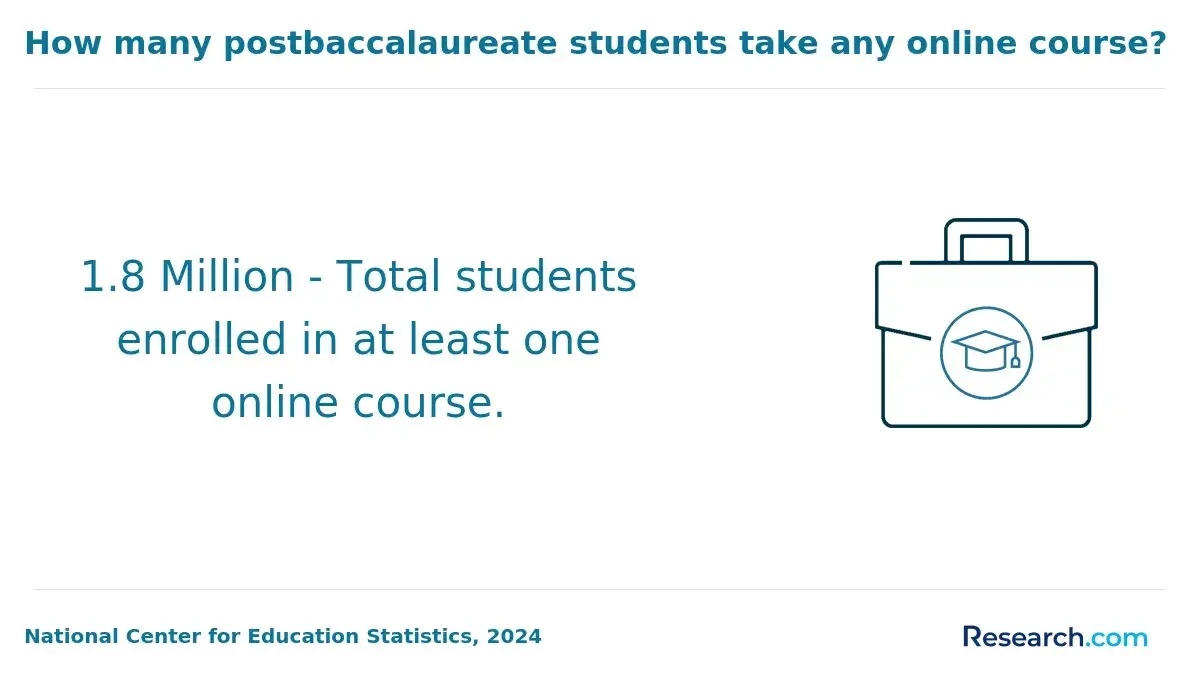
Are Admission Requirements Different for Part-Time vs Full-Time Instructional Design Programs?
Are admission requirements different for part-time vs. full-time instructional design programs? While many criteria overlap, distinct differences reflect the diverse target audiences and study formats of these programs.
Both typically require a minimum cumulative GPA around 2.5 to 3.0 on a 4.0 scale to demonstrate academic readiness.
- GPA and Academic Background: Full-time programs often expect a stronger recent academic record since students dedicate themselves fully to studies. Part-time instructional design programs usually accept a slightly lower GPA, accommodating working professionals balancing education with careers.
- Prerequisite Coursework: Both program types may require foundational courses in education, psychology, or technology. However, part-time students are often allowed to complete these prerequisites during their extended enrollment period, offering more flexibility.
- Professional Experience: Part-time programs frequently prioritize or require relevant work experience in education, training, or instructional design, valuing practical expertise. By contrast, full-time programs emphasize academic qualifications and may not demand professional experience.
- Standardized Tests: GRE or similar test scores are less commonly required for either format, but some competitive full-time programs might request them, while part-time instructional design programs generally waive this requirement.
- Supporting Documents: Both formats require letters of recommendation, personal statements, and resumes. Part-time applicants tend to highlight professional accomplishments, whereas full-time applicants focus more on academic potential.
Prospective students comparing full-time vs part-time instructional design program requirements should also consider program affordability and flexibility. For those exploring options beyond instructional design, examining affordable phd programs online can provide insight into cost-effective paths to advanced education.
Breakdown of All 4-Year Online Title IV Institutions

Tuition fees for part-time and full-time instructional design programs differ mainly due to enrollment pace and credit load, which affect total costs and payment schedules. While full-time students pay for a shorter, more intensive timeframe, part-time learners spread out costs over more semesters, potentially raising supplementary expenses.
- Per-Credit Tuition Rates: Part-time students sometimes face higher per-credit charges because of administrative fees, whereas full-time rates may benefit from discounts or flat rates.
- Overall Program Cost: Although full-time students pay more upfront, they often complete the degree faster, while part-time students might accumulate extra costs through extended enrollment periods.
- Financial Aid Availability: Full-time attendees generally qualify for wider aid options such as grants or fellowships, while part-time students may encounter stricter eligibility, limiting assistance.
- Mandatory Fees: Fees like technology or enrollment charges apply each semester regardless of course load, disproportionately impacting part-time students who enroll longer.
- Enrollment Intensity Impact: Balancing work and study as a part-time student can increase indirect costs and financial planning complexity compared to full-time study.
When I spoke with a graduate of a part-time instructional design degree program, she shared how managing tuition was a constant juggling act. "Stretching the program over several years meant paying fees repeatedly, and sometimes it felt like I was paying more just for the flexibility," she reflected.
Despite the financial challenges, she appreciated being able to work while studying, which helped offset costs over time. Her experience showed that while part-time tuition fees can be higher overall, the ability to adapt payments and schedules made the investment manageable and ultimately rewarding.
Part-time instructional design degree programs generally provide a higher number of online and hybrid course options compared to full-time programs. This difference is mainly due to the need for greater flexibility among part-time students.
Below is an overview of how each format typically handles online, hybrid, and on-campus course availability, considering program design, institutional policies, and student demographics.
- Flexibility for Working Professionals: Part-time programs prioritize online and hybrid formats to accommodate students balancing careers and studies, allowing for asynchronous learning and remote participation.
- Full-Time Campus Focus: Full-time programs often emphasize in-person classes and synchronous sessions, catering to traditional students aiming to complete their degrees on a tighter schedule.
- Institutional Policies: Universities commonly limit full online offerings for full-time cohorts, reserving face-to-face learning to maintain structured timeframes and resource availability.
- Demographic Differences: Part-time students tend to be older and employed full-time, influencing institutions to offer more remote options, while full-time students usually benefit from campus engagement and direct interaction.
Most institutions permit students to switch between part-time and full-time enrollment in instructional design programs, though rules vary by school. Typically, students must seek approval from academic advisors or program coordinators to ensure the change fits their academic plan.
The process often considers whether the student is in good standing, as those on probation may face restrictions. Students should also weigh factors like financial aid eligibility, potential changes to tuition costs, and how the switch might affect their course schedule and program timeline.
Requirements commonly include maintaining satisfactory academic performance and securing official authorization before making enrollment adjustments. Financial aid can be impacted since many scholarships and loans require a minimum number of credits.
Limited course offerings each term might complicate transitioning, and moving from part-time to full-time or vice versa can extend or shorten graduation dates. Careful planning with advisors helps navigate these challenges to keep progress on track.
One graduate who moved from part-time to full-time in their instructional design program shared that the change wasn't seamless but ultimately rewarding. He noted the initial stress of balancing work and increased course loads but appreciated the quicker path to finishing his degree.
"Getting advisor support was essential," he said, emphasizing how important communication was throughout the process. The switch allowed him to immerse himself in projects he found truly motivating, which made the challenges worthwhile.
Delivery format plays a crucial role in shaping students' learning experiences, especially when comparing part-time and full-time study options. Online, hybrid, and campus instructional design programs differ significantly in the flexibility they offer, impacting how students manage their schedules and workloads.
- Scheduling Flexibility: Online programs provide the most flexibility for part-time learners. Campus programs, often geared toward full-time students, follow fixed class schedules that support structured pacing. Hybrid formats offer a middle ground with occasional in-person sessions and flexible online components.
- Workload Management: Full-time students usually complete programs within one to two years. Part-time learners typically spread coursework over two to four years. Online delivery supports asynchronous study, helping part-time students manage workload better than on-campus formats that require synchronous attendance.
- Accessibility and Resources: Online programs enhance accessibility nationwide. Hybrid options provide some campus resource access, while campus programs offer faculty contact. These factors influence the choice between online, hybrid, and campus learning options for instructional design degrees.
- Learning Pace and Engagement: Self-paced online courses empower part-time learners to control their study speed but may reduce interaction and motivation. Full-time campus students benefit from scheduled discussions and group work fostering engagement. Hybrid programs blend flexibility with active participation.
- Student Support Services: Campus students often receive immediate in-person advising and tutoring, boosting retention. Online and hybrid students rely on virtual support. For those exploring educational options, identifying top accredited online non profit universities can be a vital step.
Employers generally do not show a strong preference for full-time instructional design degrees over part-time ones. Their evaluations tend to focus on factors such as perceived rigor, with some hiring managers associating full-time study with greater immersion.
However, many recognize that part-time programs require effective time management and discipline, skills that are highly valued in the field.
More importantly, professional experience often carries greater weight than enrollment status. This balance is evident in hiring trends for part-time Instructional Design graduates, who often gain practical skills through work while pursuing their degrees.
Industry-specific preferences also shape employer attitudes toward degree formats. Fast-paced sectors like technology and corporate training typically emphasize current skills and adaptability rather than whether a degree was completed full-time or part-time.
Academic and research-focused roles, however, may lean toward full-time credentials due to their traditional structure. Ultimately, part-time instructional design degrees can demonstrate dedication and real-world readiness, aligning well with employer needs.
For those interested in flexible education options, consulting resources such as the most popular online vocational schools can provide valuable guidance.
Return on investment (ROI) is a key consideration when deciding between part-time and full-time instructional design degree programs. It involves evaluating tuition expenses alongside how long it takes to finish the program, lost wages during study, and the salary increase graduates can expect after completion.
Full-time programs often require higher upfront costs and reduced or paused employment, increasing short-term financial strain. However, these programs usually finish within 1 to 2 years, allowing faster entry into the job market and potentially earlier salary gains.
Part-time options spread out tuition payments and permit ongoing work, lessening immediate income loss but often extending program duration to 3 or more years, which may delay salary growth.
- Total cost: Full-time programs typically demand larger upfront payments, while part-time tuition is distributed over several years, easing financial burden.
- Opportunity Cost: Full-time students often forego income temporarily; part-time students maintain earnings but study longer.
- Salary Potential: Graduates from full-time programs can access increased salaries sooner due to faster completion.
- Career Advancement: Full-time study may accelerate promotions by entering the workforce earlier; part-time offers flexibility but slower progress.
- Long-Term Benefits: The quicker transition from full-time study may yield higher cumulative lifetime earnings despite initial costs.
Selecting between part-time and full-time instructional design degree programs is essential for aligning your studies with career ambitions and personal priorities. Balancing academic demands with work or family life requires careful consideration of several practical factors.
- Time Availability: Full-time programs typically involve 12 to 18 credit hours per semester and finish in about two years. Part-time options extend coursework over three to five years, helping you manage commitments beyond school.
- Financial Resources: Full-time study demands a larger upfront investment but leads to quicker program completion. Part-time study allows continued income and may enable employer tuition support, easing financial strain.
- Career Goals: If you aim for a swift career change, full-time study is usually more effective. Those seeking to improve current skills while working benefit from part-time formats.
- Learning Style and Flexibility: Part-time programs often offer evening, weekend, or online classes that accommodate varied schedules. Studies show 65% of instructional design students favor programs with such adaptable pacing.
- Program Duration and Workload: Full-time studies are intensive with a faster timeline. Part-time study involves a lighter, more flexible workload over a longer period.
What Graduates Say About Their Part-Time vs. Full-Time Instructional Design Degree
- Susanna: "Pursuing my full-time instructional design degree was an intense but incredibly rewarding experience. The comprehensive curriculum prepared me for real-world challenges, and although the average cost of attendance was a significant investment, I feel it was well worth it for the career opportunities I gained. I'm now confidently advancing in a field I'm passionate about. "
- Marley: "Balancing work while completing my part-time instructional design degree taught me invaluable time management skills. The flexibility allowed me to learn at my own pace without overwhelming financial burden since the costs were spread out, making the degree affordable and practical. Looking back, the personal and professional growth I achieved has made the commitment completely worthwhile. "
- Beau: "The part-time instructional design program provided me with a structured yet flexible learning environment that fit perfectly into my busy schedule. Though the overall cost was something I carefully considered, the program's quality and the portfolio I developed dramatically enhanced my career prospects. I recommend this path for anyone seeking a cost-effective way to upskill. "
Other Things You Should Know About Instructional Design Degrees
Yes. Full-time enrollment usually means 9 to 12 graduate credits per term, while part-time students take 3 to 6 credits. Schools use these credit thresholds to set tuition status, financial aid eligibility, and expected completion time for the degree.
In 2027, differences in networking opportunities between part-time and full-time Instructional Design programs mainly stem from time availability. Full-time students often have more interactions through on-campus events and group projects, while part-time students might leverage online platforms to connect due to their flexible schedules.
- How to Have a Successful Transition from Teaching to Instructional Design? - Your eLearning World https://yourelearningworld.com/how-to-have-a-successful-transition-from-teaching-to-instructional-design/
- Instructional Technology - Department of Education https://www.ucy.ac.cy/edu/programmes-of-study/postgraduate-programmes/instructional-technology/
- Professional Development for Faculty in Virtual/Online Environments: A Case Study https://www.e-mentor.edu.pl/artykul/index/numer/77/id/1387
- How to Transition From Teacher to Instructional Designer [2025 Guide] | Devlin Peck https://www.devlinpeck.com/content/teacher-to-instructional-designer
- MA in Learning Design and Technology | The American College of Greece https://globalcampus.aug.edu/programs/graduate-programs/ma-learning-design-and-technology/
- Instructional Design - Online https://www.stlawrencecollege.ca/programs/instructional-design/part-time/online
- Instructional Design Journeys: Career Changers Who Are Crushing It – Part 3 | The Instructional Design Company https://instructionaldesigncompany.com/instructional-design-journeys-career-changers-who-are-crushing-it-part-3/
- Flexible Hybrid Learning Models | Higher Education Strategy https://edutech.global/flexible-hybrid-learning-models-in-higher-education/
- Instructional Design Certificate or Masters Degree - Experiencing Elearning https://christytuckerlearning.com/instructional-design-certificate-or-masters-degree/comment-page-1/