2027 Credit Requirements for an Instructional Design Degree Explained

Co-Founder and Chief Data Scientist
Many students pursuing an instructional design degree face confusion over credit requirements, delaying graduation and increasing costs. Research shows that 65% of instructional design students struggle to navigate transfer credits and elective options, complicating their academic planning. With growing demand-projected 8% job growth through 2030 in instructional design roles-efficient degree completion is critical to entering the workforce promptly. This article clarifies typical credit requirements, transfer policies, and course selections for instructional design programs, helping students plan their education path strategically and graduate on time to meet industry needs.
Key Things to Know About Credit Requirements for Instructional Design Degrees
- Instructional design degree programs typically require a cumulative number of credits that reflect comprehensive mastery, influencing program length and pacing to align with industry standards.
- Transfer credits and recognition of prior learning can reduce coursework, accelerating completion and optimizing costs, though policies vary across institutions.
- Credit structures directly impact academic progression, cost-efficiency, and graduation timelines, with well-designed programs supporting flexible pacing for diverse student needs in a growing job market.
How Many Credits Are Required for a Instructional Design Degree?
Knowing the credit hour requirements for instructional design degrees is critical for effective academic planning and estimating the time needed to graduate. Students can better prepare for their course load and degree milestones by understanding these credit expectations.
Below is a summary of typical credit requirements by degree level.
- Undergraduate programs: Typically require approximately 120 to 130 credits that combine general education, foundational studies, and major-specific coursework. These courses focus on instructional theories, technology integration, and course development fundamentals to build a solid academic base.
- Master's degrees: Usually require about 30 to 45 credits, emphasizing advanced topics like learning sciences, multimedia development, and evaluation methods. Graduate coursework is specialized and directly relevant to instructional design practice and research.
Credit requirements help guide students in meeting all necessary components such as general education, core classes, and electives or seminars. These structured credit hour requirements for instructional design degrees reflect the balance between breadth and depth of knowledge needed for successful career preparation.
If you are exploring options related to educational degrees, you might also consider online MSW programs affordable for a flexible advanced degree pathway.
Typical credit structures include:
- General education or foundational courses that develop broad academic skills
- Core instructional design courses focused on design principles and learning theories
- Elective or specialization courses enabling deeper focus on specific instructional methods or technologies
Being aware of instructional design degree credits needed for graduation supports timely completion and readiness for careers in education, corporate training, or e-learning development.
How Many Core and Elective Credits Are Required for a Instructional Design Degree?
Balancing core and elective credits is key for academic planning and career preparation in instructional design degrees. Students who understand this balance can optimize their coursework to build both fundamental skills and specialized expertise. Research indicates that about 70% to 80% of instructional design degree coursework typically focuses on core competencies.
Below is an overview of how core and elective credits generally divide in these programs:
- Core Courses: Usually ranging from 18 to 30 credits, core courses emphasize foundational knowledge such as curriculum development, learning theory, and educational technology. These courses are essential for cultivating effective instructional strategies and lay the groundwork for practical application in diverse learning environments.
- Electives: Electives often make up about 6 to 12 credits, allowing students to pursue topics like multimedia design, user experience, or corporate training. This flexibility supports tailoring education to individual interests and career goals, enhancing adaptability and specialization in the job market.
Prospective students should carefully consider the core course credit requirements in instructional design degrees to ensure they meet graduation criteria while gaining a comprehensive skill set. Additionally, understanding elective vs. core credits in instructional design programs helps in customizing one's education path effectively.
For those exploring cost-effective options, it may be valuable to review the cheapest CACREP-accredited programs online, even if not directly related, for comparative insights on program affordability and structure.
Do Online Instructional Design Programs Require the Same Number of Credits?
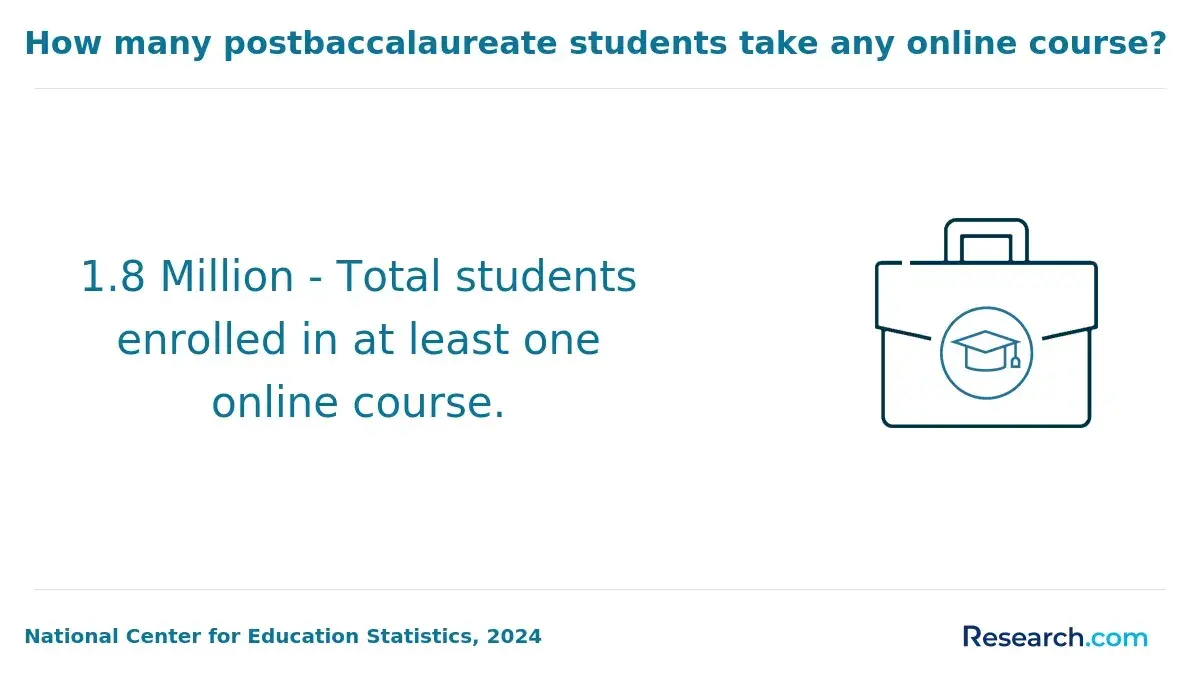
Knowing how many credits are required for both online and on-campus instructional design programs is essential for students to effectively plan their education and compare options. With a 30% rise in enrollment for online instructional design over recent years, flexibility and credit requirements play a critical role in students' decisions.
Below are important factors to consider when evaluating credit equivalency between delivery formats.
- Typical credit load: Online instructional design master's programs commonly demand between 30 and 45 credits, matching the range expected on campus to uphold accreditation standards and program integrity.
- Course structure and pacing: Online formats often allow students to progress at their own speed, offering more adaptable scheduling options. This flexibility can ease balancing study with work or personal obligations without changing the overall credit load.
- Workload differences: Despite asynchronous learning and virtual interaction, the academic rigor remains consistent. However, time management challenges may vary, influencing the total time needed to complete the required credits.
- Graduation timelines and career readiness: Credit requirements are aligned with expected timeframes for finishing the degree, which supports timely entry into the workforce or advancement in instructional design careers.
Knowing the credit requirements for accelerated instructional design programs is crucial for students aiming to graduate faster without compromising the quality of their education. This awareness helps manage workload and plan study schedules effectively.
Below is an overview of key credit-related aspects in these programs:
- Typical Credit Loads: Accelerated undergraduate courses generally demand between 36 and 48 credits, while graduate programs often require 30 to 36 credits. These totals reflect concentrated curricula that prioritize core instructional design knowledge and skills.
- Credit Distribution: Programs split credits between foundational core courses covering instructional design theories, learning technologies, and assessment techniques, alongside electives that enable students to specialize in areas of interest. This balance supports both depth and flexibility in study.
- Effect of Accelerated Schedules: The compressed format means students tackle more credits per term or face shorter academic periods. This acceleration increases the intensity of the program, making strong time management and consistent effort essential for success.
- Transfer Credit Opportunities: Many programs accept transfer credits from previously completed relevant coursework. Utilizing transfer credits can lighten the overall credit burden and shorten the path to degree completion, but early verification of transfer policies is advisable.
Knowing how transfer credits apply can help students streamline their instructional design studies and potentially shorten time-to-degree. Nearly 40% of instructional design students transfer credits, highlighting the value of understanding credit policies early. The following points outline typical transfer credit acceptance across degree levels.
- Associate Degree Credits: Programs usually accept 30-45 transfer credits, mainly covering general education and electives. Core instructional design courses often require completion within the program.
- Bachelor's Degree Credits: Acceptance ranges between 60-90 credits depending on the institution. Many transferred credits fulfill general education, with a smaller portion eligible for core instructional design classes.
- Master's and Professional Degrees: These programs typically accept fewer transfer credits, around 6-12, focusing primarily on graduate-level courses directly related to instructional design.
- Doctoral Programs: Transfer credits are rarely accepted or are very limited due to the advanced and specialized nature of doctoral coursework.
- Accelerated Programs: Credit acceptance can vary widely; some allow prior learning assessments or portfolio credits, but core program requirements remain strict.

Prior learning assessment (PLA), or credit for experience, allows students to earn academic credit for relevant professional work instead of completing some courses. This often applies to experience gained through jobs, internships, military service, or volunteer roles connected to instructional design.
Below are some common types of work experience that might qualify for credit toward an instructional design degree.
- Curriculum development roles: Universities typically require detailed portfolios or work samples demonstrating curriculum design skills. Documentation such as reflective essays or employer verification letters often supports these claims. Most programs limit credits earned via PLA, commonly between 6 to 12 credits, to maintain academic standards.
- Training coordination and management: Experience in organizing and managing training programs can be assessed through portfolio reviews or competency exams. Schools carefully evaluate how well this experience aligns with learning objectives, ensuring relevant knowledge is demonstrated.
- E-learning production expertise: Practical skills in multimedia design or instructional technology are often validated by submitting project samples and resumes. This validation process helps shorten degree completion time and reduces tuition costs for students leveraging prior learning credits for instructional design degree programs.
- Project management and analysis: Experience showing leadership in learning needs analysis or managing instructional projects can count when properly documented. However, not all institutions accept PLA, and evaluation may include fees and time-consuming assessments.
Students should carefully research their institution's PLA policies and collect thorough evidence to maximize credit for work experience in instructional design. Balancing prior learning credits with required coursework helps avoid gaps in foundational knowledge. For those also exploring related educational paths, information on the psychology degree online may offer useful context.
Licensure requirements can significantly influence the credit hours needed for an instructional design degree, although this varies by state regulations and specific licensing boards. While obtaining a professional license is not typically required for instructional design itself, related fields such as educational technology or teaching credentials often mandate additional credits. These requirements might include completing specialized courses, clinical hours, or supervised practical experiences, which increase the overall credit load. Accreditation is a key factor here, as programs recognized by reputable agencies ensure that credits are more likely to satisfy licensure criteria.
Students pursuing an instructional design degree licensure credit impact should consider how these additional demands could extend their time to degree completion and raise tuition costs, especially when practical components are involved.
Differences among states and licensing boards mean prospective students must carefully review these requirements as part of their academic planning. Aligning degree credits with licensure standards offers advantages such as facilitating the certification process and easing credit transfers within accredited programs. However, meeting these standards can also add complexity to scheduling and increase total credit hours. Both online and campus programs may integrate requirements like practicum placements or virtual simulations, but availability varies.
Students interested in accelerated paths might explore options like an accelerated bachelor's degree format, which can sometimes offset challenges posed by additional credit demands. Understanding how licensure affects instructional design credits supports strategic decisions for efficient progression through their studies.
A credit hour commonly represents one hour of classroom or direct faculty instruction per week over a semester. Understanding how universities assign credits for an instructional design degree is essential for students planning their course load and monitoring progress efficiently.
- Lecture courses: Traditional lecture classes typically grant one credit hour per weekly hour of instruction. These credits form the core of the instructional design degree credit calculation and straightforwardly reflect time spent in class.
- Lab and practicum courses: These focus on hands-on experience and often provide fewer credit hours relative to contact time, emphasizing applied learning over lecture hours. They supplement theoretical knowledge with practical skills.
- Clinical experiences: Although less common in instructional design, clinical or supervised practical hours earn credits based on time spent in real-world settings, similar to labs or practicums.
- Project-based and capstone courses: Credits here are based on student workload rather than instruction time alone. This can include independent research, design projects, or comprehensive portfolios that reflect applied mastery.
Credit assignment can vary between undergraduate and graduate instructional design programs, with graduate credits often requiring more intensive and complex work per hour. Online programs follow the same credit standards but may replace live contact hours with guided assignments and interactive sessions. Students should be aware of these differences when evaluating curricula to ensure smooth credit transfer and degree completion.
For further insight on related flexible learning options, exploring online college degrees can be beneficial. Proper understanding of instructional design degree credit calculation supports efficient academic planning and successful program completion.
Total credit requirements refer to the number of academic credits a student must complete to earn an instructional design degree, directly impacting the duration needed to graduate. Accurately tracking these credits is vital for planning a realistic timeline for finishing the program.
Several important factors influence how these requirements translate into time spent earning the degree, as outlined below.
- Core credit sequencing: Many instructional design programs mandate completion of specific core courses in a set order, which can delay progress if prerequisites or limited course offerings restrict when classes are available, especially in on-campus formats.
- Elective credit options: Programs often allow flexible electives that align with student interests, providing opportunities to accelerate degree completion by choosing courses that fit their schedules or prior knowledge.
- Transfer credits: Credits earned from previous colleges or universities may reduce overall credit load, shortening the time to graduation if accepted by the program.
- Accelerated program formats: Online instructional design tracks frequently offer compressed courses or year-round sessions that enable students to complete credits faster than traditional semester-based schedules.
- Prior learning assessments: Some programs grant credit for relevant work experience or skills, which can decrease the number of required courses and expedite graduation.
Different delivery methods-online versus on-campus-affect how these credit-related factors play out. Online programs typically provide greater scheduling flexibility and self-paced options that may quicken completion. Conversely, on-campus programs often adhere to fixed semester timelines, which might extend the duration if core classes or certain requirements are only available infrequently.
Being mindful of credit distribution, transfer policies, and program structure helps students efficiently navigate their instructional design degree path and graduate on schedule.
Completing additional credits beyond the basic instructional design degree requirements can sometimes improve career progression, leadership opportunities, and access to specialized, higher-paying roles in select fields. However, this depends heavily on how those extra credits align with industry demands and employer priorities.
- Advanced concentrations: Taking extra courses in areas like educational technology or data analytics can build specialized expertise valued in digital learning and corporate training sectors.
- Licensure preparation: Earning credits aimed at qualifying for relevant certifications or licensure can enhance a graduate's marketability and salary potential.
- Technical skill development: Focusing additional credits on current instructional technologies or methods helps meet labor market expectations and can lead to better compensation.
- Leadership readiness: Targeted coursework preparing students for managerial or training leadership roles may open doors to higher-level positions.
- Unfocused credit accumulation: Simply taking more credits without clear specialization or career intent rarely leads to better earnings or advancement.
- Employer priorities: Hiring managers often emphasize practical experience, portfolio quality, and relevant credentials over the sheer number of completed credits.
- Academic versus professional pathways: Professional degrees with targeted, industry-relevant credits tend to result in more immediate salary benefits than broader academic degrees.
- Market trends: Skills aligned with current instructional design technologies and methodologies matter more than total credit volume in today's labor market.
What Graduates Say About The Credit Requirements for Their Instructional Design Degree
- Kael: "The flexibility of the online instructional design degree truly helped me balance work and study. Being able to earn credits at my own pace made a huge difference, especially since the average cost per credit was quite reasonable compared to other programs. Adding extra credits boosted my qualifications and opened doors to more leadership roles in my company. "
- Fallon: "Reflecting on my time in a traditional instructional design program, the credit requirements were manageable, but the cost per credit did add up. Fortunately, I was able to take some additional courses online, providing me the flexibility to finish sooner. Those extra credits enriched my skill set and directly contributed to my successful transition into a specialized training consultant. "
- Beau: "Professionally, the decision to pursue an instructional design degree online allowed me to earn credits affordably without sacrificing quality. The cost per credit was aligned with my budget, and the option to take extra credits meant I could tailor my education to fit niche areas relevant to my career. This strategic approach has substantially enhanced my professional portfolio."
Other Things You Should Know About Instructional Design Degrees
In 2027, prerequisites for enrolling in instructional design courses typically include a bachelor's degree in a related field and foundational skills in education or technology. Some institutions may require preliminary coursework in education theory or digital tools to ensure students are well-equipped for advanced study.
Yes. Most accredited programs accept transfer credits from regionally accredited colleges, usually up to 60 semester credits for a bachelor’s degree. The final 30 credits are often required in residence, and program chairs or registrars decide which courses match required instructional design competencies.
In 2027, part-time students pursuing an instructional design degree might face extended timelines due to credit completion requirements. Programs often require a minimum of 30-36 credits, and part-time students typically take fewer courses per semester, potentially prolonging their studies.
- EdTech Books https://edtechbooks.org/jaid_10_2/a_study_of_instructi
- Getting Into Instructional Design - Experiencing Elearning https://christytuckerlearning.com/getting-into-instructional-design/
- Instructional Technology https://gst.touro.edu/academics/instructional-technology/index.php
- So, you want to become an instructional designer? — Dr. Luke Hobson https://drlukehobson.com/blog1/so-you-want-to-become-an-instructional-designer
- Online Instructional Design and Technology Certificate https://www.mountunion.edu/academics/graduate-degrees/med-certificate-instructional-design-and-technology
- Certification in instructional design: Your Actionable Guide https://www.learniverse.app/blog/certification-in-instructional-design
- Instructional Design & Technology Career Roadmap https://www.snu.edu/instructional-design-and-technology-career-roadmap
- Instructional Designer: Job Responsibilities & Salary Expectations - Authentic Jobs https://authenticjobs.com/instructional-designer-responsibilities-salary/
- Graduate Certificate in Instructional Design for e-Learning https://www.online.drexel.edu/online-degrees/education-degrees/cert-instructional-design-elearning/index.aspx
- Instructional Design and Development (MS) https://www.xavier.edu/instructional-design/index