2027 GPA, Test Scores, and Experience Needed for Instructional Design Degree Programs

Co-Founder and Chief Data Scientist
Many prospective students struggle to understand the GPA, test scores, and experience needed to enter instructional design degree programs. Some programs demand a minimum GPA close to 3. 0, while others prioritize professional experience over standardized test results. According to the National Center for Education Statistics, approximately 42% of instructional design graduate programs no longer require GRE scores, reflecting a shift toward holistic admissions.
Navigating these varying criteria can challenge applicants seeking aligned programs. This article clarifies typical academic and experiential requirements across instructional design programs, helping readers evaluate options and improve their chances of acceptance.
Key Things to Know About GPA, Test Scores, and Experience Needed for Instructional Design Degree Programs
- Most instructional design programs prefer a minimum GPA of 3.0, reflecting strong academic performance relevant to project management and communication skills.
- Standardized test requirements vary; many schools adopt test-optional policies focusing instead on portfolios or writing samples showcasing instructional design potential.
- Professional or academic experience in education, training, or technology is highly valued, often compensating for lower GPA or test scores and demonstrating practical readiness.
What Are the Admission Requirements for Instructional Design Degree Programs?
Admission to instructional design degree programs requires careful preparation to meet diverse criteria, with many schools increasingly adopting holistic review processes. These processes evaluate applicants beyond GPA and test scores, appreciating a wider range of experiences and strengths, which aligns well with applicants who bring varied professional backgrounds.
Key components in the admissions process typically include the following:
- Application materials: Most programs require a formal application, academic transcripts, and letters of recommendation that highlight skills or professional character. These documents help demonstrate an applicant's readiness for advanced study.
- Prerequisite coursework: Candidates should typically have completed foundational classes in education, technology, or communication. These courses build essential knowledge that supports success in instructional design studies.
- Deadlines and timelines: Programs maintain strict submission deadlines, followed by a review period before decisions are announced. Understanding these timelines is crucial for timely and complete applications.
- Eligibility criteria: While holding a bachelor's degree or equivalent is commonly required, specifics can vary. Confirming these basic requirements early helps avoid application issues.
Applicants should also be mindful of GPA and test score requirements for instructional design programs as well as any professional experience needed for instructional design degrees, even though these factors may be considered within a broader holistic review. For those exploring related fields, comparing artificial intelligence degree programs can provide additional insight into admission standards and career pathways.
What GPA Do You Need for a Instructional Design Degree Program?
Most instructional design degree programs set a minimum GPA requirement, typically ranging from 2.5 to 3.0 on a 4.0 scale. This minimum GPA to enter instructional design degree programs serves as an eligibility baseline but does not always reflect the average GPA of admitted candidates. Competitive applicants often present GPAs above 3.3, indicating a stronger academic record. Additionally, GPA requirements can vary depending on the institution, the specific program specialization, and the delivery format, whether online or on-campus, which can influence admissions standards.
Admissions committees generally assess GPA within a holistic review process that considers more than just the raw score. Factors include upward trends in grades over time, the rigor of previous academic work, and the relevance of completed courses to the field of instructional design. This approach allows evaluators to gauge an applicant's broader academic potential and fit. Prospective students interested in related fields might also explore options such as online engineering programs to compare academic expectations and admission criteria across disciplines.
Do Instructional Design Degree Programs Require the GRE or GMAT?
Standardized tests like the GRE or GMAT are often used in graduate admissions to provide a uniform measure of applicants' academic readiness. These exams help compare candidates from diverse educational backgrounds, though requirements can differ notably for instructional design graduate program test score policies.
Key considerations regarding GRE or GMAT requirements in instructional design programs include:
- Testing flexibility: Many programs do not require GRE or GMAT scores, placing greater emphasis on undergraduate GPA and relevant professional experience instead.
- Test preference: When standardized tests are required, the GRE is more commonly accepted than the GMAT, as it caters to a wider range of academic fields beyond business.
- Experience waivers: Applicants with substantial work experience or prior graduate degrees may have testing requirements waived in some programs.
- Test-optional trends: Increasingly, test-optional policies allow candidates to decide whether to submit GRE or GMAT results, adding flexibility to the admissions process.
- Program specialization: Some specialized instructional design tracks may have unique score expectations based on their academic focus and rigor.
Admissions committees also value alternative indicators such as portfolios, recommendation letters, and personal statements over standardized test scores. This approach supports applicants who meet professional qualifications but opt out of submitting test results. Prospective students evaluating GRE and GMAT requirements for instructional design programs should review each program's policies carefully. Those considering broader graduate business education might explore options among online executive MBA programs for comparison.
Instructional design programs typically do not mandate relevant professional experience for admission, though many do value it during application reviews. Approximately 40% of these programs prefer candidates with backgrounds in education, training, or related sectors, viewing experience as a sign of preparedness for graduate studies and practical insight.
Here are key considerations regarding how professional experience impacts admissions:
- Experience Expectations: While some programs suggest having 1-3 years of relevant work, it is rarely a strict requirement, allowing broader accessibility for applicants.
- Recent Graduates: Candidates new to the field can often compensate for limited experience with strong academic records or portfolios highlighting instructional projects.
- Alternative Demonstrations: Submitting work samples or a portfolio is frequently accepted as evidence of skills and understanding, providing an alternative to formal experience.
- Program Flexibility: Online instructional design programs generally offer more leniency around experience prerequisites compared to traditional on-campus options, accommodating diverse applicant backgrounds.
- Specialization Benefit: Experience in areas like corporate training or e-learning development can boost competitiveness, especially for specialized program tracks.
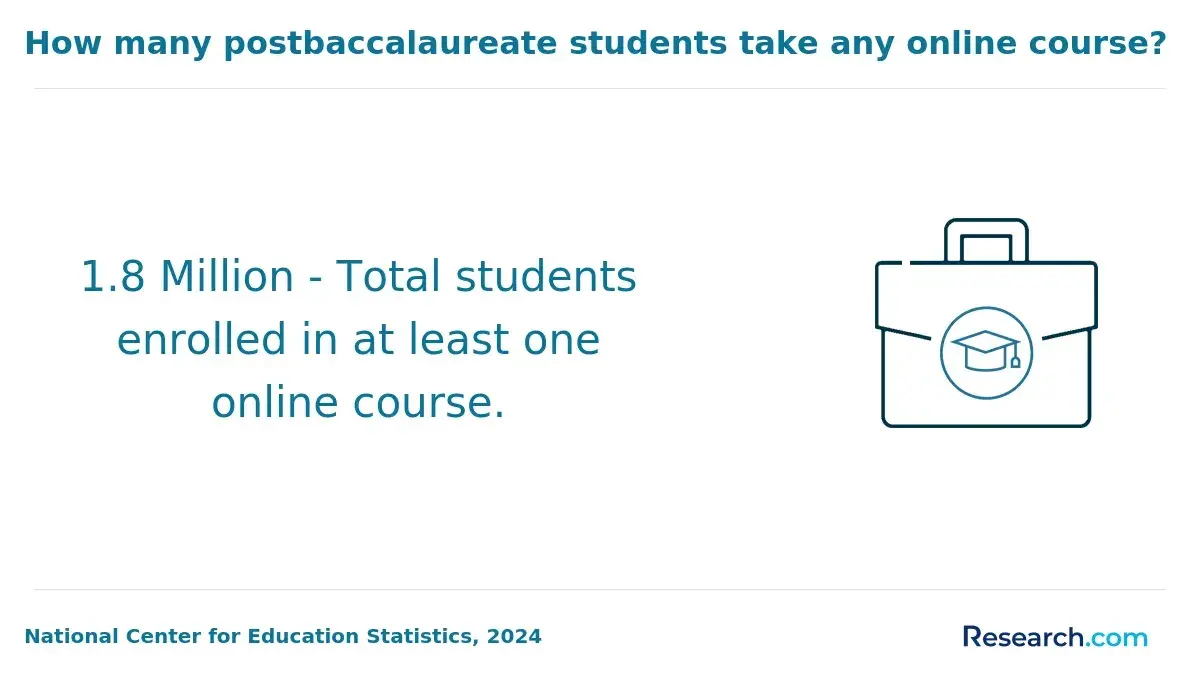
Admission requirements for online instructional design programs share core similarities with on-campus offerings, yet key distinctions exist, especially in flexibility and evaluation criteria. Online programs have grown substantially, with enrollment surging more than 150% in recent years, reflecting heightened demand from working adults seeking adaptable learning options. The following points highlight how admissions can vary between the two formats, noting that specifics depend on the institution, degree level, and specialization.
- GPA flexibility: While many programs maintain a baseline GPA near 3.0, online options often allow more leniency for candidates with substantial relevant work experience. This can help applicants compensate for academic records that fall slightly below traditional cutoffs.
- Standardized tests: Requirements like the GRE are increasingly optional or eliminated in both settings, but online programs especially emphasize accessibility by minimizing barriers such as mandatory exams.
- Professional experience emphasis: Online programs tend to weigh practical experience more heavily, sometimes prioritizing career achievements and skills over standardized academic metrics.
- Application materials: Personal statements, resumes, and portfolios often carry heightened importance in online admissions to showcase applicants' readiness and goals beyond transcripts.
- Scheduling flexibility: More lenient deadlines and part-time enrollment options are common in online formats, accommodating working professionals balancing education with career demands.
One graduate of an online instructional design program shared that navigating admissions felt both daunting and empowering. "Submitting my resume and statement was where I could really explain my background and enthusiasm," he recalled. He appreciated how the program valued his years in related roles, which softened the pressure of a less-than-perfect GPA. The graduate also noted deadlines felt more accommodating, allowing him to prepare his application thoroughly amid work commitments. His experience underlined how the online admissions process can sometimes better reflect a candidate's full potential beyond traditional academic benchmarks.

About 70% of instructional design degree programs require English proficiency tests such as the TOEFL or IELTS, though many institutions now accept alternative evidence of language skills. This shift reflects the diverse backgrounds of applicants and the evolving standards for demonstrating English ability.
Key considerations regarding English proficiency assessments include:
- Test Requirements: Most programs ask for scores from standardized tests like TOEFL or IELTS. Typical minimum scores are around 80 on the TOEFL iBT or 6.5 on the IELTS, serving as basic benchmarks to ensure sufficient language skills.
- Waivers: Some schools waive the testing requirement if the applicant has earned previous degrees from English-speaking countries or provides official transcripts in English, recognizing prior academic experience as evidence of proficiency.
- Alternative Proof: Professional experience using English, successful completion of advanced English courses, or interviews conducted in English may sometimes substitute for formal test scores, especially if applicants demonstrate strong communication abilities.
- Online vs. On-campus: Online instructional design programs often offer more flexible language requirements and assessment methods compared to their on-campus counterparts, accommodating a wider variety of student circumstances.
- Verify Requirements: Since policies vary widely across programs, applicants should carefully review each program's individual English proficiency expectations to ensure compliance.
Costs related to applying for instructional design degree programs can accumulate quickly, involving application fees, exams, and document handling. On average, graduate school application fees in the U.S. typically fall between $50 and $100 per program, which can add up when applying to multiple schools.
Below are common expenses applicants should anticipate:
- Application fees: These nonrefundable fees usually range from $50 to $100 per program. They cover administrative processing costs and rarely offer waivers except in special financial need cases.
- Standardized testing fees: Though many programs no longer require GRE or similar tests, those that do generally charge between $200 and $250. Some institutions may waive this requirement for candidates with strong GPAs or relevant experience.
- Transcript request fees: Sending official transcripts to each program typically costs about $5 to $15 per institution. This is a mandatory expense for all applicants.
- Credential evaluations: International students often need to have their foreign transcripts evaluated, with fees ranging from $100 to $200. This evaluation verifies academic equivalency and is not needed by domestic applicants.
- English proficiency exams: Non-native English speakers usually take tests like TOEFL or IELTS, which can cost anywhere from $180 to $250 depending on the testing agency. These fees vary and are necessary for admission in most cases.
After speaking with a graduate of an instructional design program about these costs, she shared how managing application expenses became a part of her admissions journey. She recalled feeling somewhat overwhelmed by the cumulative fees, especially since she applied to several programs to increase her chances. "Budgeting was crucial," she said, reflecting on how she tracked each cost carefully. Ordering multiple transcripts and preparing for exams stretched her budget, but she found that researching fee waivers and deadlines helped mitigate unexpected expenses. Despite the financial challenges, she considered the investment worthwhile, emphasizing that planning ahead eased much of her stress and allowed her to focus more on preparing strong applications.
Institutions often admit students with diverse academic profiles recognizing that standardized measures like GPA and test scores do not fully capture potential. To promote retention and student success, many programs provide targeted academic support services designed especially for those admitted with lower metrics or less experience. Below are common forms of assistance available in instructional design degree programs.
- Tutoring programs: These offer personalized help focused on coursework related to instructional design principles and technology, helping students strengthen understanding and skills.
- Bridge courses: Foundational classes reinforce key abilities such as research methods, writing, or educational theory before students begin core curriculum requirements.
- Advising support: Faculty or dedicated advisors actively monitor academic progress, provide guidance, and assist students in navigating challenges early in their studies.
- Skills workshops: Focused sessions develop essential competencies, including time management, critical thinking, and the use of software tools frequently applied in instructional design projects.
- Probation and intervention: Programs often implement early intervention plans coupled with probation policies to identify struggling students quickly and offer tailored resources for academic improvement.
These academic support strategies allow admissions staff to consider a broader applicant pool, offering admissions support for students with lower GPA or limited prior experience while fostering an inclusive and encouraging learning environment. Prospective students interested in the best bachelor degrees appreciate how such support can be crucial for success, extending opportunities beyond traditional academic metrics.
Speaking directly with admissions counselors can help applicants clarify expectations, strengthen applications, and avoid costly surprises such as hidden fees or scheduling conflicts. Studies show that nearly 60% of prospective students say direct communication with admissions positively influences their enrollment decisions.
Below are key questions to ask admissions counselors before applying to an instructional design degree program:
- What GPA and test scores are expected, and is there any flexibility? This question helps applicants understand how to meet GPA and test score requirements for instructional design programs-even if their academic background is nontraditional or their scores fall below standard thresholds.
- Are prerequisite courses or relevant experience required? Knowing about necessary prerequisites or prior experience ensures candidates can prepare accordingly and meet admission criteria efficiently.
- How is the program delivered, and what are the scheduling options? Candidates should verify if the program format aligns with their learning preferences and work-life balance needs, including whether courses are fully online, hybrid, or in person.
- What financial aid options are available, and are there hidden costs? Confirming financial aid availability and understanding all expenses helps avoid unexpected costs. Applicants might also inquire about cheap online colleges that accept FAFSA and could provide affordable pathways.
- What academic support services are offered to ensure success? Services like tutoring, mentorship, and career counseling can improve retention and help students successfully complete their degrees and transition into instructional design careers.
Applicants frequently believe that instructional design programs with tougher admissions criteria lead to higher salaries because selective programs tend to attract prestigious faculty and ambitious students. Research shows that graduates from competitive programs can earn roughly 10-15% more early in their careers, though this advantage often decreases as experience becomes more important.
Several factors explain the connection between admissions selectivity and salary outcomes:
- Institutional reputation: Programs with higher selectivity often enjoy stronger employer recognition, which can translate into better job offers and initial salaries for graduates.
- Curriculum rigor: More demanding coursework may equip students with advanced skills and adaptability that meet the evolving needs of instructional design roles.
- Networking opportunities: Selective programs often foster robust professional networks that provide access to lucrative positions and industry connections.
- Employer priorities: Despite admissions benchmarks, hiring managers prioritize relevant experience, portfolios, and practical skills over the prestige of the degree program.
- Admissions as an imperfect indicator: GPA and test scores do not guarantee future earnings since market trends, individual growth, and job performance have greater influence on salary progression.
What Graduates Say About Their GPA, Test Scores, and Experience Needed for Instructional Design Degree
- Kristin: "Getting admitted into the instructional design program was challenging, especially balancing my GPA and prepping for the entrance test. The entire cost, from application fees to graduation, was around $25,000, which felt like a solid investment. Finishing the program opened doors to new roles and significantly boosted my confidence in creating impactful learning solutions. "
- Jalen: "Reflecting on my journey, meeting the experience requirements was initially daunting, but my background helped me stand out. The program's total expense, including tuition and materials, hovered near $30,000, and every dollar was worth it. This degree truly transformed my career trajectory by equipping me with cutting-edge strategies I now apply daily. "
- Bea: "As a professional, I approached the instructional design degree program systematically, ensuring my test scores and GPA aligned with the standards. The cost was manageable at about $28,000, covering all fees until completion. Graduating has been pivotal, elevating my expertise and earning me recognition among my peers in the field."
Other Things You Should Know About Instructional Design Degrees
Most instructional design master’s programs do not require the GRE in 2027. When scores are requested, schools usually ask for official results from the Educational Testing Service, and minimum cutoffs are often not published. Applicants should check each program’s admission page for exceptions and waiver rules.
Work experience in unrelated fields may have limited impact on admission decisions for instructional design programs unless it involves transferable skills like project management or technology use. Admissions committees typically prioritize demonstrated understanding of instructional design concepts. However, some programs may value diverse professional backgrounds if applicants clearly explain their relevance and motivation for transitioning into the field.
In 2027, instructional design degree programs typically require a minimum GPA of 3.0. GRE or MAT test scores might be required, with competitive scores varying by program. Some schools prioritize experience, which can offset slightly lower scores or GPAs, but generally, strong academic performance is important.
- 9 Pro Tips For How To Get Experience in Instructional Design – Your Learning Career https://www.yourlearningcareer.com/9-pro-tips-for-how-to-get-experience-in-instructional-design/
- Admission Requirements & Deadlines - Instructional Technology (Ph.D.) https://www.towson.edu/coe/departments/learning-technologies/grad/instructiontech/admission.html
- Sample Questions to ask Admissions Counselors or Program Directors — Creative Kid College Coach https://www.creativekcc.com/ckcc-blog/sample-questions-to-ask-admissions-counselors-or-program-directors
- Master of Science in Instructional Design & Technology https://online.stu.edu/degrees/education/ms-ed-instructional-design-technology/
- Instructional Designer Salary and Career Outcomes with a Master of Education https://masterofed-sopa.tulane.edu/articles/instructional-designer-salary-master-of-education/
- Master of Education in Instructional Design and Technology (online) https://www.bgsu.edu/engineering-and-innovation/graduate-programs/instructional-design-and-technology.html
- Master of Education in Instructional and Learning Design Technology (100% Online) https://www.uta.edu/academics/schools-colleges/education/degrees-certifications/graduate/master-instructional-learning-design-technology
- Instructional Technologies and Curriculum Design https://catalog.canisius.edu/graduate/division-arts-education-sciences/school-education-leadership-studies/educator-preparation/education-technologies-emerging-media/index.html
- EdTech Books https://edtechbooks.org/jaid_13_1/metrics_for_assessment_of_instructional_designcourse_development_teams
- ONLINE MASTER'S INSTRUCTIONAL DESIGN | edX https://www.edx.org/masters/instructional-design