2027 Is a 2-Year Instructional Design Degree Worth It: Accelerated Bachelor's ROI & Time Trade-Offs

Co-Founder and Chief Data Scientist
Many prospective students face uncertainty about pursuing a 2-year accelerated bachelor's degree in instructional design. With the average student loan debt in the U. S. exceeding $30, 000, understanding the financial and time trade-offs is critical. Employment in instructional design is projected to grow 9% from 2022 to 2032, faster than the average for all occupations, but is a fast-track degree worth this commitment?
This article examines the return on investment of accelerated programs, compares time savings versus traditional paths, and evaluates career outcomes to help readers make informed decisions about their educational and professional futures.
Key Benefits of a 2-Year Instructional Design Degree
- Accelerated 2-year instructional design degrees reduce time-to-degree by up to 50%, enabling faster entry into the workforce and earlier salary gains compared to traditional 4-year programs.
- Instructional design professionals with associate or accelerated bachelor's credentials report a median salary increase of 15-20% over non-degreed peers within five years post-graduation.
- Lower tuition costs combined with quicker completion often result in higher ROI, making accelerated programs financially advantageous for students balancing education and career advancement.
How Do 2-Year Instructional Design Programs Work?
Two-year accelerated instructional design programs offer a fast-tracked route for students aiming to enter the field quickly without the commitment of a traditional four-year degree. Understanding how these programs operate is crucial to evaluate if the compressed schedule aligns with your career ambitions and lifestyle. These programs streamline coursework and pacing while maintaining academic rigor, making them an efficient choice for many learners.
- Accelerated Pacing: Coursework is condensed into a shorter timeframe by integrating prerequisite and core classes into accelerated terms. This requires consistent focus and time management to complete the program within two years.
- Year-Round Enrollment: Programs offer continuous terms across fall, spring, and often summer, reducing downtime between courses and enabling quicker degree completion.
- Condensed Course Terms: Each term moves at a brisk pace, demanding students handle heavier credit loads and more intensive study periods than in standard programs.
- Credit Load Expectations: Students typically take between 15 to 18 credits per term, higher than the usual 12 to 15 credits, to meet graduation goals promptly.
- Instructional Format: Programs frequently blend online and hybrid classes, providing flexibility for working adults and others needing adaptable schedules without sacrificing learning quality.
- Assessment Methods: Emphasis is placed on practical application through project-based tasks, portfolio creation, and technology-focused assignments alongside traditional exams to build job-ready skills.
- Curriculum Progression: Sequential course advancement is required, with steady pacing critical to fulfill graduation requirements within the condensed timeframe.
Graduates from accelerated 2-year instructional design programs can expect relevant skills aligned with industry demand, where employment for instructional coordinators is projected to grow significantly. Those juggling professional responsibilities might also explore related options like RN to BSN programs without clinicals for similarly flexible pathways.
The intensive instructional design degree coursework and workload demands an informed decision about personal capacity and career objectives before committing to these programs.
What Are the Admission Requirements for a 2-Year Instructional Design Degree?
For prospective students aiming to accelerate their career in instructional design, understanding admission requirements for a 2-year instructional design degree is crucial to ensure eligibility and efficient program completion. These criteria help gauge academic readiness and professional fit, especially for those targeting accelerated bachelor's in instructional design programs. Below is a detailed breakdown of typical eligibility criteria for accelerated instructional design programs.
- Prior Education: Most programs require a high school diploma or an equivalent credential. Some accelerated tracks specifically seek candidates who demonstrate strong foundational knowledge to handle the compressed coursework successfully.
- GPA Expectations: Many accelerated programs ask for a minimum GPA typically around 2.5 to 3.0, reflecting academic preparedness. This threshold helps institutions assess if students can maintain the rigor of an accelerated curriculum.
- Standardized Test Requirements: Unlike traditional four-year degrees, numerous 2-year instructional design programs do not mandate SAT or ACT scores. This flexibility often makes these programs more accessible to non-traditional students and working adults balancing education with other commitments.
- Prerequisite Courses: Depending on the program's structure, prerequisite courses may include basic computer literacy, introductory design principles, or communication skills. These courses ensure students enter the program with essential competencies.
- Work Experience: Some accelerated instructional design tracks prefer or require relevant experience in education, training, or digital media. This is especially common for programs aimed at career changers seeking to leverage existing skills.
These 2-year degrees prioritize flexibility and rapid completion, often allowing students to earn their qualifications one to two years faster than traditional programs. Given that median salaries for instructional designers exceed $60,000 annually according to the U.S. Bureau of Labor Statistics, such programs offer a compelling return on investment. For those exploring related fast-track options in healthcare education, resources on easy DNP programs can be informative.
What Does a Typical Week Look Like in a 2-Year Instructional Design Program?
Knowing how a typical week is structured in an accelerated instructional design program helps prospective students gauge if they can handle the workload and meet their career goals. The balance of coursework, collaboration, and independent tasks demands careful planning and dedication. Here is a detailed look at what students typically experience week to week.
- Class Sessions and Lectures: Students attend multiple interactive classes totaling around 10 to 15 hours weekly, focusing on topics like learning theories, course design, and educational technology.
- Assignments and Assessments: Diverse tasks such as case studies, lesson planning, and prototype development reinforce learning and hone practical skills, often requiring significant out-of-class effort.
- Group Collaboration: Team projects and study groups help mirror professional environments, encouraging peer feedback and joint presentations both virtually and in-person.
- Independent Study: A substantial weekly time investment-typically 15 to 20 hours-is needed for research, software practice, and building portfolio projects outside scheduled sessions.
- Instructor Interaction: Students benefit from frequent feedback through office hours, online forums, and personalized guidance that supports mastering complex subjects.
- Time Management Expectations: The accelerated pace calls for disciplined scheduling and proactive communication to successfully balance all program requirements and deadlines.
When I asked a recent graduate who completed a bachelor's degree in instructional design in two years about his experience, he emphasized the intensity of the schedule. "It was like juggling a full-time job with constant deadlines. Some weeks felt overwhelming, especially when multiple projects overlapped," he recalled.
Yet, he found that staying organized and leaning on classmates during group work provided essential support. "Those late nights spent refining a lesson plan or troubleshooting design software taught me resilience and flexibility. It wasn't easy, but that pressure built confidence and real-world skills that I still use today."
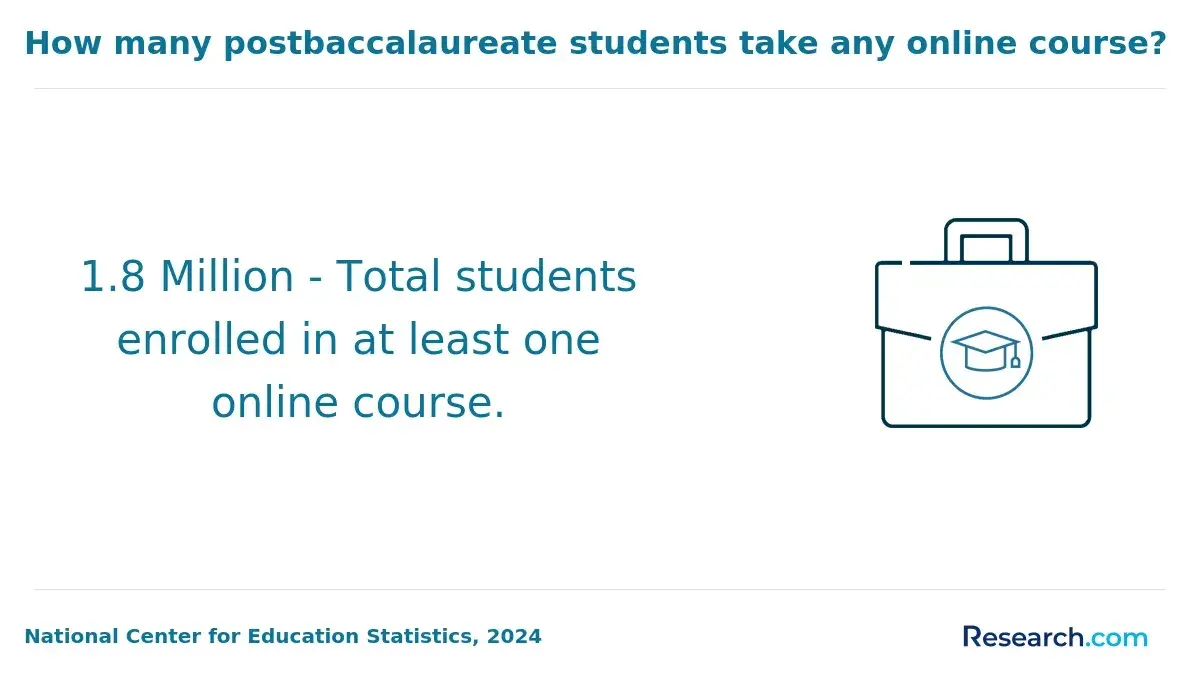
Delivery format plays a crucial role for students pursuing an accelerated instructional design degree, influencing flexibility, accessibility, and effective time management. Online options, in particular, enable many to balance studies with work or personal commitments. The following points highlight key aspects of two-year instructional design programs offered online.
- Fully online vs. hybrid formats: Programs may be entirely online or combine online coursework with occasional in-person sessions. Hybrid models offer some face-to-face interaction, while fully online formats maximize convenience for remote learners.
- Asynchronous and synchronous learning: Many courses blend asynchronous lessons, which allow students to work at their own pace, with scheduled live sessions for real-time discussions and group activities. This mix supports both flexibility and engagement.
- Technology requirements: Students typically need a reliable computer, high-speed internet, and familiarity with learning management systems like Canvas or Blackboard. Additionally, access to multimedia authoring tools is often required to develop instructional materials.
- Student support services: Effective online programs provide virtual tutoring, career advising, library access, and technical assistance. These resources help address challenges such as isolation and technology issues that can arise in remote learning.
- Pacing and engagement: Accelerated two-year programs reduce total study time by about half compared to traditional degrees. The online format's combination of varied learning methods promotes sustained student engagement despite an accelerated schedule.
Evaluating the total cost of a 2-year instructional design degree is essential for understanding its return on investment, especially when considering accelerated programs. These condensed degrees can offer faster workforce entry but may come with different cost structures than traditional ones. Below is a detailed breakdown of the key expenses involved to help you make an informed decision.
- Tuition and fees: Tuition fees for accelerated instructional design programs often differ from traditional paths, sometimes charging higher per-credit rates due to the intensive course load. Mandatory fees vary by institution, influencing the overall cost significantly.
- Textbooks and learning materials: Beyond tuition, specialized textbooks, digital licenses, and software relevant to instructional design add to expenses. These resources are crucial for staying current with industry practices.
- Technology and lab fees: Certain programs require access to virtual labs or specific platforms, which can incur additional technology fees. These costs support hands-on learning essential to instructional design competencies.
Because these accelerated programs compress credit requirements into about half the time, living and opportunity costs may be lower compared to a four-year degree. However, the full-time commitment often needed can impact working adults' income during study periods. Considering how tuition fees for accelerated instructional design programs balance with these factors is key to assessing overall affordability.
The demand for instructional design professionals is rising, so completing a degree faster can be an advantage. When exploring options, it's also wise to review other academic pathways such as easy nursing programs to get into, which some may compare when evaluating educational investments.
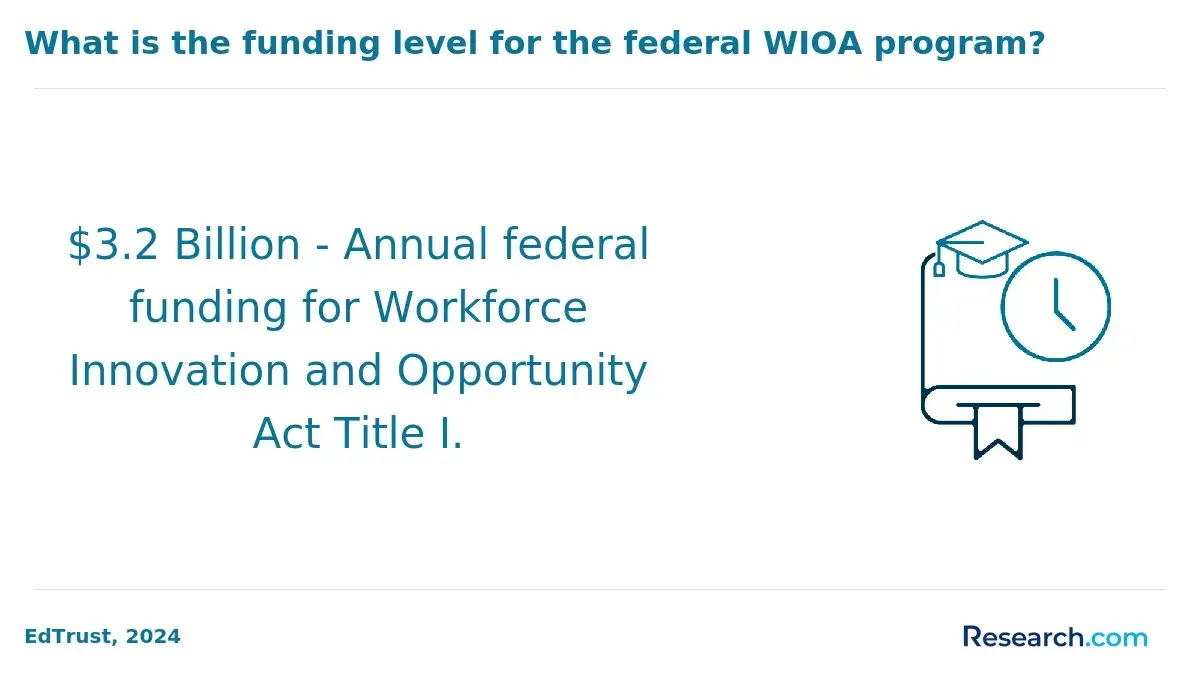
For many prospective students, the ability to secure financial aid is crucial when choosing an accelerated instructional design program. Since these programs often span just two years, understanding how aid works within condensed timelines is essential to avoid gaps in funding and ensure steady progress. Below is an overview of key financial aid options and unique considerations for accelerated formats.
- Federal student aid eligibility: Students enrolled in accredited programs can apply for Pell Grants and federal loans by completing the FAFSA. However, accelerated pacing may lead to adjusted disbursement schedules or altered eligibility periods, so monitoring deadlines closely is important.
- Scholarships and grants: Many scholarships target learners pursuing instructional design or related educational technology fields. These can come from professional groups, nonprofits, or industry sponsors eager to support workforce development in this area.
- Employer tuition assistance: Working adults often benefit from employer programs that reimburse tuition expenses. Approval may hinge on demonstrating how the degree supports current job functions or career advancement paths.
- Flexible payment plans: Because accelerated programs require rapid tuition payments, some schools offer installment plans tailored to these schedules, helping students avoid excessive debt or financial strain.
An instructional design professional who completed a two-year accelerated bachelor's recounted how financial aid made her journey possible. "Balancing full-time work and a fast-paced program was stressful, but knowing I qualified for federal aid through FAFSA gave me peace of mind," she explained. She also pursued scholarships aimed at education technology, which helped cover books and fees.
"The accelerated timeline meant I had to stay organized with payment deadlines and aid applications, but my school's flexible plan eased the burden." Reflecting on her experience, she emphasized that while navigating financial aid alongside an intense schedule was challenging, the support systems in place were critical to finishing on time and without overwhelming debt.
Evaluating career outcomes is crucial when considering the value of an accelerated instructional design bachelor's degree. Understanding the types of roles and industries accessible with a 2-year instructional design degree helps prospective students align their educational investment with realistic job prospects. This perspective leads into the variety of entry-level jobs and advancement pathways available for graduates.
- Instructional design assistant: This entry-level role supports the development and implementation of training materials. Assistants often collaborate with senior designers to create engaging content, ensuring the learning experience aligns with organizational goals.
- E-learning developer: Graduates frequently work on designing and producing digital learning modules for corporate or healthcare sectors. This role requires familiarity with authoring tools and multimedia design, skills emphasized in accelerated programs.
- Curriculum coordinator: In education-focused settings, coordinators organize and manage educational programs. This position involves aligning curriculum content with learning outcomes and often interacts with instructors and administrators.
- Training specialist: A common role in government and technology firms where professionals design and deliver training sessions. These specialists ensure that learning interventions address skill gaps and support workforce development.
- Workforce readiness through acceleration: The accelerated format reduces time-to-degree, allowing students to enter the workforce faster. This efficiency supports graduates in acquiring relevant competencies like learning theory and assessment strategies sooner, which enhances immediate job readiness.
- Growth and advancement: Early-career instructional designers often gain experience with learning management systems and project management tools, positioning them for mid-level roles such as instructional designer or training manager. Industries with rising remote work demand, like technology and consultancy, are expanding opportunities in this field.
The demand for careers with a 2 year instructional design degree continues to grow as organizations prioritize effective remote and digital learning solutions. For students exploring various educational pathways, comparing costs is important; resources highlighting the cheapest online BSN programs demonstrate how valuing accelerated options can impact financial decisions across fields.
Salary outcomes are a key factor when evaluating the return on investment (ROI) of accelerated versus traditional degree paths in instructional design. Understanding how earnings compare between 2-year associate degrees and traditional bachelor's degrees helps prospective students weigh the financial benefits alongside the time commitment. The following points offer a detailed salary comparison that highlights differences in early and long-term earnings and career growth.
- Early-career earnings: Graduates with a 2-year instructional design degree typically earn median annual salaries between $45,000 and $55,000, while those with bachelor's degrees usually start around $60,000 to $70,000. This early wage gap reflects employer preference for the broader academic preparation provided by four-year programs.
- Long-term earning potential: While 2-year degrees offer faster completion, industry data shows that after a decade, bachelor's degree holders in instructional design often earn 15% to 25% more due to access to advanced and leadership roles. This disparity underscores the value of deeper theoretical foundations in long-term career growth.
- Employer perception and career progression: Employers may value bachelor's degrees for indicating a comprehensive knowledge base, which can enhance salary offers and promotion opportunities. Conversely, 2-year degree holders demonstrate strong practical skills, which can lead to quicker entry-level employment and skill application.
- Faster workforce entry and lifetime earnings: Graduates of accelerated 2-year programs can enter the workforce up to two years earlier, gaining valuable experience ahead of traditional bachelor's degree holders. This head start may partially offset the initial salary difference, impacting total lifetime earnings and necessitating consideration of both salary and time investment in an instructional design degree salary comparison.
For those exploring cost-effective degree options, programs such as the cheapest RN to BSN can illustrate how accelerated pathways influence earnings and career timing across disciplines.
Evaluating the return on investment (ROI) is essential for students considering accelerated instructional design degrees, as these programs represent a significant time and financial commitment. Understanding what drives ROI can help students make informed choices that align with both their career ambitions and budget. Below are key factors that most impact ROI for accelerated instructional design degrees.
- Time-to-completion: Accelerated programs typically allow students to graduate in two years or less, compared to the traditional four years. This shorter duration reduces tuition expenses and lets graduates enter the workforce sooner, decreasing overall costs and accelerating income potential.
- Tuition and total cost: While the per-credit cost may be similar to traditional degrees, accelerated programs require fewer credits or semesters. This often results in lower total tuition, but prospective students should consider any extra fees unique to accelerated formats when calculating overall expenses.
- Opportunity cost savings: Finishing the degree faster means spending less time away from paid employment or career advancement opportunities. For many, this translates into significant financial savings by starting or returning to the workforce earlier, maximizing earning years.
- Employment outcomes: Job prospects in instructional design are strong, with projected above-average growth in related fields. Accelerated program graduates can tap into this demand more quickly, improving their chances of securing well-paying positions soon after graduation.
- Salary growth: Earning potential tends to increase with experience and credentials, and programs emphasizing applied learning boost this effect. Skills gained through accelerated degrees-especially digital literacy and practical application-enhance long-term salary prospects by expanding career pathways.
- Industry demand and skill transferability: The growth of educational technology and corporate training sectors drives demand for instructional design expertise. The versatility of skills developed in accelerated programs allows graduates to move across related industries, further improving ROI through broader employment options.
When deciding if a two-year instructional design degree fits your needs, consider how well you adapt to an intensive learning environment that requires fast comprehension and strong time management.
Reflect on your preferred pace of study and whether you can commit the necessary hours without feeling overwhelmed. Assess your urgency to enter the workforce; accelerated programs shorten the typical four-year timeline by one to two years, which can be beneficial if you want to start your career sooner.
Think about your professional goals and how this degree aligns with them, especially if you need to gain relevant skills quickly. Understanding your readiness for an accelerated curriculum helps ensure you stay on track without sacrificing learning quality.
From a financial standpoint, accelerated programs usually reduce overall expenses by cutting tuition and living costs due to the shorter duration. Verify that the program holds proper accreditation to ensure your qualifications are valued by employers. Instructional design roles are expected to grow steadily, and median salaries hover around $70,000 for bachelor's degree holders, suggesting a solid return on investment.
Keep in mind employer preferences for experience and credentials, as some may prioritize hands-on skills alongside formal education. Also, consider how the degree's flexibility fits with your long-term career and personal plans.
What Graduates Say About Their 2-Year Instructional Design Degree
- Beau: "From a professional standpoint, opting for the 2-year instructional design program was strategic-it offered comprehensive training within a condensed timeline. I managed the demanding schedule by prioritizing assignments and staying organized, which paid off when I landed roles that value my specialized expertise. Considering the cost-effectiveness compared to longer programs, this degree accelerated my career advancement substantially."
- Jean: "Reflecting on my decision to pursue the 2-year instructional design degree, I appreciated how efficiently it covered all essential topics without unnecessary delays. The fast pace demanded discipline, so I planned my tasks carefully around the coursework. This degree has significantly boosted my ability to design effective learning solutions, and the cost was a worthwhile investment for my career growth."
- Kai: "I chose the 2-year accelerated instructional design program because I wanted to quickly transition into a new career without the long wait. Balancing work and studies was intense but manageable with a strict schedule and consistent focus. Now, with the competitive skills I gained and the reasonable average cost of attendance, I feel confident as a valued professional in the field."
Other Things You Should Know About Instructional Design Degrees
In 2027, accelerated 2-year instructional design degrees are increasingly respected, especially by employers looking for efficiency and skills. However, some traditionalists may still view 4-year degrees more favorably due to their comprehensive curriculum and longer study duration.
Many U.S. accelerated instructional design bachelor’s programs require a final capstone, and some include a practicum or internship of about 120 to 180 hours. These requirements are often tied to instructional design standards and are used by employers to evaluate portfolio-ready experience before hiring.
The time saved in an accelerated degree program can positively impact earning potential by allowing graduates to enter the workforce sooner, gaining experience and potentially advancing in their careers faster. However, the compressed learning period may limit depth of study, which could affect skill development and competitiveness in the job market.
- Two-year Degree Courses in the UK | GoStudyIn https://gostudyin.com/study-in-uk/study-options/two-year-degree/
- Accelerated Degree Programs | Research Starters | EBSCO Research https://www.ebsco.com/research-starters/education/accelerated-degree-programs
- A Guide to Accelerated Bachelor's Degrees https://www.coursera.org/articles/accelerated-bachelors-degree
- How to Calculate the Return on Investment of a Design Education https://www.interaction-design.org/literature/article/how-to-calculate-the-return-on-investment-of-a-design-education
- 5 Things To Look For In An Instructional Design Master's Program https://www.saintleo.edu/about/stories/blog/5-things-to-look-for-in-an-instructional-design-masters-program
- Accelerated Bachelor's to Master's in Instructional Design and Technology https://www.bgsu.edu/engineering-and-innovation/schools-and-departments/visual-communication-and-technology-education/accelerated-bachelors-to-masters-in-instructional-design-and-tec.html
- A Complete Guide On Accelerated Degree Programs https://www.ebu.ac/blog/9-A-Complete-Guide-On-Accelerated-Degree-Programs-blog.php
- Certificate in Instructional Design Tuition & Funding https://scs.georgetown.edu/programs/512/certificate-in-instructional-design/tuition-funding
- Edtech.com - 350 Instructional Design Jobs https://www.edtech.com/jobs/instructional-design-jobs