2027 How to Become an Elementary School Teacher in Arkansas: Requirements & Certifications

Co-Founder and Chief Data Scientist
Becoming an elementary school teacher in Arkansas requires more than earning a degree and applying for jobs. You must complete an approved preparation pathway, pass the required Praxis assessments, clear background checks, and maintain your license through professional development. The process is manageable, but it is easy to lose time or money if you choose the wrong program, misunderstand online degree rules, or wait too long to prepare for exams.
This guide is for high school graduates, college students, career changers, paraprofessionals, and working adults who want to teach elementary grades in Arkansas. It explains the education requirements, traditional and alternative licensure routes, online program considerations, costs, timelines, job market expectations, specialization options, and practical steps for choosing the right path.
Quick Answer: How do you become an elementary school teacher in Arkansas?
To become an elementary school teacher in Arkansas, you generally need a bachelor’s degree, completion of a state-approved teacher preparation program, passing Praxis scores, a background check, and approval for an Arkansas teaching license. Career changers who already hold a bachelor’s degree may be able to use an alternative route such as a Master of Arts in Teaching, APPEL, ArPEP, or another approved pathway instead of completing a traditional undergraduate education program.
Key Things You Should Know About Becoming an Elementary School Teacher in Arkansas
- The average time to complete the licensure process for an elementary school teacher in Arkansas is approximately 18 months when candidates already meet degree and coursework requirements; a first-time undergraduate route usually takes longer.
- In the 2022-2023 academic year, the Arkansas Department of Education issued over 3,500 initial teaching licenses, showing continued need for qualified educators across the state.
- Applicants must pay a non-refundable application fee of $100 when submitting a licensure application. Background checks and testing may add about $200 in additional costs.
- Arkansas candidates must pass the Praxis Core Academic Skills for Educators tests in reading, writing, and mathematics. The average pass rate for these assessments in Arkansas is around 80%, which makes early preparation important.
- Licensed teachers must renew their licenses every five years and complete at least 60 professional development hours to remain current with state requirements and instructional practice.
- Educational requirements for Arkansas elementary teachers
- Licensure application and renewal process
- Support and professional resources for teachers
- Traditional vs. alternative certification programs
- Timeline to become licensed
- Online education programs and Arkansas licensure
- Online vs. on-campus elementary education programs
- Average cost of elementary education programs
- How to choose an elementary education program
- Elementary education specializations
- How Arkansas compares with other statesSpecialization considerations
- Career paths for elementary school teachers
- Specialized certifications that can expand your role
- Compensation and benefit trends
- Arkansas elementary teacher job marketCareer pathway details
- Working with speech and language specialists
- Professional development best practices
- Public and private school teaching paths
- Advancement beyond elementary teaching
- State policies affecting elementary education
- Praxis and certification exam preparation
- How certification routes affect your timeline
- Arts integration in elementary classrooms
- Emerging trends in Arkansas elementary education
- Leadership and school improvement
- Most cost-effective credential pathLeadership optionsEducation trendsCareer planning
What are the educational requirements for elementary school teachers in Arkansas?
Arkansas elementary teacher candidates generally need a bachelor’s degree and completion of a state-approved educator preparation program. For many students, the most direct option is a bachelor’s program in elementary education because it combines academic coursework, teaching methods, classroom fieldwork, and student teaching in one licensure-focused plan.
A related bachelor’s degree may also work if you complete an approved teacher preparation route. This is especially relevant for career changers who studied another field but now want to teach elementary students.
- Bachelor’s degree: Candidates typically earn a degree in elementary education or a closely related area. Coursework often includes literacy instruction, math methods, science and social studies teaching, child development, assessment, and classroom management.
- Approved teacher preparation program: Arkansas requires candidates to complete a preparation program recognized by the state. This is where candidates build practical teaching skills through field placements, supervised practice, and student teaching.
- Student teaching or clinical experience: Most traditional programs include a supervised classroom placement. This experience helps candidates practice lesson planning, behavior management, assessment, family communication, and differentiated instruction before becoming the teacher of record.
- Praxis exams: Candidates must pass required Praxis assessments, including the Praxis Core Academic Skills for Educators and relevant elementary education subject assessments.
- Background check: Arkansas requires background checks as part of the licensure process to help protect student safety.
After completing these requirements, candidates can submit an Arkansas licensure application with transcripts, test scores, preparation program verification, fee payment, and required background documentation.
For the 2023-24 academic year, general elementary teachers were among the most common public school teaching roles needing to be filled. The chart below provides additional context on common public school teaching jobs.
What is the licensure application and renewal process for elementary school teachers in Arkansas?
After finishing your degree and approved teacher preparation program, the licensure process confirms that you meet Arkansas requirements to teach. The most important steps are passing required exams, completing background checks, submitting official documentation, and paying the application fee.
- Complete an approved preparation pathway. This may be a traditional elementary education degree program or an approved alternative route for candidates who already hold a bachelor’s degree.
- Pass the required Praxis assessments. Arkansas uses Praxis exams to verify basic academic skills and elementary teaching knowledge.
- Prepare documentation. You will usually need official transcripts, program completion verification, test scores, identification information, and background check materials.
- Submit the licensure application. Applicants must pay the non-refundable $100 application fee, with additional testing and background check costs potentially totaling around $200.
- Maintain your license after approval. Arkansas teaching licenses must be renewed every five years, and teachers must complete at least 60 professional development hours for renewal.
Alternative licensure options can be useful if you already have a bachelor’s degree outside education. Programs such as a Master of Arts in Teaching, APPEL, or other state-approved routes may allow career changers to move into teaching without completing a second undergraduate degree. However, these routes still require exams, background checks, approved training, and evidence that you meet Arkansas licensure standards.
If you are still exploring education-related work, you may also want to compare teaching with other school and community roles, such as library technician careers.
What support and resources are available for elementary school teachers in Arkansas?
Arkansas elementary teachers can use several forms of support throughout their careers, including professional development, mentoring, district training, peer collaboration, and graduate education. These resources matter because new teachers often need help translating theory into daily classroom practice, while experienced teachers need ongoing training as curriculum standards, technology, and student needs change.
- Professional development: The Arkansas Department of Education, districts, universities, and education organizations offer training on instruction, assessment, classroom technology, literacy, behavior support, and curriculum updates.
- Mentorship: New teachers often benefit from guidance by experienced educators who can help with lesson pacing, parent communication, classroom routines, and evaluation expectations.
- Peer networks: Workshops, professional learning communities, and educator groups allow teachers to exchange materials, discuss classroom challenges, and learn from colleagues across grade levels.
- Graduate programs: Teachers who want to specialize or advance can consider master’s programs. For example, affordable options such as the cheapest online master's degree in early childhood education may help educators deepen expertise while continuing to work.
The strongest teachers do not rely only on initial preparation. They build a professional support system early, ask for feedback often, and continue improving their practice through formal and informal learning.
What is the difference between traditional and alternative teacher certification programs in Arkansas?
Arkansas offers more than one route into elementary teaching. The right choice depends on your current education level, career timeline, finances, and whether you need to work while completing licensure requirements.
| Pathway | Best for | Typical structure | Main trade-off |
| Traditional teacher preparation program | First-time college students or transfer students pursuing an education degree | Bachelor’s degree, education coursework, field experiences, student teaching, Praxis exams | More structured preparation but usually takes about four years for first-time students |
| Alternative certification route | Career changers who already have a bachelor’s degree | Approved coursework, exam requirements, mentorship, and often teaching while completing requirements | Can move faster, but candidates must manage teaching responsibilities while finishing certification work |
| Master of Arts in Teaching route | Bachelor’s degree holders who want graduate-level preparation | Graduate coursework, clinical practice, licensure preparation, and Praxis requirements | May improve long-term academic credentials but can cost more than some non-degree alternatives |
Traditional Teacher Certification Programs
A traditional program is the standard route for students who plan ahead for teaching while completing a bachelor’s degree. It usually includes education coursework, supervised fieldwork, and a student teaching placement before graduation.
- Degree requirement: Candidates usually complete a bachelor’s degree in elementary education or a related licensure-focused field.
- Coursework: Programs commonly cover child development, instructional planning, literacy, assessment, classroom management, and teaching methods across elementary subjects.
- Student teaching: Candidates complete supervised teaching in an actual school setting before applying for licensure.
- Exams: Praxis testing remains part of the licensure process.
Universities such as the University of Arkansas and Arkansas State University are examples of institutions that offer traditional educator preparation programs leading toward certification.
Alternative Teacher Certification Programs
Alternative certification is designed for people who already hold a bachelor’s degree and want to move into teaching without starting over in a four-year undergraduate education program.
- Eligibility: Applicants usually need a bachelor’s degree, required exam scores, and a clean background check.
- Faster entry: Some routes are designed to help candidates enter classrooms more quickly than traditional programs.
- Work-based preparation: Candidates may teach while completing coursework, mentorship, and additional requirements.
- Same accountability: Alternative-route candidates still need to satisfy Arkansas licensure rules and pass required Praxis exams.
Options such as Arkansas Teacher Corps and Arkansas Department of Education alternative pathways may appeal to adults who already have professional experience and want a more direct transition into teaching.
How long does it take to become an elementary school teacher in Arkansas?
The timeline depends on where you are starting. A first-time college student typically needs about four and a half to five years to complete a bachelor’s degree, student teaching, testing, and licensure processing. A career changer who already has a bachelor’s degree may be able to finish an approved alternative pathway faster, although the exact timeline varies by program, exam readiness, and job placement requirements.
| Stage | Estimated time | What happens during this stage |
| Bachelor’s degree | 4 years | Complete general education, elementary education coursework, field experiences, and licensure preparation. |
| Teacher preparation and student teaching | 1 semester | Work under supervision in a classroom and demonstrate readiness to teach. |
| Licensure exams | Varies | Prepare for and pass Praxis assessments required by Arkansas. |
| Licensure application review | Up to 2 weeks | Submit transcripts, scores, background check documentation, and application materials to the state. |
If you are comparing school-based careers, you may also want to examine related roles such as child life specialist work. This overview of child life specialist job satisfaction can help you compare education, healthcare, and child development career paths.
Are online education programs accepted for teacher licensure in Arkansas?
Online education programs can be accepted for Arkansas teacher licensure if they meet state requirements. The key issue is not whether courses are online; it is whether the program is properly accredited, approved for educator preparation, includes required clinical experience, and prepares candidates for Arkansas licensure exams.
- Accreditation and approval matter most: Look for programs accredited by recognized agencies such as the Council for the Accreditation of Educator Preparation or otherwise accepted by Arkansas for teacher preparation.
- The degree must match licensure goals: A general education degree is not automatically the same as an elementary teacher preparation program. Confirm that the program is designed to lead to Arkansas elementary licensure.
- Field experience is still required: Even online programs usually require in-person classroom placements, observations, or student teaching in approved school settings.
- Praxis exams still apply: Online students must meet the same testing requirements as on-campus candidates.
- State rules can differ: If your online school is outside Arkansas, ask in writing whether the program meets Arkansas licensure requirements before enrolling.
- Renewal requirements remain the same: After licensing, teachers must complete professional development to renew their credential every five years.
An online program can be a strong option for working adults, parents, rural students, and career changers, but only if it is aligned with Arkansas licensure. Do not assume that any online education degree will qualify you to teach.
How does an online elementary education program in Arkansas compare to an on-campus program?
Online and on-campus elementary education programs can both lead to licensure when they are properly approved. The better format depends on your schedule, learning style, budget, access to local field placements, and need for in-person support.
| Factor | Online program | On-campus program |
| Schedule | Often better for students balancing work, caregiving, or distance from campus | Better for students who want a fixed weekly routine |
| Class interaction | Uses discussion boards, video meetings, digital assignments, and remote advising | Offers in-person discussion, office hours, campus events, and face-to-face peer support |
| Clinical experience | Usually completed in approved local schools, depending on program policy | Often coordinated through nearby partner schools |
| Technology skill building | Can strengthen comfort with digital learning tools used in modern classrooms | May include technology training but with more campus-based support |
| Cost considerations | May reduce commuting or housing costs | May involve commuting, campus fees, or room and board |
| Best fit | Self-directed students who can manage deadlines independently | Students who prefer structure, immediate feedback, and campus community |
Before choosing either format, ask whether the program is approved for Arkansas licensure, how student teaching placements are arranged, what Praxis pass support is available, and whether online students receive the same advising as campus students.
What is the average cost of elementary education programs in Arkansas?
The cost of becoming an elementary teacher in Arkansas depends on the school, residency status, delivery format, transfer credits, living arrangements, and whether you choose a traditional or alternative route. Tuition is only one part of the total cost.
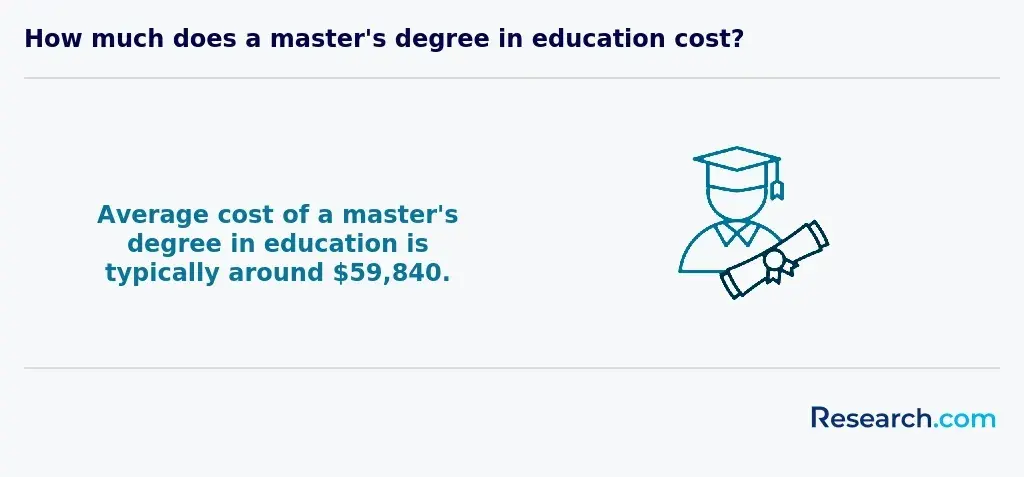
- Tuition: Attending a four-year nonprofit college in Arkansas for an elementary education degree costs about $25,150 per year on average.
- Room and board: Students living on campus may need to budget about $10,000 to $15,000 annually for housing and meals, depending on the institution and living arrangement.
- Textbooks and course materials: Books and materials can average around $1,200 per year. Rental, used, and digital options may reduce expenses.
- Credentialing fees: Licensure-related costs, including application and testing-related expenses, can total around $100 to $300, depending on the required assessments and processing steps.
When comparing programs, calculate the full cost of attendance rather than tuition alone. A cheaper tuition rate may not be the lowest-cost option if it comes with weak transfer policies, extra travel, unpaid placement requirements, or limited licensure support.
If you are considering graduate study later, it may help to review how advanced education can affect career options. This guide on doctorate in education job prospects explains possible outcomes beyond classroom teaching.
How to choose the best elementary education program in Arkansas?
The best elementary education program is the one that gets you to Arkansas licensure efficiently, prepares you well for real classrooms, fits your budget, and supports you through exams and student teaching. Rankings and brand recognition can be useful, but they should not replace a careful review of licensure alignment and program outcomes.
Questions to ask before enrolling
| Question | Why it matters |
| Is the program approved for Arkansas elementary teacher licensure? | Without approval or licensure alignment, your degree may not qualify you to teach in Arkansas public schools. |
| What Praxis exams are required, and what support does the program provide? | Exam delays can slow down your licensure timeline. |
| How are student teaching placements arranged? | You need a supervised placement that meets state and program requirements. |
| What is the total cost after tuition, fees, books, housing, and travel? | The lowest advertised tuition is not always the least expensive route overall. |
| Can transfer credits reduce time and cost? | Transfer-friendly policies can make a major difference for community college students and returning adults. |
| Are online students eligible for the same advising and placement support? | Online flexibility is only valuable if the program still supports licensure completion. |
| Does the program have partnerships with Arkansas schools? | School partnerships can help with field placements, mentorship, and job search preparation. |
Key factors to compare
- Accreditation and state approval: Confirm that the program is recognized for educator preparation and accepted for Arkansas licensure.
- Curriculum quality: Look for strong preparation in literacy, math instruction, classroom management, assessment, and differentiated instruction.
- Faculty experience: Programs are stronger when instructors understand current classroom realities and Arkansas education standards.
- Flexibility: Online, hybrid, evening, or part-time options may be essential for working adults.
- Placement support: Ask how the school secures student teaching placements and supports candidates during fieldwork.
- Financial aid and scholarships: Compare grants, scholarships, tuition assistance, and employer or district support.
- Career services: Strong programs help candidates prepare resumes, interview for teaching jobs, and understand licensure paperwork.
What types of specializations are available within elementary education in Arkansas?
Specializations can help elementary teachers serve specific student needs, qualify for additional roles, and stand out when schools need targeted expertise. Not every specialization is required for entry-level elementary teaching, but the right one can shape your long-term career.
- Special Education: This focus prepares teachers to support students with disabilities, adapt instruction, collaborate on individualized plans, and build inclusive classrooms.
- English as a Second Language: ESL preparation helps teachers support students who are developing English language skills while learning grade-level content.
- Reading Specialist: Literacy-focused training can prepare teachers to identify reading difficulties, deliver interventions, and support schoolwide literacy programs.
- STEM Education: A STEM focus strengthens instruction in science, technology, engineering, and mathematics and can help teachers design hands-on problem-solving lessons.
- Curriculum and Instruction: This specialization is useful for teachers interested in instructional coaching, curriculum planning, assessment design, or future leadership roles.
Arkansas demand for elementary teachers remains strong, and the U.S. Bureau of Labor Statistics projects a 4% growth in elementary education jobs over the next decade. Specializations such as special education, ESL, and STEM may be especially useful in schools serving diverse learners and high-need communities.
How does Arkansas compare to other states in teacher certification?
Arkansas uses a structured certification process built around approved preparation, Praxis assessments, background checks, and license renewal. This is similar to many states, but the details of alternative routes, testing, reciprocity, and grade-level requirements can differ significantly.
If you are deciding where to teach, compare certification rules before choosing a program. A degree that works smoothly for Arkansas licensure may not automatically meet requirements in another state, and another state’s alternative pathway may not transfer directly into Arkansas. For example, candidates considering relocation can compare Arkansas requirements with guidance on how to become a teacher in Arizona.
Arkansas may be a good fit for candidates who want a clearly defined licensure process and access to alternative routes paired with classroom-based preparation. Candidates who expect to move across state lines should ask each state education agency about reciprocity, testing, and whether additional coursework will be required.
What career paths are available for elementary school teachers in Arkansas?
Elementary teaching can be the beginning of several education careers. Some educators stay in the classroom and specialize; others move into coaching, curriculum, administration, intervention, or related student support roles.
- Traditional educator preparation programs: Arkansas colleges and universities offer approved education programs that can lead to bachelor’s or master’s degrees and classroom licensure.
- Arkansas Professional Educator Pathway: ArPEP can serve first-time licensure seekers who already meet eligibility requirements and secure a teaching position in an Arkansas school.
- ArPEP commitment: Candidates commit to two years in the program.
- ArPEP training: The pathway includes two weeks of intensive summer training and monthly responsibilities during the year.
- ArPEP teaching requirement: Candidates must obtain a teaching job in an Arkansas school while completing the program.
- ArPEP qualifications: A bachelor’s degree, passing Praxis Subject Assessment scores, and a clean background check are required.
- ArPEP cost: The program costs $1,500 per year, or $3,000 total. A tuition waiver is available for candidates focusing on Computer Science for grades 4-12.
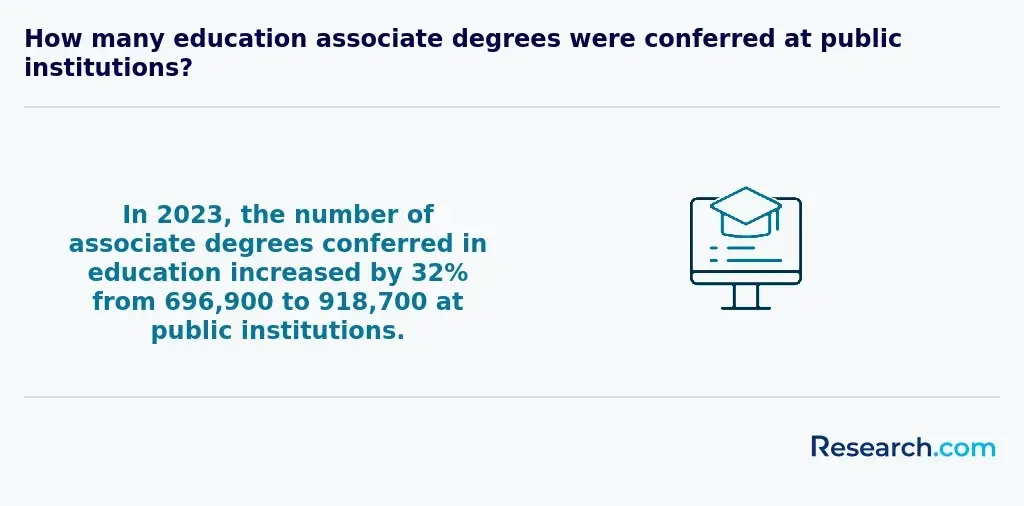
- Associate degree starting point: Community college education programs can help students begin coursework before transferring into a bachelor’s program.
- Technical permits: Candidates with technical-field experience may have permit options that help them transition into teaching-related roles.
Working adults who need flexible scheduling may want to explore options such as night classes for teaching degree programs when planning a transition into education.
Education is one of the majors associated with high income potential in the chart below.
What specialized certifications can broaden your teaching career in Arkansas?
Additional certifications and endorsements can expand your usefulness in schools and open pathways into specialized instruction, coaching, or leadership. Common areas include literacy, STEM, special education, English language learning, gifted education, and instructional technology.
Special education credentials can be especially valuable because they prepare teachers to adapt lessons, support individualized learning needs, collaborate with families and specialists, and create more accessible classrooms. If that path interests you, review the steps for how to become a special education teacher in Arkansas.
What are the compensation and benefit trends for elementary school teachers in Arkansas?
Teacher compensation should be evaluated as a full package, not only as a base salary. Arkansas elementary teachers may receive benefits such as health coverage, retirement contributions, paid leave, stipends for extra duties, professional development support, and district-specific incentives. Actual pay varies by district, experience, education level, contract length, and additional responsibilities.
When comparing education careers, it can help to examine related professions as well. For salary context outside classroom teaching, Research.com’s guide to how much counselors make can help you compare school-based and student-support careers.
What is the job market for elementary school teachers in Arkansas?
The Arkansas elementary teacher job market shows steady opportunity based on the employment and projection figures cited in the original sources. Demand comes from both job growth and replacement needs when teachers retire, relocate, or leave the profession.
Employment and openings
- Current employment: As of 2020, about 11,960 elementary school teachers worked in Arkansas.
- Projected employment: By 2030, employment is expected to reach around 12,970.
- Growth rate: That change reflects a projected growth rate of about 8% over the decade.
- Annual openings: Arkansas is expected to have around 980 job openings per year from 2020 to 2030, including both new roles and replacement openings.
Salary considerations
Teacher salaries in Arkansas vary by district, years of experience, credentials, local salary schedules, and added responsibilities. Larger areas such as Little Rock and Fayetteville may offer different compensation patterns than rural districts, but candidates should review district salary schedules directly before making employment decisions.
National context
Across the United States, there were about 1.4 million elementary school teachers in 2022, with projected growth of just 1% by 2032. Compared with that national projection, Arkansas shows a stronger outlook based on the 2020 to 2030 figures above.
Teachers interested in related student-support careers may also consider advanced study in fields such as speech-language pathology. This list of the best value online master's in speech pathology programs may be useful for educators exploring a longer-term specialization.
What are the common challenges faced by elementary school teachers in Arkansas?
Elementary teaching can be meaningful, but it is demanding. Aspiring teachers should understand the challenges before committing to the profession so they can choose strong preparation programs and build support systems early.
- Classroom management: Teachers must keep students engaged while responding to different behaviors, learning needs, and developmental levels.
- Limited resources: Some schools may face budget pressures that affect materials, technology access, classroom support, or staffing.
- Academic accountability: Teachers balance state standards, local expectations, family communication, assessments, and individual student needs.
- Workload and burnout: Lesson planning, grading, meetings, documentation, and after-hours preparation can make work-life balance difficult.
- Student mental health needs: Teachers increasingly need strategies for supporting students who face emotional, behavioral, or social challenges.
- Ongoing professional development: License renewal and instructional improvement require time, planning, and consistent learning.
Common mistakes to avoid
| Mistake | Better approach |
| Choosing a program without checking Arkansas licensure approval | Ask the program and the state whether it leads to Arkansas elementary teacher licensure before enrolling. |
| Looking only at tuition | Compare total cost, including fees, books, housing, testing, background checks, and lost income during student teaching. |
| Assuming every online education degree qualifies | Confirm accreditation, state approval, required field placements, and Praxis preparation. |
| Waiting until graduation to study for Praxis | Use exam outlines, practice tests, and study groups early in the program. |
| Ignoring transfer credit policies | Ask how prior credits apply before committing to a school. |
| Assuming salary outcomes are guaranteed | Review district salary schedules and benefit details for the specific schools where you plan to apply. |
How can partnering with speech and language specialists improve student outcomes in Arkansas?
Elementary teachers often work with students who need support in speech, language, literacy, and communication. Collaboration with speech and language specialists can help identify concerns earlier, align classroom instruction with intervention goals, and support students who struggle with vocabulary, phonological awareness, articulation, comprehension, or expressive language.
Strong collaboration may include shared progress notes, coordinated literacy strategies, classroom accommodations, and regular communication with families. Educators who are interested in this related field can review the pathway for how to be a speech therapist in Arkansas.
What are the best practices for continuous professional development in Arkansas elementary education?
Effective professional development is targeted, ongoing, and tied to classroom needs. Arkansas elementary teachers should prioritize training that improves student learning rather than collecting hours without a clear purpose.
- Use district learning communities: Professional learning communities can help teachers analyze student work, plan interventions, and share strategies.
- Choose training linked to your classroom needs: Literacy, math intervention, classroom management, special education, and technology integration are practical areas for many elementary teachers.
- Document renewal hours early: Because Arkansas licenses renew every five years and require at least 60 professional development hours, teachers should track hours consistently.
- Seek feedback: Coaching, peer observation, and mentor input can improve instruction faster than isolated workshops.
- Consider adjacent age-level training: Educators who want to understand early childhood development more deeply may benefit from resources on how to become a preschool teacher in Arkansas.
How do teaching paths in public and private schools differ in Arkansas?
Public and private school teaching can differ in licensure expectations, curriculum control, class size, salary structures, benefits, and accountability requirements. Public schools generally follow state licensure rules and state-mandated standards. Private schools may have more flexibility, but hiring requirements can vary by institution.
| Factor | Public schools | Private schools |
| Licensure | State licensure is typically required | Requirements vary by school |
| Curriculum | Aligned with state standards and district expectations | May follow independent, religious, classical, or specialized models |
| Benefits and pay | Often based on district salary schedules and public benefit systems | Varies by school budget and employment contract |
| Professional growth | May include district training, evaluation systems, and advancement ladders | May offer smaller communities but fewer formal advancement structures |
If you are considering a non-public school setting, review how to become a private school teacher in Arkansas to understand how expectations may differ.
What are the opportunities for career advancement beyond elementary school teaching in Arkansas?
Elementary teachers can advance without leaving education. Common next steps include becoming a reading specialist, instructional coach, curriculum coordinator, special education teacher, grade-level lead, assistant principal, principal, district specialist, or teacher educator.
Some teachers also move into middle school, subject-specific teaching, educational technology, school counseling, policy, or administration. If you are exploring broader teaching options across states or grade levels, this guide on how to become a middle school math teacher in Arizona can help you compare how requirements change by subject and location.
What state policies influence elementary education practices in Arkansas?
Arkansas state policy affects what teachers teach, how they are licensed, how schools measure progress, how professional development is structured, and how districts allocate resources. Teachers should pay attention to curriculum standards, licensure rules, assessment expectations, professional development requirements, and state initiatives affecting literacy, technology, and student support.
Subject-specific certification rules can differ from elementary licensure rules. For comparison, review the requirements for high school math teacher qualifications in Arkansas.
What are the best strategies for preparing for teacher certification exams in Arkansas?
Praxis preparation should begin before the end of your program. Candidates who wait until graduation may delay licensure if they need to retest.
- Identify the exact exams required. Confirm the Praxis Core and subject assessment requirements for Arkansas elementary licensure.
- Use official test outlines. Study the competencies tested rather than reviewing randomly.
- Take a diagnostic practice test. Find weak areas early, especially in math, writing, and content-specific pedagogy.
- Create a study schedule. Short, consistent study sessions usually work better than last-minute cramming.
- Join a study group or prep course. Structured review can help candidates stay accountable.
- Plan for fees and retake windows. Testing costs and scheduling delays can affect your licensure timeline.
For a broader explanation of credential requirements, see teaching certificate requirements in Arkansas.
How do certification pathways affect the timeline for entering the classroom in Arkansas?
Your certification route determines how quickly you can become eligible to teach. Traditional undergraduate programs are usually longer but highly structured. Alternative programs can be faster for bachelor’s degree holders, but they often require candidates to balance coursework, exams, mentorship, and classroom responsibilities at the same time.
| Starting point | Likely route | Timeline impact |
| No bachelor’s degree | Traditional bachelor’s in elementary education | Usually the longest route because degree completion comes first |
| Bachelor’s degree in another field | Alternative certification, MAT, APPEL, or ArPEP | May be faster if prerequisites, exams, and employment requirements are met |
| Some college credits | Transfer into approved education program | Timeline depends on accepted credits and remaining licensure coursework |
| Working adult | Online, hybrid, evening, or alternative pathway | Flexible scheduling may help, but fieldwork and exams still require planning |
For more detail on timing, review how long does it take to become a teacher in Arkansas.
How can integrating arts transform elementary education in Arkansas?
Arts integration can make elementary lessons more active, memorable, and accessible. Teachers may use drawing, music, movement, drama, storytelling, or hands-on projects to help students explore literacy, math, science, social studies, and cultural topics.
This approach can be especially useful for students who learn best through visual, auditory, or kinesthetic methods. It can also support creativity, collaboration, communication, and critical thinking. Teachers who want a deeper arts-focused career path can explore how to become an art teacher in Arkansas.
What are the emerging trends in elementary education in Arkansas
Elementary education in Arkansas is changing as schools respond to technology, student well-being, diverse learning needs, and workforce expectations. Aspiring teachers should choose preparation programs that address these realities rather than focusing only on traditional lesson delivery.
- Technology integration: Digital platforms, interactive tools, online assessments, and classroom devices are now part of many elementary classrooms. Teacher candidates should become comfortable using technology for instruction, communication, differentiation, and student engagement. Programs such as a bachelor of education online degree may include training in digital learning tools.
- Social-emotional learning: Schools are paying closer attention to student behavior, emotional regulation, relationships, and mental health. Elementary teachers need strategies for building safe, supportive classrooms.
- Inclusive education: Teachers are expected to support students with disabilities, English language learners, gifted students, and students with different academic readiness levels. Training in differentiation and collaboration is increasingly important.
How can effective leadership drive transformative change in Arkansas elementary schools?
Strong school leadership affects teacher retention, instructional quality, school culture, and student outcomes. In elementary schools, effective leaders support new teachers, set clear expectations, use data responsibly, encourage collaboration, and protect time for meaningful professional learning.
Teachers who want to move into leadership can begin by leading grade-level teams, mentoring peers, supporting curriculum work, or coordinating school initiatives. Formal training can also help. Educators interested in leadership development may compare the best rated online leadership and management courses to build skills in communication, planning, supervision, and change management.
What is the most cost-effective path to obtaining a teaching credential in Arkansas?
The most cost-effective route depends on your starting point. If you do not have a bachelor’s degree, transferring credits from a community college into an approved bachelor’s program may reduce costs. If you already have a bachelor’s degree, an approved alternative pathway may be less expensive and faster than earning a second undergraduate degree.
Ways to reduce the cost of becoming licensed
- Confirm licensure approval before enrolling: Avoid paying for credits that do not move you toward Arkansas certification.
- Maximize transfer credits: Ask for a written transfer evaluation before committing to a program.
- Compare total program cost: Include tuition, fees, books, transportation, testing, background checks, and time away from work.
- Use online or hybrid formats carefully: These may reduce travel or housing costs, but field placements must still meet licensure requirements.
- Prepare for Praxis early: Passing on the first attempt can prevent added fees and delays.
- Ask about district partnerships: Some pathways may connect candidates with schools that provide mentorship or employment opportunities.
For a focused cost comparison, review the cheapest way to get a teaching credential in Arkansas.
Here’s What Graduates Have to Say About Becoming an Elementary School Teacher in Arkansas
"Choosing elementary teaching in Arkansas has been deeply meaningful for me. The school community made me feel supported from the beginning, and experienced educators helped me grow into the role. The best moments happen when students suddenly understand something they have been working hard to learn. Those moments remind me why this career matters. The professional development options in the state have also helped me keep improving." — Chris
"Teaching here has helped me build strong relationships with students and families. My students bring different experiences into the classroom, and that makes our learning richer. I enjoy connecting lessons to local history and culture so students see why the material matters. Watching them grow academically and socially is the most rewarding part of the work." — Ali
"What I appreciate most about elementary teaching in Arkansas is the room to be creative. I can design hands-on lessons that match how my students learn best, and those projects help them think more deeply. Seeing their confidence grow when they succeed makes the hard work worthwhile. Teaching is the career I can see myself doing for the long term." — Jim
Related Articles for Nearby States
- 2027 How to Become an Elementary School Teacher in Missouri: Requirements & Certification
- 2027 How to Become an Elementary School Teacher in Oklahoma: Requirements & Certification
- 2027 How to Become an Elementary School Teacher in Tennessee: Requirements & Certification
- 2027 How to Become an Elementary School Teacher in Mississippi: Requirements & Certification
- 2027 How to Become an Elementary School Teacher in Louisiana: Requirements & Certification
- 2027 How to Become an Elementary School Teacher in Texas: Requirements & Certification
- 2027 How to Become an Elementary School Teacher in Kentucky: Requirements & Certification
- 2027 How to Become an Elementary School Teacher in Kansas: Requirements & Certification
- 2027 How to Become an Elementary School Teacher in Alabama: Requirements & Certification
- 2027 How to Become an Elementary School Teacher in Illinois: Requirements & Certification
References:
- American Board for Certification of Teacher Excellence. (n.d.). Arkansas Teacher Certification. American Board for Certification for Teacher Excellence.
- BLS. (17 Apr 2024). Kindergarten and Elementary School Teachers. BLS.
- dese.ade.arkansas.gov. (n.d.). Pathways to Licensure: Alternate Routes. dese.ade.arkansas.gov.
- PraxisExam.org. (n.d.). Arkansas Teacher Certification Guide. PraxisExam.org.
Key Insights
- Arkansas elementary teacher licensure generally requires a bachelor’s degree, an approved educator preparation program, Praxis exams, background checks, and a state application.
- Traditional programs are best for first-time college students who want structured preparation; alternative routes are usually better for bachelor’s degree holders changing careers.
- Online programs can work for Arkansas licensure, but only if they are properly accredited, approved, and include required in-person field experience.
- Cost planning should include tuition, housing, books, testing, background checks, and application fees—not just the advertised tuition rate.
- Praxis preparation should start early because exam delays can slow licensure even after degree completion.
- Specializations in special education, ESL, reading, STEM, and curriculum can broaden long-term career options.
- Before enrolling, ask every program whether it leads directly to Arkansas elementary licensure and request clear answers about student teaching placements, transfer credits, and exam support.
Other Things You Should Know About Becoming a Nurse in Arkansas
Aspiring elementary school teachers in Arkansas in 2027 need a bachelor's degree in education or a closely related field. The program should be accredited and include a state-approved teacher preparation component. Additional coursework in elementary education may be required, depending on the specific curriculum.
The Arkansas Department of Education, through the Division of Elementary and Secondary Education, issues elementary teaching licenses. Applicants must complete an approved educator preparation program, pass required assessments, and meet state background-check rules before receiving licensure for Arkansas public schools.