
2027 How to Become a Middle School Math Teacher in Arizona: Requirements & Certification

Co-Founder and Chief Data Scientist
Teaching middle school math in Arizona is a practical career path for people who want to combine mathematics, adolescent development, and public service. It is also a decision that requires planning: you need the right degree or approved preparation pathway, passing exam scores, supervised classroom experience, fingerprint clearance, and a clear understanding of Arizona’s curriculum expectations.
This guide explains how to become a middle school math teacher in Arizona, including the education and certification steps, classroom experience requirements, salary expectations, job-market considerations, online and alternative pathways, professional development options, and ways to reduce costs. It is designed for first-time college students, career changers, substitute teachers, paraprofessionals, and current educators considering a math-focused credential.
Quick Answer: How do you become a middle school math teacher in Arizona?
To become a middle school math teacher in Arizona, you typically need to earn a bachelor’s degree, complete a state-approved teacher preparation program, finish supervised student teaching, pass the required middle school mathematics assessment through AEPA or NES, obtain a fingerprint clearance card, and apply for certification through the Arizona Department of Education. Career changers may qualify through alternative certification routes if they already hold a bachelor’s degree.
| Requirement | What it means for aspiring Arizona math teachers |
| Bachelor’s degree | You need an undergraduate degree, commonly in education, mathematics, or a related field. |
| Teacher preparation program | Your program should include pedagogy, adolescent learning, classroom assessment, and math instruction. |
| Student teaching | Arizona candidates complete supervised classroom practice, commonly including at least 12 weeks of student teaching. |
| Subject exam | You must demonstrate mathematics competency through the required AEPA or NES assessment. |
| Fingerprint clearance | Arizona requires fingerprinting and a background check before working with students. |
| Certification application | You submit transcripts, exam results, background clearance, and application materials to the Arizona Department of Education. |
Key Things You Should Know About Becoming a Middle School Math Teacher in Arizona
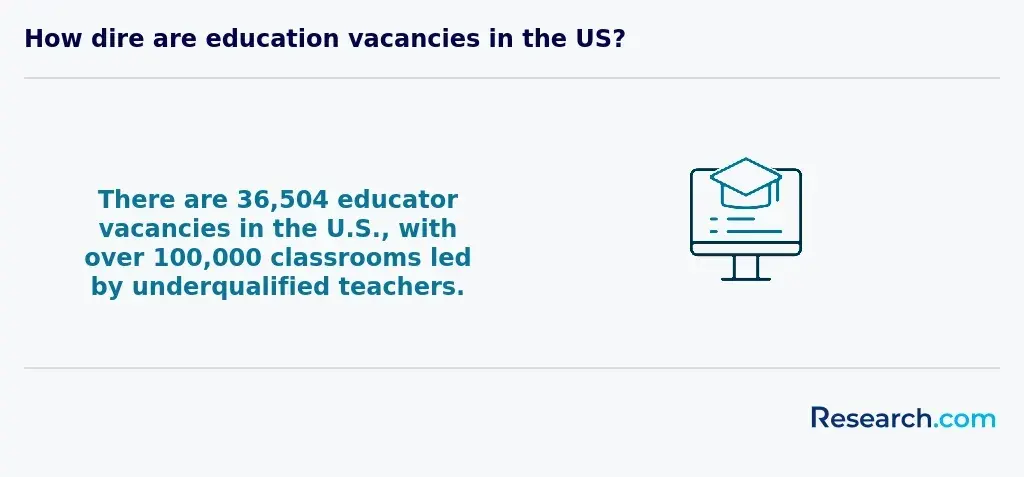
- Arizona continues to report demand for qualified teachers, especially in math and other STEM-related subjects. A cited shortage affecting 1 in 20 classrooms makes certification in math a strategically useful credential.
- The average salary figure cited for middle school math teachers in Arizona is approximately $65,800 per year, though actual pay varies by district, years of experience, education level, contract length, and local salary schedule.
- The employment outlook cited for middle school math teachers in Arizona includes projected growth of about 5% over the next decade, while another cited summary reports 7%. Because projections vary by source and year, applicants should also review current district postings before making a career decision.
- The cited cost-of-living snapshot notes that Arizona is slightly above average, with monthly rent for a two-bedroom apartment at around $1,550. Salary should be evaluated against housing, commuting, insurance, and regional costs.
- Some Arizona districts use incentives such as signing bonuses, tuition support, or student loan forgiveness opportunities to recruit teachers in hard-to-staff areas, including math. Availability depends on district policy, funding, and eligibility rules.
- Steps to become a middle school math teacher in Arizona
- Education requirements for Arizona middle school math teachers
- Certification and licensing process
- Student teaching, internships, and classroom experience
- Arizona math standards and curriculum expectations
- Job market, salary, benefits, and challenges
- Professional development and continuing education
- Classroom management and effective math instruction
- Career advancement and specialization options
- Legal and ethical responsibilities
- Support for career changers
- Other teaching opportunities in Arizona
- Special education endorsement options
- Resources for new Arizona math teachers
- Technology trends in middle school math instruction
- Online education programs for aspiring teachers
- Using music to support math instruction
- How Arizona compares with other states
- Advanced degrees and career growth
- Child development insights for math teachers
- Education policy and teacher career growth
- Stress management and work-life balance
- Ways to reduce certification costs
- Dual subject certification and flexibility
- Key insights
What are the steps to becoming a middle school math teacher in Arizona?
The path to teaching middle school math in Arizona is structured, but there is more than one way to complete it. Traditional undergraduates usually finish a bachelor’s degree with teacher preparation built in. Career changers may enter through alternative certification after earning a bachelor’s degree in another field.
A 2021 Arizona Department of Education teacher workforce report stated that Arizona public schools had nearly 58,300 active teachers in 2020. Even with that workforce, shortages have continued to create openings for qualified candidates, especially in math.
- Earn a bachelor’s degree. Start with an undergraduate degree in education, mathematics, or a closely related field. If your degree is not in education, confirm whether you need an alternative certification pathway.
- Complete an approved teacher preparation program. Your program should include teaching methods, classroom assessment, educational psychology, adolescent learning, math pedagogy, and supervised fieldwork.
- Finish student teaching. Arizona candidates complete supervised classroom practice, commonly including a semester-long placement. This is where you learn to plan lessons, teach full class periods, assess students, and manage a real classroom.
- Pass the required math assessment. Candidates must pass the applicable Arizona Educator Proficiency Assessments or National Evaluation Series exam for middle school mathematics.
- Obtain fingerprint clearance. Arizona requires a fingerprint clearance card and background check for educators working with students.
- Apply for certification. Submit the required application materials to the Arizona Department of Education, including transcripts, exam scores, preparation program documentation, and background clearance.
- Plan for renewal and professional growth. Certification is not the end of the process. Teachers must keep skills current through professional learning, district training, and continuing education.
| Pathway | Best for | Main advantage | Important caution |
| Traditional bachelor’s in education | First-time college students who know they want to teach | Teacher preparation and student teaching are usually built into the degree plan | Changing majors late may extend time to completion |
| Math or STEM bachelor’s plus teacher preparation | Students with strong math backgrounds who decide to teach | Deep subject knowledge can help with middle school math instruction | You still need approved pedagogy and certification requirements |
| Alternative certification | Career changers with a bachelor’s degree | May allow faster entry into teaching while completing requirements | Workload can be intense because coursework and classroom duties may overlap |
| Online teacher preparation | Working adults and rural students needing flexibility | Coursework can often be completed around job and family responsibilities | You must confirm Arizona approval, student teaching placement, and certification alignment |
What are the educational requirements for becoming a middle school math teacher in Arizona?
Arizona middle school math teachers need both subject knowledge and teaching preparation. A bachelor’s degree is the baseline requirement, but the degree alone is not enough unless it is paired with an approved teacher preparation program or another Arizona-recognized certification route.
For a traditional route, look for coursework in mathematics, math teaching methods, instructional design, educational psychology, classroom assessment, adolescent development, special education foundations, and classroom management. A strong program should also give you repeated field experiences before full-time student teaching.
Accreditation and state approval matter. Before enrolling, ask whether the program prepares graduates for Arizona teacher certification and whether it includes the required clinical placement. This is especially important for online students and out-of-state programs, because not every education degree automatically satisfies Arizona certification requirements.
Students comparing helping professions may also want to review related roles, such as how to become a child life specialist, to understand how classroom teaching differs from child-focused work in healthcare and support settings.
Questions to ask before choosing a teacher preparation program
- Is the program approved or accepted for Arizona teacher certification?
- Does it include supervised student teaching in a middle school setting?
- Will the program prepare me for the AEPA or NES middle school mathematics exam?
- How does the program support placement in Arizona schools?
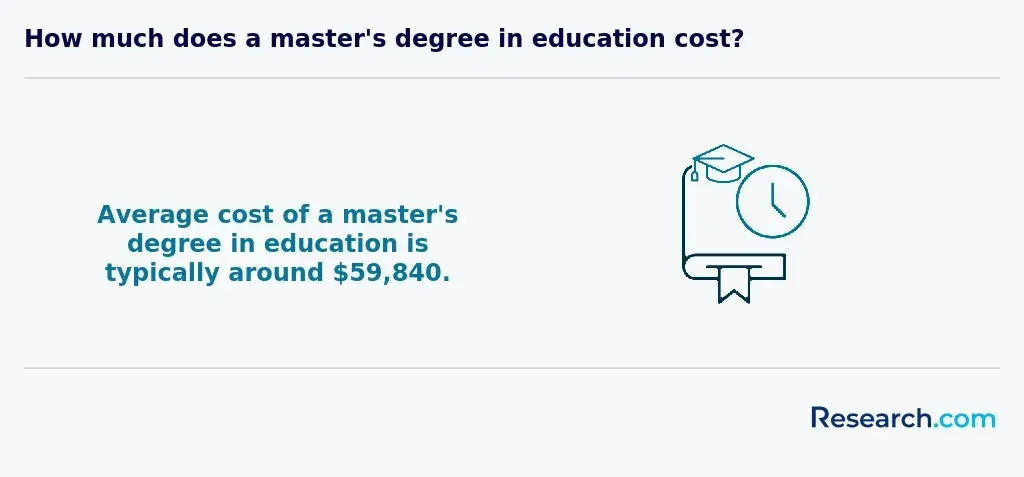
- What is the total cost after tuition, fees, exams, books, and fingerprinting?
- Can I transfer previous college credits into the program?
- Does the school offer advising for certification paperwork?
What is the certification and licensing process for a middle school math teacher in Arizona?
Arizona certification verifies that you have completed the required education, supervised practice, subject testing, and background screening to teach in public school classrooms. The process is administrative as well as academic, so keep copies of transcripts, exam score reports, fingerprint documentation, and program completion records.
Core certification steps
- Complete your degree and teacher preparation requirements. Your program should document that you completed the required coursework and clinical practice.
- Pass the required subject test. Middle school math candidates must demonstrate competency in mathematics through the required Arizona-approved assessment.
- Secure fingerprint clearance. Fingerprinting and background review are handled through Arizona’s public safety process.
- Submit your application to the Arizona Department of Education. Include official documents, fees, and any required verification forms.
- Consider endorsements strategically. A Mathematics, K-8 Endorsement is not always required for every position, but it can help candidates interested in math specialist, intervention, coaching, or departmental leadership roles.
Applicants should budget for exam fees, certification application fees, transcript requests, fingerprinting, and any endorsement-related expenses. If cost is a major factor, compare in-state programs, transfer credit options, district partnerships, and online routes such as the most affordable online elementary education degrees when they align with Arizona certification goals.
| Certification cost category | Why it matters | How to control the expense |
| Tuition | The largest cost for most candidates | Compare public, online, transfer-friendly, and district-supported options |
| Testing | Required exams may involve registration and retake costs | Use official test preparation materials and schedule after completing relevant coursework |
| Fingerprinting and background check | Required before working with students | Start early so processing time does not delay hiring |
| Application fees | Needed for certification processing | Confirm current fees directly with the Arizona Department of Education |
| Endorsements | Can improve flexibility but may add coursework or fees | Pursue only endorsements that support your target roles |
How important is teaching experience and what are the internship opportunities for middle school math teachers in Arizona?
Teaching experience is essential because middle school math requires more than knowing algebra, geometry, ratios, probability, or statistics. You must be able to diagnose misconceptions, keep adolescents engaged, manage transitions, adjust explanations, and help students who may already feel anxious about math.
The cited teacher workforce data notes that the median years of experience for teachers ranged from 8 to 10 years. Before candidates become fully certified, they build their own experience through student teaching. Arizona teacher preparation programs commonly require at least 12 weeks of student teaching, and the cited 2020 workforce report noted that around 1,900 interns were gaining teaching experience while in training.
Where to find student teaching and internship opportunities
- Your university or preparation provider: Programs such as those connected with Arizona State University or Northern Arizona University commonly coordinate placements through partner schools.
- Arizona Department of Education resources: ADE resources can help candidates understand approved pathways, school needs, and professional expectations.
- Local districts: Some districts post teacher resident, intern, substitute, and paraprofessional-to-teacher opportunities.
- Community tutoring programs: Tutoring, after-school math support, and summer learning programs can strengthen your resume before student teaching.
- Alternative certification programs: Career changers may complete coursework while gaining structured classroom experience under supervision.
How to make student teaching count
- Ask your mentor teacher to observe specific skills, such as questioning techniques or pacing.
- Practice explaining the same concept in multiple ways: visual, verbal, numerical, and real-world examples.
- Collect evidence of growth, including sample lesson plans, assessments, reflection notes, and student work.
- Learn how your placement school supports students who are below grade level in math.
- Request feedback on classroom management, not only on content delivery.
What are the Arizona standards and curriculum requirements for teaching middle school math?
Arizona middle school math teachers plan instruction around the Arizona Mathematics Standards, which were adopted by the State Board of Education in December 2016. These standards describe what students should know and be able to do as they move through K-12 mathematics and prepare for high school coursework, college-level learning, and careers.
For middle school teachers, the standards typically shape lesson planning, assessments, intervention, enrichment, and district pacing guides. Major instructional areas include algebraic thinking, geometry, statistics, mathematical reasoning, and real-world problem solving. Teachers are expected to help students move beyond memorizing procedures and toward explaining, modeling, and applying mathematical ideas.
| Curriculum area | What teachers help students develop | Classroom example |
| Algebra | Patterns, expressions, equations, proportional reasoning, and functions | Students compare phone plan costs using tables, equations, and graphs |
| Geometry | Shapes, angles, area, volume, and spatial reasoning | Students design a model space and calculate surface area or volume |
| Statistics | Data collection, displays, variability, and interpretation | Students analyze survey results and explain what the data does and does not show |
| Mathematical reasoning | Argumentation, precision, problem-solving strategies, and explanation | Students justify why two solution methods produce the same answer |
Professional learning resources, the Arizona Math Professional Learning Calendar, mailing lists, and the Competencies and Academic Standards Exchange can help teachers interpret the standards and turn them into usable lessons. Educators comparing other classroom roles can also explore broader education careers to understand how math teaching fits within the larger school workforce.
What is the job market like and what are the salary expectations for middle school math teachers in Arizona?
Arizona’s market for middle school math teachers is shaped by student enrollment, teacher shortages, STEM priorities, district budgets, and local cost of living. Districts in larger areas such as Phoenix and Tucson may have more openings, but rural schools can also have strong demand for certified math teachers.
The cited salary information places the average for Arizona middle school math teachers at around $65,800, also described as nearly $66,000. Salary.com figures cited for Phoenix and Tucson show a range between $54,248 and $83,057. These figures should be treated as planning estimates rather than guarantees, because public school pay is usually governed by district salary schedules, contract days, degree level, additional duties, and years of experience.
| Compensation factor | How it can affect take-home value |
| District salary schedule | Base pay differs by district and may increase with experience or graduate credits. |
| Location | Urban, suburban, and rural markets can differ in demand, housing costs, and stipends. |
| Benefits | Health insurance, retirement plans, and paid time off can meaningfully affect total compensation. |
| Hard-to-staff incentives | Some math positions may include signing bonuses, loan support, or recruitment incentives when funding is available. |
| Additional duties | Coaching, tutoring, department leadership, summer school, or intervention programs may add income depending on district policy. |
Teachers interested in adding creative or interdisciplinary credentials should choose graduate study carefully. An option such as an affordable online MFA in visual arts may support arts integration or personal development, but it is not the most direct route for math certification or math teacher salary advancement unless a district recognizes it for pay-scale movement.
What challenges do middle school math teachers face in Arizona?
Middle school math teaching can be deeply meaningful, but it is not an easy job. New teachers should understand the common challenges before entering the classroom.
| Challenge | Why it matters | Better approach |
| Student disengagement | Some students enter middle school believing they are “bad at math.” | Use real-world problems, quick wins, visual models, and structured collaboration. |
| Wide skill gaps | One class may include students working above grade level and others missing foundational skills. | Use formative checks, small groups, intervention routines, and differentiated tasks. |
| Testing pressure | Standardized assessments can narrow instruction if teachers only teach to the test. | Align lessons to standards while still emphasizing reasoning, fluency, and problem solving. |
| Limited resources | Some schools may lack updated materials, technology, or support personnel. | Build shared resources with colleagues and use district-approved open materials when appropriate. |
| High turnover | Staffing instability can increase workloads for remaining teachers. | Seek mentoring, team planning, and clear boundaries early in the year. |
| Administrative workload | Grading, parent communication, data entry, and meetings can crowd out planning time. | Use repeatable systems for feedback, routines, and assessment tracking. |
What professional development and continuing education opportunities are available for middle school math teachers in Arizona?
Professional development helps Arizona math teachers maintain certification, improve instruction, and respond to changes in standards, assessment, technology, and student needs. The Arizona Department of Education’s ADE Professional Learning and Development platform centralizes workshops, seminars, and courses for educators.
Continuing education may include district training, online coursework, conferences, math-specific workshops, curriculum sessions, and professional learning communities. Organizations such as the Coconino County Educational Service Agency can also provide regional support and events connected to math education.
Teachers who want to deepen their qualifications can compare different education degree options, including master’s degrees, endorsements, and leadership-focused programs. The best choice depends on whether your goal is stronger classroom practice, higher pay placement, instructional coaching, curriculum leadership, or school administration.
What are effective classroom management strategies and teaching methods for middle school math teachers in Arizona?
Middle school math classrooms work best when students understand routines, feel safe making mistakes, and receive instruction that connects abstract ideas to concrete reasoning. A cited study by Scholastica and the Melinda Gates Foundation reported that teachers view classroom management as a “crucial skill,” with 82% calling it “extremely important.”
- Set expectations before problems appear. Teach procedures for entering class, using calculators or devices, asking for help, working in groups, and correcting mistakes. Do not assume students know what productive math behavior looks like.
- Use active learning instead of lecture-only instruction. Short explanations, guided practice, whiteboard checks, math stations, manipulatives, and collaborative problem solving keep students engaged.
- Differentiate without creating separate classrooms within one room. Offer tiered problems, sentence frames, visuals, challenge extensions, and small-group reteaching so students can work toward the same core standard at different entry points.
- Use formative assessment constantly. Exit tickets, mini-whiteboards, quick quizzes, oral explanations, and error analysis help teachers adjust instruction before misunderstandings become permanent.
- Normalize productive struggle. Students often decide in middle school whether they “belong” in math. Praise reasoning, revision, persistence, and explanation—not only speed or correct answers.
| Teaching method | When it works best | Common mistake to avoid |
| Direct instruction | Introducing new vocabulary, procedures, or worked examples | Talking too long without checking understanding |
| Small-group instruction | Reteaching prerequisite skills or extending advanced learners | Letting independent groups drift without clear tasks |
| Problem-based learning | Connecting math to real-world decisions and modeling | Choosing activities that are interesting but not aligned to standards |
| Technology-supported practice | Providing adaptive practice or instant feedback | Using software as a substitute for teacher explanation |
| Error analysis | Helping students identify misconceptions | Framing mistakes as failure instead of evidence for learning |
What are the career advancement opportunities and specializations for middle school math teachers in Arizona?
Middle school math certification can lead to more than one classroom role. Over time, teachers may move into instructional leadership, intervention, curriculum work, teacher mentoring, or school administration.
- Instructional coach or math specialist: Supports other teachers, analyzes student data, models lessons, and improves math instruction across grade levels.
- Department chair or team lead: Coordinates pacing, assessments, collaboration, and instructional priorities within a school.
- Curriculum developer: Designs district math materials, assessments, intervention plans, and standards-aligned units.
- Special education or gifted education specialist: Uses additional credentials to support students with specialized learning needs.
- Technology integration lead: Helps teachers use adaptive platforms, digital assessments, and classroom tools effectively.
- Administrator: Moves into assistant principal, principal, or district leadership roles after meeting additional requirements.
Additional certifications can improve flexibility, but they should support a clear goal. A math endorsement, special education certification, or English as a Second Language endorsement may be especially useful in Arizona classrooms with diverse learners.
What legal and ethical considerations must Arizona middle school math teachers follow?
Arizona teachers are responsible for student safety, fair instruction, confidentiality, professional conduct, and compliance with certification rules. The Arizona Professional Teaching Standards provide a framework for professional expectations.
- Valid certification: Teachers must hold the appropriate Arizona credential for the position they are assigned to teach.
- Background clearance: Fingerprinting and background checks help protect students and are required for school employment.
- Equity and non-discrimination: Teachers must provide fair access to learning, maintain professional boundaries, and avoid discriminatory treatment.
- Confidentiality: Student grades, disability information, behavior records, and family circumstances must be handled appropriately.
- Mandatory reporting: Arizona educators must report suspected child abuse or neglect according to legal requirements.
- Inclusive practice: Teachers must follow student plans, accommodations, and school policies for supporting learners with different needs.
What support is available for middle school math teachers transitioning from other careers in Arizona?
Career changers often bring valuable experience from engineering, finance, business, data analysis, military service, technology, tutoring, or community work. Arizona’s alternative pathways can help adults with bachelor’s degrees move into teaching without repeating a full traditional undergraduate education program.
Alternative certification programs
Arizona offers alternative routes for candidates who already hold a bachelor’s degree. These pathways may allow candidates to complete teacher preparation while gaining classroom experience, but requirements vary by program and candidate background.
Professional development workshops
Career changers should prioritize training in classroom management, lesson planning, adolescent development, assessment, and math pedagogy. Strong math skills do not automatically translate into strong teaching without practice and feedback.
District mentoring and coaching
Many districts provide mentor teachers, instructional coaches, induction programs, and professional learning communities for first-year educators. Career changers should ask about these supports during interviews.
Financial assistance and incentives
Scholarships, tuition reimbursement, district partnerships, loan forgiveness, and hard-to-staff incentives may be available depending on funding and eligibility. An accelerated online bachelor of education can also help some students complete degree requirements more efficiently if they have not yet earned a bachelor’s degree.
Translating prior experience into teaching
Professionals from math-heavy fields can make lessons more relevant by showing how ratios, equations, data, measurement, and modeling appear in real work. The key is to simplify examples for middle school learners without losing mathematical accuracy.
Networking and professional community
Groups such as the Arizona Mathematics Teachers Association and local educator networks can help new teachers find lesson ideas, mentors, conferences, and peer support.
What other teaching opportunities are available in Arizona?
If middle school math is not the right fit, Arizona offers many other teaching pathways. Candidates who prefer early childhood education can learn how to become a preschool teacher in Arizona. Those who want to teach older students may compare middle school certification with high school math requirements, where coursework depth and subject testing expectations can differ.
Can a special education endorsement enhance your teaching career in Arizona?
A special education endorsement can make a math teacher more effective in inclusive classrooms and more flexible in the job market. It can support co-teaching, intervention planning, accommodation implementation, and collaboration with special education teams. Teachers considering this route can review how to become a special education teacher in Arizona to understand the credentialing pathway.
What resources and support are available for new middle school math teachers in Arizona?
New teachers should not try to build everything alone. Arizona offers state, district, school, and professional resources that can reduce isolation and improve early-career effectiveness.
- Mentorship programs: New teacher mentoring can help with classroom routines, grading systems, parent communication, and lesson planning.
- Professional organizations: Groups such as the Arizona Mathematics Teachers Association connect math educators through events, resources, and peer networks.
- Arizona Department of Education resources: ADE provides standards documents, professional learning information, curriculum guidance, and assessment-related materials.
- District support networks: Many districts use induction programs, collaborative planning time, peer observations, and instructional coaching.
- Arizona K-12 Center opportunities: Professional learning sessions can help teachers improve instruction, leadership, and reflection.
How can emerging technologies affect middle school math instruction in Arizona?
Technology can support middle school math when it improves feedback, visualization, accessibility, and practice. Interactive whiteboards, adaptive software, digital assessment tools, graphing tools, and collaborative platforms can help teachers identify misconceptions quickly and personalize practice.
Technology should not replace direct teaching, mathematical discussion, or teacher judgment. The strongest approach uses digital tools to make student thinking visible, provide timely feedback, and give students multiple ways to model problems. Educators interested in comparing technology use across subject areas may also review the pathway for a high school history teacher in Arizona.
How can online education programs help aspiring middle school math teachers in Arizona?
Online education programs can be useful for aspiring teachers who work full time, live far from campus, care for family members, or need a more flexible schedule. The main advantage is convenience, but convenience should never be the only selection criterion.
Benefits of online teacher preparation
- Flexible scheduling: Online coursework can make it easier to balance school, work, and field experience.
- Potentially faster completion: Some fast online degree programs offer accelerated formats for students who can handle intensive pacing.
- Lower indirect costs: Online learners may save on commuting, relocation, and campus housing.
- Digital teaching experience: Online programs often expose students to learning platforms, virtual collaboration tools, and digital assessment practices.
- Arizona alignment if properly selected: A reputable program should clearly explain how it satisfies Arizona certification requirements, testing preparation, and student teaching placement.
Red flags in online teacher preparation programs
- The program cannot explain whether it meets Arizona certification requirements.
- Student teaching placement is left entirely to the student with little support.
- Tuition is advertised clearly, but fees, testing, books, and placement costs are not.
- The school lacks transparent accreditation information.
- Advisors make salary or job-placement guarantees.
How can integrating musical elements enrich middle school math instruction in Arizona?
Music can help students notice patterns, ratios, sequences, fractions, rhythm, and structure. A math teacher does not need to become a music teacher to use rhythm exercises, beat patterns, or sound-based examples as entry points for mathematical reasoning.
Collaboration with arts educators can make interdisciplinary lessons stronger. Teachers interested in this connection can review music teacher education requirements in Arizona for perspective on how music educators are trained.
How does Arizona compare to other states for aspiring teachers?
Arizona can be attractive for aspiring teachers because of alternative certification options and ongoing demand in STEM teaching areas. However, comparing states requires more than looking at openings. Candidates should evaluate certification rules, reciprocity, salary schedules, benefits, cost of living, union or association support, and district working conditions.
Some candidates compare Arizona with other states to decide where to begin teaching. For example, someone considering a different grade level may review elementary school teacher requirements in Iowa to see how certification expectations and demand differ outside Arizona.
How can effective mentorship accelerate professional growth for middle school math teachers in Arizona?
Mentorship helps new math teachers shorten the trial-and-error period. A strong mentor can help with unit planning, behavior systems, formative assessment, parent communication, and pacing. Mentors can also explain unwritten school routines that new teachers often struggle to learn alone.
Teachers who may eventually want to move into secondary math teaching can compare requirements and career planning through this guide on how to become a high school math teacher in Arizona.
How can an advanced degree boost career prospects for middle school math teachers in Arizona?
An advanced degree can help teachers deepen content knowledge, improve instructional design, qualify for leadership opportunities, or move into curriculum, coaching, or administration. Whether it increases pay depends on the district’s salary schedule and how the degree is classified.
Before enrolling in graduate school, ask whether the degree will help you reach a specific goal: higher salary placement, instructional coaching, math intervention, educational leadership, special education, or curriculum design. Teachers comparing graduate-level outcomes can review high-paying jobs with a master's in education to understand possible career directions.
How can integrating child development insights enhance middle school math teaching in Arizona?
Middle school students are developing academically, socially, emotionally, and neurologically. Understanding this stage can help math teachers design lessons that match students’ attention spans, need for belonging, sensitivity to failure, and growing capacity for abstract reasoning.
Teachers who understand child development can better support students who shut down during challenging work, act out to avoid embarrassment, or need concrete models before symbolic math makes sense. Educators interested in deeper study can explore a master's degree in child development.
How can evolving educational policies influence career growth for middle school math teachers in Arizona?
Teacher certification rules, standards, assessments, and district priorities can change over time. Arizona math teachers should monitor policy updates so they remain compliant and can take advantage of new endorsement, leadership, or funding opportunities.
Reviewing teaching certificate requirements in Arizona can help teachers and candidates understand current credential types, renewal expectations, and possible pathways. Participation in district meetings, professional associations, and policy briefings can also help teachers anticipate changes rather than react to them late.
How can middle school math teachers manage stress and maintain work-life balance in Arizona?
Teaching math to middle school students can be energizing, but the workload can become heavy quickly. Lesson planning, grading, student behavior, parent communication, data meetings, and testing pressure can contribute to burnout if teachers do not build sustainable routines.
- Set grading limits. Not every assignment needs detailed written feedback. Use spot checks, rubrics, peer review, and targeted grading.
- Reuse and improve systems. Build routines for warm-ups, exit tickets, small groups, and test corrections that can be repeated across units.
- Plan collaboratively. Shared planning reduces workload and improves lesson quality.
- Protect recovery time. Set boundaries for email, weekend work, and after-hours planning whenever possible.
- Use available support. Mentors, instructional coaches, counselors, and administrators can help address recurring classroom problems.
Teachers considering a different age group can compare responsibilities through this guide on how to become an elementary teacher in Arizona.
How can you minimize certification costs while qualifying as a middle school math teacher in Arizona?
The cheapest route is not always the best route. A low-cost program that does not meet Arizona certification requirements can become expensive if you must repeat coursework or delay employment. The goal is to reduce cost while staying aligned with state requirements.
- Use transfer credits whenever possible.
- Compare public universities, online programs, and district-supported pathways.
- Ask whether the program includes certification advising or charges extra for placement support.
- Budget for exams, application fees, fingerprinting, transcripts, and supplies.
- Apply for scholarships, tuition reimbursement, loan forgiveness, or hard-to-staff incentives when available.
- Avoid unnecessary endorsements until you know they support your target job.
For a focused cost comparison, review the cheapest way to get a teaching credential in Arizona.
How can dual subject certifications enhance career flexibility for middle school math teachers in Arizona?
Dual subject certification can make a teacher more versatile, especially in smaller schools or districts where staffing needs shift. A math teacher with another approved subject area may be able to teach interdisciplinary courses, support scheduling needs, or move into broader academic leadership.
The trade-off is time and cost. Additional certification may require more coursework, testing, and paperwork. Choose a second subject because it fits your strengths and local demand, not simply because more credentials sound better. Teachers considering English as a complementary area can review Arizona English teacher certification requirements.
What do graduates have to say about becoming a middle school math teacher in Arizona?
- Teaching middle school math in Arizona has been challenging in the best way. My students bring different experiences into the classroom, so no two days feel the same. The most rewarding moments happen when a student who doubted themselves finally understands a concept. Henrietta
- What surprised me most was how much creativity math teaching requires. I can adjust examples, projects, and discussions so students see math as useful instead of disconnected from their lives. The support from other teachers has made the first years much easier. Annie
- I enjoy helping students see patterns and logic where they once saw only rules. Collaboration with other educators has been essential because sharing strategies makes my lessons stronger and helps me keep improving. Elliot
Common mistakes to avoid when becoming a middle school math teacher in Arizona
| Mistake | Why it can hurt you | Better decision |
| Choosing a program without checking Arizona certification alignment | You may graduate without meeting state requirements. | Ask for written confirmation that the program supports Arizona teacher certification. |
| Looking only at tuition | Fees, exams, books, placement costs, and commuting can change the true cost. | Compare total cost of completion, not just per-credit tuition. |
| Assuming online programs are automatically accepted | Out-of-state or online programs may not meet Arizona rules. | Confirm accreditation, student teaching placement, and certification eligibility before enrolling. |
| Underestimating classroom management | Strong math knowledge alone will not keep a middle school classroom productive. | Practice routines, transitions, expectations, and behavior responses during fieldwork. |
| Ignoring student teaching quality | A weak placement can leave you underprepared for your first year. | Seek placements with strong mentor teachers and real opportunities to teach. |
| Assuming salary outcomes are guaranteed | Pay varies by district, experience, and salary schedule. | Review specific district salary schedules before accepting a position. |
Key Insights
- Arizona middle school math teachers generally need a bachelor’s degree, an approved teacher preparation pathway, student teaching, passing AEPA or NES scores, fingerprint clearance, and state certification.
- Career changers with bachelor’s degrees may have alternative certification options, but they should prepare for a steep learning curve in classroom management and adolescent instruction.
- The cited average salary is approximately $65,800, with cited Phoenix and Tucson figures ranging from $54,248 to $83,057. Always verify compensation through district salary schedules.
- Student teaching is one of the most important parts of preparation. Use it to build lesson delivery, formative assessment, classroom routines, and confidence with middle school learners.
- Online programs can be a good fit for working adults, but only if they clearly meet Arizona certification requirements and support student teaching placement.
- Endorsements, dual certifications, and graduate degrees can improve flexibility, but they should be chosen based on career goals, district demand, and return on investment.
- The best candidates combine math knowledge with patience, structure, clear explanations, student-centered instruction, and a willingness to keep learning.
Related Articles for Nearby States
- 2027 How to Become a Middle School Math Teacher in New Mexico: Requirements & Certification
- 2027 How to Become a Middle School Math Teacher in Nevada: Requirements & Certification
- 2027 How to Become a Middle School Math Teacher in California: Requirements & Certification
- 2027 How to Become a Middle School Math Teacher in Utah: Requirements & Certification
- 2027 How to Become a Middle School Math Teacher in Colorado: Requirements & Certification
- 2027 How to Become a Middle School Math Teacher in Texas: Requirements & Certification
- 2027 How to Become a Middle School Math Teacher in Oklahoma: Requirements & Certification
- 2027 How to Become a Middle School Math Teacher in Kansas: Requirements & Certification
- 2027 How to Become a Middle School Math Teacher in Idaho: Requirements & Certification
- 2027 How to Become a Middle School Math Teacher in Montana: Requirements & Certification
References
- Arizona Department of Education. (2023, April 24). Professional development opportunities. Arizona Department of Education. Retrieved September 5, 2024.
- Bennett, A., Silva, L., O'Reilly, J., Gummer, E., & DuPlanty, B. (2021, July). The 2020 Arizona teacher workforce. Arizona Department of Education. Retrieved September 4, 2024.
- BestPlaces. (n.d.). Arizona cost of living. BestPlaces.net. Retrieved September 4, 2024.
- Education Forward Arizona. (2021, December 7). Eighth grade math: Percent of Arizona 8th grade students who are prepared to be successful in high school math. Education Forward Arizona. Retrieved September 4, 2024.
- Regis College. (2023, June 30). Classroom behavior management for teachers. Regis College Online. Retrieved September 5, 2024.
- Salary.com. (2024, August 27). Middle school math teacher salary in Phoenix, Arizona. Salary.com. Retrieved September 4, 2024.
- Salary.com. (2024, August 27). Middle school math teacher salary in Arizona. Salary.com. Retrieved September 4, 2024.
Other Things You Should Know About Becoming a Middle School Math Teacher in Arizona
The Arizona Department of Education, through the Educator Certification Unit, issues middle school math teacher certification. Applicants submit proof of degree, fingerprint clearance, exam results, and any required preparation program documents through the ADE certification process.
A bachelor's degree in education with a focus on mathematics is required to teach middle school math in Arizona. Alternatively, a degree in mathematics plus a teaching certification can meet the requirement.
In 2027, aspiring middle school math teachers in Arizona must pass the NES Assessment of Professional Knowledge: Middle Grades and the NES Mathematics exam. These exams evaluate both subject expertise and teaching proficiency essential for certification.


