
2027 Cheapest Way to Get a Teaching Credential in California: Requirements & Certification

Co-Founder and Chief Data Scientist
Getting a California teaching credential can be expensive, especially when tuition, exam preparation, required clearances, books, transportation, and living costs are added together. The cheapest route is not the same for every future teacher. A recent college student, a career changer with a bachelor’s degree, an out-of-state teacher, an international educator, and a future preschool teacher may all save money through different pathways. This guide explains the lowest-cost credential options in California, how online and intern programs work, what expenses to plan for, and how to compare programs without choosing a shortcut that creates licensing problems later.
Quick Answer: What Is the Cheapest Way to Get a Teaching Credential in California?
The most affordable route is usually the one that reduces both tuition and time away from paid work. For many candidates, that means an intern credential program that allows paid classroom employment while completing requirements, a residency program with tuition support and mentoring, an integrated undergraduate pathway that combines a degree and credential, or a public university or community college transfer route that keeps early coursework costs lower. Online credential programs can also reduce commuting and scheduling costs, but candidates must verify accreditation, clinical placement requirements, and California Commission on Teacher Credentialing eligibility before enrolling.
- Residency programs: These can be economical because they often combine financial support, supervised classroom experience, and intensive mentoring.
- Traditional teacher preparation programs: These remain common and may be affordable when offered through public institutions or flexible formats.
- Integrated undergraduate programs: These can lower total cost by allowing students to complete teacher preparation while finishing their bachelor’s degree.
- Intern programs: These may be especially practical for career changers because candidates can earn a salary while completing credential requirements.
- Required extra costs: Fingerprinting, background checks, applications, books, transportation, and exam-related expenses should be included in any budget.
- Financial aid: Grants, scholarships, federal loans, employer support, and service-based programs can reduce the amount candidates pay out of pocket.
- How much does a California teaching credential cost?
- Can an international applicant get a California teaching license?
- Can you complete a California teaching credential online?
- Can out-of-state teachers work in California?
- How does retirement planning affect California teachers?
- What if a California teaching credential expires?
- How many academic units are needed for a California teaching credential?
- How much do California teachers earn?
- What is the job outlook for teachers in California?
- What career paths are available after becoming a California teacher?
- What affordable options exist for early childhood educator certification in California?
- Is an online bachelor of education useful for future California teachers?
- What non-classroom careers can educators consider?
- What support programs help California teachers stay in the profession?
- How are private school teaching requirements different in California?
- How can high-demand subject specialization improve career options?
- How do credential policy updates affect applicants?
- Is a master’s degree worth considering for California educators?
- What does it take to become a music teacher in California?
- Should California teachers specialize in middle school math?
- What are the benefits of a kindergarten teaching credential?
- How do mentorship and professional development support teacher success?
- How can online credential programs build professional networks?
How much does it cost to become a teacher in California?
The cost of becoming a teacher in California depends on the program type, residency status, housing situation, enrollment pace, and whether the candidate can keep working while completing credential requirements. Tuition is only one part of the total price. Candidates should also account for books, supplies, background checks, commuting, test preparation, and the cost of living while enrolled.
| Cost category | Amount or cost factor stated | Why it matters |
| Resident tuition and fees | Estimated at around $9,706 for the academic year | This is often the largest direct program expense for California residents. |
| Out-of-state additional charges | $420 per unit | Nonresident students should calculate this carefully before choosing a California campus program. |
| Books and supplies | Approximately $946 | These costs can be overlooked but are usually required for coursework and fieldwork. |
| Food and housing | From $9,010 when living with parents to $23,030 when living in university housing | Living arrangements can change the total cost more than tuition differences between similar programs. |
| Federal loan-related cost of attendance adjustments | $68 for subsidized loans or $1,140 for Parent PLUS loans | Loan fees and financing costs affect the real price of attendance. |
The cheapest credential path is usually the one that avoids unnecessary duplicate coursework. Students who have not yet completed a bachelor’s degree can often save money by starting with lower-cost general education coursework, transferring efficiently, and selecting a program that integrates teacher preparation into the degree plan. Candidates who already have a bachelor’s degree should compare intern, residency, online, and public university options instead of automatically choosing the fastest advertised program.
- Reduce housing costs first: Living with family, sharing housing, or choosing a lower-cost off-campus arrangement can create larger savings than minor tuition differences.
- Compare total program cost, not only tuition: A program with lower tuition may cost more if it requires unpaid daytime placements, long commutes, or extra terms.
- Use financial aid strategically: Scholarships, grants, federal aid, institutional aid, and service-based programs can help reduce immediate cash pressure.
- Consider part-time enrollment carefully: Spreading coursework over a longer timeline may help with cash flow, but it can also affect financial aid eligibility and delay full-time earnings.
- Confirm credential eligibility before enrolling: A low-cost program is not a bargain if it does not meet California credential requirements.
Students comparing teacher licensing outside California can review related state-specific requirements, such as how teacher licensure works in West Virginia, to understand how different states handle credentialing and reciprocity.
Can a foreigner get a California teaching license?
Yes. An internationally educated applicant may pursue a California teaching credential, but the process requires careful documentation. The applicant must generally show that their academic preparation is comparable to U.S. expectations, meet English proficiency and work authorization requirements, and satisfy California Commission on Teacher Credentialing standards.
The first major step is verifying education. Candidates educated outside the United States typically need a foreign transcript evaluation to show that their degree and teacher preparation are equivalent to qualifications from a regionally accredited U.S. institution. Because evaluation services charge different fees and may have different processing timelines, applicants should compare approved options before ordering the report.
After eligibility is reviewed, an applicant may be able to pursue a preliminary teaching credential. This credential is valid for five years and allows the educator to begin teaching while completing the requirements for a clear credential. The clear credential generally reflects additional professional preparation and successful progress beyond initial authorization.
| Possible route | Who it may fit | Cost consideration |
| Standard preliminary credential route | International applicants with a bachelor’s degree and teacher preparation | Requires transcript evaluation and documentation review. |
| Sojourn Certificated Employee Credential | Candidates teaching bilingual or foreign language courses | May be a more focused route for eligible language educators. |
| Exchange Visitor Program for Teachers | Teachers participating in cultural exchange | Can allow teaching before completing the full standard credential pathway. |
| Eminence Credential | Applicants with exceptional expertise in a specific field | The employing agency may apply on the educator’s behalf. |
International candidates should also ask each California teacher preparation program about scholarships, advising for foreign-trained educators, and placement support. Those interested in younger learners may also compare child development pathways, including California preschool teacher preparation options, because early childhood roles may follow different credential or permit expectations.
Can I get my teaching credential online in California?
Yes, some California teaching credential programs are available online or in hybrid formats. Online coursework can be helpful for working adults, parents, rural residents, and candidates who cannot easily commute to campus. However, teaching credentials still require supervised fieldwork or clinical practice, so “online” does not usually mean fully remote from start to finish.
For a Single Subject Teaching Credential, candidates typically need an accredited program that prepares them to teach a specific subject in middle or high school settings. Coursework often covers adolescent development, instructional planning, curriculum design, assessment, classroom management, and strategies for serving diverse learners.
- Accreditation and approval: Confirm that the institution and program meet California credential expectations before applying.
- Course sequence: Some online Single Subject Teaching Credential programs include around 17 courses.
- Timeline: Many candidates may complete the coursework in approximately 12 months, depending on program design and enrollment status.
- Estimated cost: Tuition for online programs in California can average around $4,045.83 per term, with an estimated total of $12,137.50 for the credentialing process.
- Placement requirements: Ask whether the program helps arrange student teaching or intern placements in your local area.
- Career planning: Educators considering graduate study can also compare roles connected to higher-paying master’s in education career paths.
| Online credential advantage | Potential drawback | Question to ask before enrolling |
| Flexible scheduling | Fieldwork may still require in-person availability | Can I complete classroom requirements near where I live? |
| Lower commuting costs | Online fees and technology costs may apply | What is the full cost beyond tuition? |
| Good fit for working adults | Intern or student teaching schedules may conflict with employment | Can I work while completing the program? |
| Access to remote advising | Networking may require more effort than on campus | How does the program connect candidates with districts? |
Can I teach in California with an out of state credential?
Yes. Teachers prepared in another state may apply for a California credential through the California Commission on Teacher Credentialing. This can be one of the most cost-effective routes because experienced teachers may avoid repeating a full preparation program if their existing credential and experience satisfy California requirements.
Applicants should gather documentation early because processing can take up to 50 business days. Out-of-state teachers cannot submit these applications online, but they can monitor application status through the CTC online portal and receive email updates.
| Credential type | Validity | Renewal status | What it means for teachers |
| Preliminary Credential | Valid for five years | Non-renewable | The educator must complete listed requirements to move to a Clear credential. |
| Clear Credential | Valid for five years | Renewable without additional requirements | This is the more stable long-term credential status. |
The CTC uses three pathways for out-of-state educators, depending on the applicant’s preparation, credentials, and professional background. Candidates should identify the correct pathway before paying for transcripts, evaluations, or additional coursework. Teachers who plan to work with multilingual students or English learners should also review any additional authorization requirements that may apply.
Educators considering school-based and information-focused roles may also explore adjacent options such as library science and digital librarian careers, especially if they are interested in instructional resources, media literacy, or educational technology.
How many years do you have to teach in California to retire?
Retirement eligibility for California teachers depends on pension rules, service credit, age, employment history, and the retirement system that covers the educator. Because retirement formulas can change and individual circumstances vary, teachers should verify their own situation directly through their retirement system and employer rather than relying on a general rule of thumb.
For aspiring teachers, the more immediate financial planning question is how to enter the profession without taking on unnecessary debt. A lower-cost credential pathway can improve long-term financial stability because it reduces the amount a new teacher must repay during the early career years.
- Start with lower-cost coursework when appropriate: Community colleges can help students complete general education and prerequisite courses before transferring to a four-year institution.
- Use online or hybrid programs selectively: Flexible programs, including online teaching degree options, may make it easier to keep working while enrolled.
- Apply for teacher-focused aid: Education majors and credential candidates should look for scholarships, grants, and service-linked funding.
- Plan for retirement from the start: New teachers should learn how pension contributions, salary schedules, and years of service affect long-term financial planning.
Out-of-state educators should also plan for credential evaluation before making a move. California may require additional documentation, coursework, or examinations depending on the credential review, so teachers should budget for both time and possible fees.
What happens if my California teaching credential expires?
A California teacher whose credential has expired generally cannot legally provide public school service until the credential issue is resolved. This can interrupt employment, delay pay, and create problems for both the educator and the school. Credential renewal should be treated as a deadline-driven professional responsibility, not an administrative afterthought.
- Renewal methods: Eligible educators may renew online or submit a paper application by mail. Online renewal is usually faster, with processing commonly within ten working days.
- Clear credential renewal: A clear teaching credential can generally be renewed without extra coursework or service if the educator applies within one year before expiration.
- Preliminary credential limits: Five-year preliminary or Level I credentials cannot simply be renewed; the educator must complete the requirements for the clear or Level II credential before the deadline.
- Work interruption: Public school service is not allowed between credential expiration and reissuance unless the employer requests validation of service without a credential.
- Extra costs after a long lapse: If the credential has been expired for more than eighteen months, fingerprinting may be required again, adding cost and time.
- Extensions: Educators who have a valid reason for not meeting requirements on time may request an extension through the Commission office.
| Common renewal mistake | Why it creates risk | Better approach |
| Waiting until the expiration month | Processing delays can interrupt employment | Set reminders well before the one-year renewal window opens. |
| Assuming a preliminary credential can be renewed | Preliminary credentials have completion requirements | Track clear credential requirements from the first year of teaching. |
| Ignoring fingerprinting requirements after a lapse | Expired credentials may trigger additional steps | Check current CTC instructions before submitting an application. |
| Relying only on a district reminder | The legal responsibility remains with the credential holder | Keep personal records of issue dates, expiration dates, and renewal receipts. |
How many units is a California teaching credential?
A California teaching credential pathway usually requires a bachelor’s degree plus professional teacher preparation. In unit terms, the total academic preparation commonly ranges from 150 to 156 semester units when the bachelor’s degree and credential program are combined.
| Academic stage | Typical units stated | Role in the credential pathway |
| Bachelor’s degree | At least 120 semester units | Required before or as part of most public school credential routes. |
| Teacher preparation program | Additional 30 to 36 units | Provides pedagogy, supervised practice, and training for diverse learners. |
| Associate’s degree | Around 60 semester units | Helpful for transfer planning but not sufficient by itself for a California public school teaching credential. |
| Total pathway | Generally 150 to 156 semester units | Represents the combined academic preparation for many credential candidates. |
Cost-conscious students should map units before enrolling. Extra electives, non-transferable courses, or changing majors late can increase the total price. Public universities often cost less than private institutions, and community college courses can reduce the price of lower-division requirements before transfer.
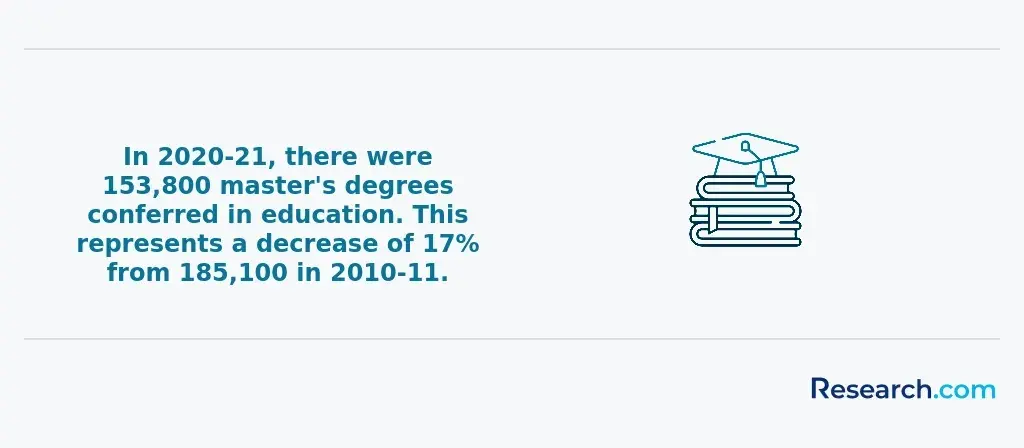
Candidates who want advanced preparation may eventually consider graduate study, including online master’s degrees in education, but a master’s degree should be evaluated separately from the minimum credential requirement. The key question is whether the added cost supports a specific career goal, salary schedule benefit, or leadership pathway.
How much do teachers in California make?
Teacher pay in California varies by district, experience, education level, subject area, collective bargaining agreement, and local cost of living. The average annual salary for public school teachers in the state is approximately $78,859. Entry-level teachers may start around $44,245, while higher earners can exceed $91,806.
| Salary factor | How it can affect earnings | Decision point for new teachers |
| Experience | Many salary schedules increase pay with years of service | Compare district salary schedules before accepting a job. |
| Advanced degrees | A master’s degree or additional graduate units may improve placement on some pay scales | Confirm the salary schedule benefit before borrowing for graduate study. |
| Specialization | High-need areas such as special education or STEM may improve hiring options | Choose a specialization that matches both demand and your teaching strengths. |
| Leadership duties | Department chair, mentor, curriculum, or coordination roles may provide additional compensation | Ask districts how stipends and extra-duty roles are assigned. |
| Location | Urban districts such as Los Angeles and San Francisco often pay more than many rural districts | Compare salary against housing, commuting, and childcare costs. |
Salary should not be judged only by the statewide average. A higher-paying district can still feel less affordable if housing and transportation costs are much higher. Candidates should estimate take-home pay, credential debt, local rent, retirement contributions, and benefits before deciding where to work.
What is the job outlook of teachers in California?
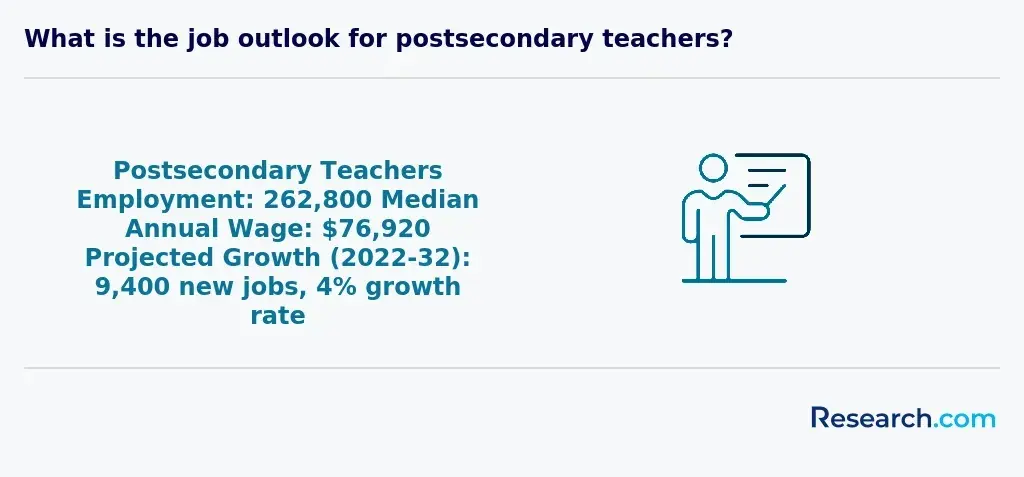
The job outlook for California teachers is shaped by student enrollment patterns, retirements, subject shortages, district budgets, and regional staffing needs. The California Employment Development Department has projected demand for teachers in coming years, and California’s diverse student population continues to require educators prepared for multilingual, culturally responsive, and inclusive instruction.
For candidates trying to keep costs down, the best strategy is to align credential preparation with real hiring demand. A low-cost credential has stronger value when it leads to an employable authorization in a subject, grade level, or region where districts need teachers.
- Student enrollment needs: District hiring changes by region and grade level, so candidates should research local demand before choosing a credential area.
- Teacher retirements: Departures from the profession can create openings for new teachers, especially in hard-to-staff roles.
- Diverse learner needs: California schools need teachers who can support English learners, students with disabilities, and students from many cultural and linguistic backgrounds.
- Subject-area demand: Special education, STEM, bilingual education, and other shortage areas may offer stronger hiring opportunities in some districts.
California has consistently appeared among the top 10 states with the highest average teacher salaries. Even so, salary and job security are not guaranteed. Candidates should compare district hiring data, credential authorizations, and placement support from each preparation program.
What is the career path of a teacher in California?
Most California teachers begin in classroom roles, build instructional skill, complete induction or clear credential requirements, and then choose whether to remain in teaching, specialize, mentor others, or move into leadership. The strongest career path is usually built intentionally: credential area first, classroom effectiveness second, then advanced credentials or graduate education only when they support a clear goal.
| Career stage | Common focus | Possible next step |
| Credential candidate | Complete coursework, fieldwork, exams, and clearances | Choose the most affordable approved pathway that fits your background. |
| Early-career teacher | Classroom management, lesson design, assessment, and induction | Build strong evaluations and seek mentoring. |
| Experienced classroom teacher | Curriculum improvement, family engagement, and student outcomes | Become a mentor, lead teacher, or department contributor. |
| Teacher leader | Coaching, curriculum, assessment, or professional learning | Move into department chair, instructional coach, or coordinator roles. |
| Administrator or specialist | School leadership, district work, policy, or academic support | Pursue additional credentials or graduate education if required. |
Career changers should be especially careful about program selection. Intern and alternative routes may allow faster entry into paid teaching, but they also require strong time management because candidates are learning the profession while carrying classroom responsibilities.
California has also been recognized as a state with a large number of teachers who have completed teacher preparation programs. That makes preparation quality important: candidates should choose programs with strong clinical supervision, district partnerships, and support for passing required milestones.
What affordable options exist for early childhood educator certification in California?
Early childhood education can be a lower-cost entry point for people who want to work with young children, but requirements vary by setting and role. Preschool, transitional kindergarten, kindergarten, childcare, and public school positions may not require the same credential. Candidates should first identify the exact job they want, then choose the least expensive approved pathway for that role.
Community colleges, child development programs, and flexible credential pathways can help candidates build practical skills without immediately committing to a higher-cost graduate or private university option. For a role-specific overview, review how to become a preschool teacher in California.
Is earning a bachelor of education online a viable option for aspiring teachers in California?
An online bachelor’s pathway can work for future teachers who need flexibility, but it should be chosen carefully. The program should support transfer credits, align with California credential requirements, include a realistic plan for fieldwork, and help students avoid unnecessary excess units. Students comparing undergraduate options can explore online bachelor of education programs as part of a broader cost and credential planning process.
Are there alternative careers for educators in California?
Teaching is not the only education-related career path. Some educators move into speech-language services, curriculum design, school counseling, administration, educational technology, assessment, tutoring, or nonprofit education work. Those interested in communication disorders can examine the steps toward an SLP license in California. The best alternative depends on whether the educator wants direct student interaction, clinical specialization, leadership, or curriculum-focused work.
What additional support programs are available to help teachers succeed in California classrooms?
Cost is not the only factor that determines whether a credential pathway is worth it. New teachers also need mentoring, classroom support, financial planning, and wellness resources. Programs that help teachers stay in the profession can improve the return on a credential investment.
- Teacher induction programs: California requires new teachers to complete induction within their first two years of employment. These programs offer mentoring, professional learning, and support with classroom practice.
- CalSTRS financial literacy workshops: These workshops help teachers understand retirement planning, personal finance, and pension-related decisions.
- Loan forgiveness programs: Teachers in high-need fields or low-income schools may qualify for federal loan forgiveness options, depending on program rules and employment conditions.
- Wellness and mental health resources: Many districts offer counseling, stress management, and wellness support to help teachers manage the demands of the profession.
When comparing credential programs, candidates should ask how the program supports graduates after placement. Strong mentoring and district partnerships may be worth more than a small tuition difference.
How do private school teaching credentials differ in California?
Private schools in California often have more flexibility than public schools when setting hiring requirements. Some may hire teachers without a California public school credential if the candidate has strong subject knowledge, an advanced degree, professional experience, or specialized training. However, many private schools still prefer credentialed teachers because formal preparation can signal classroom readiness.
This flexibility can reduce the short-term cost of entering teaching, but it comes with trade-offs. A private school role may provide classroom experience, yet it may not automatically satisfy public school credential requirements. Candidates who might later move into public schools should verify whether their experience will count toward future credential steps.
Before applying, candidates should review each school’s hiring standards, religious or mission-based expectations if applicable, salary structure, benefits, and professional development support. For a more focused explanation, see private school teacher requirements in California.
What are the specific requirements for becoming a music teacher in California?
Music teachers need both teaching skill and subject expertise. In addition to general credential expectations, they may need preparation in music theory, performance, instrument proficiency, ensemble work, and arts-specific pedagogy. Candidates should choose programs that provide real practice teaching music, not only general education coursework.
Because specialized arts preparation can add cost, future music teachers should compare public university pathways, transfer-friendly coursework, scholarships, and performance requirements before enrolling. For a role-specific guide, review music teacher education requirements in California.
Is specializing in middle school math beneficial for educators in California?
Middle school math specialization can be valuable for teachers who enjoy mathematics instruction and want to meet district needs in a core subject. Strong math teachers are expected to explain abstract ideas clearly, diagnose misconceptions, use assessment effectively, and support students who arrive with very different levels of preparation.
Before choosing this path, candidates should consider whether they are prepared for both the content and the developmental needs of early adolescents. Those who want a focused route can review middle school math teacher requirements in California.
Common mistakes to avoid when choosing the cheapest credential route
| Mistake | Why it can cost more later | Smarter alternative |
| Choosing the lowest advertised tuition without checking approval | The program may not lead to the credential you need | Verify California credential eligibility before applying. |
| Ignoring living costs | Housing and transportation can exceed tuition savings | Build a full budget that includes food, housing, commuting, and supplies. |
| Assuming online means fully remote | Student teaching and fieldwork are usually in person | Ask how clinical placements are arranged in your area. |
| Overlooking transfer credit policies | Repeated coursework increases time and cost | Request a written transfer evaluation before enrolling. |
| Borrowing for a master’s degree without a salary plan | Advanced study may not pay off equally in every district | Review district salary schedules and promotion requirements first. |
| Forgetting fingerprinting and background checks | Required clearances add fees and processing time | Include all mandatory credentialing costs in your budget. |
How can specializing in high-demand subjects enhance my teaching career in California?
Specializing can improve a teacher’s employment options when the subject aligns with district needs. High-demand areas may include specialized academic subjects, bilingual education, special education, STEM, or other hard-to-staff assignments. The key is fit: a specialization is useful when the teacher has both the interest and the preparation to teach the subject well.
Teachers considering a content-focused pathway should compare authorization requirements, coursework, clinical placement opportunities, and local hiring patterns. For example, candidates interested in social studies can review how to become a history teacher in California.
How do recent policy updates impact teacher credentialing in California?
Credential rules, eligibility pathways, testing policies, and application procedures can change. Applicants should not rely only on old program brochures, forums, or informal advice. The safest approach is to check current California Commission on Teacher Credentialing guidance and confirm requirements directly with the program before paying application fees or tuition.
Recent updates may affect alternative routes, out-of-state applications, renewal timelines, funding opportunities, and documentation expectations. For a broader overview of credential types and current requirements, review California teacher certification requirements.
Is investing in a master's degree worth the long-term benefits for California educators?
A master’s degree can be worthwhile for California educators when it supports a specific goal: salary schedule advancement, leadership eligibility, specialized expertise, curriculum roles, or preparation for graduate-level career paths. It is not automatically the cheapest next step after a credential.
Before enrolling, teachers should compare tuition, employer reimbursement, expected salary schedule movement, loan costs, and the degree’s relevance to their career plan. Educators interested in compensation differences by specialization can review information connected to early childhood education salary with a master’s degree.
What advantages does a kindergarten teaching credential provide in California?
A kindergarten teaching credential prepares educators to teach foundational academic, social, language, and developmental skills during an important early stage of schooling. The training can strengthen classroom management, early literacy instruction, age-appropriate assessment, and family communication.
Candidates should confirm whether their desired role is in kindergarten, transitional kindergarten, preschool, or another early childhood setting, because requirements may differ. For step-by-step guidance, see how to become a kindergarten teacher in California.
How do mentorship and professional development programs bolster long-term success for California educators?
Mentorship can make the difference between simply earning a credential and becoming an effective long-term teacher. New educators need feedback on lesson planning, student engagement, classroom routines, assessment, family communication, and workload management. Strong professional development also helps teachers adapt to changing standards, technology, and student needs.
Teachers should look for programs and districts that offer structured coaching, collaboration time, peer networks, and practical training rather than one-time workshops only. Candidates interested in subject-specific pathways can also review how to become a high school history teacher in California.
How do online teacher credential programs enhance professional networking opportunities in California?
Online credential programs can build professional networks when they include live discussions, cohort learning, mentor interaction, district partnerships, virtual office hours, and collaborative projects. These connections matter because candidates often need advice on placements, interviews, induction, classroom challenges, and first-year teaching expectations.
Prospective students should ask whether an online program has California-based faculty, school district relationships, placement support, and alumni connections. For additional guidance on remote pathways, review how to become a teacher in California through online preparation.
Key Insights
- The cheapest California teaching credential route depends on your starting point. Future undergraduates, bachelor’s degree holders, out-of-state teachers, international educators, and early childhood candidates should compare different pathways.
- Intern programs can lower opportunity cost because candidates may earn a salary while completing credential requirements. The route also requires only 120 hours of pre-service training, which is less than many traditional preparation timelines.
- Residency programs can be financially attractive when they provide tuition assistance, mentoring, and supervised classroom experience.
- Integrated undergraduate programs may reduce total cost by combining degree completion and teacher preparation instead of requiring a separate post-bachelor’s credential sequence.
- Online credential programs can save time and commuting costs, but candidates must confirm accreditation, California credential eligibility, and in-person placement requirements.
- Tuition is not the full cost. Books, supplies, housing, food, fingerprinting, background checks, application fees, and lost work time can change which program is truly cheapest.
- A low-cost program is only a good investment if it leads to the correct California credential, provides adequate classroom preparation, and supports placement into the kind of teaching job you want.
Related Articles for Nearby States
- 2027 Cheapest Way to Get a Teaching Credential in Nevada: Requirements & Certification
- 2027 Cheapest Way to Get a Teaching Credential in Oregon: Requirements & Certification
- 2027 Cheapest Way to Get a Teaching Credential for Arizona: Requirements & Certification
- 2027 Cheapest Way to Get a Teaching Credential in Idaho: Requirements & Certification
- 2027 Cheapest Way to Get a Teaching Credential in Utah: Requirements & Certification
- 2027 Cheapest Way to Get a Teaching Credential in Washington: Requirements & Certification
- 2027 Cheapest Way to Get a Teaching Credential in New Mexico: Requirements & Certification
- 2027 Cheapest Way to Get a Teaching Credential in Colorado: Requirements & Certification
- 2027 Cheapest Way to Get a Teaching Credential in Montana: Requirements & Certification
- 2027 Cheapest Way to Get a Teaching Credential in Wyoming: Requirements & Certification
References:
- Ce.csueastbay.edu (16 Aug 2024). Online Single Subject Teaching Credential. ce.csueastbay.edu
- Ctc.ca.gov (01 Jul 2024). Single Subject Teaching Credential Requirements for Teachers Prepared in California (CL-560C). https://www.ctc.ca.gov/credentials/leaflets/Single-Multiple-Subject-Credentials-(CL-560C)
- Salary.com (27 Aug 2024). Public School Teacher Salary in California. https://www.salary.com/research/salary/benchmark/public-school-teacher-salary/ca
Other Things You Should Know About Getting a Teaching Credential in California
Yes. Many California school districts offer tuition reimbursement or stipend programs for credential candidates who are hired as interns or paraprofessionals. Candidates must usually remain employed by the district, pass required exams, and complete an approved Commission on Teacher Credentialing program.
In 2027, California recognizes several alternative certification programs such as Teach for America and residency programs. These options allow candidates to work while earning their credentials, offering cost-effective pathways to meet state certification requirements while gaining practical experience.
Aspiring teachers in California can pursue cost-effective options such as online credential programs, internships, or alternative certification programs like Teach for America. These pathways can decrease costs while providing the necessary training and experience to meet credentialing requirements efficiently in 2027.


