2027 Best Online Bachelor's in General Studies With Monthly Start Options

Co-Founder and Chief Data Scientist
Choosing an online bachelor's in general studies with monthly starts is often about speed, transfer credit, and career flexibility. BLS data for 2024 shows workers with a bachelor's degree had median weekly earnings of $1,543, compared with $1,057 for those with some college but no degree.
That gap makes completion especially important for adults with prior credits. This guide explains how these programs work, what they cost, how employers view them, and how to compare options without wasting time or money.
Key Things You Should Know
- Most online bachelor's in general studies programs require about 120 credits, and monthly or near-monthly starts usually mean new terms every 4 to 8 weeks instead of only fall and spring entry.
- Accreditation matters more than format: a regionally accredited online degree is generally evaluated like a campus degree, while unaccredited programs can create transfer, financial aid, and employer-recognition problems.
- Cost varies widely; College Board's 2024-2025 published tuition and fee averages were $11,610 for in-state public four-year students and $43,350 for private nonprofit four-year students, so transfer credit and per-credit pricing can heavily affect total cost.
What is an online bachelor's in general studies with monthly start dates?
An online bachelor's in general studies is a flexible undergraduate degree that lets students combine coursework across several fields instead of majoring in one narrow discipline. It is often designed for adult learners, military students, working parents, career changers, and students who already have college credits from multiple schools.
Monthly start dates mean you do not have to wait for a traditional semester. Many schools use accelerated 5-week, 6-week, 7-week, or 8-week terms, with new sessions opening throughout the year. This structure can be useful if you missed a fall deadline, need to use employer tuition benefits quickly, or want to keep momentum after transferring credits.
The "best" monthly start program is not simply the fastest one. It is the program that is accredited, accepts your prior credits, fits your schedule, supports your career goal, and has a total cost you can justify.
If your main priority is academic flexibility, a general studies major may feel similar to choosing the easiest online degree, but the smarter question is whether the curriculum builds the skills employers or graduate schools expect.
General studies usually works best for students who want to finish a bachelor's degree efficiently and apply it to broad career paths such as business operations, public service, administration, sales, nonprofit work, human resources, or graduate study.
It may be a weaker fit if your target career requires a specialized major, licensure, studio training, laboratory work, or a professional accreditation tied to a specific field.
Are online general studies bachelor's degrees with monthly starts respected and accredited?
Online general studies bachelor's degrees with monthly starts can be respected when they come from an institution with recognized accreditation. Employers typically care more about whether the school is legitimate, whether the degree is relevant to the role, and whether you can explain the skills you gained than whether the program used monthly start dates.
The most important check is institutional accreditation. In the U.S., regional accreditors and other recognized institutional accreditors are reviewed by the U.S. Department of Education or the Council for Higher Education Accreditation. Accreditation can affect federal financial aid eligibility, graduate school admission, employer tuition reimbursement, and whether credits transfer later.
Before enrolling, verify the following items directly with the school and through recognized accreditation databases. These checks are especially important for flexible programs because speed and convenience should not come at the expense of legitimacy:
- Confirm that the institution is currently accredited by a recognized accreditor, not merely "licensed," "approved," or "registered."
- Ask whether the bachelor's degree will appear on the transcript as general studies, liberal studies, interdisciplinary studies, or another official major title.
- Check whether the school participates in federal student aid if you plan to use grants or loans.
- Ask graduate schools or target employers if they accept the degree for your intended next step.
- Review student complaint history, graduation data, and transfer-out policies before signing an enrollment agreement.
A key red flag is a school that promises guaranteed jobs, instant degrees based mostly on "life experience," or unusually large credit awards without documentation. Prior learning assessment can be legitimate, but reputable schools require evidence such as exams, military transcripts, professional certifications, portfolios, or evaluated training records.
How do monthly start online general studies programs compare to traditional campus options?
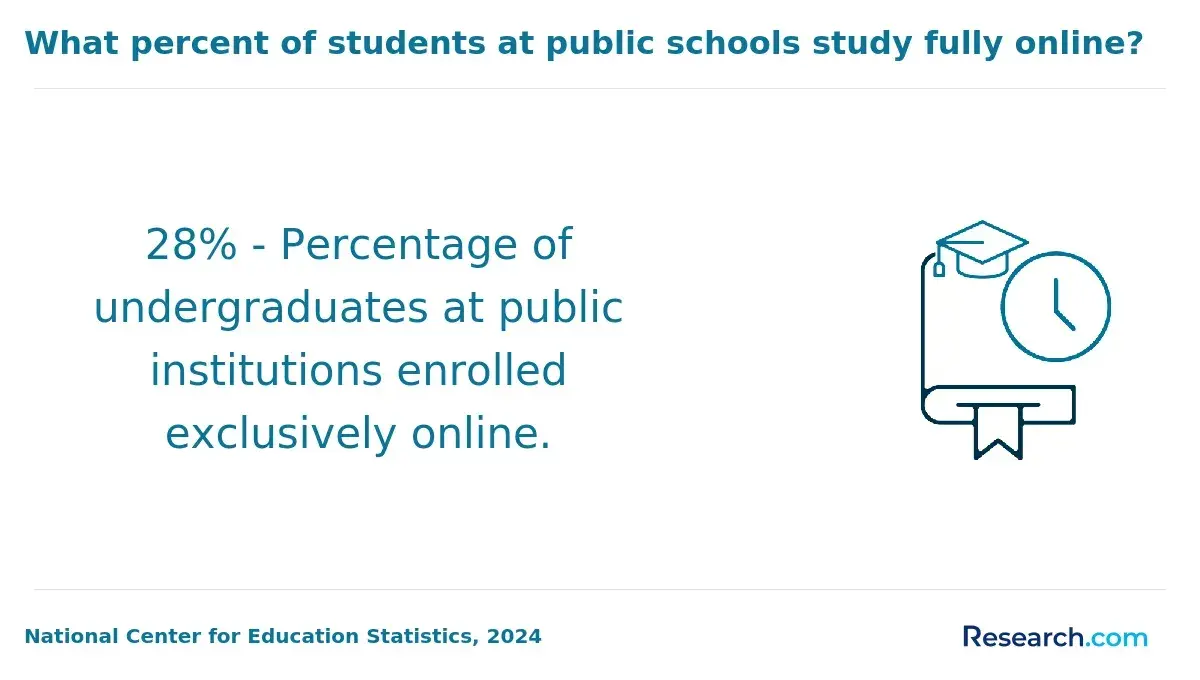
Monthly start online programs are built for access and continuity, while traditional campus programs are built around fixed academic calendars and in-person services. Neither format is automatically better; the right choice depends on your schedule, learning style, finances, and need for campus-based support.
The comparison below summarizes the practical trade-offs. Use it to identify which format is more likely to help you finish, not just which one sounds more convenient:
| Factor | Monthly start online general studies | Traditional campus bachelor's option |
| Start timing | Multiple entry points per year, often every 4 to 8 weeks | Usually fall, spring, and sometimes summer entry |
| Best fit | Working adults, transfer students, military learners, caregivers, and students who need schedule flexibility | Students who want in-person classes, campus life, labs, athletics, or frequent face-to-face advising |
| Pacing | Often accelerated terms with concentrated assignments | Usually 15-week semesters with longer time to absorb material |
| Support access | Virtual advising, online tutoring, digital library access, remote career services | In-person advising, tutoring centers, faculty office hours, campus organizations |
| Potential drawback | Requires strong time management and comfort with digital learning platforms | Less flexible for students with full-time jobs or unpredictable schedules |
Online does not mean easier. In accelerated monthly-start formats, the workload can feel more intense because readings, discussions, papers, and exams are compressed into shorter terms. Students who succeed usually plan weekly study blocks before the term begins and avoid taking too many courses at once.
Campus programs may be stronger for students who need structure, peer interaction, or access to specialized facilities. Online programs may be stronger for students who already have credits, know their graduation goal, and need a path that fits around adult responsibilities.
What courses and concentrations are typically offered in online general studies programs?
General studies curricula usually combine general education, upper-division electives, a concentration or emphasis area, and a capstone. The goal is to create a coherent academic plan rather than a random collection of courses.
The table below shows common course areas and how they can support different goals. Exact course names vary by school, so compare degree maps rather than relying only on program descriptions:
| Course or concentration area | What students typically study | Best suited for |
| Business and organizational leadership | Management, supervision, workplace communication, organizational behavior, project coordination | Students targeting administrative, operations, sales, or management-track roles |
| Communication | Professional writing, public speaking, digital communication, persuasion, media literacy | Students interested in client-facing, marketing support, training, or nonprofit roles |
| Social and behavioral sciences | Psychology, sociology, human services, public policy, community studies | Students considering public service, case coordination, advocacy, or graduate study |
| Applied technology | Information systems basics, data literacy, productivity tools, cybersecurity awareness | Students who want to strengthen workplace technology skills without majoring in computer science |
| Humanities and liberal arts | Ethics, history, philosophy, cultural studies, interdisciplinary research | Students preparing for communication-heavy roles or graduate programs that value broad analysis |
| Capstone or portfolio | Research project, applied workplace problem, professional portfolio, reflective learning assessment | Students who need to show employers how a broad degree connects to practical skills |
A strong concentration matters because "general studies" can sound broad on a resume. Pairing the degree with a focused area such as business, communication, technology, or public administration helps you tell a clearer career story.
Students who need a credential tied to a regulated profession should be cautious. For example, healthcare nutrition careers often require specific science coursework, supervised practice, and credentialing steps, so an online dietitian degree may be more appropriate than a general studies major for that path.
What admission requirements and transfer credit policies apply to these online programs?
Admission requirements for online general studies programs are usually more flexible than for highly selective campus majors, but they still vary by institution. Many programs accept first-time students, transfer students, returning adults, and applicants with military or workforce training.
Typical admission materials include a high school diploma or GED, official transcripts from all colleges attended, an application form, and sometimes a minimum GPA. Test scores are often optional for adult-focused online programs, but selective public universities may still have additional requirements.
Transfer credit policy is one of the biggest factors in total cost and completion time. Before you enroll, ask for a written transfer evaluation, not just an informal estimate. The most important transfer questions are listed below because they directly affect how many courses you still need to pay for:
- What is the maximum number of transfer credits accepted toward the bachelor's degree?
- How many upper-division credits must be completed at the degree-granting institution?
- Does the school accept credits from community colleges, military transcripts, CLEP, DSST, AP, IB, ACE-evaluated training, or professional certifications?
- Will old credits expire, especially in technology, business, or science subjects?
- Can transferred courses satisfy major, concentration, general education, or only elective requirements?
- Is there a residency requirement that forces you to complete a certain number of credits at the school?
A common mistake is choosing the school that accepts the largest number of credits without checking where those credits apply. Credits that transfer only as electives may not shorten your path as much as credits that satisfy general education or upper-division requirements.
How long does it take to finish an online general studies bachelor's, and can I accelerate?
A bachelor's degree usually requires about 120 semester credits. A first-time full-time student commonly needs around four years, but many online general studies students are not starting from zero. Transfer credits, prior learning assessment, accelerated terms, and year-round enrollment can shorten the timeline.
Acceleration is useful only if it is sustainable. Monthly starts can help you begin sooner, but finishing faster depends on how many credits you bring in, how many courses you can handle per term, and whether required courses are offered frequently enough.
Students who want to accelerate should use a structured plan before registering. The steps below can help you move faster without overloading yourself:
- Request an official degree audit before committing to a start date.
- Prioritize programs that accept the most applicable credits, not just the most total credits.
- Ask whether courses are available every term or only once or twice per year.
- Take one accelerated course first if you have not studied online recently.
- Use summer or overlapping short terms only if your work and family schedule can support the extra load.
- Confirm financial aid rules, because dropping accelerated courses can affect aid eligibility and satisfactory academic progress.
Full-time enrollment can make sense if you have a stable schedule and strong academic confidence. Part-time enrollment can be better if you are balancing work, caregiving, health needs, or unpredictable shifts. The fastest plan is not always the best plan if it increases the risk of withdrawal.
What do online general studies programs with monthly starts usually cost, and how is tuition structured?
Online general studies programs may charge tuition by credit, by term, or through a flat-rate subscription model. The advertised tuition is only one part of the total cost; fees, books, technology requirements, transfer credit loss, and repeated courses can change the final amount.
College Board's 2024-2025 figures show how much sticker prices can differ across institution types: published tuition and fees averaged $11,610 for in-state students at public four-year colleges and $43,350 at private nonprofit four-year colleges. Online programs do not always follow those exact averages, but the comparison shows why public residency status, transfer credits, and institutional aid matter.
Common tuition structures include the following. Compare them based on your expected pace, not just the lowest number on the website:
- Per-credit tuition: You pay for each credit attempted, which can be cost-effective if you transfer in many credits.
- Flat-rate term tuition: You pay one rate for a term or subscription period, which can reward students who complete courses quickly.
- Full-time semester block tuition: You pay a set rate within a credit range, which may benefit students taking heavier loads.
- Employer-paid or military-supported tuition: Your out-of-pocket cost may depend on annual benefit caps, approved providers, and grade requirements.
For perspective, specialized online majors can have different cost pressures because they may require lab kits, software, proctored exams, or technical course sequencing.
Comparing a flexible general studies program with a technical major such as engineering can clarify the trade-off between broad completion and specialized preparation; reviewing online engineering degree cost information can help show why program type matters.
To reduce costs, start with an official transfer evaluation, ask whether alternative credits are accepted, compare total remaining credits, and calculate fees over the full program. Do not choose only by tuition per credit if another accredited school would accept more of your previous coursework.
What careers can you pursue with an online general studies bachelor's degree?
A general studies bachelor's degree can support many roles that require broad communication, organization, analysis, and problem-solving skills. It is most useful when paired with a concentration, work experience, internships, certifications, or a clear portfolio of projects.
The table below connects common career directions with the responsibilities graduates may pursue. These are not guaranteed outcomes; employers may require industry experience, specific software skills, or a more specialized degree for some positions:
| Career direction | Typical responsibilities | How to strengthen your candidacy |
| Business operations and administration | Coordinate schedules, support teams, manage records, improve office workflows, communicate across departments | Choose business electives and learn spreadsheet, project management, and reporting tools |
| Human resources support | Assist with recruiting, onboarding, employee records, benefits communication, and training logistics | Add HR coursework, employment law basics, and an internship or entry-level HR role |
| Sales and account coordination | Manage client communication, prepare proposals, track accounts, support revenue teams | Build communication, CRM, negotiation, and data interpretation skills |
| Nonprofit and public service | Support programs, coordinate volunteers, prepare reports, communicate with stakeholders, assist with grants | Take social science or public administration electives and document community-based projects |
| Training and development support | Help create training materials, coordinate learning sessions, track completion, support employee learning systems | Study communication, instructional design basics, and learning technology platforms |
| Graduate or professional school preparation | Use the bachelor's degree as a foundation for programs such as public administration, counseling prerequisites, business, or education-related graduate study | Confirm prerequisite courses and GPA expectations before choosing electives |
Students who want the strongest financial return should compare general studies with more specialized majors before deciding. Some bachelor degrees that pay well are tied to technical, quantitative, or licensed fields, so a broad degree may need targeted experience to compete for higher-paying roles.
AI and automation are also changing expectations. For general studies graduates, the safest strategy is to develop durable human skills such as writing, judgment, leadership, and collaboration while also learning practical digital tools, data literacy, and responsible AI use.
What salary ranges and job outlook are common for general studies graduates?
Salary outcomes for general studies graduates vary because the degree does not map to one occupation. Pay depends on your concentration, region, experience, employer, industry, and whether you move into supervisory or specialized work.
A useful national benchmark is the BLS 2024 education earnings data: workers age 25 and older with a bachelor's degree had median weekly earnings of $1,543, or about $80,236 annualized. This figure should not be read as a predicted salary for every general studies graduate, but it shows why completing a bachelor's can matter compared with stopping short of the degree.
The table below gives a practical way to think about salary positioning without treating the major as a single career track. It uses national benchmarks and role type rather than promising specific outcomes:
| Career stage or role type | Salary context | What may improve prospects |
| Entry-level administrative, customer operations, or program support | Often closer to broad labor-market entry levels and influenced heavily by location and industry | Internships, office technology skills, strong writing samples, and prior work experience |
| Experienced coordinator or specialist roles | May move closer to the bachelor's-degree earnings benchmark when the role requires judgment, communication, and independent responsibility | A focused concentration, measurable achievements, and software or data skills |
| Supervisory, operations, HR, training, or analyst-adjacent roles | Can exceed general entry-level ranges when the employee brings experience and role-specific expertise | Leadership experience, certifications, project results, and industry knowledge |
| Graduate-school-enabled career paths | May depend more on the graduate credential than the general studies major itself | Prerequisite planning, GPA, recommendations, and a clear professional goal |
Job outlook is similarly occupation-specific. Roles involving coordination, data-informed decision-making, healthcare administration support, training, and community services may have stronger demand than routine clerical work that can be automated.
For this reason, students should choose electives that build transferable skills employers continue to need: communication, data interpretation, project coordination, ethical judgment, and technology fluency.
The degree may be worth it if it helps you finish faster, qualify for bachelor's-required roles, access promotion pathways, or enter graduate study. It may not be the best investment if your target job clearly requires a specialized undergraduate major or licensure sequence.
How can you choose a reputable online general studies program with flexible start dates?
Choosing a reputable online general studies program with flexible start dates requires more than sorting by speed. The best program for you should minimize lost credits, fit your weekly schedule, support your career direction, and meet recognized academic standards.
Use the following process before applying or accepting an offer. These steps help protect your time, money, and future options:
- Verify accreditation through a recognized source and confirm the institution's current status.
- Request a written transfer credit evaluation before enrolling, including how each course applies to the degree.
- Compare total remaining credits, not just tuition per credit.
- Ask for a sample course schedule showing how monthly starts affect your actual graduation timeline.
- Review support services, including advising, tutoring, library access, disability accommodations, technical support, and career services.
- Check whether the program offers concentrations that match your career goal.
- Ask how online courses are delivered, including deadlines, proctoring, group work, live sessions, and attendance expectations.
- Calculate your net cost after grants, scholarships, employer benefits, military benefits, and loan borrowing.
- Look for transparent outcome data, but avoid assuming any school can guarantee employment or salary.
Common mistakes include enrolling before seeing a degree audit, assuming all credits will transfer, choosing the shortest advertised timeline, ignoring fees, and picking a concentration that does not match a career goal. Another red flag is pressure to enroll immediately without time to review policies.
A strong final shortlist usually includes three types of options: the lowest total-cost accredited program, the fastest accredited program based on your accepted credits, and the program with the strongest concentration for your career goal. Comparing all three helps you choose based on fit rather than marketing language.
Other Things You Should Know About General Studies
They are similar but not always identical. General studies often emphasizes flexible degree completion across multiple fields, while liberal studies may focus more on humanities, social sciences, and interdisciplinary inquiry. Always check the official curriculum and transcript title.
In 2027, many online Bachelor's in General Studies programs offer monthly start options to provide flexibility for students. This frequent enrollment structure allows individuals to begin their studies at various times throughout the year, accommodating diverse schedules and personal commitments.
Yes, it can meet the bachelor's degree requirement for many graduate programs, but admission depends on GPA, prerequisites, recommendations, test policies, experience, and program fit. Check requirements early so you can choose electives strategically.
Many programs require placement in college-level English and math before enrollment or during the first term. Common checks include SAT or ACT scores, prior college credits, or institutional placement tests, and some schools waive them if the student already earned 24 or more transfer credits.
References
- Online Degree vs. Traditional: Choosing the Right Path https://beal.edu/online-degree-vs-traditional/
- Online Bachelor Of Arts In General Studies - Spartanburg Methodist College https://www.smcsc.edu/academics/spartanburg-methodist-college-online-degree-programs/online-bachelor-in-general-studies/
- Self-Paced Online Degree Programs https://www.umassglobal.edu/why-umassglobal/flexible-ways-to-learn/self-paced
- General Studies Degree Jobs: 10 Careers + Salaries (2026) | Extern https://www.extern.com/post/general-studies-degree-jobs-career-guide