2027 Best Value Online Science Master's Degrees: Affordable Accredited Programs with the Highest ROI

Co-Founder and Chief Data Scientist
Deciding on an online science master's degree involves more than weighing tuition costs; it requires assessing how well programs balance affordability with rigorous accreditation and meaningful career outcomes. As the National Center for Education Statistics reports a steady rise in adult enrollment in online graduate programs since 2022, the landscape shifts toward flexible options-but not all offer strong returns on investment.
Many prospective students confront the challenge of identifying degrees that not only fit budget constraints but also provide credentials trusted by employers. Understanding which programs deliver proven workforce value is crucial for making strategic educational choices that drive long-term professional advancement.
Key Things to Know About the Best Value Online Science Master's Degrees
- Affordable programs often require tradeoffs in cohort size or specialization depth, influencing peer networking and research opportunities essential for differentiated skill development.
- Accreditation signals employer confidence in curriculum rigor; increasingly stringent standards reflect workforce preferences for graduates with validated, up-to-date competencies critical in evolving scientific fields.
- With a 17% growth in adult online learners reported by the National Center for Education Statistics, timing flexibility enhances access but demands strong self-discipline, affecting completion rates and timely career advancement.
What Are the Best Value Online Science Master's Programs in the U.S.?
Best value online science master's programs are not simply those with the lowest tuition; they represent a strategic balance where affordability intersects with credible accreditation, robust graduation rates, and tangible salary improvements after degree completion. For working professionals or career changers, the impact of this balance manifests directly in their ability to access rigorous education without excessive debt, to complete programs designed with adult learner considerations.
For instance, choosing a program with strong employer ties and a high post-degree salary lift can offset a higher sticker price by accelerating return on investment, whereas underestimating accreditation quality risks pursuing a degree with limited market recognition. This calculus is particularly critical when assessing affordable accredited online science master's degrees with high roi, which increasingly serve as gatekeepers to technologically advanced, interdisciplinary roles.
- Institution: University of North Dakota
- Estimated Tuition: $16,000 total
- Delivery Format: Fully asynchronous
- Differentiator: Offers a specialized Environmental Science track combining applied fieldwork with scalable online coursework optimized for full-time professionals.
- Institution: Fort Hays State University
- Estimated Tuition: $17,500 total
- Delivery Format: Mostly asynchronous with periodic live sessions
- Differentiator: Features a notably low per-credit tuition rate and extensive alumni networking opportunities in pharmaceutical sciences.
- Institution: Southern New Hampshire University
- Estimated Tuition: $19,000 total
- Delivery Format: Fully asynchronous
- Differentiator: Emphasizes data science foundations within a broader biological sciences curriculum, ideal for those targeting interdisciplinary STEM careers.
- Institution: Oregon State University
- Estimated Tuition: $23,000 total
- Delivery Format: Hybrid asynchronous with structured cohort engagements
- Differentiator: Integrates sustainable agriculture and ecosystem management with an emphasis on scalable remote research collaborations.
- Institution: University of Florida
- Estimated Tuition: $28,500 total
- Delivery Format: Asynchronous with optional synchronous seminars
- Differentiator: Combines a robust accredited curriculum in molecular and cellular science with strong employer partnerships yielding higher early-career salaries.
Programs like these demonstrate the diversity of delivery formats and specialized pathways within the best value online science master's programs in the United States, providing multiple options for balancing personal schedules and financial limits. For students navigating these decisions, it is vital to cross-reference institutional claims with reliable data, including outcomes reported by bodies such as IPEDS and specific institutional career surveys.
This approach helps avoid the pitfalls of overpaying for perceived flexibility or prestige without clear salary gains, a common risk in the expanding online education landscape. Further details on how to evaluate program ease and value can also be found by exploring resources like the easiest master's research, which contextualizes academic demands alongside career rewards.
What Accreditations Should an Online Science Master's Program Have?
Choosing an online science master's program without careful accreditation scrutiny can jeopardize your educational investment and career prospects. Many students, particularly those changing fields or balancing work, face tangible setbacks when programs lack recognized accreditation, limiting credit transfer options and employer acceptance.
Accreditation for these programs operates on two essential levels:
- Regional Accreditation: This baseline accreditation, granted by one of the seven U.S. regional agencies such as the Higher Learning Commission (HLC) or the Southern Association of Colleges and Schools Commission on Colleges (SACSCOC), ensures the institution's credibility. It underpins eligibility for federal financial aid and enables seamless credit transfers, which is crucial if you plan to continue education or switch schools. Employers across industries also prioritize degrees from regionally accredited institutions, making this non-negotiable for long-term career mobility.
- Programmatic Accreditation: Beyond the institution, program-specific accreditation guarantees curriculum quality aligned with industry standards in your science discipline. For instance, ABET accredits engineering and computing, CEPH covers public health, and other bodies certify fields like counseling or environmental science. Such accreditation influences licensure, professional certifications, and employer trust in the practical rigor of your education.
- Red Flags: Programs with only national accreditation or affiliations with obscure, unrecognized accrediting bodies frequently indicate compromised academic standards and restricted credit portability. These can diminish your degree's value and pose risks to professional licensure or certification eligibility.
- Checklist for Students: Verify whether the institution holds regional accreditation and identify the accrediting agency. Confirm that your specific science master's program has relevant programmatic accreditation. Ask how employers in your intended field view the program's credentials. Ensure the program's credits are widely accepted academically and professionally to safeguard your career advancement.
How Much Does an Online Science Master's Degree Cost on Average?
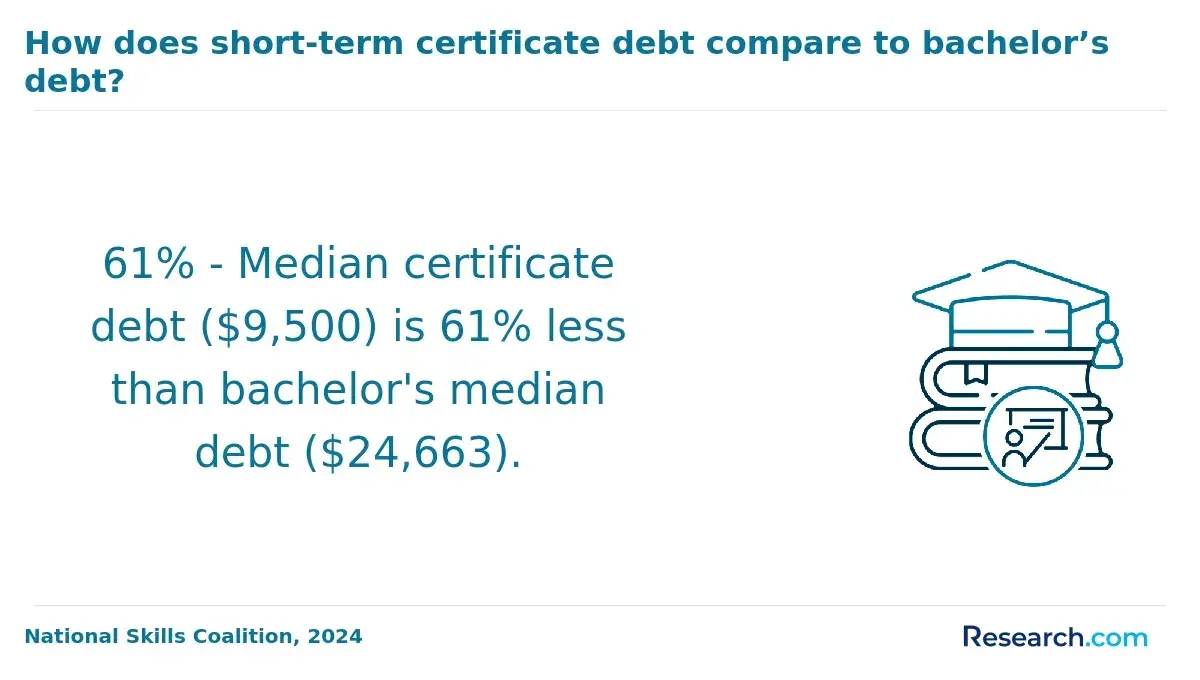
Total tuition for an online science master's degree varies significantly, typically ranging from affordable public university rates to higher private or nonprofit institution costs, with per-credit prices showing similar fluctuation. IPEDS data and institutional disclosures highlight that many public schools charge distinct tuition based on residency for on-campus students, but a growing number of accredited online programs adopt uniform flat rates regardless of in-state or out-of-state status.
- Program Cost Range: Public university online master's tuition generally remains below private nonprofit prices, though some programs standardize fees per credit for all enrollees to simplify billing.
- Residency Differences: Traditional out-of-state surcharges are increasingly uncommon as flat-rate online tuition models prevail, making online degrees more accessible for geographically dispersed applicants.
- Mandatory Fees: Enrollment often includes compulsory charges such as technology fees supporting virtual platforms, lab or equipment costs, and digital resource access fees that cumulatively increase total expenses.
- Capstone and Thesis Fees: Students completing research-intensive projects may encounter additional fees for faculty supervision, materials, or extended library usage required by some programs.
- Proctoring Costs: Remote exam monitoring services are typically billed separately, with frequent assessments potentially heightening overall financial outlay.
- Residency Requirements: A limited subset of online science master's programs require brief on-campus residencies or immersion sessions, imposing extra travel and lodging expenses beyond standard tuition.
Career-focused students balancing cost with employer expectations should assess these nuanced expenses alongside program quality and support services. Identifying affordable accredited online science master's programs USA currently involves comparing transparent pricing formats and considering financial aid availability.
Those exploring advanced leadership pathways might review leadership doctoral programs for complementary options aligned with long-term career goals.
Evaluating the financial return on an online science master's degree demands a nuanced view beyond tuition costs. ROI here is best expressed as the post-graduation salary increase minus total program expenses, divided by those expenses, yielding a percentage or how many years it takes to recoup investment.
For many working professionals, a jump from median salaries near $60,000 with a bachelor's to around $80,000 with a master's signals potential payoff, but outcomes depend heavily on context. Several factors critically shape this return:
- Work Experience: Individuals with established careers often accelerate their ROI by linking new credentials to promotions or targeted raises.
- Institution Prestige: Degrees from respected, accredited schools tend to open doors and command better offers in competitive labor markets.
- Regional Demand: Job markets vary widely; metropolitan areas with tech or biotech hubs offer higher salary premiums than regions with stagnant growth.
- Specialization: Master's concentrations in fast-growing fields like data analytics or environmental science enhance income prospects more than generalized degrees.
- Non-Monetary ROI: Career shifts, expanded networks, and improved job security often accompany the degree but remain difficult to quantify financially.
One recent graduate recounted applying through a rolling admissions process that prompted constant reassessment. Balancing work demands and program start dates, they felt tension over delayed acceptance notifications which complicated their financial planning and risk tolerance.
Ultimately, cautious timing allowed them to secure a scholarship late in the process, significantly affecting their calculated ROI and easing concerns over upfront costs-even as uncertainty lingered about how quickly salary gains would follow.
Admission criteria for online science master's programs often serve as a practical filter balancing academic preparedness with career readiness. While a minimum undergraduate GPA around 3.0 on a 4.0 scale is frequently cited, this baseline shifts depending on program selectivity and specialization, influencing candidate competitiveness and potential return on investment.
For example, a working professional without a strong academic record may find applying solely to highly selective programs limits their chances unnecessarily. Applicants should anticipate submitting the following components:
- Letters of Recommendation: Typically two to three endorsements from academic or professional contacts who can verify the applicant's capacity for graduate-level rigor.
- Statement of Purpose: A concise essay articulating the applicant's relevant background, motivations, and alignment with career goals, which often informs admission committees' assessment of candidate fit.
- Resume or CV: A detailed summary of professional experience, emphasizing scientific, technical roles, internships, or research pertinent to the field.
- Prerequisites: Completion of foundational courses in subjects such as biology, chemistry, physics, or mathematics, crucial for success in technical curricula.
- Standardized Tests: The GRE or similar exams may still be requested but are increasingly optional, reflecting an industry shift toward broadening accessibility and reducing barriers.
Given the technical nature of most science disciplines, demonstrating quantitative competency remains a common requirement. Because admission standards vary widely, potential students should strategically apply to a mix of reach, match, and safety programs, balancing ambition and realistic prospects to optimize both acceptance likelihood and educational value.
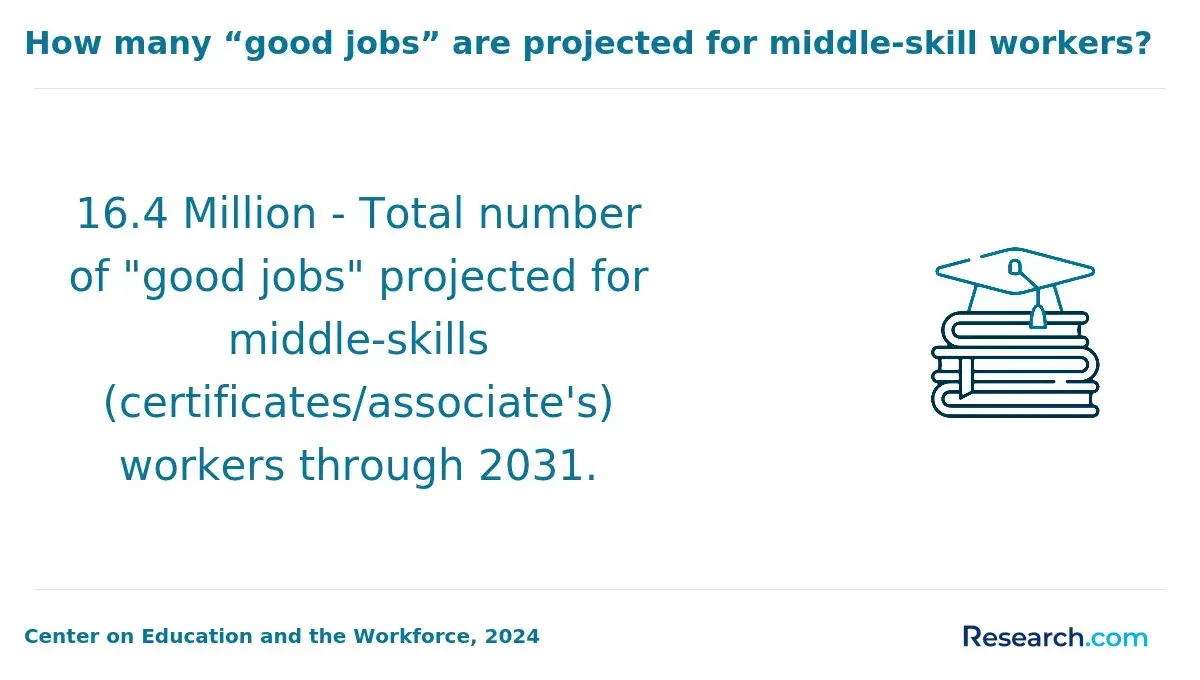
Selecting an online science master's program involves navigating GPA requirements that directly influence admission chances and long-term employability. Most accredited programs require a minimum undergraduate GPA typically between 2.75 and 3.0 to establish baseline eligibility. However, competitive programs often target applicants with a GPA of 3.2 or higher, reflecting the academic caliber associated with stronger outcomes and scholarship access.
For example, a working professional with a 2.8 GPA might qualify for admission but may face limitations in securing financial aid compared to peers with higher GPAs. This gap highlights the difference between the minimum eligibility GPA-essentially the acceptance floor-and the competitive GPA, which signals the profile of candidates more likely to thrive and secure valued career placements. Many programs clearly publish these distinct metrics, aiding applicants in realistic self-assessment.
Increasingly, programs recognize the limitations of GPA as a sole indicator and offer waiver policies allowing substitution with relevant professional experience, portfolio demonstrations, or standardized test scores. Applicants with below-threshold GPAs might still gain conditional admission if they present strengths elsewhere, reflecting a holistic admissions philosophy that balances quantitative and qualitative factors.
This flexibility is critical in workforce-driven fields where practical skills and proven competencies weigh alongside traditional academic records. The convergence of these policies ensures prospective students consider not only the minimum GPA requirements for online science master's programs but their overall fit within program expectations and market demands.
- Minimum GPA Range: Commonly 2.75 to 3.0 for baseline eligibility across accredited online science master's programs.
- Competitive GPA: Many programs expect 3.2 or above for stronger chances of admission and scholarship opportunities.
- Distinction Between Eligibility and Competitiveness: Minimum GPA sets the floor; competitive GPA reflects typical admitted students' profile.
- GPA Waivers: Available at programs valuing relevant professional experience, portfolio work, or standardized tests in lieu of GPA.
- Conditional Admission: Possible for applicants below GPA thresholds through provisional enrollment based on strengths in other areas.
- Holistic Review: GPA is only one factor; admissions consider work history, recommendations, and personal statements for well-rounded evaluation.
Prospective students seeking comprehensive insights on allied fields might also explore programs like PsyD programs online to understand admission trends and career trajectories in comparable graduate degrees.
Funding an online master's in science often means navigating a complex mix of aid types with careful timing and realistic expectations about eligibility and limitations. Federal grants like Pell Grants are generally off the table for graduate students, a surprise for many first-generation applicants expecting similar support to undergraduates.
Instead, federal lending through Direct Unsubsidized Loans and Graduate PLUS Loans remains the primary backbone of financial aid, though these loans accrue interest immediately, increasing debt load before career benefits materialize.
- Federal Loans: Available via FAFSA, these include Direct Unsubsidized and Graduate PLUS Loans, essential for most but requiring clear understanding of repayment terms and borrowing caps.
- Institutional Scholarships and Fellowships: Universities may offer merit-based or need-based awards focused on research potential or academic standing, but amounts vary wildly, and securing these often hinges on early inquiry and application.
- Employer Tuition Reimbursement: Working students should verify employer education benefits, which can substantially reduce net costs, though they often come with employment continuity clauses that constrain career mobility.
- Graduate Assistantships: Though less frequent for online students, some programs provide teaching or research assistantships offering stipends or tuition waivers, valuable for lowering expenses if accessible.
- External Scholarships: Professional science associations frequently grant targeted scholarships that can supplement institutional and federal aid, plugging persistent funding gaps.
Maximizing aid demands strategic action: file your FAFSA early to avoid delays and improve access to limited funds; dive deep into discipline-specific and state-level scholarship databases; negotiate aid packages by highlighting your unique academic or professional qualifications; and closely review employer reimbursement policies to understand constraints.
Recognizing that the Student Aid Index (formerly Expected Family Contribution) is critical to federal aid eligibility underscores the importance of accurate, on-time FAFSA submission. One recent graduate recalled the uncertainty during application when rolling admissions stretched beyond anticipated timelines, delaying FAFSA completion and scholarship decisions.
Their strategy involved prioritizing schools with predictable aid deadlines and maintaining communication with financial aid offices to clarify package offers. This approach reduced stress and allowed more informed financial planning, critical for balancing full-time work and study obligations without overreliance on high-interest loans.
Completion times for online science master's degrees hinge on complex tradeoffs between speed, quality, and career context. While full-time students generally finish between 18 months and 2 years, part-time learners-who make up the bulk of enrollees-often take 2.5 to 4 years. This extended timeframe accommodates working professionals balancing jobs, family, and coursework, reflecting real-world constraints many face.
For those weighing program duration, several factors shape how quickly degrees are earned:
- Credit Hour Requirements: Most accredited online science master's programs require 30 to 45 credit hours, with higher credit loads per semester shortening time but increasing pressure on academic performance and work-life balance.
- Course Load: Students taking heavier semesters complete programs faster, but this intensifies challenges such as burnout and reduced flexibility.
- Transfer Credits: Applicants with eligible prior graduate coursework can shorten timelines, though transfer policies vary widely and must be navigated carefully to ensure credits count toward degree completion.
- Program Structure: Cohort-based models offer fixed pacing but reduced flexibility, often extending duration, whereas self-paced or asynchronous options provide adaptability advantageous for employed students.
- Accelerated Options: Some programs advertise 12-month completion, but such speed demands scrutiny of accreditation and workforce recognition, where employer preference often values program credibility over completion speed.
- Thesis or Capstone: Required research projects or capstones can add one to two semesters, depending on faculty availability and student pace, critical for roles demanding rigorous analytical skills.
National enrollment data shows that admission cycles cluster in fall and spring, with many professionals strategically pacing studies to align with work cycles and industry hiring peaks. This dynamic influences the best duration to complete an online science master's degree in the US, especially among career changers and rising professionals seeking optimal return on investment.
Yet, students should also explore complementary credentials that enhance employability and salary prospects. Resources on easy licenses and certifications to get online can guide in identifying targeted certifications to couple with a master's degree for greater career impact. Understanding the average time frame for accredited online science master's programs alongside credential stacking supports informed decision-making in selecting pathways aligned with diverse workforce realities.
Choosing the right specialization within an online science master's program significantly impacts long-term career prospects and salary potential. For instance, selecting biotechnology over environmental science can steer graduates toward higher-paying roles in pharmaceutical research rather than regulatory policy, affecting both job availability and return on investment.
Many affordable accredited science master's program concentrations with highest ROI are structured to develop precise skill sets aligned with employer demand, making upfront concentration decisions critical-especially when programs require declaration at admission rather than offering a general science track with flexible electives.
Common specializations available across accredited online science master's programs include:
- Biotechnology: Focuses on genetic engineering and molecular biology for healthcare and pharmaceutical sectors.
- Environmental Science: Addresses sustainability, ecosystem analysis, and regulatory frameworks vital to environmental policy roles.
- Data Science and Analytics: Combines programming, statistics, and machine learning applicable in scientific research and business analytics.
- Applied Physics: Explores practical physics applications relevant to engineering, defense, and technology development.
- Health Informatics: Integrates healthcare with IT, supporting growing demand in medical data management and system optimization.
- Food Science and Technology: Covers food safety, quality controls, and product development for industry careers.
- Chemistry: Deepens expertise in chemical processes essential for pharmaceuticals and industrial research.
- Microbiology: Examines microorganisms impacting agriculture, environment, and healthcare diagnostics.
To optimize career outcomes, prospective students should analyze job postings linked to their target roles, identifying which concentrations are frequently required by employers. Not all fields offer equivalent labor market demand or salary growth-some provide specialized, lucrative careers, while others yield broader but less focused opportunities.
Engaging with alumni or program advisors offers practical insights to prevent costly mismatches between academic choices and workforce realities. For professionals considering further advancement, exploring related pathways such as EDS to EDD bridge programs online can also inform strategic planning.
Key details include:
Employer surveys, including recent data collected by SHRM, consistently show that most hiring managers do not distinguish between online and on-campus master's degrees when the credential originates from the same regionally accredited institution. This indicates that accreditation remains the critical factor defining a degree's credibility and market value, rather than the modality of delivery.
Institutions that do not label diplomas with "online" better preserve parity in professional contexts, preventing potential bias in hiring decisions. That said, on-campus science programs often maintain tangible advantages that affect career outcomes. Networking through spontaneous in-person interactions and campus events typically facilitates relationship-building more naturally than virtual environments.
Physical access to recruiting fairs and employer visits on campus strengthens job pipelines. Additionally, disciplines requiring lab work or clinical/practicum experiences benefit from on-site resources that some online formats struggle to mirror fully.
- Networking: In-person connections support informal mentoring and collaborations, critical in industries where trust and reputations drive hiring.
- Recruiting Pipelines: Campus-based employers and specialized job fairs enable direct recruitment access often unavailable remotely.
- Hands-On Learning: Access to labs or field sites is essential for applied science skills, influencing readiness for specialized roles.
Online programs are closing many gaps through virtual networking platforms, local employer partnerships that facilitate internships, and mandatory hybrid residencies providing necessary practical experience. Such adaptations can partially replicate the benefits of on-campus programs, particularly for working professionals balancing education with career and personal commitments.
- Virtual Networking: Scheduled online meetups and forums foster peer and faculty engagement across geographies.
- Employer Partnerships: Collaborations with regional companies expand internship and project-based learning opportunities.
- Hybrid Residencies: Intensive short-term on-campus sessions supplement remote coursework to deliver critical applied learning.
Ultimately, evaluating specific programs using institutional reputation and graduate employment outcomes, such as analyzing alumni LinkedIn profiles, provides a more accurate measure of return on investment than focusing solely on course delivery format.
Candidates should weigh these trade-offs in relation to their personal circumstances, recognizing that in fields with salary ranges from entry-level $60,000 to upper $90,000s for specialized roles, practical experience and industry connections often influence job prospects as much as academic credentials do.
What Graduates Say About the Best Value Online Science Master's Degrees
- Jase: "Balancing a full-time job and family commitments, I needed a program that offered flexibility without sacrificing quality. I chose this master's because it was affordable and accredited, which helped reduce my financial strain while still providing strong coursework. After graduating, I secured a remote research assistant position that values practical skills over traditional licensure, though I've noticed advancement sometimes requires additional certifications."
- Kyro: "I was switching careers with limited savings and couldn't afford to pause earning income, so the low-cost tuition made this program a clear choice. The curriculum emphasized real-world applications and portfolio building, which proved vital during my internship search. While I faced stiff competition for laboratory roles, the hands-on experience I gained allowed me to pivot into data analysis, opening doors I hadn't initially anticipated."
- Aaron: "Managing an intense workload meant I had to be strategic about where to invest my time and money. I picked this master's because it offered a strong ROI through affordable tuition and a respected accreditation. Even though some employers prioritize licensure, the program's focus on internships and technical skills helped me land a role in environmental consulting, though I'm aware I'll need further credentials for long-term advancement."
Other Things You Should Know About Science Degrees
Graduates of online science master's programs in 2027 can anticipate opportunities in diverse fields such as biotechnology, data science, environmental science, and healthcare. Roles often include positions like research scientists, data analysts, and sustainability consultants, with growth driven by technological advancements and environmental concerns.
The typical admission prerequisites for the 2027 best value online science master's programs include a bachelor's degree in a related science field, transcripts, a minimum GPA of 3.0, letters of recommendation, and sometimes GRE scores. Specific requirements may vary by program.
Employer tuition reimbursement can significantly reduce out-of-pocket costs but usually comes with stipulations-such as completing the course successfully, choosing an accredited program, or committing to remain with the employer for a defined period. For science master's degrees, employers may prefer programs with rigorous curricula aligned with industry standards and clear ROI on skills developed. Before enrolling, verify that your employer's reimbursement policies match the program's structure and deadlines to avoid unexpected financial liability or conflicts with work obligations.
Popular specializations in 2027 online science master's programs with high ROI include Data Science, Environmental Science, and Biotechnology. Each offers distinct career pathways and is often aligned with emerging industry demands. Check program details for specific coursework and focus areas to match your career aspirations.
- Master’s Degree In 2025-Trends & ROI https://learnistiq.com/masters-degree-worth-it-2025/
- Best Master's in Computer Science 2025 | ComputerScience.org https://www.computerscience.org/degrees/masters/
- Online Master's Degree Program Specializations | Colorado State University Global https://csuglobal.edu/academic-programs/graduate-specializations
- The Ultimate Guide to Accreditation for Master’s Students https://www.onlinemastersdegrees.org/student-resources/graduate-school-accreditation/
- Is Grad School Worth It? A Comprehensive Return on Investment Analysis - FREOPP https://freopp.org/whitepapers/is-grad-school-worth-it-a-comprehensive-return-on-investment-analysis/
- Online master's degree guide: Programs, costs, and how to apply https://www.edx.org/resources/guide-to-online-masters-degrees
- How to Pay for Grad School in 2026 - NerdWallet https://www.nerdwallet.com/student-loans/learn/ask-brianna-paying-graduate-school
- Types of Master's Degrees | University of Phoenix https://www.phoenix.edu/articles/online-college/types-of-masters-degrees.html
- Average Cost of a Master's Degree: 2025 Analysis https://educationdata.org/average-cost-of-a-masters-degree