2027 Science Master's Degree vs Graduate Certificate: Which Is Better?

Co-Founder and Chief Data Scientist
Choosing between a science master's degree and a science graduate certificate poses a practical challenge for many advancing their education or careers. A master's degree demands more time and higher costs-often two years and over $30,000-while graduate certificates typically require less than a year and cost much less. Admission standards differ, with master's programs generally requiring a bachelor's with a competitive GPA. Employer recognition and salary benefits also vary-data shows master's degree holders earn approximately 20% more on average than those with certificates.
This article systematically compares these credentials across cost, duration, admissions, recognition, salary impact, and career utility to guide informed decisions.
Key Things to Know About Which Is Better: A Science Master's Degree or a Science Graduate Certificate
- Science master's degrees typically involve higher tuition costs-often two to three times that of graduate certificates-reflecting their broader curriculum and research components.
- Graduate certificates usually require fewer credits and can be completed in less than a year, offering a faster path for skill enhancement compared to master's programs averaging two years.
- Employers increasingly recognize master's degrees as qualifying for advanced roles and salary boosts-often 15-25% higher-while certificates primarily support entry-level specialization without significantly impacting earnings.
What Is the Difference Between a Science Master's Degree and a Science Graduate Certificate?
A science master's degree typically involves completing 30 to 60 credit hours, depending on the institution and program. This comprehensive curriculum covers advanced theoretical concepts, research methods, and applied science practices. Often, students complete a thesis or capstone project to demonstrate scholarly competence. The academic objectives focus on developing deep expertise, critical thinking, and independent research skills-preparing graduates for diverse careers or doctoral study.
- Credit Hours: A science master's degree requires a substantial time commitment, with comprehensive coursework spanning multiple subject areas within the field.
- Curriculum Scope: Designed for breadth and depth, the master's program equips students with advanced knowledge applicable to research or professional practice.
- Academic Objectives: The degree aims to foster scholarly competence and critical research skills that support career advancement.
- Graduate Certificate Structure: In contrast, a science graduate certificate is more focused-typically 12 to 18 credit hours-targeting specific areas without the broader requirements of a degree.
- Focus and Duration: Graduate certificates emphasize practical, career-oriented skills and can usually be completed in under a year.
- Academic Standing: Certificates do not confer graduate degree status but serve as recognized postgraduate credentials valuable for professional development.
- Intended Audience: These certificates attract working professionals seeking quick skill upgrades, career changers needing foundational competencies, or students exploring fields before committing to a full master's degree.
- Stackability: Many institutions allow graduate certificates to be credited toward a master's degree, offering flexible educational pathways and complicating simple comparisons.
It is a misconception that a graduate certificate is merely a shorter master's degree; rather, it is a distinct credential with its own purpose and audience. When comparing the difference between science master's degree and graduate certificate outcomes, it is important to consider factors such as cost, time-to-completion, admission criteria, employer recognition, salary impact, and overall career utility. This guide examines these dimensions in detail to help prospective students make informed choices based on evidence, not prestige bias.
For students evaluating credentials with an eye toward advancing in science careers, understanding real outcomes is crucial-especially when considering how education influences highest paying careers and long-term growth opportunities.
What Are the Typical Admission Requirements for a Science Master's Program Compared to a Science Graduate Certificate?
Admission requirements for a science master's program are generally more rigorous and structured than those for a science graduate certificate, reflecting the higher academic commitment and preparation required. This contrast in admission standards is vital for students evaluating science master's program admission requirements versus graduate certificate admission criteria.
- Undergraduate GPA: Master's programs commonly require a minimum undergraduate GPA around 3.0 on a 4.0 scale to confirm academic readiness. Graduate certificate programs tend to have more flexible GPA requirements-sometimes accepting students with lower GPAs or valuing professional experience over strict GPA thresholds.
- Prerequisite Coursework: Completing specific prerequisite courses relevant to the intended field-often foundational science classes-is typically required for master's admission. Graduate certificates usually have looser or no formal prerequisite demands, welcoming candidates from various academic backgrounds.
- Standardized Test Scores: Some master's programs require GRE or similar test scores, though this is becoming less common. Graduate certificates rarely mandate these exams, making them more accessible for working professionals or those returning to academia.
- Letters of Recommendation: Strong, detailed letters are usually needed for master's admission to assess academic potential and research capacity. Graduate certificates may ask for fewer or no letters, simplifying the application process.
- Personal Statements: A well-developed personal statement outlining career goals and motivation is generally essential for master's programs. Certificate applications tend to require shorter statements or none at all, emphasizing professional relevance.
These differences create a meaningful distinction for prospective students who may not yet meet master's admissions criteria. Graduate certificate programs act as an accessible academic on-ramp-allowing students to build foundational knowledge, enhance credentials, and clarify career objectives before pursuing a full master's degree.
Career-changers and working professionals benefit from certificate programs that accommodate busy schedules and real-world constraints. Meanwhile, recent graduates aiming directly for comprehensive graduate education should carefully assess typical prerequisites for enrollment in a science master's degree compared to a graduate certificate. For a broader view of accredited options, exploring the best online universities can guide informed decisions.
What Is the Minimum GPA Requirement for a Science Master's Program?
Accredited science master's programs generally require a minimum GPA ranging between 3.0 and 3.5 on a 4.0 scale, though this varies significantly based on program selectivity and focus. The stated GPA minimum typically represents a baseline eligibility rather than a guaranteed acceptance level, with many applicants admitted boasting considerably higher grades.
- Range: Research-intensive or highly selective programs often expect GPAs closer to 3.5 to ensure a strong academic foundation, while more flexible or professionally oriented programs may accept GPAs as low as 2.8 to 3.0 to attract a wider variety of candidates.
- Competitive Programs: These programs apply GPA criteria strictly, frequently admitting candidates who surpass the minimum by a noticeable margin due to high demand and applicant quality.
- Open-Enrollment Options: Designed for working professionals or those transitioning careers, these programs may weight experience and other qualifications alongside GPA, sometimes admitting candidates with slightly lower academic records.
- Provisional Admission: Some institutions allow conditional acceptance for students who fall just below minimum GPA thresholds, often requiring successful completion of designated coursework or academic performance benchmarks to continue.
- Advisory: Prospective students should view minimum GPA standards as entry floors rather than targets, enhancing applications by emphasizing relevant experience, recommendations, and clear goals.
A professional who completed a science master's program shared that despite initially struggling to meet certain coursework demands, the program's flexibility and support systems were vital. "I was close to the minimum GPA but was given a chance to prove myself through remedial classes and extra projects," he recalled. "It was challenging balancing work and study, but the clear focus on skill-building helped me stay motivated and ultimately succeed." This experience highlights how some programs accommodate capable but borderline applicants when presented with strong overall potential.
Science master's degrees usually span two years of full-time study, with part-time options extending the timeline to three or four years. Accelerated tracks may shorten completion to 12-18 months, though these are intensive and less typical. In contrast, Science graduate certificate duration comparison shows most certificates take six months to one year, designed for part-time learners balancing professional and personal demands. Some certificates offer even faster completion-three to six months in accelerated formats.
Program Demands: Master's programs require a heavier course load-typically 30 to 45 credit hours-including comprehensive exams and an original research element like a thesis or capstone project. This broad scope builds deep analytical and practical expertise. Graduate certificates focus narrowly on specific skills or topics, requiring roughly 12 to 18 credit hours, usually without a thesis, which facilitates quicker finishing times.
Work-Life Balance: For working professionals, the longer time frames and higher workload of master's degrees often pose scheduling challenges. Graduate certificates provide a practical alternative for those needing rapid skills enhancement without pausing their careers. This option suits individuals with pressing career goals or limited ability to commit long-term.
Decision Considerations: Factors like current employment, family responsibilities, and finances heavily influence the choice between credentials. Those aiming for in-depth expertise or research credentials often invest in a master's despite the longer timeline. Meanwhile, learners prioritizing swift skill acquisition or incremental career progress generally prefer certificates. For related business-focused credentials, some explore an online MBA entrepreneurship degree for added versatility.
Career Impact: Master's degrees prepare graduates for advanced roles and research pathways, whereas certificates act as targeted boosters enhancing specific skill sets. Understanding the realistic Science master's degree time to completion and certificate durations helps students align credential choices with their personal and professional circumstances.
Tuition for a science master's degree widely differs by institution type. Public universities charge in-state students between $15,000 and $35,000 for the full program, while out-of-state attendees often pay from $30,000 to $60,000. Private colleges can demand between $40,000 and $90,000 total. In contrast, science graduate certificates are more affordable, typically costing less than $10,000 for public in-state learners, $10,000 to $20,000 for out-of-state, and $15,000 to $30,000 at private schools.
Cost Drivers: The higher price of master's degrees results from several factors-greater credit requirements usually ranging from 30 to 45 credits versus 12 to 18 for certificates, longer enrollment periods, and expenses tied to faculty, research facilities, and administration. Certificates, with more focused and shorter curricula, reduce both time and financial commitment.
Financial Aid Considerations: Master's students tend to have access to broader financial support such as research assistantships, teaching fellowships, and employer tuition assistance programs. These can significantly lower out-of-pocket costs. Certificate candidates generally rely more on personal funds or employer sponsorship without the same breadth of aid options.
Hidden Costs: Owning a master's degree often requires full-time study, leading to lost income and postponed career advancement-a notable opportunity cost. Certificates offer faster completion and quicker workforce reentry but might not deliver equal salary gains or job flexibility.
Return on Investment: Evaluating graduate pathways requires focusing on net costs after aid rather than sticker prices. Online calculators that incorporate living expenses, expected salary hikes, and financial aid can help clarify long-term value and payback timelines, aligning decisions with personal goals.
Reflecting on the costs, a professional who built his career after completing a science master's noted the "challenge of balancing work and full-time study was tough but ultimately rewarding." He mentioned, "Navigating the financial aid process wasn't easy, yet securing a teaching fellowship eased the burden significantly." He appreciated how the longer program allowed deeper engagement with the field, saying, "It extended my learning but also expanded my network and opportunities." His experience highlights that while upfront costs and lost wages were considerable, the degree's broader benefits justified the investment in his career trajectory.
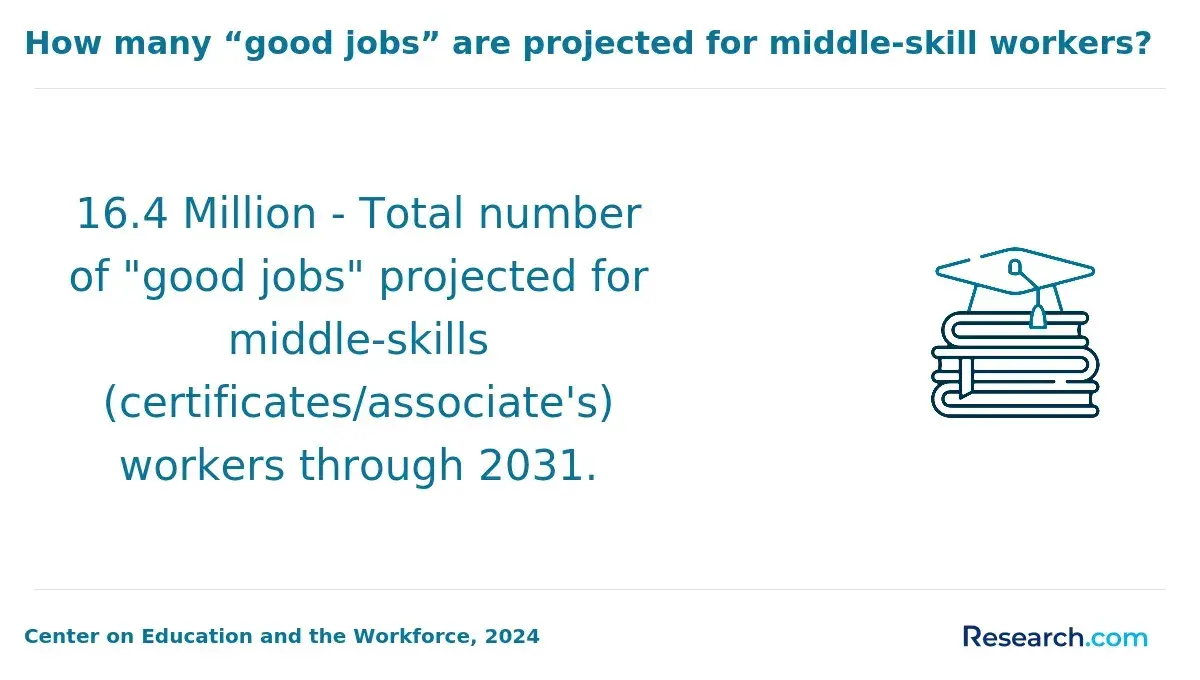
Data from the Bureau of Labor Statistics, NACE salary surveys, and Georgetown University's Center on Education and the Workforce reveal notable differences in median earnings between Science professionals with master's degrees and those holding graduate certificates.
- Median Earnings: Generally, master's degree holders tend to have higher median salaries than individuals with graduate certificates, reflecting the advanced expertise and expanded skill sets developed through master's programs.
- Industry Concentration: The salary advantage for master's degree holders is especially prominent in sectors like pharmaceuticals, environmental consulting, and biotechnology, where deep technical knowledge and leadership capabilities are highly valued.
- Employer and Role Impact: Larger companies and research institutions demonstrate a stronger wage premium for master's degree holders, particularly for senior positions involving strategic leadership and project management, whereas smaller employers and entry-level roles show less distinction.
- Certificate Value: Certain targeted graduate certificates-in fields such as data analytics, lab technology, and regulatory compliance-offer specialized skills that can yield salaries equal to or greater than some broader master's degree programs, facilitating faster career advancement with lower time and financial investment.
- Return on Investment: Graduate certificates generally require less time and cost to complete, delivering appealing salary increases per dollar and month spent. Conversely, master's degrees demand greater upfront investment but often open pathways to higher long-term earnings and senior technical roles.
According to recent 2024 occupational wage data, the Science master's wage premium has increased about 4% over the past two years, underscoring the credential's growing value in competitive technical job markets.
Certain career tracks within science distinctly favor a master's degree over a graduate certificate due to the complexity, responsibility, and regulatory requirements involved. These positions typically demand a thorough grounding in theoretical knowledge and research skills-qualities that master's programs deliver more extensively than certificates designed for quicker, application-focused learning.
- Leadership Roles: Jobs such as research managers, laboratory supervisors, and senior analysts often require a master's degree as an essential credential for promotion. Employers seek candidates capable of overseeing projects, managing teams, and crafting strategic initiatives-competencies developed through graduate-level coursework and capstone projects common in master's degree programs.
- Research-Intensive Positions: Careers that emphasize experimental design, complex data analysis, and scientific publication strongly prefer a master's degree. The comprehensive training in research methodologies equips holders to generate novel insights and operate with autonomy beyond the scope typical of certificate holders.
- Licensed Professions: Fields including environmental science, health physics, and industrial hygiene routinely mandate a master's degree to meet licensure or certification board requirements. This credential serves as formal validation of expertise needed to comply with regulatory standards and ensure public safety.
- Specialized Career Ladders: Advancement within academia, government agencies, and certain industry sectors often uses the master's degree as a minimum qualification for senior roles or specialized functions-rendering the degree structurally necessary for long-term growth.
According to the U.S. Bureau of Labor Statistics, by 2026, science occupations requiring a master's degree are projected to grow 15% faster than those requiring only certificates or less. This trend highlights the rising employer preference for the master's credential in high-skill science careers.
Prospective students targeting these career paths should carefully factor in licensure and promotion prerequisites-elements that make the master's degree more than beneficial but critical for meaningful career progression in science fields.
In many science career paths, graduate certificates offer distinct advantages over master's degrees when employers prioritize specific technical skills and applied competencies. Job market data from sources like Lightcast and LinkedIn Workforce Insights confirm that in fields such as data analysis, laboratory technologies, and environmental monitoring, employers often value targeted certificates that demonstrate current proficiency with particular tools or methods.
Technical Specialization: These roles frequently prefer certificates that validate expertise with specific instruments or software-skills that are immediately applicable-rather than broader academic training.
Rapid Skill Acquisition: Professionals seeking a timely upgrade in areas like bioinformatics, geographic information systems, or clinical trial management turn to certificates because they typically require less time than a master's degree and align with evolving industry demands, including career options in the best science career paths for graduate certificates.
Employer Recognition: Research shows that government agencies, healthcare technology companies, and environmental consultancies often treat graduate certificates as equivalent credentials when the job requires focused, practical knowledge.
Working Professionals: Those with bachelor's or master's degrees in related science fields often pursue certificates to efficiently fill specific competency gaps-avoiding the costs and time commitments associated with another full degree. This approach is a smart option for professionals balancing continuing education with career and financial constraints.
Career Changers: Individuals entering specialized sectors like regulatory affairs or quality assurance use certificates to quickly demonstrate relevant skills-helping them transition into science roles where applied experience matters more than academic pedigree. These certificates also embody a cost- and time-efficient path that meets immediate job requirements.
For those interested in healthcare fields, programs such as clinical mental health counseling programs illustrate how targeted certificates can complement existing credentials and expand career options. Overall, science graduate certificates deliver superior value in areas demanding job-specific competencies-serving as a strategic credential for targeted career advancement.
A science graduate certificate credit transfer toward master's degree programs depends largely on institutional policies rather than universal rules. Some accredited universities-such as the University of California and Northeastern University-explicitly allow credits earned in specific graduate certificates to be applied toward a related master's degree, provided the coursework overlaps meaningfully. This stackability feature helps reduce redundant study time and cost while maintaining academic rigor.
- Institutional Policy: Stackability varies by institution. Only some universities have formal guidelines for stacking science graduate certificate coursework with master's degree programs.
- Grade Requirements: Typically, a minimum grade of B or higher is required for certificate credits to transfer into a master's program.
- Time Limits: Credits usually must have been completed within a set timeframe-commonly between five and seven years-to remain eligible for stacking.
- Program Matching: The certificate's curriculum must closely align with the discipline and content of the master's degree.
- Lower-Risk Entry: For students considering a master's but unsure about full commitment, a stackable graduate certificate offers a low-risk opportunity to experience graduate coursework while managing financial and time investment.
- Verification: Students should confirm stackability policies directly with graduate admissions, as the transferability of science graduate certificate credits can vary widely even within the same institution.
Those exploring affordable pathways to enhance their credentials might find additional value in researching budget friendly online general studies degree options, which sometimes complement science graduate certificate programs by broadening interdisciplinary skills.
Employers in regulated sectors like pharmaceuticals, environmental science, and academia generally prioritize master's degrees over graduate certificates, viewing the former as essential for in-depth expertise and rigorous training. Certificates are often seen as complementary credentials that enhance skills but don't replace degrees in these fields.
Role Type: In more technical or consulting positions-such as biotechnology and data science-graduate certificates can carry significant weight. They signal targeted, current knowledge and a commitment to professional growth without requiring the time investment of a master's degree.
Institution Reputation: The prestige and accreditation of the educational institution issuing the credential greatly shape employer perceptions. A graduate certificate from a highly regarded university may be valued more than a master's degree earned from a less reputable school, serving as a proxy for quality.
Career Stage and Goals: Entry-level candidates often benefit more from master's degrees to establish credentials broadly, while professionals seeking to enhance specific skills may find certificates to be faster, cost-efficient options that demonstrate up-to-date capabilities.
Realistic Expectations: Hiring managers' valuation of master's degrees versus certificates varies by industry and role, so candidates should investigate their targeted employers carefully. Neither credential is inherently superior-each offers distinct advantages that align differently with career ambitions and sector norms.
Professionals shifting into the science field often find graduate certificates a practical alternative to full master's degrees-offering a quicker, more affordable route to establish credibility. Workforce studies show these certificates cater increasingly to career changers by providing focused, accelerated programs that build relevant skills without extensive time or financial investment.
- Speed: Certificates demand fewer courses, allowing faster completion and earlier workforce entry.
- Affordability: Lower tuition costs reduce barriers for those exploring new professional directions.
- Stackability: Many programs can be applied toward a future master's degree, giving learners flexibility in education planning.
- Practical Application: Curricula emphasize hands-on projects that help students compile a portfolio demonstrating real-world expertise to employers.
- Targeted Skills: Programs focus on specialized knowledge directly linked to specific scientific roles, enhancing relevance.
Still, certificates have limits for those aiming at senior or highly specialized positions, where a master's degree's depth and recognition carry more influence. For many career changers, the certificate functions best as an initial credential, supplemented by demonstrable experience-such as internships, volunteer work, or independent projects-to boost employability and pave the way for advanced study or career advancement.
What Graduates Say About Which Is Better: A Science Master's Degree or a Science Graduate Certificate
- Theo: "Choosing between the science master's degree and the graduate certificate was a tough decision, but I found cost to be a critical factor. The certificate was considerably less expensive, which allowed me to upgrade my skills without the financial burden that comes with a full master's program. However, I noticed that employers tend to recognize the master's degree more, which influenced my decision to continue beyond the certificate."
- Steve: "The time-to-completion for the science graduate certificate was much shorter-a huge advantage for someone like me who wanted to swiftly transition careers. That said, the master's degree opened more doors for me in terms of salary impact and career utility. Reflecting back, the certificate was a great stepping stone, but the full master's provided a more comprehensive foundation and long-term benefits."
- Emma: "From a professional standpoint, admission requirements for the science master's degree were more rigorous, making it a more selective and respected credential. While the certificate was easier to get into, it didn't carry the same weight with employers or salary boosts. I appreciate the certificate for its quick skill enhancement, but the master's degree definitely had a stronger impact on advancing my career."
Other Things You Should Know About Science Degrees
Online science master's programs typically offer a more comprehensive and rigorous curriculum than graduate certificates. They often require in-depth research projects or theses, which can enhance academic and professional credibility. Graduate certificates focus on specific skills or knowledge areas and are generally shorter, but their recognition among employers varies depending on the institution and field. Overall, master's degrees tend to carry greater weight for advanced career and academic opportunities.
Accreditation is critical-both master's degrees and graduate certificates should come from accredited institutions to ensure academic quality and employer acceptance. Regional accreditation is especially important for master's programs, as it affects credit transferability and eligibility for doctoral studies. For graduate certificates, specialized accreditation related to the science discipline can boost credibility. Without proper accreditation, credentials may be less valued in the job market or by graduate schools.
A science master’s program usually requires an accredited bachelor’s transcript, a minimum GPA near 3.0, letters of recommendation, a statement of purpose, and sometimes GRE scores. Graduate certificates often ask only for a bachelor’s transcript and may waive GREs and recommendations, with graduate-level prerequisite coursework for specialized tracks.
Individuals seeking long-term career advancement in science or aiming for research and leadership roles benefit most from a master's degree due to its comprehensive nature and wider recognition. Graduate certificates suit working professionals needing targeted skill upgrades or career changers wanting quick entry into specific science sectors. Those holding certificates who desire more extensive training or academic qualifications often pursue a master's degree next. The choice depends on career goals, time availability, and financial resources.
- Transitioning into Data Science from a Non-Technical Background https://julienbeaulieu.github.io/2019/05/06/transitioning-into-data-science-non-technical-background/
- Difference Between Graduate Certificate and Master's Degree - Rosemont College https://rosemont.edu/whats-the-difference-between-graduate-certificate-and-masters-degree/
- Admission criteria - International graduate admissions https://www.sciencespo.fr/admissions/en/graduate/international-admissions/selection-criteria/
- Admission Requirements | Graduate & Postdoctoral Studies https://graduatestudies.uoguelph.ca/future/apply/requirements
- Average Cost of a Master's Degree: 2025 Analysis https://educationdata.org/average-cost-of-a-masters-degree
- Five alternatives to a master's degree | edX https://www.edx.org/resources/alternatives-to-a-masters-degree
- Transition to Data Science Career from Nontechnical Background https://www.easternct.edu/graduate-division/online/articles/affordable-how-to-transition-from-a-nontechnical-background-to-a-career-in-data-science/
- Graduate Program Requirements: Your Roadmap to Grad School https://bemoacademicconsulting.com/blog/graduate-program-requirements
- How Long Does It Take to Complete a Master’s Degree Program? https://www.calsouthern.edu/articles/how-long-is-a-masters-degree
- Master of Science - Wikipedia https://en.wikipedia.org/wiki/Master_of_Science