2027 Science Master's Degree vs Doctorate: Career Paths & Salary Differences

Co-Founder and Chief Data Scientist
Graduates and professionals often face a dilemma: pursue a Science master's degree or commit to the longer path of a doctorate. This choice impacts career access, salary growth, promotion chances, and long-term prospects. For example, as of 2024, median annual earnings for doctorate holders in STEM fields are approximately 25% higher than those with master's degrees-a significant factor when assessing return on investment.
Yet, the doctorate demands more time and specialization, which may narrow industry options. This article explores career and salary differences between these degrees, helping readers align educational decisions with their professional ambitions and life goals across sectors and regions.
Key Things to Know About Career Paths & Salary Differences Between a Science Master's Degree and a Doctorate
- Master's degree holders often access industry and applied research roles faster-doctorates typically pursue specialized or academic careers with higher promotion ceilings.
- Starting salaries for doctorates average 20-30% higher, but master's graduates may see quicker early returns on investment due to shorter study duration.
- Doctorates generally experience longer-term salary growth and leadership opportunities, especially in R&D and academia, while master's degree paths can plateau sooner across sectors.
What is the difference between a science master's degree and a doctorate, and which should you pursue?
A science master's degree usually spans 1-2 years and may include thesis or non-thesis options. It offers specialized knowledge and professional skills with a balance of coursework and applied research. In contrast, a science doctorate-such as a PhD or professional doctorate-demands 4-7 years of study, focusing primarily on original, groundbreaking research culminating in a dissertation that adds new insights to the field.
These structural and philosophical differences highlight distinct academic and professional goals, helping students understand which path matches their ambitions.
- Duration: The shorter master's programs suit those seeking rapid upskilling or a terminal credential, while doctorates require a longer commitment to deep scientific inquiry.
- Curriculum Focus: Masters combine technical training with some research experience; doctorates emphasize independent, innovative research and mastery of scientific methods.
- Research Requirements: A master's thesis tends to be more structured and limited in scope, whereas doctorate-level research drives new knowledge and expertise development.
- Career Orientation: Master's degrees prepare graduates for advanced industry, government, or education roles without extensive research careers; doctorates lead to academic, research, and leadership positions needing high specialization.
- Academic Purpose: The master's serves as both a professional endpoint and a stepping stone toward doctoral studies, which represent the highest level of academic achievement.
- Professional Outcomes: Master's graduates gain specialized roles with moderate salary increases, while doctorate holders access higher-paying, research-intensive, or leadership opportunities.
- Who It's For: Master's degrees attract recent graduates, career changers, or professionals seeking shorter, skill-focused learning. Doctorates appeal to those interested in advanced research or scientific leadership.
Understanding these core contrasts in science master's degree vs doctorate career outcomes can guide students in aligning educational choices with their long-term goals. This nuanced framework also considers how these differences influence promotion potential, earnings, and sector-specific opportunities.
For working professionals or those interested in specialization, exploring options like online masters speech pathology programs provides valuable pathways that leverage master's credentials for career advancement.
What career paths are exclusively available to science doctorate holders that are closed to master's graduates?
Certain career paths in science remain exclusively accessible to individuals holding a doctorate-roles where a master's degree, regardless of experience, falls short of minimum qualifications. These positions demand the highest expertise level, independent research capability, and professional autonomy that only doctoral training offers.
This dynamic creates distinct barriers in advanced research roles for science PhD graduates versus master's holders.
- Academic Tenure-Track Faculty: Universities and research institutions almost universally require PhDs for tenure-track faculty positions. These roles focus on original research leadership, grant acquisition, and overseeing doctoral candidates-responsibilities rooted in doctoral-level methodological rigor and theoretical mastery.
- Independent Research Directorates: Leadership roles at federally funded labs or private research centers typically necessitate a doctorate to lead innovation projects and large research teams. The degree confirms the ability to design and interpret complex experiments independently.
- Clinical and Specialized Licensures: Certain specialized clinical science roles-such as clinical laboratory directors or genetic counselors with research components-mandate a doctorate due to regulatory board requirements underscoring advanced knowledge and accountability.
- Senior Government Scientist Positions: High-level government scientist roles-at institutions like the National Institutes of Health or Environmental Protection Agency-generally require doctoral credentials for independent policy advisement, regulatory scientific evaluations, or major project oversight.
- Scientific Policy and Advisory Roles: Positions bridging science and policy prioritize doctorate holders, reflecting the critical need for subject-matter expertise that supports credible and strategic recommendations.
These credential requirements arise from accreditation standards and institutional norms that view the doctorate as the terminal degree signifying mastery of original inquiry and thought leadership. Analysis of job postings on platforms such as LinkedIn consistently shows "PhD required" as a strict condition for these roles-highlighting the science doctorate exclusive career opportunities dominating these fields.
While workforce shortages in select science specializations have led to limited flexibility-occasionally allowing master's graduates to enter ancillary research support roles-the core leadership and independent investigator roles remain inaccessible without a doctorate. This impacts long-term career planning by challenging candidates to honestly assess if these gated roles align with their ambitions before committing to doctoral studies.
For those exploring graduate education options, especially across diverse sectors and geographic markets, understanding the difference between advanced research roles for science PhD graduates and master's graduates is crucial. This evaluation helps weigh potential salary trajectories, promotion potential, and return on investment. Additionally, career changers or professionals considering transitions might research related fields, such as marriage and family therapy programs, which follow different educational and licensure pathways.
What career paths are best suited to science master's graduates in today's job market?
Here are some career paths that are best suited to science master's graduates in today's job market:
Industry Roles: Master's degree holders thrive in sectors like biotechnology, environmental science, and pharmaceuticals where practical expertise influences product development, regulatory adherence, and quality assurance. These employers value candidates who merge technical skills with hands-on experience, giving master's graduates a clear edge.
Data Analysis and Technical Specialist Positions: Organizations frequently recruit individuals with master's credentials for roles centered on data interpretation, lab oversight, and specialized technical support. These jobs emphasize applied knowledge and analytical skills, contrasting with the theoretical focus typically found in doctoral programs.
Government and Public Sector Jobs: Health, environmental, and technology agencies often list a master's degree as the preferred qualification. Roles such as policy analysis, program coordination, and research assistance benefit from the balance of technical depth and operational pragmatism that master's graduates provide.
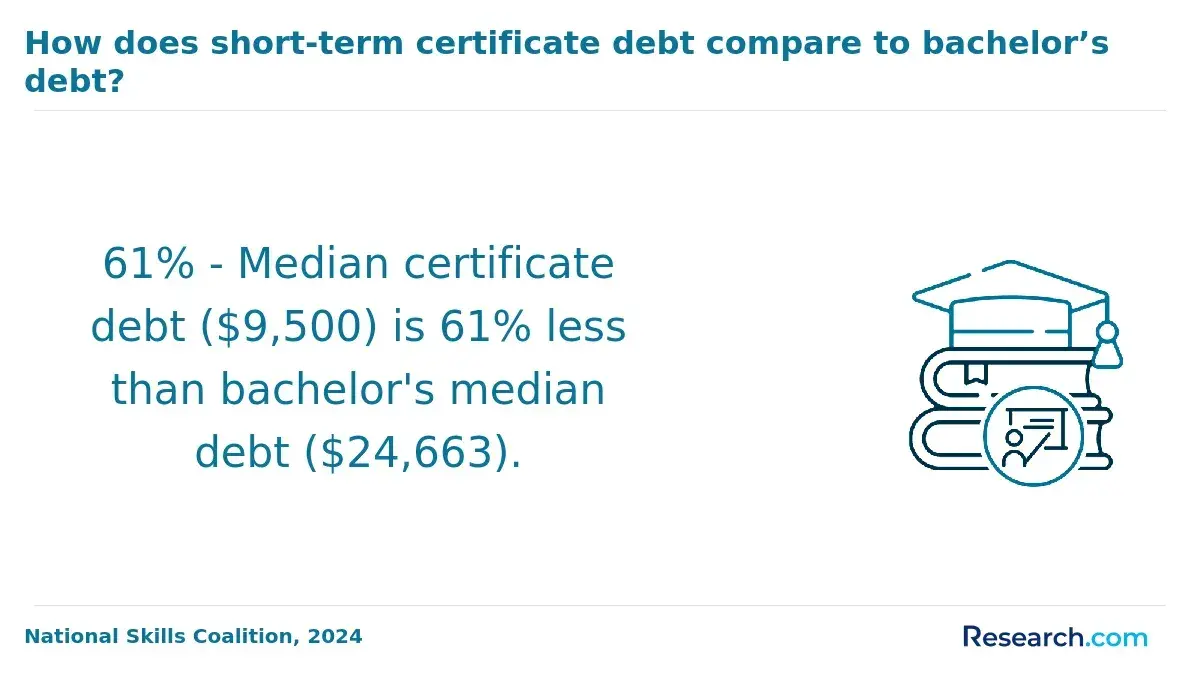
Faster Career Entry: Compared to doctoral pathways, master's programs require less time and financial investment, helping graduates enter the workforce sooner with reduced debt burdens and earlier income potential.
Competitive Advantage Over Bachelor's Graduates: Data from the Bureau of Labor Statistics and NACE surveys indicate that a master's degree substantially improves employment opportunities and salary outcomes, especially for applied and technology-intensive roles.
Alignment With Career Objectives: For professionals targeting industry-facing or practitioner positions, the master's degree often aligns more directly with job demands than the broader, research-oriented doctoral study.
A professional who earned a science master's degree shared reflections on his journey: "Transitioning from undergraduate studies, I was eager to apply my skills quickly in an industry setting. The master's program was intense but manageable-it pushed me to develop technical competencies and adapt to real-world problem-solving.
When I started job hunting, I noticed employers valued my practical experience over theoretical knowledge. It wasn't just about having a degree-it was about being ready to contribute immediately. The reduced program length meant less financial pressure, allowing me to focus fully on learning. Ultimately, this path launched my career faster than I had anticipated, and I've been able to grow steadily since."
Over a 20- to 30-year span, the long-term salary growth for science master's versus doctorate degree holders shows notable divergence, though this varies by career stage, specialization, and sector. Early in their careers-typically 5 to 10 years-both degree groups tend to have comparable earnings, frequently occupying similar research or technical roles.
However, as careers progress, particularly around the 10- to 15-year mark, doctorate recipients often surpass master's holders by moving into senior research, tenured academic, consulting, or leadership positions that command higher salaries.
- Credential Impact: Doctorate holders gain an advantage for specialized and senior roles, while master's graduates may see earnings plateau earlier without similar promotion pathways.
- Sector Dynamics: Private industry can narrow salary differences by valuing experience and performance, while academia and government roles emphasize formal credentials, widening the earnings gap favoring doctorates.
- Specialization & Location: Fields like biotechnology and data science intensify the salary premium for doctorates, especially in innovation-driven metropolitan regions-contrasting with areas or sectors where doctorate-level roles are limited, reducing the pay differential.
- Employer Size: Larger organizations often provide structured career ladders and executive opportunities that expand earning potential for doctorate holders more than for master's degree holders.
Those comparing career salary trajectories for science graduate degrees in the United States should consider tailored projections using resources like the BLS Occupational Outlook Handbook and the Georgetown CEW earnings calculator.
This personalized approach beats relying on averages that miss nuances in sector, geography, and role progression. For professionals balancing advanced education options, exploring AACSB accredited online MBA programs can also offer flexible pathways to leadership and higher compensation beyond doctoral studies.
Calculating the return on investment (ROI) for a science master's versus a doctorate involves much more than tuition-consider total costs, including living expenses and lost wages during full-time study, alongside the long-term increase in earnings compared to entering the job market with just a bachelor's degree.
Master's degrees typically span 1.5 to 2 years, with combined expenses ranging from $30,000 to $70,000. Graduates often start accelerated salary growth sooner, boosting lifetime earnings by around 10-20% over those holding only a bachelor's. Conversely, doctoral programs extend 5 to 6 years, with total costs approaching $100,000 to $150,000 unless offset by funding options.
Many PhD candidates benefit from stipends, teaching or research assistantships, and tuition waivers, which reduce out-of-pocket expenses and partially replace forgone income, enhancing doctoral ROI despite delayed entry into higher-paying roles.
- Cost: Master's incur lower upfront costs and shorter duration while doctorates are costlier but frequently offer financial support to ease the burden.
- Time To Degree: Extended doctoral timelines increase opportunity costs due to postponed workforce participation.
- Earnings Premium: Doctorates tend to unlock higher lifetime salaries, especially in research-driven or leadership roles, though their financial payoff may take longer to materialize.
- Funding Availability: Access to fellowships and assistantships is crucial for doctoral ROI-verifying realistic funding before starting is essential.
- Beyond Finances: Professional independence, intellectual growth, and gateway access to exclusive careers often justify costs beyond monetary measures.
One science professional who earned a master's reflected that while balancing coursework and work was demanding, the shorter program allowed earlier salary increases and career advancement. She said, "Waiting the extra years for a doctorate's payoff never felt worth the personal sacrifices.
The master's gave me both the skills and momentum to grow professionally without the prolonged delay in earnings." Her experience highlights the importance of aligning degree choices with individual priorities and life circumstances.
Career progression in science fields often depends heavily on whether one holds a master's or a doctoral degree, with industry expectations and organizational hierarchies playing crucial roles. Doctoral holders typically find faster routes to senior specialist or principal-level positions, reflecting organizations' emphasis on deep technical knowledge and original research at those tiers.
- Credential Ceiling: Many employers maintain an informal limit that favors PhDs for advanced technical roles, granting them earlier access to senior individual contributor positions compared to master's graduates.
- Management Routes: Master's degree holders usually ascend more quickly into leadership and management roles that prioritize applied skills, operational management, and team coordination over research credentials.
- Sector Differences: In research-driven environments such as pharmaceuticals, biotech, and federal research labs, having a doctorate often speeds promotion. Conversely, sectors like healthcare administration, nonprofit science organizations, and corporate data analytics tend to reward master's-level qualifications equally or more for leadership and strategy roles.
- Defining Advancement: Advancement means different things-from higher rank to increased salary or greater autonomy-and those seeking broader organizational impact might benefit from the master's pathway, while those aiming for elite research influence often gain from doctoral training.
- Investment Considerations: Given the considerable time and cost of a doctorate, prospective students should weigh how soon and in what form they want to advance-some find the master's track better balances rapid promotion with career satisfaction.
Recent 2024 surveys indicate that 62% of science professionals with doctorates reach senior research roles within eight years of graduation, compared to 45% of master's degree holders, highlighting the credential ceiling's impact on specialist track advancement.
Doctoral studies in science demand a significant time commitment-typically four to seven years beyond a bachelor's degree-driven by extensive dissertation research, comprehensive exams, and advisor-driven timelines that fluctuate unpredictably. In comparison, master's programs usually span one to three years with a more structured and predictable schedule.
These differing time frames affect lifestyle and well-being. Surveys from the American Psychological Association reveal that PhD candidates face considerable psychological pressures, including stress, isolation, and burnout risks tied to dissertation challenges and professional uncertainty. Master's students generally experience clearer expectations and a steadier workload, contributing to better mental health outcomes.
- Time Investment: Doctoral programs require a longer and less predictable commitment, while master's pathways offer brevity and consistency.
- Psychological Demands: PhD students encounter heightened risks of burnout and depression from rigorous research expectations and uncertain progress.
- Life Circumstances: Family commitments and financial pressures weigh more heavily on doctoral students, who often cannot balance part-time work as easily as master's students.
- Career Interruptions: Working professionals considering a doctorate face extended workforce absence compared to the typically shorter interruption caused by master's studies.
- Completion Rates: The Council of Graduate Schools reports doctoral completion rates near 60%, reflecting the unique academic and personal challenges of the path, while master's programs boast higher completion percentages.
Deciding between these degrees involves weighing personal factors-such as age at enrollment, family responsibilities, and career goals-rather than defaulting to prestige assumptions. Choosing a master's is a legitimate, strategic choice that balances scientific expertise and quality of life. Notably, recent trends show increasing employer recognition of master's credentials in applied science fields, narrowing traditional salary gaps in select sectors.
Here's how geographic location influences career and salary outcomes for science master's versus doctorate holders:
Regional Variance: Geographic location plays a crucial role in shaping career opportunities and salary outcomes for science master's and doctorate holders, with significant regional salary differences for science master's and doctorate degrees across U.S. metro areas. According to BLS OEWS sub-national wage data and state workforce development reports, the doctoral premium-reflecting the additional earnings advantage of doctorate holders compared to master's degree holders-is most prominent in regions hosting major research universities, biotechnology corridors, federal agency clusters, and dense healthcare markets. In contrast, interior and rural markets often show minimal or statistically insignificant premiums.
Concentration of Opportunities: Metropolitan hubs like Boston, San Francisco, Research Triangle Park, and Washington D.C. have elevated demand for doctoral-level roles due to the presence of top academic institutions, federal research centers, and thriving pharmaceutical companies. These structural factors foster an ecosystem where advanced scientific expertise is rewarded with greater access to leadership and research-intensive roles as well as higher salaries relative to national averages. Master's degree holders in these regions earn competitive wages but typically face fewer opportunities for advanced positions.
Cost of Living Impact: High-cost coastal cities present some of the largest nominal wage gaps between master's and doctoral degrees; however, when adjusted for cost of living, the real-dollar value of these differences narrows substantially. Conversely, lower-cost interior regions may offer smaller nominal premiums but greater purchasing power-allowing some master's holders to sustain comparable lifestyles to doctorate holders living in expensive metros. This geographic salary difference for science master's and doctorate degrees should be evaluated carefully through a purchasing-power lens rather than nominal salary alone.
Being open to relocation early in one's career can accelerate professional growth and salary gains, sometimes matching the financial benefits of obtaining a doctorate. Both science master's and doctoral degree holders benefit from moving to high-demand science markets, since location-driven dynamics often outweigh credential-driven differentials. Exploring geographic options can offer pragmatic pathways to advanced career outcomes without the extended time or cost required for doctoral studies.
For those seeking detailed career guidance in the field, exploring an environmental science degree offers further insight into specialization and market opportunities.
Institution prestige does carry weight in career and salary outcomes for graduates holding science master's or doctoral degrees-but the impact varies significantly by sector and degree level. Research from bodies like the National Bureau of Economic Research and Georgetown CEW indicates that the so-called "prestige premium" is more pronounced in academic hiring, particularly for doctoral degree candidates.
Top-tier universities often serve as gateways to faculty positions, where institutional brand signals rigorous training, influential advisors, and valuable research networks. This dynamic shapes the institution prestige impact on science master's and doctorate careers, making a strong university name more influential in academia than in other sectors.
However, in the private sector, employers generally show less sensitivity to institutional prestige. They place greater emphasis on practical skillsets, project experience, and demonstrated problem-solving ability-factors that matter especially for master's graduates aiming at applied roles in biotechnology, pharmaceuticals, or environmental science.
Portfolios, internships, and employer partnerships typically weigh more heavily than rankings or brand recognition. Regional university rankings influence on science graduate salary outcomes is often muted here, as location and employer ties outweigh institutional reputation.
Prospective students should look beyond popular college rankings and focus on more meaningful metrics tied to career success. These include alumni placement rates in chosen fields, faculty research productivity and grant awards, direct employer recruiting relationships, and graduate salary data found in resources like the U.S. Department of Education's College Scorecard. Such data provide clearer insights into program quality and return on investment than prestige alone.
Affordability is a crucial factor, particularly for doctoral candidates. A lower-ranked but fully funded program with strong mentorship and a reputable advisor may offer better long-term prospects than an expensive high-prestige school lacking such support.
Dissertation quality and advisor networks often eclipse institutional brand in shaping scientific careers. Those considering advanced degrees in science might also explore options related to can you transfer MBA programs to understand flexible pathways in graduate education.
Master's degrees in Science focus on applied knowledge and skill sets that align closely with industry demands-emphasizing practical problem-solving, technical proficiency, and real-world applications. Doctoral programs prioritize comprehensive theoretical frameworks and rigorous research methodologies aimed at expanding academic knowledge and fostering scholarly innovation.
- Research Emphasis: Doctoral candidates engage in extended independent research, cultivating expertise for academic publication and future faculty roles. While master's programs may involve research projects, they often lean toward applied studies, internships, or practica that equip students for immediate professional roles.
- Applied Project Requirements: Applied master's curricula frequently mandate capstone projects, collaborations with industry partners, or case studies to simulate workplace scenarios. Conversely, doctoral programs typically allocate fewer resources to hands-on experiences, concentrating instead on deep investigative research.
- Professional Development: Many master's tracks intentionally incorporate leadership, communication, and teamwork training-skills vital for business and consulting careers. Traditional PhD programs have offered limited focus on these competencies, though some innovative institutions now integrate management and client engagement training to broaden career versatility beyond academia.
- Industry Versus Academic Career Preparation: Doctoral education primarily grooms graduates for faculty and research-intensive positions, which may inadequately prepare them for fast-evolving, collaborative, and client-driven industry environments. In contrast, Science master's programs-especially those labeled professional or applied-are explicitly designed to facilitate swift entry into corporate, government, or nonprofit sectors.
- Career Placement Data: Investigating the proportion of alumni entering academia versus industry or other fields offers critical insight into a program's orientation and effectiveness in supporting career transitions. Programs with larger shares of graduates employed outside academia often provide stronger practical training and networking suited for applied roles.
Entry-level salaries for master's and doctorate holders in science diverge widely across different fields. Academic and research roles often provide substantial pay advantages for doctorate recipients, underlining the premium placed on advanced research expertise and leadership. In contrast, industry and government positions typically show narrower salary differences, valuing hands-on experience and technical skills more than terminal degrees.
Opportunity Cost: Earning a doctorate usually requires sacrificing three to five years of potential income that master's graduates begin to earn earlier. This delay in entering the workforce-and possible accumulation of additional debt-means that doctorate holders might only close the salary gap with master's peers well into their mid-career phase, depending on the specialization.
Salary Benchmarks: Data from sources like the BLS Occupational Employment and Wage Statistics, NACE surveys, and compensation sites consistently indicate master's graduates start with competitive but varied salaries based on specialization. Doctorates tend to command higher starting wages in research-heavy tracks; however, in roles focused on applied skills, the initial pay difference is often minimal.
Structural Factors: The size of the starting salary gap reflects employer expectations and job responsibilities. Positions emphasizing research projects, grant oversight, or sophisticated data analysis reward doctoral credentials. Conversely, roles centered on project execution, technical operations, or regulatory tasks typically prioritize relevant experience over degree level.
What Science Graduates Say About the Career Paths & Salary Differences Between a Master's Degree and a Doctorate
- Jase: "Pursuing a doctorate in Science was a game-changer for me-not just because it opened doors to specialized research roles, but because the salary trajectory was noticeably steeper compared to a master's degree. Early in my career, I saw that master's graduates often started in positions with limited promotion potential, while the doctorate provided a clear path to leadership and academic roles. The long-term return on investment felt worth the extra years of study, especially as I moved into higher-paying roles."
- Kyro: "Reflecting on my journey, the master's degree in Science gave me solid career access and a comfortable salary, but the doctorate opened up much broader opportunities-particularly in innovation-driven sectors. The initial salary difference wasn't drastic, but over time, PhD holders consistently outpaced master's degree holders in compensation and advancement. What surprised me most was how the doctorate offered not only higher earnings but also greater job stability and professional respect, which reinforced my decision to continue my studies."
- Aaron: "From a professional standpoint, earning a doctorate in Science felt like an investment in my future rather than an expense. While master's graduates easily find roles in industry, I noticed that promotions and salary jumps were often reserved for those with terminal degrees. The doctorate demanded more time upfront-but the enhanced career access, significantly higher salaries later, and stronger potential for leadership roles made it a clear advantage in the long run."
Other Things You Should Know About Science Degrees
Doctoral programs in science typically offer more comprehensive funding options than master's programs. Many doctoral candidates receive stipends, tuition waivers, and research assistantships that cover most expenses, reflecting the longer duration and research focus of these programs. Master's students often rely on scholarships, grants, or personal funding since assistantships are less common and less generous in comparison.
In science fields, a doctorate is generally valued for research-intensive roles and leadership positions, where advanced expertise and independent project management are essential. Conversely, a master's degree is often sufficient for applied science roles, technical positions, and certain industry jobs. Employers prioritize a doctorate for careers that demand innovation and original research, while master's holders may find greater access in roles focused on implementation and development.
A science master’s program usually requires 30 to 36 credit hours and takes about 1 to 2 years. A doctorate often includes 60 or more graduate credits beyond the bachelor’s degree, plus dissertation research, and commonly takes 4 to 7 years to finish.
- Master’s vs PhD: Which Degree Is Right for Your Career Goals? https://theredpen.in/blog/masters-vs-phd-everything-you-need-to-know/
- Academia or industry: which is right for you? https://frontlinegenomics.com/academia-or-industry-which-is-right-for-you/
- Is Grad School Worth It? A Comprehensive Return on Investment Analysis - FREOPP https://freopp.org/whitepapers/is-grad-school-worth-it-a-comprehensive-return-on-investment-analysis/
- Master vs. PhD: Salary, Jobs & Time, The Big Differences https://www.applykite.com/blog/phd-guide-master-vs-phd
- Master's vs. PhD : Factors to Consider - EpiCypher https://www.epicypher.com/resources/blog/masters-vs-phd-factors-to-consider/
- Does Where You Graduate From Matter? | Plantae https://plantae.org/does-where-you-graduate-from-matter/
- Salary gap data analysis raises post-doc career concerns https://www.universityworldnews.com/post.php
- Master's vs PhD | A Complete Guide to the Differences https://www.scribbr.com/graduate-school/masters-vs-phd/
- Master’s vs. Doctorate Degree| University of Bridgeport https://www.bridgeport.edu/news/difference-between-a-masters-and-doctorate-degree/
- Master Programs with Lucrative Career Opportunities https://www.snycosmos.com/master-programs-with-lucrative-career-opportunities/