2027 Science Master's Programs With Bridge or Foundation Courses

Co-Founder and Chief Data Scientist
Many aspiring master's candidates face a critical barrier: lacking foundational coursework required for Science graduate programs. Bridge or foundation courses embedded within a master's curriculum can offer an integrated solution, enabling conditional admission without sacrificing time or doubling tuition costs. According to the National Center for Education Statistics, enrollment in graduate programs with built-in prerequisite pathways rose by 14% in recent years, reflecting growing demand for flexible entry routes.
This trend reveals shifts in academic prerequisites and workforce readiness expectations, emphasizing the importance of carefully evaluating program structures, admission criteria, financial aid eligibility, and career outcomes before committing.
Key Things to Know About Science Master's Programs With Bridge or Foundation Courses
- Bridge or foundation courses often add prerequisite credits that extend total study time, posing a tradeoff between accelerated entry and longer degree completion, impacting working professionals balancing career timing and financial constraints.
- Conditional admission through these programs allows enrollment without full prerequisites, yet employers increasingly seek verified mastery of foundational content, affecting graduate employability if bridge components are perceived as remedial.
- With online master's Science enrollments growing 14% annually according to the National Center for Education Statistics, integrated bridge courses enhance access for adult learners but may shift costs higher, requiring careful evaluation of financial aid eligibility.
What are science master's programs with bridge or foundation courses, and who are they designed for?
Science master's programs with bridge or foundation courses respond directly to a common hurdle faced by applicants whose undergraduate backgrounds are insufficiently aligned with graduate admission prerequisites. Instead of requiring prospective students to finish prerequisite courses before applying, these programs integrate foundational classes into the curriculum.
This redesign eliminates the time and financial overhead of pursuing a separate post-baccalaureate certificate or a second bachelor's degree, offering a streamlined but often longer path into science fields. Such programs are particularly relevant for career changers who must build essential competencies while progressing toward graduate-level mastery—such as someone pivoting toward a forensic science career without a traditional undergraduate lab background—avoiding the typical two-step process that delays entry into the workforce.
- Purpose: These programs address the barrier non-traditional applicants face, mainly the lack of required undergraduate science coursework, by embedding foundation courses, enabling immediate admission with conditional readiness.
- Structure: Typically, foundational subjects are scheduled either sequentially-completed before advanced master's courses-or concurrently within the first part of the program, often extending total duration by a semester or more compared to standard master's degrees.
- Curriculum Design: The foundation phase prioritizes critical science concepts and quantitative skills, ensuring students achieve a competency baseline before advancing to complex core topics, which impacts pacing and workload balance.
- Institutional Range: Accredited universities adopting this model vary widely-from research universities expanding accessibility to teaching-centered institutions leveraging flexible formats-each responding to evolving workforce demands.
- Target Students: These integrated pathways serve career changers, recent graduates with adjacent majors, and working professionals requiring time-efficient single-degree options without detours through separate credentialing, making graduate science education more attainable without sacrificing employment continuity.
Which accredited U.S. universities offer science master's programs with built-in bridge or foundation courses?
Universities embedding bridge or foundation courses within science master's programs offer a crucial compromise for non-traditional applicants balancing career continuation with graduate preparation. Similar to how an EDS to EDD bridge program streamlines the path to a doctorate in education, choosing a science master's program with integrated prerequisites avoids the time and cost of separate post-baccalaureate study but may involve conditional admissions and extended completion timelines that affect employability timelines and financial planning.
In the U.S., science master's programs with built-in bridge components most frequently appear at public research institutions, private nonprofit universities, and online-focused schools, each serving distinct learner needs and regional demand patterns.
- Public Research Universities: These schools often provide the most comprehensive embedded bridge coursework, especially in states with strong research funding. The University of California, Riverside offers a biomedical sciences master's with foundational modules designed to satisfy prerequisite gaps within the degree. The University of Florida integrates bridge content into its environmental science master's, enabling conditional admission tied to foundational coursework. The University of Texas at Arlington uses a structured chemistry master's pathway for students transitioning from unrelated fields.
- Private Nonprofit Universities: Smaller cohort sizes and personalized advising characterize these programs. Northeastern University's biology master's includes foundation courses tailored for career changers, while George Washington University's public health master's embeds support for students without prior science coursework. Boston University's molecular biology master's similarly incorporates foundational content to ease transitions from adjacent academic disciplines.
- Online-Focused Institutions: Flexibility and career continuity are priorities here. The University of North Carolina at Chapel Hill online offers a data science master's with embedded prerequisite bridge modules. Georgia Institute of Technology online delivers an applied physics master's featuring foundational coursework designed to accommodate working professionals. Johns Hopkins University online embeds bridge courses in its biomedical engineering master's for applicants lacking traditional prerequisites.
Overall, these program structures tend to reflect institutional priorities, with research-intensive universities dominating availability and regional concentrations strongest in the South and East Coast. Smaller teaching-centric universities are less likely to offer integrated bridge pathways. Candidates should carefully assess admission terms, prerequisite credit burdens, financial aid prospects, and credential recognition to determine if an embedded bridge suits their career trajectory.
Verification of bridge or foundation course offerings should rely on official university program pages, regional accreditation bodies, and authoritative databases such as IPEDS. Third-party websites frequently misrepresent or lag behind current program details, risking costly misalignment of expectations. Direct communication with admissions or graduate coordinators is essential since foundation structures may change annually and are not always clearly labeled or advertised.
What specific bridge or foundation courses are commonly required before full admission to a science master's program?
Bridge course or foundation requirements in science master's programs represent critical decision points that directly influence a student's progression timeline and career trajectory. For candidates lacking a directly aligned undergraduate degree, these courses provide necessary academic leveling, but the scope and nature of these prerequisites differ substantially.
An aspiring candidate who holds a non-science bachelor's degree, for example, might face foundational coursework in multiple core subjects, impacting both the financial investment and time needed to complete a graduate credential. Appreciating these nuances is essential for candidates assessing programs that incorporate bridge or foundation course prerequisites.
- Discipline-Specific Leveling: Commonly mandated courses include foundational science classes such as general biology, organic chemistry, physics, or calculus, tailored to fill gaps relevant to the intended master's specialization. This ensures students can engage with advanced science content despite prior major disparities.
- General Graduate Readiness: Many programs also require coursework in academic writing, research methodology, statistics, or quantitative reasoning. These support critical graduate-level skills valued by employers and necessary for successful program completion.
- Assessment-Based Determination: Programs typically evaluate applicants' transcripts, administer placement exams, or apply preset admission criteria to identify which bridge courses are necessary before full admission.
- Variable Admission Status: Students may receive conditional acceptance contingent upon completing foundation coursework, a distinction with practical implications for scheduling, financial aid eligibility, and credential timing.
- Impact on Cost and Duration: Required bridge courses increase overall credit-hour requirements, thus extending time-to-degree and raising tuition costs-factors that weigh heavily for working professionals balancing employment with studies.
- Admissions Clarification: Prospective students should explicitly inquire about how foundation course requirements are determined, what flexibility exists in scheduling, and whether these prerequisites affect eligibility for financial aid or recognized credentials, especially when comparing multiple programs.
Choosing between a science master's program with embedded foundation courses, a post-baccalaureate certificate, or pursuing a second bachelor's degree significantly shapes both the timeline and financial burden for career changers and non-traditional students.
These pathways differ in how they integrate prerequisite coursework with graduate-level study, affecting eligibility for financial aid, credential value, and overall flexibility.
- Program Structure: Bridge-integrated master's combine prerequisite and graduate courses in one continuous enrollment, enabling simultaneous progress. In contrast, post-baccalaureate certificates are standalone prerequisite programs completed before applying to a master's, while second bachelor's degrees require earning an entirely new undergraduate degree.
- Total Time to Credential: Bridged master's programs typically shorten the path to a graduate degree by overlapping foundation and advanced studies, often finishing within 2-3 years. Post-bacc certificates add months or years before graduate admission, and a second bachelor's can extend the process by 3-4 years.
- Financial Aid Eligibility: Bridge programs qualify for federal aid throughout graduate enrollment, whereas post-baccalaureate certificates may offer limited aid, and second bachelor's students rely on undergraduate aid but accumulate debt over a longer period.
- Credential Recognition: Employers and licensure boards generally prioritize a master's degree; bridge-integrated master's confer this directly, while post-bacc certificates lack standalone recognition, and second bachelor's degrees risk being seen as redundant.
- Flexibility for Working Adults: Many bridge programs accommodate part-time or online learning, making them more accessible for employed students. Post-baccalaureate courses often have rigid schedules, and second bachelor's frameworks usually demand full-time attendance.
- Admission Risks and Preparation: Some highly competitive science master's programs require complete prerequisites before entry, making a post-bacc or second bachelor's preferable for strengthening academic credentials beyond what bridge courses provide.
- Cost Efficiency: Integrated bridge programs reduce duplicate coursework and overall enrollment, lowering costs. However, in cases where strong prerequisite competency is critical for admission, investing extra time and money in separate post-bacc coursework may yield better access and outcomes.
- Pathway Planning: Candidates must assess the entire trajectory-credit hours, cumulative time, financial aid nuances-to ensure alignment with career objectives, financial capacity, and personal circumstances before selecting a route.
A graduate who navigated a science master's with embedded foundation courses recalled the pressure of a rolling admissions cycle where final acceptance depended on completing bridge prerequisites successfully without delaying progression. They initially considered a post-baccalaureate route for a stronger GPA boost but chose the bridge option to avoid pausing paid employment.
The limited window to prove competency in foundational subjects while simultaneously adjusting to graduate coursework created uncertainty but ultimately offered a more direct, cost-effective entry. Their experience highlighted how critical timing and program flexibility can be in balancing work, study, and admission hurdles for non-traditional entrants.
Admission criteria for master's programs that include a bridge or foundation component are intentionally more adaptable than traditional science master's tracks. These programs serve applicants who lack the standard undergraduate prerequisites, which broadens access but introduces a mix of academic backgrounds into each cohort.
This diversity requires students to be prepared for intensified foundational coursework, often compressing what would typically be undergraduate study into a short, rigorous phase before advancing to graduate-level content.
- Undergraduate GPA Thresholds: Many programs accept a lower GPA, typically around 2.5 to 3.0, recognizing that foundational coursework compensates for gaps in prior academic preparation.
- Required Documents: Applicants generally submit transcripts, letters of recommendation, and a statement of purpose highlighting their motivation and readiness to transition into science fields, sometimes adding relevant work experience to strengthen their case.
- Standardized Test Policies: The GRE is often waived to reduce barriers for those without traditional science backgrounds, reflecting employer and academic flexibility toward diverse applicant profiles.
- Professional Experience Requirements: Certain programs value or require relevant experience, especially for candidates far removed from science disciplines, to demonstrate practical skills alongside academic potential.
- Comparison to Standard Programs: Unlike traditional master's pathways, which demand completed science prerequisites, bridge programs embed these foundational courses, allowing immediate graduate admission but necessitating substantial initial academic effort.
Students may enter via conditional admission-where passing the bridge phase benchmarks is mandatory to continue-or direct admission into the combined program, which impacts eligibility for financial aid and credit transfer flexibility.
For career changers and working professionals, success hinges on strong quantitative skills and disciplined study habits to navigate this demanding transition effectively. These programs are designed to meet the needs of non-traditional students but require clear-eyed recognition of their academic and professional challenges.
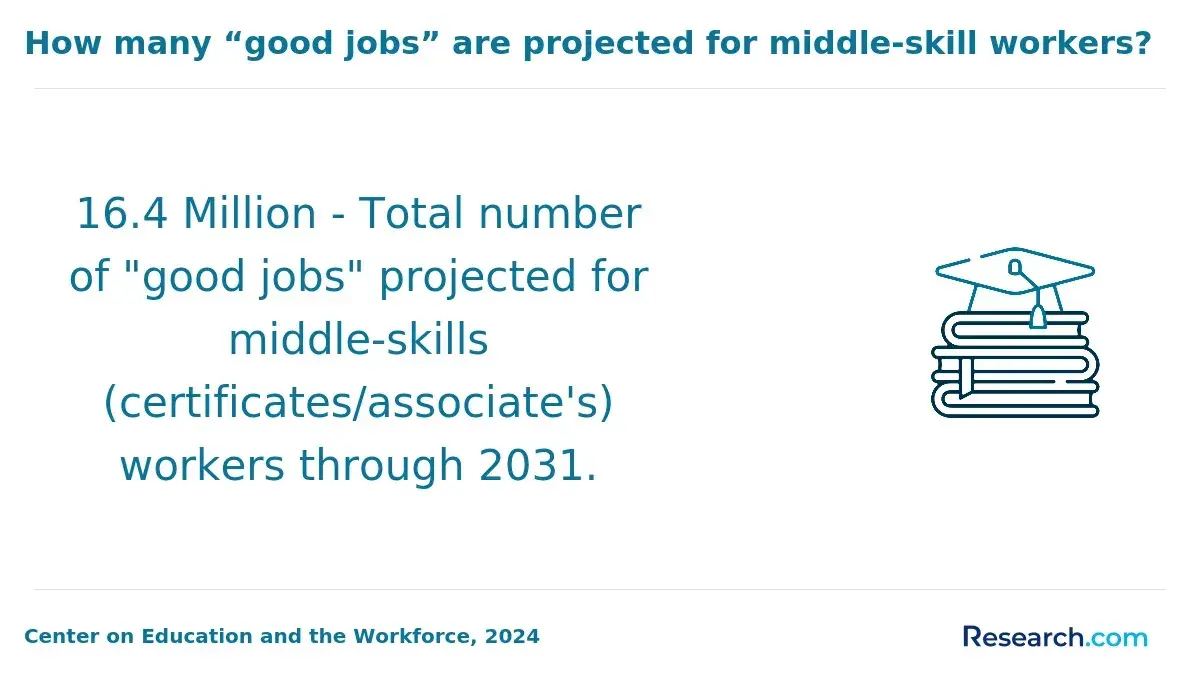
Admission thresholds for science master's programs with bridge or foundation courses balance accessibility for nontraditional applicants against maintaining academic rigor. Minimum GPAs generally range lower than those in standard science master's tracks but still reflect substantial expectations, signaling that the bridge component supplements rather than dilutes academic quality.
For example, a career changer with a non-science bachelor's degree and a GPA around 3.0 must often demonstrate proficiency through additional coursework or professional experience to offset prerequisite gaps. This tradeoff illustrates how programs prioritize holistic review to assess readiness beyond the GPA.
Applicants whose prior academic background is only loosely related to science face more scrutiny. Bridge-inclusive programs weigh GPA alongside quantitative reasoning and relevant experience, recognizing that a strong GPA alone does not guarantee foundational knowledge. Conditional admission pathways, frequently available near minimum GPA thresholds, allow students to prove capability during initial bridge coursework rather than upfront. This flexibility addresses practical barriers for working professionals unable to pause careers for separate post-baccalaureate programs.
- Minimum GPA Range: Many accredited programs require undergraduate GPAs between 2.75 and 3.25, slightly below the usual 3.0+ standards in regular science master's admissions, reflecting the preparatory nature of bridge courses.
- Prior Academic Background: Degrees closely aligned with science streamline admission; non-science majors often receive conditional offers pending bridge curriculum completion.
- GPA Versus Holistic Review: Admissions committees balance GPA with professional credentials, letters of recommendation, and personal statements, especially when science prerequisites are incomplete.
- Program Selectivity: Bridge programs moderate selectivity aiming to prepare students for graduate rigor rather than strictly filtering by GPA.
- Conditional Admission Options: Institutions often provide provisional admissions to candidates near minimum GPA requirements, enabling demonstration of competence via initial coursework.
- Strengthening Eligibility: Additional post-baccalaureate science courses or professional certifications enhance applications, particularly for applicants transitioning careers.
For those exploring flexible study options, considering 6 week courses with certificates can provide practical skill-building that complements bridge program requirements without extensive time away from work.
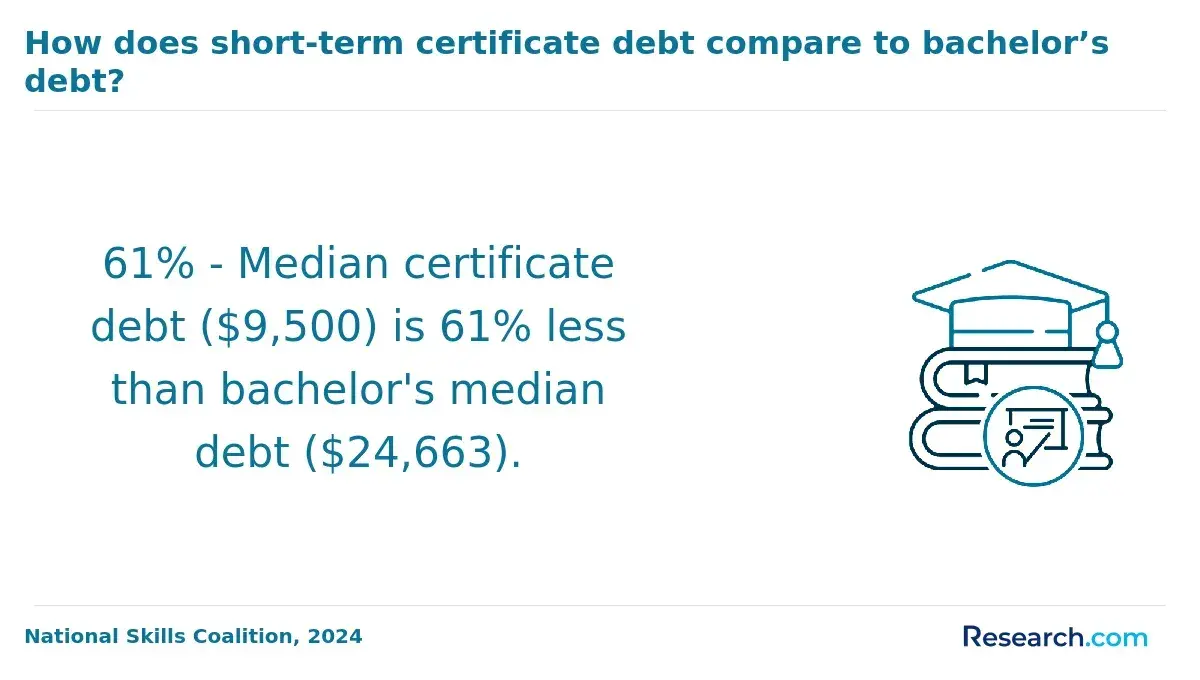
Bridge or foundation courses commonly add 6 to 24 credit hours to science master's programs, reflecting variations in accreditation criteria and the assumed academic preparedness of applicants. Programs with stringent standards often require more extensive leveling, especially for candidates whose undergraduate degrees are near but not fully aligned with core science prerequisites.
Some embed these credits within the master's curriculum, allowing them to count toward graduation, while others treat them as separate prerequisites, increasing total time and cost beyond the formal degree requirements.
Each extra credit hour directly raises tuition costs by the program's per-credit rate. For instance, a $700 per credit hour rate would translate to an added $4,200 to $16,800 solely from these foundational courses. Consequently, programs with significant bridge coursework can nearly double initial tuition compared to those with minimal prerequisites.
The financial impact compounds when considering extended time-to-degree, especially for part-time learners managing work and other obligations. This delay incurs indirect costs such as sustained living expenses, lost earnings, and postponed workforce reentry or advancement.
Prospective students should evaluate total credit requirements-bridge plus master's core-when calculating program costs rather than comparing per-credit rates alone. It is critical to clarify whether bridge credits count toward the degree or require separate registration, as this distinction influences both financial aid eligibility and credential recognition.
- Delivery Formats: Primarily offered as online, hybrid, or evening/weekend courses to accommodate working professionals.
- Admission Status: Conditional admission is common until bridge courses are completed, with full admission granted afterward.
- Financial Aid: Eligibility varies based on whether bridge courses are degree-embedded or non-degree prerequisites.
- Career Impact: Foundations improve readiness but increase upfront costs and extend time before credentialing.
A graduate recounted applying during rolling admissions and hesitating to accept conditional admission due to uncertainty about the bridge course load. They delayed enrollment while weighing financial and time commitments, ultimately choosing a program where bridge credits counted toward degree requirements. This decision shortened their overall timeline and eased funding challenges, illustrating how nuanced understanding of foundational credit policies can materially affect both cost and completion pace.
The best candidates for science master's bridge programs are those who require an integrated pathway to transition successfully into graduate-level science study while managing real-world constraints like work and finances. For example, a professional with an undergraduate degree in engineering seeking to pivot into biomedical sciences often cannot afford the time or cost of separate post-baccalaureate prerequisites but benefits from an embedded bridge curriculum.
This model addresses the need for foundational knowledge without interrupting career momentum. Enrollment trends show a growing share of programs offering these options to accommodate such non-traditional applicants to science graduate programs, a response to rising demand across healthcare systems and technology sectors.
- Academic Preparation: Strong undergraduate GPA in an adjacent discipline demonstrates aptitude and readiness for graduate-level work after completing prerequisite leveling coursework embedded in the program.
- Professional Motivation: Clear intent to shift into a science-related field with well-defined objectives, valuing interdisciplinary credentials that expand employability.
- Resource Flexibility: Willingness and ability to manage the added tuition and potentially extended program duration, recognizing that bridge components increase financial and time commitments.
- Scheduling Needs: Working professionals benefit from integrated, flexible course schedules that minimize disruption and avoid separate post-baccalaureate enrollment.
Conversely, applicants with extensive prior science coursework may find bridge programs redundant and unnecessarily prolong their studies. Similarly, candidates aiming for highly selective programs without bridge options often excel through direct admission or targeted preparation. Those facing stringent time or financial constraints should assess whether alternative pathways better align with their situations.
Prospective students must conduct an honest self-assessment of their academic credentials, career timelines, and financial capacity before committing. Additionally, those considering flexible enrollment may explore opportunities at online military friendly colleges, which offer adaptable frameworks supporting working adults in scientific fields.
Bridge or foundation courses in science master's programs are delivered through several formats, each with distinct implications for accessibility, instructional quality, and student expenses. For individuals pursuing these courses as part of a single integrated degree-especially those without a traditional science background-choosing a program with an appropriate delivery model is crucial.
The mode of instruction not only affects who can realistically participate (such as working adults or geographically distant learners) but also shapes how effectively hands-on skills, essential in science disciplines, are conveyed.
- Fully Online Asynchronous: This format allows students to engage with materials at their own pace, making it suitable for working professionals and those balancing multiple obligations. It minimizes costs related to commuting and housing. However, asynchronous courses often lack real-time interaction, which may compromise mastery of complex laboratory or clinical concepts foundational to science fields.
- Synchronous Live-Online: Requiring attendance at scheduled virtual sessions, this approach offers more immediate feedback and collaboration opportunities than asynchronous learning. Yet, it demands consistent weekly time commitments that may conflict with full-time employment schedules.
- Hybrid Format: Combining online lectures with mandatory on-campus labs or practicum sessions, hybrid models attempt to preserve the real-world experience essential to foundational science learning. Nevertheless, the necessity for physical presence can introduce hidden travel costs and logistical challenges, counteracting some benefits of online components.
- On-Campus Requirements: Some programs mandate full face-to-face attendance for bridge courses to ensure comprehensive hands-on training. While this guarantees access to experiential learning, it significantly reduces flexibility and may exclude non-local candidates due to higher financial and time commitments.
Notably, students expecting fully online science master's programs may discover that bridge or foundation courses require campus visits or live participation, complicating schedules and affecting residency requirements. This mismatch between bridge course and core master's delivery formats often creates unforeseen barriers, especially for career changers or working professionals seeking seamless, flexible pathways. Evaluating whether online bridge courses adequately prepare students for the rigor of subsequent graduate-level science coursework is essential, given that insufficient hands-on training could hurt later performance and employability.
Those navigating hybrid and on-campus foundation science master's courses should explicitly confirm format expectations for both foundation and core phases before enrollment. Understanding these details is key to aligning program demands with personal and professional constraints, avoiding costly surprises, and ensuring sustainable progress toward graduate credentials in science fields.
Prospective applicants with nontraditional backgrounds can also explore specialized options such as an electrical engineering degree online for veterans, which may offer tailored bridge course formats and flexible admission pathways supportive of career transitions.
Costs associated with the bridge or foundation component of science master's programs represent a strategic financial consideration with real consequences for career changers and working professionals seeking integrated study paths. Programs that price these prerequisite credits at full master's rates impose a substantially higher total investment, sometimes increasing overall expenses by up to 50% compared to standard master's programs without foundational requirements.
For example, a professional unable to pause their career to complete prerequisites separately may accept the premium of an integrated pathway, valuing flexibility over upfront savings but facing a heavier debt load upon graduation.
Bridge or foundation components are generally priced in one of three ways: billed at the same per-credit rate as core master's courses, offered at discounted per-credit rates, or packaged as flat fees specific to the foundation segment. The variation in these billing models significantly impacts the final cost of attendance and the relative affordability of these programs compared to pursuing prerequisites independently before matriculation. It is critical to factor in hidden fees such as technology surcharges, course materials, proctoring, and practicum or clinical expenses, which often add several hundred to over a thousand dollars beyond tuition alone.
Candidates considering bridge-integrated options should rigorously compare the total program costs-including these additional fees and financial aid eligibility-against alternative routes, such as a post-baccalaureate certificate or a second bachelor's plus a master's, to identify which pathway aligns best with their financial situation and timeline.
- Cost Range: Bridge coursework fees most often range from $5,000 to $15,000 depending on credit load and institution type, though some programs with extensive foundation requirements can exceed this.
- Billing Models: Programs charging bridge credits at the same rate as master's credits result in higher total costs, while others offer discounted rates or bundled fees that make the bridge component more affordable.
- Total Program Investment: Combining bridge and core master's costs generally leads to a 20-50% higher overall expenditure compared to master's programs accepting students without prerequisite needs, but integrated pathways avoid separate tuition at multiple institutions.
- Hidden Costs: Additional expenses such as technology fees, course materials, proctoring, and clinical or practicum fees during the foundation phase can add several hundred to over a thousand dollars beyond posted tuition.
- Financial Aid Impact: Availability of aid for bridge courses varies; some institutions allow federal aid for the entire program, while others exclude foundation components, affecting affordability.
- Value Considerations: Applicants should request comprehensive cost estimates including all fees before enrolling and compare total expenses of bridge-integrated programs with alternatives like post-baccalaureate certificates or second bachelor's routes to gauge the best fit economically and logistically.
What Graduates Say About Science Master's Programs With Bridge or Foundation Courses
- Jase: "Balancing a full-time job with the workload of the master's bridge courses was a real challenge, but I chose the program specifically for its flexible pacing. I knew I needed a way to enter the data science field quickly without sacrificing my income, so focusing on project-based assignments helped me build a portfolio that caught a few internship offers. While I'm still navigating limited salary growth without a formal license, those projects gave me a foot in the door and a clearer direction for future specialization."
- Kyro: "Switching careers in my late 30s with limited savings meant I had to be strategic about where to invest my time and money, which is why I opted for the foundation courses first. Employers here value hands-on experience and certifications more than formal licensing, so completing the program allowed me to secure a remote role that fits my family commitments. It's been rewarding, though I've had to accept slower advancement initially since some leadership positions still favour full licensure."
- Aaron: "I went into the program knowing I'd face intense workload pressures, but what really shaped my choice was the program's strong emphasis on internships. After graduation, landing an internship with a biotech startup gave me practical experience that no resume alone could offer. That on-the-ground exposure has made it easier to compete for technical roles, though I'm conscious that without a formal license, certain research positions remain out of reach. It's a trade-off I'm willing to navigate for now as I build my career."
Other Things You Should Know About Science Degrees
Students typically need to demonstrate mastery of foundational science concepts, often measured through minimum grade thresholds-usually a B or higher-across all bridge or foundation courses. Falling below these standards can result in academic probation or dismissal, limiting progression to the core graduate curriculum. This gatekeeping underscores that the bridge phase is not merely remedial but a critical academic filter ensuring readiness for advanced study, meaning applicants should prioritize programs with clear, transparent criteria and robust academic support.
Bridge or foundation courses usually carry 6 to 24 semester credits, often completed in one term or two before the master’s core begins. Universities set the load based on the student’s background, with required modules commonly covering mathematics, lab methods, or subject refresher work.
Bridge or foundation courses in science master's programs often cover subjects such as advanced mathematics, basic sciences, and academic writing. These courses aim to prepare students with essential knowledge and skills needed for success in the core curriculum of the master's program.
- Second Bachelor’s Degree vs. Special Master’s Program: How to Choose https://msms.tiberhealth.com/second-bachelors-or-pre-med-masters/
- How Many Credits Do You Need to Graduate College? https://www.edvisorly.com/student-guides/how-many-credits-do-you-need-to-graduate-college
- Financial Aid - Code of Conduct https://amberton.edu/why-amberton/graduate-programs-for-working-adults/
- Grad School 101: What to Consider Before Applying to Grad Schools https://www.elmhurst.edu/blog/applying-to-grad-schools/
- Average Cost of a Master's Degree: 2025 Analysis https://educationdata.org/average-cost-of-a-masters-degree
- Print Options https://catalog.monmouth.edu/graduate-catalog/graduate-admission/graduate-program-admission-requirements-program-consideration/
- Is Grad School Worth It? A Comprehensive Return on Investment Analysis - FREOPP https://freopp.org/whitepapers/is-grad-school-worth-it-a-comprehensive-return-on-investment-analysis/
- How to Pay for Grad School: 8 Ways to Finance a Master’s Degree https://www.onlinemastersdegrees.org/financial-aid/how-to-pay-for-your-masters/
- MS in Medical Science Prerequisites | University of Bridgeport https://www.bridgeport.edu/news/masters-in-medical-science-prerequisites/