
2027 How to Become a Teacher in Rhode Island – What Degree Do You Need to Be a Teacher?

Co-Founder and Chief Data Scientist
Rhode Island needs qualified teachers who can enter classrooms prepared for certification, student teaching, subject testing, and ongoing professional learning. The state’s public elementary and secondary schools serve around 143,000 students each year, while its higher education system enrolls about 43,000 undergraduate and graduate students annually (Rhode Island Department of Education, n.d.-a). At the same time, Rhode Island has identified educator recruitment—especially the hiring of learner-ready and diverse teachers—as a priority in responding to teacher shortages.
This guide explains how to become a teacher in Rhode Island, whether you are starting college, changing careers, moving from another state, or comparing traditional and accredited online teaching degree programs. You will learn the degree and field experience requirements, certification steps, renewal rules, alternative pathways, salary considerations, financial aid options, specialization routes, and how to compare Rhode Island teaching programs before enrolling.
How to Become a Teacher in Rhode Island: Guide Contents
- Rhode Island Teaching Career Snapshot
- Education Requirements for Rhode Island Teachers
- Rhode Island Teacher Certification, Testing, and Renewal
- Financial Incentives and Resources for Aspiring Educators in Rhode Island
- Challenges Rhode Island Teachers Should Understand
- Specializing as an English Teacher in Rhode Island
- Becoming a Reading Specialist in Rhode Island
- Special Education Teacher Certification in Rhode Island
- Moving Into Educational Leadership in Rhode Island
- Classroom Management Strategies for Rhode Island Teachers
- Kindergarten Teacher Requirements in Rhode Island
- Private School Teacher Requirements in Rhode Island
- Online Teacher Certification Options in Rhode Island
- Rhode Island Teacher Certification Pathways
- Teacher Salary Trends and Earning Potential in Rhode Island
- Next Steps for Future Elementary School Teachers
- Career Advancement Options for Rhode Island Teachers
- Top Teaching Programs in Rhode Island for 2027
- Alternative Education Support Careers in Rhode Island
Quick Answer: How Do You Become a Teacher in Rhode Island?
To become a public school teacher in Rhode Island, you generally need a bachelor’s degree, completion of a state-approved educator preparation program, required fieldwork and student teaching, passing scores on the appropriate Praxis subject assessments, and certification from the Rhode Island Department of Education. The initial certificate is valid for 3 years, and renewal requires professional learning units. Career changers and out-of-state teachers may qualify through alternative routes, credential review, or reciprocity depending on their background.
| Step | What Rhode Island Requires | Why It Matters |
| Earn a degree | Complete at least a bachelor’s degree | Public school certification begins with approved academic preparation |
| Finish educator preparation | Complete a Rhode Island-approved or accepted teacher preparation program | This confirms training in pedagogy, assessment, classroom practice, and teaching standards |
| Complete field experience | Finish 60-hour field experience requirements and 12 weeks of student teaching | Clinical practice shows that candidates can teach real students under supervision |
| Pass exams | Pass the required Praxis subject assessments | Testing verifies content knowledge for the grade level or subject area |
| Apply for certification | Submit transcripts, preparation program evidence, test scores, and other required documents | The Rhode Island Department of Education reviews eligibility before issuing credentials |
| Renew and advance | Complete required professional learning units and meet certificate benchmarks | Renewal keeps teachers in good standing and supports long-term advancement |
Rhode Island Teaching Career Snapshot
Teaching in Rhode Island can be attractive for candidates who want a smaller state education system, district-level salary schedules, and opportunities to work in public, private, early childhood, secondary, special education, and education support roles. The state has also placed attention on recruiting a more diverse educator workforce and supporting newer teachers through mentoring and professional learning.
- Teacher labor market context: Rhode Island is the fourth state in the U.S. with the highest concentration of jobs and location quotients for secondary school teachers. The Rhode Island teacher salary is also $69,600, above the national average of $62,360 (BLS, 2024).
- District-based compensation: Many Rhode Island school systems use local salary schedules. Groups such as the Howard Union of Teachers and Providence Teachers Union negotiate with local governments on behalf of educators.
- Support for educators of color: The Mentorship Program for Beginning Educators of Color connects newly hired teachers of color with experienced teachers. The program includes mentoring sessions, required training modules, networking opportunities, and communities of practice designed to support identity, leadership, and retention (Rhode Island Department of Education, n.d.-b).
- Financial support options: Rhode Island teachers may be eligible for federal programs such as the Teacher Loan Forgiveness Program and the TEACH Grant when they meet service and school placement requirements.
Education Requirements for Rhode Island Teachers
The standard route to Rhode Island teacher certification starts with a bachelor’s degree and completion of an educator preparation program. Candidates may also qualify with a master’s degree, and graduate-level education can support eligibility for advanced certification. A PhD or other doctoral credential may be useful for teachers who want to move into research, leadership, higher education, curriculum design, or advanced administrative roles.
If you are considering doctoral study, it is worth asking what can you do with a PhD in education before enrolling. A doctorate may strengthen qualifications for leadership and specialized roles, but it is not the most direct or least expensive path for every classroom teacher.
| Education Path | Best For | Important Considerations |
| Bachelor’s degree with teacher preparation | First-time college students pursuing initial certification | Choose a program aligned with the grade level or subject you want to teach |
| Master’s degree in teaching or education | Career changers, advanced candidates, or teachers seeking stronger credentials | Confirm that the program meets Rhode Island certification requirements before enrolling |
| Doctoral degree in education | Educators aiming for leadership, policy, research, or higher education work | Best evaluated by long-term career goals, cost, and whether the credential is required for the role |
| Alternative certification route | Bachelor’s degree holders without a traditional education major | Usually requires testing, training, and a qualifying teaching placement |
Institutional Efforts for Higher Ed Faculty Development Access

Rhode Island Teacher Certification, Testing, and Renewal
K-12 public school educators must hold Rhode Island teacher certification. The Rhode Island Department of Education is responsible for issuing primary teaching certificates and handling renewal. The state also recognizes professional and advanced teaching certificates for educators who continue meeting experience, learning, and credential benchmarks.
Complete fieldwork and student teaching
Most candidates complete their fieldwork and student teaching through their bachelor’s or graduate educator preparation program. Rhode Island requires 60 hours of field experience before student teaching, followed by 12 weeks of student teaching. Candidates seeking certification in more than one area must complete at least a 60-hour field experience for each certification area.
Rhode Island also offers a credential review pathway for certain individuals who complete a differentiated program of study. Depending on the certification area, applicants may submit materials to the Department of Education for review and may also need to complete student teaching experience (Rhode Island Department of Education, n.d.-c).
Pass the required certification exams
Rhode Island teacher candidates must pass the certification test required for their subject area and grade level. Elementary candidates typically need assessments covering general and multiple-subject elementary teaching. Secondary candidates generally take a content-area exam in addition to any general testing requirements. Rhode Island uses Praxis subject assessments for this process.
Submit your certification application
Applicants for a Rhode Island teaching license should be prepared to provide official transcripts, evidence of completing a state-approved degree or preparation program, and required test scores. Teachers who already hold a license in another state generally submit copies of their current certificates so Rhode Island can evaluate reciprocity eligibility.
Keep your certificate active
Certification does not end after the first license is issued. Rhode Island teachers must complete professional learning and renew credentials on the required cycle.
| Certificate Type | Validity Period | Renewal or Advancement Requirement |
| Initial certificate | 3 years | Teachers must earn 75 professional learning units for renewal |
| Professional certificate | 5 years | Renewal requires 15 professional learning units |
| Advanced certificate | 7 years | Teachers must meet benchmarks such as national board certification or a graduate degree |
Alternative certification in Rhode Island
Teach for America provides an alternative certification route for graduates of accredited institutions whose bachelor’s degrees are not in education and who have not earned a traditional teaching certificate. Participants must complete a summer institute, pass the Praxis exam, and hold a teaching position.
Substitute teacher certification
Rhode Island substitute teachers must hold a bachelor’s degree. Local education agencies are responsible for verifying that substitute teachers meet this requirement. If you are considering substitute teaching as an entry point, check the hiring district’s expectations for background checks, availability, training, and daily assignment procedures.
Financial Incentives and Resources for Aspiring Educators in Rhode Island
Teacher preparation can be expensive, so prospective educators should review financial aid before choosing a program. The right funding strategy may reduce debt, but candidates should read service obligations carefully because some grants or forgiveness programs require teaching in specific schools, subjects, or communities for a defined period.
The Teacher Loan Forgiveness Program may help educators who work in underserved schools or high-need subject areas reduce eligible student loan debt. The federal TEACH Grant may also support students enrolled in teacher preparation programs who agree to teach in low-income schools after graduation.
Career changers should compare traditional and alternative routes, including tuition, testing fees, required coursework, student teaching expectations, and lost wages during clinical placements. For a closer look at lower-cost options and credential types, review this guide to the types of teaching certificates in Rhode Island.
Some districts and state organizations may offer hiring incentives such as signing bonuses or relocation stipends when positions are difficult to fill. Because these incentives can change by district, subject, and school year, applicants should ask hiring offices directly what support is available before accepting an offer.
Challenges Rhode Island Teachers Should Understand
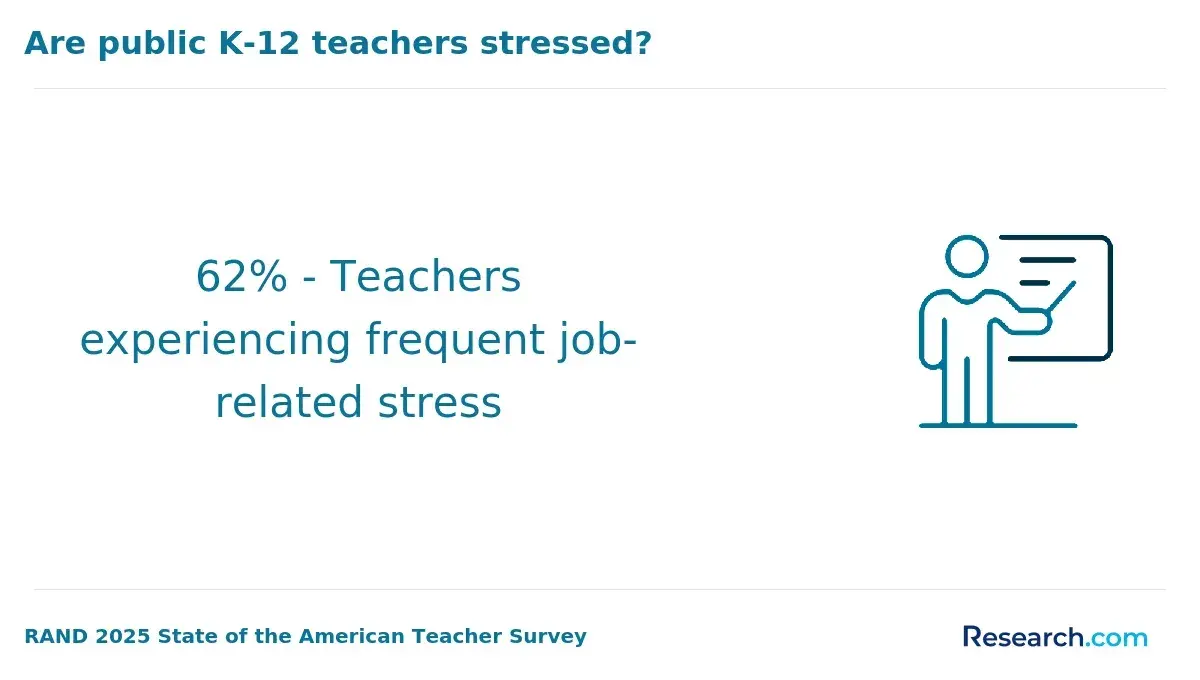
Rhode Island teaching careers can be rewarding, but new educators should enter the profession with a realistic view of workload, school resources, classroom needs, and retention concerns. Understanding these issues early helps candidates choose the right preparation program and ask better questions during interviews.
- Teacher turnover: Some schools experience staff turnover that affects instructional continuity and increases pressure on remaining teachers. Mentoring, induction programs, and supportive leadership can make a major difference for early-career teachers.
- Uneven school resources: Educators in lower-income districts may face shortages in classroom supplies, updated materials, technology, or support staff. Candidates should ask how a school supports teachers with instructional resources.
- Administrative workload: Teachers often balance lesson planning, grading, family communication, data reporting, meetings, and compliance tasks. Strong time management and planning systems are essential.
- Diverse learning needs: Rhode Island classrooms serve students with different languages, cultures, disabilities, academic levels, and social-emotional needs. Preparation in differentiated instruction and inclusive practice is important.
Specializing as an English Teacher in Rhode Island
English teachers in Rhode Island need strong content knowledge in literature, writing, reading comprehension, media literacy, and language arts instruction. Candidates should select programs or professional development that prepare them for subject-specific assessment, curriculum planning, and writing-intensive classroom instruction. For a focused explanation of the certification route, see this guide on how to become an english teacher in Rhode Island.
Becoming a Reading Specialist in Rhode Island
Reading specialists focus on literacy assessment, intervention planning, reading development, and support for students who need targeted instruction. Teachers interested in this path should look for advanced coursework in literacy theory, reading diagnosis, differentiated instruction, and evidence-based intervention. A graduate program such as a master's of education reading specialist online may help educators build the training needed for this specialization, but candidates should confirm Rhode Island requirements before enrolling.
Special Education Teacher Certification in Rhode Island
Special education candidates need preparation in disability categories, inclusive instruction, behavioral supports, individualized education plans, legal responsibilities, and collaboration with families and service providers. Rhode Island candidates also complete clinical practice in settings that serve students with disabilities and must satisfy the applicable testing and field experience rules. For a more detailed certification overview, review this resource on special education teacher certification in Rhode Island.
Moving Into Educational Leadership in Rhode Island
Teachers who want to influence curriculum, policy, school improvement, or district operations may eventually move into leadership. This usually requires more than strong classroom performance; candidates need preparation in supervision, budgeting, data use, policy, instructional coaching, and change management. Advanced study, including a doctorate in educational leadership online, may fit educators seeking research-intensive or senior leadership roles.
Classroom Management Strategies for Rhode Island Teachers
Classroom management is one of the most important skills for new teachers because it directly affects learning time, student safety, and teacher stress. Rhode Island teachers should look for preparation programs that include real classroom practice, feedback from mentor teachers, and training in behavior supports.
- Teach expectations explicitly: Students should know what routines look like for entering class, transitions, group work, device use, discussion, and independent work.
- Use consistent routines: Predictable structures reduce confusion and help students spend more time learning.
- Reinforce positive behavior: Praise, recognition, and meaningful feedback can build a respectful classroom culture when used consistently and fairly.
- Design engaging lessons: Students are less likely to disengage when instruction includes active tasks, discussion, collaboration, and appropriate challenge.
- Build relationships early: Knowing students’ interests, strengths, and needs helps teachers respond before problems escalate.
- Use structured support systems: Seating plans, behavior tracking, Responsive Classroom practices, and PBIS approaches can help teachers manage classroom patterns more effectively.
Teachers who want additional training can look for professional development through districts, universities, and accredited online colleges. Before paying for a course, confirm whether it counts toward professional learning or certification renewal requirements.
Kindergarten Teacher Requirements in Rhode Island
Kindergarten teachers in Rhode Island typically need a bachelor’s degree in Early Childhood Education or a closely related field, plus completion of a state-approved educator preparation program. Strong preparation should include child development, early literacy and numeracy, play-based learning, classroom routines for young learners, family engagement, and supervised teaching in early childhood settings. For a focused certification guide, see kindergarten teacher requirements in Rhode Island.
Private School Teacher Requirements in Rhode Island
Private school hiring standards may differ from public school certification rules, but many schools still expect strong academic preparation, subject expertise, classroom management ability, and alignment with the school’s mission. Candidates may be asked to complete interviews, teaching demonstrations, reference checks, or performance evaluations. Learn more through this guide to private school teacher requirements in Rhode Island.
Can You Complete Teacher Certification Online in Rhode Island?
Online teacher preparation can be a practical choice for working adults, rural students, and career changers, but not every online program automatically leads to Rhode Island certification. Candidates should verify accreditation, state approval, student teaching placement support, Praxis preparation, and whether the program meets Rhode Island Department of Education requirements. For a detailed explanation of this route, read how to become a teacher online in Rhode Island.
| Question to Ask an Online Program | Why It Matters |
| Is the program approved for Rhode Island teacher certification? | Approval affects whether your degree can lead directly to licensure |
| How are student teaching placements arranged? | You need supervised clinical experience that meets state expectations |
| Does the program prepare students for Praxis subject assessments? | Testing is a required step for certification |
| What happens if I live outside Rhode Island? | State authorization and placement rules may affect eligibility |
| Are transfer credits accepted? | Transfer policies can reduce time and cost |
Rhode Island Teacher Certification Pathways
Rhode Island offers several ways to qualify for certification depending on a candidate’s background. Traditional programs are best for students who know early that they want to teach. Alternative pathways may work for bachelor’s degree holders who are changing careers. Credential review can fit certain candidates with nontraditional preparation, while reciprocity may help teachers licensed in another state. For a broader comparison, review the teacher certification requirements in Rhode Island.
| Pathway | Who It Fits | Decision Tip |
| Traditional educator preparation | Undergraduate or graduate students completing a state-approved teaching program | Best when you want a structured path with built-in fieldwork and student teaching |
| Alternative certification | Career changers with a bachelor’s degree outside education | Compare time, cost, required employment, and testing expectations before committing |
| Credential review | Candidates with differentiated preparation or experience in certain areas | Confirm documentation requirements directly with the Rhode Island Department of Education |
| Reciprocity | Teachers already certified in another state | Expect to submit current certificates and supporting records for evaluation |
| Substitute teaching | Bachelor’s degree holders exploring classroom work | Useful for experience, but it is not the same as full teacher certification |
Teacher Salary Trends and Earning Potential in Rhode Island
Rhode Island teacher pay varies by district, years of experience, education level, assignment, and collective bargaining agreement. The original salary data cited in this guide shows Rhode Island teacher salary at $69,600 compared with the national average of $62,360, while another cited figure in the source material lists an average of $74,640. Because salary schedules change and may differ by district, candidates should always check current local contracts before making financial decisions.
Teachers may increase earnings over time through graduate education, professional or advanced certification, leadership stipends, coaching, tutoring, mentoring, department chair roles, or hard-to-staff specialization areas. If you are considering substitute teaching, review the Rhode Island substitute teacher requirements to understand eligibility, district expectations, and the limits of substitute work compared with full-time contracted teaching.
Next Steps for Future Elementary School Teachers in Rhode Island
Elementary teaching is a strong fit for candidates who enjoy teaching multiple subjects, building foundational academic skills, and supporting children’s social and emotional development. Prospective elementary teachers should choose a program that includes elementary pedagogy, literacy, math methods, classroom management, assessment, and supervised clinical experience. For a detailed path, read How to become an elementary school teacher in Rhode Island.
Career Advancement Options for Rhode Island Teachers
Teachers in Rhode Island can advance by deepening classroom expertise, adding endorsements, earning advanced credentials, or moving into leadership. The best option depends on whether you want to remain student-facing, specialize academically, mentor other teachers, or shift into administration.
- Earn a master’s or doctoral degree: Graduate study can support roles such as administrator, curriculum specialist, instructional coach, or consultant. Teachers comparing options may want to review high-paying jobs with a master's in education.
- Upgrade certification: Professional and advanced certificates can strengthen qualifications. National board certification or a graduate degree may also support advanced certification benchmarks.
- Serve as a mentor or teacher leader: Experienced educators may support new teachers, lead teams, chair departments, or coordinate instructional initiatives.
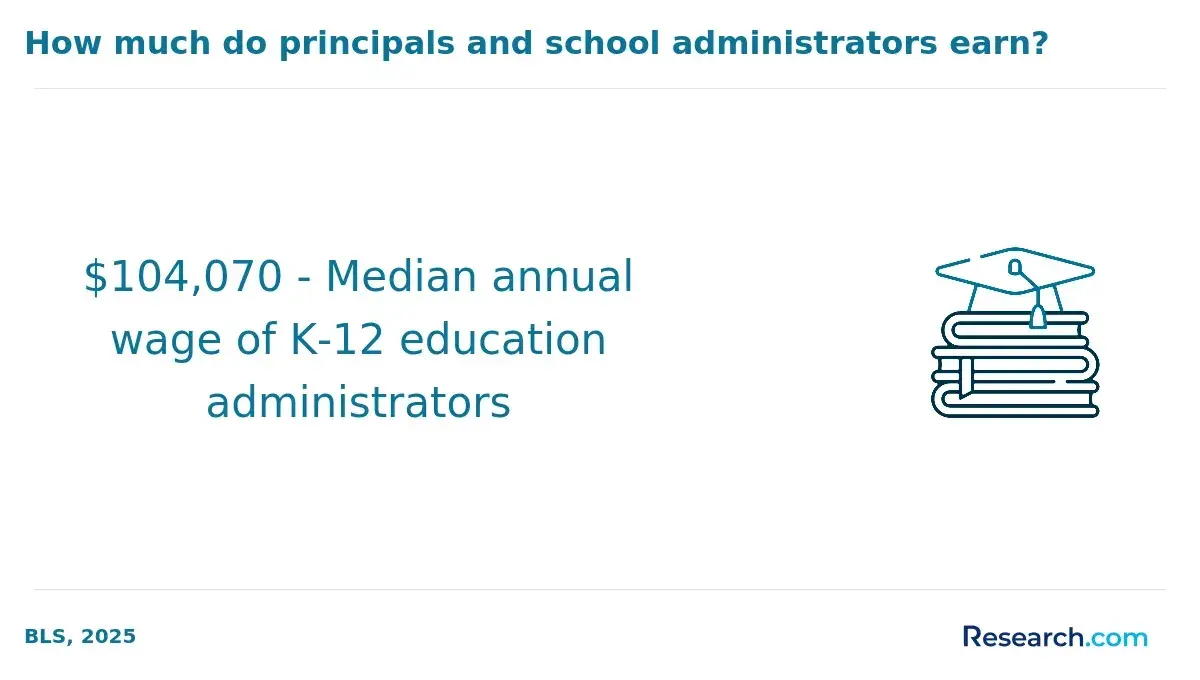
- Move into administration: Roles such as principal, vice-principal, or superintendent require leadership preparation and carry significant responsibility for staff, students, budgets, and school improvement.
- Specialize in a high-need area: Special education, STEM, bilingual education, literacy, and other specialized areas may create additional opportunities depending on district needs.
- Use professional development strategically: Training in technology integration, classroom management, data-informed instruction, and inclusive teaching can make teachers more effective and competitive for leadership assignments.
Top Teaching Programs in Rhode Island for 2027
Choosing a teaching program is one of the most important decisions in the certification process. Students should compare accreditation, Rhode Island approval, student teaching support, tuition, credit requirements, delivery format, Praxis preparation, and whether the degree matches the grade level or subject they want to teach. Online options, including an online program for secondary education, may add flexibility, but certification alignment should always come first.
| Program | Format or Level | Best Fit | Key Published Details |
| University of Rhode Island, BS in Early Childhood Care and Education | Online bachelor’s | Childcare and early childhood professionals seeking a bachelor’s pathway | Tuition Per Credit: $588; Accreditation: NECHE |
| Brown University, MA in Teaching | Master’s degree | Candidates seeking intensive graduate teacher preparation | Program Length: 1 year; Required Credits to Graduate: 32 credit hours; Accreditations: NECHE |
| Providence College, BS in Secondary Education | Bachelor’s degree | Students preparing for high school teaching | Program Length: 4 years; Required Credits to Graduate: 120 credit hours; Accreditations: Rhode Island Department of Education |
| Rhode Island College & University of Rhode Island, PhD in Education | Hybrid doctoral program | Educators pursuing research-focused leadership | Required Credits to Graduate: 60; Accreditations: NECHE |
| Salve Regina University, BS in Early Childhood and Special Education | Bachelor’s degree | Students interested in early childhood and special education preparation | Program Length: 4 years; Required Credits to Graduate: 84; Accreditations: Rhode Island Department of Education |
1. University of Rhode Island, BS in Early Childhood Care and Education online
The University of Rhode Island offers an online bachelor’s degree in early childhood care and education for professionals working in childcare and elementary education settings. The accelerated format is designed to help working professionals complete a bachelor’s credential, improve career stability, and qualify for broader opportunities. This early childhood education bachelors degree online meets academic requirements for early childhood teacher licensure in Rhode Island, Connecticut, Massachusetts, Vermont, Maine, and Maryland.
- Program Length: No information available
- Tuition Per Credit: $588
- Required Credits to Graduate: No information available
- Accreditation: NECHE
2. Brown University, MA in Teaching
Brown University offers a Master of Arts in Teaching that combines rigorous coursework, individualized coaching, and immersive teaching experience. The program uses a residency-based approach that helps candidates understand day-to-day school practice while also studying the broader educational system.
- Program Length: 1 year
- Tracks/Concentrations: English, History/Social Studies, Math, Science
- Per Course Rate: $8,207
- Required Credits to Graduate: 32 credit hours
- Accreditations: NECHE
3. Providence College, BS in Secondary Education
Providence College offers a BS in Secondary Education for students preparing to teach high school. The program integrates teaching preparation with subject-area study led by faculty in fields such as science, language, literature, history, and mathematics.
- Program Length: 4 years
- Majors: Biology, Chemistry, English, History, Mathematics, Physics, French, Italian, Spanish
- Biology
- Chemistry
- English
- History
- Mathematics
- Physics
- French
- Italian
- Spanish
- Tuition and Fees: $60,710
- Required Credits to Graduate: 120 credit hours
- Accreditations: Rhode Island Department of Education
4. Rhode Island College & University of Rhode Island, PhD in Education hybrid
Rhode Island College and the University of Rhode Island jointly offer a PhD in Education for educators interested in research-driven educational change. Students may enroll part-time or full-time, and the program combines on-campus and hybrid coursework.
- Program Length: No information available
- Estimated Cost: $856 (in-state); $1,284 (regional); $1,661 (out-of-state)
- Required Credits to Graduate: 60
- Accreditations: NECHE
5. Salve Regina University, BS in Early Childhood and Special Education
Salve Regina University offers a BS in Early Childhood and Special Education grounded in liberal arts study. The program combines content knowledge, teaching methods, and field experiences across varied settings. Students study exceptionality, learning styles, service delivery models, and instructional approaches for young learners and students with disabilities.
- Program Length: 4 years
- Tuition Per Credit for students enrolled for less than 12 credits: $1,573
- Required Credits to Graduate: 84
- Accreditations: Rhode Island Department of Education
Alternative Education Support Careers in Rhode Island
Not every education career requires serving as a classroom teacher. Some professionals prefer support roles such as school librarian, media specialist, instructional technology coordinator, tutor, paraprofessional, or academic program assistant. Library and media roles often require training in information management, digital resources, research support, and collaboration with classroom teachers. For a specific pathway, see How to be a school librarian in Rhode Island?. Internships, volunteer work, and experience in school or academic libraries can help candidates test this career direction before pursuing additional credentials.
How to Choose the Right Rhode Island Teaching Path
The best path depends on your current education, target grade level, timeline, budget, and whether you need a flexible program. Do not choose a program based only on convenience or brand name. Certification alignment is the most important factor.
| If You Are... | Consider This Route | Watch Out For |
| A first-time college student | A bachelor’s degree with built-in educator preparation | Make sure the program matches your intended certification area |
| A bachelor’s degree holder changing careers | Alternative certification, MAT, or credential review | Student teaching and testing may still be required |
| A licensed teacher moving to Rhode Island | Reciprocity review through the state | You may need documentation, test records, and certificate copies |
| A working adult needing flexibility | Online or hybrid teacher preparation | Confirm field placement support and Rhode Island approval |
| A teacher seeking advancement | Graduate degree, advanced certification, or leadership preparation | Compare cost against your actual career goal and salary schedule |
Common Mistakes to Avoid Before Becoming a Teacher in Rhode Island
- Enrolling without checking certification approval: A degree may be accredited but still not lead to Rhode Island certification in your intended area.
- Looking only at tuition: Add fees, transportation, books, testing costs, background checks, and unpaid student teaching time.
- Assuming online means easier: Online teacher preparation still requires fieldwork, student teaching, exams, and documentation.
- Ignoring Praxis requirements: Failing or delaying required exams can postpone certification and employment.
- Choosing a grade level too quickly: Observe classrooms if possible before committing to early childhood, elementary, secondary, or special education.
- Overlooking district salary schedules: Pay differs by district and is often tied to years of service and education level.
- Assuming salary outcomes are guaranteed: Averages do not predict an individual teacher’s offer, placement, stipend eligibility, or long-term earnings.
- Skipping financial aid terms: Loan forgiveness and grant programs may carry service obligations that must be completed to keep benefits.
Becoming an Educator in Rhode Island
Rhode Island can be a strong state for future educators who want a clear certification structure, district salary schedules, mentoring options, and multiple preparation pathways. Traditional bachelor’s programs, graduate teaching degrees, alternative routes, online study, and leadership-focused credentials all have a place, but the right choice depends on your background and career goal. If you are comparing programs, including an online master’s program for teaching, verify Rhode Island certification alignment before you apply.
Key Insights
- Certification starts with preparation: Rhode Island public school teachers generally need a bachelor’s degree, an approved educator preparation program, field experience, student teaching, and passing Praxis scores.
- Field experience is specific: Candidates complete 60 hours of field experience before student teaching and 12 weeks of student teaching; additional certification areas require at least a 60-hour field experience per area.
- Renewal matters early: The initial certificate lasts 3 years and requires 75 professional learning units for renewal. Professional and advanced certificates have their own timelines and benchmarks.
- Alternative routes exist, but they are not shortcuts: Options such as Teach for America and credential review can help nontraditional candidates, but testing, training, and teaching placement requirements still apply.
- Rhode Island salaries are competitive in the cited data: The guide cites a Rhode Island teacher salary of $69,600 versus a national average of $62,360, while another cited figure lists $74,640. Always check current district salary schedules.
- Program choice should be certification-driven: Accreditation, state approval, student teaching support, Praxis preparation, and grade-level alignment matter more than convenience alone.
- Specialization can improve career options: English, literacy, special education, early childhood, educational leadership, and library/media roles each require targeted preparation.
- Financial aid can help, but obligations matter: Teacher Loan Forgiveness and TEACH Grant benefits may require service in qualifying schools or subject areas.
FAQ
1. What education do I need to teach in Rhode Island?
You generally need a bachelor’s degree, completion of an approved educator preparation program, required student teaching, and passing Praxis subject assessment scores. A master’s degree can also support certification and may help with advanced career options.
2. How do I apply for a Rhode Island teaching license?
You apply through the Rhode Island Department of Education by submitting required documentation, including official transcripts, proof of completing an approved preparation program, test scores, and any other certification materials. Out-of-state teachers should also provide copies of their current teaching certificates for reciprocity review.
3. What is the Mentorship Program for Beginning Educators of Color?
The program pairs newly hired teachers of color with experienced educators of color. It includes mentoring, required training modules, networking events, and communities of practice intended to strengthen support, identity, leadership, and retention.
4. What financial aid options are available for Rhode Island teachers?
Eligible teachers and teacher candidates may be able to use the Teacher Loan Forgiveness Program or TEACH Grant. These programs can reduce education costs, but they may require teaching in qualifying schools or high-need areas for a specified period.
5. How does teacher certification renewal work in Rhode Island?
The initial certificate is valid for 3 years and requires 75 professional learning units for renewal. The professional certificate is valid for 5 years and requires 15 professional learning units. The advanced certificate is valid for 7 years and requires benchmarks such as national board certification or a graduate degree.
6. Are there alternative certification options in Rhode Island?
Yes. Teach for America and credential review may provide pathways for qualified candidates who did not complete a traditional teacher education degree. Candidates still need to meet training, testing, placement, and documentation requirements.
7. Which Rhode Island teaching programs are listed in this guide?
The programs listed include the University of Rhode Island’s BS in Early Childhood Care and Education, Brown University’s MA in Teaching, Providence College’s BS in Secondary Education, Rhode Island College & University of Rhode Island’s PhD in Education, and Salve Regina University’s BS in Early Childhood and Special Education.
8. What are Rhode Island substitute teacher requirements?
Substitute teachers in Rhode Island must hold a bachelor’s degree. Local education agencies are responsible for confirming that substitutes meet the requirement and any district-specific hiring standards.
9. How does Rhode Island support new teachers?
Support may include educator preparation, mentoring, professional development, induction activities, and targeted programs such as the Mentorship Program for Beginning Educators of Color.
10. How is teacher pay structured in Rhode Island?
Teacher pay is usually determined by district salary schedules negotiated through collective bargaining. Compensation often reflects years of experience, education level, and, in some cases, stipends for advanced credentials or extra duties.
Related Articles for Nearby States
- 2027 How to Become a Teacher in Massachusetts – What Degree Do You Need to Be a Teacher
- 2027 How to Become a Teacher in Connecticut – What Degree Do You Need to Be a Teacher?
- 2027 How to Become a Teacher in New York – What Degree Do You Need to Be a Teacher?
- 2027 How to Become a Teacher in New Jersey – What Degree Do You Need to Be a Teacher
- 2027 How to Become a Teacher in Vermont – What Degree Do You Need to Be a Teacher?
- 2027 How to Become a Teacher in New Hampshire – What Degree Do You Need to Be a Teacher?
- 2027 How to Become a Teacher in Pennsylvania – What Degree Do You Need to Be a Teacher?
- 2027 How to Become a Teacher in Delaware – What Degree Do You Need to Be a Teacher
- 2027 How to Become a Teacher in Maine – What Degree Do You Need to Be a Teacher
- 2027 How to Become a Teacher in Maryland – What Degree Do You Need to Be a Teacher?
References:
- BLS. (2025). High School Teachers. BLS.
- Rhode Island Department of Education. (n.d.-a). Board of Education: Policy Making and Planning. RI Department of Education.
- Rhode Island Department of Education. (n.d.-b). Educator recruitment. RI Department of Education.
- Steiner, E. D., Levine, P. R., Doan, S., & Woo, A. (2025). Teacher WellBeing, Pay, and Intentions to Leave in 2025. RAND. https://www.rand.org/pubs/research_reports/RRA1108-16.html
- Rhode Island Department of Education. (n.d.-c). Getting certified in Rhode Island. (n.d.). RI Department of Education.
Other Things You Should Know About Becoming a Teacher in Rhode Island
To become a teacher in Rhode Island, you must hold a bachelor’s degree, complete an educator preparation program, and pass the required Praxis subject assessments. A master’s degree can also fulfill these requirements and may lead to advanced certification.
To apply for a teaching license in Rhode Island, you need to submit official transcripts, proof of completing a state-approved degree, test scores, and a certification application to the Rhode Island Department of Education. Nonresident teachers must submit copies of their certificates for reciprocity consideration.
In 2027, aspiring teachers in Rhode Island must earn a bachelor's degree in education or a related field from an accredited institution, complete a state-approved teacher preparation program, and pass the necessary licensure exams. Additionally, candidates must apply for certification through the Rhode Island Department of Education.
In 2027, teacher compensation in Rhode Island is structured based on educational attainment and years of experience. The state offers competitive salaries, with additional benefits such as health insurance and retirement plans. New teachers typically start at a base salary, with opportunities for increases through advanced degrees and additional certifications.
Yes, Teach for America offers alternative certification pathways for graduates without traditional education degrees. This involves completing a summer institute, passing the Praxis exam, and securing a teaching position.
Top education programs in Rhode Island include the University of Rhode Island's BS in Early Childhood Care and Education, Brown University's MA in Teaching, Providence College's BS in Secondary Education, Rhode Island College & University of Rhode Island's PhD in Education, and Salve Regina University's BS in Early Childhood and Special Education.
Substitute teachers in Rhode Island must hold a bachelor’s degree. Local education agencies ensure that substitute teachers meet this requirement.
Rhode Island supports new teachers through rigorous training, mentorship programs, and professional development resources to ensure their success and retention in the education sector.


