2027 How to Become a Special Education Teacher in Nebraska: Requirements & Certification

Co-Founder and Chief Data Scientist
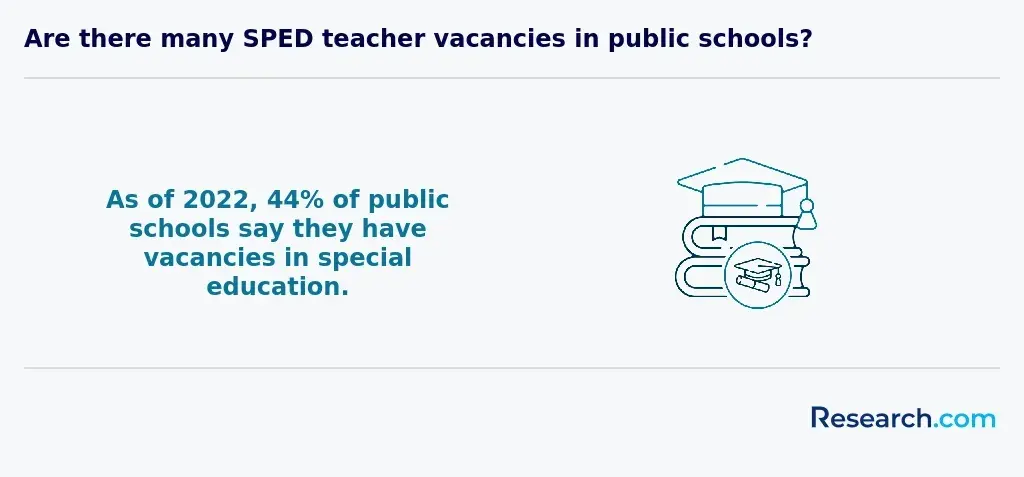
Nebraska needs more qualified special education teachers, and the pathway into the field is more important than ever for aspiring educators, paraprofessionals, career changers, and licensed teachers considering an added endorsement. The Nebraska Department of Education (NDE) reports that 24% of special education positions remain unfilled, making special education the state’s most critical teacher shortage area. In the 2024-25 school year, Nebraska still had 210 full-time equivalent special education positions unfilled.
This guide explains how to become a special education teacher in Nebraska, including the education pathway, licensing steps, endorsement expectations, timeline, salary ranges, job demand, financial aid options, and career advancement possibilities. It also covers practical decisions you will need to make, such as whether to pursue a bachelor’s degree, master’s degree, alternative certification, dual endorsement, or a related support role.
Use this article as a decision guide, not just a checklist. By the end, you should understand what Nebraska requires, how long the process may take, what the job market looks like, and how to choose the most realistic route based on your current education, budget, and career goals.
Quick Answer: How Do You Become a Special Education Teacher in Nebraska?
To become a special education teacher in Nebraska, you generally need to complete an approved educator preparation program, earn at least a bachelor’s degree, complete supervised student teaching, pass required licensure exams, clear background checks and fingerprinting, and obtain a Nebraska teaching certificate with the appropriate special education endorsement. Candidates who already hold a degree may be able to use post-baccalaureate or alternative certification options, depending on their background and the program they choose.
| Step | What It Usually Involves | Why It Matters |
| Earn the required degree | Complete a bachelor’s or master’s degree in special education or a closely related educator preparation program. | Nebraska teachers need formal preparation to support students with disabilities and meet state certification expectations. |
| Complete field experience | Participate in a student teaching internship or supervised classroom placement. | Practical experience helps candidates apply instructional, behavioral, and legal requirements in real classrooms. |
| Pass required assessments | Complete Nebraska-required licensure exams for teaching and special education endorsement areas. | Exams verify that candidates have the required knowledge and skills for classroom practice. |
| Apply for licensure | Submit academic records, exam results, background check materials, and other required documentation. | The state must verify that you meet Nebraska’s educator certification standards. |
| Maintain and renew credentials | Complete continuing education or professional development for renewal every five years. | Special education laws, instructional strategies, and student support practices change over time. |
Key Things You Should Know About Becoming a Special Education Teacher in Nebraska
- Nebraska expects continued need for special education teachers, with projected growth of 8% to 10% through 2030.
- Special education teachers in Nebraska commonly earn approximately between $58,000 and $65,000, although pay can differ by district, experience level, endorsement area, and location.
- Professional organizations, including the Nebraska Council for Exceptional Children, can help teachers access training, peer networks, and continuing education opportunities.
- Large districts such as Omaha Public Schools and Lincoln Public Schools are among the major employers that hire special education professionals in Nebraska.
- What education do you need to become a special education teacher in Nebraska?
- How long does it take to become a special education teacher in Nebraska?
- What licensing requirements apply to Nebraska special education teachers?
- What is the job demand for special education teachers in Nebraska?
- How much can special education teachers earn in Nebraska?
- What professional development options are available in Nebraska?
- What advanced roles are available after classroom experience?
- What challenges should future special education teachers expect?
- Should special education teachers consider dual certifications in Nebraska?
- Can an online master’s degree improve special education career options?
- How can aspiring teachers find lower-cost credential pathways?
- Can an associate degree help start a special education career path?
- How do special education teachers work with school psychologists?
- What extra training can improve special education teaching effectiveness?
- Can early childhood education credentials support special education careers?
- How can Nebraska improve recruitment and retention?
- Should special education teachers consider behavior analysis credentials?
- How can school counselors support special education teams?
- How do Nebraska special education laws affect teachers?
- Are scholarships and grants available for future special education teachers?
- How can special education teachers transition to private schools?
- What other careers are available to special education professionals?
What Education Do You Need to Become a Special Education Teacher in Nebraska?
Most Nebraska special education teachers begin by completing an approved teacher preparation program that leads to a teaching certificate and special education endorsement. The exact route depends on whether you are starting college for the first time, already have a bachelor’s degree, or already hold a Nebraska teaching license in another subject or grade level.
- Bachelor’s or master’s degree in special education: A degree in special education, education, or a closely related field is the standard academic foundation. Nebraska institutions such as the University of Nebraska-Lincoln and Creighton University offer programs that prepare candidates for special education classrooms.
- Approved educator preparation coursework: Coursework typically covers disability categories, inclusive instruction, assessment, individualized education programs, classroom management, collaboration with families, and legal responsibilities.
- Student teaching or supervised fieldwork: Candidates complete practical training in school settings, often including placements where they work directly with students who have disabilities.
- Academic performance requirements: Many programs expect candidates to meet a minimum GPA, often around 2.75 or higher, before entering advanced teacher education coursework or student teaching.
- Alternative or post-baccalaureate pathways: Candidates who already have a bachelor’s degree but did not major in education may be able to pursue a post-baccalaureate certification route or an alternative preparation program.
The best pathway depends on your starting point. A first-time college student may choose a bachelor’s program that leads directly to certification, while a paraprofessional or career changer may look for a program that recognizes previous coursework, work experience, or transfer credits.
| Starting Point | Likely Nebraska Pathway | Best For |
| No college degree yet | Bachelor’s degree in special education or an approved education program with a special education endorsement route. | Students who want the most direct undergraduate pathway into teaching. |
| Bachelor’s degree in another field | Post-baccalaureate teacher certification or alternative preparation program. | Career changers who need teacher preparation but do not want to complete a second full bachelor’s degree. |
| Current licensed teacher | Additional endorsement coursework in special education. | Teachers who want to move into special education or broaden their employability. |
| Paraprofessional or classroom aide | Degree-completion program, transfer pathway, or scholarship-supported certification route. | Education support professionals who want to become lead teachers. |
This chart shows the most common college majors of special education teachers in the state.
How Long Does It Take to Become a Special Education Teacher in Nebraska?
The timeline depends on your current education level and whether you pursue only initial licensure or add graduate study and endorsements. For many first-time college students, the process takes four to six years or more from starting college to becoming fully qualified.
- Bachelor’s degree: A bachelor’s degree in education typically takes four years for full-time students.
- Student teaching internship: Student teaching usually takes one semester, or about four to five months, and is completed near the end of a preparation program.
- Master’s degree: A master’s degree in special education can add one to two years. Nebraska institutions such as Hastings College and Doane University offer specialized graduate options.
- Endorsement coursework and assessments: Candidates seeking a special education endorsement may need additional coursework and exams, which can extend the timeline by several months.
| Pathway | Estimated Time | Important Considerations |
| Bachelor’s degree to initial certification | Four years plus student teaching within the program timeline | This is the most common route for new college students. |
| Bachelor’s degree plus master’s degree | Four to six years or more | A graduate degree may support advancement, specialization, or salary movement depending on district policies. |
| Post-baccalaureate certification | Varies by program and prior coursework | Useful for candidates who already hold a bachelor’s degree but need teacher preparation. |
| Licensed teacher adding special education | Several months or longer, depending on endorsement requirements | This may be one of the faster routes for current teachers. |
If you are comparing programs, ask whether student teaching is included in the standard timeline, whether courses are offered online or in the evening, and how often required field placements are available. Delays often happen when candidates miss application deadlines, cannot secure placements, or need extra coursework before endorsement.
What Licensing Requirements Apply to Nebraska Special Education Teachers?
Nebraska special education teachers must satisfy state educator certification requirements before serving as the teacher of record in public schools. Licensure is not just a paperwork step; it confirms that a teacher has completed academic preparation, supervised practice, testing, and safety checks.
- Approved preparation program: Candidates must complete an educator preparation program that meets Nebraska requirements for the intended certificate and endorsement.
- Licensure exams: Candidates must pass required assessments that evaluate teaching knowledge and special education competency.
- Background checks and fingerprinting: Nebraska requires safety screening before issuing teaching credentials.
- Academic verification: Applicants must submit official proof that they completed the degree, coursework, and preparation requirements.
- Special education endorsement: Candidates need the appropriate endorsement for the special education role, grade band, or student population they plan to serve.
- License renewal: Nebraska teaching credentials must be renewed every five years, and teachers are expected to complete professional development or continuing education requirements.
- Out-of-state educators: Teachers licensed in another state may qualify through Nebraska’s reciprocity process, but they may still need to meet Nebraska-specific requirements.
Questions to Ask Before Choosing a Nebraska Licensure Program
- Is the program approved for Nebraska teacher certification?
- Which special education endorsement does the program lead to?
- Does the program include student teaching or do I need to arrange placements separately?
- What licensure exams will I need to pass?
- Will the program meet requirements if I plan to teach in another state later?
- How does the school support candidates who fail a required exam the first time?
- Can paraprofessional experience, transfer credits, or prior graduate coursework reduce the time to completion?
What Is the Job Demand for Special Education Teachers in Nebraska?
Special education is one of Nebraska’s most urgent educator workforce needs. Around 2,500 special education teachers are employed across the state, yet districts continue to report unfilled positions and difficulty hiring qualified candidates.
Recent projections place Nebraska’s job outlook for special education teachers at 8% to 14% from 2020 to 2030. That outlook represents about 10 to 140 job openings each year, including openings created by retirements, turnover, and continued need for services for students with disabilities.
For job seekers, demand does not mean every position is identical. Hiring needs can vary by district, endorsement area, grade level, and geography. Rural districts may face different staffing challenges than large urban districts, while high-need disability categories or hard-to-staff grade bands may offer more opportunities for qualified teachers.
Candidates researching teacher preparation systems may also find it useful to compare how other states organize certification and alternative routes, such as the Arkansas teaching certification pathways. Cross-state comparisons can help career changers understand how licensure rules, shortage areas, and preparation options differ.
How Much Can Special Education Teachers Earn in Nebraska?
Special education teacher pay in Nebraska depends on district salary schedules, years of experience, graduate credits, degree level, endorsement area, and location. The average salary is often described as around $60,000 per year, with many teachers earning approximately between $58,000 and $65,000. Actual pay can be lower or higher depending on the role and district.
| Experience Level | Typical Salary Range | What May Affect Pay |
| Entry-level special education teachers with 0-3 years of experience | $38,000 to $45,000 | Starting salary schedule, district location, and endorsement area. |
| Mid-career special education teachers with 4-10 years of experience | $55,000 to $65,000 | Step increases, additional graduate credits, and district compensation policies. |
| Experienced educators with 10+ years of experience | $70,000 or more | Advanced degree, leadership duties, high-need assignments, and years on the salary schedule. |
U.S. Bureau of Labor Statistics wage data for Nebraska reports the following average annual wages by special education teaching category:
- Preschool: $62,890
- Kindergarten/Elementary School: $60,950
- Middle School: $61,420
- Secondary School: $64,300
- All Others: $58,500
When evaluating salary, look beyond the base number. Compare health benefits, retirement contributions, tuition reimbursement, paid professional development, planning time, caseload expectations, and whether advanced degrees or endorsements move you to a higher salary lane. Urban districts may pay differently than rural districts, but cost of living and workload can also differ.
This chart illustrates the percentile wage differences for special education teachers in the nation.
What Professional Development Options Are Available for Special Education Teachers in Nebraska?
Professional development is especially important in special education because teachers must stay current on legal compliance, inclusive instruction, behavior supports, assistive technology, assessment practices, and collaboration with families and service providers. Nebraska teachers also need ongoing learning to support license renewal every five years.
- Council for Exceptional Children online learning: The Council for Exceptional Children offers webinars and online courses designed for special education professionals, including on-demand training that teachers can complete around their work schedules.
- Nebraska workshops and state-supported training: State and regional professional development may cover behavior management, inclusive practices, intervention planning, and compliance with special education procedures.
- Get Set Nebraska: This initiative supports early-career special education teachers through mentorship while also helping administrators strengthen the environments in which new teachers work.
- District-based training: Districts may provide training on IEP procedures, data collection systems, classroom safety, curriculum adaptation, and student support teams.
- Graduate coursework: Master’s-level study can deepen expertise in special education methods, leadership, assessment, or behavior intervention.
Teachers who want to understand how professional expectations differ across state systems may also review resources such as teaching requirements Louisiana. This can be especially useful for educators considering relocation or comparing licensure renewal rules.
What Advanced Roles Are Available After Classroom Experience?
Special education teaching can lead to leadership, consulting, behavioral, and program management roles. Advancement usually requires classroom experience, strong knowledge of special education law, collaboration skills, and in some cases graduate education or additional certification.
| Advanced Role | What the Role Involves | Who It May Fit |
| Director of Special Education | Oversees district special education programs, compliance, staffing, services, and resource allocation. Opportunities may exist in districts such as Omaha Public Schools and Lincoln Public Schools. | Teachers interested in administration, systems improvement, and policy implementation. |
| Board Certified Behavior Analyst | Develops behavior intervention plans and supports students with behavioral needs in schools, clinics, or private practice settings. | Educators who want deeper expertise in behavior assessment and intervention. |
| Education Consultant | Advises schools, districts, or organizations on special education practice, program evaluation, compliance, and instructional improvement. | Experienced teachers who enjoy coaching adults and solving program-level problems. |
| Coordinator of Special Programs | Manages initiatives such as inclusion programs, transition services, or specialized supports, often in larger districts such as Papillion-La Vista Community Schools. | Teachers who want leadership responsibilities without fully leaving student-centered work. |
Before pursuing an advanced role, compare the additional education, credentialing, and workload required. Some teachers prefer to remain in the classroom and increase their impact through mentorship, department leadership, or specialized endorsements rather than moving into administration.
What Challenges Should Future Special Education Teachers Expect?
Special education can be deeply meaningful, but it is also demanding. Candidates should understand the workload, emotional responsibilities, and system pressures before committing to the field.
- Large administrative workload: Special education teachers often balance instruction with IEP documentation, progress monitoring, meeting preparation, compliance deadlines, and communication with families and service providers. Chibe & Mittlieder (2023) note that paperwork and policy requirements contribute to the workload.
- Limited resources: Some teachers, particularly in rural areas, may have fewer specialized materials, support staff, service providers, or training opportunities.
- Emotional strain: Teachers support students with complex academic, behavioral, medical, and social-emotional needs. Without strong boundaries and team support, compassion fatigue and burnout can become serious risks.
- Cost of preparation: Tuition can discourage prospective teachers. Nebraska lawmakers introduced the Special Educators of Tomorrow Act (LB 1238), which offers scholarships and loans to help direct support professionals become certified SPED teachers. LB 964 provides student loan forgiveness of up to 20% for graduates with special education endorsements (Wendling, 2024).
- Compensation concerns: The National Education Association reports that Nebraska ranks among the lowest states for starting educator salaries. While Nebraska is not at the bottom for average teacher salaries, special education compensation remains below national average benchmarks.
| Common Challenge | What to Look for Before Accepting a Job | Better Question to Ask |
| High caseloads | Caseload size, student needs, paraprofessional support, and planning time. | “What is the typical caseload for this position, and how are service minutes scheduled?” |
| Paperwork pressure | IEP software, administrative support, training, and protected documentation time. | “How does the district help teachers manage IEP compliance and deadlines?” |
| Limited support | Access to school psychologists, speech-language pathologists, occupational therapists, and behavior specialists. | “Which related service providers are available on-site or shared across schools?” |
| Burnout risk | Mentoring, professional learning communities, leadership responsiveness, and mental health supports. | “What support is available for new special education teachers during the first year?” |
Future teachers can learn from how other states define educator qualifications and preparation routes. For example, the Illinois teacher qualification guide can help candidates compare expectations across state systems.
Should Special Education Teachers Consider Dual Certifications in Nebraska?
Dual certification can be a smart choice for teachers who want more flexibility, broader hiring options, or the ability to support students across multiple instructional settings. A special education teacher with an additional content-area endorsement may be more competitive for roles that require co-teaching, intervention, or inclusive classroom support.
For example, a teacher interested in literacy, writing support, or secondary inclusion might review how to become an English teacher in Nebraska. Pairing special education with a content-area credential can be useful in schools where students receive services inside general education classrooms.
Dual certification is not automatically the best option for everyone. It adds coursework, testing, time, and possible cost. It makes the most sense if the second credential aligns with your preferred grade level, district demand, and long-term career plan.
Can an Online Master’s Degree Improve Special Education Career Options in Nebraska?
An online master’s degree can help practicing teachers deepen their expertise while continuing to work. Graduate coursework may focus on advanced instructional methods, assessment, inclusive leadership, behavior supports, assistive technology, or legal and ethical issues in special education.
For Nebraska teachers, the value of a master’s degree depends on career goals and district policies. It may support advancement into leadership, specialist, or consulting roles, and some districts may recognize graduate education in salary schedules. Before enrolling, confirm accreditation, field experience requirements, cost, transfer credit policies, and whether the program fits Nebraska endorsement or licensure goals.
Teachers comparing graduate options may want to review affordable choices such as the cheapest online masters in special education. Cost matters because higher tuition can reduce the return on investment, especially if salary increases are modest or delayed.
How Can Aspiring Teachers Find Lower-Cost Credential Pathways?
Cost is one of the most important factors when choosing a teacher preparation route. A lower tuition rate can help, but it is not the only cost to compare. Candidates should also consider fees, books, testing costs, commuting, unpaid student teaching, lost work hours, and whether the program length affects total cost.
Prospective Nebraska teachers can compare options through resources focused on teaching credential programs in Nebraska. The strongest option is not always the cheapest upfront; it is the pathway that is approved, realistic, financially manageable, and aligned with the endorsement you need.
Cost Questions to Ask Programs
- What is the full program cost, including fees and licensure testing?
- Is student teaching unpaid, and how long does it last?
- Can I keep working while completing coursework?
- Are scholarships, loan forgiveness, or employer tuition support available?
- Will previous credits transfer into the program?
- Does the program lead directly to the special education endorsement I need?
Can an Associate Degree Help Start a Special Education Career Path?
An associate degree alone is not typically enough to become a licensed special education teacher in Nebraska public schools, but it can be a practical first step. Students may use an associate degree to begin general education coursework, explore classroom careers, reduce the cost of the first two years of college, or qualify for support roles such as paraprofessional positions.
Programs such as an easy associate degree in education may help students build a foundation before transferring into a bachelor’s degree or teacher certification program. This route can be especially useful for students who need a lower-cost entry point or want classroom exposure before committing to a full teacher preparation program.
Before choosing this route, confirm transfer agreements with Nebraska colleges, whether education courses will count toward a bachelor’s degree, and whether the program supports eventual special education licensure.
How Do Special Education Teachers Work with School Psychologists?
Special education teachers rarely work alone. In Nebraska schools, they often collaborate with school psychologists to evaluate student needs, review behavioral and academic data, support eligibility decisions, and design individualized education programs.
School psychologists can help interpret assessment results, identify social-emotional or behavioral concerns, and recommend interventions. Special education teachers then translate those recommendations into daily instruction, classroom supports, progress monitoring, and family communication.
Candidates who want to understand this related profession can review school psychologist requirements Nebraska. Understanding the psychologist’s role can help teachers collaborate more effectively during evaluations, IEP meetings, and behavior intervention planning.
What Extra Training Can Improve Special Education Teaching Effectiveness?
Special education teachers can strengthen their practice through focused training in trauma-informed instruction, crisis prevention, assistive technology, intensive reading intervention, autism support, transition planning, and behavior management. The most useful training is practical, evidence-based, and directly connected to the students and settings a teacher serves.
Some teachers also explore adjacent student support fields to understand mental health, addiction, family systems, and community resources. For example, teachers interested in broader behavioral and counseling-related knowledge may review how to become a substance abuse counselor in Nebraska. This does not replace special education training, but it can provide useful context for working with students and families facing complex challenges.
Can Early Childhood Education Credentials Support Special Education Careers?
Early childhood credentials can be valuable for teachers who want to work with young children with developmental delays or disabilities. Early intervention often focuses on communication, motor development, social-emotional growth, family collaboration, and foundational learning skills.
Special education teachers interested in preschool or early childhood settings may benefit from understanding preschool teacher requirements in Nebraska. Combining early childhood knowledge with special education preparation can be especially useful for educators who want to support children before they enter elementary school.
How Can Nebraska Improve Recruitment and Retention of Special Education Teachers?
Nebraska’s special education teacher shortage is not only a recruitment problem; it is also a retention problem. Bringing new teachers into the field matters, but keeping effective teachers requires manageable workloads, competitive compensation, strong mentorship, administrative support, and realistic caseload expectations.
Potential strategies include expanding grow-your-own programs for paraprofessionals, strengthening partnerships with teacher preparation programs, improving mentoring for early-career teachers, supporting loan forgiveness and scholarships, and creating career ladders that allow experienced teachers to advance without fully leaving student support work.
Individuals exploring broader teacher preparation routes can also review how to become an elementary school teacher in Nebraska. Elementary and special education pathways often overlap in areas such as child development, instructional planning, classroom management, and family engagement.
Should Special Education Teachers Consider Behavior Analysis Credentials?
Behavior analysis can be a strong add-on for special education teachers who frequently support students with significant behavioral needs. A behavior analysis credential can prepare educators to conduct behavior assessments, design intervention plans, collect data, and collaborate with teams on behavior support.
Teachers considering this direction can explore how to become a BCBA in Nebraska. This pathway may be most useful for teachers who want advanced roles in behavior intervention, autism support, consultation, or multidisciplinary student support teams.
However, becoming a behavior analyst is a separate professional commitment. Before choosing this route, compare supervision requirements, graduate education expectations, certification steps, and whether you want your future role to remain classroom-based or become more consultative.
How Can School Counselors Support Special Education Teams?
School counselors can strengthen special education services by supporting student mental health, family communication, transition planning, social-emotional learning, and crisis response. They may also help identify barriers that affect attendance, behavior, academic progress, and peer relationships.
Special education teachers and school counselors often work together when students need emotional support, postsecondary planning, conflict resolution, or coordinated communication among families, teachers, and administrators. To understand this related pathway, review school counselor requirements in Nebraska.
How Do Nebraska Special Education Laws Affect Teachers?
Special education teachers in Nebraska work within a legal framework that shapes eligibility, services, documentation, instruction, discipline, assessment, and family participation. Understanding these rules is essential because legal compliance is part of the job, not an optional administrative task.
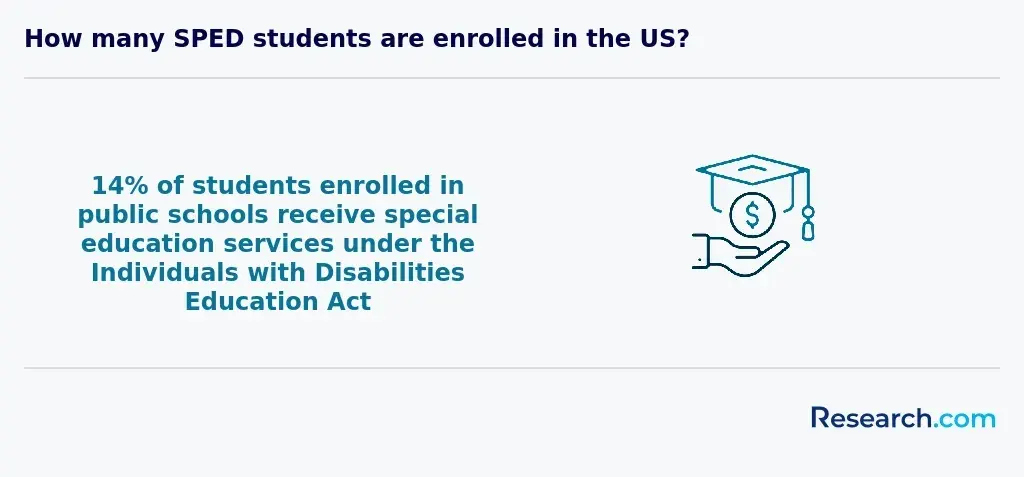
- Individuals with Disabilities Education Act (IDEA): IDEA requires eligible students with disabilities to receive a free appropriate public education (FAPE). For teachers, this means helping develop and implement individualized education programs that address each student’s needs.
- Individualized Education Programs: IEPs guide services, accommodations, goals, progress monitoring, placement, and team responsibilities. Special education teachers must understand how to write, implement, and document IEP services.
- Nebraska Rule 51: Nebraska’s Rule 51 sets requirements for special education services and emphasizes early intervention, collaboration, and appropriate supports for students with disabilities.
- Nebraska Positive Behavioral Interventions and Support: NPBIS encourages proactive approaches to student behavior and school climate. Special education teachers may use these practices to prevent behavioral escalation and improve engagement.
- Every Student Succeeds Act: ESSA emphasizes accountability and high expectations for all students, including students receiving special education services. Teachers must monitor progress and support access to grade-level learning where appropriate.
Teachers who may relocate or compare renewal systems can also examine state-specific guides such as Washington teacher certification renewal. Because certification and renewal rules vary by state, always verify requirements with the appropriate state education agency before making licensure decisions.
Are Scholarships and Grants Available for Future Special Education Teachers?
Financial aid can make the difference between delaying teacher preparation and completing a credential. Nebraska’s special education shortage has increased attention on scholarships, loans, and loan forgiveness options designed to expand the teacher pipeline.
- University scholarships: Nebraska colleges and universities may offer scholarships based on academic performance, financial need, program area, or commitment to teaching. Candidates should check both the education department and the institution’s financial aid office.
- Attracting Excellence to Teaching Program (AETP): This program provides up to $3,000 in loans to eligible candidates pursuing an education degree program in Nebraska. Recipients must commit to full-time work in a public or private school in Nebraska.
- Nebraska Department of Education scholarships: State-supported scholarship opportunities may be available for students pursuing special education degrees or endorsements.
- Loan forgiveness options: LB 964 provides student loan forgiveness of up to 20% for graduates with special education endorsements.
When comparing aid options, read the service commitment carefully. Some programs require recipients to teach in Nebraska for a specific period, work full-time, or teach in an eligible school. Missing those requirements may change a scholarship or forgivable loan into a repayment obligation.
Teachers who want to build leadership capacity as they advance may also explore emerging leader development.
How Can Special Education Teachers Transition to Private Schools?
Special education teachers in Nebraska may choose private school roles for smaller school communities, mission-driven environments, different curriculum models, or more flexible instructional structures. The transition can be rewarding, but expectations may differ from public schools.
Private schools may not always follow the same staffing requirements as public districts, and state licensure may not always be required. Even so, holding a Nebraska teaching certificate and special education endorsement can strengthen a candidate’s credibility and demonstrate professional preparation.
Teachers considering this move should research each school’s approach to disability services, accommodations, family communication, documentation, and inclusive instruction. They should also clarify whether the role involves formal IEP implementation, learning support plans, intervention services, or consultation with general education teachers.
For a closer look at this route, review how to become a private school teacher in Nebraska.
What Other Careers Are Available to Special Education Professionals?
Special education experience can lead to related roles in student support, disability services, advocacy, therapy, consulting, administration, and community programs. Some professionals remain in schools, while others move into clinical, nonprofit, government, or higher education settings.
- Speech-language pathologist: Works with students on communication, language, speech, and swallowing needs. Learn more through how to become a speech language pathologist in Nebraska.
- Special education coordinator: Supports compliance, teacher coaching, service delivery, and program management across schools or districts.
- Disability advocate: Helps families and students understand rights, services, accommodations, and transition options.
- Educational consultant: Advises schools on inclusive practices, intervention models, documentation, or program improvement.
- Behavior specialist: Supports classrooms and teams with behavior intervention planning and data-based decision-making.
What Special Education Teachers in Nebraska Say About Their Careers
- "What keeps me in this work is the team around the student. In Nebraska schools, I regularly collaborate with general education teachers, therapists, and families, and that shared effort makes a real difference for students." - Nolan
- "Special education has made me a more flexible educator. I move from IEP implementation to lesson adaptation to family communication, and the variety keeps the work challenging in a meaningful way." - Saniya
- "The job is demanding, but watching students gain confidence and independence is why I stay. The best moments are often small breakthroughs that show a student is beginning to trust their own ability." - Axel
Related Articles for Nearby States
- 2027 How to Become a Special Education Teacher in Kansas: Requirements & Certification
- 2027 How to Become a Special Education Teacher in South Dakota: Requirements & Certification
- 2027 How to Become a Special Education Teacher in Iowa: Requirements & Certification
- 2027 How to Become a Special Education Teacher in Colorado: Requirements & Certification
- 2027 How to Become a Special Education Teacher in Missouri: Requirements & Certification
- 2027 How to Become a Special Education Teacher in Wyoming: Requirements & Certification
- 2027 How to Become a Special Education Teacher in Minnesota: Requirements & Certification
- 2027 How to Become a Special Education Teacher in Oklahoma: Requirements & Certification
- 2027 How to Become a Special Education Teacher in North Dakota: Requirements & Certification
- 2027 How to Become a Special Education Teacher in Illinois: Requirements & Certification
Common Mistakes to Avoid When Becoming a Special Education Teacher in Nebraska
- Choosing a program without confirming Nebraska approval: Always verify that the program leads to the certificate and endorsement you need.
- Looking only at tuition: Include fees, exams, books, transportation, student teaching costs, and lost income when comparing programs.
- Assuming online means easier: Online programs can be flexible, but they may still require field placements, student teaching, exams, and strict deadlines.
- Ignoring endorsement details: Special education roles can differ by age group, disability area, and service model. Make sure your endorsement matches the jobs you want.
- Underestimating paperwork: IEP documentation and compliance are central parts of the job. Ask programs and employers how they train and support teachers in this area.
- Assuming salary outcomes are guaranteed: Pay depends on district salary schedules, experience, education level, and local contracts.
- Skipping support systems: Mentoring, peer collaboration, and administrator support can strongly affect early-career success and retention.
Key Insights
- Nebraska has a significant special education teacher shortage, with 24% of special education positions unfilled and 210 full-time equivalent positions still unfilled in the 2024-25 school year.
- The standard route is an approved educator preparation program, a bachelor’s degree or higher, student teaching, required exams, background checks, and a Nebraska teaching certificate with the appropriate special education endorsement.
- Most candidates should expect a four-to-six-year timeline if starting from college, although current teachers and degree holders may qualify for shorter endorsement or post-baccalaureate routes.
- Special education teacher salaries in Nebraska commonly fall around $60,000 per year, with experience-based ranges from $38,000 to $45,000 for entry-level teachers and $70,000 or more for some experienced educators.
- Advanced options include special education administration, behavior analysis, consulting, program coordination, early childhood intervention, and related service careers.
- The best program is not simply the cheapest or fastest. It should be Nebraska-approved, financially realistic, field-placement ready, and aligned with your desired endorsement and student population.
- Before accepting a role, ask about caseload, planning time, IEP support, related service staffing, mentoring, and burnout prevention. These factors can shape job satisfaction as much as salary.
References:
- Chibe, M., & Mittlieder, M. (2023, April 21). Nebraska researchers looking to tackle massive special education teacher shortage. Nebraska Now KLKN-TV. https://www.klkntv.com/nebraska-team-looking-to-tackle-the-massive-special-education-teacher-shortage
- National Center for Education Statistics. (2024, May). Students with Disabilities. Condition of Education. https://nces.ed.gov/programs/coe/indicator/cgg/students-with-disabilities
- National Education Association. (2024, April 18). 2024 Educator Pay in America. https://www.nea.org/resource-library/educator-pay-and-student-spending-how-does-your-state-rank
- Nebraska Department of Education. (2023, December). Teacher Vacancy Survey Report. https://www.education.ne.gov/wp-content/uploads/2023/12/2023-TVS-Report-Final.pdf
- ONET OnLine. (2024, October 8). Special education teacher, secondary school. Nebraska Employment Trends. Retrieved October 30, 2024, from https://www.onetonline.org/link/localtrends/25-2056.00?st=NE
- U.S. Bureau of Labor Statistics. (2024, April 3). May 2023 state occupational employment and wage estimates - Nebraska. Occupational Employment and Wage Statistics. https://www.bls.gov/oes/current/oes_ne.htm
- Wendling, Z. (2024, March 12). Special education, reading, computer science and other bills advance from Nebraska committee. Nebraska Examiner. https://nebraskaexaminer.com/2024/03/12/special-education-reading-computer-science-and-other-bills-advance-from-nebraska-committee
Other Things You Should Know About Becoming a Special Education Teacher in Nebraska
In 2027, renewing a special education teaching license in Nebraska requires educators to complete at least six semester hours of college coursework or equivalent professional development within the past five years. Additionally, teachers must ensure their certification aligns with the Nebraska Department of Education standards for license renewal.
In 2027, special education teachers in Nebraska must earn a bachelor's degree in special education, complete a state-approved teacher preparation program, and pass the Praxis exams for special education. Additionally, they must fulfill student teaching requirements as part of their practical training.
Nebraska does not require a specific board exam for special education licensure. Instead, candidates must pass the Praxis Content exams, which include subject area knowledge assessments relevant to special education. This test ensures aspiring special education teachers possess the necessary foundational knowledge and understanding of the principles and practices essential for effectively supporting students with disabilities.