
2027 How to Become an English Teacher in Pennsylvania: Requirements & Certification

Co-Founder and Chief Data Scientist
Becoming an English teacher in Pennsylvania is not just a matter of loving books or writing well. You need the right degree, a state-approved educator preparation route, supervised classroom experience, required assessments, background checks, and an active certificate from the Pennsylvania Department of Education. The process can feel confusing because requirements vary by grade level, program type, and whether you are entering teaching through a traditional or alternative pathway.
This guide explains how to become an English teacher in Pennsylvania in practical terms: what education you need, how certification works, where student teaching fits in, what salary data suggests, how to choose a preparation program, and which add-on credentials may improve your options. It is written for high school students planning a teaching career, college students choosing a major, career changers, and current educators considering English language arts as an additional teaching area.
Quick answer: How do you become an English teacher in Pennsylvania?
To become an English teacher in Pennsylvania, you generally need to earn a bachelor’s degree, complete a Pennsylvania-approved teacher preparation program, finish student teaching, pass the required state assessments, clear background checks and fingerprinting, and apply for certification through the Pennsylvania Department of Education. After certification, teachers must complete continuing education to renew their license every five years.
Key Things You Should Know About Becoming an English Teacher in Pennsylvania
- The need is real, but requirements still matter. Pennsylvania has reported shortages in teaching areas including English. Between the 2011-12 and 2020-21 school years, the number of initial teacher certificates issued for English declined by 60.7%.
- Salary varies widely by district and experience. The average salary range cited for English teachers in Pennsylvania is $49,083 to $74,945 per year, with pay affected by location, collective bargaining agreements, education level, and years of service.
- Rural and urban districts may offer different opportunities. Some districts may have stronger hiring demand, while others may be more competitive or pay more because of local funding, staffing needs, or cost of living.
- Certification is a multi-step process. A degree alone is not enough; you also need an approved preparation program, student teaching, testing, and state approval.
- Career flexibility improves with added credentials. ESOL, literacy, special education, library science, and administrative credentials can expand long-term options for English teachers.
- Steps to become an English teacher in Pennsylvania
- Education requirements for Pennsylvania English teachers
- Certification and licensing process
- Student teaching, internships, and classroom experience
- English curriculum standards in Pennsylvania
- Job market, salary expectations, and benefits
- Professional development and continuing education
- Classroom management and teaching methods
- Alternative teaching paths for English educators
- Career advancement and specialization options
- Long-term career prospects and salary trends
- Common early-career challenges
- Resources and support for new teachers
- Types of teaching certificates in PennsylvaniaNew teacher support checklist
- Scholarships and financial aid
- School librarianship pathways
- Certification timeline
- ESOL certificationLibrary career option
- Interdisciplinary English teaching
- Dual certification options
- Emerging English classroom trends
- Mentorship and induction programsTechnology trendsDual certificationInterdisciplinary teachingSchool librarianshipFinancial aidScholarship planningNew teacher resourcesRelated teacher requirements
How can you become an English Teacher in Pennsylvania?
The clearest route to becoming an English teacher in Pennsylvania is to complete a state-approved teacher preparation pathway and apply for certification after meeting all academic, testing, and background requirements. Pennsylvania’s teacher workforce challenges make new educators important, but schools still expect candidates to demonstrate subject knowledge, classroom readiness, and professional responsibility.
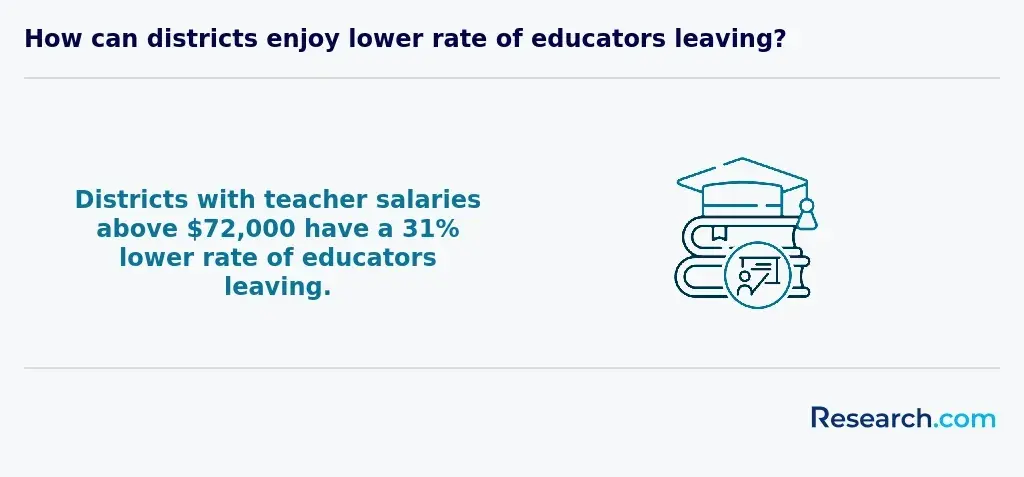
Teacher attrition is one factor behind staffing pressure. Pennsylvania’s attrition rate of 6.2% is lower than the national average of 8%, but turnover among early-career and experienced teachers still affects schools’ ability to fill classrooms. If you want to teach English, the best strategy is to plan backward from certification requirements before choosing a college, graduate program, or alternative route.
| Step | What you need to do | Why it matters |
| 1. Choose the right degree path | Earn a bachelor’s degree in English, education, or a closely related field that aligns with teacher preparation requirements. | Your degree and preparation program must support Pennsylvania certification eligibility. |
| 2. Complete a teacher preparation program | Enroll in a Pennsylvania-approved educator preparation program with English language arts coursework and pedagogy. | This is where you learn lesson planning, assessment, classroom management, and instructional methods. |
| 3. Finish supervised teaching | Complete student teaching or another approved clinical experience in a school setting. | Districts want evidence that you can manage a real classroom, not only pass academic courses. |
| 4. Pass required assessments | Take the state-required exams for your certification area and confirm current testing rules with your program and the Pennsylvania Department of Education. | Testing requirements can change, so relying on outdated exam names can delay certification. |
| 5. Complete background checks | Submit required clearances, including fingerprinting and other background screening steps. | These checks are required for student safety and school employment. |
| 6. Apply for certification | Submit transcripts, test results, program verification, clearances, and required fees through the state process. | You cannot work as a fully certified public school teacher until certification is approved. |
| 7. Search strategically for jobs | Apply to districts, attend education job fairs, strengthen your teaching portfolio, and tailor your resume to English language arts roles. | Hiring committees look for classroom readiness, literacy instruction skills, and fit with district needs. |
If you are still choosing a degree, compare campus and online options carefully. A flexible program can help, but only if it supports certification in Pennsylvania. You can start by reviewing online bachelor’s in education programs, then confirm directly with each school whether the program meets Pennsylvania educator preparation requirements.
What are the educational requirements for becoming an English teacher in Pennsylvania?
Most aspiring English teachers in Pennsylvania begin with a bachelor’s degree connected to English language arts and teacher education. The safest path is a Pennsylvania-approved program that combines subject-area preparation with professional education courses and supervised classroom practice.
- Bachelor’s degree: You typically need a bachelor’s degree in English, English education, secondary education with an English concentration, or a related field accepted by your preparation program.
- English content coursework: Strong programs usually include literature, composition, grammar, linguistics, rhetoric, adolescent literacy, and writing instruction.
- Pedagogy coursework: Future teachers study lesson design, assessment, classroom management, educational psychology, literacy development, and instruction for diverse learners.
- Approved teacher preparation: Completing a general English degree without an approved teacher preparation component may leave you short of certification requirements.
- Subject competency: Pennsylvania expects candidates to demonstrate they can teach English language arts effectively, usually through coursework, program evaluation, and required assessments.
Accreditation and state approval are essential. Before enrolling, ask the college whether the program is approved by the Pennsylvania Department of Education for the exact certificate you want. Do not assume that every education degree, online degree, or out-of-state program automatically leads to Pennsylvania certification.
| Program option | Best for | Watch out for |
| Bachelor’s in English education | First-time college students who want the most direct preparation for teaching English. | Confirm the grade band and certificate area the program supports. |
| Bachelor’s in English plus teacher preparation | Students who want deep content study and a structured route into teaching. | You may need careful advising to fit all education and field requirements into your plan. |
| Post-baccalaureate certification | Career changers or English majors who already hold a bachelor’s degree. | Program length, testing, and clinical placement requirements can vary. |
| Master’s with certification | Degree holders who want graduate study while preparing for certification. | Graduate tuition can be higher, so compare cost, aid, and completion timeline. |
If you are comparing teacher education rules across states, requirements can differ significantly. For example, teacher education requirements in Nevada may not match Pennsylvania’s process, so use state-specific guidance before making enrollment decisions.
What is the certification and licensing process for an English teacher in Pennsylvania?
The Pennsylvania Department of Education oversees teacher certification. For English teachers, the process is designed to confirm that candidates understand English language arts content, know how to teach adolescents or the relevant grade band, and meet professional and safety requirements.
- Complete an eligible degree and preparation program. Your college or certification program should verify that you completed the required coursework and clinical experiences.
- Pass required state assessments. Candidates must complete the exams currently required for their certificate area. Always verify current testing requirements with your preparation program and the Pennsylvania Department of Education, because exam names and codes can change.
- Complete background checks and fingerprinting. Pennsylvania requires educator clearances to protect students and maintain safe school environments.
- Submit a certification application. You will need documentation such as transcripts, program verification, test scores, clearances, and applicable fees.
- Monitor application status. Processing times can vary, so apply as early as your program permits and respond quickly if the state requests additional documentation.
- Maintain certification. Once licensed, you must keep up with renewal and continuing education requirements. Pennsylvania certificates must be renewed every five years.
New teachers should also understand compensation expectations before borrowing for a degree. The salary for new English teachers in Pennsylvania is described as only a little more than $49,000, while experienced teachers may earn more depending on district contracts and credentials. If you are comparing education-related careers, reviewing a separate benchmark such as the child development degree salary range may help you think through long-term return on investment.
How important is teaching experience and what are the internship opportunities for English teachers in Pennsylvania?
Teaching experience is one of the most important parts of preparation because it shows whether you can translate English content knowledge into effective instruction. Pennsylvania candidates typically complete student teaching as part of their educator preparation program, and the certification process includes a minimum of 12 weeks of student teaching.
Student teaching is not just a graduation requirement. It is where you practice planning units, teaching lessons, assessing writing, leading discussions, supporting struggling readers, managing behavior, and adjusting instruction when students do not understand the material.
How to make student teaching count
- Ask for specific feedback. Instead of asking whether a lesson “went well,” ask your mentor teacher about pacing, questioning, student engagement, and assessment.
- Keep evidence for your portfolio. Save lesson plans, student work samples where permitted, reflection notes, rubrics, and assessment examples.
- Practice teaching different texts and writing tasks. Hiring teams may ask how you teach novels, poetry, informational texts, argument writing, grammar, and research skills.
- Learn school routines. Attendance procedures, parent communication, IEP/504 collaboration, grading policies, and technology platforms are part of the job.
- Build professional references. Your mentor teacher, university supervisor, and placement school administrators may become important references.
If you are not yet eligible for student teaching, consider tutoring, substitute work if permitted, after-school literacy programs, summer camps, teaching assistant roles, or volunteering in educational settings. These experiences do not replace required clinical practice, but they can help you confirm that teaching is the right fit.
What are the standards and curriculum requirements for teaching English in Pennsylvania?
English teachers in Pennsylvania are expected to align instruction with the Pennsylvania Core Standards for English Language Arts. These standards focus on reading, writing, speaking, listening, language, and literacy across content areas. For teachers, the practical question is not simply “What book should I teach?” but “What should students be able to analyze, write, discuss, and demonstrate by the end of the unit?”
The Pennsylvania State Literacy Plan also emphasizes literacy development from birth through grade 12. For English teachers, that means instruction should support comprehension, vocabulary, writing development, critical thinking, and communication skills for students with different levels of readiness.
| Curriculum area | What English teachers should plan for |
| Reading | Teach students to interpret literary and informational texts, cite evidence, analyze structure, and understand complex language. |
| Writing | Build skills in argument, informative writing, narrative writing, revision, research, grammar, and audience awareness. |
| Speaking and listening | Use discussions, presentations, debates, peer review, and collaborative tasks to develop communication skills. |
| Language | Teach vocabulary, conventions, usage, sentence structure, and style in context rather than as disconnected drills. |
| Technology | Use digital tools for drafting, research, collaboration, feedback, publishing, and media analysis when they improve learning. |
| Equity and access | Select diverse texts and provide supports for English learners, students with disabilities, advanced learners, and students reading below grade level. |
Strong English instruction usually combines standards alignment with student relevance. A unit can include classic literature, contemporary texts, digital media, research, writing workshops, and discussion protocols, as long as each activity serves a clear learning goal. Teachers interested in creative and visual communication may also find ideas in an affordable online MFA program, though an MFA alone is not a substitute for Pennsylvania teacher certification.
What is the job market like and what are the salary expectations for English teachers in Pennsylvania?
English teacher hiring in Pennsylvania depends heavily on district location, budget, student enrollment, retirements, and the number of certified candidates available in a given year. The broader teacher shortage creates openings in some communities, but applicants should still expect competitive hiring in well-resourced districts or popular geographic areas.
Salary data should be read carefully. The average base salary for new teachers, including English teachers, is described as around $49,000 annually. Experienced teachers average nearly $75,000 according to recent data from the National Education Association, but actual compensation can differ by district, degree level, years of service, and negotiated contracts.
| Factor | How it can affect pay or hiring |
| District location | Urban areas such as Philadelphia and Pittsburgh may offer higher salaries, while some rural districts may start around $50,000 but have different cost-of-living considerations. |
| Experience | Teachers usually move along salary schedules as they gain years of service. |
| Graduate education | Some districts provide higher pay lanes for advanced degrees or approved graduate credits. |
| Hard-to-staff schools | Some schools may have more frequent openings because of staffing needs, turnover, or local shortages. |
| Benefits | Health insurance, retirement plans, paid time off, and other benefits can significantly affect total compensation. |
Before accepting a position, review the district salary schedule, benefits, induction support, class load, planning time, curriculum expectations, and commute. A higher salary may not always offset a heavier workload or higher living costs.

What professional development and continuing education opportunities are available for English teachers in Pennsylvania?
Professional development is not optional for Pennsylvania teachers; it is part of maintaining certification and improving classroom practice. English teachers need continuing education in literacy instruction, writing pedagogy, assessment, technology, inclusive teaching, and support for multilingual learners.
- District workshops: Many districts provide training on curriculum, assessment systems, classroom technology, literacy interventions, and schoolwide initiatives.
- Graduate courses and certificate programs: Teachers who want deeper expertise may pursue additional study in literacy, curriculum, ESOL, special education, instructional technology, or leadership.
- Virtual professional learning: Online workshops and institutes can be useful for teachers balancing full-time teaching with continuing education requirements.
- Professional networks: Organizations such as the Philadelphia Writing Project and the Penn Literacy Network can help teachers exchange resources, study student writing, and improve instruction.
- Equity and inclusion training: Professional learning focused on culturally responsive teaching, English learners, and inclusive classroom practice can help teachers serve diverse student populations more effectively.
Teachers who want to broaden their preparation beyond secondary English may also compare related education degrees, including online early childhood education degrees, but should confirm which credentials lead to the specific Pennsylvania certificate they need.
What are effective classroom management strategies and teaching methods for English teachers in Pennsylvania?
English teachers manage a classroom differently from teachers in some other subjects because discussion, interpretation, writing workshop, peer review, reading time, and group work all require students to participate actively. A strong classroom culture helps students take intellectual risks while still meeting behavioral and academic expectations.
- Set routines early. Establish clear expectations for entering class, using devices, discussing sensitive topics, submitting writing, working in groups, and asking for help.
- Teach discussion skills explicitly. Students need models for citing evidence, disagreeing respectfully, building on another student’s idea, and asking meaningful questions.
- Use differentiated instruction. In Pennsylvania, 97.9% of public school teachers have control over selecting their teaching methods, according to the National Center for Education Statistics. That professional discretion makes it important to adapt materials for different reading levels, language backgrounds, and learning needs.
- Balance structure and student choice. Choice in reading topics, writing formats, or project products can improve engagement when paired with clear rubrics and deadlines.
- Give frequent formative feedback. Short conferences, exit tickets, annotation checks, draft comments, and peer review can reveal misunderstandings before major assignments are due.
- Use technology deliberately. Learning platforms, shared documents, digital annotation tools, and multimedia projects are useful when they support reading, writing, collaboration, or feedback.
- Build relationships without lowering standards. Students are more likely to persist with difficult texts and writing tasks when they feel known, respected, and supported.
Are there alternative teaching paths for English educators in Pennsylvania?
Yes. English educators in Pennsylvania can sometimes broaden their options by pursuing related certificates, alternative preparation routes, or roles outside a traditional secondary English classroom. The right path depends on your current degree, whether you already hold certification, and the age group or setting you want to teach.
For example, an English teacher who enjoys foundational literacy may explore elementary education. Research.com’s guide on how to become an elementary school teacher in Pennsylvania explains a related route for educators who want to work with younger students. Career changers should ask programs whether prior English coursework can satisfy content requirements or whether additional coursework is needed.
What are the career advancement opportunities and specializations for English teachers in Pennsylvania?
English teaching can lead to several advancement paths, but most require deliberate planning. A teacher who wants to move into leadership, coaching, curriculum, or specialized instruction should identify the required credential early and choose professional development accordingly.
| Career direction | Possible role | Preparation to consider |
| Instructional leadership | Department chair, team leader, curriculum coordinator | Strong teaching record, curriculum experience, leadership training, and sometimes graduate coursework. |
| School administration | Assistant principal, principal, instructional supervisor | Additional certifications such as Principal Certification or Supervisor of Curriculum and Instruction endorsement may be required. |
| Literacy specialization | Reading specialist, literacy coach, intervention coordinator | Graduate-level literacy coursework and any required Pennsylvania endorsements or certifications. |
| Multilingual learner support | ESOL teacher or English learner support specialist | ESOL coursework and certification requirements. |
| Policy or curriculum work | District curriculum writer, assessment specialist, committee member | Experience with standards, assessment design, data analysis, and curriculum alignment. |
| National recognition | Advanced classroom teacher or mentor | National Board for Professional Teaching Standards certification may strengthen professional standing. |
Advancement should not be measured only by title. Some teachers prefer to remain in the classroom while becoming master teachers, mentors, writing specialists, or curriculum leaders. Others pursue administrative credentials because they want to influence schoolwide practice.
What are the long-term career prospects and salary trends for English teachers in Pennsylvania?
Long-term prospects for English teachers depend on staffing demand, district budgets, retirements, teacher retention, and the teacher’s willingness to continue learning. Career growth often comes through experience, graduate credits, advanced degrees, added certifications, department leadership, mentoring, curriculum writing, or school administration.
Salary growth is usually tied to district salary schedules rather than one universal statewide rate. Teachers who earn approved graduate credits or advanced degrees may move into higher pay lanes in some districts, while those who take on leadership roles may qualify for stipends or administrative salary structures. For a comparison with another education-related profession, review Research.com’s guide to CCC SLP salary.
How can new English teachers overcome common early-career challenges?
New English teachers often face a difficult first year because they are building curriculum, learning school systems, managing classroom behavior, grading large amounts of writing, and adapting instruction for students with varied reading levels. The solution is not to work endlessly; it is to build repeatable systems.
| Common challenge | Better approach |
| Trying to grade every sentence in every essay | Use focused rubrics, targeted comments, writing conferences, and revision cycles. |
| Planning lessons one day at a time | Design units around standards, essential questions, assessments, and text sets. |
| Assuming students know how to discuss literature | Teach discussion norms, sentence stems, evidence use, and accountable talk routines. |
| Using only whole-class novels | Mix novels with short stories, poems, essays, speeches, articles, and student-choice reading when appropriate. |
| Handling difficult behavior alone | Use mentor teachers, administrators, counselors, families, and documented intervention plans. |
Cross-disciplinary thinking can also help. For example, strategies used in visual arts classrooms may offer useful models for critique, creative expression, and project-based learning. Research.com’s guide on how to become an art teacher in Pennsylvania can provide a different perspective on classroom engagement.
What resources and support are available for new English teachers in Pennsylvania?
New English teachers should not try to navigate certification, curriculum, classroom management, and professional growth alone. Pennsylvania educators can draw on state guidance, district induction programs, mentor teachers, professional networks, and school-based teams.
- Pennsylvania Department of Education guidance: State-level information helps teachers understand certification, curriculum, English learner policies, and continuing education expectations.
- District induction programs: Many new teachers receive structured support during the first years of employment, including observations, mentoring, and professional learning.
- Mentor teachers: Experienced colleagues can help with grading systems, parent communication, lesson pacing, and school culture.
- Teacher organizations and networks: Professional communities can provide lesson ideas, writing instruction resources, conference opportunities, and peer support.
- School-based support teams: Counselors, special education teachers, English learner specialists, librarians, and instructional coaches can help teachers meet student needs.
- Instructional portals and materials: State and district portals may provide lesson resources, standards support, and guidance for English learners.
The strongest new teachers ask for help early, observe experienced colleagues, and document what works. Mentorship is not a sign of weakness; it is one of the fastest ways to become effective.
What are the types of teaching certificates in Pennsylvania?
Pennsylvania offers several certification options depending on an educator’s preparation, experience, and intended role. Most new English teachers pursue an initial instructional certificate after completing an approved preparation program, but other routes may apply to substitute teachers, career changers, out-of-state educators, or teachers seeking additional endorsements.
The certificate you need depends on the grade level and subject you want to teach. Before paying for a program, compare the certificate it leads to, the clinical requirements, and whether it is recognized by the Pennsylvania Department of Education. If cost is a major factor, Research.com’s guide to the types of teaching certificates in Pennsylvania can help you compare lower-cost credential routes.
How can interdisciplinary teaching approaches enrich English classrooms in Pennsylvania?
Interdisciplinary teaching can make English language arts more relevant by connecting literature, writing, history, media, music, science, and civic issues. For example, students might analyze protest songs alongside poetry, write arguments based on historical documents, or create multimedia interpretations of a novel.
Music education offers useful models for rhythm, performance, collaboration, and interpretation. Teachers interested in multisensory or arts-integrated strategies may find ideas by reviewing music teaching qualifications in Pennsylvania. The goal is not to turn English class into another subject, but to help students see language as part of culture, identity, communication, and public life.
Could dual certification broaden career opportunities for English teachers in Pennsylvania?
Dual certification can improve flexibility, especially in districts that need teachers who can serve more than one student population or instructional area. English teachers may consider add-on credentials in ESOL, special education, literacy, library science, or another subject area, depending on their interests and district demand.
However, dual certification is only worth the time and cost if it supports your career goals. Ask whether the added credential will qualify you for additional roles, increase hiring competitiveness, or support salary advancement. Educators interested in language and communication-related pathways can also review Pennsylvania SLP license requirements to understand how specialized student support careers differ from classroom teaching.
What emerging trends are shaping English classrooms in Pennsylvania?
English classrooms are changing as schools respond to digital media, artificial intelligence tools, multilingual learners, literacy gaps, and demand for stronger communication skills. Teachers now need to help students read deeply, evaluate sources, write clearly, discuss complex issues, and use technology responsibly.
- AI and writing instruction: Teachers increasingly need policies and assignments that distinguish brainstorming, feedback, drafting, revision, and academic honesty.
- Media literacy: Students must learn how to evaluate online sources, recognize bias, verify claims, and understand how texts shape public opinion.
- Blended learning: Digital platforms can support collaboration, feedback, and differentiated practice when paired with strong instruction.
- Diverse and relevant texts: Districts are paying more attention to representation, student engagement, and culturally responsive teaching.
- Cross-curricular literacy: Reading and writing skills are increasingly treated as shared responsibilities across subjects.
English teachers can learn from other humanities disciplines as well. Research.com’s guide on how to become a high school history teacher in Pennsylvania shows how evidence, interpretation, and discussion skills also shape social studies instruction.
How can mentorship and induction programs support new English teachers in Pennsylvania?
Mentorship and induction programs help new English teachers move from theory to daily classroom practice. A good induction program provides structured observations, feedback, coaching, professional learning, and time to reflect on what is working.
New English teachers should use mentorship for practical questions: how to manage essay grading, how to handle parent communication, how to support students reading below grade level, how to adapt units, and how to pace a writing assignment. Peer collaboration is equally valuable because teachers can share rubrics, text sets, discussion protocols, and assessment ideas.
Looking across subjects can also strengthen practice. For example, the evidence-based discussion routines used in history courses may improve literary analysis and argument writing. Research.com’s guide to high school history teacher requirements in Pennsylvania offers a related view of humanities teaching.
What scholarships and financial aid options are available for aspiring English teachers in Pennsylvania?
Financial planning matters because teacher preparation can include tuition, fees, textbooks, testing costs, transportation to field placements, certification fees, and unpaid student teaching time. Aspiring English teachers should look for aid early instead of waiting until they are already enrolled.
- Federal TEACH Grant: The federal TEACH Grant can provide up to $4,000 annually for eligible students who commit to teaching high-need subjects, including English, in lower-income schools for at least four years within eight years of graduating. Students must understand the service obligation because grants can convert to loans if requirements are not met.
- PHEAA Teacher Loan Forgiveness Program: Pennsylvania’s state-specific loan forgiveness option through the Pennsylvania Higher Education Assistance Agency is designed to support educators working in critical shortage areas.
- University scholarships: Institutions such as Penn State and Temple University may offer merit-based scholarships, grants, or education-major funding for future teachers.
- District and local scholarships: Some school districts, community foundations, and local organizations support students preparing for education careers.
- Program-based aid: Graduate certification programs may offer assistantships, tuition discounts, or cohort-based support, depending on the institution.
Before borrowing, compare total program cost, certification outcomes, time to completion, transfer credit policies, and job placement support. For broader guidance on teacher preparation in the state, review what degree you need to be a teacher in Pennsylvania.
How do English teacher certification requirements differ from those of other subjects?
English teacher certification focuses on language arts content and pedagogy: reading, writing, literature, language, communication, and assessment. Other subject areas require different competencies. For instance, physical education certification includes knowledge of movement, health, safety, fitness, and instructional methods specific to physical activity.
If you are deciding between teaching areas or considering cross-certification, compare the coursework, testing, field experience, and employment expectations for each subject. Research.com’s guide to physical education teacher certification requirements shows how subject-specific preparation can differ.
Could an English teaching background open doors to school librarianship in Pennsylvania?
Yes. English teachers often bring strong skills in reading instruction, research, information evaluation, writing support, and student engagement, all of which can transfer well to school librarianship. A school librarian role may allow an educator to support literacy across grade levels, help students conduct research, teach information literacy, and collaborate with classroom teachers.
The transition usually requires additional library science preparation or certification. If you are interested in that path, review Research.com’s guide on how to be a school librarian in Pennsylvania before enrolling in a program.
How long is the certification process for English teachers in Pennsylvania?
The timeline depends on your starting point. A first-time college student usually needs to complete a bachelor’s degree, teacher preparation coursework, student teaching, assessments, clearances, and the certification application. A career changer who already has a bachelor’s degree may finish faster through a post-baccalaureate or graduate certification route, but still must meet Pennsylvania’s clinical and testing requirements.
Because program calendars, test readiness, student teaching placements, and state processing times vary, candidates should ask each program for a realistic timeline from enrollment to certification eligibility. For a broader breakdown, see Research.com’s guide on how long it takes to get a teaching certificate in Pennsylvania.
Should I pursue ESOL certification as an English teacher in Pennsylvania?
ESOL certification can be a strong add-on for English teachers who want to support multilingual learners. It can help teachers understand language acquisition, culturally responsive instruction, academic vocabulary development, scaffolding, and assessment for students learning English.
ESOL can be especially valuable in districts with growing multilingual populations or schools where English teachers regularly work with English learners in mainstream classrooms. Still, it requires time and coursework, so compare the cost with your career goals. For the specific pathway, review Pennsylvania ESOL certification requirements.
Common mistakes to avoid when preparing to become an English teacher in Pennsylvania
| Mistake | Why it can hurt you | Better decision |
| Choosing a program without checking state approval | You may graduate without meeting Pennsylvania certification requirements. | Ask the school to confirm the exact Pennsylvania certificate the program leads to. |
| Looking only at tuition | Fees, testing, transportation, unpaid student teaching, and certification costs can change the real price. | Compare total cost of attendance and required out-of-pocket expenses. |
| Assuming online means certification-ready | Some online programs are not designed for Pennsylvania licensure or may require local placements. | Verify state authorization, student teaching arrangements, and Pennsylvania approval. |
| Waiting too long to complete clearances | Delayed background checks can interrupt field placements or student teaching. | Follow your program’s clearance timeline exactly and keep copies of documentation. |
| Ignoring district salary schedules | Average salary figures do not show what you will earn in a specific district. | Review the contract, salary lanes, benefits, and stipends before accepting a job. |
| Relying on old testing information | Exam requirements can change, and outdated names may cause confusion. | Confirm current assessment requirements with your program and the Pennsylvania Department of Education. |
Questions to ask before choosing an English teacher preparation program
- Is the program approved by the Pennsylvania Department of Education for the English teaching certificate I want?
- What grade levels will I be eligible to teach after completing the program?
- How many field hours and student teaching weeks are required?
- Who arranges student teaching placements, and where are they usually located?
- What are the program’s pass rates or support systems for required assessments?
- Can transfer credits, prior coursework, or prior teaching-related experience reduce my time to completion?
- What is the total cost, including tuition, fees, testing, clearances, and certification application expenses?
- Does the program offer career services, job fairs, mentor support, or district partnerships?
- If the program is online, how are field placements handled in Pennsylvania?
- Will the program help me add ESOL, literacy, special education, or another credential later?
Key Insights
- Becoming an English teacher in Pennsylvania requires more than an English degree; you need an approved educator preparation pathway, clinical experience, testing, clearances, and state certification.
- The shortage context creates opportunity, especially as initial English certificates declined by 60.7% between the 2011-12 and 2020-21 school years, but candidates still need to meet all Pennsylvania requirements.
- Salary expectations should be district-specific. New teacher pay is described as around $49,000, while experienced teachers average nearly $75,000 according to NEA data, but actual pay depends on location, contract terms, degree level, and experience.
- Student teaching matters because it builds the practical skills hiring committees care about: lesson planning, classroom management, writing instruction, assessment, and student engagement.
- Program choice is the biggest early decision. Before enrolling, verify state approval, certification outcomes, student teaching placement support, total cost, and testing requirements.
- ESOL, literacy, library science, special education, and leadership credentials can expand career options, but they should be pursued only when they align with your goals and local job demand.
- New English teachers are most successful when they use mentorship, build sustainable grading systems, seek feedback, and continue developing their literacy instruction skills.
Related Articles for Nearby States
- 2027 How to Become an English Teacher in New Jersey: Requirements & Certification
- 2027 How to Become an English Teacher in Delaware: Requirements & Certification
- 2027 How to Become an English Teacher in Maryland: Requirements & Certification
- 2027 How to Become an English Teacher in New York: Requirements & Certification
- 2027 How to Become an English Teacher in West Virginia: Requirements & Certification
- 2027 How to Become an English Teacher in Ohio: Requirements & Certification
- 2027 How to Become an English Teacher in Virginia: Requirements & Certification
- 2027 How to Become an English Teacher in Connecticut: Requirements & Certification
- 2027 How to Become an English Teacher in Rhode Island: Requirements & Certification
- 2027 How to Become an English Teacher in Massachusetts: Requirements & Certification
References:
- National Education Association. (2023, April 24). Educator pay data. National Education Association | NEA. Retrieved September 10, 2024.
- NCES. (2022). NTPS state dashboard, 2020–21 | Pennsylvania. National Center for Education Statistics. Retrieved September 10, 2024.
- PA Department of Education. (2024). English as a second language: Educating English learners. Pennsylvania Department of Education. Retrieved September 10, 2024.
- PA Department of Education. (2024). Continuing education and professional development. Pennsylvania Department of Education. Retrieved September 10, 2024.
Other Things You Should Know About Becoming an English Teacher in Pennsylvania
When considering a career as an English teacher in Pennsylvania, you may wonder if an accelerated English degree program is the right path for you. The answer is a resounding yes but with some important considerations.
Accelerated programs are designed to fast-track your education, allowing you to earn your degree in a shorter time frame—often in just one to two years. This can be particularly appealing if you’re eager to enter the workforce quickly. However, it’s essential to ensure that the program you choose is accredited and meets Pennsylvania's certification requirements.
- Viability: Accelerated programs are increasingly recognized by schools and educational institutions. Many graduates find that they are well-prepared for the classroom, having engaged in intensive coursework that covers essential teaching methodologies and literature analysis.
- Competency: While the speed of these programs can be daunting, they often emphasize practical teaching experiences. This hands-on approach can enhance your competency as an educator, equipping you with the skills needed to engage students effectively.
- Return on Investment (ROI): The financial aspect is crucial. According to the National Education Association, teachers in the state earn an average salary of around $75,000 annually. By completing an accelerated program, you can enter the workforce sooner, potentially increasing your lifetime earnings. Additionally, many programs offer financial aid options, making this path more accessible.
In conclusion, an accelerated English degree program can be a wise choice for aspiring English teachers in Pennsylvania. It offers a blend of speed, practical experience, and a solid return on investment. As you embark on this journey, remember that your passion for teaching and literature will be your greatest asset in shaping young minds. Embrace the challenge, and you’ll find that the rewards are well worth the effort.
Becoming an English teacher in Pennsylvania is a rewarding journey, and yes, foreigners can indeed work as English teachers in the state! However, there are specific steps and requirements to navigate.
To start, you will need a bachelor’s degree, preferably in English, Education, or a related field. If you hold a degree from outside the United States, it’s essential to have your credentials evaluated by a recognized agency to ensure they meet Pennsylvania’s standards.
Next, obtaining a teaching license is crucial. In Pennsylvania, this involves passing the Praxis exams, which assess your knowledge and skills in teaching. Additionally, you must complete a teacher preparation program, which can often be done through universities that offer programs tailored for international candidates.
Here are some key points to consider:
- Visa Requirements: Foreigners typically need a work visa, such as an H-1B visa, to teach in Pennsylvania. This process often requires sponsorship from a school district.
- English Proficiency: Non-native speakers must demonstrate proficiency in English, usually through standardized tests like the TOEFL or IELTS.
- Background Checks: All teachers in Pennsylvania must undergo background checks, including child abuse clearances and criminal history checks.
- Cultural Adaptation: Familiarizing yourself with American educational practices and cultural nuances will enhance your teaching effectiveness and help you connect with students.
By following these steps and meeting the requirements, you can embark on a fulfilling career as an English teacher in Pennsylvania. Remember, your unique perspective as a foreigner can enrich the classroom experience for your students, making your journey all the more impactful. Embrace the challenge, and let your passion for teaching shine!
In 2027, Pennsylvania English teachers maintain certification by completing required continuing education credits every five years. They must also adhere to the PA Code of Professional Practice and conduct, ensuring ethical standards in their professional roles while fulfilling their contractual and legal obligations. **Question** How can someone begin teaching English in Pennsylvania with an emergency certification? **Answer** To begin teaching English in Pennsylvania with an emergency certification in 2027, candidates need a bachelor's degree and must secure a position in a school district that cannot find a fully certified teacher. The emergency permit is usually temporary and requires enrollment in a teacher preparation program. **Question** Is an accelerated English degree program advisable to become an English teacher in Pennsylvania? **Answer** An accelerated English degree program can be beneficial in 2027 for those who wish to enter the teaching field quickly. However, prospective teachers must still complete a state-approved certification program and meet all testing requirements to become licensed in Pennsylvania. **Question** Can a foreigner work as an English teacher in Pennsylvania? **Answer** In 2027, a foreigner can work as an English teacher in Pennsylvania if they possess a valid visa, have completed equivalent educational qualifications, and obtain certification through the Pennsylvania Department of Education. Verification of credentials and proficiency in English may be required.





