
2027 How to Become a Preschool Teacher in California: Requirements & Certification

Co-Founder and Chief Data Scientist
Becoming a preschool teacher in California is not just a matter of loving young children. You need the right early childhood education coursework, supervised experience, a clear understanding of the Child Development Permit system, and a plan for meeting renewal and professional development rules. California already employs over 48,000 preschool teachers, yet many aspiring educators still find the path confusing because requirements vary by role, setting, education level, and career goal.
This guide explains how to become a preschool teacher in California in practical terms: what degree or coursework you may need, how the Child Development Permit works, what experience counts, how online and alternative pathways compare, and how to choose a program without wasting time or money. It is written for career changers, teaching assistants, recent high school graduates, current early childhood workers, and anyone comparing preschool teaching with related education careers.
Quick answer: How do you become a preschool teacher in California?
Most preschool teaching roles in California require a Child Development Permit issued through the California Commission on Teacher Credentialing (CTC). A common starting point is completing at least 12 units in early childhood education or child development, gaining qualifying experience in a licensed child care program, completing required background checks, and submitting documentation to the CTC. Higher-level roles, such as lead teacher, site supervisor, program director, or specialist positions, usually require more coursework, experience, and sometimes a bachelor’s degree or advanced preparation.
Key things to know before you start
- The CTC is the main credentialing authority. The California Commission on Teacher Credentialing sets the rules for Child Development Permits and related teaching credentials.
- The Child Development Permit is central. Candidates commonly begin with a permit pathway that includes at least 12 units in early childhood education, including child development, curriculum, and program planning.
- Experience matters. One common requirement is a minimum of 175 days of experience in a licensed child care program.
- There is usually no single preschool licensing exam. Coursework and supervised experience are the main evidence of readiness, although higher-level permit options may involve the California Basic Educational Skills Test (CBEST) or an approved equivalent.
- Applications require documentation. Applicants generally submit an application, transcripts or other proof of education, experience verification, background clearance information, and a processing fee. The CTC typically processes applications within 30 days, although timing can change with application volume.
- Renewal is part of the career. Child Development Permits must be renewed every five years, and educators should plan for continuing professional development throughout their careers.
- Degree and coursework requirements for California preschool teachers
- Alternative and flexible certification pathways
- Steps to get a California preschool teaching permit
- Continuing education and renewal requirements
- Preschool teaching specializations in California
- Career advancement options for preschool teachers
- California regulations that affect preschool classrooms
- California preschool teacher job outlook
- Skills preschool teachers need to succeed
- Common challenges in California preschool teaching
- Career pathways beyond preschool teaching and related classroom challenges
- How to choose a teaching credential program
- Instructional technology in preschool classrooms
- Supporting ESL and bilingual preschool learners
- Financial aid for aspiring preschool teachers
- Building a support network
- Mentorship opportunities for preschool teachers
- Professional networking in California early childhood education
- Using creative arts in preschool instruction
- Benefits of music education in preschool
- Cultural competency in preschool teaching
- Changes in California teacher certification requirements
- Moving into private school teaching roles
- Online preschool teacher certification options
- Expanding into special education
- Supporting special needs learners, related online options, cultural competency, support networks, financial aid, planning checklist, and final takeaways
What degree do I need to become a preschool teacher in California?
California preschool teachers usually need early childhood education or child development coursework, and many employers prefer or require an associate’s degree in early childhood education for classroom teaching roles. A degree is not only a hiring credential; it helps teachers understand child development, behavior, family engagement, developmentally appropriate curriculum, observation, and assessment.
The right degree depends on the role you want. An associate’s degree can prepare you for entry-level preschool teaching positions, while a bachelor’s degree can make you more competitive for lead teacher, public program, administrative, or specialized roles. Students interested in child development career outcomes can also compare related programs such as online bachelor’s degrees in child development.
| Education option | Typical time commitment | Best fit | Career impact |
| Required ECE or child development units | Varies by student and institution | Students seeking a Child Development Permit pathway or an entry point into preschool work | Can help meet the minimum coursework requirement for certain permit levels |
| Associate’s degree in early childhood education | Typically two years of study | Future preschool teachers who want a structured, career-focused foundation | Often supports entry-level teaching roles; the California Community Colleges Chancellor's Office reports an average salary of approximately $36,000 annually for preschool teachers with an Associate's Degree |
| Bachelor’s degree in early childhood education or child development | Typically four years of study | Teachers aiming for lead classroom, director, public program, or graduate-study options | Can expand advancement opportunities; the California Community Colleges Chancellor's Office reports that those with a Bachelor's Degree can earn upwards of $50,000 |
Accreditation matters when choosing a program. Look for institutions recognized by appropriate accrediting bodies and confirm that coursework will be accepted for the permit level you want. Programs aligned with standards from organizations such as the National Association for the Education of Young Children (NAEYC) may offer stronger preparation, but you should still verify California-specific requirements before enrolling.
Who should choose an associate’s degree?
- Students who want a lower-cost route into the early childhood workforce.
- Teaching assistants who need formal coursework to qualify for a permit.
- Career changers who want a practical foundation before committing to a bachelor’s degree.
- Students planning to transfer credits later into a four-year program.
Who should consider a bachelor’s degree?
- Teachers who want more competitive options for lead teacher or director roles.
- Students interested in public preschool, curriculum leadership, or policy work.
- Educators who may later pursue special education, elementary education, or graduate study.
- Teachers who want stronger long-term mobility within education.
What are alternative certification programs for becoming a preschool teacher in California?
Alternative certification pathways can help adults enter preschool teaching without following a traditional full-time campus route from the start. These options are most useful for people who already work in early childhood settings, hold college credits in another field, or need online or part-time coursework while employed.
Unlike traditional programs, which usually follow a fixed sequence of coursework and supervised student teaching, alternative routes often combine work experience with required classes. The CTC still determines whether the candidate meets California’s standards, so flexibility does not mean fewer requirements.
| Pathway | How it works | Best for | What to verify |
| Traditional ECE degree program | Students complete a planned sequence of early childhood education courses and supervised practice | New college students or those who want a structured academic path | Accreditation, transfer policy, field placement support, and permit alignment |
| Work-and-study route | Candidates work in a licensed child care setting while completing required units | Teaching assistants, aides, and career changers already employed in preschools | Whether the work experience satisfies CTC documentation rules |
| University or district internship-style pathway | Candidates gain classroom experience while completing coursework | Adults who need practical training and income while preparing for certification | Supervision quality, eligibility rules, and whether the program applies to preschool roles |
| Online coursework option | Students complete theory-based classes remotely while arranging local experience | Working adults, caregivers, and students far from campus | Whether online classes are accepted for the intended Child Development Permit |
Can teaching assistants become preschool teachers?
Yes. A teaching assistant can often use classroom experience as a practical foundation for becoming a preschool teacher, provided the experience is documented properly and paired with the required early childhood education coursework. If you are comparing assistant and lead teacher roles, reviewing how to become a teacher assistant in California can help clarify the entry-level side of the field.
What should career changers watch for?
- Do not assume a degree in another subject automatically meets preschool permit requirements.
- Ask whether prior college credits can transfer into an ECE or child development program.
- Confirm whether field experience must be paid, supervised, completed in a licensed setting, or verified by an employer.
- Remember that teacher certification rules differ by state; for comparison, see how another state handles Wisconsin teacher certification renewal.
How do you get a preschool teaching license in California?
California generally uses the Child Development Permit system for preschool teaching rather than a single preschool “license.” To qualify, candidates must document the required education, experience, and clearance steps for the permit level they are seeking.
Step-by-step process
- Choose your target role. Decide whether you are preparing for an assistant, associate teacher, teacher, master teacher, site supervisor, or program director role.
- Complete required coursework. Many candidates begin with at least 12 units in early childhood education or child development.
- Gain qualifying experience. A common requirement is at least 175 days of experience in a licensed child care program.
- Collect documentation. Gather official transcripts, employer verification letters, application forms, and any required identification or clearance documents.
- Complete fingerprinting and background checks. This step protects children and is required before working in regulated settings.
- Submit the application and fee. Fees vary depending on the permit type.
- Track processing and respond quickly. The CTC typically processes applications within 30 days, but review times can vary.
- Plan for renewal early. Permits must be renewed every five years, so keep records of professional development.
Documents commonly needed
- Official college transcripts showing ECE or child development coursework.
- Employer letters verifying classroom experience.
- Completed CTC application forms.
- Fingerprinting and background clearance information.
- Fee payment for the permit application.
Timeline and cost considerations
Some applicants receive an initial review in about 4 to 6 weeks, but processing can be shorter or longer depending on the agency, missing documents, and application volume. Beyond application fees, the largest costs are usually tuition, textbooks, transportation or technology costs, fingerprinting, and the time needed to complete supervised experience.
If you are comparing California’s requirements with other states, keep in mind that rules are not interchangeable. For example, Virginia teacher education programs may follow different credential structures, assessment expectations, and licensing processes.
The chart below shows the average tenure of preschool teachers, providing context for how long educators often remain in this role.
What are the continuing education requirements for preschool teachers in California?
Preschool teachers in California should treat continuing education as an ongoing career requirement, not a last-minute renewal task. For license renewal, the California Commission on Teacher Credentialing requires 105 hours of professional development every five years. These hours help teachers stay current with child development research, classroom safety expectations, inclusion practices, and state guidance.
High-value professional development topics
- Child development. Strengthens understanding of developmental milestones, observation, and age-appropriate learning.
- Curriculum planning. Helps teachers design lessons that are engaging, inclusive, and aligned with preschool learning goals.
- Behavior guidance. Builds strategies for supporting social-emotional growth and reducing disruptive behavior.
- Health and safety. Keeps teachers prepared for sanitation, emergency planning, child supervision, and classroom risk reduction.
- Family engagement. Improves communication with parents and caregivers, especially across language and cultural differences.
- Inclusive practice. Helps teachers support children with disabilities, developmental delays, and varied learning needs.
How to manage renewal without stress
- Start a renewal folder as soon as your permit is issued.
- Save certificates, transcripts, workshop agendas, and employer documentation.
- Spread professional development across the five-year period instead of trying to complete it at the end.
- Choose training that supports your next career step, such as site supervision, bilingual education, or special education.
- Check CTC guidance before paying for a course to confirm it is relevant to your permit goals.
What specializations are available for preschool teachers in California?
Specialization can make a preschool teacher more effective and more competitive, especially in a state with diverse classrooms and varied program types. The best choice depends on the children you want to serve and the career direction you want to pursue.
| Specialization | What it focuses on | Best for teachers who want to |
| Early childhood special education | Inclusive instruction, developmental delays, individualized education plans, and family collaboration | Support children with disabilities or move toward special education roles |
| Bilingual or ESL-focused early education | Language development, dual-language support, and culturally responsive teaching | Serve multilingual families and children learning English |
| Montessori or Reggio Emilia approaches | Child-led inquiry, prepared environments, documentation, and hands-on exploration | Work in schools using progressive or alternative early learning models |
| STEM in early childhood | Early science, technology, engineering, and mathematics through play and investigation | Build problem-solving and inquiry-based activities into preschool learning |
| Curriculum development | Designing developmentally appropriate lessons, assessments, and learning sequences | Move into lead teacher, coaching, training, or program design roles |
Teachers interested in leadership beyond the classroom can explore broader educational leadership careers. Those drawn to disability support may also benefit from learning about special education assistant roles as they map out future steps.
How can preschool teachers in California advance their careers?
Career growth in preschool education usually comes from combining experience, additional coursework, stronger credentials, and leadership responsibilities. Advancement does not always mean leaving the classroom; some teachers grow by becoming master teachers, mentors, curriculum leads, or specialists.
Common advancement routes
- Move into lead or master teacher roles. Additional coursework and experience can qualify teachers for greater classroom responsibility and mentoring duties.
- Become a site supervisor or program director. Administrative roles require knowledge of staffing, compliance, budgeting, family communication, and instructional quality.
- Train or mentor other educators. Experienced preschool teachers can support new teachers through coaching, workshops, and classroom observation.
- Specialize in inclusion, bilingual education, or curriculum. Specialization can open roles in schools, nonprofits, districts, and early learning initiatives.
- Move into advocacy, research, or consulting. Teachers with advanced preparation may influence policy, evaluate programs, or design early learning resources.
| Career goal | Useful next step | Key question to ask |
| Higher classroom responsibility | Complete more ECE units and document experience carefully | Which Child Development Permit level matches the role I want? |
| Director or administrator role | Study leadership, supervision, and program operations | Does this program prepare me for site supervisor or program director requirements? |
| Special education pathway | Add coursework in disability support and inclusive teaching | Will this training transfer toward a special education credential later? |
| Elementary teaching transition | Compare credential requirements before enrolling | Will my current ECE coursework help, or do I need a separate pathway? |
How do California state regulations affect preschool teaching?
California regulations shape how preschool teachers are trained, hired, supervised, and evaluated. They also influence class size, health and safety procedures, curriculum expectations, and documentation practices. Understanding these rules helps teachers avoid compliance problems and choose programs that prepare them for real classroom conditions.
- Child-to-teacher ratios. California preschool settings commonly use a ratio of 12 children for every one teacher, which affects staffing, supervision, and classroom management.
- Health and safety rules. Teachers must follow requirements related to sanitation, emergency readiness, supervision, illness prevention, and safe classroom environments.
- Coursework and permit requirements. The requirement for at least 12 units in early childhood education helps ensure that teachers understand developmentally appropriate practice.
- Curriculum frameworks. California Preschool Learning Foundations and Frameworks guide instruction, observation, and assessment.
- Assessment and reporting. Teachers often document children’s progress so programs can adjust instruction and meet accountability expectations.
Questions to ask before accepting a preschool job
- What is the actual child-to-teacher ratio in my classroom?
- Will I have planning time, paid training, and administrative support?
- How does the program document child development and family communication?
- What curriculum or learning framework does the program use?
- Who helps teachers stay compliant with licensing and safety rules?
What is the job outlook for preschool teachers in California over the next 5 years?
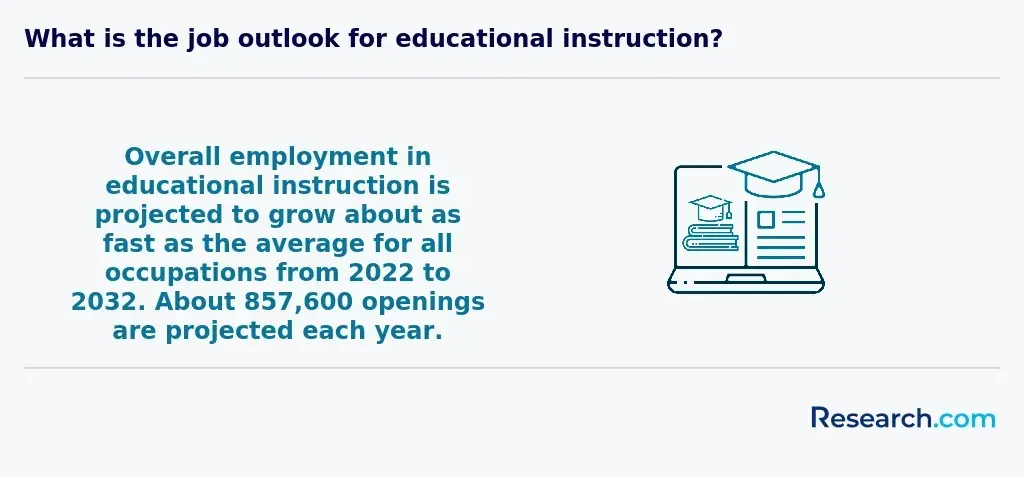
The job outlook for preschool teachers in California is described as promising, with a projected growth rate of approximately 10% according to the Bureau of Labor Statistics. Demand is shaped by population patterns, public investment in early childhood education, the availability of private preschool programs, and local economic conditions.
- Urban areas often have stronger demand. Higher population density and more working families can increase the need for preschool services.
- Rural areas may have fewer openings. Smaller populations and fewer early learning centers can limit job availability.
- Demographic change matters. California’s diverse population increases the need for teachers who can work with multilingual and multicultural families.
- Funding affects hiring. Public preschool expansion and early childhood initiatives can create positions, while budget reductions can slow hiring.
- Public and private settings differ. Public programs may offer more predictable benefits, while private schools may offer different curriculum models or scheduling flexibility.
Where preschool teachers may work
| Setting | What to expect | Best fit |
| Public preschool programs | More formal compliance, reporting, and curriculum expectations | Teachers who want structure, public service, and potentially stronger benefits |
| Private preschools | Varied curriculum models, tuition-based enrollment, and school-specific expectations | Teachers who want flexibility in philosophy or classroom approach |
| Child care centers | Full-day care, mixed schedules, and strong family communication needs | Teachers comfortable balancing education and care responsibilities |
| Specialized early learning programs | May focus on language, special education, arts, Montessori, Reggio Emilia, or STEM | Teachers with a defined specialization or interest area |
The chart below highlights the distribution of preschool teachers across various employment sectors, showing where early childhood professionals are most commonly employed.
What skills are essential for success as a preschool teacher in California?
Strong preschool teachers combine warmth with structure. They know how to turn play into learning, communicate clearly with families, observe development, and keep a busy classroom safe and calm.
- Clear communication. Teachers must explain ideas simply to children and communicate professionally with parents, caregivers, colleagues, and administrators.
- Classroom management. Preschool classrooms need predictable routines, positive reinforcement, transitions, and age-appropriate expectations.
- Creativity. Effective teachers design play-based lessons that include movement, storytelling, art, sensory exploration, and hands-on discovery.
- Developmental observation. Teachers must notice milestones, delays, strengths, and changes in behavior so they can adjust instruction or seek support.
- Patience and emotional steadiness. Young children are still learning self-regulation, so teachers need calm responses to conflict, frustration, and big emotions.
- Cultural responsiveness. California preschool teachers need to respect children’s home languages, family structures, traditions, and identities.
- Collaboration. Preschool education depends on teamwork with aides, specialists, administrators, and families.
What are the common challenges faced by preschool teachers in California?
Preschool teaching can be deeply rewarding, but it is demanding work. Many challenges come from the combination of high emotional labor, regulatory duties, staffing pressures, and the developmental needs of young children.
| Challenge | Why it matters | Better response |
| Large class sizes | Classrooms can exceed 20 students, making individual attention harder | Ask about staffing, ratios, aide support, and behavior systems before accepting a role |
| Administrative workload | Lesson plans, records, assessments, and compliance tasks can reduce time with children | Use templates, shared planning systems, and scheduled documentation blocks |
| Behavioral challenges | Preschoolers are still building language, self-control, and social skills | Use routines, positive guidance, family communication, and professional development in behavior support |
| Language and cultural differences | California classrooms often include children from many linguistic and cultural backgrounds | Use culturally responsive materials, family partnerships, and bilingual support when available |
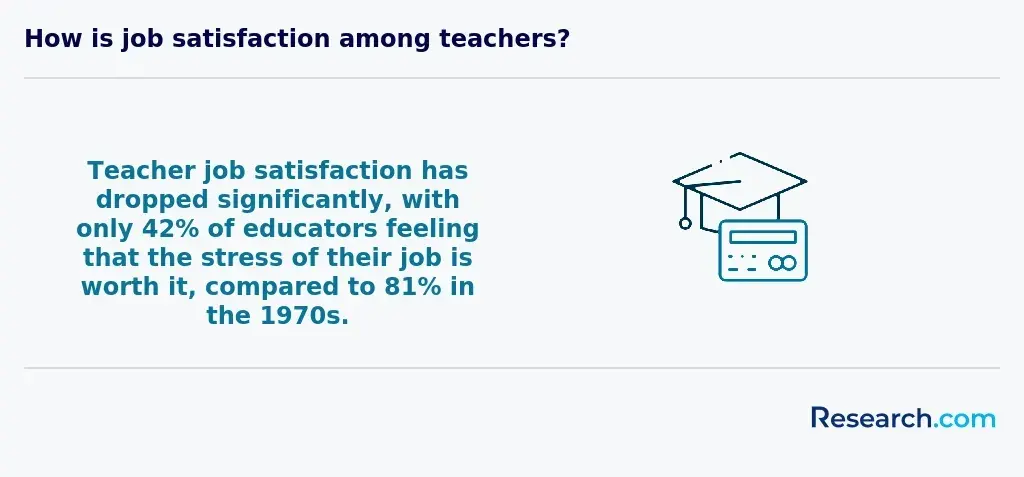
| Burnout and turnover | Nearly 30% of early childhood educators leave the field within the first five years of their careers, according to the National Center for Education Statistics | Build mentorship, set workload boundaries, and choose employers that support planning time and professional growth |
Common mistakes to avoid
- Choosing a program without checking permit alignment. Not every education course satisfies California’s early childhood requirements.
- Looking only at tuition. Fees, books, fieldwork transportation, unpaid time, and transfer limits can change the true cost.
- Assuming online means automatically acceptable. Online coursework can be useful, but you must confirm it meets your permit goal.
- Ignoring employer quality. Ratios, planning time, paid training, and supervision affect job satisfaction.
- Waiting until renewal year to track training. Keep proof of professional development from the beginning.
- Assuming salary outcomes are guaranteed. Pay varies by region, employer, permit level, degree, and experience.
What career pathways are available beyond preschool teaching in California?
Preschool teaching can lead to several education careers. Some teachers remain in early childhood education and move into leadership, while others use their experience as a foundation for elementary education, special education, curriculum development, advocacy, or family services.
- Preschool or child care director. Focuses on staffing, compliance, family communication, enrollment, budgeting, and instructional quality.
- Curriculum specialist. Designs lesson materials, assessment tools, and program-wide learning plans.
- Early intervention or special education support. Works with children who need developmental, behavioral, or learning support.
- Education consultant. Advises schools, centers, nonprofits, or publishers on early learning practice.
- Nonprofit or policy role. Supports early childhood access, family services, workforce development, or advocacy.
- Elementary education transition. Requires a separate credential pathway, but preschool experience can strengthen classroom readiness.
What is the most crucial factor to consider when choosing a teaching credential program in California?
The most important factor is not cost alone. The best program is the one that is affordable, accredited or properly recognized, aligned with your target permit or credential, realistic for your schedule, and transparent about field experience requirements. If cost is a major concern, compare tuition and completion options using resources on the cheapest teaching credential program in California, but do not choose solely because a program has the lowest advertised price.
Questions to ask a program before enrolling
- Which Child Development Permit level does this program prepare students for?
- Will all required ECE units appear clearly on my transcript?
- Does the program help arrange field experience, or must I find it myself?
- Are online classes accepted for my intended permit pathway?
- Can credits transfer into an associate’s or bachelor’s degree later?
- What are the total costs beyond tuition?
- What student support is available for working adults?
How can preschool teachers in California integrate innovative instructional technologies to enhance learning?
Technology in preschool should support hands-on learning, communication, accessibility, and observation; it should not replace play, movement, conversation, or social interaction. Useful tools may include digital storybooks, parent communication platforms, documentation apps, adaptive learning supports, and assistive technologies for children with communication or developmental needs.
Teachers should choose technology with a clear instructional purpose. For example, a speech and language app may support vocabulary practice, but it works best when paired with teacher-led conversation, songs, storytelling, and family involvement. Educators interested in language development can also explore related guidance on how to become a speech pathologist in California.
Technology use checklist
- Does the tool support a specific learning goal?
- Is it age-appropriate for preschool children?
- Can children use it actively rather than passively?
- Does it protect student privacy?
- Does it support children with disabilities or language differences?
- Can families understand how and why it is being used?
How can preschool teachers in California effectively support ESL and bilingual learners?
Preschool teachers support bilingual and ESL learners best by treating home language as an asset, not a barrier. Young children can build English skills while continuing to value and use their first language. The strongest classrooms include visual supports, songs, repetition, peer interaction, family input, and culturally familiar materials.
- Use pictures, gestures, real objects, and routines to make meaning clear.
- Invite families to share words, songs, stories, and cultural practices from home.
- Pair children strategically so they can learn from peers.
- Allow children to demonstrate understanding through pointing, drawing, movement, or play before they can explain in English.
- Use repeated read-alouds and predictable phrases to build vocabulary.
Teachers who want deeper preparation in language acquisition may compare ESL masters programs online, especially if they plan to move into bilingual instruction, coaching, or curriculum leadership.
What financial aid options are available for aspiring preschool teachers in California?
Preschool teacher preparation can be more affordable when students combine grants, scholarships, employer support, transfer planning, and low-cost public college options. The key is to compare the full cost of completion, not just the first semester’s tuition.
- Federal and state grants. The federal Pell Grant may help eligible low-income students, and California’s Cal Grant program can support students based on need and academic criteria.
- Early childhood education scholarships. Organizations such as the California Association for the Education of Young Children (CAAEYC) and the California Child Development Administrators Association (CCDAA) offer scholarship opportunities for future early childhood educators.
- Loan forgiveness programs. The Teacher Loan Forgiveness Program may forgive a portion of federal student loans after five years of service in qualifying low-income schools.
- Professional development funding. Current educators may find grants, stipends, or employer support for workshops, conferences, or continuing education.
- Work-study and employer tuition assistance. Some students can earn income while gaining related experience, and some early childhood employers help pay for coursework.
Ways to reduce out-of-pocket cost
- Start at a community college if credits will transfer cleanly.
- Ask employers whether they reimburse ECE units or permit-related coursework.
- Apply for scholarships every year, not only before the first semester.
- Choose programs that accept transfer credits and prior learning when appropriate.
- Confirm that each course supports your permit or degree goal before paying.
How can aspiring preschool teachers in California build a strong support network?
A support network can help aspiring teachers understand coursework, find field placements, prepare applications, survive the first year, and discover advancement options. Early childhood education is relationship-based, and professional relationships matter too.
- Join professional organizations. Groups such as the California Association for the Education of Young Children can connect teachers with training, conferences, and peer communities.
- Find mentors. Experienced teachers can explain classroom realities, permit steps, and employer expectations.
- Use online communities carefully. Social media groups and professional forums can be helpful, but verify credential advice with official sources.
- Attend local workshops. In-person events can help teachers meet directors, specialists, and other educators in their region.
- Create study groups. Peers can share resources, review coursework, and keep each other accountable.
Which mentorship opportunities can advance a preschool teacher’s career in California?
Mentorship is especially valuable in the first years of teaching, when new educators are learning how to manage routines, communicate with families, document development, and meet state expectations. A strong mentor can observe lessons, give practical feedback, share classroom materials, and explain how to move from assistant or associate roles into higher responsibility.
Teachers who later want to transition into other grade levels should seek mentors who understand credential pathways beyond preschool. For example, educators considering upper-grade mathematics teaching can compare requirements through how to be a middle school math teacher in California.
How can preschool teachers build a robust professional network in California?
Preschool teachers can build a stronger network by participating in regional early childhood associations, local workshops, school district events, employer-sponsored training, and online professional communities. Networking should be intentional: look for people who can help with credential questions, job leads, classroom strategies, specialization choices, and leadership opportunities.
Teachers who want to expand into K–6 classrooms can also use networking to understand different credential requirements. A helpful next step is reviewing how to become an elementary teacher in California.
How can integrating creative arts elevate preschool instruction in California?
Creative arts help preschoolers build language, fine motor skills, problem-solving, confidence, and emotional expression. Drawing, painting, movement, dramatic play, sculpture, storytelling, and tactile crafts can also make learning more inclusive because children can show understanding in many ways.
- Use art to support vocabulary, sequencing, and storytelling.
- Offer open-ended materials instead of only teacher-directed crafts.
- Connect art projects to books, science observations, family cultures, and community themes.
- Display children’s process and thinking, not only finished products.
- Collaborate with art specialists when possible; educators interested in deeper arts teaching roles can explore how to become an art teacher in California.
What are the benefits of integrating music education in preschool?
Music supports early learning because it combines rhythm, language, memory, movement, listening, and social participation. Songs can help children learn routines, practice vocabulary, regulate emotions, and participate as a group. Music is also useful in multilingual classrooms because rhythm and repetition can make new language more accessible.
- Use songs for transitions, cleanup, greetings, and counting.
- Include rhythm games to support listening and coordination.
- Pair movement with music to help children regulate energy.
- Invite families to share songs from home cultures.
- Align music with learning goals rather than treating it only as entertainment.
Teachers who want to specialize further can review how to become a music teacher in California.
Integrating Cultural Competency into Preschool Teaching in California
California preschool classrooms often include children from many languages, cultures, family structures, and community backgrounds. Cultural competency means teachers actively build classrooms where children see themselves represented, families are respected, and differences are handled with curiosity rather than bias.
Practical strategies for culturally responsive preschool teaching
- Use multicultural materials. Choose books, songs, dolls, dramatic play items, and images that reflect many communities without stereotypes.
- Partner with families. Ask caregivers about home routines, languages, holidays, food practices, and child-rearing expectations.
- Reflect on bias. Teachers should examine how assumptions about behavior, communication, or family involvement may affect children.
- Build inclusive curriculum. Connect classroom themes to children’s real lives and communities.
- Continue formal learning. Teachers seeking broader preparation can explore a bachelor of education online to study inclusive teaching methods and education foundations.
What are the emerging changes in California teacher certification requirements?
California educators should monitor certification updates because permit rules, coursework expectations, assessment policies, and professional development requirements can change. The safest approach is to check official CTC guidance before enrolling in a program, changing roles, or submitting renewal paperwork. A broader overview of California teacher certification requirements can help teachers understand how preschool permits fit into the larger credentialing system.
How can preschool teachers transition to private school roles in California?
Private preschools and private schools may set their own hiring expectations in addition to any applicable state requirements. Some emphasize a specific curriculum philosophy, such as Montessori, Reggio Emilia, faith-based education, arts integration, or bilingual programming. Teachers who want to move into private settings should compare school missions, compensation, benefits, ratios, curriculum freedom, and credential expectations.
Before applying, review private school teacher requirements in California so you understand how private school expectations may differ from public program requirements.
Online Programs for Preschool Teacher Certification in California
Online programs can be a practical option for aspiring preschool teachers who work, care for family members, live far from campus, or need to complete coursework gradually. The main risk is assuming that every online class will count toward California permit requirements. Always confirm transferability, accreditation, field experience rules, and CTC alignment before enrolling.
Benefits of online certification coursework
- Flexibility. Online classes may allow students to study around work and caregiving schedules.
- Access. Students outside major metro areas can complete coursework without relocating.
- Potential cost savings. Some online options may reduce commuting, housing, or scheduling costs.
- Career continuity. Working adults may keep earning income while completing ECE requirements.
Questions to ask online programs
- Will this coursework appear on an official transcript?
- Does it satisfy the ECE or child development units required for my target permit?
- How will I complete supervised experience?
- Can I transfer credits into a degree later?
- What student services are available online?
Students comparing online education options may also review a cheap online elementary education degree to understand how affordability, flexibility, and credential alignment vary across education programs.
How Can Preschool Teachers Expand Their Expertise in Special Education in California?
Special education expertise can help preschool teachers identify developmental concerns, adapt instruction, collaborate with specialists, and support inclusive classrooms. This does not mean every preschool teacher becomes a special education teacher, but additional training can make teachers more effective with children who need extra support.
- Study developmental delays, disability categories, and early intervention practices.
- Learn how individualized education plans and family service plans affect classroom support.
- Practice using adaptive materials, visual schedules, sensory supports, and assistive technology.
- Collaborate with speech-language pathologists, occupational therapists, special educators, and families.
- Compare formal credential pathways using special education teacher requirements in California.
How can preschool teachers effectively support special needs learners in California?
Preschool teachers support special needs learners by combining observation, individualized strategies, inclusive materials, family communication, and collaboration with specialists. The goal is not to separate children from the classroom community; it is to remove barriers so each child can participate meaningfully.
- Use visual schedules, picture cues, and predictable routines.
- Offer multiple ways for children to communicate, respond, and participate.
- Adapt activities without lowering expectations for belonging and engagement.
- Document patterns in behavior, communication, and learning so specialists and families have useful information.
- Seek targeted training in evidence-based interventions and inclusive preschool practice.
- Consider advanced preparation such as special education teaching certification if you want a formal special education pathway.
What preschool teachers in California say about the career
-
: "
Teaching preschool in California changed the way I understood education. I grew up in a diverse Los Angeles neighborhood, and early learning showed me how much creativity, language, and confidence can develop before kindergarten. One of my first art activities helped me see how proud children feel when they create something of their own. That experience still shapes how I teach older students today. — Kate
"
-
: "
My preschool classroom in the Bay Area taught me that cultural inclusion has to be visible every day. When children shared family stories during a multicultural activity, they were not just participating; they were being recognized. That lesson became a permanent part of my teaching philosophy. — Shannon
"
-
: "
I first volunteered at a preschool in San Diego because I wanted to make a difference. I remember helping a child who struggled with language, and over time I watched him become more confident. That experience taught me the value of patience, early intervention, and listening closely to every child. — Jesse
"
Key Insights
- The Child Development Permit is the core requirement. Most California preschool teachers need to satisfy CTC permit rules through coursework, experience, documentation, and background clearance.
- Start with the role you want. Assistant, associate teacher, teacher, master teacher, site supervisor, and program director roles can require different levels of education and experience.
- At least 12 units in early childhood education is a common starting point. Candidates should verify that courses cover child development, curriculum, and program planning.
- Experience must be documented. A minimum of 175 days of experience in a licensed child care program is an important benchmark for many candidates.
- Degree level affects options. An associate’s degree can support entry-level teaching, while a bachelor’s degree may improve access to lead, administrative, or specialized roles.
- Renewal planning matters. California permits must be renewed every five years, and 105 hours of professional development may be required for renewal.
- Do not choose a program based only on price. Accreditation, permit alignment, transferability, field experience support, and total cost are just as important as tuition.
- Specialization can expand your career. Bilingual education, special education, curriculum development, STEM, arts, and leadership pathways can lead beyond the traditional preschool classroom.
- Online programs can work, but only if they meet California requirements. Confirm acceptance before paying for coursework.
- The best preschool teachers combine care with skill. Communication, classroom management, cultural responsiveness, observation, patience, and collaboration are essential for long-term success.
Related Articles for Nearby States
- 2027 How to Become a Preschool Teacher in Nevada: Requirements & Certification
- 2027 How to Become a Preschool Teacher in Oregon: Requirements & Certification
- 2027 How to Become a Preschool Teacher in Arizona: Requirements & Certification
- 2027 How to Become a Preschool Teacher in Idaho: Requirements & Certification
- 2027 How to Become a Preschool Teacher in Utah: Requirements & Certification
- 2027 How to Become a Preschool Teacher in Washington: Requirements & Certification
- 2027 How to Become a Preschool Teacher in New Mexico: Requirements & Certification
- 2027 How to Become a Preschool Teacher in Colorado: Requirements & Certification
- 2027 How to Become a Preschool Teacher in Montana: Requirements & Certification
- 2027 How to Become a Preschool Teacher in Wyoming: Requirements & Certification
References:
- California Commission on Teacher Credentialing. (2023, August 22). Child development permits (CL-797). California Commission on Teacher Credentialing.
- Teacher Certification Degrees. (n.d.). California alternative teacher certification. Teacher Certification Degrees.
- California for All Kids. (n.d.). Career pathways. California for All Kids.
Other Things You Should Know About Becoming a Preschool Teacher in California
In 2027, becoming a preschool teacher in California generally requires at least an associate's degree in early childhood education or a related field. Alternatively, a combination of college credits and experience or a Child Development Associate (CDA) Credential may satisfy requirements.
In 2027, aspiring preschool teachers in California must pass a Department of Justice and FBI background check, including fingerprinting, to ensure they can safely work with children. This process is mandatory for certification and employment in the state.
The California Commission on Teacher Credentialing (CTC) issues the permits and credentials used for preschool teaching roles in California. The CTC sets the legal requirements for the Child Development Permit system, including education, experience, and permit levels for teachers working in licensed child care and preschool settings.


