
2027 Most Affordable Online RN to BSN Degree Programs Ranking in the USA

Co-Founder and Chief Data Scientist
Choosing the right RN to BSN program can be challenging, especially when balancing cost and quality. Our article presents the 2027 Most Affordable Online RN to BSN Degree Programs Ranking in the USA, carefully compiled by the Research.com team of data scientists to guide you toward smart decisions.
Exploring this ranking helps you find affordable, reputable programs that fit your goals. Advancing your nursing education opens doors to better opportunities and personal growth. This article is designed to support you in taking that important next step with confidence.
Key benefits of getting online RN to BSN degree in America
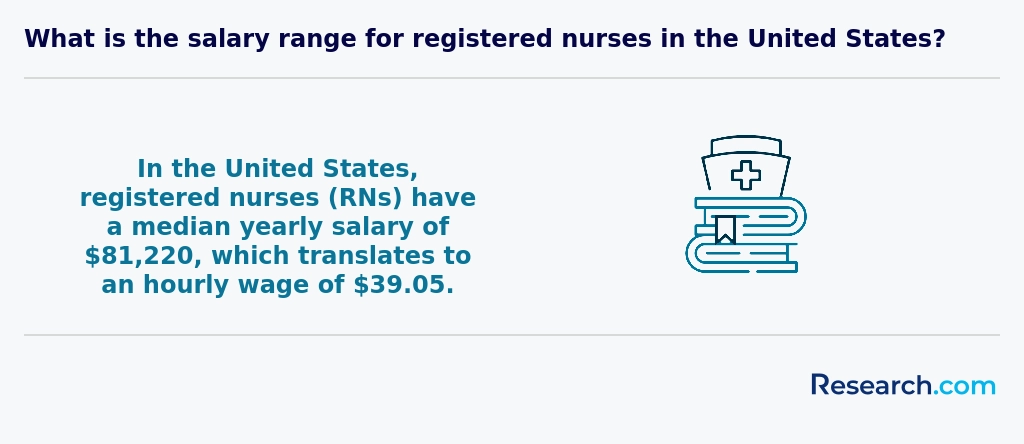
- RN to BSN graduates in the US often see increased earnings, with average RN salaries around $75,000 annually, reflecting the value of the additional education.
- A typical RN to BSN graduate from a well-known university can explore diverse roles such as nurse manager, public health nurse, or clinical coordinator, expanding career opportunities.
- Online RN to BSN programs at respected schools offer flexible scheduling, allowing students to balance work and study while advancing their education efficiently and comfortably from home.
What can I expect from online RN to BSN degree in America?
The average cost of an online RN to BSN degree in America typically ranges from $5,000 to $15,000 for public institutions, while private colleges often charge more. Graduates from well-known universities frequently share how manageable tuition combined with employer tuition reimbursement made pursuing their BSN feel like a realistic investment rather than a financial burden. Imagine juggling night shifts and family life while completing coursework that fits your schedule, all without the stress of excessive debt.
Many students appreciate the flexible structures that allow staggered payments or part-time enrollment, reducing financial pressure. Some programs even offer scholarships or payment plans that align with actual RN salaries. This evolving affordability helps more nurses confidently step up their careers, opening doors to leadership roles and advanced practice.
Looking ahead, institutions are exploring bundled tuition models and subscription-style pricing, making future RN to BSN degrees even more accessible. These innovations may allow nurses to pay as they progress, enhancing motivation and reducing upfront costs, transforming how nursing education is financed across America.
Where can I work with online RN to BSN degree in America?
Graduates of online RN to BSN programs in America, such as those from popular colleges like Ohio State University and the University of Florida, often find themselves welcomed into diverse healthcare environments. Many secure positions in hospitals where their enhanced skills meet the rising demand for Magnet-recognized nursing staff, leading to higher salaries and rapid career growth. One graduate shared how completing an online BSN opened doors to a leadership role in a large urban hospital's clinical team, a path less accessible with an ADN alone.
Others report stepping into community health and outpatient clinics, leveraging their training in patient education and public health to impact broader populations. Online RN to BSN programs increasingly prepare nurses for future trends, such as telehealth and health policy roles, which graduates from programs like the University of Arizona highlight as transformative for their careers.
The horizon also includes emerging roles in healthcare administration, home health nursing, and school nursing, where BSN graduates feel confident leading initiatives. These storylines of advancement reflect a bright future for nurses embracing online RN to BSN programs in America.
How much can I make with online RN to BSN degree in America?
Graduates of online RN to BSN programs in America often see a notable increase in their earning potential. Many nurses who have completed their BSN degrees from popular institutions like the University of Texas at Arlington or Ohio State University report moving into roles with salaries ranging from $85,000 to $95,000 annually. This uplift reflects a 10% to 20% boost compared to those holding only an Associate Degree in Nursing.
Beyond the numbers, these graduates share stories of newfound confidence and career growth as they step into leadership positions or specialized nursing areas such as pediatrics or oncology. For example, a nurse completing an RN to BSN online program at Indiana University spoke about how the added skills in management and critical thinking translated to improved patient care and higher pay. In states like California and New York, BSN holders often cross the $100,000 salary mark, highlighting a promising trend for those willing to advance their education.
As healthcare increasingly values BSN credentials, returning students find that employers offer incentives like tuition reimbursement and salary bonuses, making the online route both financially savvy and personally rewarding. The flexibility of online RN to BSN programs allows working nurses to boost their income without stepping away from hands-on patient care.
- Key benefits of getting online RN to BSN degree in America
- What can I expect from online RN to BSN degree in America?
- Where can I work with online RN to BSN degree in America?
- How much can I make with online RN to BSN degree in America?
- How do we rank schools?
- 2027 Most Affordable Online RN to BSN Degree Programs Ranking in the USA
- What online RN to BSN degree graduates have to say
- Key Findings
- How long does it take to complete online RN to BSN degree in America?
- What's the difference between online and on-campus RN to BSN degree?
- What is the average cost of online RN to BSN degree in America?
- What financial aid is available to online RN to BSN degree students in America?
- What are the prerequisites for enrolling in online RN to BSN degree program in America?
- What courses are typically in online RN to BSN degree programs in America?
- What types of specializations are available in online RN to BSN degree programs in America?
- How do you choose the best online RN to BSN degree in America?
- What career paths are available for online RN to BSN degree students in America?
- What is the job market for online RN to BSN degree in America?
- Frequently Asked Questions About RN to BSN
- Top Trending RN to BSN Rankings
How do we rank schools?
Investing in your education is a significant decision that can shape your career, and the Research.com team is dedicated to supporting you in making well-informed choices. To help prospective nursing students, we have carefully developed the "2027 Most Affordable Online RN to BSN Degree Programs Ranking in the USA." Our commitment to quality, credibility, and accuracy is demonstrated by the thorough research and data analysis behind this ranking.
We utilized the following reputable data sources to ensure a comprehensive evaluation of RN to BSN programs:
By consulting this ranking, readers will access reliable information on affordable and high-quality online RN to BSN options, empowering them to make confident decisions about their educational investments. For more details on our methodology, please visit our Research.com methodology page.
2027 Most Affordable Online RN to BSN Degree Programs Ranking in the USA
# 1 position
University of Central Florida
Bachelor
The University of Central Florida offers a bachelor's degree program focused on nursing and healthcare. The program has a graduation rate of 78% and an acceptance rate of 40%, making it moderately selective. The average total cost is $11,098. A significant majority of students-92%-receive financial aid, reflecting high aid availability. The university serves a large online student population, with 59,097 enrolled students.
# 2 position
University of Arkansas
Bachelor
The University of Arkansas offers a 12-month Bachelor program focused on Nursing and Healthcare, with a graduation rate of 71%. The program has a less selective acceptance rate of 74% and enrolls over 10,400 online students. Tuition averages $9,061, making it relatively affordable. About 77% of students benefit from moderate financial aid, improving accessibility for many prospective students interested in healthcare careers.
# 3 position
University of Kentucky
Bachelor
The University of Kentucky offers a Bachelor's degree program focused on Nursing and Healthcare. The program length is 12 months, with a high graduation rate of 71%. It has an open admission policy with a 93% acceptance rate, making it accessible to many applicants. The average total cost is $17,460, and 97% of students receive financial aid, indicating a high level of support. The program enrolls 13,611 online students.
# 4 position
University of North Florida
Bachelor
The University of North Florida offers a Bachelor's degree focused on Nursing and Healthcare, designed to be completed in 12 months. The program has a graduation rate of 69% and is less selective with a 53% acceptance rate. It serves 9,880 online students and features a total average cost of $8,550. A high level of financial aid is available, with 86% of students receiving support.
# 5 position

The University of North Carolina at Charlotte offers a Bachelor's degree program focused on Nursing and Healthcare. The program length is 12 months, with an average total cost of $4,898. It has an open admission policy, accepting 80% of applicants. Approximately 75% of students receive moderate financial aid. The graduation rate stands at 69%, and the program currently enrolls 1,813 online students.
# 6 position
East Carolina University
Bachelor
East Carolina University offers an 18-month Bachelor's program focused on Nursing and Healthcare. The program features an open admission policy with an acceptance rate of 89%. It has a graduation rate of 63% and serves 8,352 online students. The average total cost is $6,121. Approximately 77% of students receive moderate financial aid, making support accessible for most enrollees.
# 7 position
Northern Kentucky University
Bachelor
Northern Kentucky University offers a Bachelor's degree focused on Nursing and Healthcare. The program lasts 6 months and costs an average of $9,900. It has a graduation rate of 52%, with 3,180 online students currently enrolled. The acceptance rate is 68%, indicating less selective admission, and 99% of students receive financial aid, reflecting high aid levels.
# 8 position
Appalachian State University
Bachelor
Appalachian State University offers a Bachelor's degree focused on Healthcare, completed in 12 months. The program has an open admission policy with a 90% acceptance rate, making it accessible to most applicants. Graduates have a 75% success rate in completing the program. Approximately 69% of students receive moderate financial aid. The average total cost is $12,360, and there are 13,798 online students currently enrolled.
# 9 position
King University
Bachelor
King University offers an 18-month Bachelor program focused on Nursing and Healthcare. The program operates with an open admission policy, accepting 100% of applicants. It has a graduation rate of 48% and enrolls 925 online students. The average total cost is $40,920, with all students receiving high levels of financial aid to support their education. This program is designed to provide accessible and affordable training in healthcare fields.
# 10 position
Bowling Green State University
Bachelor
Bowling Green State University offers a Bachelor program focused on Nursing and Healthcare. The program takes 18 months to complete and has an open admission policy with an acceptance rate of 81%. It features a graduation rate of 64% and serves 8,062 online students. The average total cost is $12,066, with 99% of students receiving high levels of financial aid.
# 11 position
James Madison University
Bachelor
James Madison University offers a less selective Bachelor program focused on Nursing and Healthcare. The 12-month program has an 80% graduation rate and enrolls 1,511 online students. The average total cost is $12,150. Approximately 58% of students receive mid-level financial aid, making it accessible for many. With a 72% acceptance rate, this program presents a solid option for prospective students seeking an accelerated degree in healthcare fields.
# 12 position
Pittsburg State University
Bachelor
Pittsburg State University offers a Bachelor's degree program focused on Nursing and Healthcare, designed to be completed in 24 months. The program has an open admission policy with an 89% acceptance rate. It features a 57% graduation rate and enrolls 3,930 online students. Tuition averages $10,434, with a high level of financial aid available to 92% of students, supporting affordability for most participants.
# 13 position
Wichita State University
Bachelor
Wichita State University offers a Bachelor program focused on Nursing and Healthcare, designed to be completed in 12 months. The program has an open admission policy with a 94% acceptance rate, welcoming most applicants. The graduation rate is 51%, and 92% of students receive high levels of financial aid. The average total cost of the program is $11,739, with 3,963 students enrolled online.
# 14 position
Saint Louis University
Bachelor
Saint Louis University offers a Bachelor program focused on Nursing and Healthcare with a length of 12 months. The acceptance rate is 75%, indicating a less selective admission process. The graduation rate is 80%, reflecting solid student success. The average total cost is $19,200, and 100% of students receive financial aid, representing a high level of support. The program has 3,599 online students enrolled.
# 15 position
Belhaven University
Bachelor
Belhaven University offers a 12-month Bachelor program focused on Nursing and Healthcare. The program has a moderately selective acceptance rate of 50% and a graduation rate of 49%. The average total cost is $13,365, with 76% of students receiving moderate financial aid. Currently, 4,124 students are enrolled online, reflecting the program's accessibility and growing popularity.
# 16 position
University of North Georgia
Bachelor
The University of North Georgia offers an 18-month Bachelor program focused on Nursing and Healthcare. It has a graduation rate of 37%, reflecting the program's rigorous nature. The acceptance rate is 68%, indicating a less selective admission process. The average total cost is $10,818, with 91% of students benefiting from high levels of financial aid. The program serves 9,317 online students, providing accessible education options.
# 17 position
University of Illinois Chicago
Bachelor
The University of Illinois Chicago offers an 18-month Bachelor's program focused on Nursing and Healthcare. The program is open admission with a 77% acceptance rate and has a graduation rate of 62%. It enrolls 3,063 online students and costs an average of $19,500 in total. About 80% of students receive high levels of financial aid, supporting affordability for many attendees.
# 18 position
Georgia Highlands College
Bachelor
Georgia Highlands College offers a 12-month Bachelor program focused on Nursing and Healthcare. The program has a graduation rate of 21% and serves 2,719 online students. With an average total cost of $11,120, it provides high levels of financial aid to 83% of its students. This program may appeal to those seeking affordable education with strong financial support in the healthcare field.
# 19 position
Colorado Mesa University
Bachelor
Colorado Mesa University offers a Bachelor's program focused on Public Health and Healthcare, with an open admission policy accepting 82% of applicants. The program takes 18 months to complete and has a graduation rate of 41%. Students pay an average total cost of $10,546. Approximately 91% of students receive financial aid, reflecting high aid availability. The online student enrollment stands at 672 learners.
# 20 position
University of Michigan-Flint
Bachelor
The University of Michigan-Flint offers a Bachelor's program focused on Nursing and Healthcare, designed to be completed in 12 months. The program has a less selective admission process with a 70% acceptance rate. It supports a large online student population of 4,488 and provides high financial aid opportunities to 99% of its students. The average total cost is approximately $28,825, with a graduation rate of 40%.
What online RN to BSN degree graduates have to say
- Jessica: The University of Florida's online RN to BSN program gave me the flexibility I needed to balance work and family. The coursework was engaging and practical, helping me grow professionally while studying from home. I felt truly supported by professors who understood real-world nursing challenges.
- Marcus: Completing my RN to BSN through Ohio State University online was a transformative experience. Their innovative platform made learning interactive and accessible. I gained advanced clinical knowledge that boosted my confidence and career opportunities-all without leaving my job or relocating.
- Emily: At Arizona State University, the online RN to BSN journey was empowering. The curriculum connected theory to practice perfectly, and the community of learners motivated me every step. I appreciated the self-paced classes that respected my busy schedule while pushing me to excel.
Key Findings
- Online RN to BSN programs offer flexible study options for licensed RNs to earn a Bachelor of Science in Nursing without attending campus classes.
- The cost of these programs typically ranges from $10,000 to $30,000, depending on factors like public or private institutions and program length.
- Graduates with a BSN start with an average salary of about $72,000 per year, compared to $60,000 for those with only an associate degree.
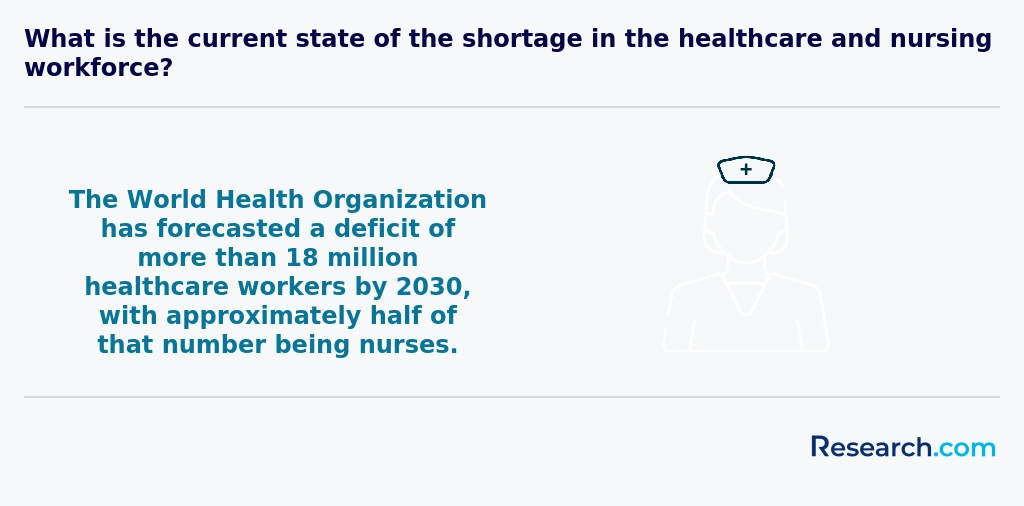
- Nursing jobs requiring a BSN are growing at a 6% rate through 2032, indicating strong demand for BSN-prepared nurses.
- Many programs offer accelerated options that can be completed within 12 to 18 months to suit working professionals.
How long does it take to complete online RN to BSN degree in America?
Online RN to BSN degrees in America typically take between 12 months and 3 years to complete, depending on a student's pace and credits transferred. Graduates from well-known institutions like the University of Texas at Arlington often share how accelerated full-time tracks, lasting about 12 to 18 months, allowed them to quickly advance their careers while balancing work shifts.
For many part-time students enrolled at colleges such as Ohio State University, the ability to spread coursework over 2 to 3 years offers the flexibility needed for busy professional and family lives. These students frequently express relief and pride in managing course loads that fit their schedules without sacrificing personal time.
Some programs also award credit for clinical experience or prior learning, shortening the timeline even further. Many students imagine future trends where online platforms and credit transfer policies become even more streamlined, enabling hardworking nurses to complete their BSN degrees faster than ever while maintaining quality education.
What's the difference between online and on-campus RN to BSN degree?
Online RN to BSN programs in America are revolutionizing nursing education by offering unmatched flexibility, allowing working nurses to balance shifts and family life while advancing their careers. Graduates from well-known institutions like the University of Florida or Arizona State University often share how asynchronous lectures and digital coursework helped them study during off-hours without sacrificing their jobs or personal time.
On the other hand, traditional on-campus programs, such as those offered by the University of North Carolina at Chapel Hill, provide immersive learning experiences with face-to-face interaction and hands-on clinical labs. Many graduates recall the strong bonds and immediate faculty support formed in these settings, which sharpened their clinical skills through real-time practice.
Looking forward, hybrid models may bridge the gap, combining online flexibility with scheduled in-person labs, addressing diverse learning preferences. The trend toward personalized pacing in online programs also promises to accelerate degree completion for motivated nurses, expanding accessibility without compromising accreditation standards that both formats rigorously maintain.
What is the average cost of online RN to BSN degree in America?
The average cost of an online RN to BSN degree in America typically centers around a median total expense of approximately $37,202. Students attending public universities within their state often find tuition to be comparatively reasonable, close to $27,840, while out-of-state students and those enrolling in private institutions may expect higher fees, sometimes exceeding $42,000. These figures reflect the evolving landscape of educational investment where flexibility and accessibility are becoming key priorities for nursing professionals.
Graduates from well-known universities often share stories of balancing work and studies seamlessly, highlighting how the online format supports continued employment while earning the degree. For example, many find financial aid and employer tuition assistance pivotal in managing costs, allowing them to focus on advancing their careers without overwhelming debt. Situations like discounted tuition for veterans and active military personnel further demonstrate how the system adapts to diverse student needs.
Considering the range of credit hours required, usually between 30 and 40, some programs charge flat-rate tuition per semester, which may offer more predictable budgeting for students. People pursuing a 6-month RN to BSN program often emphasize the value of accelerated learning combined with manageable expenses, creating an appealing pathway for busy nurses aiming to upskill without long-term financial strain.
Overall, understanding the average tuition fees for RN to BSN programs in the USA helps prospective students envision their educational journey realistically, supported by concrete examples and emerging trends in program affordability and support mechanisms.

What financial aid is available to online RN to BSN degree students in America?
Students enrolled in online RN to BSN programs across America often rely on federal financial aid, primarily through FAFSA, unlocking access to grants and loans that lighten tuition burdens ranging from $6,000 to $25,000. Graduates from well-known institutions like the University of Texas at Arlington recall benefitting from Direct Subsidized Loans combined with employer tuition reimbursements, creating manageable paths toward their BSN ambitions without overwhelming debt.
State programs increasingly tailor financial support to nursing professionals addressing local shortages, such as California's loan repayment initiatives helping graduates ease financial strain while serving underserved communities. Many students pursuing degrees at Ohio State University describe how scholarships from nursing organizations and flexible payment plans made education more attainable, fueling their motivation to advance.
Emerging trends suggest collaborations between healthcare employers and schools will grow, expanding tuition reimbursement and merit-based scholarships. This evolving landscape promises future RN to BSN learners greater options and personalized aid strategies that reflect the real-life balancing act of studying while working in demanding healthcare roles.
What are the prerequisites for enrolling in online RN to BSN degree program in America?
To enroll in an online RN to BSN program in America, most students share the common prerequisite of holding an active RN license obtained from completing an accredited nursing program and passing the NCLEX-RN exam. Graduates from popular universities often recall the reassurance they felt once their licensure was verified, knowing it was a crucial key to unlocking their next academic step.
Additionally, completing foundational courses like English composition, anatomy and physiology, and microbiology remains a staple requirement. Many students appreciate how some programs offer bridge courses to help fill gaps, making the transition smoother and less stressful. For example, a graduate from a well-known state college highlighted how these options allowed them to balance work and study without feeling overwhelmed.
Future trends may see programs integrating more flexible prerequisites, possibly valuing practical experience alongside traditional GPA thresholds, which currently hover around 2.5 to 3.0. Candidates often feel hopeful about this evolution, imagining a more personalized path that rewards professional nursing accomplishments while maintaining academic standards.
Background checks and immunization records remain standard due to clinical components, reinforcing a sense of safety and preparedness. As financial considerations influence decisions, many reflect positively on the affordability and adaptability of online RN to BSN degrees offered by renowned institutions, appreciating the opportunity to advance without sacrificing employment.
What courses are typically in online RN to BSN degree programs in America?
Typical RN to BSN online programs in America include courses that deepen clinical expertise while preparing nurses for leadership roles. Graduates from well-known institutions often recount diving into Community and Public Health Nursing, where they envision managing population health initiatives and preventive care during virtual simulations. Leadership courses are especially valued, as students imagine themselves guiding teams or improving hospital workflows after completing Leadership and Management in Nursing.
Courses like Evidence-Based Practice empower students to critically analyze current research, translating theory into better patient outcomes-a real confidence booster for those balancing work and study. Meanwhile, Healthcare Policy and Ethics classes challenge learners to navigate complex decisions that impact everyday nursing practice, a topic frequently discussed in forums by graduates from top nursing colleges.
Many find Health Assessment and Advanced Nursing Skills particularly rewarding, often involving engaging virtual clinical practicums that mirror hands-on experience. Additionally, Statistics and Research Methods build analytical skills, enabling nurses to contribute to quality improvement projects in real healthcare settings.
What types of specializations are available in online RN to BSN degree programs in America?
Online RN to BSN programs in America typically offer a variety of specializations designed to help nurses deepen their expertise and adapt to evolving healthcare needs. Popular tracks include community health nursing, pediatric nursing, and geriatric nursing, each allowing graduates to impact specific populations effectively. For instance, graduates of prominent colleges often share how specializing in mental health nursing empowered them to provide critical support in psychiatric settings, harnessing skills like crisis intervention and medication management.
Many students exploring American RN to BSN degree concentration options appreciate the flexibility of leadership and informatics nursing specializations, reflecting the industry's shift toward technology-driven healthcare and management roles. Nurses at universities known for innovation express enthusiasm about integrating informatics to optimize patient care through data management. Additionally, elective courses in oncology or maternal health prepare students to respond to emerging healthcare challenges with confidence.
Those seeking affordable paths often compare tuition and specialization costs, with some turning to resources highlighting the cheapest RN to BSN online options. This blend of focused learning and practical affordability makes online RN to BSN specializations in the USA an exciting prospect for career advancement and personal fulfillment.
How do you choose the best online RN to BSN degree in America?
Choosing the best online RN to BSN degree in America increasingly hinges on flexibility and accreditation, especially as technology reshapes education. Graduates from well-known universities often highlight the value of programs accredited by CCNE or ACEN, which not only assure quality but also pave the way for licensure and federal aid. Imagine juggling shifts in a busy hospital while progressing through asynchronous courses tailored for working nurses-this scenario is becoming the norm, with programs designed to fit demanding schedules.
Affordability is another evolving factor; seeking affordable online RN to BSN programs USA means weighing in-state tuition advantages, often found in public institutions, against private colleges offering accelerated tracks. Many students who opted for schools with robust student support services experienced smoother clinical placement processes and felt more confident navigating career advancements. For those seeking a practical yet streamlined pathway, exploring options like RN to BSN online no clinicals programs may open new doors, combining convenience with comprehensive learning.
What career paths are available for online RN to BSN degree students in America?
Graduates of online RN to BSN programs in America find diverse nursing career paths awaiting them, ranging from direct patient care to advanced leadership roles. Nurses from renowned colleges often share how their BSN opened doors to positions in intensive care or emergency units, where advanced skills and critical thinking become essential. This degree increasingly aligns with emerging trends emphasizing evidence-based practice and healthcare technology integration.
Many alumni report excitement transitioning into leadership and management positions, such as nurse managers coordinating teams and shaping care delivery protocols. Others explore public health nursing, leveraging their BSN education to drive community outreach and disease prevention programs, a growing focus in American healthcare systems.
With the nursing landscape evolving, career opportunities for online RN to BSN graduates in USA include roles in case management and informatics, where data-driven decision-making enhances patient outcomes. Those seeking more specialization often pursue advanced degrees, reflecting their commitment to lifelong learning. For a detailed comparison of popular programs, consider reviewing Capella vs WGU RN to BSN.
What is the job market for online RN to BSN degree in America?
The online RN to BSN job outlook USA is promising, with many graduates sharing stories of rapid career growth after completing their degrees from well-known universities like the University of Phoenix or Chamberlain College of Nursing. These graduates often describe feelings of increased confidence and professional pride as they step into more specialized roles, such as case management or leadership positions in healthcare facilities. The flexibility of these programs allows working nurses to balance their education with current jobs, making the investment feel rewarding and achievable.
Nurses upgrading their qualifications often find expanded nursing career opportunities after RN to BSN America, with many moving into Magnet®-recognized hospitals that favor BSN-prepared staff for their commitment to high-quality care. Graduates report a sense of security knowing their credentials meet evolving industry standards, and they appreciate the 10-15% higher salaries they typically receive compared to associate degree holders.
Many choose to explore online nursing programs to manage tuition costs while continuing to work. This approach allows candidates to grow their careers without sacrificing financial stability or professional momentum.
Frequently Asked Questions About RN to BSN
Online RN to BSN students in America can maximize their learning by actively engaging with course materials and participating in virtual discussions. According to the American Association of Colleges of Nursing (AACN), programs typically require 30 to 60 credit hours, allowing flexibility to balance work and study. Utilizing available resources such as digital libraries and tutoring services enhances comprehension and retention.
Time management is critical; setting a routine helps students meet deadlines effectively. Networking with peers and faculty through online platforms fosters collaboration and professional growth. Finally, applying theoretical knowledge in clinical practice or work settings solidifies skills essential for career advancement in nursing.
The RN to BSN field is evolving with several emerging niches shaping the future of nursing education and practice in the United States. One growing area is informatics nursing, where professionals integrate technology and patient care, addressing the increasing use of electronic health records (EHRs). According to the American Nurses Association, demand for informatics specialists is expected to grow by 21% through 2030.
Another niche is population health management, focusing on community-based care and preventive strategies to improve health outcomes. This aligns with nationwide efforts to reduce healthcare costs and manage chronic diseases.
Additionally, leadership and management roles are becoming crucial as more organizations require BSN-prepared nurses to lead teams and improve patient safety. The Bureau of Labor Statistics highlights a 12% job growth for nurse managers over the next decade.
After completing an online RN to BSN degree in America, preparing for the job market involves several strategic steps. First, updating your resume to highlight your new bachelor's degree alongside your registered nurse license is essential. The Bureau of Labor Statistics reports that employment for registered nurses is projected to grow 9% from 2020 to 2030, indicating a positive job outlook.
Networking through professional nursing organizations such as the American Nurses Association can open job opportunities and provide career support. Additionally, obtaining certifications in specialties like gerontology or informatics can increase employability. Employers often prefer candidates with BSN degrees for leadership roles and better patient outcomes, making continuous education a valuable asset.
Employers hiring graduates with an online RN to BSN degree in America prioritize strong critical thinking and clinical judgment skills. According to the American Association of Colleges of Nursing (AACN), 85% of healthcare employers emphasize advanced decision-making abilities for BSN-prepared nurses. Communication skills are also essential, as BSN nurses often coordinate care among multidisciplinary teams and interact with patients' families.
Additionally, leadership and management capabilities stand out, with many hospitals seeking BSN nurses who can lead quality improvement initiatives. Data from the National Council of State Boards of Nursing (NCSBN) shows that 70% of RN to BSN graduates engage in evidence-based practice, which enhances healthcare outcomes. Familiarity with healthcare technology and community health concepts also ranks highly in employer expectations.
Finding internships relevant to an online RN to BSN degree in America involves multiple steps. Start by consulting your nursing program's career services or internship coordinator, as many accredited RN to BSN programs have established partnerships with healthcare facilities for clinical placements. According to the American Association of Colleges of Nursing (AACN), clinical experience is a critical component of BSN curricula, often supported by these connections.
Additionally, explore hospital websites and health systems in your area, as many offer formal internship or externship programs for nursing students. Networking through professional nursing organizations like the American Nurses Association can also provide valuable internship leads.
Keep in mind federal and state regulations may influence the availability and structure of internships. Utilizing online job boards with healthcare filters, such as Nurse.com, and contacting local health departments can increase your chances of securing an internship that complements your RN to BSN coursework.
An online RN to BSN degree significantly enhances career mobility and advancement opportunities within the American healthcare system. According to the American Association of Colleges of Nursing (AACN), nearly 70% of healthcare employers prefer or require a BSN for hiring registered nurses. This degree equips nurses with expanded clinical, leadership, and decision-making skills, making them competitive candidates for roles like nurse manager and clinical coordinator.
Data from the U.S. Bureau of Labor Statistics shows that BSN-prepared nurses often experience faster salary growth and lower unemployment rates compared to those with only an associate degree. Additionally, pursuing this degree online offers flexibility, allowing working RNs to upgrade their credentials without interrupting their careers.
Studying for a RN to BSN degree in America equips nurses with critical skills for interdisciplinary roles within healthcare teams. The curriculum emphasizes leadership, communication, and collaboration, enabling nurses to work effectively alongside physicians, social workers, and other healthcare professionals. According to the American Association of Colleges of Nursing (AACN), BSN-prepared nurses are 20% more likely to participate in quality improvement initiatives, which are often multidisciplinary.
Online RN to BSN programs also incorporate courses on healthcare policy, informatics, and evidence-based practice. These subjects enhance a nurse's ability to contribute to shared decision-making in diverse clinical settings. This preparation supports the growing demand for nurses who can coordinate patient care and advocate across organizational boundaries.
Choosing between a thesis and a non-thesis RN to BSN program depends largely on your career goals and learning preferences. Thesis programs typically require conducting original research and writing a detailed paper, which can enhance critical thinking and prepare students for graduate studies or leadership roles. Non-thesis options focus more on coursework and practical skills, appealing to nurses aiming for immediate career advancement or specialization.
According to the American Association of Colleges of Nursing, about 30% of RN to BSN programs offer a thesis option. Consider your workload capacity, interest in research, and whether you plan to pursue a master's degree later when deciding.
American students interested in pursuing an RN to BSN degree abroad have limited options due to the differences in nursing education systems worldwide. Most U.S.-based RNs seeking a BSN prefer accredited online programs from U.S. institutions because these programs align with American licensure requirements and clinical standards.
Some international universities offer nursing degrees online, but these often do not meet the accreditation standards set by the Commission on Collegiate Nursing Education (CCNE) or the Accreditation Commission for Education in Nursing (ACEN), which are critical for U.S. licensure.
Additionally, credit transfer and recognition of clinical experience can pose challenges outside the U.S. system, making American online RN to BSN programs a more practical choice for many students. According to the American Association of Colleges of Nursing (AACN), over 750 RN to BSN programs are available online within the U.S., providing affordable and flexible options tailored for current nursing professionals.
Part-time job opportunities that complement an online RN to BSN degree in America often focus on roles that enhance practical skills while accommodating study schedules. Many students choose positions as nursing assistants, home health aides, or medical scribes, which provide valuable clinical experience relevant to BSN coursework.
Additionally, positions in patient education or community health outreach allow RN to BSN students to apply leadership and communication skills emphasized in the curriculum. According to the Bureau of Labor Statistics, healthcare support roles are projected to grow 11% from 2022 to 2032, reflecting increasing demand.
Some students also find part-time work as telehealth nurses or case managers, leveraging technology to gain insight into care coordination, a key BSN competency. These roles frequently offer flexible hours, making them ideal for balancing academic commitments.
Networking opportunities for online RN to BSN students in America are growing as programs increasingly focus on building professional connections. Many accredited programs offer virtual events, discussion boards, and alumni networks where students can engage with peers and faculty. According to the American Association of Colleges of Nursing (AACN), about 75% of RN to BSN programs incorporate interactive online forums to promote collaboration.
Students may also access career services that connect them with healthcare employers and internships. State nursing associations provide additional venues for networking through conferences and workshops. These options help students build relationships essential for career advancement within the US healthcare system.
Alumni networks provide significant advantages for online RN to BSN degree students in America. These networks offer opportunities for mentorship, connecting current students with experienced graduates who understand the unique challenges of balancing nursing careers and education. According to the American Association of Colleges of Nursing (AACN), engaged alumni networks improve graduate employment rates by up to 15% through referrals and job leads.
Moreover, these networks foster professional growth by sharing continuing education resources, industry updates, and invitations to exclusive nursing conferences. Given the competitive nature of healthcare jobs, such connections can give students an edge when seeking advanced positions or leadership roles.
Alumni also aid in developing peer support systems which enhance student retention and program completion rates, making networks a vital aspect of an online RN to BSN student's academic and career success.
Customizing an online RN to BSN degree program in America allows nurses to align their education with specific career goals. Many programs offer elective courses in areas such as leadership, community health, or informatics, enabling students to specialize. Some schools provide flexible scheduling and accelerated options that accommodate working professionals. Clinical practicum placements can often be selected based on interest or local opportunities, enhancing practical experience in desired fields. According to the American Association of Colleges of Nursing (AACN), over 80% of RN to BSN programs incorporate such customizable elements to meet diverse career paths in nursing. This flexibility supports career advancement and specialization.
Online RN to BSN students in America often face several challenges that can impact their success. Balancing work, family, and education is a primary concern, as many students are working registered nurses managing full-time jobs while pursuing their degree. According to the American Association of Colleges of Nursing (AACN), time management is the top obstacle for these students.
Another common challenge is adapting to online learning formats. Many students report difficulties with self-discipline and staying motivated without face-to-face interaction. Technical issues and limited access to reliable internet can also disrupt learning.
Financial strain is notable as well. Although RN to BSN programs are often more affordable than traditional degrees, tuition costs and additional fees can still pose problems. The AACN highlights that about 60% of RNs pursuing BSNs finance their education through personal funds, creating economic pressure.
With an online RN to BSN degree, nurses unlock opportunities to pursue various professional certifications that enhance their career and clinical expertise. Common certifications include the Certified Nurse Manager and Leader (CNML) and the Clinical Nurse Leader (CNL), both of which emphasize leadership and management skills.
Many BSN graduates also pursue specialty certifications like the Medical-Surgical Nursing Certification (CMSRN) or the Certified Pediatric Nurse (CPN), depending on their clinical interests. According to the American Nurses Credentialing Center (ANCC), holding a BSN is often a prerequisite for advanced certifications.
These credentials can lead to higher earning potential and expand job roles in healthcare settings, reflecting the growing demand for BSN-prepared nurses nationwide.
To write a winning application for an online RN to BSN program in America, start by thoroughly researching program requirements and deadlines. Many programs require a valid RN license, at least one to two years of clinical experience, and official transcripts from all prior education, including ADN or diploma programs. According to the American Association of Colleges of Nursing (AACN), highlighting your nursing experience and commitment to advancing your education improves your chances.
Craft a clear personal statement explaining your career goals, why a BSN is important to you, and how the program aligns with your aspirations. Emphasize your time management skills, as online learning demands discipline.
Request professional letters of recommendation from supervisors or educators who can attest to your clinical skills and character. Finally, ensure your application is error-free and submitted early to avoid missing deadlines, which is crucial given competitive enrollment in accredited programs nationwide.
The RN to BSN degree in America holds significant value in global healthcare discussions. While the United States leads with over 750,000 registered nurses, the demand for BSN-prepared nurses reflects international trends emphasizing higher education for improved patient outcomes, according to the American Association of Colleges of Nursing (AACN).
Countries like Canada and the United Kingdom increasingly recognize BSN qualifications, aligning with U.S. standards to promote nursing professionalism and leadership. This global alignment encourages American RNs to pursue BSN degrees to stay competitive and mobile in the international job market.
In America, data shows RNs with BSN degrees earn on average 10% more than those without, illustrating economic incentives alongside broader global recognition. The push for BSN education also supports evidence-based practice and adaptability in diverse healthcare settings worldwide.
Gaining practical experience while pursuing an online RN to BSN degree in America is essential for skill development and meeting graduation requirements. Many programs include clinical or practicum components that students complete at local healthcare facilities. These experiences provide hands-on training under supervision, helping to apply theoretical knowledge in real-world settings.
Students often arrange clinical hours near their residence, making it convenient to balance work and study. According to the American Association of Colleges of Nursing (AACN), RN to BSN programs typically require between 30 to 90 clinical hours, depending on the institution and state regulations.
Additionally, some healthcare employers support continuing education by offering paid clinical placements or partnerships with online programs. This integration allows RNs to advance their education while maintaining professional roles, enhancing both learning and career advancement opportunities.
Choosing the right concentration within an online RN to BSN program in America involves aligning your career goals with the specialties available. Common concentrations include leadership, community health, geriatrics, and informatics. According to the American Association of Colleges of Nursing (AACN), nearly 40% of RN to BSN programs offer such specializations to meet evolving healthcare needs.
Assess your interests and the demand in your intended work setting. For example, leadership tracks prepare nurses for management roles, while community health focuses on population wellness. Consider future job market growth: the U.S. Bureau of Labor Statistics projects a 6% increase for registered nurses through 2032, with higher demand for those holding BSN degrees and specialties.
Also, evaluate the curriculum flexibility and accreditation status. Accredited programs following regional and nursing-specific standards ensure quality and recognition. Lastly, think about how a concentration complements your previous experience or goals, enhancing your competitiveness and professional development.
Top Trending RN to BSN Rankings
References
- The Impact of Education on Nursing Practice https://www.aacnnursing.org/news-data/fact-sheets/impact-of-education-on-nursing-practice
- Online RN to BSN Degrees | OnlineColleges.net https://www.onlinecolleges.net/degrees/rn-to-bsn/
- 7 Nursing School Tips for Studying https://www.denvercollegeofnursing.edu/blog/nursing/7-Nursing-School-Tips-for-Studying.html
- RN to BSN https://lvntorn.net/nursing-degrees/rn-to-bsn.html
- A BSN can lead to many career paths https://www.allnursingschools.com/bsn/career-paths/
- Online RN to BSN - Bachelor of Science in Nursing https://online.ben.edu/programs/nursing/rn-bsn/
- RN to MSN Bridge Programs with Financial Aid: Find Top ... https://www.edumed.org/online-schools/nursing-rn-programs/rn-to-msn-bridge/financial-aid/
- Online RN to BSN | As Few as 1 Year https://www.chamberlain.edu/academics/nursing-school/rn-to-bsn
- RN to BSN Online - BSN Programs https://www.aspen.edu/nursing/rn-bsn/
- RN to BSN: Why and how https://www.myamericannurse.com/rn-to-bsn-why-and-how/


