
2027 How to Become a Teacher in Arizona – What Degree Do You Need to Be a Teacher?

Co-Founder and Chief Data Scientist
Becoming a teacher in Arizona means making several practical decisions before you ever lead a classroom: which certificate fits your grade level or subject, whether you need a traditional education degree or an alternative pathway, how much the process may cost, and whether the salary and working conditions match your long-term goals.
Arizona classrooms often include students from many cultural, economic, and language backgrounds, so teachers need more than subject knowledge. They must be prepared to build inclusive classrooms, adapt instruction, communicate with families, and support students academically and personally. Gallup reported that about 91% of individuals have attributed significant positive impact teachers have had on their lives (Gallup, 2025), which reflects how deeply educators can influence student outcomes beyond grades and tests.
This guide explains the teacher in Arizona requirements, certification routes, renewal rules, career realities, and program options. It is designed for first-time college students, career changers, substitute teachers, paraprofessionals, and licensed educators considering a move to Arizona. If you are comparing entry points, such as the best online early childhood education associate degree program, a bachelor’s degree, a graduate credential, or a specialized certification, this article will help you choose the path that fits your goals.
Quick Answer: How Do You Become a Teacher in Arizona?
To become a public school teacher in Arizona, you generally need a bachelor’s degree from an accredited college or university, completion of an approved teacher preparation program, passing scores on required certification exams, and a fingerprint clearance process through the Arizona Department of Public Safety. Arizona also offers alternative certification options for candidates who already hold a degree or who want to teach in high-need or career and technical education areas.
The best path depends on your background. A first-time college student will usually choose an education bachelor’s degree with embedded student teaching. A career changer may use a post-baccalaureate or alternative educator preparation program. Someone with industry experience may explore Career and Technical Education certification if the subject area matches their professional expertise.
Arizona Teacher Pathways at a Glance
| Pathway | Best For | Typical Requirement | Main Trade-Off |
| Traditional bachelor’s degree in education | First-time college students who know they want to teach | Bachelor’s degree plus approved teacher preparation and exams | Structured and comprehensive, but usually takes longer than alternative routes |
| Post-baccalaureate educator preparation | Career changers with a completed bachelor’s degree | Approved preparation program, clinical practice, and exams | Faster than earning a second bachelor’s degree, but still requires coursework and supervised teaching |
| Alternative educator preparation certificate | Degree holders entering teaching through a nontraditional route | Alternative program requirements set by the state and provider | Can provide a quicker entry point, but candidates must manage work and certification requirements together |
| Career and Technical Education certification | Professionals with experience in vocational or technical fields | Subject-related qualifications and state certification requirements | Useful for technical subjects, but not a general route into all K-12 teaching roles |
How to Become a Teacher in Arizona: Guide Contents
- Arizona teaching market overview
- Education and exam requirements for Arizona teachers
- Arizona teacher license application and renewal steps
- Arizona teacher certification pathways explained
- First steps before starting a teaching career in Arizona
- Teacher benefits, incentives, and compensation factors
- Challenges Arizona teachers should understand
- How graduate education can support advancement
- Special education teacher certification steps
- Support resources for new Arizona teachers
- Early childhood education vs. elementary education degrees
- Alternative education careers in Arizona
- How to enter special education in Arizona
- Typical daily responsibilities of Arizona teachers
- Top teaching programs in Arizona for 2027
- How to move into online teaching in Arizona
- How certification affects advancement
- Arizona substitute teaching license requirements
- Speech therapy certification and education careers
- How to become an art educator in Arizona
- Kindergarten teacher requirements in Arizona
- Private school teacher requirements in Arizona
Arizona Teaching Market Overview
The Arizona Department of Education recognizes several routes into teaching, including traditional bachelor’s degree educator preparation programs, traditional or alternative post-baccalaureate educator preparation programs, and alternative educator preparation certificate programs. This gives Arizona more than one entry point for candidates, but it also makes it important to choose a route that matches the grade level, subject, and certificate you want.
Pay is one of the first factors candidates compare. According to our research team, public school teachers in Arizona earn an average salary of $60,281 (Salary.com, 2025). Salary.com reports the average for the same profession as $63,239 in Illinois, $65,571 in Minnesota, $67,885 in California, and $63,458 in Maryland (Salary.com, 2025). These comparisons suggest that Arizona candidates should evaluate both wages and local living costs before committing to a district or region.
Living expenses also matter. RentCafe reports that the cost of living in Arizona is seven percent higher than the national average (RentCafe, 2025). At the same time, educator shortages have kept teacher pay and school funding in public debate, including a proposal to increase the pay for teachers and raise wages for support staff such as classroom aides, security workers, and cafeteria employees.
What This Means for Career Planning
| Factor | Why It Matters | What to Check Before Applying |
| District salary schedule | Teacher pay can vary by district, experience, education level, and contract terms. | Look for starting pay, graduate degree lanes, stipends, and annual step increases. |
| Cost of living | A salary that works in one Arizona community may feel tight in another. | Compare rent, commuting costs, health premiums, and local taxes. |
| Teacher shortage areas | High-need subjects and locations may offer more openings or incentives. | Ask districts about vacancies, retention bonuses, hard-to-fill roles, and support for new teachers. |
| Certification fit | The wrong certificate can limit where and what you can teach. | Confirm the grade band and subject authorization before enrolling in a program. |
Education and Exam Requirements for Arizona Teachers
Teaching is a major occupational category in the United States. The country has 2,006,810 elementary school teachers, 291,724 K12 teachers, 641,485 middle school and junior high teachers, 992,386 high school teachers, and 75,503 teachers in non-traditional teaching roles (Bureau of Labor Statistics, 2025). Arizona’s requirements fit within this broader professional landscape, but the state has its own certification process.
Most Arizona teaching candidates must complete three core requirements before they can qualify for standard classroom teaching credentials.
- Earn a bachelor’s degree from an accredited institution: Arizona requires at least a bachelor’s degree for most public school teaching certificates. Your major and coursework should match the certificate area you plan to pursue. Candidates who want deeper preparation in child development, literacy, or age-specific instruction may later consider graduate study, such as a master’s program in early child development.
- Complete an approved teacher preparation program: A teacher preparation program may be built into an undergraduate education degree, added after a bachelor’s degree through a post-baccalaureate option, or completed as part of a graduate program. The key is state approval and institutional accreditation, because an unapproved program may not lead to certification.
- Pass required certification assessments: Arizona candidates must pass the Arizona Educator Proficiency Assessment to demonstrate readiness for public school teaching (Teaching Arizona, n.d.). Candidates may also need the National Evaluation Series (NES) depending on the certification area and state rules.
Arizona also recognizes alternative certification routes. For example, candidates with professional experience in fields such as agriculture, consumer sciences, or marketing may explore CTE certification. This can be a practical option for industry professionals, but it is not the same as a general license to teach every K-12 subject. Candidates asking how to become a teacher in Arizona without a teaching degree should verify exactly which courses, grade levels, and settings the certificate permits.
Which Education Route Should You Choose?
| Your Situation | Most Practical Starting Point | Questions to Ask |
| You do not have a bachelor’s degree yet. | Choose an accredited bachelor’s program that includes Arizona-approved teacher preparation. | Does the program lead to the certificate and grade level I want? |
| You already have a bachelor’s degree in another field. | Compare post-baccalaureate and alternative educator preparation programs. | How much supervised classroom experience is required, and can I work while completing it? |
| You have industry experience in a technical field. | Review CTE certification options tied to your work background. | Will the certificate allow me to teach the specific technical subject I want? |
| You want to teach special education, art, English, or another specialization. | Select a preparation program aligned with that endorsement or certificate area. | Are additional exams, practicum hours, or endorsements required? |
Arizona Teacher License Application and Renewal Steps
Arizona continues to emphasize educator recruitment because staffing shortages affect many schools. A report by the Arizona School Personnel Administrators Association found that there were 29.7% of teacher vacancies across the state. In 2025, the American Society of Public Administration (ASPA) continues to be the primary professional association for public service, supporting over 10,000 members dedicated to advancing the art, science, and practice of public and non-profit administration.
After you finish your education program and exams, the certification process becomes administrative but still important. Missing documents, delayed fingerprint processing, or applying for the wrong certificate can slow your job search.
Initial Arizona Teaching License Application Process
- Complete the required criminal history record check through the Arizona Automated Fingerprint Identification System. Arizona educator applicants must obtain the appropriate fingerprint clearance cards through the Arizona Department of Public Safety.
- Submit your Arizona Identity Verified Prints (IVP) fingerprint card to the Arizona Department of Education certification unit with the documents required for your certificate type. Applicants must also pay the non-refundable application fee.
- Wait for confirmation from the Arizona Department of Education after your application has been reviewed. Once approved, you can verify certification status through the Arizona teacher certification lookup site. The standard teaching certificate in Arizona is valid for six years.
Arizona Teacher License Renewal Process
- To renew a standard teaching certificate, Arizona teachers must complete 180 hours of professional development or 12 credit hours of education coursework verified by the school district. Renewal can be submitted within six months of the six-year expiration date, along with the required fee.
- Educators with an Arizona Provisional Teaching Certificate must apply to convert it to a Standard Teaching Certificate within two months of expiration. The conversion packet includes the Application to Convert, a photocopy of the fingerprint card, and verification of two years of full-time teaching experience.
- Beginning September 24, 2025, educators with renewable certificates that have lapsed for at least two years but not more than ten years may renew under the Experienced Educator rule. Certificates lapsed for less than two years or more than ten years require reapplication under current requirements.
Arizona Teacher Certification Pathways Explained
Arizona certification is not a single route. The state offers multiple pathways because candidates arrive with different backgrounds: some are education majors, some are career changers, some are subject experts, and others want to teach technical or high-need subjects.
The traditional path is the most straightforward for new college students: complete a bachelor’s degree in education, finish state-approved teacher preparation, complete field experiences, and pass the required assessments. Career changers often look to Educator Preparation Programs (EPPs), post-baccalaureate programs, or alternative certification options that build teaching requirements on top of an existing degree.
Arizona also uses more specialized options. Subject-matter expert certificates may apply to candidates with deep knowledge in a field, while Career and Technical Education credentials serve candidates preparing to teach vocational or workforce-focused subjects. Emergency or provisional certificates may help schools address urgent staffing needs, but candidates should treat them as temporary or conditional routes, not shortcuts around professional preparation.
If cost is a major concern, compare the total price of tuition, testing, background checks, application fees, books, travel for fieldwork, and unpaid clinical practice. A lower tuition program is not automatically the cheapest if it delays certification or does not match your intended certificate. For more detail, Research.com explains the types of teaching certificates in Arizona and lower-cost credentialing options.
Traditional vs. Alternative Certification in Arizona
| Comparison Point | Traditional Route | Alternative Route |
| Best fit | Students beginning college with teaching as the goal | Adults who already have a bachelor’s degree or subject expertise |
| Program structure | Education coursework, fieldwork, and student teaching are usually integrated | Certification coursework may be completed while transitioning into teaching |
| Time commitment | Often tied to a full undergraduate degree timeline | May be shorter, depending on prior education and program design |
| Risk to check | Choosing a program that does not align with the desired certificate | Underestimating the workload of teaching while completing certification requirements |
First Steps Before Starting a Teaching Career in Arizona
Before enrolling in a program, clarify the role you want. “Teacher” can mean early childhood educator, elementary teacher, middle school subject teacher, high school teacher, special education teacher, art teacher, CTE instructor, online teacher, or substitute teacher. Each path may have different coursework, exams, field experiences, and job expectations.
A useful first step is to review state certificate types, then match them to your education background and preferred student age group. Candidates planning to teach younger learners may benefit from Research.com’s guide on how to become an elementary school teacher in Arizona, which explains the early decisions involved in choosing a classroom teaching pathway.
Before You Enroll, Ask These Questions
- What grade level do I want to teach? Early childhood, elementary, middle, and secondary teaching require different preparation.
- Do I want a general classroom role or a subject-specific role? A future English teacher, art teacher, or special education teacher should choose a program aligned with that certificate.
- Is the program approved for Arizona certification? Accreditation alone is not enough if the program does not meet Arizona educator preparation requirements.
- Can I complete fieldwork where I live? Online coursework may still require in-person practicum or student teaching placements.
- What is the total cost? Include tuition, fees, exams, background checks, commuting, materials, and lost income during clinical practice.
Teacher Benefits, Incentives, and Compensation Factors in Arizona
Arizona teachers may receive more than base salary. Depending on the district and position, compensation can include health insurance, retirement benefits, professional development support, signing bonuses, retention incentives, and stipends for hard-to-fill roles or extra duties. These benefits can materially affect the value of an offer, especially in higher-cost areas.
Subject area may also shape opportunities. Teachers in shortage fields, specialized subjects, or advanced roles may have different advancement options than general classroom teachers. Candidates interested in language arts can review Research.com’s guide on how to become an english teacher in Arizona to understand subject-specific preparation.
| Compensation Item | Why It Matters | What to Ask the District |
| Base salary | This determines your core annual pay. | Where would I start on the salary schedule with my degree and experience? |
| Stipends | Extra duties, shortage areas, coaching, mentoring, or advanced credentials may carry additional pay. | Which stipends are available, and are they recurring or one-time? |
| Health insurance | Premiums and dependent coverage can change take-home pay. | What are the employee premiums, deductibles, and coverage options? |
| Retirement benefits | Teaching can be a long-term public service career. | How does the retirement plan work, and when do benefits vest? |
| Professional development support | Renewal requires continuing education, so support can reduce out-of-pocket costs. | Does the district pay for coursework, conferences, or certification-related training? |
Challenges Arizona Teachers Should Understand
Teaching in Arizona can be meaningful, but candidates should enter with a realistic view of the work environment. The main challenges are not reasons to avoid teaching; they are factors to plan around when selecting a district, program, and certification path.
- Teacher pay pressure: Arizona salaries may trail some comparison states, which makes budgeting and district-by-district salary review important.
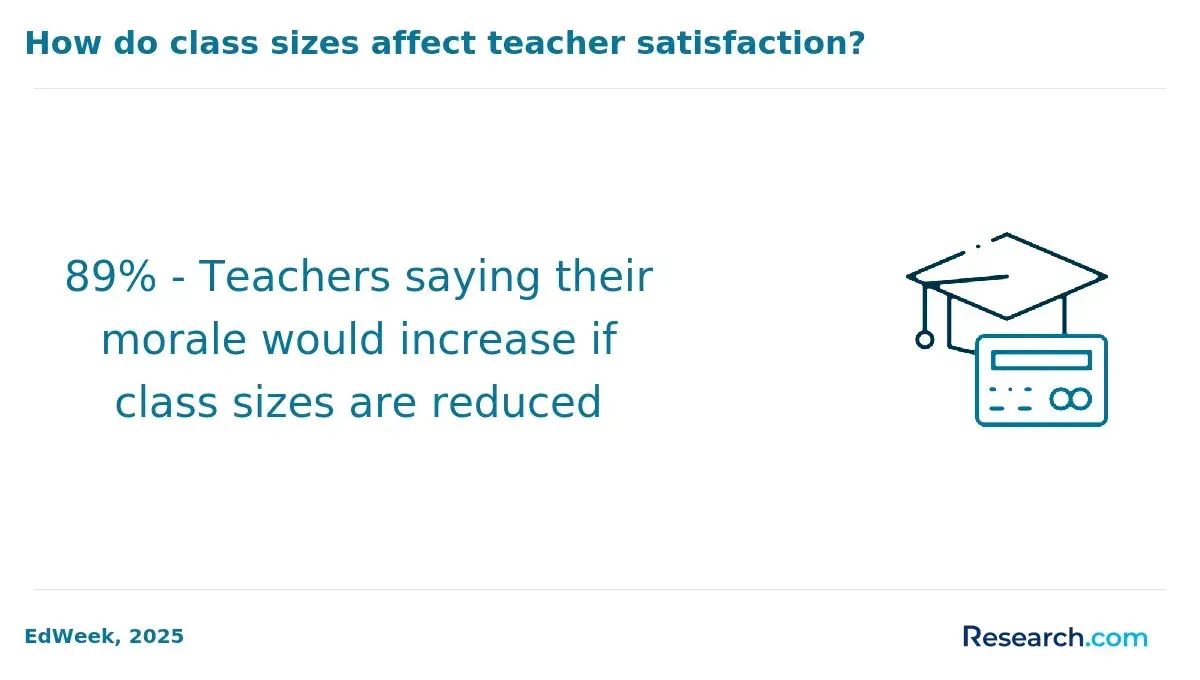
- Large classes and staffing shortages: Open positions can increase class sizes or add responsibilities for existing teachers, especially in high-need communities.
- Cost of living: The original data cited Arizona’s cost of living as about 6% higher than the national average in one section and seven percent higher in another, so candidates should verify current local costs for the area where they plan to work.
- Resource gaps: Some schools may have limited classroom supplies, technology, support staff, or extracurricular funding.
- Rural hiring needs: Rural districts may offer strong opportunities, but candidates should consider travel distance, housing availability, professional support, and community fit.
- Ongoing renewal requirements: Arizona teachers must complete 180 hours of professional development or 12 education credit hours every six years, which requires planning while working full time.
Prospective teachers can reduce financial strain by comparing affordable programs before enrolling. Research.com’s guide to the cheapest online teaching degree can help candidates identify lower-cost education options, but applicants should still confirm Arizona certification eligibility before committing.
Common Mistakes to Avoid
| Mistake | Why It Can Hurt You | Better Approach |
| Choosing a program based only on tuition | A cheap program may not lead to the certificate you need. | Verify Arizona approval, accreditation, clinical placement support, and exam preparation. |
| Assuming online means fully remote | Teacher preparation usually includes in-person fieldwork or student teaching. | Ask where placements occur and who arranges them. |
| Ignoring salary schedules | Starting pay, degree lanes, and stipends vary by district. | Compare total compensation, not just statewide averages. |
| Waiting too long on fingerprint clearance | Background processing can delay certification or employment. | Start the fingerprint process as early as allowed. |
| Assuming one certificate covers every role | Grade bands and subject authorizations are specific. | Match your certificate to the exact job postings you want. |
How Graduate Education Can Support Advancement
Additional education can help Arizona teachers deepen instructional skill, qualify for specialized roles, or prepare for leadership opportunities. A graduate degree is not always necessary for entry-level teaching, but it can be valuable for educators who want to move into curriculum design, instructional coaching, special education leadership, administration, or advanced classroom practice.
For elementary educators, a master's in elementary education online may provide focused training in literacy, assessment, differentiated instruction, and classroom leadership. Before enrolling, teachers should check whether the degree affects district salary placement, supports certification renewal, or prepares them for a specific endorsement.
Special Education Teacher Certification Steps in Arizona
Special education teachers need preparation that goes beyond general classroom instruction. Candidates must understand individualized education programs, accommodations, behavior supports, family collaboration, legal requirements, and evidence-based interventions for students with disabilities.
The typical path includes a bachelor’s degree from an accredited institution, completion of an educator preparation program with special education content, supervised field experience, and passing the required state certification assessments. Candidates should confirm the disability category, grade range, and endorsement structure connected to their program. Research.com provides a focused guide to special education teacher certification in Arizona for applicants who want a step-by-step overview.
Support Resources for New Arizona Teachers
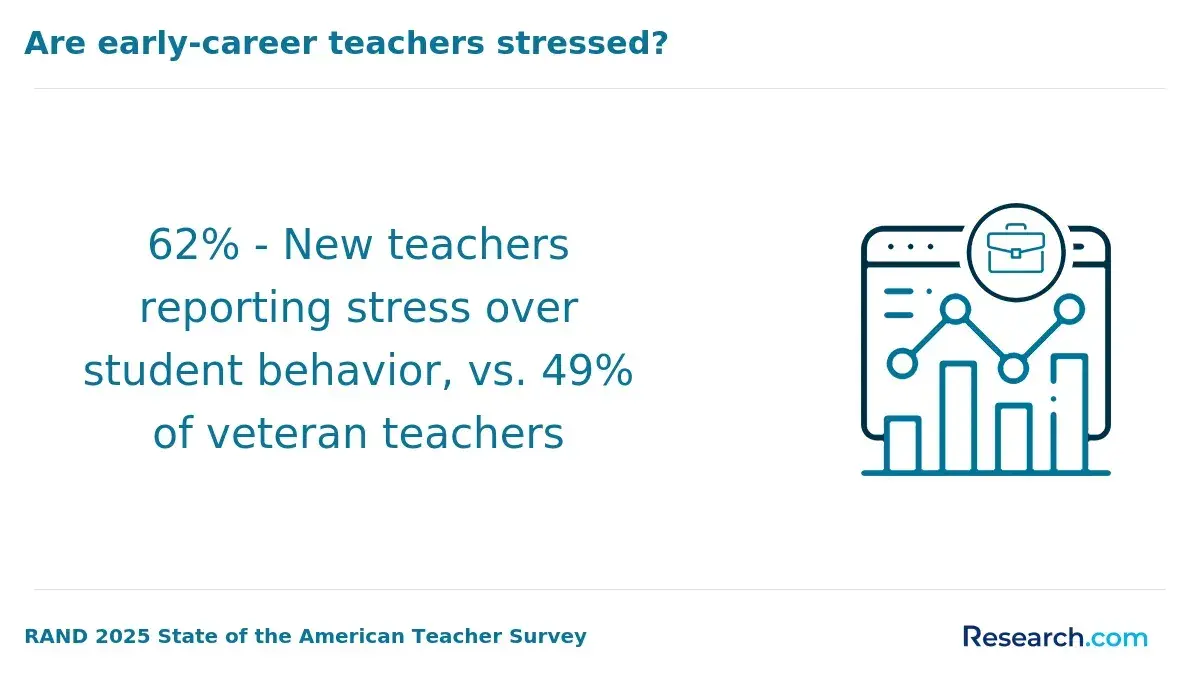
New teachers often face a steep learning curve during the first year. Arizona educators can look for support through districts, state resources, professional associations, universities, and peer networks. The quality of first-year support should be part of your job search, not an afterthought.
- Mentorship programs: Many districts pair new teachers with experienced educators who can help with classroom management, lesson planning, grading systems, parent communication, and school routines.
- Professional development workshops: The Arizona Department of Education and local organizations offer training on curriculum, student behavior, technology, assessment, and instructional strategies.
- Teacher networks: Professional groups and online communities can help new educators exchange lesson materials, ask questions, and build relationships outside their school building.
- Financial assistance and grants: Programs such as the Arizona Teachers Academy may help with tuition in exchange for a commitment to teach in Arizona. Teachers may also find classroom supply grants through schools, nonprofits, or community partners.
- Mental health and wellness resources: Teaching can be emotionally demanding. District counseling services, employee assistance programs, wellness initiatives, and peer support can help teachers sustain the work.
When interviewing, ask principals how new teachers are supported during the first semester, how often mentors meet with them, and whether they receive protected planning time or coaching.
Early Childhood Education vs. Elementary Education Degrees
Early childhood education and elementary education degrees prepare teachers for different developmental stages. Early childhood programs generally focus on young children, developmental milestones, play-based learning, family engagement, and early social-emotional growth. Elementary education programs usually emphasize structured instruction in reading, math, science, social studies, assessment, and classroom management for older children.
The right choice depends on the students you want to teach. If you are drawn to preschool or early primary development, early childhood education may be the better fit. If you want broader preparation for elementary classrooms and core academic subjects, elementary education may align more closely with your goals. For a deeper comparison, review Research.com’s guide to early childhood education vs elementary education degree programs key differences.
Alternative Education Careers in Arizona
Not every education career requires leading a traditional classroom all day. Arizona schools and learning organizations also need professionals in educational technology, school libraries, curriculum support, tutoring, instructional design, administration, student services, training, and community education.
For example, candidates interested in managing learning resources, supporting literacy, and helping students use information effectively may explore the path to how to be a school librarian in Arizona. These roles can appeal to education-minded professionals who want to support students without following a standard classroom teaching track.
How to Enter Special Education in Arizona
Special education is one of the most specialized teaching paths because educators must serve students with a wide range of learning, behavioral, physical, and communication needs. The work often includes designing individualized education programs, collaborating with general education teachers, communicating with families, coordinating services, and documenting progress carefully.
Candidates should choose preparation programs with strong supervised practice, faculty expertise in special education law and interventions, and clear alignment with Arizona certification. Research.com’s guide on how to become a special education teacher in Arizona explains how to move from interest to certification in this high-need area.
Typical Daily Responsibilities of Arizona Teachers
Certification gets you into the profession, but the daily work determines whether teaching is a good fit. After completing a bachelor of education online or another approved route and earning certification, Arizona teachers spend their days balancing instruction, planning, classroom culture, assessment, documentation, and communication.
- Planning lessons: Teachers design lessons aligned with Arizona academic standards, select materials, prepare activities, and adapt instruction for students with different learning needs.
- Managing the classroom: Teachers establish routines, reinforce expectations, build respectful relationships, and create an environment where students can participate safely and productively.
- Teaching and facilitating learning: Daily instruction may include direct teaching, discussions, small-group work, hands-on activities, technology use, demonstrations, and guided practice.
- Assessing student progress: Teachers grade assignments, monitor performance, give feedback, adjust lessons, and prepare students for required assessments.
- Collaborating with colleagues and families: Teachers meet with grade-level teams, specialists, administrators, parents, guardians, and IEP teams to support student success.
- Completing professional responsibilities: Teachers attend training, document interventions, communicate with families, participate in school events, and maintain certification-related professional development.
Top Teaching Programs in Arizona for 2027
Teachers make up a total of 2.6% of the entire U.S. workforce (Bureau of Labor Statistics, 2025). Many educators begin with an undergraduate teaching degree, while others advance through graduate programs such as an online masters in early childhood or a doctoral program in education.
The schools below offer teaching-related programs in Arizona. Use this list as a starting point, not a final ranking. Before applying, confirm current tuition, certificate alignment, accreditation, clinical placement options, transfer credit policies, and whether the program meets Arizona Department of Education requirements for your intended role.
Arizona State University
Arizona State University’s Mary Lou Fulton Teachers College offers undergraduate, certificate, and graduate education programs. Students can choose from multiple teaching areas and may also consider teaching minor options. Graduate offerings include MEd, MA, and PhD programs in education.
- Program Length: Four Years (undergraduate); Two to Five Years (graduate)
- Tracks/concentrations: elementary education, special education, applied science, physical education, and more.
- Cost per credit: $452 (undergraduate); $825 (graduate).
- Required Credits to Graduate: 120 (undergraduate); at least 30 (graduate).
- Accreditation: Higher Learning Commission
University of Arizona
The University of Arizona offers a traditional teaching certificate, M.Ed. that can be completed through an accelerated format. This option may suit candidates who already hold an undergraduate degree in childhood development or another bachelor’s degree and want to prepare for secondary teaching certification. Graduates may pursue middle school or high school teaching positions.
- Program Length: One to Two Years
- Tracks/concentrations: N/A
- Cost per credit: $600
- Required Credits to Graduate: 36
- Accreditation: WASC Senior College and University Commission
University of Phoenix
The University of Phoenix College of Education provides online bachelor’s education degrees with tracks in early childhood education and elementary education. Coursework addresses learner development, instructional practice, ethical practice, innovation, and professionalism for future educators.
- Program Length: Four Years
- Tracks/concentrations: early childhood education and elementary education
- Cost per credit: $398
- Required Credits to Graduate: 120
- Accreditation: Higher Learning Commission
Grand Canyon University
Grand Canyon University’s College of Education offers education programs that combine teaching preparation with a Christian worldview. Students may choose campus-based or online graduate and undergraduate degrees in education, with several specialization options at both bachelor’s and master’s levels.
- Program Length: Four Years (undergraduate); Two Years (graduate)
- Tracks/concentrations: early childhood education, educational studies, special education, and higher education student affairs
- Cost per credit: $455 (undergraduate); $590 (graduate)
- Required Credits to Graduate: 120 (undergraduate); 32 (graduate).
- Accreditation: Association for Advancing Quality in Educator Preparation
Presscott College
Presscott College offers degrees and certificates in education, including a bachelor of arts in education, MA programs in education, and post-baccalaureate certification options in several specialty areas. The college also provides an accelerated route for candidates preparing for professional education practice.
- Program Length: Four Years (undergraduate); Two Years (graduate)
- Tracks/concentrations: early childhood education, elementary education, school counseling, special education, and more
- Cost per credit: $1,415 (undergraduate), $512 (online undergraduate), $598 (graduate).
- Required Credits to Graduate: 120 (undergraduate); 36 (graduate).
- Accreditation: Association for Experiential Education
How to Compare Arizona Teaching Programs
| Selection Factor | Why It Matters | Best Question to Ask |
| Arizona certification alignment | A degree is only useful for licensure if it meets the correct state requirements. | Which Arizona certificate does this program prepare me to apply for? |
| Accreditation | Accreditation affects credit transfer, financial aid eligibility, and professional recognition. | Which institutional and educator preparation accreditations apply? |
| Clinical placement support | Student teaching is a critical requirement and can be hard to arrange alone. | Does the school place me, or must I find my own classroom site? |
| Total cost | Credit price is only one part of the expense. | What are the full tuition, fees, testing, background check, and materials costs? |
| Format | Online, hybrid, and campus programs vary in flexibility. | Are any classes synchronous, and when must I be physically present? |
| Student support | Advising, exam preparation, and placement guidance can affect completion. | What support is available for certification exams and first teaching applications? |
How to Move Into Online Teaching in Arizona
Online teaching can be a good fit for educators who are comfortable with digital tools, written communication, remote classroom routines, and student engagement strategies outside a physical classroom. However, virtual teaching still requires strong lesson design, assessment skills, classroom management, and compliance with school policies.
Arizona teachers who want to teach online should strengthen skills in learning management systems, video-based instruction, accessibility, digital assessment, student data privacy, and remote family communication. Research.com’s guide on how to become a teacher online in Arizona explains how licensed educators can prepare for virtual instruction roles.
How Certification Requirements Affect Advancement in Arizona
Certification determines what you are authorized to teach, but it can also shape advancement. Teachers with additional endorsements, graduate coursework, leadership preparation, or specialized credentials may qualify for roles in instructional coaching, department leadership, curriculum development, special education coordination, or administration, depending on district rules.
Because requirements can vary by certificate area, educators should regularly review renewal expectations and additional credential options. Research.com’s guide to teacher certification requirements in Arizona provides a focused look at certificate types and how they relate to professional growth.
How to Obtain a Substitute Teaching License in Arizona
Substitute teaching can be a practical way to gain classroom experience, test whether teaching fits your personality, and build connections with local districts. Arizona substitute candidates should expect state-specific requirements related to educational background, fingerprinting, background review, and application documentation.
Because substitute rules can differ from full teacher certification and may change over time, review the current process before applying. Research.com’s guide to Arizona substitute teacher requirements outlines eligibility standards and application steps.
Can Speech Therapy Certification Expand Education Career Options?
Speech-language pathology can intersect closely with education, especially in schools serving students with speech, language, communication, and learning needs. Educators who move into this area can support students through assessment, intervention, collaboration with families, and participation in special education planning.
This is a specialized professional path with its own credential expectations. Candidates interested in communication disorders and school-based therapy should review Research.com’s guide on how to be a speech therapist in Arizona.
How to Specialize in Art Education in Arizona
Art teachers need both instructional preparation and creative expertise. Candidates should build a strong portfolio, study art pedagogy, understand age-appropriate studio instruction, and prepare to teach students with varying levels of artistic experience and access to materials.
Arizona candidates should verify the correct subject certification, required exams, and teacher preparation expectations for visual arts. Research.com’s guide on how to become an art teacher in Arizona provides more detail on the steps for entering this specialty.
Kindergarten Teacher Requirements in Arizona
Kindergarten teachers work at a key transition point between early childhood development and formal schooling. They need strong knowledge of language development, early literacy, numeracy, social-emotional growth, classroom routines, family communication, and developmentally appropriate instruction.
Prospective kindergarten teachers should choose a program that supports early childhood or elementary preparation, depending on the certificate structure and grade authorization. For a focused breakdown, see Research.com’s guide to kindergarten teacher requirements in Arizona.
Private School Teacher Requirements in Arizona
Private schools may set hiring standards that differ from public school certification rules. Some private institutions prioritize state certification, while others emphasize subject expertise, religious or philosophical alignment, prior teaching experience, small-school flexibility, or specialized curriculum experience.
Candidates should ask each private school directly about degree expectations, background checks, curriculum training, student support responsibilities, and whether public certification is preferred or required. Research.com’s guide to private school teacher requirements in Arizona explains how these roles may differ from public school positions.
Should You Become a Teacher in Arizona?
Teaching in Arizona can be a strong choice if you want meaningful public-service work, can manage the certification process, and are prepared for the realities of classroom life. The strongest candidates are not only passionate about students; they are also organized, resilient, reflective, culturally responsive, and willing to keep learning.
The decision should be practical as well as personal. Arizona teacher salaries may be lower than some comparison states, and the cost of living can affect affordability. However, candidates can improve their options by choosing the right certification area, comparing districts carefully, pursuing shortage-field opportunities, and considering advanced study or specialization, such as an online child development degree, when it aligns with their goals.
Who This Career May Fit Best
- You want a people-centered career with daily interaction and long-term community impact.
- You are willing to meet state certification, exam, fingerprinting, and renewal requirements.
- You can adapt instruction for students with different academic, cultural, language, and social-emotional needs.
- You are comfortable collaborating with families, administrators, specialists, and other teachers.
- You have reviewed district salaries and benefits realistically before enrolling in a program.
Who Should Consider Another Path First
- You need a high starting salary immediately and cannot manage the local cost of living on teacher pay.
- You want fully remote work but are not interested in classroom management, assessment, or student engagement responsibilities.
- You are not ready for ongoing professional development and license renewal requirements.
- You prefer education-adjacent work, such as instructional design, library services, counseling support, or training, rather than classroom teaching.
Key Insights
- Arizona has multiple certification routes: Candidates can enter through traditional bachelor’s programs, post-baccalaureate educator preparation, alternative certification, or specialized routes such as CTE certification.
- Certification fit matters more than program name: Before enrolling, confirm that the program leads to the exact Arizona certificate, grade band, and subject area you want.
- Salary should be evaluated locally: Arizona public school teachers earn an average of $60,281 (Salary.com, 2025), but district salary schedules, benefits, stipends, and local living costs determine real affordability.
- Shortages may create openings, but not easy work: The reported 29.7% teacher vacancy rate points to demand, yet shortages can also mean larger classes, fewer resources, or heavier workloads.
- Licensure has several required steps: Most candidates need an accredited bachelor’s degree, approved teacher preparation, certification exams, fingerprint clearance, and a completed Arizona Department of Education application.
- Renewal requires planning: Arizona standard teaching certificates are valid for six years, and renewal requires 180 hours of professional development or 12 credit hours of education coursework.
- Specialization can improve career flexibility: Areas such as special education, English, art, early childhood, online teaching, and speech-language services can open more targeted roles, but each has distinct requirements.
- Program comparison should be decision-focused: Look beyond tuition and rankings. Check accreditation, state approval, clinical placements, exam support, transfer credit, total cost, and district partnerships.
- Teaching is both mission-driven and demanding: Arizona teachers can have a lasting impact on students, but success requires realistic expectations, strong support systems, and careful financial planning.
Related Articles for Nearby States
- 2027 How to Become a Teacher in New Mexico – What Degree Do You Need to Be a Teacher?
- 2027 How to Become a Teacher in Nevada – What Degree Do You Need to Be a Teacher?
- 2027 How to Become a Teacher in California – What Degree Do You Need to Be a Teacher?
- 2027 How to Become a Teacher in Utah – What Degree Do You Need to Be a Teacher
- 2027 How to Become a Teacher in Colorado – What Degree Do You Need to Be a Teacher?
- 2027 How to Become a Teacher in Texas – What Degree Do You Need to Be a Teacher
- 2027 How to Become a Teacher in Oklahoma – What Degree Do You Need to Be a Teacher?
- 2027 How to Become a Teacher in Kansas – What Degree Do You Need to Be a Teacher?
- 2027 How to Become a Teacher in Wyoming – What Degree Do You Need to Be a Teacher
- 2027 How to Become a Teacher in Idaho – What Degree Do You Need to Be a Teacher?
References:
- Arizona Department of Education. (2025). Teacher preparation programs in Arizona. https://www.azed.gov/educator-certification/preparation-programs
- Bureau of Labor Statistics. (2025). Kindergarten and elementary school teachers. https://www.bls.gov/ooh/education-training-and-library/kindergarten-and-elementary-school-teachers.htm
- Council for the Accreditation of Educator Preparation. (2025). Accredited educator preparation providers. https://caepnet.org/provider-search
- Georgia Professional Standards Commission. (2025). Certification updates for experienced educators. https://www.gapsc.com/Certification/Renewals/ExperiencedEducator.aspx
- Indeed Career Guide. (2025). How to become a teacher in Arizona. https://www.indeed.com/career-advice/finding-a-job/how-to-become-teacher-in-arizona
- National Center for Education Statistics. (2025). Characteristics of public school teachers. https://nces.ed.gov/programs/coe/indicator/clr
- RentCafe. (2025). Cost of living in Arizona. Retrieved from https://www.rentcafe.com/cost-of-living-calculator/us/az/
- Salary.com. (2025). Public school teacher salary. https://www.salary.com
- U.S. Bureau of Labor Statistics. (2025). Occupational Outlook Handbook: Education, Training, and Library Occupations. U.S. Department of Labor. https://www.bls.gov/ooh/education-training-and-library/home.htm
- U.S. Bureau of Labor Statistics. (2025). Occupational Outlook Handbook: Education, Training, and Library Occupations. https://www.bls.gov/ooh/education-training-and-library/home.htm
- ZipRecruiter. (2026). Public school teacher salary in Arizona. https://www.ziprecruiter.com/Salaries/Public-School-Teacher-Salary--in-Arizona
Other Things You Should Know About Becoming a Teacher in Arizona
Yes, out-of-state teachers can work in Arizona. They must apply for an Arizona teaching certification and may need to meet specific requirements, such as passing Arizona-specific exams or fulfilling course requirements, depending on their credentials.
For teacher certification in Arizona, applicants must undergo fingerprint clearance through the Arizona Department of Public Safety. This ensures that all prospective teachers meet the state’s safety standards before they can teach in the classroom.
Yes, Arizona offers alternative certification pathways for those without a traditional teaching degree. Candidates may pursue programs like the Arizona Teaching Intern Certificate, which allows them to teach while completing necessary coursework and assessments to obtain full certification.
Aspiring teachers in Arizona must complete a student teaching experience as part of their teacher preparation program. This typically involves a semester-long placement in a classroom setting to provide hands-on teaching practice under the supervision of an experienced educator.
The Arizona Department of Education, through the Educator Certification unit, issues Arizona teacher certificates. Applicants must create an ADE application, submit transcripts and fingerprint clearance, and meet the specific grade-level or subject-area requirements for the certificate they seek.


