2027 How to Become a History Teacher in Georgia: Requirements & Certification

Co-Founder and Chief Data Scientist
Becoming a history teacher in Georgia means more than choosing a subject you enjoy. You need the right degree, a Georgia-approved educator preparation route, required assessments, classroom experience, and a clear understanding of where history and social studies teachers are most needed. Georgia employed 123,684 teachers during the 2021-2022 school year, according to the Georgia K-12 Teacher and Leader Workforce Report (Flamini & Wang, 2024). About 5.5% were new to teaching, a 1.4 percentage point increase from the prior year, which shows that schools continue to bring new educators into the workforce.
This guide explains how to become a history teacher in Georgia in practical terms: what credentials you need, how certification works, what salaries look like, which career paths are available, and how to decide whether this profession fits your long-term goals. It is written for college students, career changers, out-of-state teachers, and current educators who want to specialize or advance in social studies education.
Quick answer: how do you become a history teacher in Georgia?
To become a public school history teacher in Georgia, you generally need a bachelor’s degree, completion of a state-approved educator preparation program, supervised classroom experience, passing scores on required Georgia assessments, and a Georgia teaching certificate. Candidates usually prepare for social studies or history instruction through a history, social studies education, or related education program. Career changers may qualify through alternative certification options, including Georgia Teacher Academy for Preparation and Pedagogy (GaTAPP), if they meet state and district requirements.
Key things to know before choosing this career
- Georgia’s education sector is projected to see a 9% to 11% increase in teaching jobs over the next decade.
- History teachers help students interpret evidence, understand civic institutions, evaluate sources, and connect past events to current issues.
- The average salary for a history teacher in Georgia is approximately $48,000, while Salary.com lists an average of $48,837 and a range of $40,771 to $59,582.
- Georgia offers alternative pathways for candidates who already hold a bachelor’s degree and want to move into teaching without completing a traditional undergraduate education program.
- Networking through school districts, local education associations, social studies organizations, museums, libraries, and mentor teachers can improve job-search readiness.
- What are the requirements to become a history teacher in Georgia?
- Are there grants or scholarships available for aspiring history teachers in Georgia?
- Do history teachers need special certifications in Georgia?
- Is there certification reciprocity for history teachers in Georgia?
- How much do history teachers make in Georgia?
- What career paths are available for history teachers in Georgia?
- What professional development opportunities are available for history teachers in Georgia?
- What are the best resources for history teachers in Georgia?
- What interdisciplinary certifications can boost my career as a history teacher in Georgia?
- How can I integrate technology to enhance history education in Georgia?
- How do history teaching careers compare to other teaching disciplines in Georgia?
- Should I pursue an advanced degree to boost my history teaching career in Georgia?
- How can local libraries and community partnerships enhance history education in Georgia?
- Is Georgia a good state to teach in?
- What distinguishes private school teaching opportunities from public school roles in Georgia?
- How do state and local policies influence career opportunities for history teachers in Georgia?
- How do evolving certification requirements shape my career as a history teacher in Georgia?
- What emerging trends are shaping history education in Georgia?
- What are the challenges of teaching history to students in Georgia?
- How to get started as a history teacher in Georgia?
- What steps should I take to pursue a career as a history teacher in Georgia?
- What professional organizations and mentorship programs can elevate my career as a history teacher in Georgia?
What are the requirements to become a history teacher in Georgia?
The standard route to becoming a history teacher in Georgia combines academic preparation, teacher training, testing, and state certification. Public school teachers must meet Georgia Professional Standards Commission requirements. Private schools may set different hiring standards, but state certification can still make a candidate more competitive.
| Requirement | What it means | Decision point for candidates |
| Bachelor’s degree | Complete an undergraduate degree in history, social studies education, education, or a closely related field. | If you are still choosing a major, look for programs that include both content coursework and teacher preparation. |
| Educator preparation program | Finish a Georgia-approved preparation program through a degree, post-baccalaureate, certification-only, or alternative pathway. | If you already have a bachelor’s degree, ask whether an alternative pathway is faster or more affordable than earning another degree. |
| Student teaching or supervised practice | Complete classroom-based training under the guidance of experienced educators. | Choose placements that expose you to the grade level you want to teach, such as middle school or high school social studies. |
| Required assessments | Pass the Georgia Assessments for the Certification of Educators (GACE) and complete ethics requirements. | Confirm which content assessment applies to your target certificate before registering. |
| Georgia teaching certificate | Apply through the state after meeting education, preparation, testing, and documentation requirements. | Use a MyPSC account to track eligibility, testing, and application status. |
A practical sequence looks like this:
- Earn a bachelor’s degree. A history or social studies education program is the most direct fit. Institutions such as the University of Georgia and Georgia State University are examples of Georgia schools where students may explore teacher preparation options.
- Complete an approved educator preparation program. This is where you learn lesson planning, assessment, classroom management, instructional methods, and Georgia curriculum expectations.
- Build supervised classroom experience. Student teaching helps you practice leading discussions, managing classroom routines, adapting instruction, and assessing student work.
- Pass required state assessments. Candidates must complete the Georgia Assessments for the Certification of Educators (GACE) for initial licensure.
- Apply for certification. After completing all requirements, submit your documentation for a Georgia teaching certificate.
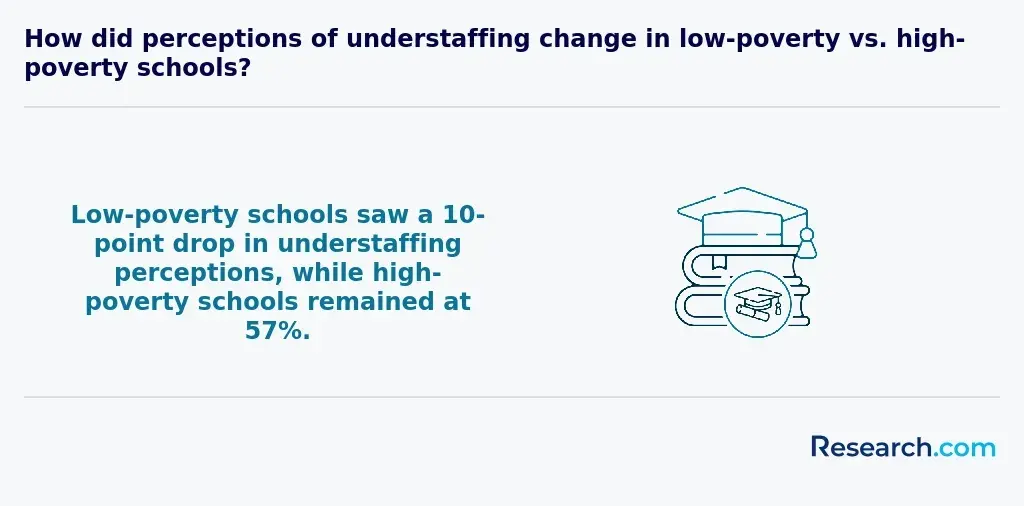
These requirements matter because history teachers are expected to teach more than dates and events. They help students analyze documents, identify bias, compare interpretations, write evidence-based arguments, and understand democratic institutions. At the same time, new teachers should be realistic about workplace conditions. Nationwide, 57% of high-poverty schools continue to report perceptions of being understaffed, which can make early-career teaching more demanding in some settings.
Traditional vs. alternative certification routes in Georgia
| Pathway | Best for | Main advantage | What to verify |
| Traditional bachelor’s degree with teacher preparation | Students who know early that they want to teach history or social studies | Combines academic preparation, pedagogy, and fieldwork in one planned route | That the program is approved for Georgia teacher certification |
| Post-baccalaureate or certification-only program | Graduates who already hold a bachelor’s degree | Can focus directly on certification requirements | Admission rules, field placement requirements, and assessment preparation |
| GaTAPP or other alternative route | Career changers and district-sponsored candidates | Allows qualified candidates to transition into teaching through a practical pathway | District participation, eligibility, mentorship, and certificate conditions |
| Graduate education program | Candidates who want certification plus advanced preparation | May support future leadership, curriculum, or specialist roles | Cost, time commitment, and whether the program leads to the certificate you need |
Are there grants or scholarships available for aspiring history teachers in Georgia?
Yes. Aspiring history teachers in Georgia should compare scholarships, grants, institutional aid, and service-based funding before taking on loans. Financial aid will not remove every cost, but it can reduce the amount you need to borrow for tuition, fees, books, testing, and unpaid field placements.
- Georgia Association of Educators Foundation, Inc. Scholarship: The GAE provides scholarships and grants for future and current educators. Award amounts vary and may help reduce tuition expenses.
- HOPE Scholarship: Funded by the Georgia Lottery, this scholarship supports eligible students attending qualifying Georgia colleges and universities. Award amounts vary.
- TEACH Grant: This federal grant may provide up to $4,000 per year for students who plan to teach in high-need fields or low-income schools. Recipients must satisfy a service obligation, so candidates should understand the terms before accepting the grant.
- Local education foundations: Many Georgia counties and school communities offer scholarship support for future teachers. Colleges and universities may also operate their own education scholarships.
Questions to ask before accepting teacher financial aid
- Is the award a scholarship, grant, loan, or forgivable loan?
- Does the funding require teaching in a specific subject, district, or school type?
- What happens if I change majors, delay graduation, or teach outside the required setting?
- Can the award be combined with HOPE Scholarship funding or institutional aid?
- Will the aid cover only tuition, or can it also help with fees, exams, books, and student-teaching costs?
If you are comparing certification rules across nearby states, Research.com also explains the teacher credentialing process in South Carolina. For Georgia candidates, however, always confirm funding and certification details through Georgia-specific sources before enrolling.
Do history teachers need special certifications in Georgia?
Yes. Public school history teachers in Georgia need a teaching certificate that matches the grade level and subject area they plan to teach. In practice, many history teachers are certified in social studies because the school curriculum often includes U.S. history, world history, government, economics, geography, and related social science content.
The basic certification process usually includes the following:
- Earn an undergraduate degree from an appropriate institution.
- Complete a state-approved educator preparation program.
- Create a MyPSC account to monitor eligibility and certification progress.
- Pass the Georgia Assessments for the Certification of Educators (GACE) for the required content area.
- Complete the Georgia Educator Ethics Assessment.
Certification is especially important in social studies. The Georgia K-12 Teacher and Leader Workforce Report shows that 748 new social studies teachers were certified in 2021-22. Even so, 17.5% of middle and high school social studies courses were taught by out-of-field teachers. That gap suggests that qualified, properly certified social studies educators remain important to Georgia schools.
Common certification mistake to avoid
Do not assume that a history degree alone qualifies you to teach in a Georgia public school. Subject knowledge is necessary, but public school certification also requires approved educator preparation, assessments, ethics requirements, and state documentation.
Is there certification reciprocity for history teachers in Georgia?
Georgia offers a pathway for educators who already hold a teaching license or certificate from another state, but reciprocity is not automatic. Out-of-state teachers must have their credentials reviewed to determine whether they meet Georgia standards or need additional testing, coursework, or preparation.
Out-of-state applicants commonly need to provide:
- A bachelor’s degree in education or a relevant field
- Official transcripts
- Documentation of teaching or relevant professional experience
- A copy of the out-of-state license or certificate
- A copy of official test scores
Some applicants may need to complete a state-approved preparation program or pass the GACE and ethics exams if their prior credentials do not satisfy Georgia requirements. The safest next step is to create a MyPSC account and request guidance based on your specific certificate, state, testing history, and experience.
Who should pay close attention to reciprocity?
- Teachers moving to Georgia from another state
- Military spouses and relocating families
- Private school teachers seeking public school roles
- Career changers who completed alternative certification elsewhere
- Teachers with expired, provisional, emergency, or nonrenewable credentials
How much do history teachers make in Georgia?
Salary should be part of your decision, but it should not be evaluated from a single number. Pay for history teachers in Georgia varies by district, grade level, degree level, years of experience, school type, and location. Salary schedules in public schools can also differ from compensation practices in private schools, charter schools, and higher education.
| Salary measure | Reported figure | How to interpret it |
| Average history teacher salary in Georgia | $48,837 annually | Salary.com reports this average, with a range from $40,771 to $59,582. |
| Approximate history teacher salary | Approximately $48,000 | A useful quick estimate, but local district schedules may differ. |
| Entry-level history teacher salary | Around $41,148 | New teachers may start near this level depending on district and credentials. |
| Experienced history teacher salary | Over $64,461 | Higher earnings are more likely with experience, advanced education, and district pay steps. |
| Middle school teachers | $74,720 | U.S. Bureau of Labor Statistics data lists this average for middle school teachers. |
| High school teachers | $71,310 | U.S. Bureau of Labor Statistics data lists this average for high school teachers. |
| Higher education teacher | As much as $82,130 | Higher education roles often require a master’s or doctoral degree. |
| College and university instructors | About $91,359 | National Education Association data uses a higher education occupational context. |
Several factors affect salary outcomes:
- Education level: Teachers with a bachelor’s degree often begin lower on salary schedules than teachers with advanced degrees. A master’s, education specialist credential, or doctorate may support higher pay where districts recognize advanced credentials.
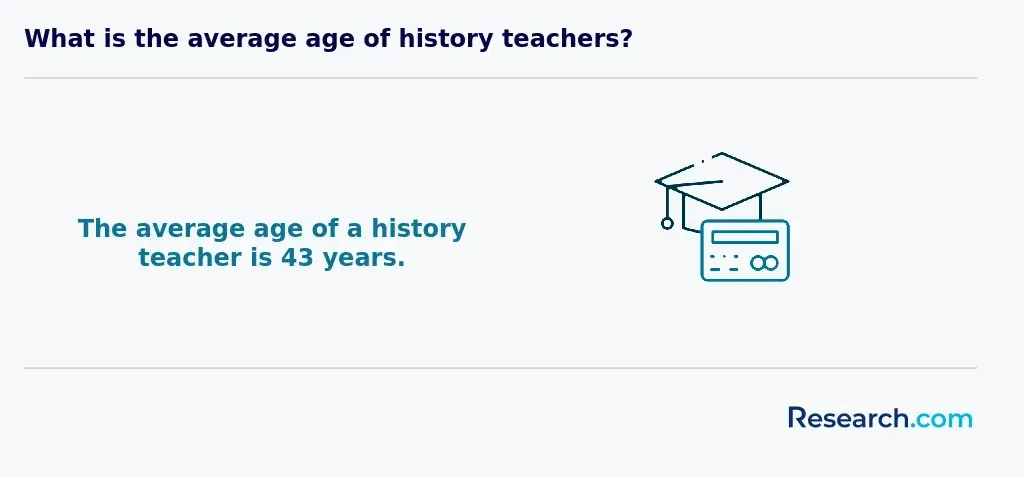
- Experience: Many teachers only reach higher salary levels by age 43. In Georgia, 37.5% of teachers have 1-10 years of experience, and 31.5% have 11-20 years of experience.
- Employer type: Public schools usually use defined salary schedules. Private schools may have more flexible compensation structures but may also vary more widely.
- Location: Urban areas such as Atlanta may offer different salary opportunities than smaller towns or rural districts, though cost of living and commute time also matter.
Teachers who want to broaden their student-support roles may also research related education careers, such as special education advocate positions, where teaching experience can be valuable in helping families navigate services and supports.
What career paths are available for history teachers in Georgia?
A history teaching credential can lead to more than one classroom role. Many educators begin in middle or high school social studies and later move into curriculum leadership, administration, higher education, museum education, policy, or consulting.
| Career path | Typical responsibilities | When this path makes sense |
| Middle school social studies teacher | Teach foundational history, geography, civics, and social studies skills to younger adolescents. | Best for educators who enjoy structure, developmental support, and building early historical thinking skills. |
| High school history teacher | Teach U.S. history, world history, government, economics, or AP courses. | Best for educators who want deeper content discussions, writing-intensive assignments, and college-readiness preparation. |
| Curriculum developer | Create lessons, assessments, instructional guides, and district-aligned resources. | Useful for experienced teachers who enjoy design, standards alignment, and teacher support. |
| Department chair or administrator | Lead teacher teams, coordinate curriculum, support evaluation processes, and manage school initiatives. | A strong option for teachers interested in leadership and school operations. |
| Higher education instructor | Teach at colleges or universities, often after completing graduate study. | Best for educators who want advanced scholarship, research, or adult learning roles. |
| Educational consultant | Advise schools, districts, publishers, or nonprofits on instruction, curriculum, assessment, or teacher training. | Suitable for experienced educators with strong subject and instructional expertise. |
| Museum educator or historian | Design public programs, exhibits, tours, school partnerships, and community learning experiences. | Ideal for teachers who want to connect history with public audiences outside a traditional classroom. |
Some educators also pair teaching experience with child and family support roles. For example, those interested in hospital, family, or therapeutic education settings may compare teaching with pathways connected to child life specialist graduate programs.
This chart shows the difference in pay for history teachers based on the type of industry.
What professional development opportunities are available for history teachers in Georgia?
Strong history teachers keep learning. Professional development helps educators update content knowledge, improve discussion facilitation, use primary sources more effectively, and adapt lessons for students with different reading levels and backgrounds.
- Georgia Historical Society programs: These can help teachers connect state history, primary sources, and local narratives to classroom standards.
- Georgia Council for the Social Studies conferences: Statewide gatherings allow educators to exchange lesson ideas, review policy and curriculum updates, and build professional networks.
- District and regional workshops: Local training can focus on assessment, literacy in social studies, classroom technology, civics instruction, or culturally responsive teaching.
- Online courses and webinars: Flexible professional learning can be useful for teachers balancing full-time teaching, family responsibilities, and certification renewal.
- Museum and archive partnerships: Institutions can provide access to exhibits, document sets, field trip opportunities, and expert-led learning experiences.
How to choose professional development that is worth your time
- Prioritize training that gives you ready-to-use lesson materials or assessment tools.
- Look for sessions tied to Georgia Standards of Excellence.
- Choose workshops that strengthen difficult skills, such as leading sensitive discussions or teaching document analysis.
- Ask whether the training counts toward district or certification-related professional learning expectations.
- Seek mentor teachers who can help you translate professional learning into classroom practice.
What are the best resources for history teachers in Georgia?
Georgia history teachers benefit from resources that provide standards alignment, primary sources, local history, civic education materials, and professional community. The most useful resources are those that help teachers plan lessons, support student inquiry, and stay current on certification and curriculum expectations.
- Georgia Department of Education: Use this source for curriculum standards, instructional guidance, assessment information, and statewide education updates.
- Georgia Historical Society: This organization offers historical materials, educator-focused resources, publications, and support for bringing Georgia history into the classroom.
- TeachingHistory.org and the National Council for History Education: These platforms provide lesson ideas, teaching strategies, primary source approaches, and professional learning materials.
- Atlanta History Center and Georgia Archives: Cultural institutions and archives can support field trips, student research, document-based inquiry, and local history projects.
- Libraries, museums, and local historical societies: Community institutions can make history more concrete by connecting students with places, artifacts, records, and local experts.
- Teacher networks and online communities: Professional groups can help teachers share resources, solve classroom problems, and learn from experienced educators.
Educators who want to apply teaching skills in broader youth-development settings may also review career paths in childhood development, especially if they are interested in learning, behavior, family engagement, or community programming.
What interdisciplinary certifications can boost my career as a history teacher in Georgia?
Additional credentials can make a history teacher more versatile, but they should be chosen strategically. The best add-on areas are those that improve student support, expand instructional options, or open leadership opportunities.
| Interdisciplinary area | How it can help a history teacher | Best fit |
| Special education | Improves your ability to adapt readings, assessments, and classroom routines for diverse learners. | Teachers who want stronger inclusion skills or broader hiring flexibility. |
| English/literacy support | Strengthens document analysis, argumentative writing, vocabulary instruction, and source-based essays. | History teachers who assign frequent reading and writing. |
| Instructional technology | Supports digital archives, online discussions, interactive timelines, and multimedia projects. | Teachers building blended, online, or project-based lessons. |
| Educational leadership | Prepares teachers for department chair, instructional coach, or administrative roles. | Experienced educators seeking advancement beyond classroom teaching. |
| Communication or student-support fields | Can strengthen collaboration with specialists and improve communication with students and families. | Teachers interested in multidisciplinary school teams. |
Some educators compare teaching with adjacent service careers. If you are exploring student communication and support roles, review how to become a speech pathologist in Georgia to understand how that profession differs from classroom teaching.
How can I integrate technology to enhance history education in Georgia?
Technology works best in history classes when it deepens inquiry rather than simply replacing paper worksheets. Georgia history teachers can use digital tools to help students examine primary sources, compare maps, analyze timelines, create multimedia arguments, and collaborate on research projects.
- Use digital archives: Students can examine letters, photographs, newspaper records, maps, speeches, and public documents.
- Build interactive timelines: Timelines help students connect causes, effects, turning points, and overlapping events.
- Assign virtual museum tours: These can expand access when transportation, scheduling, or cost makes field trips difficult.
- Use learning management systems: Online discussion boards, quizzes, feedback tools, and shared documents can organize historical inquiry.
- Teach source evaluation explicitly: Students need practice identifying authorship, context, purpose, evidence, and bias in digital information.
Technology decisions should match the age of students, district policies, student privacy rules, available devices, and learning goals. Teachers who work with younger learners may also find useful instructional comparisons in Research.com’s discussion of whether early childhood education is easy, especially when thinking about developmental readiness and lesson design.
How do history teaching careers compare to other teaching disciplines in Georgia?
History teaching differs from other subjects in the type of thinking it emphasizes. Social studies teachers often guide students through debate, interpretation, source evaluation, civic reasoning, and evidence-based writing. Other teaching disciplines may place heavier emphasis on procedural fluency, lab methods, performance, language acquisition, or developmental milestones.
| Teaching area | Primary instructional focus | Why a candidate might choose it |
| History/social studies | Historical interpretation, civics, geography, economics, debate, and source analysis. | Best for candidates who enjoy reading, discussion, evidence, public issues, and writing. |
| Mathematics | Problem solving, quantitative reasoning, procedures, and conceptual understanding. | Best for candidates who enjoy structured skill development and analytical thinking. |
| English/language arts | Reading, writing, literature, rhetoric, grammar, and communication. | Best for candidates who want intensive work with texts and composition. |
| Art education | Creative expression, visual literacy, technique, critique, and studio practice. | Best for candidates who want hands-on creative learning and visual communication. |
| Elementary education | Multiple subjects, early academic foundations, classroom routines, and child development. | Best for candidates who want to teach younger students across subject areas. |
If you are still comparing subject areas, Research.com also explains how to become a middle school math teacher in Georgia, which can help you compare certification expectations and day-to-day teaching differences.
Should I pursue an advanced degree to boost my history teaching career in Georgia?
An advanced degree can be useful, but it is not automatically the right next step for every history teacher. Before enrolling, compare the cost, time commitment, potential salary impact, district pay policies, and the type of role you want later.
Advanced degree decision guide
| Goal | Advanced education may help if... | Be cautious if... |
| Increase classroom expertise | You want deeper training in curriculum, literacy, assessment, or social studies pedagogy. | The program is expensive and does not align with your teaching assignment. |
| Move into leadership | You want to become a department chair, instructional coach, assistant principal, or principal. | You are not interested in administrative responsibilities. |
| Teach in higher education | You are prepared to complete graduate-level history or education study. | You expect a college teaching role without researching hiring requirements. |
| Improve salary placement | Your district recognizes advanced degrees in its salary schedule. | Your employer does not offer a meaningful pay increase for the credential. |
Educators weighing graduate-level options can also review whether an education specialist degree is easy to better understand how an EdS differs from other graduate pathways.
How can local libraries and community partnerships enhance history education in Georgia?
Local partnerships can make history more immediate for students. Libraries, archives, museums, historical societies, universities, civic organizations, and community elders can provide sources and perspectives that textbooks alone may not capture.
- Libraries: Support research instruction, curated reading lists, local records, databases, and student inquiry projects.
- Museums: Provide exhibits, field trips, artifacts, guest speakers, and public history examples.
- Archives: Give students access to primary sources and historical evidence.
- Community organizations: Connect lessons to local events, oral histories, civic participation, and cultural memory.
- School librarians: Help teachers design research units, teach source credibility, and locate age-appropriate materials.
Teachers who want stronger school-library partnerships may find it useful to learn how to become a school librarian in Georgia, particularly if they are interested in research instruction, media literacy, and student access to information.
Is Georgia a good state to teach in?
Georgia can be a strong state for aspiring history teachers, but the decision depends on your location, financial situation, school environment, and tolerance for the realities of public education work. The state has demand for teachers, but educators also face workload, funding, retention, and student-loan challenges.
| Potential advantage | What it means for history teachers |
| Job openings | From 2020 to 2030, Georgia expects 2,530 annual job openings for middle school teachers, 2,020 for high school teachers, and 50 for history professors. |
| Demand in rural areas | Some rural districts may experience more pronounced vacancies, which can create opportunities for certified candidates. |
| Support initiatives | Georgia has implemented initiatives that support teacher training and incentives for work in high-need schools. |
| Professional learning | Teachers can access conferences, workshops, historical societies, district training, and online development options. |
| Potential challenge | Why it matters |
| Student debt | The Professional Association of Georgia Educators (PAGE) reports that nearly 75% of educators who earned bachelor’s degrees since 2005 incurred student loan debt, with almost 42% owing over $40,000. |
| Funding variability | Uneven resources can affect classroom materials, extracurricular opportunities, staffing, and teacher workload. |
| Retention concerns | The average retention rate for K-12 social studies teachers is 47.6%. Among K-12 special education teachers, those who teach social studies have the lowest retention rate at 33.1%. |
| Workload pressure | Staffing gaps can increase planning demands, coverage responsibilities, and stress for remaining teachers. |
This chart shows the teacher mobility among teachers in the U.S.
What distinguishes private school teaching opportunities from public school roles in Georgia?
Private and public school history teaching jobs can differ in certification expectations, curriculum control, class size, salary structure, benefits, accountability systems, and school culture. Public school roles are usually tied to state certification requirements and district salary schedules. Private schools may have more flexibility in hiring and curriculum but can vary widely in compensation and benefits.
| Factor | Public school history teacher | Private school history teacher |
| Certification | Georgia certification is generally required for public school teaching. | Requirements vary by school, though certification can improve competitiveness. |
| Curriculum | Aligned with state standards and district expectations. | May allow more school-level or mission-driven flexibility. |
| Pay structure | Often based on district salary schedules. | May be individually negotiated or set by school policy. |
| Accountability | Connected to state, district, and school performance systems. | Often shaped by school leadership, accreditation, and parent expectations. |
| Best fit | Candidates who want public certification, defined benefits, and state-aligned teaching. | Candidates who prefer mission-specific schools, smaller communities, or curricular flexibility. |
If you are comparing school types, review the private school teacher requirements in Georgia before assuming that one path is easier or better than the other.
How do state and local policies influence career opportunities for history teachers in Georgia?
Policy decisions shape what history teachers teach, how schools are funded, how teachers are evaluated, and which professional development priorities districts emphasize. State standards, local board decisions, textbook policies, assessment requirements, and budget choices can all affect a social studies teacher’s daily work.
- Curriculum standards: Determine required course content and grade-level expectations.
- Funding decisions: Influence staffing, classroom materials, technology, field trips, and support services.
- Certification rules: Affect who can be hired and what credentials teachers must maintain.
- Local priorities: Shape course offerings, electives, AP availability, and professional learning topics.
- Evaluation systems: Influence instructional goals, documentation, observations, and teacher feedback.
Teachers who understand local policy can better advocate for resources, select relevant professional development, and plan their career moves. If you are comparing humanities teaching roles, Research.com also covers how to become an English teacher in Georgia.
How do evolving certification requirements shape my career as a history teacher in Georgia?
Certification requirements can affect hiring, renewal, endorsements, out-of-state transfers, and advancement. A teacher who ignores credential updates may miss deadlines or discover too late that an additional assessment, ethics requirement, or documentation step is needed.
For the most relevant planning, check state guidance before you enroll in a program, register for exams, move from another state, accept a private school role, or apply for a new certificate field. Research.com’s guide to Georgia teacher certification types and requirements can help you compare credential categories and understand how certification choices affect long-term options.
What emerging trends are shaping history education in Georgia?
History education is changing because students now encounter information through digital media, public debates, social platforms, and rapidly shifting civic contexts. Georgia history teachers need to prepare students not only to remember historical facts but also to evaluate evidence, compare narratives, and participate thoughtfully in civic life.
- Digital primary sources: Teachers increasingly use online archives, maps, newspapers, images, and government records.
- Media literacy: Students need explicit instruction in credibility, misinformation, sourcing, and bias.
- Interdisciplinary projects: History lessons can connect with art, literature, geography, economics, and technology.
- Community-based learning: Local history projects can help students see how broad historical themes appear in their own communities.
- Culturally responsive teaching: Teachers are expected to engage diverse perspectives while maintaining evidence-based instruction.
Creative and visual approaches can also strengthen history instruction. Candidates interested in cross-disciplinary teaching may compare social studies with the requirements to be an art teacher in Georgia.
What are the challenges of teaching history to students in Georgia?
Teaching history can be deeply rewarding, but candidates should understand the profession’s pressures before entering the classroom. The biggest challenges often involve curriculum debates, workload, student engagement, support for new teachers, and retention.
- Curriculum limitations and local control debates: PAGE reports that 75% of educators believe curriculum decisions should be made locally rather than dictated by state or federal authorities, and over 90% support involvement by school-level educators. History teachers may need to teach required standards while also making lessons relevant and inclusive.
- Burnout and stress: According to PAGE, 56.5% of educators with 20 years or less experience are likely to leave teaching, with burnout cited as the main reason. More than 51% would not recommend a career in education.
- Inconsistent mentoring: New history teachers often need support with classroom management, sensitive discussions, planning, and assessment. PAGE data indicates that 22% of new teachers report not having a mentor.
- Sensitive topics: History teachers may lead discussions about race, war, civil rights, government, religion, economics, political conflict, and social movements. These topics require careful planning, strong norms, and evidence-based instruction.
- Reading and writing demands: Students may enter class with different literacy levels, making primary-source analysis and essay writing challenging without scaffolding.
Some educators compare certification options in other states as part of long-term planning. Research.com’s guide to Arkansas teaching credentials can help candidates understand how pathways may differ outside Georgia.
How to get started as a history teacher in Georgia?
Start by identifying your current status: high school student, college student, bachelor’s degree holder, out-of-state teacher, private school teacher, or career changer. Your starting point determines the most efficient certification route.
- Confirm your target grade level. Decide whether you want middle school social studies, high school history, or another social studies-related assignment.
- Review Georgia certification rules. Use official state resources and MyPSC to understand educator preparation, testing, and documentation requirements.
- Choose a preparation pathway. Compare traditional programs, certification-only programs, graduate programs, and GaTAPP if you already have a bachelor’s degree.
- Estimate total cost. Include tuition, fees, books, testing, background checks, transportation, and the financial impact of student teaching.
- Prepare for GACE early. Review content expectations before your final semester or before beginning an alternative route.
- Seek classroom exposure. Tutor, substitute teach if eligible, volunteer, observe classes, or work with youth programs to test whether teaching fits you.
- Build a teaching portfolio. Save lesson plans, reflections, assessments, student-teaching feedback, and evidence of instructional technology use.
If cost is a major concern, compare options for the cheapest way to get a teaching credential in Georgia before enrolling. The lowest tuition is not always the best value if the program lacks strong advising, field placements, exam support, or certification alignment.
What steps should I take to pursue a career as a history teacher in Georgia?
The best next steps depend on where you are now, but most candidates should follow a structured plan rather than simply applying to the first available program.
| Your current situation | Recommended next move | What to avoid |
| High school student | Take history, government, writing, and education-related electives; research Georgia colleges with approved teacher preparation. | Choosing a college without checking whether its program leads to Georgia certification. |
| College student | Meet with an education advisor early and confirm fieldwork, testing, and admission requirements for teacher preparation. | Waiting until senior year to ask about GACE or student teaching requirements. |
| Bachelor’s degree holder | Compare post-baccalaureate, certification-only, graduate, and alternative routes. | Assuming a history major automatically qualifies you for public school teaching. |
| Career changer | Explore district-sponsored options such as GaTAPP and confirm eligibility before leaving your current job. | Underestimating the workload of teaching while completing certification requirements. |
| Out-of-state teacher | Create a MyPSC account and request a credential review. | Assuming reciprocity guarantees immediate full certification. |
Candidates focused specifically on secondary education can review Research.com’s guide to becoming a high school history teacher in Georgia for a more grade-specific path.
What professional organizations and mentorship programs can elevate my career as a history teacher in Georgia?
Professional organizations and mentors can shorten the learning curve for new history teachers. They help with lesson planning, classroom management, certification questions, job leads, conference opportunities, and emotional support during difficult teaching years.
- Join social studies organizations: State and national groups can connect you with educators who teach similar courses and grade levels.
- Attend local meetings and conferences: These events can introduce you to district leaders, curriculum specialists, and experienced teachers.
- Ask for a mentor before your first year begins: New teachers need someone to help interpret school culture, pacing guides, parent communication, and evaluation expectations.
- Build relationships with librarians and museum educators: These partners can support research projects and source-based learning.
- Seek peer observation opportunities: Watching skilled teachers lead discussions and manage transitions can be more useful than theory alone.
If you are still deciding between grade levels, Research.com also explains how to become an elementary school teacher in Georgia, which can help you compare younger-student teaching with secondary history instruction.
Common mistakes aspiring Georgia history teachers should avoid
| Mistake | Why it causes problems | Better approach |
| Choosing a program without checking approval status | A degree may not lead to Georgia certification if it is not aligned with state requirements. | Verify educator preparation approval before enrolling. |
| Looking only at tuition | Testing, fees, books, commuting, and unpaid student teaching can add pressure. | Compare total cost and available scholarships or grants. |
| Waiting too long to prepare for GACE | Delayed testing can postpone certification and hiring. | Review exam requirements early and build a study plan. |
| Assuming online programs always meet Georgia rules | Some online programs may not satisfy Georgia certification or field placement expectations. | Ask the program directly whether it prepares candidates for Georgia certification. |
| Ignoring district salary schedules | Salary can vary by employer, degree level, and experience credit. | Review pay schedules before accepting an offer. |
| Entering teaching without classroom exposure | The reality of teaching may differ from expectations. | Observe, tutor, substitute if eligible, or volunteer before committing. |
References:
- Flamini, M., & Wang, S. (2024, February). 2022 Georgia K-12 teacher & leader workforce report. Governor’s Office of Student Achievement. https://gosa.georgia.gov/georgia-k-12-teacher-and-leader-workforce-report
- Georgia Professional Standards Commission. (n.d.). Steps to Become a Georgia Teacher. Retrieved September 2024, from https://www.gapsc.com/ProspectiveEducator/StepsToTeach/Home.aspx
- National Education Association. (2024). Educator Pay Data 2024. Retrieved September 2024, from https://www.nea.org/resource-library/educator-pay-and-student-spending-how-does-your-state-rank
- ONET OnLine. (2024, August 9). History Teachers, Postsecondary. Georgia Employment Trends. Retrieved September 2024, from https://www.onetonline.org/link/localtrends/25-2022.00?st=GA
- Professional Association of Georgia Educators. (2022). Views from the Schoolhouse: Insights from Georgia Educators on the Education Profession and Supporting Students. https://www.pagelegislative.org/2022-legislative-survey-summary
- Salary.com. (2024). History Teacher Salary in Georgia. Retrieved September 2024, from https://www.salary.com/research/salary/posting/history-teacher-salary/ga
- U.S. Bureau of Labor Statistics. (2024, April 3). May 2023 state occupational employment and wage estimates. Occupational Employment and Wage Statistics. https://www.bls.gov/oes/current/oes_ga.htm
Related Articles for Nearby States
- 2027 How to Become a History Teacher in South Carolina: Requirements & Certification
- 2027 How to Become a History Teacher in Florida: Requirements & Certification
- 2027 How to Become a History Teacher in Alabama: Requirements & Certification
- 2027 How to Become a History Teacher in Tennessee: Requirements & Certification
- 2027 How to Become a History Teacher in North Carolina: Requirements & Certification
- 2027 How to Become a History Teacher in Mississippi: Requirements & Certification
- 2027 How to Become a History Teacher in Kentucky: Requirements & Certification
- 2027 How to Become a History Teacher in Virginia: Requirements & Certification
- 2027 How to Become a History Teacher in Louisiana: Requirements & Certification
- 2027 How to Become a History Teacher in West Virginia: Requirements & Certification
Key Insights
- To teach history in Georgia public schools, plan for a bachelor’s degree, a state-approved educator preparation program, student teaching or supervised practice, GACE testing, the Georgia Educator Ethics Assessment, and state certification.
- Career changers should compare alternative certification routes such as GaTAPP with certification-only and graduate programs before committing to a pathway.
- Salary varies widely by district, experience, credentials, grade level, and school type. Salary.com reports an average of $48,837 for history teachers in Georgia, while broader BLS figures list $74,720 for middle school teachers and $71,310 for high school teachers.
- Georgia has opportunities for social studies teachers, but retention and workload challenges are real. The average retention rate for K-12 social studies teachers is 47.6%.
- Financial aid can reduce the cost of teacher preparation, but candidates should read service obligations carefully, especially for grants such as the TEACH Grant.
- The strongest candidates do more than meet minimum certification rules. They build experience with primary sources, student writing, classroom discussion, technology, civic learning, and local history partnerships.
- Before enrolling in any program, verify approval status, certification alignment, total cost, field placement support, exam preparation, and whether the pathway fits your intended grade level.
Other Things You Should Know About Becoming a History Teacher in Georgia
As of 2027, aspiring history teachers in Georgia need to pass the GACE History Assessment. This exam evaluates knowledge and pedagogical skills necessary for teaching history. Candidates must demonstrate a firm grasp of historical content and teaching strategies.
Georgia requires a criminal background check and fingerprint submission through the Georgia Professional Standards Commission before initial certification. School systems usually arrange the process during hiring, and the check must show no disqualifying criminal history. Applicants should complete it early, because clearance is required before classroom employment.
To become a history teacher in Georgia in 2027, candidates must have at least a bachelor's degree in history or a related field from an accredited institution. Additionally, completing a state-approved teacher preparation program is also required.