
2027 How to Become a Middle School Math Teacher in New Mexico: Requirements & Certification

Co-Founder and Chief Data Scientist
Becoming a middle school math teacher in New Mexico means preparing to teach students at a critical point in their academic development: the years when many learners either build confidence in mathematics or begin to see it as a barrier. For future educators, the decision involves more than choosing a degree. You need to understand New Mexico licensure rules, math coursework requirements, testing, student teaching, salary expectations, curriculum standards, and the realities of working in diverse school communities.
New Mexico offers a meaningful opportunity for aspiring middle school math teachers. The state has a projected 6.0% job growth between 2022 and 2032, about 300 annual openings, and an average 2023 salary of $76,750 for middle school teachers. With more than 4,000 middle school teachers employed statewide, New Mexico can be a strong option for candidates who want to teach math while serving communities with varied cultural, linguistic, and academic needs.
This guide explains the full path to becoming a certified middle school math teacher in New Mexico, including education requirements, teacher preparation, exams, licensure, classroom experience, alternative pathways, professional development, career growth, and practical ways to choose the right program.
Quick Answer: How do you become a middle school math teacher in New Mexico?
To become a middle school math teacher in New Mexico, you generally need a bachelor’s degree, approved teacher preparation, mathematics coursework, passing scores on required licensure exams, a student teaching experience, fingerprinting and background checks, and a teaching license from the New Mexico Public Education Department. Career changers and out-of-state educators may qualify through alternative licensure or reciprocity pathways.
Key Things You Should Know Before Choosing This Career
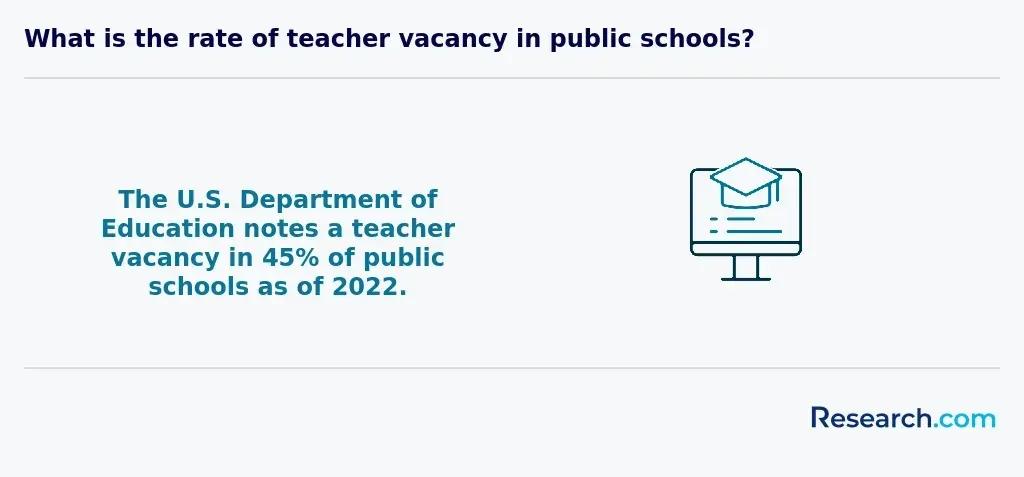
- Demand exists, especially in math. New Mexico is reported to have a significant shortage of middle school math teachers, with an approximately 20% vacancy rate in this subject area. That shortage can create opportunities, but hiring still depends on district budgets, location, and candidate qualifications.
- Pay can be competitive, but varies by district. Middle school teachers in New Mexico earned an average salary of $76,750 in 2023. Other salary sources report different ranges, so candidates should compare district salary schedules rather than relying on one statewide figure.
- Job growth is positive but not guaranteed for every applicant. The outlook includes projected growth of about 5% over the next decade and 6.0% job growth between 2022 and 2032, but openings depend on retirements, enrollment, funding, and local staffing needs.
- Affordability can support teacher quality of life. New Mexico’s cost of living is relatively low compared with the national average, and housing costs are approximately 10% lower than the U.S. average. Still, affordability varies widely between rural areas and larger cities.
- New Mexico’s math classrooms require culturally responsive teaching. State initiatives emphasize math education, teacher training, instructional resources, Multi-Layered Systems of Support, and inclusive practices. Teachers who can adapt instruction for multilingual learners and diverse communities may be better prepared for the classroom.
- Steps to becoming a middle school math teacher in New Mexico
- Education requirements for New Mexico middle school math teachers
- Certification and licensing process
- Student teaching, internships, and classroom experience
- New Mexico math standards and curriculum expectations
- Job market, salary expectations, and hiring outlook
- Professional development and continuing education
- Classroom management and math teaching methods
- Career advancement and specialization options
- Legal and ethical responsibilities
- Collaboration with special education professionals
- Special education certification and inclusive math teaching
- Resources for new middle school math teachers
- Pathways for career changers and out-of-state teachers
- Interdisciplinary approaches in middle school math
- Work-life balance for New Mexico math teachers
- Most cost-effective credential pathway
- Using education technology in math classrooms
- Dual certification in math and English
- Specific teaching certificate requirements
- Alternatives for teaching younger students
- Common challenges for middle school math teachers
- Choosing the right mathematics degree program
What are the steps to becoming a middle school math teacher in New Mexico?
The path to becoming a middle school math teacher in New Mexico is structured around three goals: proving you know mathematics, demonstrating that you can teach adolescents effectively, and meeting state safety and licensing standards. Most candidates follow a traditional teacher preparation route, while career changers may use an alternative pathway.
| Step | What you need to do | Why it matters |
| 1. Earn a bachelor’s degree | Complete a bachelor’s degree in education or a related field, ideally with a mathematics focus. | This gives you the academic foundation required for teacher preparation and licensure. |
| 2. Complete teacher preparation | Enroll in an approved teacher preparation program that includes pedagogy, classroom management, assessment, and supervised teaching. | New Mexico expects teachers to show both content knowledge and instructional readiness. |
| 3. Build math content competency | Complete the required mathematics coursework and prepare for the appropriate content exam. | Middle school math teachers must be able to explain concepts clearly and correct misconceptions quickly. |
| 4. Pass required exams | Take and pass the required New Mexico Teacher Assessment or PRAXIS exams, depending on the applicable pathway and endorsement. | Testing is used to verify that candidates meet state expectations for teaching math. |
| 5. Complete student teaching | Finish the required supervised classroom experience, typically through your preparation program. | Student teaching helps candidates practice planning, instruction, assessment, and classroom management before taking full responsibility for a class. |
| 6. Submit licensure materials | Apply through the New Mexico Public Education Department with transcripts, exam scores, program verification, and other required documents. | The state must confirm that you meet all academic and professional requirements. |
| 7. Complete fingerprinting and background checks | Submit fingerprints and pass required background checks. | Background screening is mandatory for student safety. |
For most candidates, the strongest route is to choose a teacher preparation program that is already aligned with New Mexico licensure requirements. That reduces the risk of completing coursework that does not apply toward certification.
What are the educational requirements for becoming a middle school math teacher in New Mexico?
New Mexico middle school math teacher candidates generally need a bachelor’s degree, mathematics coursework, and approved teacher preparation. The education requirement is not just a formality; it is meant to ensure that teachers can manage a classroom, explain math concepts, assess student learning, and support students who are behind or advanced.
- Bachelor’s degree: Candidates need at least a bachelor’s degree, usually in education or a closely related field. A mathematics concentration or substantial math coursework is especially useful for candidates seeking a middle school math endorsement.
- Mathematics coursework: Candidates typically complete 24 to 36 semester hours in math-related subjects. Coursework may include algebra, calculus, geometry, statistics, and other relevant mathematical areas.
- Teacher preparation program: A state-approved preparation program is required for traditional candidates. These programs usually include learning theory, instructional methods, assessment, classroom management, and field-based teaching experiences.
- Accredited institution: Candidates should verify that the college or university is properly accredited and that the educator preparation program is accepted for New Mexico licensure. This is one of the most important checks before enrolling.
- Subject matter exam: Candidates may need to pass the PRAXIS Middle School Mathematics exam (5164) to demonstrate readiness to teach math at the middle school level.
If you are comparing licensure rules across states, remember that each state sets its own exams, endorsements, and reciprocity policies. For example, candidates researching another state can review the South Carolina teaching licensure exams to see how requirements may differ.
What is the certification and licensing process for a middle school math teacher in New Mexico?
New Mexico’s certification process depends on your background. A first-time teacher, an existing licensed teacher adding math, a career changer, and an out-of-state teacher may have different documentation requirements. The common thread is that candidates must show academic preparation, content knowledge, professional readiness, and suitability to work with students.
| Candidate type | Typical requirement | Key decision point |
| Beginning teacher without completed teacher preparation | Complete 24 to 36 semester hours in mathematics coursework and pass the PRAXIS Mathematics exam (code 5165) or PRAXIS Middle School Mathematics exam (code 5164), depending on the target license. | Confirm whether the alternative route you choose leads to the correct middle school math credential. |
| Licensed teacher adding mathematics | Pass the applicable PRAXIS exam and complete the required 24 to 36 semester hours in mathematics, including upper-division credit requirements when applicable. | Ask the New Mexico Public Education Department how your existing license affects endorsement requirements. |
| Traditional teacher preparation candidate | Complete a bachelor’s degree, approved teacher preparation, student teaching, required exams, background checks, and licensure application. | Choose a program that explicitly prepares candidates for New Mexico licensure. |
Candidates should also plan for expenses connected with exams, transcript requests, background checks, application processing, and any additional coursework. Fees can change, so applicants should verify current costs directly with the New Mexico Public Education Department before budgeting.
Some future teachers also choose graduate study to strengthen their understanding of adolescent learning, cognition, and development. A program such as a master's in developmental psychology may be useful for educators who want deeper knowledge of child and adolescent development, although it should not be assumed to replace licensure requirements.
In 2023, middle school teachers in general earned around $76,750 per year. It is the highest among K12 teachers. See the chart below for more details.
How important is teaching experience and what are the internship opportunities for middle school math teachers in New Mexico?
Teaching experience is one of the most important parts of preparation because middle school math classrooms require more than content knowledge. Teachers must manage adolescent behavior, explain abstract ideas in accessible ways, adapt instruction for different skill levels, and build confidence in students who may already feel anxious about math.
New Mexico candidates typically complete a student teaching experience through an approved teacher preparation program. This experience often spans a full semester, and certification pathways may include a minimum of 12 weeks of student teaching. During this period, candidates work under a mentor teacher, gradually taking responsibility for lesson planning, instruction, grading, classroom routines, and student support.
Internship and field placement opportunities are commonly arranged through universities and school district partnerships. Institutions such as the University of New Mexico and New Mexico State University may connect candidates with local schools, mentor teachers, and supervised classroom experiences.
Future teachers should treat student teaching as a professional audition. Strong candidates ask for feedback, revise lessons, collect evidence of student learning, observe multiple teaching styles, and practice communicating with families and colleagues. These habits can improve readiness for a first full-time teaching role.
Candidates who want additional experience before student teaching can pursue tutoring, paraprofessional work, after-school math programs, substitute teaching where eligible, or volunteer roles. These options can help confirm whether middle school teaching is a good fit before committing to a full licensure pathway.
What are the New Mexico standards and curriculum requirements for teaching middle school math?
New Mexico middle school math teachers are expected to teach in alignment with the state’s K-12 Common Core State Standards for Mathematics and the New Mexico Instructional Scope for Mathematics. These resources help define what students should learn at each grade level and guide teachers in planning instruction that is coherent, equitable, and standards-based.
The New Mexico Instructional Scope for Mathematics is especially important because it helps teachers identify essential clusters, organize instruction, and support grade-level learning. It also encourages teachers to focus on clarity: what students need to know, how they should demonstrate learning, and what supports are needed when students struggle.
New Mexico’s instructional expectations also emphasize culturally and linguistically responsive teaching. That matters in a state where classrooms may include students from diverse cultural backgrounds, multilingual households, tribal communities, rural areas, and varying socioeconomic contexts. Effective math instruction should connect concepts to students’ experiences while maintaining rigorous academic expectations.
Teachers may also work within frameworks such as Multi-Layered Systems of Support and Universal Design for Learning. These approaches encourage early intervention, flexible instructional design, and accessible learning opportunities for students with different needs.
| Curriculum factor | What teachers should look for | Practical classroom implication |
| Standards alignment | Lessons should match grade-level math expectations. | Teachers need to plan units around required concepts rather than isolated activities. |
| Instructional scope | Teachers should use state guidance to prioritize essential learning. | This helps prevent overloading students with disconnected topics. |
| Assessment | Formative assessments should identify misconceptions early. | Teachers can adjust instruction before students fall further behind. |
| Inclusive instruction | Lessons should support multilingual learners, students with disabilities, and students needing enrichment. | Differentiation and collaboration with specialists become part of daily practice. |
Teachers who later decide to move beyond classroom teaching may also use their education background in other settings. For examples of related options, see this guide to non-teaching jobs with a teaching degree.
In 2023, there were around 4,260 middle school teachers in the state. See the chart below for more information on the employment levels of K12 teachers.
What is the job market like and what are the salary expectations for middle school math teachers in New Mexico?
The job market for New Mexico middle school math teachers is supported by ongoing demand for qualified educators, especially in STEM-related subjects. However, the experience of finding a job can vary by region. Urban districts may have more applicants and more specialized roles, while rural districts may have different staffing needs and broader responsibilities.
Salary expectations also depend on the source and context. In 2023, middle school teachers in New Mexico earned an average of $76,750 according to the cited BLS data. Salary.com reports that middle school math teacher pay in New Mexico ranges from approximately $50,624 to $77,509, with a median salary of around $62,337. In Albuquerque, the average is about $63,554, while Sunland Park is closer to $58,889.
| Salary measure or location | Reported amount | What it means for candidates |
| 2023 statewide average for middle school teachers | $76,750 | Useful as a broad benchmark, but not a guarantee for a new math teacher. |
| Reported New Mexico range for middle school math teachers | Approximately $50,624 to $77,509 | Shows how pay can vary by district, experience, and qualifications. |
| Reported median salary | Around $62,337 | A midpoint estimate that may be more realistic for comparison than top-end figures. |
| Albuquerque average | About $63,554 | Larger districts may offer more openings but can also attract more applicants. |
| Sunland Park average | Closer to $58,889 | Smaller communities may differ in salary schedules, cost of living, and hiring needs. |
When evaluating compensation, do not look only at base salary. Benefits such as health insurance, retirement plans, paid leave, tuition support, stipends, and incentives for hard-to-fill roles can significantly affect total compensation. Candidates should request the district salary schedule and benefits summary before accepting an offer.
Additional education may improve competitiveness in some districts, but it should be weighed against cost. Candidates exploring education programs with affordability in mind may also compare top affordable online elementary education programs when considering related teaching routes.
The chart below outlines the projected job growth for K12 teachers in the state.
What professional development and continuing education opportunities are available for middle school math teachers in New Mexico?
Professional development is essential for New Mexico math teachers because curriculum expectations, assessment practices, student needs, and instructional technology continue to evolve. It also supports license renewal, career advancement, and stronger classroom outcomes.
One notable option is the Math and Science Academy, which provides professional development focused on mathematics and science instruction. Since its inception in 2001, the MSA has graduated over 600 educators from its programs. Teachers may use programs like this to deepen content knowledge, improve instructional strategies, and collaborate with other educators.
New Mexico math teachers may also participate in professional learning communities, district workshops, university partnerships, and networks such as the Math Teacher Leader Network. These opportunities can help teachers analyze student work, share lesson strategies, learn intervention methods, and prepare for leadership roles.
Continuing education may also include graduate coursework through institutions such as New Mexico State University and the University of New Mexico. A master’s program in mathematics education, curriculum, special education, bilingual education, or educational leadership can support advancement, but teachers should compare tuition, time commitment, and district salary benefits before enrolling.
Educators interested in education careers outside the traditional classroom can also review related paths such as digital librarian careers.
What are effective classroom management strategies and teaching methods for middle school math teachers in New Mexico?
Middle school math classrooms work best when teachers combine clear routines with active, accessible instruction. Students at this age are developing independence, identity, and social awareness, so teachers need structure without relying on control-heavy methods that shut down participation.
- Set expectations early and reteach them often. Students should know how to enter class, start warm-ups, use materials, ask for help, work in groups, and transition between activities.
- Use math talk intentionally. Ask students to explain their reasoning, compare strategies, and identify errors. This supports deeper understanding and helps teachers uncover misconceptions.
- Make abstract ideas visible. Visual models, number lines, manipulatives, graphs, and digital simulations can help students connect symbols to meaning.
- Differentiate without lowering expectations. Provide scaffolds, extension tasks, small-group instruction, and multiple ways to show understanding while keeping grade-level goals visible.
- Use formative assessment frequently. Exit tickets, quick checks, whiteboard responses, and short conferences help teachers adjust instruction before a unit assessment.
- Build relationships with students and families. Students are more willing to take risks in math when they believe the teacher knows them, respects them, and notices their progress.
Teachers in New Mexico should also be prepared to adapt instruction for multilingual learners, students with disabilities, and students whose prior math preparation varies. Strong classroom management comes from prevention, clarity, consistency, and engaging work—not from punishment alone.
What are the career advancement opportunities and specializations for middle school math teachers in New Mexico?
Middle school math teaching can lead to several advancement paths. Some teachers stay in the classroom and become highly specialized instructional experts, while others move into coaching, curriculum design, administration, or policy-related work.
| Advancement option | What the role may involve | When it makes sense |
| Math department lead | Coordinating curriculum, supporting colleagues, reviewing student data, and leading team planning. | Best for teachers who want leadership while staying close to classroom instruction. |
| Instructional coach | Observing teachers, modeling lessons, supporting intervention strategies, and improving instructional practice. | Useful for experienced teachers who enjoy mentoring adults. |
| Curriculum specialist | Developing math materials, aligning lessons to standards, and supporting district-wide instructional goals. | Fits teachers who enjoy planning, assessment, and systems-level work. |
| Specialized endorsement | Adding areas such as special education, gifted education, bilingual education, or STEM. | Helpful for teachers who want to serve specific student populations or increase flexibility. |
| Administrator | Moving into roles such as assistant principal, principal, or district leadership. | Appropriate for teachers interested in school operations, supervision, and policy implementation. |
Teachers who want to advance should document results, seek mentorship, volunteer for curriculum committees, and choose graduate programs carefully. Administrative roles often require additional licensing and graduate study, so teachers should verify requirements before investing in a program.
What legal and ethical considerations must New Mexico middle school math teachers follow?
New Mexico middle school math teachers must meet legal requirements while also following ethical standards that protect students and support fair access to learning. These responsibilities begin before licensure and continue throughout a teacher’s career.
- Valid licensure: Teachers must hold the appropriate license issued through the New Mexico Public Education Department. Licensure depends on education, preparation, exams, and required documentation.
- Background checks: Fingerprinting and background checks are required to help protect student safety.
- Mandatory reporting: Educators must report suspected child abuse or neglect according to New Mexico law. Teachers should know district procedures and act promptly when concerns arise.
- Equitable instruction: Teachers have an ethical responsibility to provide fair access to math learning, including support for students with disabilities, multilingual learners, gifted students, and students who need intervention.
- Professional boundaries: Teachers must maintain appropriate relationships with students, protect confidential information, and use technology responsibly.
- Culturally responsive practice: New Mexico educators should create classrooms that respect students’ cultural and linguistic backgrounds while maintaining high academic expectations.
Legal compliance is the minimum standard. Effective teachers also build trust, communicate honestly, grade fairly, and advocate for students who need academic or emotional support.
How can middle school math teachers effectively collaborate with special education professionals in New Mexico?
Inclusive math instruction works best when general education and special education teachers plan together instead of treating accommodations as an afterthought. Middle school math teachers should collaborate on IEP goals, modified assessments, intervention plans, assistive technology, and strategies for helping students access grade-level math.
Practical collaboration can include weekly co-planning, shared progress monitoring, co-teaching models, and reviewing student work together. Teachers should clarify who is responsible for accommodations, how learning will be measured, and how families will receive updates. Educators who want to specialize in this area can review how to become a special education teacher in New Mexico.
How can pursuing additional certifications in special education improve classroom inclusivity?
Additional special education training can help math teachers design lessons that are more accessible from the start. Rather than relying only on remediation, teachers learn how to scaffold complex tasks, use explicit instruction, support executive functioning, adapt assessments, and collaborate more effectively with IEP teams.
A program such as the cheapest online special education master's degree may be worth exploring for teachers who want advanced training in differentiation and inclusive practice. Before enrolling, teachers should confirm cost, accreditation, licensure alignment, and whether the credential will improve salary placement or job options in their district.
What resources and support are available for new middle school math teachers in New Mexico?
New middle school math teachers should not try to navigate the first years alone. Strong support systems can make the difference between surviving the first year and building a sustainable teaching career.
- District mentorship: Many districts pair new teachers with experienced educators who can help with lesson planning, grading, classroom routines, parent communication, and district expectations.
- Professional organizations: Groups such as the New Mexico Council of Teachers of Mathematics can help teachers find workshops, conferences, peer connections, and math-specific resources.
- State curriculum resources: The New Mexico Public Education Department provides standards guidance, instructional resources, and tools aligned with state expectations.
- School-based teams: Grade-level teams, math departments, special education staff, instructional coaches, and administrators can provide practical support for daily teaching challenges.
- Online resource communities: Teachers may use lesson-sharing platforms, educator forums, and professional networks, but they should verify that resources align with New Mexico standards before using them.
New teachers should ask their school for a mentor, a pacing guide, a curriculum map, assessment expectations, discipline procedures, special education contacts, and professional development options before the school year begins.
What teaching pathways are available for career changers or out-of-state professionals interested in teaching math in New Mexico?
New Mexico offers options for people who did not begin in teacher education or who already hold a teaching credential from another state. These routes can be useful, but candidates should verify requirements before assuming that prior experience or degrees will transfer automatically.
| Pathway | Who it is for | What to check before applying |
| Traditional licensure | Students who are earning a bachelor’s degree and completing teacher preparation in New Mexico. | Confirm that the program is approved for New Mexico middle school math licensure. |
| Alternative Licensure Program | Career changers with a bachelor’s degree in a non-education field. | Ask which coursework, exams, student teaching, and license level apply to your situation. |
| Out-of-state reciprocity | Licensed teachers moving to New Mexico from another state. | Submit certifications, transcripts, and test scores for evaluation; additional coursework or testing may be required. |
| Troops to Teachers | Military service members and veterans transitioning into teaching. | Review available support, financial guidance, and professional development options. |
Career changers should be especially careful about timeline and cost. Some alternative pathways allow candidates to begin teaching while completing requirements, but they may also involve a demanding first year with coursework, exams, and classroom responsibilities happening at the same time.
For candidates comparing certification across states and grade levels, this guide to elementary school teacher requirements in Georgia shows how teacher preparation rules can vary by location.
How can interdisciplinary approaches enrich middle school math teaching in New Mexico?
Interdisciplinary teaching can help students see math as a useful tool rather than a disconnected subject. New Mexico math teachers can connect ratios to music, geometry to visual design, statistics to local community data, and algebraic reasoning to science investigations.
The goal is not to replace math instruction with projects. The goal is to use meaningful contexts to deepen understanding. Teachers can learn from other disciplines, including the structured creativity used in the arts. Candidates interested in broader teaching methods can review music teacher education requirements in New Mexico for another perspective on educator preparation in the state.
How can middle school math teachers achieve a sustainable work-life balance in New Mexico?
Middle school math teaching can be rewarding, but workload can become heavy when lesson planning, grading, family communication, intervention, meetings, and professional development all compete for time. Sustainable teachers build systems early.
- Use repeatable lesson structures instead of reinventing every class period.
- Grade strategically by focusing on evidence of learning, not every completed problem.
- Create a weekly planning routine for assessments, copies, intervention groups, and parent updates.
- Share resources with grade-level or department colleagues when appropriate.
- Set communication boundaries that are professional and consistent.
- Use mentorship and peer networks to solve problems before they become overwhelming.
Teachers considering a shift to a different grade level can compare responsibilities in this guide on how to become an elementary teacher in New Mexico.
What is the most cost-effective path to getting a teaching credential in New Mexico?
The most cost-effective pathway depends on your starting point. A high school graduate, a college student, a bachelor’s degree holder, and an out-of-state licensed teacher may have very different costs. The cheapest option is not always the best if it delays licensure, lacks approval, or does not meet endorsement requirements.
| If you are... | Cost-saving strategy | Risk to avoid |
| Starting college | Choose an approved educator preparation program early and use advising to avoid excess credits. | Taking math or education courses that do not count toward licensure. |
| Already holding a bachelor’s degree | Compare alternative licensure programs, required exams, and field experience costs. | Choosing a fast program that does not align with New Mexico requirements. |
| Currently licensed in another state | Use the reciprocity evaluation process before enrolling in new coursework. | Paying for classes before knowing whether they are necessary. |
| Adding a math endorsement | Map completed math credits against the 24 to 36 semester hour requirement. | Assuming all prior credits automatically apply. |
For a focused cost comparison, review the cheapest way to get a teaching credential in New Mexico.
How can middle school math teachers leverage emerging education technology in New Mexico?
Education technology can strengthen math instruction when it is used to improve thinking, feedback, and access—not just to keep students busy. Middle school math teachers can use adaptive practice platforms, virtual manipulatives, graphing tools, formative assessment apps, and digital collaboration spaces to identify gaps and personalize support.
Teachers should evaluate technology with three questions: Does it align with the standard? Does it reveal student thinking? Does it help students understand math more deeply? If the answer is no, the tool may be adding distraction rather than value.
Teachers interested in expanding their math teaching career beyond middle school can explore how to become a high school math teacher in New Mexico.
Can dual certification in math and English broaden teaching opportunities in New Mexico?
Dual certification can make a teacher more flexible, especially in schools that need educators who can support literacy across content areas. Math and English may seem far apart, but students often struggle in math because they have difficulty reading word problems, explaining reasoning, or writing mathematical arguments.
A math teacher with English language arts training may be better prepared to teach vocabulary, academic language, problem interpretation, and written explanations. However, dual certification requires additional preparation, so candidates should compare the time and testing requirements before pursuing it. To understand the English pathway, review New Mexico English teacher certification requirements.
What are the specific teaching certificate requirements in New Mexico?
New Mexico teaching certificate requirements generally include a bachelor’s degree, completion of a state-approved teacher preparation program, required assessments, student teaching or supervised field experience, fingerprinting, background checks, and submission of official documentation. Math candidates must also meet content-specific requirements tied to mathematics coursework and exams.
Because requirements can change and may vary by pathway, candidates should confirm details before applying. That is especially important for alternative licensure candidates, out-of-state teachers, and educators adding endorsements. For a broader explanation of teaching certificate requirements in New Mexico, review the linked guide.
What alternatives are available for individuals interested in teaching younger students in New Mexico?
If middle school math does not feel like the right fit, teaching younger children may be a better option. Preschool and elementary education focus more heavily on early development, foundational literacy and numeracy, classroom routines, and family engagement. Candidates interested in early childhood education can review how to become a preschool teacher in New Mexico.
What do graduates have to say about becoming a middle school math teacher in New Mexico?
- Teaching middle school math in New Mexico has given me a career where no two days feel the same. My students bring different cultures, languages, and ways of thinking into the room, and that pushes me to make math more connected and meaningful. The emphasis on culturally relevant instruction has helped me build stronger relationships with students. -Edmund
- What I enjoy most is helping students realize they can do math, even when they arrive convinced they cannot. New Mexico’s focus on instructional improvement has encouraged me to try creative strategies and keep growing as a teacher. Professional development has also helped me become more confident in planning and intervention. -Carla
- My teaching career in New Mexico has been shaped by collaboration. Working with other educators has helped me improve my lessons, and the state’s attention to STEM education has supported stronger math learning experiences for my students. -May
What challenges do middle school math teachers typically face in New Mexico?
Middle school math teachers in New Mexico may face uneven student preparation, limited classroom resources, staffing shortages, large ranges of math skill within one classroom, administrative demands, and the need to teach in culturally and linguistically responsive ways. These challenges are manageable, but they require planning and support.
| Common mistake | Why it causes problems | Better approach |
| Choosing a program without checking licensure alignment | You may complete coursework that does not qualify you for the credential you need. | Verify approval with the program and the New Mexico Public Education Department before enrolling. |
| Focusing only on tuition | Exam fees, student teaching logistics, lost work time, and transcript costs can affect total cost. | Compare total pathway cost, timeline, and financial aid options. |
| Assuming online programs automatically meet New Mexico requirements | Some programs are designed for other states. | Ask for written confirmation that the program supports New Mexico licensure. |
| Waiting too long to prepare for exams | Delayed test completion can postpone licensure or hiring. | Build exam preparation into your program timeline. |
| Underestimating classroom management | Strong math knowledge alone does not guarantee effective teaching. | Seek field experiences, mentoring, and feedback before your first full-time role. |
Teachers can also learn from educators in other subjects who face similar classroom and workload issues. For a comparison, see this guide to becoming a high school history teacher in New Mexico.
How can prospective middle school math teachers select the optimal mathematics degree program?
The best mathematics degree program for a future New Mexico middle school teacher is not necessarily the easiest, fastest, or cheapest. It is the program that fits your background, leads to the correct credential, provides enough math content, includes supervised teaching experience, and prepares you for the realities of middle school instruction.
- Confirm accreditation and state approval. Do not enroll until you know the program is accepted for New Mexico teacher licensure.
- Map the math coursework. Ask whether the program satisfies the 24 to 36 semester hours commonly needed for mathematics preparation or endorsement.
- Review field placement quality. Strong programs place candidates in real middle school classrooms with trained mentor teachers.
- Ask about exam preparation. Look for support tied to the PRAXIS Middle School Mathematics exam (5164) or other required assessments.
- Compare total cost and timeline. Include tuition, fees, books, exams, transportation, student teaching requirements, and potential lost income.
- Check support for online learners. If the program is online, confirm how it handles student teaching placements in New Mexico.
- Ask about outcomes. Request information about completion rates, licensure pass rates, graduate employment, and district partnerships when available.
Candidates comparing flexible mathematics options can review this list of easiest mathematics degree programs, but ease should never replace licensure alignment, quality, and classroom preparation.
Related Articles for Nearby States
- 2027 How to Become a Middle School Math Teacher in Arizona: Requirements & Certification
- 2027 How to Become a Middle School Math Teacher in Colorado: Requirements & Certification
- 2027 How to Become a Middle School Math Teacher in Texas: Requirements & Certification
- 2027 How to Become a Middle School Math Teacher in Utah: Requirements & Certification
- 2027 How to Become a Middle School Math Teacher in Oklahoma: Requirements & Certification
- 2027 How to Become a Middle School Math Teacher in Nevada: Requirements & Certification
- 2027 How to Become a Middle School Math Teacher in Kansas: Requirements & Certification
- 2027 How to Become a Middle School Math Teacher in Nebraska: Requirements & Certification
- 2027 How to Become a Middle School Math Teacher in California: Requirements & Certification
- 2027 How to Become a Middle School Math Teacher in Missouri: Requirements & Certification
References:
- webnew.ped.state.nm.us (16 Aug 2024). New Mexico Mathematics Instructional Scope 3.0. webnew.ped.state.nm.us
- salary.com (29 Jul 2024). Middle school math teacher salary in New Mexico. salary.com
- community.lanl.gov (n.d.). Math & Science Academy for Teachers. community.lanl.gov
Key Insights
- New Mexico middle school math teachers generally need a bachelor’s degree, teacher preparation, mathematics coursework, student teaching, required exams, fingerprinting, background checks, and state licensure.
- Math is a high-need teaching area in New Mexico, with reported shortages and projected growth, but job availability still depends on district location, funding, enrollment, and candidate qualifications.
- Salary estimates vary by source. The cited 2023 average for middle school teachers is $76,750, while other reported middle school math teacher figures range from approximately $50,624 to $77,509.
- The safest program choice is one that is accredited, state-approved, aligned with New Mexico licensure, includes middle school field experience, and prepares candidates for the appropriate math exam.
- Career changers and out-of-state teachers should verify alternative licensure or reciprocity requirements before enrolling in coursework or assuming prior credentials will transfer.
- Strong New Mexico math teachers need more than math knowledge. They also need culturally responsive instruction, classroom management skill, assessment literacy, special education collaboration, and the ability to support students with widely varying math readiness.
Other Things You Should Know About Becoming a Middle School Math Teacher in New Mexico
To become a middle school math teacher in New Mexico by 2026, candidates must complete a bachelor's degree in education with a focus on mathematics. Following the degree, they must pass the New Mexico Teacher Assessments, which include content area tests specific to mathematics, and apply for a Level 1 Teaching License.
Yes, New Mexico offers alternative pathways like the Alternative Level 1 License for individuals with a bachelor's degree not in education. Candidates must complete an approved educator preparation program and pass the appropriate New Mexico Teacher Assessments to qualify for certification in 2027.
New Mexico requires a fingerprint-based criminal history background check before licensure. Candidates submit fingerprints through an approved vendor so the New Mexico Public Education Department can review state and federal records. A clear screening is required before a teaching license is issued or renewed.
Candidates should first earn a bachelor’s degree in education with a focus on math. Then, they must complete a state-approved teacher preparation program, pass the New Mexico Teacher Assessments, and apply for a Level 1 teaching license. Finally, they should fulfill any additional endorsements as required.


