2027 How to Become an Art Teacher in New Hampshire: Requirements & Certification

Co-Founder and Chief Data Scientist
Becoming an art teacher in New Hampshire means preparing for two decisions at once: how to meet state educator licensing rules and how to build a career that fits your artistic strengths, preferred grade level, and local job market. This guide is for aspiring K-12 art educators, career changers with an arts background, current teachers considering an additional endorsement, and students comparing art education programs in New Hampshire.
You will learn the typical education pathway, certification steps, student teaching expectations, curriculum standards, salary considerations, professional development requirements, and practical ways to improve your hiring prospects. The goal is not just to explain the process, but to help you decide whether this career path is a strong fit and what to do next.
Quick Answer: How Do You Become an Art Teacher in New Hampshire?
To become a public school art teacher in New Hampshire, you generally need a bachelor’s degree in art education or a closely related field, completion of a state-approved teacher preparation program, supervised student teaching, passing Praxis requirements, a background check with fingerprinting, and an educator license with the appropriate art or visual arts endorsement from the New Hampshire Department of Education. After licensure, teachers must complete ongoing professional development to maintain certification.
Key Things You Should Know About Becoming an Art Teacher in New Hampshire
- Licensure matters. Public school art teachers must meet New Hampshire educator licensing requirements, including approved preparation, testing, and background checks.
- Student teaching is not optional for most candidates. Candidates commonly complete a supervised placement that gives them direct classroom experience before they apply for licensure.
- Salary varies by district and experience. The original research cites salary figures around $56,000 per year, while later sections cite approximately $54,000 and around $58,000 depending on the source and role definition.
- Location affects opportunity. Urban districts such as Manchester and Nashua may offer different salary ranges and openings than rural districts, where hiring needs and resources can vary.
- Art teachers need more than artistic ability. Classroom management, safety procedures, assessment, curriculum design, inclusion, technology skills, and advocacy are central to long-term success.
- How do you become an art teacher in New Hampshire?
- What education do New Hampshire art teachers need?
- How does New Hampshire art teacher certification work?
- Why is student teaching important for future art teachers?
- What standards guide art instruction in New Hampshire schools?
- What can art teachers expect from the New Hampshire job market?
- How do art teachers meet continuing education requirements?
- Which teaching methods work well in art classrooms?
- Where can you learn more about becoming a teacher in New Hampshire?
- What legal and ethical rules apply to New Hampshire art teachers?
- How can graduate education strengthen your teaching practice?
- What advancement paths are available to art teachers?
- How can art teachers support community arts advocacy?
- How can digital tools improve art instruction?
- How can special education credentials expand art teaching opportunities?
- Can music education support stronger visual arts instruction?
- What support is available for new art teachers?
- How does art education connect with early childhood learning?
- How can art teachers pursue private school roles?
- What careers can art teachers pursue outside the classroom?
- How do additional certifications help art teachers?
- How can art teachers protect work-life balance?
How do you become an art teacher in New Hampshire?
The standard route to becoming an art teacher in New Hampshire starts with formal teacher preparation and ends with state licensure. The process is manageable if you understand the sequence and avoid common delays, such as choosing a program that does not support certification or waiting too long to prepare for Praxis exams.
| Step | What You Need to Do | Why It Matters |
| Choose the right degree path | Earn a bachelor’s degree in art education, studio art with an art education option, or a related field that supports teacher preparation. | Your degree and preparation program determine whether you can move smoothly into New Hampshire licensure. |
| Complete art and education coursework | Study studio practice, art history, curriculum design, assessment, teaching methods, and classroom management. | Art teachers must be able to teach technique, creative process, critique, safety, and standards-based learning. |
| Develop a portfolio | Build a collection of original work across media, techniques, and concepts. | Programs and employers may use your portfolio to evaluate artistic range and readiness. |
| Complete student teaching | Work under a licensed mentor teacher in a real classroom setting. | This is where candidates learn how to manage materials, instruction, behavior, assessment, and pacing. |
| Pass required exams | Prepare for and complete Praxis requirements, including art content knowledge where required. | Testing verifies academic and subject-area readiness for K-12 teaching. |
| Apply for licensure | Submit transcripts, test scores, student teaching documentation, background check materials, and required fees to the New Hampshire Department of Education. | Licensure is required for most public school art teaching positions. |
| Search strategically for jobs | Apply to public, private, charter, and arts-focused education settings while tailoring your resume and portfolio to each role. | Hiring committees look for strong teaching evidence, not just artistic talent. |
- Start with a certification-aligned program. A program such as the Bachelor of Arts in Studio Art with an Art Education option at the University of New Hampshire can combine studio preparation with education coursework.
- Confirm requirements before enrolling. Ask whether the program leads to New Hampshire K-12 art certification or prepares you for a separate post-baccalaureate or graduate licensure pathway.
- Build classroom experience early. Volunteer, tutor, lead youth workshops, or assist in community art programs before student teaching.
- Prepare a teacher-focused portfolio. Include your own artwork, sample lesson ideas, student teaching materials when available, and reflections on how you support different learners.
- Understand related career options. If you enjoy working with children but are still exploring education roles, reviewing child development career paths can help you compare teaching with other student-centered professions.

What education do New Hampshire art teachers need?
Most aspiring art teachers begin with a bachelor’s degree that combines visual arts training with teacher preparation. The strongest programs do more than teach studio skills. They also prepare candidates to plan lessons, assess student work, manage a studio classroom, adapt instruction, and teach art in relation to history, culture, and contemporary practice.
Typical education requirements
- Bachelor’s degree: A bachelor’s degree in art education, visual arts education, studio art with an education option, or a related field is the usual starting point for teacher licensure.
- Teacher preparation program: Candidates generally need a state-approved educator preparation program that includes pedagogy, fieldwork, and supervised teaching.
- Art coursework: Common areas include drawing, painting, design, sculpture, digital media, art history, critique, and portfolio development.
- Education coursework: Future teachers study lesson planning, curriculum standards, assessment, classroom management, child or adolescent development, and inclusive instruction.
- Advanced study: A master’s degree or PhD is not usually the first requirement for entry-level K-12 art teaching, but graduate education can support specialization, leadership, or salary lane movement depending on district policies.
How to compare art education programs
| Question to Ask | Why It Matters |
| Is the institution accredited? | Accreditation supports transferability, licensure eligibility, and employer confidence. |
| Does the program lead to New Hampshire teacher certification? | A studio art degree alone may not satisfy educator licensure requirements without teacher preparation. |
| How much classroom fieldwork is included before student teaching? | Earlier exposure helps candidates confirm grade-level fit and develop practical teaching skills. |
| Does the program include K-12 art methods? | Teaching elementary art is different from teaching middle or high school art; strong programs address the full range. |
| What support is available for Praxis preparation? | Testing delays can slow down licensure and job applications. |
| How is portfolio development supported? | Your portfolio can influence admissions, internships, student teaching placement, and hiring. |
New Hampshire institutions mentioned in the original research include the University of New Hampshire, Plymouth State University, and New England College. Students comparing graduate or cross-disciplinary education options may also review online master’s programs in library science if they are considering school library, museum, or educational resource roles alongside art teaching.
How does New Hampshire art teacher certification work?
New Hampshire public school art teachers need an educator license with the appropriate art teaching endorsement. The New Hampshire Department of Education issues educator credentials and sets the requirements candidates must meet before they can teach in public schools.
Core certification requirements
- Degree: Candidates typically need a bachelor’s degree in art education or a related field from an accredited institution.
- Approved preparation: A state-approved teacher preparation program is commonly required and should include both art content and education coursework.
- Student teaching: The original research states that candidates complete a minimum of 12 weeks of supervised student teaching in an art classroom.
- Testing: Candidates are required to pass the Praxis II exam in Art Content Knowledge, with the passing score set by the New Hampshire Department of Education.
- Background check: Fingerprinting and a criminal background check through the New Hampshire Department of Safety are mandatory.
- Fees: The original research notes that fingerprinting typically ranges from $50 to $75 and that the application fee is approximately $100.
- Application: Candidates submit materials through the New Hampshire Department of Education’s online portal, including transcripts, student teaching documentation, test scores, and required background check information.
Certification timeline at a glance
| Stage | Typical Activity | Common Risk |
| Before college or program enrollment | Research accredited programs and confirm they support New Hampshire licensure. | Choosing an art program that does not include teacher preparation. |
| During degree program | Complete studio, art history, education, and fieldwork requirements. | Underestimating the time required for observation hours, portfolio work, and exam preparation. |
| Student teaching phase | Complete supervised classroom teaching with a licensed mentor. | Treating student teaching as a formality instead of the strongest hiring evidence. |
| Testing and application | Pass Praxis requirements, complete background checks, and submit the licensure application. | Missing documents, fees, or official score reports. |
| After initial licensure | Complete ongoing professional development for renewal. | Waiting until the renewal deadline to track professional learning hours. |
After receiving an initial license, art teachers must complete 75 hours of professional development every five years to maintain certification. New Hampshire also offers a reciprocity pathway for out-of-state teachers who meet comparable education and testing standards.
Why is student teaching important for future art teachers?
Student teaching is where aspiring art educators learn whether they can translate artistic knowledge into clear, safe, inclusive, and age-appropriate instruction. A strong student teaching placement helps candidates practice lesson sequencing, material preparation, behavior routines, critique protocols, grading, accommodations, and classroom cleanup systems.
Where to find practical experience
- University placements: Teacher preparation programs typically coordinate student teaching and observation requirements with partner schools.
- Local school districts: Districts may offer observation, internship, substitute, or paraeducator opportunities that strengthen classroom readiness.
- Art organizations: Community art centers, museums, summer programs, and youth workshops can help candidates practice teaching outside the traditional classroom.
- Professional networks: The New Hampshire Art Educators Association can help aspiring and new teachers connect with experienced educators and professional learning opportunities.
- Alternative routes: The original research identifies the New Hampshire Teacher of Record program as an option for individuals with a bachelor’s degree in art or a related field who are gaining experience while pursuing certification.
How to get more value from student teaching
- Ask your mentor teacher to observe specific skills, such as transitions, critique discussions, or material distribution.
- Keep a reflection log on what worked, what failed, and how you adjusted instruction.
- Save lesson plans, assessments, rubrics, and anonymized student work examples where allowed.
- Practice teaching across media, not only in your favorite art form.
- Request feedback from students when appropriate so you can improve clarity and engagement.
What standards guide art instruction in New Hampshire schools?
New Hampshire art instruction is shaped by state arts standards and curriculum expectations that address artmaking, technique, design principles, interpretation, cultural context, critique, communication, and safe material use. These standards help teachers build sequential learning instead of isolated projects.
The New Hampshire K-12 Curriculum Framework for the Arts outlines expectations for arts learning and reflects input from educators, artists, business professionals, and community members. For art teachers, the framework supports lesson planning, assessment, and alignment across grade levels.
What art teachers are expected to teach
- Media and technique: Students should learn how to work with varied materials and processes safely and intentionally.
- Design and composition: Lessons should help students understand visual organization, balance, contrast, emphasis, and related principles.
- Creative expression: Students should use art to communicate ideas, experiences, symbols, and personal meaning.
- Art history and culture: Instruction should connect art to artists, time periods, communities, and cultural perspectives.
- Critique and reflection: Students should learn to discuss their own work and the work of peers respectfully and constructively.
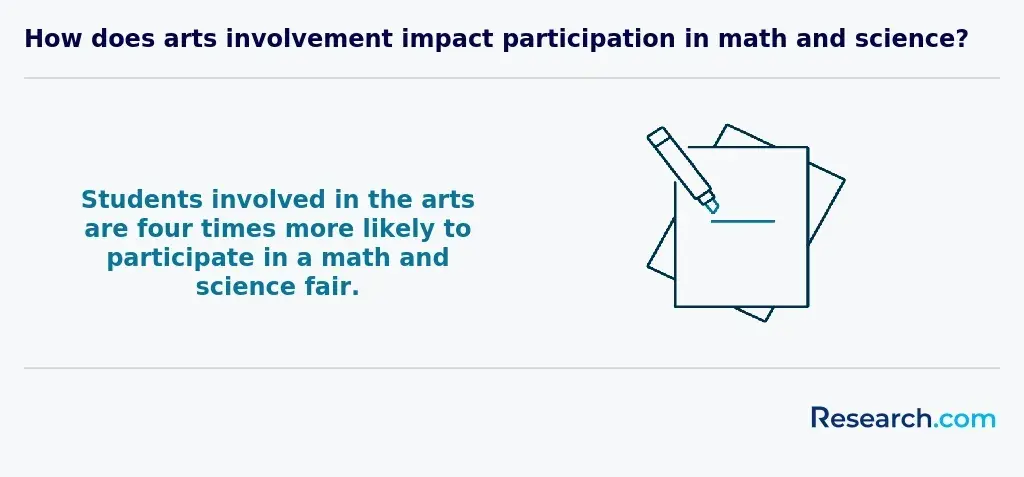
- Interdisciplinary learning: Art can connect with language arts, history, science, technology, and other subjects when the connection deepens learning rather than feeling forced.
Teachers who want to deepen studio practice or prepare for advanced roles may consider graduate-level art study. Research.com’s guide to affordable online MFA programs can help educators compare flexible options.
What can art teachers expect from the New Hampshire job market?
The job market for art teachers in New Hampshire depends heavily on district budgets, retirements, local arts priorities, school size, and whether a role is full-time or shared across multiple schools. The original research describes demand as stable and notes opportunities in both public and private schools, particularly where districts value comprehensive arts programs.
Salary expectations
The salary figures in the original research vary by source and context. One section cites an average salary of approximately $56,000 per year. Another cites around $54,000 annually as of 2023, with teachers in Manchester and Nashua potentially earning upwards of $60,000 and some rural settings closer to $50,000. The Key Findings section cites a median annual wage of around $58,000. These numbers should be treated as reference points, not salary guarantees.
| Salary Figure Cited | Context Provided | How to Use It |
| Approximately $56,000 per year | General average salary estimate in the opening summary. | Use as a broad planning figure when first evaluating the career. |
| Around $54,000 annually | Job market section estimate for New Hampshire art teachers as of 2023. | Compare with district salary schedules before accepting an offer. |
| Upwards of $60,000 | Possible figure for urban areas such as Manchester and Nashua. | Use cautiously; actual pay depends on education, experience, contract, and district scale. |
| Closer to $50,000 | Possible figure for more rural settings. | Consider cost of living, commute, benefits, and workload when comparing offers. |
| Around $58,000 | Median annual wage figure cited in the Key Findings section. | Use as another benchmark, but verify against current district data. |
Benefits to review before accepting a job
- Health insurance
- Retirement plans
- Paid time off
- Professional development opportunities
- Planning time and prep periods
- Materials budget and classroom supply support
- Travel expectations if the role covers multiple schools
-
: "
“The salary was important, but the bigger question was whether the district truly supported arts education. I wanted a place where students had access to materials, exhibits, and a real visual arts sequence.”
"
How to evaluate a job posting
- Check whether the role is full-time, part-time, or split across buildings.
- Review the district salary schedule instead of relying only on averages.
- Ask about the art budget, class sizes, storage, kiln access, technology, and safety procedures.
- Clarify whether you will teach all grade levels or a specific band such as elementary, middle, or high school.
- Ask how the district supports new teachers through mentoring and professional development.
How do art teachers meet continuing education requirements?
Professional development is both a licensure responsibility and a career advantage. New Hampshire art teachers must complete 75 hours of professional development every five years to maintain certification, according to the original research. The best professional learning does more than satisfy renewal requirements; it improves teaching practice, expands curriculum options, and helps educators stay current with digital tools, inclusive teaching, and assessment.
Professional development options
- University workshops: The University of New Hampshire offers flexible non-credit continuing education art programs led by faculty, including topics such as drawing, painting, and digital photography.
- State arts organizations: The New Hampshire State Council on the Arts sponsors workshops focused on teaching methods, assessment, and arts learning.
- Program evaluation training: Workshops such as “Evaluating Your Arts Programs” can help teachers assess creativity, learning outcomes, and program impact.
- Graduate coursework: A Master of Arts in Teaching or specialized certificate can deepen instructional skill while contributing to renewal requirements.
- Conferences and associations: Local art councils and educator associations offer networking, lesson ideas, advocacy strategies, and classroom resources.
- Related educational fields: Teachers interested in information literacy, archives, or school library collaboration can explore online library science programs.
Smart ways to plan continuing education
- Track hours as you complete them instead of reconstructing records later.
- Choose professional learning that supports your school’s curriculum goals.
- Balance studio skill development with pedagogy, inclusion, technology, and assessment.
- Keep certificates, agendas, transcripts, and evidence of participation organized.
- Ask your district whether activities must align with a Professional Development Master Plan.
Which teaching methods work well in art classrooms?
Effective art teaching depends on structure and freedom working together. Students need enough routine to feel safe and enough creative choice to make meaningful work. Strong art teachers plan for materials, movement, cleanup, critique, accommodations, and behavior before students begin creating.
Classroom management strategies for art teachers
- Teach routines explicitly. Demonstrate how students get supplies, use tools, clean workspaces, store projects, and transition between activities.
- Use positive reinforcement. Recognize safe tool use, thoughtful risk-taking, respectful critique, and persistence.
- Set project checkpoints. Breaking projects into planning, draft, production, reflection, and revision reduces rushed work and off-task behavior.
- Design for choice. Offer options in theme, media, format, or process while keeping learning objectives clear.
- Differentiate instruction. Provide adaptations for skill level, language needs, fine motor challenges, attention, sensory needs, and advanced learners.
- Use critique protocols. Teach students how to discuss artwork using specific, respectful, evidence-based language.
- Plan cleanup as instruction. A safe art room requires procedures for tools, water, clay, paint, sharp objects, and hazardous materials.
- Integrate technology purposefully. Digital portfolios, drawing tools, video demonstrations, and interactive displays should support learning rather than replace hands-on artmaking.
Teaching methods by grade level
| Grade Level | Instructional Focus | Effective Strategies |
| Elementary school | Exploration, fine motor development, vocabulary, color, shape, pattern, and safe material use. | Short demonstrations, sensory projects, storytelling, centers, and clear cleanup routines. |
| Middle school | Identity, experimentation, technique-building, peer feedback, and confidence. | Choice-based projects, sketchbook planning, collaborative work, and structured critique. |
| High school | Portfolio development, concept, refinement, art history, digital tools, and independent voice. | Longer studio projects, artist research, exhibitions, peer review, and career connections. |
If you are comparing broader educator preparation routes, Research.com’s guide to online education degree programs can help you understand different teaching degree formats.
Where can you learn more about becoming a teacher in New Hampshire?
Art licensure sits within the larger New Hampshire educator credentialing system. Before you commit to a program, it can help to review the broader process for becoming a teacher in New Hampshire, including preparation routes, testing, background checks, and application expectations. Understanding the full teacher pathway can prevent surprises later in the certification process.
What legal and ethical rules apply to New Hampshire art teachers?
Art teachers are responsible for student safety, confidentiality, equitable treatment, professional conduct, and responsible use of materials and intellectual property. Because art classrooms involve tools, chemicals, images, personal expression, and public display, ethical judgment is part of daily teaching.
- Licensure compliance: Teachers must hold the proper credential and meet testing and preparation standards required by New Hampshire.
- Student privacy: Teachers must protect student information and follow school policies when sharing artwork, photos, or portfolios.
- Mandatory reporting: New Hampshire educators must report suspected child abuse or neglect to the appropriate authorities.
- Safe materials: Art teachers should use age-appropriate, non-toxic materials and follow district safety rules for tools, chemicals, ventilation, storage, and disposal.
- Inclusive instruction: Students’ cultural backgrounds, identities, beliefs, abilities, and artistic perspectives should be treated with respect.
- Copyright and originality: Teachers should model ethical use of images and help students understand plagiarism, appropriation, fair use, attribution, and permission.
- Bullying and harassment prevention: Art rooms should be safe spaces for expression, critique, and experimentation without ridicule or exclusion.
- Professional boundaries: Teachers must maintain appropriate communication and relationships with students and families.
- For comparison with another subject-area pathway, review Research.com’s guide on becoming an English teacher in New Hampshire.
Related Articles for Nearby States
- 2027 How to Become an Art Teacher in Vermont: Requirements & Certification
- 2027 How to Become an Art Teacher in Massachusetts: Requirements & Certification
- 2027 How to Become an Art Teacher in Maine: Requirements & Certification
- 2027 How to Become an Art Teacher in New York: Requirements & Certification
- 2027 How to Become an Art Teacher in Connecticut: Requirements & Certification
- 2027 How to Become an Art Teacher in Rhode Island: Requirements & Certification
- 2027 How to Become an Art Teacher in New Jersey: Requirements & Certification
- 2027 How to Become an Art Teacher in Pennsylvania: Requirements & Certification
- 2027 How to Become an Art Teacher in Delaware: Requirements & Certification
- 2027 How to Become an Art Teacher in Maryland: Requirements & Certification
How can graduate education strengthen your teaching practice?
Further education can help art teachers refine curriculum design, support diverse learners, integrate technology, conduct classroom-based inquiry, and prepare for leadership roles. An online master’s in education may be useful for teachers who want flexible graduate study while remaining employed. Before enrolling, confirm whether the program supports your goals, whether credits may count toward professional development, and whether your district recognizes the degree for advancement or salary placement.
What advancement paths are available to art teachers?
Art teaching can lead to several career directions inside and outside K-12 schools. Advancement usually depends on experience, additional education, leadership ability, specialized credentials, and district needs.
| Career Direction | What It Involves | When It Makes Sense |
| Department head | Leading curriculum coordination, supply planning, exhibitions, and collaboration among arts staff. | Best for teachers who enjoy mentoring colleagues and improving program quality. |
| Curriculum coordinator | Designing district-level arts curriculum, standards alignment, and assessment systems. | Useful for teachers interested in systemwide impact beyond one classroom. |
| Digital art specialist | Teaching digital drawing, design, photography, animation, media arts, or portfolio tools. | Strong fit for teachers who combine studio practice with technology. |
| Art history or museum education focus | Connecting students with collections, exhibitions, cultural interpretation, and object-based learning. | Useful for educators who enjoy research, curation, and community partnerships. |
| Special education or ESL endorsement | Expanding ability to support students with disabilities or multilingual learners. | Valuable for teachers who want broader instructional reach and stronger employability. |
| Administration or policy work | Moving into school leadership, program oversight, committees, or arts education advocacy. | Appropriate for teachers interested in budgets, staffing, standards, and educational strategy. |
-
: "
“I began as a middle school art teacher and later moved toward digital art and curriculum coordination. The turning point was realizing that my strongest contribution was helping other teachers connect technology, creativity, and standards.”
"
How can art teachers support community arts advocacy?
Community outreach helps art teachers demonstrate why arts education matters. Public exhibits, family art nights, student showcases, mural projects, partnerships with museums, and local arts events can build support for school arts programs and give students authentic audiences for their work.
High-impact outreach ideas
- Student exhibitions: Display student work in schools, libraries, town buildings, galleries, or community centers.
- Family workshops: Invite families to participate in accessible, low-cost artmaking activities.
- Partnerships with local artists: Bring working artists into classrooms for demonstrations, critiques, or collaborative projects.
- Grant-funded projects: Work with the New Hampshire State Council on the Arts or local arts councils to identify funding opportunities.
- PTA and school board advocacy: Use student outcomes, community interest, and program needs to support requests for materials, staffing, and exhibition opportunities.
- Interdisciplinary showcases: Connect visual art with history, science, literacy, music, or civic themes when the partnership strengthens learning.
If you are still deciding which age group you want to teach, a guide on becoming an elementary school teacher in New Hampshire can help you compare broader classroom teaching with specialized art instruction.
How can digital tools improve art instruction?
Digital tools are increasingly part of visual arts education, but the best use is intentional. Technology should expand students’ creative options, improve feedback, document progress, and help students understand contemporary art and design practice. It should not reduce art class to screen-based activity alone.
- Digital drawing platforms: Students can experiment with layers, composition, color, and revision without wasting physical materials.
- Online portfolios: Teachers can track growth over time and students can reflect on process and improvement.
- Interactive whiteboards: Demonstrations, annotation, critique, and visual analysis can become more accessible.
- Video demonstrations: Students can revisit technique instructions at their own pace.
- Augmented reality and digital exhibitions: These tools can make art history, installation, and critique more immersive when used thoughtfully.
- Cross-disciplinary technology: Teachers interested in how digital tools support other subjects can compare instructional approaches through resources such as becoming a middle school math teacher in New Hampshire.
How can special education credentials expand art teaching opportunities?
Special education knowledge can make art teachers more effective with students who need accommodations, sensory supports, communication adaptations, behavior plans, or individualized instruction. Art can be a powerful access point for students with varied learning profiles, but teachers need practical strategies to make participation meaningful and safe.
Pursuing special education teacher certification in New Hampshire may strengthen an art teacher’s ability to collaborate with special educators, interpret individualized education plans, adapt materials, and support inclusive classrooms. It can also improve marketability in schools seeking teachers with multiple credentials.
Can music education support stronger visual arts instruction?
Music and visual art can work together in projects involving rhythm, pattern, emotion, performance, visual storytelling, cultural traditions, and multimedia production. Integrating music does not mean an art teacher must become a music teacher, but understanding music education can inspire stronger interdisciplinary lessons.
Teachers who want to compare arts education pathways may find useful perspective in Research.com’s guide on becoming a music teacher in New Hampshire, especially around performance-based learning, audience engagement, and digital resources.
What support is available for new art teachers?
New art teachers need more than lesson plans. They need mentorship, peer networks, classroom setup advice, materials guidance, safety support, and help translating standards into realistic projects. New Hampshire offers several support channels for early-career art educators.
- New Hampshire Art Educators Association: NHAEA provides networking, professional development, conference opportunities, and access to experienced art educators.
- New Hampshire Department of Education mentoring: New teachers may be paired with experienced educators to support growth during the early years of teaching.
- New Hampshire State Council on the Arts: Grants and arts education initiatives can support classroom projects and youth arts programming.
- Local universities: Institutions such as the University of New Hampshire and Keene State College may host workshops, seminars, and professional learning events.
- Online educator communities: Teachers Pay Teachers, Artsonia, and social media groups can provide lesson ideas, though teachers should adapt resources to standards and student needs.
- Annual conferences: Professional gatherings can help new teachers learn about curriculum development, technology integration, critique methods, and advocacy.
How does art education connect with early childhood learning?
Art plays an important role in early childhood learning because young children use drawing, painting, building, movement, and storytelling to develop language, motor skills, observation, self-expression, and problem-solving. Art teachers who understand early childhood development can design more effective lessons for younger students and better support developmental readiness.
Useful early childhood strategies include sensory-based projects, visual storytelling, open-ended materials, guided exploration, and short routines that help children transition safely. Art educators considering work with younger learners may benefit from reviewing how to become a kindergarten teacher in New Hampshire to understand expectations for early grade classrooms.
How can art teachers pursue private school roles?
Private schools can offer a different teaching environment than public schools. Some provide smaller classes, flexible curriculum design, specialized arts programming, or faith-based and mission-driven education models. However, hiring requirements can vary by institution, and private school expectations may not match public licensure rules.
Before applying, art teachers should ask whether the school requires New Hampshire certification, a teaching portfolio, prior classroom experience, a specific religious or educational philosophy alignment, or experience with certain media. Research.com’s guide to becoming a private school teacher in New Hampshire can help candidates understand how this path differs from public education.
What do graduates say about becoming an art teacher in New Hampshire?
- Teaching art in New Hampshire has allowed me to combine creativity with community. My students often draw inspiration from the state’s landscapes, and I enjoy helping them turn observations into personal artwork. Nicole
- The smaller classes in my school make it easier to give individual feedback. Students have room to experiment, and the local arts community gives us meaningful field trip and collaboration options. Priscilla
- I appreciate how often art connects with other subjects here. When students see how visual expression relates to history, science, writing, or music, their work becomes more thoughtful. Tina
What careers can art teachers pursue outside the classroom?
Art teachers build transferable skills in instruction, curriculum design, communication, critique, program planning, youth development, and creative leadership. Those skills can support careers beyond K-12 classroom teaching.
- Museum or gallery educator: Designs tours, workshops, family programs, and school partnerships.
- Arts program coordinator: Manages community arts classes, youth programs, grants, events, and teaching artists.
- Curriculum writer: Creates standards-aligned art lessons, assessments, and instructional materials.
- Educational consultant: Supports schools, districts, nonprofits, or publishers with arts integration and teacher training.
- Arts administrator: Oversees budgets, programming, outreach, staffing, and cultural initiatives.
- Library or resource specialist: Teachers interested in educational resources and community learning can explore how to become a librarian in New Hampshire.
How do additional certifications help art teachers?
Additional certifications can make art teachers more versatile, especially in smaller districts where schools value educators who can support more than one subject area, grade band, or student population. Extra credentials should be chosen strategically, not simply collected.
Certifications to consider
- Special education: Useful for inclusive art classrooms and collaboration with special education teams.
- ESL or multilingual learner support: Helpful in schools with linguistically diverse students.
- Secondary teaching: Relevant for teachers who want to focus on middle or high school students; review secondary teaching certification requirements for broader context.
- Digital media or technology: Supports courses in design, photography, animation, and digital portfolios.
- Leadership or curriculum credentials: Useful for department chair, coordinator, or administrative pathways.
How can art teachers protect work-life balance?
Art teaching can be rewarding, but it can also be physically and emotionally demanding. Teachers often manage large numbers of students, multiple grade levels, complex materials, displays, cleanup, grading, and extracurricular expectations. Burnout prevention requires practical systems, not just personal resilience.
Burnout prevention strategies
- Create repeatable routines. Use consistent supply, cleanup, storage, and critique procedures across classes.
- Limit over-customization. Adapt lessons by grade and need, but avoid rebuilding every project from scratch.
- Use rubrics efficiently. Clear criteria reduce grading time and make feedback more transparent.
- Protect planning time. Batch prep materials, label supplies, and build reusable demonstration resources.
- Ask for support early. Seek help from mentors, administrators, counselors, and colleagues before stress becomes unmanageable.
- Set boundaries around displays and events. Exhibitions are valuable, but they should be planned with realistic timelines and shared responsibilities.
- Explore adjacent roles if needed. Teachers considering another subject or education pathway can review Research.com’s guide on how to become a history teacher in New Hampshire.
Common Mistakes to Avoid
| Mistake | Why It Causes Problems | Better Approach |
| Choosing a studio art degree without checking licensure alignment | You may graduate with strong art skills but still lack teacher preparation requirements. | Confirm that the program supports New Hampshire educator certification before enrolling. |
| Focusing only on tuition | Fees, supplies, transportation, unpaid student teaching, and test costs can affect total affordability. | Compare total cost, field placement logistics, financial aid, and program completion support. |
| Waiting too long to prepare for Praxis exams | Testing delays can postpone licensure and job applications. | Ask your program for recommended testing timelines and study resources. |
| Building only an artist portfolio | Employers want evidence that you can teach, not only create. | Include lesson plans, teaching reflections, assessment examples, and classroom documentation when appropriate. |
| Ignoring safety procedures | Art rooms involve tools, chemicals, dust, storage, and cleanup risks. | Learn district safety rules and teach material use as part of every project. |
| Assuming online or out-of-state programs automatically meet New Hampshire requirements | Licensure rules vary by state and program approval status. | Verify eligibility directly with the New Hampshire Department of Education and the program advisor. |
| Relying only on salary averages | Actual pay depends on district salary schedules, experience, degree level, and contract terms. | Review local contracts, benefits, workload, commute, and materials support. |
Key Insights
- New Hampshire art teachers generally need a bachelor’s degree, approved teacher preparation, supervised student teaching, Praxis testing, fingerprinting, a background check, and state licensure.
- The original research cites several salary reference points: approximately $56,000 per year, around $54,000 as of 2023, upwards of $60,000 in Manchester and Nashua, closer to $50,000 in some rural settings, and around $58,000 in the Key Findings section.
- Student teaching is one of the most important parts of preparation because it gives candidates practical evidence of classroom readiness.
- Strong art teachers combine creativity with structure: clear routines, safety procedures, standards-based lessons, inclusive strategies, and meaningful critique.
- Professional development is required for renewal, with the original research citing 75 hours every five years.
- Before choosing a program, verify accreditation, licensure alignment, student teaching support, Praxis preparation, and portfolio expectations.
- Additional credentials in special education, ESL, digital media, curriculum, or leadership can expand career options, but they should match your goals.
- Art teachers can grow into department leadership, curriculum coordination, museum education, arts administration, community programming, or consulting roles.
- Work-life balance depends on practical systems: repeatable routines, realistic exhibitions, efficient grading, shared advocacy, and early support from mentors.
Related Articles for Nearby States
- 2027 How to Become an Art Teacher in Vermont: Requirements & Certification
- 2027 How to Become an Art Teacher in Massachusetts: Requirements & Certification
- 2027 How to Become an Art Teacher in Maine: Requirements & Certification
- 2027 How to Become an Art Teacher in New York: Requirements & Certification
- 2027 How to Become an Art Teacher in Connecticut: Requirements & Certification
- 2027 How to Become an Art Teacher in Rhode Island: Requirements & Certification
- 2027 How to Become an Art Teacher in New Jersey: Requirements & Certification
- 2027 How to Become an Art Teacher in Pennsylvania: Requirements & Certification
- 2027 How to Become an Art Teacher in Delaware: Requirements & Certification
- 2027 How to Become an Art Teacher in Maryland: Requirements & Certification
References:
- University of New Hampshire - College of Liberal Arts. Arts Major: Studio Art/Art Education Option (B.A.). https://cola.unh.edu/art-art-history/program/ba/arts-major-studio-artart-education-option
- Plymouth State University. Art Education (M.A.T.). https://www.plymouth.edu/education/program/mat/art-education
- University of New Hampshire. Arts Major: Studio Art/Art Education Option (B.A.). https://catalog.unh.edu/undergraduate/liberal-arts/programs-study/art-history/arts-studio-education-option-ba/
- New England College. Education—Art Education K–12 Licensure, BA. https://www.nec.edu/programs/education-k-12-art-education-b-a
- Case Text. N.H. Admin. Code § Ed 507.09. https://casetext.com/regulation/new-hampshire-administrative-code/title-ed-board-of-education/chapter-ed-500-credential-standards-for-educational-personnel/part-ed-507-requirements-and-certification-for-educational-personnel-in-specific-areas/section-ed-50709-visual-arts-teacher
- Art Teacher Edu. New Hampshire Art Teacher Certification and Job Requirements. https://www.artteacheredu.org/new-hampshire/
- New Hampshire Public Broadcasting. NH Visual Arts Standards. https://nhpbs.org/kn/vs/visualartfw.asp
- New Hampshire Educators Online. New Hampshire Curriculum Framework for the Arts. http://nheon.org/oet/standards/visualarts.pdf
- Meet The Masters. Art Curriculum for New Hampshire Elementary Schools K-8. https://meetthemasters.com/art-curriculum-new-hampshire-elementary-schools-k-8/
Other Things You Should Know About Becoming an Art Teacher in New Hampshire
To become an art teacher in New Hampshire by 2026, first acquire a bachelor's degree in art education. Next, complete a state-approved teacher preparation program, pass the Praxis Core and Art Content Knowledge exams, and apply for a teaching license through the New Hampshire Department of Education.
To become an art teacher in New Hampshire by 2026, a bachelor's degree in art education or a related field is needed. Candidates must also complete a state-approved teacher preparation program and pass the Praxis exam for art content knowledge.
To become an art teacher in New Hampshire by 2026, candidates must hold a bachelor's degree in education or a related field, complete an educator preparation program, and pass the Praxis exams. Additionally, acquiring state certification from the New Hampshire Department of Education is essential.