2027 How to Become a Preschool Teacher in Idaho: Requirements & Certification

Co-Founder and Chief Data Scientist
How to Become a Preschool Teacher in Idaho: Licensing, Degree Options, Costs, and Career Paths
Becoming a preschool teacher in Idaho usually means making several decisions at once: what degree to pursue, whether you need a state teaching license, how to pay for your preparation, and which early childhood setting fits your goals. The answer is not the same for every role. A lead teacher in a public preschool program may need different credentials than an assistant teacher or an educator working in a private early learning center.
This guide explains the practical path to preschool teaching in Idaho, including degree expectations, certification routes, exams, background checks, renewal rules, career advancement options, financial aid, and common mistakes to avoid. It is written for aspiring teachers, current preschool assistants, career changers, and Idaho educators considering their next step in early childhood education.
Quick Answer: What Does Idaho Require for Preschool Teachers?
In Idaho, preschool teacher requirements depend on the employer and teaching setting. For licensed teaching roles connected to public education, candidates generally need a bachelor’s degree in early childhood education or a related field, completion of a state-approved teacher preparation program, required Praxis exams, and a fingerprint-based criminal background check. Some private preschool and assistant roles may accept lower entry-level credentials, such as an associate degree or early childhood coursework, but those options may not lead to the same licensure, pay, or advancement opportunities.
Key Things You Should Know About Becoming a Preschool Teacher in Idaho
- The Idaho State Department of Education oversees teacher certification and sets the standards for obtaining and renewing a teaching license.
- For many licensed preschool teaching positions, candidates are expected to hold at least a bachelor’s degree in early childhood education or a closely related area and complete an approved teacher preparation program.
- Required preparation typically includes study in child development, curriculum design, classroom management, literacy, assessment, and family engagement.
- Prospective teachers may need to pass the Praxis Core Academic Skills for Educators exam in reading, writing, and mathematics, along with a Praxis Subject Assessment in early childhood education when required.
- Applicants must complete a criminal background check, including fingerprinting, before working in regulated educational settings with young children.
- Applications are submitted through the Idaho State Department of Education. Because processing times can vary, candidates should begin the licensing process well before they expect to start teaching.
- What degree do I need to become a preschool teacher in Idaho?
- What are alternative certification programs for becoming a preschool teacher in Idaho?
- How do you get a preschool teaching license in Idaho?
- What are the continuing education requirements for preschool teachers in Idaho?
- What specializations are available for preschool teachers in Idaho?
- How can preschool teachers in Idaho advance their careers?
- How do Idaho state regulations affect preschool teaching?
- What is the job outlook for preschool teachers in Idaho over the next 5 years?
- What skills are essential for success as a preschool teacher in Idaho?
- What are the common challenges faced by preschool teachers in Idaho?
- What financial aid options are available for aspiring preschool teachers in Idaho?
- What is the most cost-effective way to get certified as a preschool teacher in Idaho?
- Is speech pathology a viable next step for preschool teachers in Idaho?
- What alternative career paths can preschool teachers in Idaho explore?
- Are private preschool teaching roles a viable path for career advancement in Idaho?
- How can preschool teachers in Idaho transition to elementary teaching roles?
- How can preschool teachers in Idaho build mentorship and networking relationships?
- What emerging trends are affecting early childhood education in Idaho?
- How can preschool teachers prevent burnout and protect work-life balance?
- How can preschool teachers in Idaho use inclusive education practices?
- How can preschool teachers in Idaho use technology to enhance their careers?
- How can assistants move into preschool teaching careers in Idaho?
- Can an affordable online master’s in early childhood education help Idaho teachers advance?
- What factors influence preschool teacher pay in Idaho?
- What mistakes should you avoid when pursuing teacher certification in Idaho?
What degree do I need to become a preschool teacher in Idaho?
The safest academic path for someone who wants a licensed preschool teaching role in Idaho is a bachelor’s degree in early childhood education or a related field from an accredited institution, paired with a state-approved teacher preparation program. That route is most likely to align with public school licensure expectations and long-term advancement.
An associate degree in early childhood education can still be useful. It may prepare you for preschool assistant roles, childcare center positions, or entry-level work in private early learning programs. However, an associate degree alone may not satisfy the requirements for a state-issued teaching license if the position requires full teacher certification.
Before enrolling, check accreditation, field placement requirements, transfer policies, and whether the program is designed for Idaho teacher certification. A low-cost program is not a good deal if its credits do not transfer or if it does not meet licensure requirements.
| Education option | Typical time to complete | Best fit | Important limitation |
| Associate degree in early childhood education | Two years | Assistant teacher roles, childcare centers, and a lower-cost starting point | May not qualify you for licensed public preschool teaching roles by itself |
| Bachelor’s degree in early childhood education or related field | Four years | Lead preschool teaching roles, state licensure preparation, and broader career options | Costs more and takes longer than an associate degree |
| Graduate study in early childhood education | Varies by program | Teachers seeking leadership, curriculum, administration, or specialized roles | Usually makes sense after confirming career goals and expected return on investment |
Degree level can affect career mobility. The U.S. Bureau of Labor Statistics has reported that preschool teachers with a bachelor’s degree can earn approximately 20% more than those with an associate degree, although actual pay depends on employer type, location, experience, and funding.
What are alternative certification programs for becoming a preschool teacher in Idaho?
Alternative certification can help career changers or experienced classroom assistants move toward licensed teaching without following the most traditional undergraduate route from the beginning. In Idaho, one option is an interim certificate that is valid for three years. During that period, candidates must complete a state-approved mentoring program and receive successful evaluations over two years of teaching before moving toward a five-year renewable certificate.
This route is not a shortcut around professional standards. It is a structured pathway that combines supervised classroom experience, mentoring, evaluation, and any required coursework or testing.
Traditional vs. Alternative Certification in Idaho
| Pathway | How it usually works | Who it may fit | Key risk to check |
| Traditional certification | Complete an approved education degree program that includes coursework and student teaching | First-time college students or candidates who know they want to teach before starting college | Program cost and time commitment |
| Alternative certification | Enter teaching through an interim certificate, mentoring, evaluations, and required training | Career changers, experienced assistants, or candidates with related academic backgrounds | Missing required coursework, exams, or evaluation deadlines |
How internships and classroom experience help
Practical experience matters because preschool teaching is highly interactive. Candidates need to show that they can manage routines, communicate with families, support social-emotional development, and adapt instruction for young children. Idaho’s mentoring expectations are designed to help new teachers build those skills while receiving feedback from experienced educators.
Moving from assistant teacher to certified preschool teacher
If you already work as a preschool assistant, your classroom experience can be valuable, but it will not automatically make you certified. A realistic transition plan usually includes enrolling in an approved certification pathway, completing mentoring and evaluation requirements, documenting your experience, and finishing any required coursework, such as the Idaho Comprehensive Literacy Course and Mathematical Thinking for Instruction when applicable.
Online and fast-track options
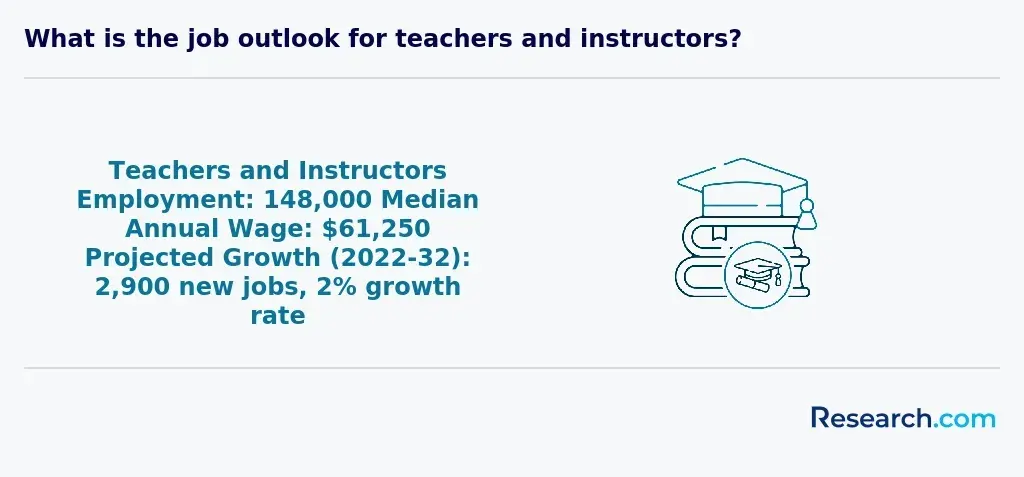
Online coursework can make certification more manageable for working adults, especially those balancing employment and family responsibilities. The key is to verify that the program is accepted for Idaho certification before paying tuition. For broader career planning beyond classroom teaching, Research.com also offers a guide to educational leadership career options.
How do you get a preschool teaching license in Idaho?
To get a preschool teaching license in Idaho, you need to complete the state’s education, testing, background check, and application requirements. The process is manageable if you treat it as a checklist and confirm each requirement with the Idaho State Department of Education before submitting your application.
Step-by-step licensing checklist
- Confirm the role requires state licensure. Public preschool teaching roles and some regulated programs may require a state-issued teaching certificate, while private employers may set their own requirements.
- Complete the required degree and teacher preparation program. A bachelor’s degree in early childhood education or a related field is commonly expected for licensed preschool teaching roles.
- Pass required exams. Candidates may need the Praxis Core Academic Skills for Educators exam and, when required, a Praxis Subject Assessment connected to early childhood education.
- Prepare official documents. Gather transcripts, proof of degree completion, program verification, exam scores, and records of relevant teaching experience.
- Complete fingerprinting and a criminal background check. This step is required to protect children and verify eligibility to work in educational settings.
- Submit the application to the Idaho State Department of Education. Apply early because processing time can vary.
- Track renewal requirements. Idaho teaching certificates must be renewed periodically, typically every five years, and renewal includes continuing education expectations.
Licensing costs to plan for
Budget for application fees, testing fees, transcript requests, fingerprinting, background checks, and any required coursework. Costs can vary depending on the credential type and the program you choose, so ask for a complete fee list before enrolling.
If you are comparing teacher licensing rules in other states, Research.com’s guide to South Carolina teaching license renewal can help you see how renewal systems differ by location.
What are the continuing education requirements for preschool teachers in Idaho?
Idaho preschool teachers who hold a teaching license must complete continuing education to keep their certification active. Every five years, educators are required to complete a minimum of 16 professional development hours for license renewal.
Professional development should not be treated as a last-minute requirement. The best courses strengthen classroom practice and support career growth. Useful topics include child development, early literacy, classroom management, inclusive education, family engagement, social-emotional learning, and culturally responsive teaching.
| Professional development choice | Why it matters for preschool teachers | When it is most useful |
| Child development training | Helps teachers match activities to children’s developmental stages | Early in your career or when changing age groups |
| Classroom management workshops | Improves routines, transitions, and behavior support | When managing larger groups or challenging classroom dynamics |
| Inclusive education courses | Builds skills for supporting children with varied learning needs | When working in inclusive or mixed-ability classrooms |
| Leadership or graduate coursework | Can support movement into director, mentor, or curriculum roles | After gaining classroom experience and defining advancement goals |
Some educators pursue graduate-level study as part of long-term professional growth. If you are considering doctoral study or higher education leadership, you can compare options such as an accredited online PhD in higher education, but make sure the program fits your actual career path before committing.
What specializations are available for preschool teachers in Idaho?
Specialization can help Idaho preschool teachers serve specific student needs, qualify for more focused roles, or prepare for leadership. The right specialization depends on the children you want to support and the type of program where you want to work.
| Specialization | What it focuses on | Who should consider it |
| Early childhood special education | Supporting children with disabilities from birth to grade three | Teachers interested in inclusive classrooms and individualized supports |
| Bilingual education | Teaching children who are developing English and another language | Educators working in linguistically diverse communities |
| Montessori or Reggio Emilia methods | Child-led learning, exploration, creativity, and environment-based instruction | Teachers drawn to alternative early learning philosophies |
| STEM education for preschoolers | Introducing science, technology, engineering, and mathematics through age-appropriate inquiry | Teachers who want to build problem-solving and curiosity into daily activities |
| Preschool curriculum development | Designing lessons, units, and learning experiences for young children | Teachers interested in curriculum leadership or program design |
Teachers who want to move into coaching, training, or program leadership may also benefit from developing leadership skills. Research.com’s resource on emerging leader development can help educators think through that transition.
This chart shows the racial and ethnic composition of preschool teachers in the U.S. and provides context on diversity within the early childhood education workforce:
How can preschool teachers in Idaho advance their careers?
Career advancement in preschool education can mean several things: earning more responsibility in the classroom, becoming a director, specializing in a high-need area, mentoring new teachers, or moving into policy, consulting, or research. The best path depends on whether you want to stay close to children, lead adults, design programs, or influence systems.
- Earn an advanced degree. A master’s degree in early childhood education can deepen expertise in curriculum, assessment, leadership, and child development.
- Move into preschool administration. Director or program administrator roles typically require teaching experience, leadership ability, and knowledge of licensing, staffing, budgeting, and family communication.
- Become a mentor or trainer. Experienced teachers can support new educators through observation, feedback, onboarding, and professional development.
- Specialize in inclusion, bilingual education, or curriculum. Specialization can make a teacher more competitive for targeted roles and leadership assignments.
- Explore advocacy, research, or consulting. Teachers who understand classroom realities can contribute to policy conversations, program evaluation, and early learning initiatives.
Some advancement paths require a broader understanding of research, documentation, and interpretation. For a different example of research-focused career skills, see Research.com’s guide to required skills for historians.
How do Idaho state regulations affect preschool teaching?
Idaho regulations affect how preschool classrooms are staffed, supervised, organized, and evaluated. Teachers need to understand these rules because compliance is part of keeping children safe and maintaining program quality.
- Child-to-teacher ratio. Idaho mandates a 10:1 child-to-teacher ratio for preschool classrooms. This affects lesson planning, supervision, transitions, and how much individualized attention each child can receive.
- Health and safety expectations. Teachers must follow procedures related to sanitation, emergency planning, illness prevention, and safe classroom environments.
- Licensing rules. Licensed educators are expected to meet state credential requirements and align instruction with applicable standards.
- Curriculum frameworks. Idaho’s preschool curriculum expectations guide teachers in planning developmentally appropriate learning experiences.
- Assessments and reporting. Preschool programs may use assessments to monitor progress and adjust instruction, especially in programs connected to public systems or state requirements.
Regulations should not be viewed only as paperwork. They shape daily teaching decisions, including how teachers supervise play, communicate with families, document progress, and respond to children’s needs.
What is the job outlook for preschool teachers in Idaho over the next 5 years?
The job outlook for preschool teachers in Idaho over the next five years is described as promising, with projected growth of approximately 10% according to the Bureau of Labor Statistics. Actual hiring may vary by region, employer type, funding, and enrollment demand.
- Urban demand. Areas such as Boise and Idaho Falls may see stronger demand because of population growth and the need for early education among working families.
- Rural need. Rural communities may have fewer openings, but qualified preschool educators remain important where early childhood programs serve smaller populations.
- Changing demographics. Idaho’s growing diversity increases the need for teachers who can support multilingual families and culturally varied classrooms.
- Public and private employment. Opportunities may exist in public preschool programs, private preschools, childcare centers, faith-based programs, and specialized early learning settings.
- Funding sensitivity. Early childhood jobs can be affected by public budgets, family tuition capacity, and local economic conditions.
Job outlook figures are useful, but they should not be treated as a guarantee. Candidates should check current openings in their region, speak with local preschool directors, and compare compensation across public, private, and nonprofit settings.
What skills are essential for success as a preschool teacher in Idaho?
Preschool teaching requires more than affection for young children. Strong teachers combine warmth with structure, creativity with observation, and patience with clear expectations.
| Skill | Why it matters | What it looks like in practice |
| Communication | Teachers must connect with children, families, assistants, and administrators | Explaining progress clearly, listening to parents, and using child-friendly language |
| Classroom management | Young children need predictable routines and safe boundaries | Using transitions, visual cues, positive reinforcement, and consistent expectations |
| Creativity | Preschoolers learn through play, movement, stories, art, and exploration | Designing hands-on activities that teach literacy, math, social skills, and curiosity |
| Observation and assessment | Teachers need to identify developmental progress and concerns | Documenting behavior, language, motor skills, and social-emotional growth |
| Adaptability | Children develop at different rates and bring different needs to the classroom | Changing activities, supports, or groupings when a lesson is not working |
| Emotional resilience | Preschool classrooms can be demanding and unpredictable | Staying calm, recovering after difficult days, and asking for support when needed |
Teachers who build these skills early are better prepared for the realities of Idaho preschool classrooms, including diverse family needs, behavior support, regulatory expectations, and collaboration with other professionals.
What are the common challenges faced by preschool teachers in Idaho?
Preschool teaching in Idaho can be deeply rewarding, but the work also brings pressure. Teachers often manage busy classrooms, administrative tasks, family communication, and children’s social-emotional needs at the same time.
- Managing group size and attention. When classrooms approach ratios of 1:10 or higher, teachers need strong routines and support systems to keep children engaged and safe.
- Balancing teaching and documentation. Lesson planning, progress notes, assessments, and parent communication can compete with direct instructional time.
- Responding to behavior challenges. Preschoolers are still learning emotional regulation, sharing, transitions, and conflict resolution.
- Serving culturally and linguistically diverse families. Teachers may need new strategies for communication, inclusion, and family engagement.
- Preventing burnout. Emotional labor, low planning time, and staffing shortages can strain even experienced educators.
Better strategies for handling these challenges
- Create predictable daily routines and visual schedules.
- Use short, developmentally appropriate activities with clear transitions.
- Build peer support with other preschool educators instead of working in isolation.
- Seek professional development in behavior support, inclusive education, and cultural competency.
- Protect planning time and set realistic boundaries for after-hours work.
This chart shows the distribution of early childhood educators by the age groups they teach, offering insight into where educators focus their professional practice:
What financial aid options are available for aspiring preschool teachers in Idaho?
Financial aid can make early childhood education programs more accessible, but students should compare total cost, aid eligibility, repayment obligations, and program quality before enrolling.
| Financial aid option | Amount or benefit stated | What to check before relying on it |
| Federal Pell Grant | Up to $6,495 for eligible students | Eligibility, enrollment status, and whether the school participates in federal aid |
| Idaho Opportunity Scholarship | Up to $3,500 annually for students who meet specific criteria | Application deadlines, renewal rules, and eligible programs |
| Early childhood education scholarships | Varies by organization | Whether awards apply to tuition, fees, books, or professional development |
| Teacher Loan Forgiveness Program | Can forgive up to $17,500 in federal student loans | Whether your school, loan type, and service period qualify |
| Professional development grants | May support workshops or continuing education | Whether funds apply to your certification or renewal needs |
| Work-study or employer tuition support | Varies by employer or institution | Work requirements, service commitments, and reimbursement rules |
Before borrowing, ask the school’s financial aid office for a written estimate of tuition, fees, books, testing costs, background check fees, and expected out-of-pocket expenses.
What is the most cost-effective way to get certified as a preschool teacher in Idaho?
The most cost-effective route is the one that meets Idaho certification requirements with the fewest unnecessary credits, delays, and repeat courses. For many students, that means starting with an accredited program, maximizing transfer credits, using grants or scholarships, and choosing a pathway that clearly leads to the credential required for the job they want.
Do not choose only by sticker price. A cheaper program can become expensive if it is not accepted for licensure or if credits do not transfer into a bachelor’s program. To compare lower-cost credential pathways, review Research.com’s guide to the cheapest teaching credential program in Idaho.
Is speech pathology a viable next step for preschool teachers in Idaho?
Speech-language pathology can be a strong next step for preschool teachers who are especially interested in language development, communication delays, early intervention, and collaboration with families and specialists. Preschool teachers already observe how children use language, interact with peers, follow directions, and express needs, which can provide useful experience for this transition.
However, speech-language pathology is a separate professional pathway with its own education, supervised practice, and licensing expectations. If you are considering that move, start by reviewing how to become a speech pathologist in Idaho.
What alternative career paths can preschool teachers in Idaho explore?
Preschool teachers can use their early childhood experience in roles beyond the lead classroom teacher position. Common options include center director, curriculum coordinator, family engagement specialist, early intervention support role, education consultant, trainer, or policy advocate.
The right move depends on what you want more of: direct child interaction, adult leadership, curriculum design, advocacy, or research. Teachers considering a return to college for broader education credentials can read Research.com’s guide on going back to school to be a teacher.
Are private preschool teaching roles a viable path for career advancement in Idaho?
Private preschool roles can be a practical option for Idaho educators who want different curriculum models, smaller organizational structures, faith-based settings, Montessori-inspired classrooms, or more flexible program designs. Some private programs may set hiring standards that differ from public school licensure requirements.
That flexibility can be useful, but it also means teachers should ask careful questions about pay, benefits, credential expectations, advancement, training, and whether experience will count toward future licensing or leadership goals. To compare expectations, see Research.com’s guide to private school teacher requirements in Idaho.
What resources are available for professional development for preschool teachers in Idaho?
Professional development helps preschool teachers stay current, meet renewal expectations, and improve classroom outcomes. Idaho educators can look for training through professional associations, colleges, state agencies, employers, and peer networks.
- Idaho Association for the Education of Young Children. This organization can provide workshops, conferences, and networking opportunities for early childhood professionals.
- Online courses and webinars. These can be useful for teachers who need flexible training in child development, classroom management, family engagement, or curriculum.
- Community colleges and universities. Local institutions may offer workshops, certificates, or credit-bearing coursework for preschool educators.
- State-sponsored training. Idaho agencies may provide training connected to early childhood standards, health and safety, and program quality.
- Peer mentoring. Relationships with experienced teachers can provide practical classroom advice that formal coursework may not cover.
- Education conferences. State and national events can expose teachers to new strategies, research, and professional contacts.
How can preschool teachers in Idaho transition to elementary teaching roles?
Moving from preschool to elementary teaching usually requires meeting a different set of grade-level certification expectations. Preschool teachers bring useful strengths, especially in child development, family communication, routines, and early literacy, but elementary roles require broader preparation across subjects and grade levels.
Teachers considering this move should review endorsement rules, coursework requirements, student teaching expectations, and testing requirements before enrolling in another program. For a more complete overview, see how to become an elementary teacher in Idaho.
How can preschool teachers in Idaho build effective mentorship and networking relationships?
Mentorship can shorten the learning curve for new preschool teachers and open doors for experienced educators. Strong networks also help teachers find job leads, compare programs, solve classroom challenges, and learn about policy or leadership opportunities.
- Ask a respected lead teacher or director for regular feedback on lesson planning, classroom routines, and family communication.
- Attend Idaho early childhood workshops and conferences with specific questions instead of treating them as passive events.
- Join professional communities where teachers discuss real classroom strategies, not just broad education theory.
- Offer to share a resource, activity, or observation tool with peers to build reciprocal relationships.
- Explore adjacent teaching fields if you want to broaden your professional network, such as learning how to become an art teacher in Idaho.
What emerging trends in early childhood education are shaping the future in Idaho?
Several trends are changing what preschool teachers need to know. Early childhood programs are placing more attention on inclusive practice, family engagement, social-emotional development, early literacy, play-based learning, and thoughtful technology use. Teachers are also expected to document progress and use observations to guide instruction.
Technology is part of the shift, but preschool technology should be developmentally appropriate. It should not replace play, conversation, movement, art, or outdoor exploration. Creative and interdisciplinary learning remains important, and educators interested in arts-based approaches may find useful perspective in resources such as how to become a music teacher in Hawaii.
How can I achieve work-life balance and prevent burnout as a preschool teacher in Idaho?
Burnout prevention starts with realistic systems. Preschool teachers need routines for planning, communication, classroom cleanup, behavior documentation, and self-care. Without those systems, small daily demands can become overwhelming.
- Set a specific time limit for after-hours parent communication and planning.
- Reuse and refine strong lesson structures instead of reinventing every activity.
- Share materials and planning ideas with coworkers when possible.
- Use brief reset practices during the day, such as breathing, stretching, or a quiet transition routine.
- Seek help early when behavior, staffing, or workload problems become unsustainable.
Some teachers stay energized by adding music, movement, and creative expression to their classrooms. Educators interested in that direction can explore how to become a music teacher in Idaho.
How can preschool teachers in Idaho implement inclusive education practices?
Inclusive preschool teaching means designing classrooms where children with different abilities, languages, backgrounds, and developmental needs can participate meaningfully. Inclusion is not only about placement; it requires planning, collaboration, and ongoing adjustment.
- Use flexible activities that allow children to participate at different developmental levels.
- Communicate regularly with families about strengths, routines, and concerns.
- Collaborate with specialists when children need speech, behavioral, developmental, or special education support.
- Use visual supports, predictable routines, and multiple ways for children to respond.
- Document observations carefully so support decisions are based on evidence, not assumptions.
Teachers who want deeper preparation in this area can review special education teacher requirements in Idaho.
How can preschool teachers in Idaho use technology to enhance their careers?
Technology can help Idaho preschool teachers document learning, communicate with families, access professional development, and design interactive lessons. The goal is not to make preschool digital-first. The goal is to use technology selectively when it improves learning, communication, or teacher efficiency.
Practical ways to use technology well
- Digital documentation. Use approved tools to record observations, organize portfolios, and track developmental progress.
- Family communication. Share updates, reminders, and progress notes through employer-approved platforms.
- Interactive instruction. Use storytelling tools, music, visuals, and age-appropriate applications to support—not replace—hands-on learning.
- Professional development. Online programs and webinars can help teachers build skills while continuing to work. For degree seekers, a bachelor of education online may offer flexible preparation.
- Networking. Virtual conferences and professional communities can connect Idaho teachers with peers and specialists.
Strategies for transitioning from assistant roles to preschool teaching careers in Idaho
Assistant teacher experience can be one of the strongest foundations for becoming a lead preschool teacher. Assistants already understand classroom routines, child behavior, family expectations, and the pace of preschool work. The next step is turning that experience into a credentialed pathway.
- Map the credential gap. Identify whether you need an associate degree, bachelor’s degree, approved teacher preparation program, exams, or specific Idaho coursework.
- Document your experience. Keep accurate records of classroom duties, age groups served, trainings completed, and supervisor feedback.
- Use mentorship intentionally. Ask lead teachers to observe your instruction, lesson delivery, transitions, and family communication.
- Choose flexible coursework carefully. Online or fast-track options can help working assistants, but only if the program aligns with Idaho requirements.
- Build a professional network. Attend workshops, speak with directors, and join early childhood education groups to learn about openings and expectations.
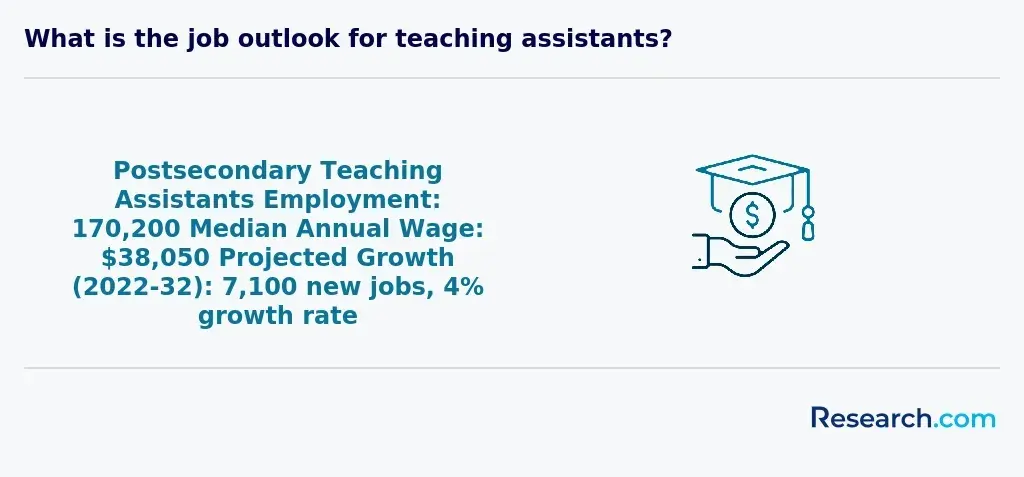
If you are still exploring the assistant pathway, Research.com’s guide on how to become a teacher assistant in Idaho can help you compare entry-level preparation options.
Advancing your career with the cheapest online master’s degree in early childhood education
An online master’s degree in early childhood education may help Idaho preschool teachers move toward leadership, curriculum design, mentoring, administration, or specialized instructional roles. It can be especially useful for teachers who want advanced study without leaving the workforce.
Affordability matters, but it should be weighed against accreditation, faculty expertise, field requirements, transfer policies, and career relevance. A low-tuition graduate program is most valuable when it supports a specific professional goal.
To compare lower-cost options, review Research.com’s resource on the cheapest online master’s degree in early childhood education.
What factors influence the compensation of preschool teachers in Idaho?
Preschool teacher pay in Idaho can vary by education level, years of experience, specialization, employer type, region, and funding source. Public programs, private preschools, childcare centers, nonprofit programs, and specialized early learning settings may use different pay structures.
Credentials can matter, but they are not the only factor. Teachers should also consider benefits, paid planning time, class size, year-round versus school-year schedules, advancement opportunities, and tuition assistance. For a broader salary discussion, see Research.com’s guide to what early childhood education salary and career paths look like.
What common pitfalls should be avoided when pursuing teacher certification in Idaho?
The biggest certification mistakes usually happen before a candidate applies. Many delays come from choosing the wrong program, misunderstanding licensure rules, or failing to document requirements on time.
| Common mistake | Why it causes problems | Better approach |
| Choosing a non-accredited or poorly matched program | Credits may not count toward licensure or transfer requirements | Confirm accreditation and Idaho certification alignment before enrolling |
| Focusing only on tuition | Testing, background checks, books, and extra coursework can raise total cost | Compare the full cost of attendance and credential completion |
| Assuming online programs automatically qualify | Not every online program meets Idaho licensing expectations | Ask the program and the state certification office for confirmation |
| Missing exam or background check steps | Applications can be delayed or returned as incomplete | Build a timeline for Praxis exams, fingerprinting, and document submission |
| Ignoring renewal requirements | Licenses can lapse if continuing education is not completed | Track the 16 professional development hours required every five years |
| Misunderstanding alternative certification | Mentoring, evaluations, and coursework still apply | Review all interim certificate obligations before starting |
For a broader explanation of credential categories and requirements, review Idaho teacher certification requirements.
Questions to ask before choosing an Idaho preschool teacher preparation program
- Is the program accredited and accepted for Idaho teacher certification?
- Does it prepare students for the Praxis exams required for the credential?
- Does it include supervised field experience or student teaching in early childhood settings?
- What is the total cost, including fees, books, testing, background checks, and applications?
- Can prior credits or work experience reduce the time to completion?
- What percentage of graduates pursue licensure or early childhood roles?
- Does the program support working adults through online, evening, or part-time options?
- Will the credential support your preferred setting: public preschool, private preschool, childcare center, special education, or administration?
Career reflections from preschool teachers in Idaho
-
: "
Teaching preschool in Idaho changed how I understood early learning. I grew up in a small community and saw how a strong start can shape a child’s confidence. My first classroom reminded me why this work matters: young children learn through curiosity, relationships, and trust. Helping them build that foundation has made the career deeply meaningful. — Harry
"
-
: "
My own teachers in Boise made school feel joyful, and that influenced my decision to enter early childhood education. Idaho’s training helped me focus on both academic growth and emotional development. The most rewarding part has been building relationships with children and families and watching students become more confident over time. — Diane
"
-
: "
Idaho’s communities and landscapes have shaped my teaching style. I like connecting lessons to local culture, nature, and family experiences. One of my favorite memories was taking students to a nearby farm, where they could learn through observation and hands-on discovery. Experiences like that help children feel connected to where they live. — Sam
"
Related Articles for Nearby States
- 2027 How to Become a Preschool Teacher in Montana: Requirements & Certification
- 2027 How to Become a Preschool Teacher in Washington: Requirements & Certification
- 2027 How to Become a Preschool Teacher in Oregon: Requirements & Certification
- 2027 How to Become a Preschool Teacher in Nevada: Requirements & Certification
- 2027 How to Become a Preschool Teacher in Utah: Requirements & Certification
- 2027 How to Become a Preschool Teacher in Wyoming: Requirements & Certification
- 2027 How to Become a Preschool Teacher in California: Requirements & Certification
- 2027 How to Become a Preschool Teacher in Colorado: Requirements & Certification
- 2027 How to Become a Preschool Teacher in Arizona: Requirements & Certification
- 2027 How to Become a Preschool Teacher in New Mexico: Requirements & Certification
References:
- Idaho State Department of Education. (n.d.). Certification. Idaho State Department of Education certification information.
- Preschool Teacher. (n.d.). Requirements for early childhood education jobs in Idaho. Preschool Teacher Idaho requirements.
- University of Idaho. (n.d.). Early childhood education, B.S. University of Idaho early childhood education program.
- Zippia. (2024). Preschool teacher demographics and statistics in the U.S. Zippia preschool teacher demographics.
Key Insights
- For licensed preschool teaching roles in Idaho, the most reliable path is a bachelor’s degree in early childhood education or a related field, an approved teacher preparation program, required Praxis exams, and a fingerprint-based background check.
- An associate degree can be useful for assistant or private preschool roles, but it may not be enough for state-licensed lead teaching positions.
- Idaho’s alternative certification route can help career changers and experienced assistants, but it still requires mentoring, evaluations, coursework, and careful deadline management.
- License renewal matters. Idaho educators must complete at least 16 professional development hours every five years.
- Before choosing a program, verify accreditation, Idaho certification alignment, total cost, transfer credit rules, and field experience requirements.
- Career advancement can come through specialization, administration, mentoring, curriculum development, special education, speech-language pathology, or elementary teaching, but each path has separate credential expectations.
- The best financial decision is not always the cheapest program. The best value is the lowest-cost route that fully qualifies you for the role you actually want.
Other Things You Should Know about Becoming a Preschool Teacher in Idaho
In 2027, prospective preschool teachers in Idaho must possess a minimum of a bachelor's degree in Early Childhood Education or a related field. Additionally, completion of a state-approved teacher preparation program and passing the relevant Praxis exams are essential for certification.
Absolutely! In Idaho, you can pursue a career as a preschool teacher with an associate's degree in early childhood education. This foundational qualification opens doors to various teaching opportunities in early childhood settings. However, to enhance your prospects and meet state licensing requirements, consider the following steps:
- Complete an associate's degree. Ensure your program includes coursework in child development and teaching methods.
- Gain experience. Seek internships or volunteer positions in preschool environments to build practical skills.
- Obtain a child development associate (CDA) credential. This credential is highly regarded and can boost your employability.
- Stay informed. Regularly check the Idaho State Department of Education for updates on licensing requirements and professional development opportunities.
With dedication and the right qualifications, you can make a meaningful impact in the lives of young learners!
To become a preschool teacher in Idaho in 2027, you typically need an Early Childhood Education (ECE) or related field credential. This includes a bachelor's degree, plus passing the Praxis exams and obtaining a certification in Early Childhood Education from the Idaho State Department of Education.
To become a preschool teacher in Idaho in 2027, complete an associate's degree in early childhood education, pass the Idaho Early Childhood Education (ECE) test, and obtain a CPR and First Aid certification. You must also complete a background check before working in a licensed preschool.