
2027 How to Become a Private School Teacher in Georgia: Requirements & Certification

Co-Founder and Chief Data Scientist
Teaching in a Georgia private school can be a strong fit if you want more flexibility in curriculum, closer school communities, smaller classes, or a mission-driven environment. The path is different from public school teaching because Georgia private schools generally set their own hiring standards. That means a state teaching license is not always required, but a degree, classroom experience, subject expertise, background clearance, and a clear teaching philosophy can still matter a great deal.
This guide explains how to become a private school teacher in Georgia in 2026, including education expectations, certification choices, costs, hiring steps, salary considerations, job outlook, special education support, professional development, and career growth options. It is designed for recent graduates, career changers, certified teachers moving from public schools, and professionals with subject-area expertise who want to teach in an independent, religious, Montessori, classical, or other private school setting.
Quick Answer: How Do You Become a Private School Teacher in Georgia?
To become a private school teacher in Georgia, you usually apply directly to individual private schools rather than through a statewide public-school certification system. Most schools prefer at least a bachelor’s degree, relevant subject knowledge, classroom or youth-development experience, references, and a successful background check. A Georgia teaching certificate is often optional for private schools, but it can improve your competitiveness, especially for elementary, secondary, special education, and leadership roles.
- Private schools in Georgia typically do not require a state-issued teaching license, although many prefer certified or experienced candidates.
- Hiring requirements vary by school, grade level, subject, religious affiliation, accreditation status, and student population.
- A bachelor’s degree is the most common baseline qualification; education, child development, and subject-area degrees are especially useful.
- Background checks and fingerprinting are commonly required before employment, with typical fees ranging from $50 to $100.
- Candidates should prepare a targeted resume, transcripts, references, a cover letter, and, when possible, sample lesson plans or a teaching portfolio.
- The strongest applicants show both instructional skill and alignment with the school’s mission, classroom culture, and educational philosophy.
- Job outlook for private school teachers in Georgia
- Step-by-step path to private school teaching in Georgia
- Private school teacher salaries in Georgia
- Support for special education teachers in Georgia private schools
- How added qualifications can improve career options
- Additional certifications that may help private school teachers
- Professional development for career growth
- Mentorship, networking, and continuous learning
- Teaching methods that work well in private schools
- Why subject specialization can matter
- Using specialization to advance your teaching career
- Certifications for advancement in Georgia private schools
- Online professional development resources
- Alternative education career paths in Georgia
What are the educational requirements for private school teachers in Georgia?
Georgia private schools have more hiring flexibility than public schools, but that does not mean they hire without standards. Most private schools look for candidates who can prove three things: they understand the subject, they can manage and teach students effectively, and they fit the school’s mission and learning model.
| Qualification | How it helps | When it matters most |
| Bachelor’s degree | Shows broad academic preparation and is the most common minimum expectation for lead teaching roles. | Most elementary, middle school, and high school teaching positions. |
| Education degree or teacher preparation coursework | Builds knowledge of pedagogy, lesson design, assessment, child development, and classroom management. | Elementary education, early childhood, and schools that prefer formally trained teachers. |
| Subject-area degree | Demonstrates depth in a field such as mathematics, science, English, history, music, or world languages. | Middle school, high school, honors, advanced, and specialized programs. |
| Alternative certification or teaching certificate | Can reassure employers that you have completed structured training, even if your degree was not in education. | Career changers and candidates competing with licensed teachers. |
| Master’s degree or graduate coursework | May strengthen applications for advanced courses, department leadership, curriculum roles, or competitive schools. | High school, specialty programs, leadership tracks, and schools with selective hiring criteria. |
- Earn a bachelor’s degree if you want the broadest access to teaching jobs: A degree in education is useful, but a degree in the subject you plan to teach can also be attractive, especially at the middle and high school levels.
- Use alternative pathways if you are changing careers: Candidates with degrees outside education may still be considered by private schools, particularly when they bring professional expertise, tutoring experience, youth work, coaching, ministry, or subject knowledge.
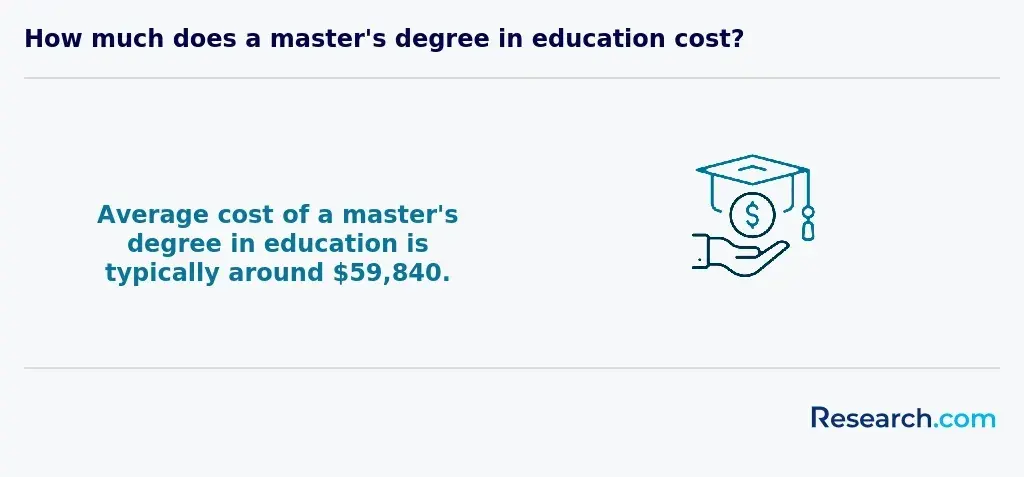
- Consider graduate study only when it supports your goal: A master’s degree can help, but it is not automatically required. It makes the most sense when it improves your subject expertise, prepares you for leadership, or aligns with the type of school you want to join.
- Keep learning after you are hired: Private schools often expect teachers to improve through workshops, curriculum training, mentoring, conferences, and school-based professional development even when the state does not mandate the same renewal structure used in public education.
If you are comparing state pathways or researching education programs more broadly, this guide to Louisiana education degree programs can provide additional context on how teacher preparation differs by state.
What is the licensure application and renewal process for private school teachers in Georgia?
Georgia public school teachers must follow state certification requirements, but private school teachers are generally hired under the policies of the individual school. In practice, this means there is no single licensure application or renewal process that applies to every Georgia private school teacher. Instead, each school decides whether a teaching certificate is required, preferred, or unnecessary for a particular role.
That flexibility is helpful for career changers, but it also shifts responsibility to the applicant. You must read each job posting carefully and ask schools exactly what they require before assuming your credentials are sufficient.
| Requirement area | Public school teaching in Georgia | Private school teaching in Georgia |
| State teaching license | Required for most teaching roles. | Typically not required by the state, but individual schools may prefer or require it. |
| Application route | Usually tied to state certification and district hiring systems. | Usually direct application to the private school. |
| Renewal | Follows state certification renewal rules. | Depends on whether the teacher holds certification and on the school’s professional development policies. |
| Hiring emphasis | Certification, degree, endorsements, district needs, and state rules. | Degree, experience, mission fit, subject knowledge, references, background clearance, and sometimes certification. |
- Check the school’s requirements before applying: Some independent, religious, and specialty schools may hire non-certified teachers, while others strongly prefer state-certified educators.
- Build experience if you lack licensure: Student teaching, substitute teaching, tutoring, youth programs, homeschool co-ops, camp instruction, or classroom aide work can help show readiness.
- Prepare for mission-based interviews: Private school interviews often explore your teaching philosophy, classroom management style, values, communication with families, and fit with the school’s culture.
- Consider certification if you want mobility: Even if one private school does not require a license, certification may help you move between schools, teach in public schools later, or qualify for specialized roles.
- Keep documentation organized: Save transcripts, test scores, certificates, professional development records, background-check instructions, and references in one place.
Some private school educators also pursue respected credentials such as National Board certification to strengthen their professional standing. If you are exploring related education credentials, a library science degree online may be relevant for school library, media, literacy, and instructional resource roles.
Can I become a private school teacher in Georgia with just a certificate?
Possibly, but it depends on the school and the position. Some Georgia private schools may consider applicants who hold a teaching certificate but do not have the same qualifications expected in public schools. Others may still require a bachelor’s degree, particularly for lead classroom teacher roles. The safest approach is to treat a certificate as helpful evidence of preparation, not as a guaranteed substitute for a degree.
- Review each school’s job posting: Private schools can set different standards for kindergarten, elementary, middle school, high school, enrichment, substitute, and assistant teaching roles.
- Target shortage or high-need areas when appropriate: Certificates connected to math, science, special education, languages, or early childhood instruction may be more useful in competitive searches.
- Start in a support position if needed: A teaching assistant, aide, substitute, after-school instructor, or intervention support role can help you gain experience and prove classroom readiness.
- Show evidence beyond the certificate: Include lesson plans, tutoring results, classroom observations, child-safety training, technology skills, and references from supervisors who have seen you work with students.
If your long-term goal is a full-time lead teaching role, a bachelor’s degree remains the stronger and more portable credential. A certificate can open doors, but a degree plus classroom experience generally gives you more options.
What is the average cost of private education programs in Georgia?
Private school tuition data matters to aspiring teachers for two reasons. First, tuition levels can affect school budgets, staffing, class size, and resources. Second, understanding the private school market helps you evaluate where you may want to work and what families expect from the schools they choose. If you are exploring education-adjacent roles, it may also help to review career paths in childhood development.
Average tuition reported for Georgia private schools
In 2024, the average annual tuition for private schools in Georgia is approximately $11,963. The figure can differ widely depending on grade level, location, program model, school size, religious affiliation, and available services.
Tuition by school level
Elementary school tuition averages around $11,863 per year. High school tuition averages about $12,531 annually, which may reflect added costs for labs, athletics, advanced coursework, college counseling, arts programs, and specialized faculty.
Lower-cost private school examples
Some lower-tuition options include Decatur Montessori at $1,042 and Atlanta Trilingual Academy at $1,195 for elementary education. For high school, Wynfield Christian Academy lists tuition at $1,400.
Reported tuition ranges
Private school tuition in Georgia is commonly reported as ranging from $2,550 to $4,000 annually across many institutions, though the statewide average listed above is higher. Mid-range examples include Barrow County Christian Academy, which charges between $2,900 and $2,930. Higher-end examples listed include Appling Christian Academy and Shiloh Christian Academy, with tuition fees ranging from $3,500 to $3,950.
| Cost item | Amount stated | Why it matters to teachers |
| Average annual private school tuition in Georgia | $11,963 | Can signal the resources, parent expectations, and staffing model of the school. |
| Average elementary tuition | $11,863 | Useful for candidates interested in early childhood and elementary roles. |
| Average high school tuition | $12,531 | Relevant for subject specialists, college-prep teachers, and advanced coursework instructors. |
| Lower-cost examples | $1,042, $1,195, and $1,400 | Shows that private schools vary significantly in tuition and likely in budgets. |
| Commonly reported range | $2,550 to $4,000 | Helps candidates understand that “private school” does not always mean high tuition or high salary. |
How long does it take to become a private school teacher in Georgia?
The timeline depends on your starting point. A certified teacher with classroom experience may be able to apply immediately. A career changer without education coursework may need time to build teaching skills, complete a certificate, or gain supervised experience.
| Starting point | Likely preparation needed | Estimated timeline stated |
| You already have a bachelor’s degree and teaching experience | School research, application materials, interviews, background check. | A few weeks to several months for the job search. |
| You have a degree but no formal teaching background | Volunteering, substitute teaching, tutoring, assistant teaching, or alternative training. | Often 6 months to 1 year for experience-building. |
| You need a certification program | Coursework focused on instructional methods, classroom practice, and certification preparation. | About 6 months to 1 year. |
| You are building both training and experience | Certificate or coursework plus practical classroom exposure and applications. | Approximately 1 to 2 years before entering a classroom as a private school teacher. |
The job search itself can be short or lengthy depending on subject area, school calendar, location, and whether you apply during peak hiring season. Many private schools hire in spring and summer for the following academic year, but openings can appear at any time because of enrollment changes or unexpected vacancies.
How much does it cost to become a private school teacher in Georgia?
The cost to enter private school teaching varies because Georgia private schools do not all require the same credential pathway. Your largest expense is usually your degree. Additional costs may include certification, background checks, professional development, classroom materials, and job-search expenses.
| Expense | Typical amount stated | Decision point |
| Bachelor’s degree | $10,000 to over $50,000 | Compare tuition, transfer credits, financial aid, program format, and whether the degree aligns with your intended grade level or subject. |
| Certification or training program | $500 to $2,000 | Worth considering if it improves your hiring prospects or prepares you for public school options later. |
| Background check and fingerprinting | $50 to $100 | Plan for this during the hiring process; schools commonly require clearance before you begin working with students. |
| Professional development | $100 to several hundred dollars annually | Ask whether the school reimburses workshops, conferences, graduate credits, or required training. |
| Classroom supplies | Several hundred dollars each year | Clarify what the school provides and what teachers usually buy themselves. |
| Job-search or relocation costs | Varies significantly | Consider travel, interview expenses, moving costs, and lost income during transition periods. |
Using the costs above, aspiring Georgia private school teachers might invest anywhere from $11,000 to over $53,000 before securing a position. To control costs, compare transfer policies, online options, employer reimbursement, scholarship opportunities, and whether a lower-cost credential will realistically help you reach the schools you are targeting.
What is the job outlook for private school teachers in Georgia?
The job outlook for private school teachers in Georgia depends on enrollment, school budgets, location, grade level, and subject area. Candidates with strong classroom skills, specialized expertise, and flexibility may have better opportunities, especially in schools seeking teachers for high-need subjects or student-support roles.
- Teacher demand is linked to enrollment and school growth: As schools add programs or maintain smaller class sizes, they may need additional teachers, aides, specialists, and enrichment instructors.
- Special education skills can improve marketability: The cited outlook includes an expected 8% growth in job opportunities for special education teachers.
- Elementary and secondary roles remain important: Kindergarten and elementary teacher roles are projected to grow by about 9%, while middle and high school educator positions are expected to increase by approximately 7%.
- Private school salaries may differ from public school salaries: Some private schools may offer lower starting pay, but candidates may value smaller classes, mission alignment, curricular flexibility, or stronger family engagement.
- Professional development can affect advancement: Teachers who continue training may be better positioned for department leadership, curriculum coordination, instructional coaching, and specialized teaching roles. If you need flexible study options, night classes for teaching degree programs may be worth comparing.
Because private schools hire individually, the best job-market strategy is targeted research. Identify schools that match your subject, values, commute, salary needs, and preferred teaching style. Then study their job boards, accreditation status, faculty qualifications, and student services before applying.
What are the steps to become a private school teacher in Georgia?
The process is not identical for every private school, but most candidates can use the following sequence to move from interest to employment.
- Choose your teaching target: Decide whether you want early childhood, elementary, middle school, high school, special education, arts, STEM, humanities, language, religious education, or enrichment instruction.
- Earn or document the right academic background: A bachelor’s degree in education or a relevant subject is often preferred. If you already have a degree, gather transcripts and identify gaps in pedagogy or classroom experience.
- Consider certification if it strengthens your application: State certification is not always required for private schools, but it can increase credibility. Cost-conscious candidates can compare options such as the cheapest teaching credential program in Georgia.
- Gain direct experience with students: Look for student teaching, substitute teaching, tutoring, youth ministry, camp instruction, coaching, classroom aide, or volunteer work.
- Create a teaching portfolio: Include a resume, cover letter, references, transcripts, sample lesson plans, classroom management approach, assessment examples, and evidence of student engagement.
- Research schools before applying: Compare school mission, accreditation, grade levels, class size, salary expectations, benefits, religious or philosophical expectations, and teacher workload.
- Tailor every application: A generic resume is weaker than one that directly explains why your background fits the school’s curriculum, students, and values.
- Prepare for interviews and teaching demonstrations: Be ready to explain how you teach mixed-ability classrooms, communicate with parents, use technology, handle discipline, and support student growth.
- Complete background checks and onboarding: Expect fingerprinting, employment verification, reference checks, child-safety training, and school-specific orientation.
Questions to ask before accepting a private school teaching job
- Is a Georgia teaching certificate required, preferred, or optional for this role?
- What curriculum will I be expected to use, and how much freedom will I have to adapt it?
- How many students are typically in each class?
- What planning time, mentoring, and instructional support are provided?
- What benefits, retirement options, tuition discounts, or professional development funds are available?
- How does the school support students with learning differences, disabilities, or English-language needs?
- What are the expectations for extracurricular duties, clubs, coaching, parent communication, and school events?
How much do private school teachers in Georgia make?
Private school teacher pay in Georgia varies by school, subject, grade level, experience, location, and funding model. The average salary for private school educators in the state generally falls between $30,000 and $50,000 annually, according to the sources reflected in this article.
| Salary factor | How it can affect pay |
| Experience | Teachers with more years in the classroom, stronger references, and proven student outcomes may qualify for higher offers. |
| School reputation and resources | More established or selective private schools may have more competitive salary structures, though this is not guaranteed. |
| Subject area | High-demand fields such as STEM may offer stronger leverage in some schools. |
| Location | Pay can differ across Georgia because cost of living, tuition levels, and local labor markets vary. |
| Additional duties | Coaching, department leadership, clubs, summer programs, or administrative responsibilities may affect total compensation. |
| Benefits | Health insurance, retirement plans, tuition discounts, and professional development support can change the real value of an offer. |
Before accepting a position, compare the full compensation package rather than salary alone. A lower salary may be offset by strong benefits, tuition discounts, mentoring, manageable class sizes, or leadership opportunities. On the other hand, a role with heavy extracurricular expectations and limited benefits may be less attractive than the base salary suggests. If you are preparing for elementary roles and want lower-cost degree options, review budget online elementary education programs.
What support systems exist for special education teachers in private schools in Georgia?
Support for special education teachers varies widely across Georgia private schools. Some schools have dedicated learning specialists, intervention teams, counseling staff, assistive technology, formal accommodation plans, and resource rooms. Others may have limited services and expect classroom teachers to differentiate instruction with fewer specialized supports.
If you want to work with students who have disabilities, learning differences, behavioral needs, or communication challenges, ask direct questions during the interview. Find out whether the school provides diagnostic information, paraprofessional support, parent collaboration systems, professional development, and access to specialists. Teachers who want a structured special education pathway can review how to become a special education teacher in Georgia.
How can additional qualifications enhance career prospects in Georgia’s private schools?
Additional qualifications can help private school teachers compete for stronger roles, move into leadership, teach advanced courses, or specialize in high-need areas. The value of an added credential depends on whether it matches the school’s needs. A math-focused school, for example, may value graduate-level math pedagogy, while a classical school may prioritize humanities expertise and strong writing instruction.
Credentials can be especially useful in curriculum design, department leadership, academic intervention, advanced placement-style instruction, and specialized subject teaching. Teachers who want deeper math preparation can explore an online math education degree as one possible route.
What additional certifications can enhance a private school teacher’s career in Georgia?
The most useful certification is one that solves a real hiring or instructional need. Private school teachers may benefit from certifications or training in early childhood education, special education, literacy intervention, gifted education, educational technology, English language learning, classroom management, school leadership, or a specific subject area.
For teachers working with younger children, early childhood and preschool-focused preparation can be especially relevant. If you are comparing early education pathways, review preschool teacher requirements in Georgia.
Can ongoing professional development enhance career growth for private school teachers in Georgia?
Yes. Professional development can help private school teachers improve instruction, adapt to new curriculum demands, use classroom technology effectively, support diverse learners, and prepare for leadership. It is also important because private schools may not always have the same formal training systems as public districts.
- Choose workshops that address your current classroom challenges rather than collecting random certificates.
- Ask whether your school pays for conferences, graduate credits, coaching, or required training.
- Keep a record of completed training for future applications and promotion discussions.
- Connect professional development to measurable classroom improvements, such as stronger assessment design or better differentiated instruction.
Teachers who want to deepen English, writing, or literature instruction may consider options such as the cheapest online master's in English.
How can mentorship, networking, and continuous learning accelerate career growth in Georgia’s private schools?
Private school hiring and advancement often depend on reputation, relationships, and demonstrated fit. Mentorship can help newer teachers understand school culture, parent communication expectations, grading norms, and classroom management. Networking can uncover openings before they are widely advertised. Continuous learning helps teachers stay ready for curriculum changes, leadership openings, and specialized roles.
- Ask for a mentor during your first year at a school.
- Join school committees where you can show leadership and reliability.
- Attend regional education events and private-school association meetings when possible.
- Build relationships with department heads, administrators, counselors, and learning specialists.
- Document successful projects, student outcomes, and curriculum contributions.
For broader teacher preparation guidance, see how to become a teacher in Georgia.
What teaching methodologies are most effective in private schools in Georgia?
Effective teaching in private schools depends on the school’s mission, curriculum, grade level, and student population. Many private schools value personalized instruction, strong relationships, parent communication, and flexible teaching methods. The following approaches often fit well in smaller or mission-driven classrooms.
| Methodology | Best use | Why it can work in private schools |
| Project-Based Learning | Real-world problems, research projects, interdisciplinary units, and collaborative assignments. | Smaller classes can make coaching, feedback, and presentation-based learning easier to manage. |
| Differentiated Instruction | Mixed-ability classrooms and students with different learning speeds, interests, or support needs. | Teachers can adapt materials, pacing, grouping, and assessments to individual learners. |
| Experiential Learning | Labs, fieldwork, service learning, art, history, science, and hands-on exploration. | Private schools may have flexibility to design enrichment activities tied to school values or local partnerships. |
| Technology Integration | Digital research, interactive lessons, formative assessment, online collaboration, and multimedia projects. | Technology can expand resources, but it should support learning goals rather than replace good instruction. |
| Socratic Seminars and Discussion-Based Learning | Literature, history, philosophy, theology, ethics, and advanced humanities courses. | Smaller groups can support deeper dialogue, student questioning, and critical thinking. |
The best teachers do not rely on one method for every lesson. They choose the approach that fits the objective, students, available time, and assessment expectations.
How essential is subject specialization for enhancing career opportunities in Georgia’s private schools?
Subject specialization can be a major advantage, especially in middle school, high school, arts programs, STEM academies, language programs, classical schools, and schools with strong extracurricular offerings. Private schools may hire teachers who can do more than teach a standard course; they may want someone who can build a music ensemble, lead a robotics club, design an honors sequence, coach debate, or expand elective offerings.
For arts educators, targeted preparation can support both classroom teaching and extracurricular leadership. Candidates interested in music instruction can review music teaching qualifications in Georgia.
How can subject specialization enhance career growth for private school teachers in Georgia?
Specialization can help teachers move from general classroom roles into advanced instruction, department leadership, curriculum planning, academic coaching, or enrichment programming. It can also make a candidate more attractive to schools that want to differentiate themselves through strong academics, arts, languages, faith-based instruction, or college-preparatory programs.
The key is to connect specialization to student value. A history teacher, for example, can strengthen career prospects by offering document-based instruction, debate, research writing, museum partnerships, or interdisciplinary humanities courses. For a structured subject pathway, see how to become a history teacher in Georgia.
Are additional certifications beneficial for career advancement in Georgia’s private schools?
Additional certifications can be useful, but they should be chosen strategically. A certificate is most valuable when it helps you teach a needed subject, support a specific student population, lead curriculum work, manage technology-rich classrooms, or qualify for administrative duties.
- Choose subject-area certification if you want to teach specialized or advanced courses.
- Choose special education or intervention training if you want to support students with learning differences.
- Choose leadership or curriculum credentials if you want department chair, instructional coach, or administrator roles.
- Choose technology-integration training if your school uses digital platforms, blended learning, or online coursework.
To compare credential options, review the types of teacher certification in Georgia.
What online professional development resources are available to private school teachers in Georgia?
Online professional development can help Georgia private school teachers improve without leaving their jobs. Flexible courses can be especially helpful for teachers balancing full-time teaching, family responsibilities, coaching duties, or graduate study.
Useful online training topics include classroom technology, curriculum design, assessment, literacy strategies, differentiated instruction, digital classroom management, special education basics, trauma-informed teaching, and subject-specific pedagogy. Teachers considering remote or technology-supported teaching pathways can read how to become a teacher online in Georgia.
Are there alternative career paths for private school teachers in Georgia?
Yes. Private school teaching can lead to several education-related careers. Teachers often develop transferable skills in communication, assessment, curriculum planning, student support, family engagement, public speaking, mentoring, and program coordination.
One possible path is becoming a speech-language pathologist, a role focused on helping students with communication and language disorders. This path requires a master's degree in speech-language pathology and certification from the American Speech-Language-Hearing Association (ASHA). Teachers exploring that transition can review how to become a speech pathologist in Georgia.
What career paths are available for private school teachers in Georgia?
A private school teaching job can remain a long-term classroom career or become a foundation for leadership, specialization, counseling-related work, curriculum development, or education administration.
| Career path | What it involves | How to prepare |
| Classroom teacher | Teaching a grade level or subject, managing classroom culture, assessing learning, and communicating with families. | Build strong instruction, parent communication, and classroom management skills. |
| Subject specialist | Teaching focused courses in math, science, English, history, music, language, arts, or technology. | Deepen subject knowledge and pursue relevant coursework or certification. |
| Department head or curriculum coordinator | Supporting teachers, reviewing curriculum, aligning instruction, and leading academic planning. | Document successful teaching, mentor colleagues, and gain curriculum design experience. |
| School administrator | Leading faculty, operations, student life, admissions, academics, or school strategy. | Develop leadership experience and consider graduate study or administrative credentials. |
| Extracurricular leader | Coaching teams, advising clubs, directing arts programs, or leading academic competitions. | Use personal strengths to contribute beyond the classroom. |
| Education-adjacent specialist | Moving into tutoring, instructional design, school library work, learning support, admissions, or counseling-related services. | Identify required credentials and build experience in the target area. |
Networking can also support career mobility. Organizations such as the Georgia Independent School Association may help educators find openings, professional development, and school connections.
How can aspiring elementary school teachers excel in Georgia’s private schools?
Aspiring elementary teachers should focus on child development, literacy, numeracy, classroom routines, family communication, and differentiated instruction. Private elementary schools often want teachers who can create a warm classroom culture while still delivering structured academic growth.
- Gain experience with children in the same age range you want to teach.
- Practice designing lessons that include reading, writing, math, movement, discussion, and hands-on work.
- Learn how to support students with different readiness levels in the same classroom.
- Build a portfolio with sample elementary lesson plans, classroom routines, assessment ideas, and parent communication examples.
- Seek mentoring from experienced elementary teachers before your first full-time role.
For a more detailed route into this grade level, review how to become an elementary school teacher in Georgia.
Common Mistakes to Avoid When Pursuing Private School Teaching in Georgia
| Mistake | Why it can hurt you | Better approach |
| Assuming no license means no standards | Many schools still expect a degree, experience, references, and strong instructional skills. | Build a complete application package and verify each school’s requirements. |
| Applying with a generic resume | Private schools often hire for mission fit and school culture, not just credentials. | Customize your resume and cover letter for each school. |
| Ignoring background-check costs | Fingerprinting and background checks are common and may cost $50 to $100. | Budget for clearance requirements during the hiring process. |
| Focusing only on salary | Benefits, workload, class size, planning time, tuition discounts, and required duties affect the real value of a job. | Compare the full compensation and working conditions. |
| Choosing extra credentials randomly | Certificates that do not match your target roles may not improve hiring odds. | Select training tied to grade level, subject, special education, technology, or leadership goals. |
| Skipping questions about student support | You may enter a classroom without knowing what resources are available for diverse learners. | Ask about learning specialists, accommodations, aides, and intervention systems. |
Here’s What Graduates Have to Say About Becoming a Private School Teacher in Georgia
-
: "
“Teaching in a Georgia private school changed the way I think about instruction. Because my classes are smaller, I can adjust lessons faster, notice when students are struggling, and build stronger relationships. Watching students become more confident has been the most meaningful part of the job.” — Gem
"
-
: "
“Private school teaching gave me room to try creative lessons and collaborate closely with other teachers. The faculty culture pushed me to keep improving, and I found a community that takes both academics and student character seriously.” — Jake
"
-
: "
“I was drawn to private education because I wanted a school community with shared values and strong relationships. In Georgia, I found a setting where students, parents, and teachers work closely together. That sense of purpose keeps me invested.” — Mel
"
Key Insights
- Georgia private schools usually set their own teacher hiring requirements, so a state teaching license is often optional rather than mandatory.
- A bachelor’s degree remains the safest baseline credential for full-time teaching roles, especially for lead elementary, middle school, and high school positions.
- Certification can still be valuable because it improves credibility, increases mobility, and may help candidates compete for specialized or more selective jobs.
- Fingerprinting and background checks are common employment steps, and candidates should expect costs that typically range from $50 to $100.
- The estimated cost to become a private school teacher can range from $11,000 to over $53,000, largely depending on degree and certification expenses.
- Private school teacher salaries in Georgia generally fall between $30,000 and $50,000 annually, but benefits, workload, class size, and advancement opportunities should be evaluated alongside salary.
- Special education, STEM, elementary education, subject specialization, and strong classroom experience can improve job prospects.
- The best application strategy is targeted: research each school, match your materials to its mission, and show evidence that you can teach effectively in its specific environment.
Related Articles for Nearby States
- 2027 How to Become a Private School Teacher in South Carolina: Requirements & Certification
- 2027 How to Become a Private School Teacher in Florida: Requirements & Certification
- 2027 How to Become a Private School Teacher in Alabama: Requirements & Certification
- 2027 How to Become a Private School Teacher in Tennessee: Requirements & Certification
- 2027 How to Become a Private School Teacher in North Carolina: Requirements & Certification
- 2027 How to Become a Private School Teacher in Mississippi: Requirements & Certification
- 2027 How to Become a Private School Teacher in Kentucky: Requirements & Certification
- 2027 How to Become a Private School Teacher in Virginia: Requirements & Certification
- 2027 How to Become a Private School Teacher in Louisiana: Requirements & Certification
- 2027 How to Become a Private School Teacher in West Virginia: Requirements & Certification
References:
- BLS. (2023). Comparing occupational employment and wages in public and private elementary and secondary schools. https://www.bls.gov/opub/btn/volume-12/comparing-occupational-employment-and-wages.htm
- gadoe.org (n.d.). Go Back to School - Traditional Pathway to Certification. gadoe.org https://www.gadoe.org/School-Improvement/Teacher-and-Leader-Effectiveness/Documents/2022-2023/Routes%20to%20become%20a%20Georgia%20Teacher.pdf
- gisaschools.org (15 Nov 2011). JOB OPENINGS. gisaschools.org https://gisaschools.org/opportunities/job-openings
- NCES. (2023). Characteristics of Traditional Public, Public Charter, and Private School Teachers. https://nces.ed.gov/programs/coe/indicator/sld/public-private-school-teachers
- NCES. (2023). Percentage distribution of private schools, by program emphasis and selected characteristics: United States, school year 2021–22. https://nces.ed.gov/surveys/pss/tables/TABLE03fl2122.asp
- privateschoolreview.com (01 Jul 2024). Georgia Private Schools By Tuition Cost. privateschoolreview.com https://www.privateschoolreview.com/tuition-stats/georgia
- sgsc.edu (n.d.). Job Outlook. sgsc.edu https://www.sgsc.edu/academics/job-outlook-ele-sped
- trsga.com (n.d.). Private School Service. trsga.com https://www.trsga.com/active-member/service-credit-accrual-purchase/private-school-service
- www2.ed.gov (10 Nov 2016). Georgia State Regulations. www2.ed.gov https://www2.ed.gov/about/inits/ed/non-public-education/regulation-map/georgia.html
Other Things You Should Know About Becoming a Private School Teacher in Georgia
No. Georgia does not require private schools to hire state-certified teachers. Private schools set their own hiring standards, but many still prefer candidates with a bachelor’s degree, subject expertise, and classroom experience. State certification is mainly required for public-school teaching positions, not private-school employment.
The certification process involves meeting state requirements, which may not necessitate state certification for private schools, unlike public schools. However, private schools may require a bachelor's degree, relevant teaching experience, and possible internal assessments or certifications depending on individual school policies.


