Research.com is an editorially independent organization with a carefully engineered commission system that’s both transparent and fair. Our primary source of income stems from collaborating with affiliates who compensate us for advertising their services on our site, and we earn a referral fee when prospective clients decided to use those services. We ensure that no affiliates can influence our content or school rankings with their compensations. We also work together with Google AdSense which provides us with a base of revenue that runs independently from our affiliate partnerships. It’s important to us that you understand which content is sponsored and which isn’t, so we’ve implemented clear advertising disclosures throughout our site. Our intention is to make sure you never feel misled, and always know exactly what you’re viewing on our platform. We also maintain a steadfast editorial independence despite operating as a for-profit website. Our core objective is to provide accurate, unbiased, and comprehensive guides and resources to assist our readers in making informed decisions.

2026 How to Become a Speech Language Pathologist in Georgia: Requirements & Certification

Imed Bouchrika, PhD

by Imed Bouchrika, PhD

Co-Founder and Chief Data Scientist

Table of Contents
  1. How to become a speech-language pathologist in Georgia
  2. Minimum education required for Georgia SLP licensure
  3. What speech-language pathologists do
  4. Georgia certification and licensing process
  5. Legal and ethical responsibilities for Georgia SLPs
  6. Speech-language pathologist salary in Georgia
  7. Georgia SLP job market and hiring outlook
  8. Factors that influence SLP career advancement in Georgia
  9. Teaching credentials and expanded SLP career options
  10. Career paths and advancement opportunities
  11. Challenges to expect as a Georgia SLP
  12. Advanced education and certifications for SLPs Challenges to review before advancing
  13. Collaboration with education sectors
  14. Technology, research, and SLP career growth
  15. Networking and mentorship in Georgia
  16. Collaboration with school psychologists
  17. Collaboration with classroom educators
  18. Marriage and family therapy connections Family-centered practice options
  19. Mental health practices and SLP careers
  20. School counselor partnerships Mental health collaboration Family therapy collaboration Classroom collaboration School psychology collaboration Networking Technology and research Education-sector collaboration Career challenges

How to Become a Speech-Language Pathologist in Georgia

The Georgia SLP pathway is structured because clinicians work with vulnerable populations and provide services that affect communication, learning, health, feeding, and quality of life. The process starts with graduate education and ends with ongoing professional development after licensure.

StepWhat you need to completeWhy it matters
1. Earn the required graduate degreeComplete a master’s degree or higher in speech-language pathology from an accredited institution. The program should include at least 75 semester hours, with at least 36 hours at the graduate level.Georgia licensure depends on graduate-level preparation in assessment, diagnosis, treatment, and professional practice.
2. Complete supervised clinical practicumFinish at least 400 practicum hours, including 375 hours of direct supervision and 25 hours of observation. At least 325 hours must be completed during graduate study.Clinical hours help you apply theory with real clients across communication and swallowing needs.
3. Complete professional experienceGain practical experience through a nine-month full-time or 18-month part-time clinical position.This supervised stage builds independence before full professional practice.
4. Pass the national examinationTake and pass a board-approved national examination in speech-language pathology.The exam demonstrates readiness to practice and is part of the licensure process.
5. Apply for Georgia licensureSubmit your application and documentation to the Georgia Board of Speech Language Pathology and Audiology.You cannot practice independently as an SLP in Georgia without the proper state license.
6. Maintain your licenseComplete required continuing education, including two Continuing Education Units within two years.Continuing education helps clinicians stay current with treatment methods, laws, and ethical standards.

Georgia students often consider graduate options at institutions such as the University of Georgia, Georgia Southern University, Emory University, and Georgia State University. If cost or schedule flexibility is a major concern, compare accredited campus programs with affordable online options, including cheap online master's in speech pathology pathways.

As of 2023, the American Speech-Language-Hearing Association reported regional differences in the number of certified SLPs across the United States. The South had the largest number of ASHA-certified SLPs, with 74,807 professionals. The Northeast had 47,062, the Midwest had 44,539, and the West had 37,345. These figures show how workforce distribution varies by region and why service access, hiring competition, and clinical demand can differ from one market to another.

Minimum Education Required to Become a Speech-Language Pathologist in Georgia

The minimum professional education for an SLP in Georgia is a master’s degree in speech-language pathology from an accredited program. A bachelor’s degree alone is not enough for independent SLP licensure, although it is the usual entry point into graduate study.

  • Degree requirement: You need at least a master’s degree in speech-language pathology. Your undergraduate major does not always have to be communication sciences and disorders, but students without prerequisite coursework may need leveling or bridge courses before full graduate admission.
  • Graduate credit expectations: The master’s program should include at least 75 credit hours, with at least 36 at the graduate level. Coursework commonly covers language disorders, speech sound disorders, fluency, voice, dysphagia, assessment, treatment planning, research, and professional issues.
  • Typical timeline: A bachelor’s degree usually takes about four years, followed by about two years for the master’s degree. Many students should plan for roughly six years of higher education before licensure eligibility.
  • Program cost: A master’s degree in speech-language pathology can cost about $30,000 to $60,000, depending on the institution, residency status, delivery format, and fees.
  • Clinical fellowship or professional experience: Candidates must complete hands-on supervised preparation, including at least 1,080 hours of supervised professional experience.
  • Accreditation: Choose a program accredited by the Council on Academic Accreditation in Audiology and Speech-Language Pathology. Accreditation is one of the most important safeguards for licensure eligibility and employer confidence.
  • Program example: Georgia State University is one recognized option for students seeking a master’s degree in speech-language pathology.

Students comparing programs should look beyond tuition. Ask how clinical placements are assigned, whether the program supports Praxis preparation, whether online students can complete placements near home, and how often graduates secure licensure. If affordability is your main constraint, review the cheapest online speech pathology master's programs while confirming that any program you choose aligns with Georgia requirements.

Program factorQuestion to ask before enrollingWhy it affects your career
AccreditationIs the program accredited by the CAA?Accreditation is central to licensure and professional credibility.
Clinical placementsDoes the school arrange placements, or must students find their own?Placement support can affect graduation timing and clinical readiness.
Total costWhat is the full cost including fees, travel, equipment, and clinical requirements?The lowest tuition may not be the lowest overall cost.
Licensure alignmentDoes the curriculum meet Georgia requirements?Not every convenient program is automatically a good fit for every state.
Delivery formatCan you complete coursework and clinical expectations while working?Online, hybrid, and campus programs differ in flexibility and support.

These education requirements matter after graduation as well. In workplace settings, productivity expectations can affect daily schedules and service delivery. In one reported data point, 61% of SLPs said their facilities have a productivity requirement.

Do SLPs have to meet a productivity requirement?<br>

What Does a Speech-Language Pathologist Do?

A speech-language pathologist evaluates, diagnoses, and treats communication and swallowing disorders. SLPs work with infants, children, teens, adults, and older adults in schools, hospitals, rehabilitation centers, skilled nursing facilities, private practices, early intervention programs, universities, and telepractice settings.

  • Assess speech, language, fluency, voice, cognitive-communication, social communication, and swallowing abilities.
  • Create individualized treatment plans based on a client’s age, diagnosis, goals, environment, and support system.
  • Provide therapy to improve articulation, language development, feeding and swallowing safety, voice quality, fluency, or functional communication.
  • Collaborate with families, teachers, physicians, occupational therapists, physical therapists, psychologists, counselors, and other professionals.
  • Document evaluations, treatment notes, progress, discharge recommendations, and compliance-related records.
  • Educate caregivers, school teams, and healthcare staff on strategies that support communication outside therapy sessions.

Skills That Matter Most

  • Clinical communication: SLPs must explain complex diagnoses and therapy plans in language that clients, parents, teachers, and medical teams can use.
  • Empathy and patience: Progress may be slow, and clients may experience frustration, anxiety, or fatigue.
  • Analytical thinking: Evaluation data must be interpreted accurately before treatment goals are set.
  • Adaptability: A school-based therapy session, adult swallowing evaluation, and teletherapy appointment require different clinical approaches.
  • Documentation accuracy: Notes, IEPs, treatment plans, and billing-related records must be clear, timely, and legally defensible.

Prospective students who want a broader overview of the profession can compare this Georgia-specific path with Research.com’s general guide on a career in speech pathology.

One Georgia clinician described the work this way: “After graduating from Georgia State University, I began in an elementary school. One of my first students had difficulty putting his thoughts into words. Watching him communicate more clearly reminded me why this work matters.”

Georgia Certification and Licensing Process for Speech-Language Pathologists

Georgia licensure is document-heavy, so it helps to track requirements early. Keep copies of transcripts, clinical hour records, supervision forms, examination results, identification documents, and correspondence with the licensing board.

Licensure componentGeorgia requirement or processPractical tip
Clinical practicumAt least 375 hours of direct supervision and 25 hours of observation, with experience involving communication disorders in adults and children. At least 325 hours should be at the graduate level.Confirm that your program tracks hours in the format required for licensure documentation.
Professional experienceA nine-month professional experience may be completed full time or part time.Choose a supervisor who understands Georgia documentation expectations.
National examinationApplicants must pass a national examination recognized by the Georgia Board of Speech Language Pathology and Audiology.Ask your graduate program how it prepares students for the exam and when graduates typically test.
Licensure applicationSubmit the application to the Georgia State Professional Licensing Board, including required documentation. Fingerprinting and background checks are part of the process.Do not wait until you have a job offer to assemble paperwork.
FeesApplication fees vary, so applicants should verify the current fee schedule with the Board.Budget for fees, transcripts, background checks, and exam-related costs.
Continuing educationLicensed SLPs must complete 20 clock hours or 2.0 Continuing Education Units every two years.Track CEUs as you complete them instead of waiting until renewal season.
Exemptions and reciprocitySome exemptions apply to individuals certified by the Department of Education while working in public educational institutions, as well as students, interns, and clinical fellows. Georgia may issue a license without examination for some applicants licensed in another state if qualifications are equivalent.If you are moving to Georgia, contact the Board before assuming your current license transfers automatically.
Temporary license for fellowshipA temporary license for the Paid Clinical Experience/Required Professional Experience Fellowship is valid for one year and renewable once. Supervisors must hold a Georgia license or equivalent credential and may supervise up to two fellows at a time.Confirm supervision arrangements in writing before beginning the fellowship period.
Foreign credentialsApplicants educated outside the United States must have foreign credentials evaluated course by course by an independent service and submitted to the Board.Start credential evaluation early because it can delay application review.
Recent studyCandidates must show recent study by completing two CEUs within the two years before application.Keep certificates and provider documentation for every CE activity.

Because licensing rules can change, applicants should confirm current requirements directly with the Georgia Board of Speech Language Pathology and Audiology before applying. Students still comparing graduate options can also review the best SLP and audiology master’s programs.

Legal and Ethical Guidelines for Speech-Language Pathologists in Georgia

Licensure gives an SLP authority to practice, but ethical judgment determines whether services are safe, appropriate, and professional. Georgia SLPs must understand state law, federal privacy rules, professional boundaries, documentation responsibilities, and the limits of their scope of practice.

Legal Responsibilities

  • Licensure: Georgia SLPs must hold the appropriate professional license before practicing independently. The licensing process includes graduate education, supervised clinical experience, and examination requirements.
  • Scope of practice: SLPs should provide only services they are trained and authorized to deliver, including assessment, diagnosis, and treatment of speech, language, communication, and swallowing disorders.
  • Confidentiality: Client and student records must be protected under HIPAA and applicable Georgia privacy requirements. Information should be shared only with authorized individuals and for legitimate clinical, educational, or administrative purposes.
  • Documentation: Records should accurately reflect assessment results, service frequency, treatment goals, progress, referrals, and discharge decisions.
  • Consequences of violations: Breaches of confidentiality, fraudulent documentation, or practice outside the scope of competence can lead to disciplinary action, fines, or loss of licensure.

Common Ethical Dilemmas

  • Insurance and access limits: Some clients may need more services than insurance or funding sources will cover. Ethical practice requires advocacy while staying truthful about clinical necessity and payer requirements.
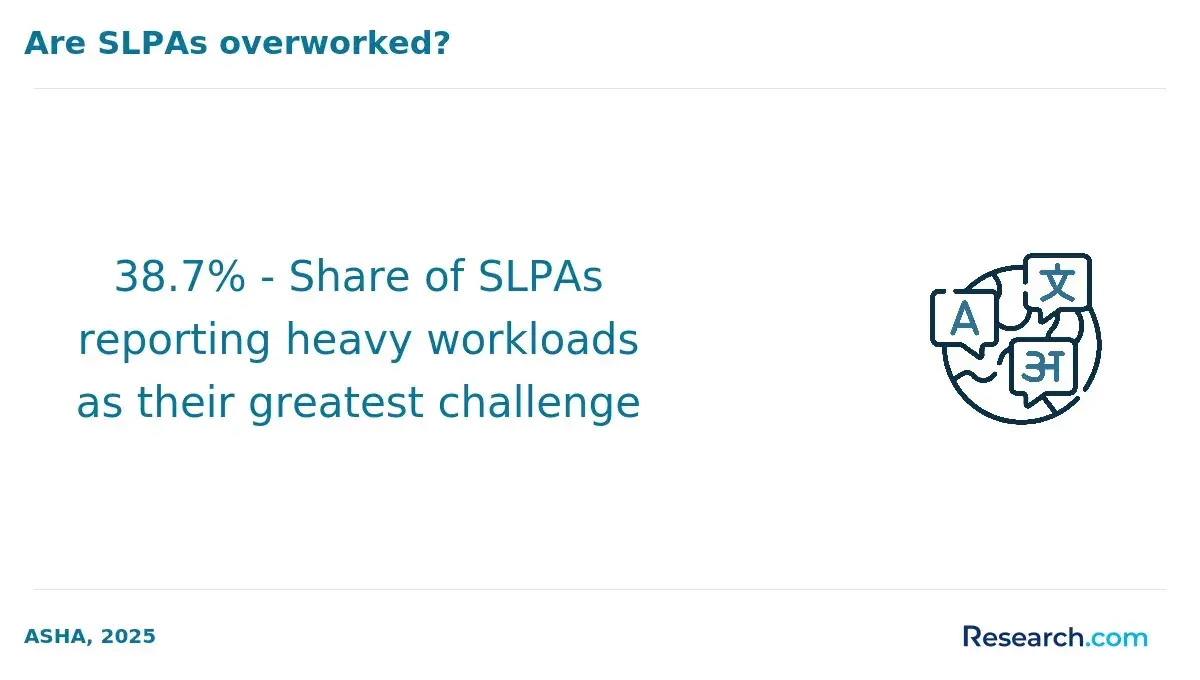
  • High caseload pressure: SLPs may be asked to serve many clients while still maintaining individualized, evidence-based care.
  • Conflicts of interest: Clinicians should avoid recommendations driven by personal gain rather than client need.
  • Competence: SLPs should seek supervision, training, or referral when a case falls outside their experience.

State and Federal Education Laws

  • IDEA: SLPs in schools must understand how the Individuals with Disabilities Education Act affects eligibility, IEP services, documentation, family participation, and student rights.
  • Continuing education: Georgia requires ongoing education to maintain licensure. One cited requirement is 30 hours of continuing education every two years, so clinicians should verify the current standard with the licensing board and their employer.

Ethical SLP practice is not just about avoiding violations. It is about delivering appropriate services, communicating honestly with families and teams, and keeping client welfare at the center of every decision.

Speech-Language Pathologist Salary in Georgia

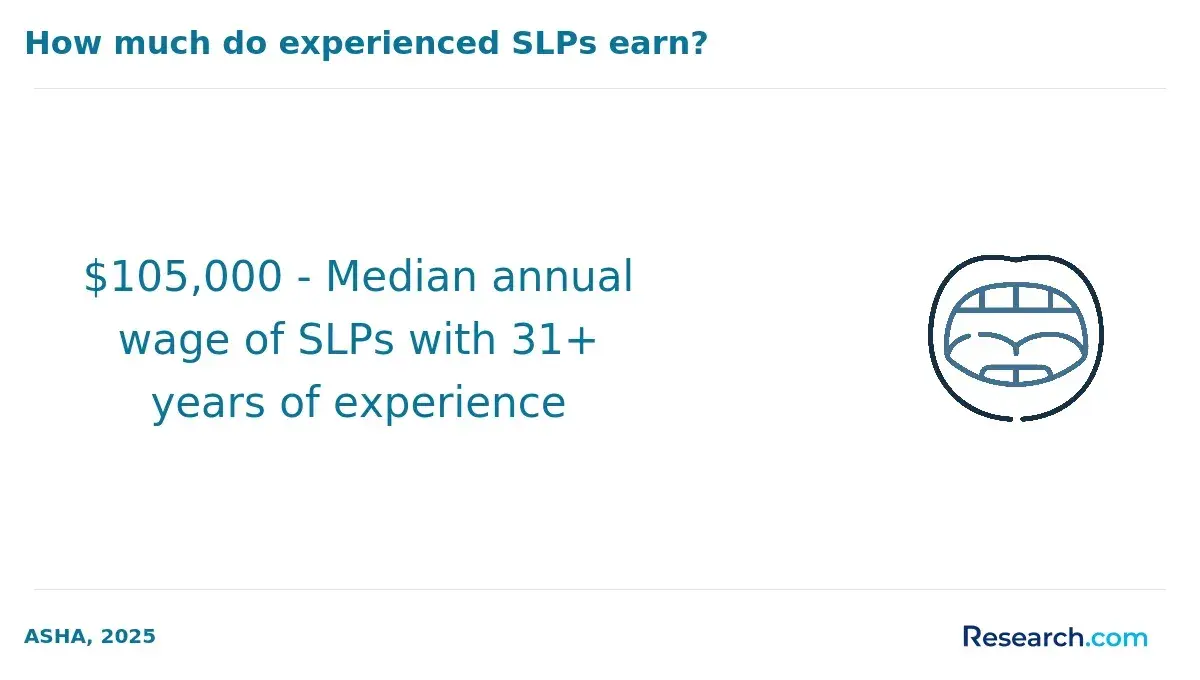
Salary is one of the most important factors when deciding whether an SLP graduate degree is worth the investment. In Georgia, speech-language pathologists earn an average salary of approximately $75,000 per year, with a median salary of around $73,000. The national average is about $80,000 annually. Another 2023 figure places the average salary for a Georgia SLP at approximately $80,000 per year, with some professionals in metropolitan areas earning upwards of $100,000.

Salary measureAmountHow to interpret it
Average salary in Georgia$75,000A broad estimate that may include multiple experience levels and settings.
Median salary in Georgia$73,000The midpoint salary, often useful for understanding typical earnings.
National average salary$80,000A comparison point, not a guarantee for any individual role.
Alternative 2023 Georgia average figureApproximately $80,000Reported salary estimates may vary depending on data source and methodology.
Higher metropolitan earningsUpwards of $100,000More likely in some metro areas, specialized settings, or experienced roles.

Work Settings That Can Affect Pay

  1. Healthcare and social assistance: Hospitals, rehabilitation facilities, skilled nursing settings, and specialty clinics may offer higher pay because services can involve complex medical needs.
  2. Educational services: Public and private schools offer stable employment and benefits, though pay structures may follow district salary schedules.
  3. Government: State and local government positions may appeal to clinicians seeking predictable benefits and long-term stability.

Georgia Locations to Watch

  1. Atlanta: The state’s largest metropolitan area offers many school, healthcare, private practice, and telepractice opportunities, but competition can be stronger.
  2. Savannah: This market combines healthcare, education, and community-based demand for speech-language services.
  3. Augusta: Medical facilities and educational institutions support a steady need for SLPs.

ASHA’s 2023 healthcare salary data shows how much setting can affect earnings. SLPs in general medical, VA, LTAC, or university hospitals earned a median annual salary of $95,000. Those working for home health care agencies or delivering services in clients’ homes earned $85,160. Outpatient clinics or offices reported $83,500, rehabilitation hospitals reported $87,000, and skilled nursing facilities reported the highest median salary at $97,100. These numbers show why students should evaluate likely work setting before estimating return on investment.

When comparing job offers, look at more than base salary. Benefits, caseload, productivity expectations, documentation time, travel requirements, supervision, retirement plans, health insurance, paid time off, and schedule flexibility can change the real value of a position.

Specializations in Speech-Language Pathology

Specialization can improve fit, deepen expertise, and sometimes strengthen earning potential. Georgia SLPs may focus on pediatric speech therapy, fluency disorders, voice therapy, neurogenic communication disorders, dysphagia treatment, autism-related communication needs, adult rehabilitation, or telepractice. Specialization usually requires targeted continuing education, supervised experience, and a record of competent practice rather than a single quick credential.

SpecializationCommon clients or settingsWhen it may be a good fit
Pediatric speech and languageSchools, early intervention, private practiceYou enjoy child development, parent coaching, and school collaboration.
DysphagiaHospitals, skilled nursing facilities, rehabilitation hospitalsYou are interested in swallowing safety, medical teams, and adult care.
Voice therapyClinics, hospitals, private practiceYou want to work with professional voice users or clients with vocal disorders.
Neurogenic communication disordersRehabilitation, hospitals, outpatient clinicsYou are drawn to stroke, brain injury, dementia, or neurological conditions.
TelepracticeSchools, private providers, remote care platformsYou value flexible delivery models and are comfortable using digital tools.

Georgia SLP Job Market and Hiring Outlook

The job market for speech-language pathologists in Georgia is generally favorable, with demand across schools, hospitals, rehabilitation centers, private practices, early intervention programs, and home-based services. The U.S. Bureau of Labor Statistics projected 25% employment growth for SLPs from 2019 to 2029, far above the average for all occupations. The BLS also projected 25% growth from 2021 to 2031 in another cited outlook period.

  • Urban demand: Atlanta and surrounding areas offer a large number of openings, but they may also attract more applicants.
  • School-based hiring: Districts often need SLPs for evaluations, IEP services, speech-language intervention, and consultation with teachers and families.
  • Healthcare demand: Hospitals, rehabilitation centers, skilled nursing facilities, and home health agencies need SLPs for adult communication and swallowing services.
  • Compensation variability: The average annual salary in Georgia is approximately $75,000, but pay changes by setting, employer, and experience.
  • Cost-of-living advantage: Georgia’s cost of living can make the state attractive for new graduates, especially compared with higher-cost regions.

One Georgia SLP summarized the decision this way: “After graduating from the University of Georgia, I saw many job openings, but the Atlanta market was competitive. I had to compare salary, benefits, caseload, and long-term growth before accepting an offer.”

What Factors Influence Career Advancement for Speech-Language Pathologists in Georgia?

Career advancement depends on more than years of experience. Georgia SLPs who move into higher-level roles typically combine clinical expertise, strong documentation habits, leadership ability, collaboration skills, and targeted specialization.

  • Specialization: Focus areas such as pediatric therapy, dysphagia, or neurogenic communication disorders can make clinicians more competitive for specialized roles.
  • Advanced education: Additional graduate study, certificates, or doctoral preparation can support academic, research, supervisory, or administrative work.
  • School-system knowledge: Understanding IEPs, special education rules, and classroom collaboration can help school-based SLPs move into leadership roles.
  • Interdisciplinary teamwork: SLPs who work well with teachers, physicians, counselors, psychologists, and therapists are often better positioned for coordinator or program-development positions.
  • Professional reputation: Strong referrals, ethical practice, and consistent outcomes can create opportunities in private practice, consulting, or supervision.

SLPs who want to work more deeply in school settings may find it useful to understand related educator credentials. Research.com’s guide to the types of teaching certificates in Georgia can help clinicians understand how educator pathways intersect with school-based services.

Can a Teaching Credential Expand an SLP’s Career Options in Georgia?

A teaching credential is not a substitute for SLP licensure, but it can broaden a clinician’s understanding of curriculum, classroom management, student assessment, and educational systems. This can be especially useful for SLPs who want to work in schools, support inclusive classrooms, design intervention programs, or move toward educational leadership.

For clinicians considering a more formal instructional role, Research.com’s guide on how to become an elementary school teacher in Georgia can clarify how teaching certification differs from speech-language pathology licensure.

Career and Advancement Opportunities for Speech-Language Pathologists in Georgia

Georgia offers multiple career pathways for SLPs, from entry-level school and clinical positions to leadership, consulting, and academic roles. The profession is expected to see an 18% increase in job openings from 2023 to 2033, equal to approximately 13,700 new positions each year.

Entry-Level Roles

  • School-based SLPs often begin by serving students with articulation, language, fluency, social communication, and related needs.
  • Healthcare roles may include hospitals, rehabilitation centers, outpatient clinics, home health, and skilled nursing facilities.
  • Private practice roles can offer exposure to varied diagnoses and flexible service models.

Mid-Level Roles

  • Experienced SLPs may become lead clinicians, clinical coordinators, supervisors, or program specialists.
  • These roles often involve mentoring new clinicians, reviewing documentation, training staff, and improving service delivery.

Senior-Level Roles

  • Advanced roles may include department head, program director, district-level specialist, healthcare administrator, or clinical operations leader.
  • Responsibilities may include budgeting, staffing, compliance, policy development, quality improvement, and strategic planning.

Alternative Career Paths

  • Academic SLPs may teach, supervise graduate clinicians, or conduct research.
  • Corporate and consulting roles may involve communication training, product development, clinical education, or assistive technology.
  • Telepractice allows some clinicians to serve clients across wider geographic areas while using remote delivery platforms.

Students comparing degree options can review speech pathology degrees online USA to understand affordable and flexible program models.

Challenges to Consider Before Becoming a Speech-Language Pathologist in Georgia

Speech-language pathology can be deeply rewarding, but the work is demanding. Prospective students should understand the pressure points before investing in graduate school.

ChallengeWhy it mattersPractical response
High caseloadsSome SLPs report serving around 47 students monthly, while others exceed 80. Large caseloads can reduce time for individualized planning.Ask employers about caseload size, workload model, support staff, and documentation time before accepting a role.
Administrative workloadIEPs, evaluations, progress reports, billing notes, and compliance records can consume significant time.Use scheduled documentation blocks, templates, and organized tracking systems.
Limited resourcesSome clinicians lack adequate materials, assessment tools, or funding.Evaluate employer resources during interviews and use evidence-based low-cost therapy materials when appropriate.
Diverse client needsGeorgia clinicians may serve clients across languages, cultures, ages, disabilities, and medical conditions.Seek continuing education in cultural responsiveness, bilingual service considerations, and specialized populations.
Unqualified providersUncredentialed speech service providers can confuse families and weaken trust in the profession.Educate clients and employers on the importance of licensed, qualified SLP care.
Off-the-clock workUnrecorded time can contribute to burnout and distorted workload expectations.Clarify expectations for meetings, documentation, planning, and unpaid time before accepting a position.

Time management is a major issue in the field. A reported 22% of SLPs who worked full time or part time said they had worked off the clock daily in addition to normal working hours in the past year.

Do SLPs work off the clock?<br>

How Advanced Education and Certifications Can Strengthen an SLP Career in Georgia

Advanced education can help SLPs specialize, move into leadership, supervise other clinicians, teach, conduct research, or improve care for complex populations. It is most valuable when it aligns with a clear career goal rather than being pursued only for prestige.

  • Choose advanced coursework that matches your preferred setting, such as dysphagia for medical roles or language and literacy for school-based practice.
  • Prioritize credentials that employers recognize and that improve actual clinical competence.
  • Compare the cost of additional education with likely salary growth, promotion opportunities, and job flexibility.
  • Ask whether your employer offers tuition support, CEU reimbursement, conference funding, or paid professional development time.

Professionals considering further graduate study may want to compare the best online masters in communication disorders program options with their career goals, licensure needs, and clinical interests.

How Collaboration With Education Sectors Enhances SLP Career Opportunities in Georgia

Many Georgia SLPs work closely with schools, whether as district employees, contractors, consultants, or private providers coordinating with educational teams. Collaboration with educators can strengthen intervention plans because communication goals often affect reading, writing, classroom participation, peer interaction, and academic performance.

  • SLPs contribute to IEP development, eligibility discussions, progress monitoring, and intervention planning.
  • Teachers provide classroom context that helps SLPs design functional goals.
  • Special education teams help coordinate accommodations and related services.
  • School partnerships can lead to leadership roles in training, program design, evaluation, and district-level support.

SLPs who want to better understand special education roles can review Research.com’s guide on how to become a special education teacher in Georgia.

Can Interdisciplinary Education in Psychology Boost Your SLP Career in Georgia?

Psychology can deepen an SLP’s understanding of learning, behavior, attention, memory, trauma, motivation, and social-emotional development. This does not make an SLP a psychologist, but it can improve clinical reasoning and collaboration with mental health and school support teams.

Clinicians interested in this interdisciplinary direction may find it helpful to explore the best psychology schools in Georgia to understand related academic pathways, research opportunities, and professional training environments.

How Emerging Technologies and Research Can Improve SLP Career Prospects in Georgia

Technology is changing how SLPs assess, treat, document, and communicate with clients. Teletherapy platforms, digital assessment tools, remote collaboration systems, data dashboards, and assistive communication technologies can expand access and improve efficiency when used appropriately.

  • Telepractice: Useful for school services, rural access, follow-up care, and flexible scheduling, but it requires privacy safeguards and strong session design.
  • Digital documentation: Efficient systems can reduce administrative burden if clinicians are trained to use them well.
  • Assistive technology: Augmentative and alternative communication tools can support clients with complex communication needs.
  • Evidence-based practice: Staying current with research helps SLPs avoid outdated interventions and make stronger clinical decisions.

For a broader look at earning potential and specialized roles, see Research.com’s guide to speech language pathologist careers.

How Networking and Mentorship Can Support SLP Career Growth in Georgia

Networking is especially useful in speech-language pathology because many opportunities come through clinical placements, school districts, hospitals, professional associations, supervisors, and former classmates. Mentorship can help new clinicians manage complex cases, negotiate workloads, prepare for licensure, and choose specializations.

  • Join state and national professional organizations relevant to speech-language pathology.
  • Attend workshops, conferences, and employer-sponsored training events.
  • Stay connected with graduate faculty, clinical supervisors, and practicum sites.
  • Seek a mentor who works in the setting you want to enter, such as schools, hospitals, or private practice.
  • Build skills in resource management and information organization; even related guides such as how to become a librarian in Georgia can offer useful perspective on organizing learning resources and supporting information access.

How Collaboration With School Psychologists Can Expand SLP Opportunities in Georgia

School psychologists and SLPs often serve the same students but approach concerns from different angles. School psychologists may evaluate cognition, behavior, social-emotional functioning, and learning needs, while SLPs focus on communication, language, speech, and related functional skills. When they collaborate, teams can better understand whether a student’s academic challenges are connected to language, attention, behavior, processing, or multiple factors.

SLPs interested in this type of interdisciplinary school work can review how to become a school psychologist in Georgia to understand how the professions intersect and differ.

How Collaboration With Classroom Educators Can Advance SLP Careers in Georgia

Classroom collaboration helps SLPs design therapy that transfers into real academic and social situations. Instead of working only on isolated skills, SLPs can align language goals with classroom vocabulary, writing tasks, group discussion, reading comprehension, and presentation skills.

  • Co-plan strategies with teachers for students who need language support during instruction.
  • Use classroom observations to identify functional communication barriers.
  • Train educators on cues, accommodations, and communication-supportive routines.
  • Document how therapy goals support academic participation and IEP progress.

SLPs who want deeper insight into classroom instruction may benefit from Research.com’s guide on how to become an English teacher in Georgia.

Can Marriage and Family Therapy Knowledge Enhance SLP Career Growth in Georgia?

Family dynamics can shape therapy participation, home practice, communication routines, and carryover. While SLPs should not practice marriage and family therapy unless properly licensed, understanding family systems can improve caregiver coaching and interdisciplinary referrals.

This is most relevant for clinicians working with children, neurogenic communication disorders, autism-related communication needs, caregiver training, or long-term rehabilitation. Those considering a formal move into this adjacent field can review how to become a MFT in Georgia.

How Mental Health Collaboration Can Enhance an SLP Career in Georgia

Communication and mental health often overlap. Clients may experience anxiety, depression, social withdrawal, trauma, frustration, or identity changes related to communication disorders. SLPs do not replace licensed mental health providers, but they can coordinate care, recognize referral needs, and create communication goals that support participation and confidence.

  • Collaborate with counselors, psychologists, physicians, and social workers when client needs extend beyond communication treatment.
  • Use trauma-informed and person-centered communication strategies within the SLP scope of practice.
  • Refer appropriately when emotional, behavioral, or safety concerns require mental health care.
  • Document interdisciplinary coordination when it affects treatment planning.

SLPs interested in this broader care environment can review mental health counselor requirements in Georgia.

How Partnering With School Counselors Can Advance an SLP Career in Georgia

School counselors can help identify students whose communication challenges affect peer relationships, classroom confidence, attendance, behavior, or academic planning. For SLPs, these partnerships can improve referral systems, intervention planning, and student support.

  • Coordinate when communication barriers contribute to social or academic concerns.
  • Share strategies that help students participate in class discussions, presentations, and peer interactions.
  • Support transition planning for students preparing for middle school, high school, college, or employment.
  • Build multidisciplinary support models that make the SLP role more visible and integrated.

For a closer look at this related student-support profession, see Research.com’s guide on how to become a school counselor in Georgia.

Common Mistakes to Avoid When Pursuing an SLP Career in Georgia

MistakeWhy it can hurt youBetter approach
Choosing a program without checking accreditationYou may risk licensure delays or ineligibility.Verify CAA accreditation before applying or enrolling.
Looking only at tuitionFees, travel, clinical placement costs, and lost income can change total cost.Calculate full program cost and compare it with likely career outcomes.
Assuming online programs automatically meet Georgia rulesState licensure requirements can vary.Ask the program in writing whether it prepares graduates for Georgia licensure.
Ignoring clinical placement supportPoor placement support can delay graduation or licensure preparation.Ask who secures placements and where students are typically placed.
Assuming salary outcomes are guaranteedPay depends on setting, location, experience, and employer budgets.Compare local job postings, benefits, caseloads, and advancement pathways.
Waiting too long to prepare licensure documentsMissing paperwork can delay employment start dates.Track transcripts, hours, supervision records, exam results, and CEUs early.

What Speech-Language Pathologists Say About Their Careers in Georgia

“Working as a speech-language pathologist in Georgia has been meaningful because I serve clients from many backgrounds. I may help a child produce clearer speech one day and support an adult recovering from a stroke the next. Seeing clients gain confidence is the best part of the job.” Eva

“I value the flexibility of this profession. In Georgia, SLPs can work in schools, private practice, healthcare, or teletherapy. That variety makes it easier to shape a career around your strengths and lifestyle.” Jimmy

“The collaborative nature of the work keeps me engaged. I often work with teachers, occupational therapists, psychologists, and families. Strong teams make better decisions for clients and help clinicians keep learning.” Marie

Key Insights

  • Becoming an SLP in Georgia requires a graduate degree, supervised clinical practicum, professional experience, a national examination, state licensure, and continuing education.
  • Program selection is a high-stakes decision. Confirm accreditation, clinical placement support, licensure alignment, total cost, and graduate outcomes before enrolling.
  • Georgia salaries vary by setting and location. Reported figures include an average of approximately $75,000, a median of around $73,000, and another 2023 average estimate of approximately $80,000.
  • Healthcare settings can offer strong earning potential. In 2023, SLPs in general medical, VA, LTAC, or university hospitals earned $95,000; home health care or home services earned $85,160; outpatient clinics or offices earned $83,500; rehabilitation hospitals paid $87,000; and skilled nursing facilities had the highest median salary at $97,100.
  • The broader SLP labor market is strong, with cited BLS projections of 25% growth from 2021 to 2031 and 25% growth from 2019 to 2029.
  • Workload matters. A reported 61% of SLPs said their facilities have a productivity requirement, and 22% of full-time or part-time SLPs reported working off the clock daily in addition to normal working hours in the past year.
  • ASHA-certified SLP distribution varies by region. The South had 74,807 certified SLPs, followed by the Northeast with 47,062, the Midwest with 44,539, and the West with 37,345.
  • Career advancement is strongest when clinicians combine specialization, ethical practice, strong documentation, interdisciplinary collaboration, technology skills, and ongoing professional development.

References:

Other Things You Should Know About Speech-language Pathologist Degrees

What are the steps to become a speech language pathologist in Georgia in 2026?

To become a speech-language pathologist in Georgia in 2026, you need to earn a Master's degree in Speech-Language Pathology, complete a clinical fellowship, pass the Praxis Examination, and obtain a state license from the Georgia Board of Speech-Language Pathology and Audiology.

What continuing education requirements exist for speech language pathologists in Georgia in 2026?

In 2026, speech language pathologists in Georgia are required to complete 10 hours of continuing education annually to maintain their licensure. These hours ensure professionals stay updated with the latest practices and standards in the field.

What licensure is required to practice as a speech language pathologist in Georgia in 2026?

In 2026, practicing as a speech-language pathologist in Georgia requires a state-issued license. Applicants must complete a master's degree in speech-language pathology, pass the Praxis exam, and complete a clinical fellowship. The Georgia State Board of Speech-Language Pathology and Audiology oversees licensing.

Related Articles
2026 How to Become a Speech Language Pathologist in Oregon thumbnail
Careers JUN 17, 2026

2026 How to Become a Speech Language Pathologist in Oregon

by Imed Bouchrika, PhD
2026 How to Become a Speech Language Pathologist in Rhode Island: Requirements & Certification thumbnail
2026 Highest Paying States for Speech-Language Pathologists: Jobs & Salaries thumbnail
2026 How to Become a Speech Language Pathologist in Montana thumbnail
Careers JUN 17, 2026

2026 How to Become a Speech Language Pathologist in Montana

by Imed Bouchrika, PhD
2026 How to Become a Speech Language Pathologist in Missouri: Requirements & Certification thumbnail
2026 Employment Settings for SLPs: Career Paths thumbnail
Careers APR 23, 2026

2026 Employment Settings for SLPs: Career Paths

by Imed Bouchrika, PhD

Recently Published Articles

Newsletter & Conference Alerts

Research.com uses the information to contact you about our relevant content.
For more information, check out our privacy policy.

Newsletter confirmation

Thank you for subscribing!

Confirmation email sent. Please click the link in the email to confirm your subscription.