
2027 How to Become a Special Education Teacher in Georgia: Requirements & Certification

Co-Founder and Chief Data Scientist
Georgia needs qualified special education teachers, but the path into the classroom can feel confusing if you are trying to sort out degrees, certification rules, exams, fieldwork, salaries, and job prospects at the same time. The state had about 121,300 teachers in 2022-2023, yet fully certified educators are still hard to find in some grade levels and endorsement areas. Special education remains one of the most difficult areas to staff, and the National Center for Education Statistics reported that 71% of public schools nationwide had special education teacher vacancies.
This guide explains how to become a special education teacher in Georgia in a practical, decision-focused way. You will learn what degree you need, how certification works, how long the process can take, where demand is strongest, what salary ranges look like, how online and alternative pathways fit in, and what questions to ask before choosing a program.
Quick answer: How do you become a special education teacher in Georgia?
To become a special education teacher in Georgia, you typically need to complete a bachelor’s degree, finish an approved teacher preparation program, pass the required Georgia Assessments for the Certification of Educators (GACE), complete background checks and fingerprinting, and apply for certification through the Georgia Professional Standards Commission. Career changers and already certified teachers may be able to use alternative or add-on pathways, but they still need to meet Georgia’s certification requirements for special education.
Key things to know before choosing this path
- Demand is strong: O*NET OnLine projection data shows a 10% projected growth rate through 2030 for most special education grade levels in Georgia.
- Salary varies by grade level: According to 2023 U.S. Bureau of Labor Statistics data, Georgia special education teachers earn approximately $58,000 to $77,000 annually, depending on grade level, district, experience, and credentials.
- Professional support is available: Organizations such as the Georgia Association of Educators (GAE) and the Georgia Council for Exceptional Children (CEC) provide professional development and networking opportunities for special education teachers.
- Major employers include public districts and specialized programs: The Georgia Department of Education (GaDOE), local school systems such as Fulton and Gwinnett, and schools serving exceptional learners are among the employers that hire special education professionals.
- Educational requirements for Georgia special education teachers
- Georgia licensing requirements for special education teachers
- Demand for special education teachers in Georgia
- Special education teacher salaries in Georgia
- Professional development options in Georgia
- Advanced roles for experienced special education teachers
- Common challenges in Georgia special education classrooms
- How Georgia special education laws affect teachers
- Related careers for Georgia special education teachersGeorgia special education law overview
- Scholarships and grants for special education teachers in Georgia
- Using an advanced online degree to grow your career
- Finding a lower-cost route to a Georgia teaching credential
- Using educational research to improve special education practice
- Working with school psychologists in special education teams
- Using substance abuse counseling knowledge in student support
- Connecting early childhood education and special education
- Improving outcomes through parent engagement
- Specialized certifications for career advancement
- How school counselors support special education students
- How general education teachers can move into special education
- How online education programs support aspiring special education teachers
- Technology trends in Georgia special education classrooms
- Resources for private school and special education career planningOnline program planningScholarship planningGrant optionsOnline education routes
What are the educational requirements to be a special education teacher in Georgia?
Georgia special education teachers usually begin with a bachelor’s degree and an approved teacher preparation program. The strongest route is a program that directly prepares candidates for special education certification, includes supervised field experiences, and aligns with Georgia’s testing and licensure expectations.
| Requirement | What it means for you | Decision tip |
| Bachelor’s degree | You generally need a bachelor’s degree in special education, education, or a closely related field. | Choose a program that clearly states it prepares candidates for Georgia teacher certification. |
| Teacher preparation program | You must complete approved coursework and supervised classroom practice. | Ask whether student teaching placements are available in Georgia schools and special education settings. |
| Minimum academic performance | Many programs expect a minimum cumulative GPA of around 2.75. | Confirm the exact GPA requirement with each school because admissions standards can differ. |
| Field experience | Student teaching or internships help you practice IEP implementation, differentiated instruction, behavior supports, and collaboration. | Prioritize programs with strong district partnerships and meaningful special education placements. |
| Graduate study | A master’s degree is optional for many entry-level teaching roles but can support specialization, leadership, or salary advancement. | Consider graduate study after clarifying your target role, cost, and district compensation policies. |
Universities such as the University of Georgia and Georgia State University offer preparation options for future educators, while institutions such as Georgia Southern University provide graduate-level training for teachers who want deeper specialization. However, the best program for you is not always the most recognizable name. Accreditation, Georgia certification alignment, field placement quality, cost, and transfer credit policies matter more than reputation alone.
Traditional vs. alternative route: Which path makes sense?
| Pathway | Best for | Potential drawback |
| Undergraduate special education degree | Students who know early that they want to become teachers. | It may take longer if you already have a bachelor’s degree in another field. |
| Post-baccalaureate teacher preparation | Career changers who already hold a degree. | You still need to complete required coursework, exams, and clinical practice. |
| Master’s degree with certification preparation | Career changers or educators who want graduate-level preparation. | Graduate tuition can be expensive, so compare total cost carefully. |
| Add-on or endorsement pathway | Current Georgia teachers moving from general education into special education. | Requirements depend on your current certification and target special education field. |
Before enrolling, ask the school directly: Does this program lead to Georgia special education certification? Which GACE assessments will I need? Are field placements arranged for me? What percentage of recent graduates completed certification requirements? These answers are more useful than a general promise that a program “prepares teachers.”
How long does it take to become a special education teacher in Georgia?
The full process commonly takes five to seven years, depending on your starting point, degree choice, testing timeline, and whether you pursue graduate study. A first-time college student usually needs about four years for a bachelor’s degree, followed by teacher preparation, student teaching, exams, and certification processing. Career changers may move faster if they already hold a bachelor’s degree, but they still need approved preparation and certification eligibility.
| Step | Typical time involved | What to plan for |
| Bachelor’s degree | About four years | Coursework should include education foundations, special education methods, assessment, classroom management, and disability-related instruction. |
| Teacher preparation program | One to two semesters | This stage often includes student teaching or supervised clinical practice. |
| GACE exam preparation | Several months of dedicated study | Build a study plan early instead of waiting until after coursework is finished. |
| Internship or school placement | One semester to a full academic year | Placements help you learn IEP processes, co-teaching, accommodations, and family communication. |
| Optional master’s degree | One to two additional years | Graduate study may support advanced roles, but compare cost against likely career benefits. |
Flexible and alternative teacher preparation routes are becoming more common in Georgia and across the country. These options can help paraprofessionals, substitute teachers, and working adults enter the profession without following a traditional campus-only path. Still, flexibility should never replace due diligence. Always verify that a program satisfies Georgia certification expectations before you commit.
The chart below uses DATA USA information to show gender demographics among special education teachers.
What are the licensing requirements for special education teachers in Georgia?
Licensure is the step that turns academic preparation into legal eligibility to teach in Georgia public schools. The state’s process is designed to confirm that candidates have the content knowledge, professional preparation, and background clearance needed to work with students with disabilities.
| Licensing requirement | Why it matters | What applicants should do |
| Georgia licensure exams | Required exams measure general teaching knowledge and special education-specific competency. | Confirm the exact GACE assessments required for your certification field. |
| Background checks and fingerprinting | Schools must maintain safe learning environments for students. | Complete required screening steps as directed by your program, district, or certification agency. |
| Academic credential verification | The state must confirm that you completed the required degree and preparation coursework. | Keep transcripts, program completion forms, and test score documentation organized. |
| Certification renewal | Teachers must keep credentials active through continuing education and professional learning. | Track renewal deadlines and professional development hours from the start of your career. |
| Reciprocity for out-of-state teachers | Teachers certified elsewhere may be able to move into Georgia through a reciprocity process. | If you completed Oklahoma teacher certification steps or hold credentials from another state, review Georgia Professional Standards Commission requirements before applying. |
Certification rules can differ by grade band, disability area, and prior teaching status. If you are also comparing Georgia with other states, such as preparing for Florida teacher certification exams, remember that each state sets its own testing, documentation, and renewal procedures. Do not assume that passing one state’s exams automatically qualifies you in another state.
Questions to ask before applying for certification
- Which exact special education certification field am I pursuing?
- Does my degree program meet Georgia requirements, or do I need additional coursework?
- Which GACE assessments are required for my field?
- Will my school help with certification paperwork?
- If I am already licensed in another state, which reciprocity documents do I need?
- What continuing education will I need after my first certificate is issued?
What is the demand for special education teachers in Georgia?
Demand for special education teachers in Georgia remains strong because schools must provide services to students with disabilities while also staffing inclusive classrooms, self-contained classrooms, co-teaching models, early intervention programs, and transition services. O*NET OnLine reports a 9% to 15% increase in Georgia special education teacher employment projections across various grade levels through the end of the decade.
The following O*NET OnLine figures show projected annual job openings for Georgia special education teachers for 2020-2030:
| Special education role | Projected annual openings in Georgia, 2020-2030 |
| Secondary School Special Education Teachers | 230 per year |
| Middle School Special Education Teachers | 220 per year |
| Elementary School Special Education Teachers | 500 per year |
| Kindergarten Special Education Teachers | 500 per year |
| Preschool Special Education Teachers | 30 per year |
| All Other Special Education Teachers | 110 per year |
These numbers do not guarantee a job in a specific district, but they do show that multiple grade levels are expected to need qualified special education teachers. When choosing a certification area, compare demand with your preferred student age group, classroom setting, and long-term career goals.
You should also review shortage information by specialization. Some districts may need teachers for specific disability categories, early childhood services, behavior support, or inclusive classroom models. The chart below uses U.S. Department of Education data on special education shortages across the country.
How much do special education teachers in Georgia earn?
According to 2023 BLS data, special education teachers in Georgia can earn a mean wage of $71,000 to $77,000 per year in several grade-level categories, while the “all other” special education category is lower. Pay is influenced by grade level, district salary schedules, years of experience, education level, local supplements, and hard-to-staff incentives where available.
| Georgia special education teaching category | 2023 BLS yearly mean wage |
| Secondary School Special Education Teachers | $71,420 |
| Middle School Special Education Teachers | $77,300 |
| Kindergarten and Elementary School Special Education Teachers | $72,900 |
| Preschool Special Education Teachers | $73,250 |
| All Other Special Education Teachers | $58,840 |
The BLS reported that the median annual wage for special education teachers in the U.S. was $65,910 as of 2023. Georgia’s mean wages in several categories are above that national median, but comparisons should be interpreted carefully because mean and median are different measures and because salary schedules vary by district.
Salary should be part of your decision, not the only factor. When comparing Georgia with other states or reviewing guides such as how to become a teacher in Tennessee, look at total compensation, cost of living, pension or retirement benefits, health insurance, local supplements, classroom support, caseload expectations, and advancement opportunities.
How to evaluate whether the salary works for you
- Review the salary schedule for the district where you want to teach.
- Check whether graduate credits or a master’s degree increase pay.
- Ask whether special education roles receive stipends or shortage-area incentives.
- Compare commute time, local cost of living, and benefits.
- Ask current teachers about caseloads, planning time, paraprofessional support, and administrative backing.
What professional development opportunities are available for special education teachers in Georgia?
Special education teachers need ongoing training because laws, instructional methods, assistive technology, behavioral supports, and inclusion practices continue to evolve. In Georgia, professional development can come from state agencies, districts, universities, associations, online providers, and peer networks.
- Georgia Association of Educators: GAE hosts conferences and learning events where teachers can study instructional strategies, policy updates, classroom practices, and educator advocacy topics.
- Georgia Department of Education: State-sponsored workshops may cover IEP development, behavioral interventions, inclusive instruction, MTSS, PBIS, compliance practices, and support for diverse learners.
- Online webinars and virtual training: Web-based professional learning can help teachers study Universal Design for Learning, assistive technology, progress monitoring, Positive Behavioral Interventions and Supports, and evidence-based interventions without traveling.
- District-based coaching: Many districts provide mentoring, instructional coaching, co-teaching support, and special education compliance training.
- Professional associations: Organizations serving educators and exceptional learners can help teachers build networks beyond their own schools.
Professional learning is not just a renewal requirement. It can help you reduce burnout, improve IEP quality, manage behavior more effectively, collaborate with families, and prepare for leadership roles. Online and alternative pathways are also common in other states, including Georgia, Oregon, Minnesota, and Louisiana teacher education programs, but teachers should always verify state-specific certification rules.
Are there advanced roles for experienced special education teachers in Georgia?
Special education experience can lead to roles beyond a traditional classroom assignment. Some teachers remain in direct instruction because they enjoy student interaction, while others move into assessment, behavior support, compliance, coordination, leadership, or policy work.
| Advanced or related role | What the role usually involves | Who it may fit |
| Experienced classroom teacher | Leads instruction, implements IEPs, adapts curriculum, collaborates with families, and supports students across grade levels. | Teachers who want deep classroom impact and student relationships. |
| Educational diagnostician | Assesses student needs and helps teams interpret evaluation results for instructional planning. | Teachers interested in assessment, data, and eligibility-related work. |
| Behavior intervention specialist | Develops and supports behavior plans, collaborates with teachers and families, and helps improve student outcomes. | Educators skilled in behavior analysis, classroom management, and intervention planning. |
| Special education instructional coordinator | Supports IEP implementation, teacher coaching, curriculum adaptation, and compliance with state and federal rules. | Teachers who want to mentor peers and improve programs across classrooms. |
| Director or program manager | Oversees special education services, staffing, compliance, curriculum, and program improvement. | Experienced educators interested in administration and systems-level leadership. |
Districts such as Atlanta Public Schools, Cobb County School District, and Fulton County Schools may offer opportunities connected to assessment, coordination, and program leadership, depending on staffing needs and qualifications. Teachers interested in broader systems change can also explore careers in education policy, advocacy, curriculum development, or nonprofit work focused on disability services.
Advanced roles may require additional certification, graduate coursework, leadership training, or specialized experience. Before pursuing a credential, ask whether it is required for your target position and whether your district recognizes it for pay or promotion.
What are the biggest challenges faced by special education teachers in Georgia?
Special education teaching can be deeply meaningful, but it is also demanding. Understanding the challenges before entering the field helps you choose the right preparation program, ask better questions during job interviews, and build sustainable work habits early.
| Challenge | How it affects teachers | Better way to prepare |
| Heavy paperwork | IEPs, progress monitoring, compliance documentation, and parent communication can take significant time. | Learn documentation systems early and ask programs how they teach IEP writing. |
| Large caseloads | Managing many students can reduce planning time and increase stress. | Ask districts about caseload expectations, planning periods, and support staff. |
| Limited resources | Teachers may not always have enough materials, assistive tools, or paraprofessional support. | Look for schools with strong special education leadership and clear support systems. |
| Emotional strain | Teachers may experience compassion fatigue when supporting students with complex needs. | Build peer support, supervision routines, and realistic self-care practices. |
| Family communication challenges | Parents may feel worried, frustrated, or uncertain about services and progress. | Practice clear, respectful, strengths-based communication before conflicts arise. |
| Collaboration demands | Special education teachers coordinate with general educators, paraprofessionals, therapists, counselors, administrators, and families. | Develop meeting, coaching, and conflict-resolution skills alongside instructional skills. |
A strong preparation program should not only teach disability categories and lesson planning. It should also prepare you for workload management, legal documentation, co-teaching, family partnerships, assistive technology, and behavior support.
How do special education laws in Georgia impact teachers?
Special education law shapes daily teaching practice. Teachers must understand legal requirements because IEPs, accommodations, eligibility, progress monitoring, discipline protections, and family participation are not optional procedures; they are part of providing appropriate educational services to students with disabilities.
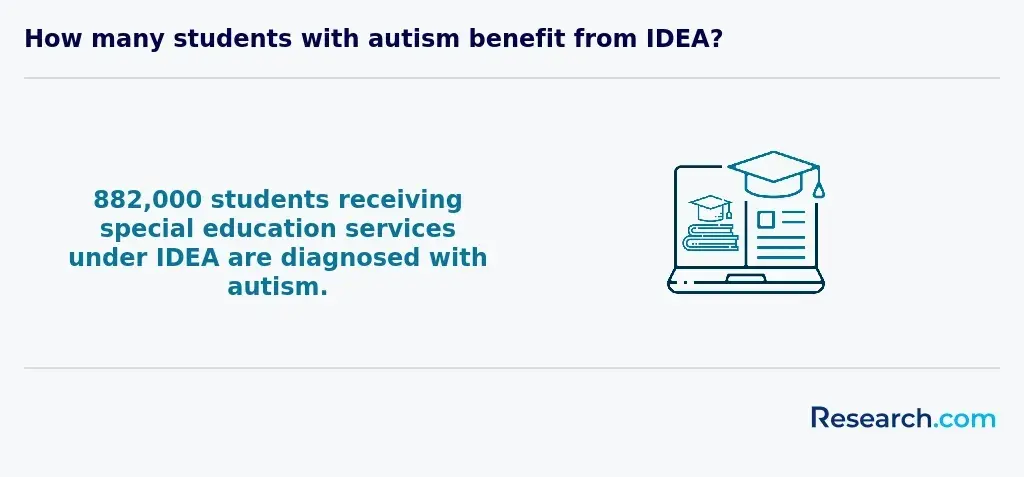
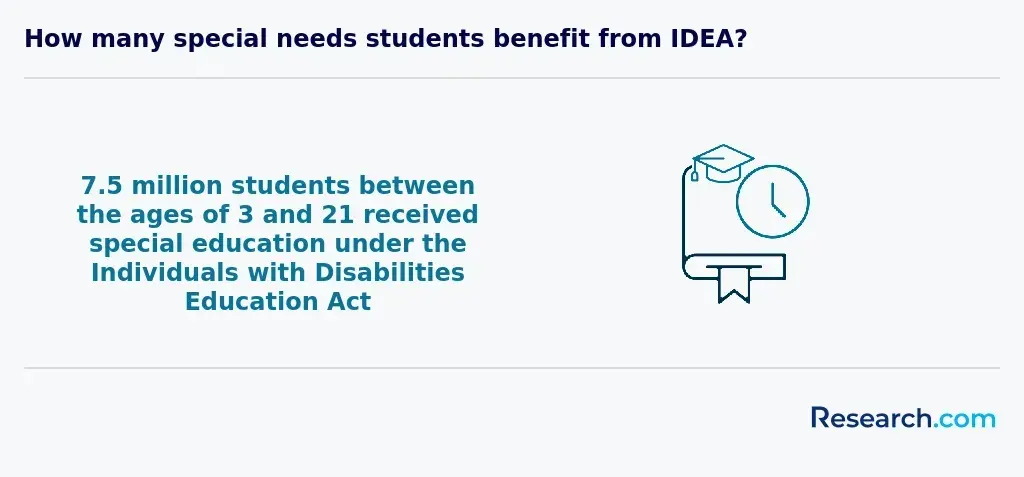
- Individuals with Disabilities Education Act: IDEA requires eligible students with disabilities to receive a free appropriate public education (FAPE). For teachers, this means IEP goals, services, accommodations, and progress monitoring must be implemented consistently.
- Georgia Special Needs Scholarship: GSNS gives eligible families options for alternative educational settings, including private schools. Public school teachers may feel indirect effects because families compare services, communication, and support quality when making decisions.
- Georgia Multi-Tiered System of Supports: MTSS encourages early, tiered interventions for academic and behavioral needs. Special education teachers often collaborate with general education teachers to match interventions to student data.
- Positive Behavioral Interventions and Supports: PBIS promotes evidence-based strategies for improving behavior and school climate. Special education teachers often help adapt these supports for students with individualized needs.
Teachers do not need to become attorneys, but they do need working knowledge of compliance. Mistakes such as missing IEP service minutes, failing to document progress, or applying accommodations inconsistently can harm students and create legal risk for schools.
What other careers can special education teachers in Georgia consider?
Special education teachers build transferable skills in assessment, communication, behavior support, intervention planning, disability services, documentation, and collaboration. Those skills can lead to several related careers within or outside classroom teaching.
- Speech-language pathology: Teachers who enjoy communication development and individualized services may explore how to become a speech language pathologist in Georgia.
- School psychology: Educators interested in assessment, behavior, and mental health collaboration may consider school psychology pathways.
- Behavior analysis: Teachers who want deeper expertise in behavior intervention may pursue applied behavior analysis-related roles.
- Instructional coordination: Experienced teachers may support curriculum, compliance, and teacher training across schools.
- Education policy or advocacy: Teachers who want broader impact may work in disability policy, nonprofit programs, family advocacy, or state-level education initiatives.
Are there scholarships and grants available for special education teachers in Georgia?
Tuition can be a major barrier for future special education teachers, especially for career changers and working adults. Scholarships, grants, and employer support can reduce out-of-pocket costs, but applicants should read eligibility rules carefully because some awards are tied to membership, coursework type, service commitments, or employment goals.
| Funding option | Who it may help | Key detail |
| International Dyslexia Association (IDA-GA) Scholarship Application for Teachers and Administrators | Teachers and administrators taking structured literacy professional education methodology courses related to teaching students with dyslexia. | IDA-GA states that the initiative may provide up to 100% of program cost, depending on the total number of recipients. |
| Georgia Association of Educators (GAE) Foundation, Inc. Scholarships and Grants | Future educators, Georgia certified teachers, and educational support professionals pursuing professional growth or classroom innovation. | Funding may support continued learning or innovative classroom programs. |
| Professional Association of Georgia Educators (PAGE) Scholarships | PAGE members preparing for educator roles in Georgia. | Recipients must agree to teach in Georgia for at least three years and may receive about $1,000 to $1,500, depending on scholarship type. |
How to reduce the cost of becoming certified
- Compare total program cost, not just tuition per credit.
- Ask whether fees, testing costs, background checks, textbooks, and field placement expenses are included.
- Check whether your employer offers tuition assistance.
- Ask programs whether prior credits can transfer.
- Look for scholarships tied to special education, dyslexia instruction, or teacher shortage areas.
- Confirm whether accepting an award creates a service obligation.
How can an advanced online degree boost my special education career in Georgia?
An advanced online degree can help certified teachers build expertise in areas such as inclusive instruction, behavioral intervention, assessment, assistive technology, curriculum adaptation, and leadership. The main advantage is flexibility: teachers can often continue working while completing graduate coursework.
Before enrolling, verify that the program fits your career goal. If you want classroom advancement, ask whether the degree is recognized by your district salary schedule. If you want leadership, ask whether it supports coordinator or administrative roles. If you want certification, confirm that the program meets Georgia requirements rather than assuming any online education degree will qualify. For flexible program research, compare options for a teaching degree online.
Is there a cost-effective pathway to secure my teaching credential in Georgia?
The most cost-effective route depends on your current education level. A first-time college student, a paraprofessional with credits, a bachelor’s degree holder, and a licensed teacher adding special education may each need a different pathway. The cheapest option is not always the best option if it delays certification, lacks strong field placements, or does not meet Georgia requirements.
When comparing teaching credential programs in Georgia, check accreditation, certification alignment, program completion requirements, GACE preparation, field placement support, transfer credit policies, and financial aid. A low tuition price can become expensive if credits do not transfer or if you must complete extra coursework later.
How does ongoing educational research empower special education practices in Georgia?
Special education teaching improves when educators use research instead of relying only on habit or trial and error. Research-informed practice can strengthen intervention selection, progress monitoring, literacy instruction, behavior planning, inclusive classroom design, and family collaboration.
Teachers do not have to become full-time researchers, but they should learn how to interpret data, evaluate interventions, and adjust instruction based on student progress. Educators who enjoy information access, learning systems, and research support may also find useful perspectives by exploring careers in library science, especially when thinking about evidence use, resource curation, and student access to learning materials.
How can special education teams collaborate with school psychologists in Georgia?
School psychologists and special education teachers often work together on evaluation, behavior support, intervention planning, eligibility discussions, crisis response, and social-emotional support. Effective collaboration helps teams connect assessment data with practical classroom strategies.
Teachers should understand what school psychologists do, when to request their input, and how to use evaluation recommendations in instruction. If you want to understand qualifications and role expectations, review school psychologist requirements Georgia.
Can cross-training in substance abuse counseling enhance special education teaching in Georgia?
Special education teachers are not substance abuse counselors, but awareness of substance use, trauma, family stressors, and behavioral health concerns can improve student support. Cross-training can help educators recognize warning signs, document concerns appropriately, and refer students to qualified professionals rather than trying to handle clinical issues alone.
Teachers who want to expand their understanding of behavioral health pathways can review how to become a substance abuse counselor in Georgia. This knowledge is most useful when paired with clear boundaries, school referral procedures, and collaboration with counselors, psychologists, and administrators.
How does early childhood education complement special education in Georgia?
Early childhood education and special education overlap strongly because early intervention can shape language, behavior, social development, motor skills, and school readiness. Teachers who understand developmental milestones are better prepared to identify delays, adapt instruction, and support young children with disabilities.
If you are interested in younger learners, compare special education preparation with preschool teacher requirements in Georgia. Early childhood experience can be especially valuable for educators working in preschool special education, kindergarten inclusion, and transition planning from early intervention services into school-based programs.
How can parental engagement enhance special education outcomes in Georgia?
Parent engagement is central to effective special education because families understand the student’s history, strengths, needs, communication patterns, and daily challenges. Strong family partnerships can improve IEP implementation, behavior supports, attendance, skill generalization, and trust between school and home.
Teachers should communicate before problems escalate, explain data clearly, avoid jargon during IEP meetings, and invite parents into decision-making. Educators comparing roles across grade levels may also benefit from understanding how to become an elementary school teacher in Georgia, since many special education teachers collaborate closely with elementary classroom teachers in inclusive settings.
How can specialized certifications advance my special education career in Georgia?
Specialized certifications can help teachers move into behavior support, intervention leadership, autism support, dyslexia instruction, coaching, or program coordination. The right credential can demonstrate expertise, but it should match a specific career goal.
For teachers interested in applied behavior analysis, reviewing how to become a BCBA in Georgia can clarify how behavior analysis credentials connect to school-based work. Before investing in certification, ask whether the credential is required, preferred, or simply optional for the roles you want.
How can school counselors bolster special education outcomes in Georgia?
School counselors can support special education students through academic planning, social-emotional development, transition planning, family communication, crisis response, and collaboration with teachers. Their role differs from that of special education teachers, but the partnership can help students receive more complete support.
Special education teachers should know when to involve counselors, how to share concerns appropriately, and how to align classroom interventions with counseling supports. For role comparisons and qualification details, review school counselor requirements in Georgia.
How can general education teachers transition to special education in Georgia?
General education teachers often make strong special education candidates because they already understand classroom instruction, standards, school routines, and student assessment. However, special education adds legal, instructional, behavioral, and documentation responsibilities that require targeted preparation.
- Confirm the additional certification requirements: Ask the Georgia Professional Standards Commission or your district which special education certification field you need and whether your current certificate qualifies you for an add-on route.
- Complete targeted coursework or professional development: Focus on IEPs, disability law, evidence-based interventions, behavior supports, accommodations, assistive technology, and co-teaching.
- Consider an online degree or endorsement path: A cheap online elementary education degree with relevant special education coursework may help some educators, but you must verify Georgia certification alignment.
- Get classroom exposure before switching: Observe special education settings, co-teach with experienced special educators, or volunteer for inclusion support opportunities.
- Study Georgia-specific policies: Review IEP compliance, MTSS, accommodations, discipline protections, progress reporting, and district documentation systems.
How online education programs can support aspiring special education teachers
Online education can make teacher preparation more accessible for working adults, paraprofessionals, substitute teachers, and career changers. The best online programs combine flexible coursework with supervised field experience in real schools, because special education cannot be mastered through readings and videos alone.
- Flexibility: Online coursework can help students balance employment, caregiving, and school responsibilities.
- Certification-focused curriculum: Strong programs align coursework with Georgia licensure requirements and GACE preparation.
- Hybrid fieldwork: Many programs allow students to complete internships or student teaching locally while taking academic courses online.
- Potential affordability: Online study may reduce commuting and relocation costs, but total tuition and fees still vary.
- Peer and faculty connection: Discussion boards, live sessions, coaching, and cohort models can support collaboration even in virtual programs.
Use resources such as a bachelor of education online degree guide to compare accredited options, but do not rely on format alone. The right question is not simply “Is it online?” The better question is “Will this program help me meet Georgia certification requirements and become effective in a special education classroom?”
How is technology transforming special education teaching in Georgia?
Technology is changing how special education teachers individualize instruction, monitor progress, communicate with families, and support accessibility. Adaptive learning tools, text-to-speech, speech-to-text, visual schedules, communication devices, learning management systems, and data dashboards can help teachers respond more quickly to student needs.
Technology should support instruction, not replace teacher judgment. Teachers still need to evaluate whether tools match IEP goals, student access needs, privacy requirements, and classroom routines. Educators interested in broader digital pedagogy can also review how to become an English teacher in Georgia to compare how technology is used across teaching fields.
Resources to Navigate Private and Special Education Teaching in Georgia
Some educators compare public special education roles with private school teaching, specialized schools, charter schools, therapeutic programs, or related education services. Requirements can differ significantly by setting, especially when comparing public school certification rules with private school hiring expectations.
If you are considering a non-public school route, review how to become a private school teacher in Georgia. Private schools may value special education experience, but they may not follow the same certification structure as Georgia public schools. Ask each employer directly about required credentials, student populations served, caseloads, legal responsibilities, and support services.
Common mistakes to avoid when becoming a special education teacher in Georgia
- Choosing a program without confirming certification alignment: A degree in education does not automatically mean you will qualify for Georgia special education certification.
- Looking only at tuition: Fees, testing costs, field placement requirements, books, and lost work time can change the real cost.
- Assuming online programs are automatically easier: Quality online programs still require rigorous coursework, fieldwork, and exam preparation.
- Ignoring field placement quality: Special education teaching depends heavily on supervised practice in real classrooms.
- Waiting too long to study for the GACE: Exam preparation should begin before the end of your teacher preparation program.
- Underestimating paperwork and compliance: IEP documentation is a core part of the job, not an administrative side task.
- Assuming salaries are guaranteed: BLS wage data and district salary schedules are useful guides, but your actual pay depends on employer, location, education, experience, and contract terms.
- Relying only on rankings: Program rankings can be helpful, but accreditation, certification outcomes, field placements, and affordability are more important for licensure.
What special education teachers in Georgia say about their careers
- "Teaching special education in Georgia has given me a career with daily purpose. The progress is not always immediate, but watching a student master a skill that once felt out of reach makes the hard days worthwhile." - Brooke
- "The work can be demanding, but the collaboration with families, paraprofessionals, therapists, and other teachers reminds me that students succeed best when adults work as a team." - Paige
- "What keeps me in special education is the relationship-building. I get to advocate for students, celebrate their growth, and help families feel heard during important decisions." - Lily
Related Articles for Nearby States
- 2027 How to Become a Special Education Teacher in South Carolina: Requirements & Certification
- 2027 How to Become a Special Education Teacher in Florida: Requirements & Certification
- 2027 How to Become a Special Education Teacher in Alabama: Requirements & Certification
- 2027 How to Become a Special Education Teacher in Tennessee: Requirements & Certification
- 2027 How to Become a Special Education Teacher in North Carolina: Requirements & Certification
- 2027 How to Become a Special Education Teacher in Mississippi: Requirements & Certification
- 2027 How to Become a Special Education Teacher in Kentucky: Requirements & Certification
- 2027 How to Become a Special Education Teacher in Virginia: Requirements & Certification
- 2027 How to Become a Special Education Teacher in Louisiana: Requirements & Certification
- 2027 How to Become a Special Education Teacher in West Virginia: Requirements & Certification
Key Insights
- Georgia continues to need qualified special education teachers, with O*NET OnLine showing a 10% projected growth rate through 2030 in most grade levels and 9% to 15% projected increases across various special education roles.
- The standard pathway includes a bachelor’s degree, approved teacher preparation, supervised field experience, GACE exams, background checks, and Georgia certification.
- The process often takes five to seven years for first-time students, but career changers and already certified teachers may qualify for alternative, post-baccalaureate, graduate, or add-on routes.
- According to 2023 BLS data, Georgia special education teacher mean wages range from $58,840 to $77,300 depending on category, with several grade levels above the national median annual wage of $65,910 reported for special education teachers.
- Program choice matters. Before enrolling, confirm accreditation, Georgia certification alignment, field placement support, GACE preparation, total cost, transfer policies, and graduate outcomes.
- Special education can lead to advanced roles in assessment, behavior intervention, instructional coordination, program management, policy, school psychology collaboration, and related student support fields.
- The biggest long-term success factors are not only academic credentials. Strong teachers also need documentation skills, resilience, family communication, collaboration, data use, and a clear understanding of special education law.
References:
- Data USA (n.d.). Special education teachers. https://datausa.io/profile/soc/special-education-teachers
- National Center for Education Statistics (October 2023). Most Public Schools Face Challenges in Hiring Teachers and Other Personnel Entering the 2023-24 Academic Year. https://nces.ed.gov/whatsnew/press_releases/10_17_2023.asp
- O*NET OnLine (n.d.). Occupation Keyword Search. https://www.onetonline.org/find/quick?s=special+education+teachers Data Retrieved on October 30, 2024
- U.S. Bureau of Labor Statistics (April 2024). May 2023 State Occupational Employment and Wage Estimates, Georgia. https://www.bls.gov/oes/current/oes_ga.htm
- U.S. Bureau of Labor Statistics (2024). Special Education Teachers. https://www.bls.gov/ooh/education-training-and-library/special-education-teachers.htm
- U.S. Department of Education (n.d.) Teacher Shortage Areas. Data Extracted from https://tsa.ed.gov/#/reports
Other Things You Should Know About Becoming a Special Education Teacher in Georgia
To become a special education teacher in Georgia in 2027, you need a bachelor's degree in special education and to pass the GACE (Georgia Assessments for the Certification of Educators) content exams. Additionally, you must complete a state-approved educator preparation program and apply for certification through the Georgia Professional Standards Commission.
The Georgia Professional Standards Commission (GaPSC) issues educator certificates for special education teachers in Georgia. Applicants submit documentation through the GaPSC, including transcripts, testing records, and approved program completion, before receiving the Special Education certification level tied to their preparation route.
In 2027, becoming a certified special education teacher in Georgia requires earning a bachelor's degree in special education, completing a state-approved educator preparation program, passing the Georgia Assessments for the Certification of Educators (GACE), and applying for certification through the Georgia Professional Standards Commission (GaPSC). A background check is also mandatory.
Aspiring special education teachers in Georgia must pass the Georgia Assessments for the Certification of Educators (GACE) Special Education General Curriculum exam to qualify for certification in 2027. This exam evaluates candidates' knowledge and skills necessary for effective special education teaching.





