
2027 How to Become a Teacher in Oklahoma – What Degree Do You Need to Be a Teacher?

Co-Founder and Chief Data Scientist
Becoming a teacher in Oklahoma means choosing the right certification route, completing the required education and testing, and understanding where your career can realistically lead. The decision matters because Oklahoma continues to face staffing pressure in schools, with more than 4,000 teacher openings and only about 1,300 new teachers produced by colleges last year. For career changers, recent graduates, substitute teachers, and education majors, that demand can create opportunity—but only if you meet state licensure rules and choose a path that fits your background.
This guide explains how to become a teacher in Oklahoma, including traditional and alternative certification options, license types, education requirements, job outlook, salaries, program choices, specialized roles, and common mistakes to avoid before investing time and money in a teaching pathway.
Quick Answer: How Do You Become a Teacher in Oklahoma?
To become a teacher in Oklahoma, you generally need a bachelor’s degree, completion of an approved teacher preparation program, passing scores on the required Oklahoma certification exams, and an application submitted to the Oklahoma Department of Education. Career changers may qualify through alternative certification routes, while schools may use emergency certifications to address staffing shortages. Long-term advancement often depends on experience, professional development, endorsements, and graduate education.
- Oklahoma teacher candidates typically complete a bachelor’s degree, approved educator preparation, student teaching, certification exams, and a state application.
- The state continues to experience a serious shortage, with over 4,000 teacher openings and only about 1,300 new teachers produced by colleges last year.
- Demand is expected to increase across several education occupations by 2030, including postsecondary teachers and preschool teachers.
- Teacher pay varies by grade level, school setting, specialization, and leadership responsibility, with secondary special education and administrative roles showing higher annual mean wages.
- Oklahoma offers multiple credential options, including initial teaching licenses, alternative certification licenses, career and technology education licenses, emergency certifications, and reciprocity for eligible out-of-state teachers.
- Steps to becoming a teacher in Oklahoma
- Education requirements for Oklahoma teaching licensure
- Alternative routes to Oklahoma teacher certification
- Types of Oklahoma teaching licenses
- Current teaching workforce conditions in Oklahoma
- Oklahoma teacher job outlook
- Teacher salaries in Oklahoma
- Where Oklahoma teachers can work
- What teachers do day to day
- Career advancement options for Oklahoma teachers
- Specializing as an English teacher in Oklahoma
- Cultural and demographic factors for Oklahoma classrooms
- Special education teacher certification in Oklahoma
- Leadership credentials and career growth
- Transitioning into school librarianship
- Understanding Oklahoma teaching credentials
- Top Teaching Programs in Oklahoma for 2027
- Online teacher certification programs in Oklahoma
- Certification renewal and professional development
- Substitute teacher requirements in Oklahoma
- Private school teacher requirements in Oklahoma
- Specialized teaching roles in Oklahoma
- Using advanced education to grow your teaching career
- Kindergarten teacher requirements in Oklahoma
- Is teaching in Oklahoma worth it?
Steps to becoming a teacher in Oklahoma
The standard Oklahoma teacher certification pathway is designed for candidates who are earning, or have already earned, a bachelor’s degree and want to teach in a public school. The exact requirements can vary by grade level and subject area, so candidates should confirm current rules with the Oklahoma Department of Education before applying.
- Earn a bachelor’s degree. Choose a major or degree plan that matches the grade level or subject you want to teach, such as elementary education, secondary education, early childhood education, or a content-specific field.
- Complete an approved teacher preparation program. Your program should include education coursework, classroom observation, and supervised student teaching so you can practice instruction before becoming the teacher of record.
- Pass required certification exams. Oklahoma candidates commonly need the Oklahoma Professional Teaching Examination (OPTE) and the Oklahoma Subject Area Tests (OSAT) for the field they plan to teach.
- Apply for certification through the Oklahoma Department of Education. Be prepared to submit transcripts, testing records, fees, and any required supporting documents.
- Keep developing professionally. After entering the classroom, teachers continue learning through district training, professional development, endorsements, and graduate study. Some educators later pursue a master’s degree in education online or a doctorate to move into leadership, curriculum, or specialized instructional roles.
| Step | Why it matters | Decision point |
| Bachelor’s degree | Establishes the academic foundation required for licensure | Pick a degree aligned with the grade level or subject you want to teach |
| Teacher preparation | Provides classroom practice and pedagogical training | Confirm the program is approved for Oklahoma certification |
| Certification exams | Shows readiness in professional teaching knowledge and subject content | Plan testing early so exam delays do not slow your application |
| State application | Turns your education and testing into an official credential | Review documentation requirements before submitting |
| Professional development | Supports renewal, classroom effectiveness, and advancement | Choose training connected to your career goals, not just minimum compliance |
Teacher Perspectives: What Oklahoma Educators Often Value
- Teaching in Oklahoma changed how I see community. Students, families, and colleagues make the work meaningful because every lesson has the potential to affect a child’s future. - Jane
- After finishing my online master’s program, I moved into an Oklahoma classroom with stronger instructional strategies and the flexibility to keep working while preparing for certification. - James
- The work can be demanding, but watching students gain confidence makes the challenges worthwhile. Parent and community involvement can make classroom progress feel like a shared effort. - Marie
Education requirements for Oklahoma teaching licensure
Most Oklahoma public school teachers begin with an undergraduate degree, educator preparation, and state testing. A traditional education major is often the most direct route, but it is not the only option. Students comparing undergraduate pathways may want to review an online bachelor’s degree related to child development if they are interested in working with younger learners.
- Bachelor’s degree: Complete a degree that supports your intended teaching area, such as elementary education for early grades or secondary education for middle and high school subject teaching.
- Approved teacher preparation program: Finish a state-approved preparation sequence that includes methods courses, field experiences, and student teaching.
- Certification exams: Pass the Oklahoma Professional Teaching Examination (OPTE) and the Oklahoma Subject Area Tests (OSAT) tied to your certification field.
- Certification application: Submit your application, transcripts, testing documentation, and required fees through the Oklahoma Department of Education.
- Continuing education: Stay current through professional learning, workshops, district training, and, when useful, graduate study such as an online master’s in teaching.
- Alternative Placement Program: Candidates without an education degree may qualify if they hold a related bachelor’s degree, have a 2.5 GPA, and have two years of work experience. This route still requires coursework and testing.
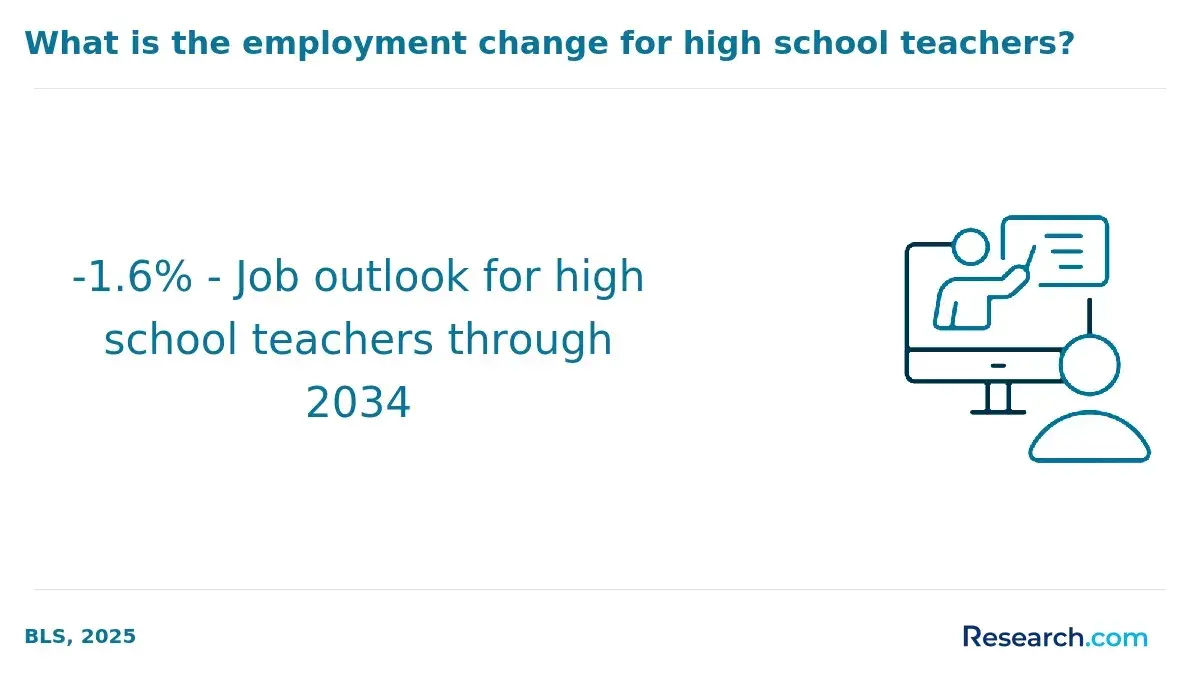
The timing is important for prospective educators because Oklahoma’s shortage remains substantial. As shown below, colleges produced approximately 1,300 qualified teachers, which was not enough to fill more than 4,000 teacher openings.
Alternative routes to Oklahoma teacher certification
Not every future teacher starts as an education major. Oklahoma’s alternative pathways are especially relevant for professionals with bachelor’s degrees in other fields, veterans, substitute teachers, and people who want to move into education without starting over in a traditional four-year teacher education sequence. If cost is a major concern, comparing the most affordable online education degrees can also help you decide whether a degree-based or alternative route makes more sense.
The Alternative Placement Program is one of the main options for career changers. It can allow eligible candidates to work toward certification while completing additional requirements. Emergency certifications may also be used when districts cannot fill critical vacancies through fully certified candidates. Veterans may find support through Troops to Teachers, which is designed to help military service members transition into classroom careers.
Alternative certification can be faster than returning for a full education degree, but it is not effortless. Candidates usually need to demonstrate subject knowledge, complete required coursework, pass state exams, and adapt quickly to classroom management, lesson planning, and school expectations.
| Pathway | Best fit | What to verify before choosing it |
| Traditional teacher preparation | Students planning ahead for a teaching career | Program approval, student teaching placement, and certification alignment |
| Alternative Placement Program | Career changers with a bachelor’s degree and relevant experience | GPA, work experience, coursework, exam, and application requirements |
| Emergency certification | Districts responding to immediate staffing shortages | Temporary status, renewal limits, and long-term licensure plan |
| Troops to Teachers | Veterans and transitioning service members | Eligibility, available support, and required Oklahoma certification steps |
Types of Oklahoma teaching licenses
Oklahoma issues different credentials because candidates enter teaching with different backgrounds. The right license depends on your education, experience, subject area, and whether you are entering through a traditional or nontraditional route.
- Initial Teaching License: Intended for new educators who have completed a bachelor’s degree and an approved teacher preparation program.
- Career and Technology Education License: Designed for instructors teaching vocational, technical, or career-focused subjects, including some professionals who do not follow a traditional teacher education route.
- Alternative Certification License: Used by eligible career changers who are moving into teaching while completing remaining certification requirements.
- Emergency Certification: Used when staffing shortages require a temporary credential while the individual works toward full certification.
- License by Reciprocity: Available to eligible teachers licensed in another state. Oklahoma may allow licensure through license by reciprocity, but applicants must still meet state-specific requirements.
If you plan to teach middle or high school, compare programs that build both content knowledge and teaching skills. Prospective secondary educators may find online secondary education degree programs useful when evaluating flexible preparation options.
Current teaching workforce conditions in Oklahoma
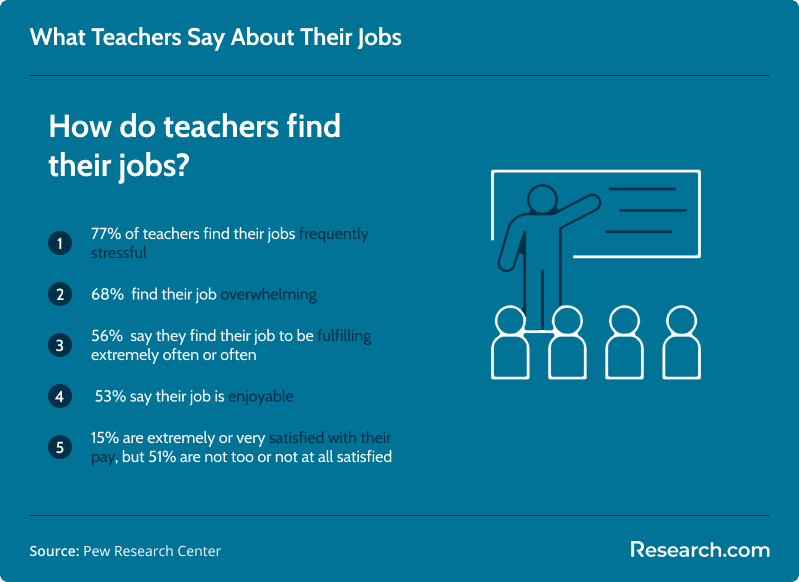
Oklahoma’s education workforce is shaped by two realities: schools need qualified teachers, and many educators are leaving or changing roles. Emergency teacher certifications rose to 4,451 in recent years, and more than 6,000 educators left during the last school year, marking the highest level since the pandemic began.
State and district responses include recruitment efforts, local incentives, and programs intended to grow the educator pipeline. The “Inspired to Teach” program has been underused, but its funding doubled in fiscal year 2024 to over $33 million. Some districts also use incentives such as signing bonuses of up to $4,000 for new teachers.
For candidates, this environment creates opportunity but also requires realistic preparation. A shortage does not remove the need for classroom skill, certification compliance, or resilience. Teachers who enter with strong preparation, mentoring, and practical training are better positioned to remain in the profession. For some candidates, an online master’s in teaching can strengthen instructional methods and help them prepare for the demands of Oklahoma classrooms.
Oklahoma teacher job outlook
The Oklahoma teacher job outlook is generally favorable, with 2030 projections showing increased demand across multiple education occupations. Demand is influenced by enrollment patterns, retirements, turnover, and the need for qualified educators in both general and specialized roles.
The chart below shows that projected growth differs by role. Postsecondary teachers are projected to grow by 12.7%, while preschool teachers are projected to increase by 9.5%. Education administrators in preschool and childcare programs are projected to grow by 2.8%. These differences matter when choosing a degree or specialization, because the strongest pathway is not just “education” in general—it is the pathway that matches your preferred age group, subject area, and long-term career plan. Candidates exploring early learning, development, or graduate-level preparation may want to compare an education-related child development program.
Teacher salaries in Oklahoma
Teacher pay in Oklahoma depends on grade level, subject, school district, experience, additional responsibilities, and specialization. Roles that require specialized preparation or administrative oversight often pay more than entry-level or general classroom roles.
The salary chart below shows several annual mean wages. Preschool teachers, excluding special education, earn $37,970. Secondary school teachers in non-specialized roles earn about $56,120. Secondary special education teachers earn $61,490, reflecting the additional expertise needed to support students with disabilities. Education administrators in kindergarten through secondary settings earn $87,250, which reflects broader leadership, compliance, staffing, and instructional oversight responsibilities.
| Role | Annual mean wage listed | What the number suggests |
| Preschool teachers, excluding special education | $37,970 | Early childhood roles may offer a lower wage floor than K-12 and administrative roles |
| Secondary school teachers, non-specialized areas | $56,120 | High school teaching pay varies by district, subject, and experience |
| Secondary special education teachers | $61,490 | Specialized credentials and student support responsibilities can affect pay |
| Education administrators, kindergarten through secondary | $87,250 | Leadership roles may offer higher compensation but usually require additional qualifications and experience |
Where Oklahoma teachers can work
Oklahoma teachers work in public schools, private schools, charter settings, early childhood centers, special education programs, adult education centers, tutoring organizations, and school administration. Most candidates begin by deciding whether they want to teach young children, elementary students, middle school learners, high school students, students with disabilities, or adult learners.
Location can also affect pay and job availability. Moore, Grove, and Tulsa report teacher salaries above the state average, with Moore listed first, followed by Grove and Tulsa. However, salary should not be the only factor. Candidates should also compare commute, district support, class sizes, mentoring, professional development, cost of living, and school culture.
What teachers do day to day
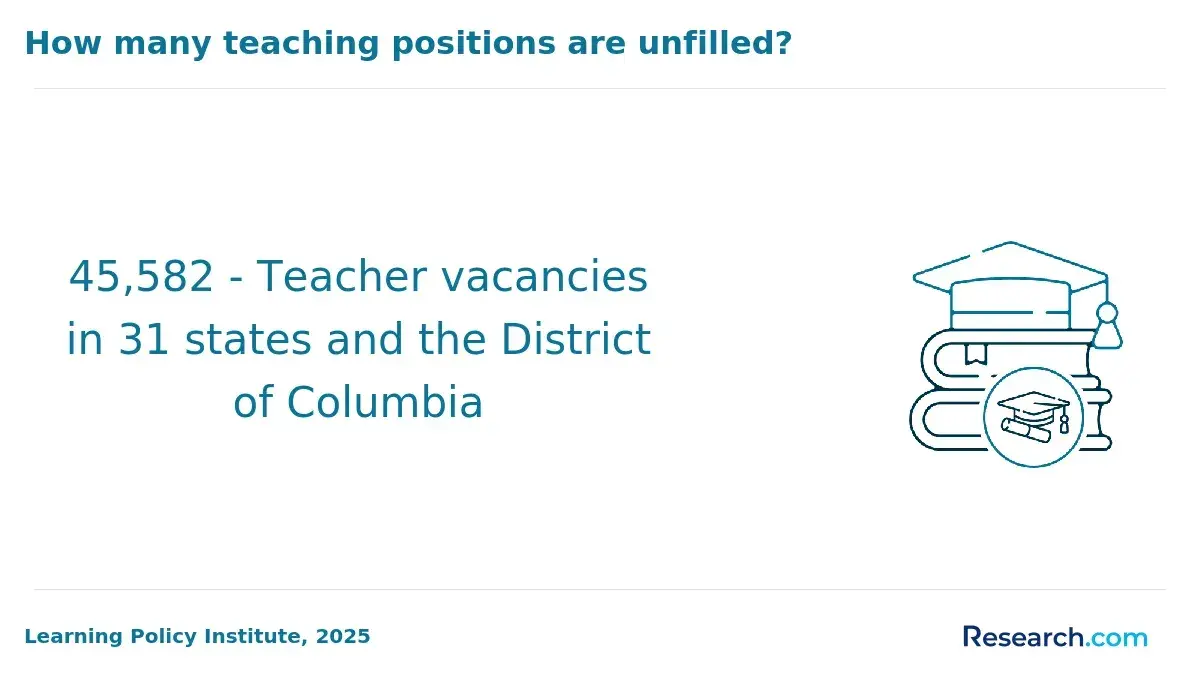
Teachers do far more than present lessons. They design instruction, align lessons with learning standards, assess student progress, communicate with families, manage classroom routines, support different learning needs, and help students build academic, social, and problem-solving skills.
In Oklahoma, the daily work can vary widely by role. An elementary teacher may teach multiple subjects and manage one classroom community for most of the day. A secondary teacher may focus on one subject across several class periods. A special education teacher may write or implement individualized supports, coordinate with families and specialists, and adapt instruction for students with disabilities. Across all settings, strong teachers need communication, patience, cultural awareness, organization, subject knowledge, and the ability to adjust instruction when students do not learn the material the first time.
Career advancement options for Oklahoma teachers
Oklahoma teachers can grow their careers by adding endorsements, moving into specialized teaching roles, mentoring other educators, becoming instructional coaches, pursuing administrative credentials, or earning graduate degrees. Advancement is not limited to becoming a principal; many experienced teachers build leadership careers while remaining close to instruction.
An Ed.D. may help educators prepare for administration, curriculum leadership, higher education, district roles, or policy work. Teachers comparing cost-conscious doctoral options can explore the most affordable online EdD programs to see whether advanced study fits their schedule and budget.
Specialized credentials in areas such as special education, literacy, instructional coaching, and leadership can also expand opportunities. Before enrolling in a graduate program, teachers should ask whether the credential is recognized by Oklahoma employers, whether it supports licensure or endorsement goals, and whether salary schedules reward the additional degree.
How can I specialize as an English teacher in Oklahoma?
English teachers in Oklahoma help students strengthen reading comprehension, writing, research, communication, and critical analysis. The role can include literature instruction, grammar and composition, media literacy, standardized assessment preparation, and support for students with different language and literacy needs. Candidates who want a subject-specific route should review the certification and preparation details in this guide to becoming an English teacher in Oklahoma.
Cultural and demographic factors for Oklahoma classrooms
Effective teaching in Oklahoma requires attention to the communities students come from. The state includes rural, suburban, and urban districts; a significant Native American population; and growing Hispanic communities in areas such as Oklahoma City and Tulsa. Teachers who understand local context are better prepared to build trust and make instruction relevant.
- Student background: Use instructional materials and classroom examples that respect Oklahoma’s cultural, linguistic, and community diversity.
- Economic differences: Some students face barriers related to transportation, internet access, food insecurity, family work schedules, or limited academic support outside school.
- Inclusive practice: A culturally responsive classroom helps students feel seen without asking them to represent an entire group or community.
- Family and community connection: Attending school events, communicating clearly with families, and learning local expectations can improve trust and student support.
What are the unique certification requirements for special education teachers in Oklahoma?
Special education teachers need preparation beyond general classroom instruction. In Oklahoma, candidates should expect specialized coursework, training in individualized instruction, legal and ethical responsibilities, and supervised experiences in settings serving students with disabilities. They must also demonstrate competency through the required exams for their special education field. For a focused explanation, review this guide to special education teacher certification in Oklahoma.
How can leadership credentials impact your career growth in Oklahoma?
Leadership credentials can help teachers move into roles that influence school improvement, curriculum decisions, teacher development, and organizational strategy. These credentials are especially useful for educators who want to become administrators, instructional leaders, program directors, or policy-oriented professionals. An online doctorate in organizational leadership may be relevant for educators seeking broader leadership preparation that extends beyond classroom instruction.
How can I transition to a school librarian career in Oklahoma?
School librarians support reading, research skills, information literacy, digital citizenship, and access to learning resources. The role often combines teaching, technology integration, collection management, and collaboration with classroom teachers. Requirements can vary by district and credential type, so candidates should review specific school library preparation and certification expectations. For a dedicated pathway overview, see how to become a school librarian in Oklahoma.
Understanding Oklahoma teaching credentials
Teaching credentials are not interchangeable. A candidate certified for one grade level or subject may need additional testing, coursework, or endorsement to teach another area. That is why the most important first decision is not simply “become a teacher,” but “become certified for the students and subject I actually want to teach.”
Traditional candidates usually complete a bachelor’s degree, an approved preparation program, student teaching, the Oklahoma Professional Teaching Examination (OPTE), and the Oklahoma Subject Area Tests (OSAT). Alternative candidates may follow a different sequence but still need to satisfy Oklahoma requirements.
Cost also matters. Candidates often compare tuition, testing fees, application fees, lost income during student teaching, and the time required to complete each route. If affordability is your priority, reviewing the types of teaching certificates in Oklahoma can help you compare emergency, standard, and alternative pathways before committing to a program.
The best credential route is the one that is valid for your intended role, affordable enough to complete, and realistic for your timeline. Do not assume that a fast route is automatically the best route if it leaves you underprepared or limits future mobility.
Top Teaching Programs in Oklahoma for 2027
Teaching programs in Oklahoma differ by grade level, cost, accreditation, delivery format, and clinical experience. Use the following program snapshots as a starting point—not as the only factor in your decision. Always confirm current tuition, admission rules, field placement options, and certification alignment directly with the institution.
How do we rank schools?
Research.com rankings are developed through research and data analysis by our team. To understand how schools are evaluated, review our methodology section. Data sources include:
- IPEDS database
- Peterson’s database
- Distance Learning Licensed Data Set, College Scorecard database
- National Center for Education Statistics
1. University of Oklahoma (Rainbolt)
The elementary education program at the University of Oklahoma combines instructional methods, literacy and language development, educational technology, and subject preparation in areas such as Math, Science, and Social Studies. Students also study development, assessment, accommodations, and strategies for supporting exceptional learners.
- Program Length: 4 years
- Tracks/concentrations: Elementary Education
- Cost per Credit: $316
- Required Credits to Graduate: 124
- Accreditation: Council for the Accreditation of Educator Preparation
2. Oklahoma State University
The secondary education program at Oklahoma State University prepares candidates to teach grades 6-12 in Oklahoma. Coursework addresses adolescent development, learning theory, educational technology, and teaching approaches for subjects such as English, Language Arts, Social Studies, Science, developmental psychology, and media.
- Program Length: 4 years
- Tracks/concentrations: Elementary Education
- Cost per Credit: $464
- Required Credits to Graduate: 122
- Accreditation: Council for the Accreditation of Educator Preparation
3. University of Tulsa
The education program at the University of Tulsa emphasizes a strong arts and sciences foundation alongside educator preparation. Graduates are expected to understand discipline-specific concepts, use research-based instruction, support human development, continue professional learning, and connect teaching to socio-cultural and historical contexts.
- Program Length: 4 years
- Tracks/concentrations: Secondary Education
- Cost per Credit: $1,955
- Required Credits to Graduate: 120
- Accreditation: The Higher Learning Commission
4. Oklahoma Christian University
The Bachelor of Science in Education in Early Childhood Education at Oklahoma Christian University focuses on early childhood education, cognitive development, emergent literacy, primary reading, and professional education coursework for teaching young children.
- Program Length: 4 years
- Tracks/concentrations: Early Childhood Education
- Cost per Credit: $722
- Required Credits to Graduate: 126
- Accreditation: Council for the Accreditation of Educator Preparation
5. Oral Roberts University
The Doctor of Education in Higher Education Teaching at Oral Roberts University is designed for students preparing for Christian leadership in academic instruction. The curriculum covers research-based teaching strategies such as lecturing, active learning, and problem-based learning, as well as assessment design for tests, projects, and authentic assignments.
- Program Length: 3 years
- Tracks/concentrations: Early Childhood Education
- Cost per Credit: $722
- Required Credits to Graduate: 54
- Accreditation: Council for the Accreditation of Educator Preparation
Can online certification programs enhance your teaching career in Oklahoma?
Online certification and education programs can help Oklahoma candidates complete coursework while working, caring for family, or living far from a campus. They can be especially helpful for career changers and current educators seeking endorsements or graduate credentials. The key is to confirm that the program supports Oklahoma certification requirements, includes any required clinical or fieldwork components, and is accepted by the relevant state authority or employer. For a focused overview, read our guide on how to become a teacher online in Oklahoma.
Are there ongoing certification renewal and professional development requirements for teachers in Oklahoma?
Teachers must keep their credentials active after initial certification. Renewal typically involves meeting state requirements, completing professional development, and staying current with instructional standards, district expectations, and regulatory changes. Requirements can change, so teachers should track renewal deadlines and qualifying activities early rather than waiting until a license is close to expiring. For more detail, review this guide to teacher certification requirements in Oklahoma.
What are the requirements to become a substitute teacher in Oklahoma?
Substitute teaching can be a practical entry point for people who want classroom experience before committing to full certification. Candidates may need background checks, district onboarding, classroom management preparation, and other requirements before accepting assignments. Because substitute rules may vary by district and assignment type, applicants should confirm local expectations before applying. For step-by-step details, see the guide to Oklahoma substitute teacher requirements.
What are the private school teacher requirements in Oklahoma?
Private schools in Oklahoma may set hiring standards that differ from public school licensure rules. Some prioritize academic preparation, teaching ability, subject expertise, mission fit, or prior experience. Others may prefer or require state certification. Candidates should ask each school directly about degree requirements, background checks, faith-based or mission-related expectations, curriculum responsibilities, and salary structure. For more information, review the private school teacher requirements in Oklahoma.
What opportunities exist for specialized teaching roles in Oklahoma?
Specialized teaching roles can help educators focus on a specific student group, grade level, or instructional need. Elementary education is one of the most common pathways for candidates who want to teach foundational literacy, math, science, and social skills. If that route interests you, see how to become an elementary school teacher in Oklahoma for requirements, certification details, and career development options.
How can advanced education boost your teaching career in Oklahoma?
Graduate education can deepen instructional knowledge, support specialization, and help teachers qualify for leadership or advanced practice roles. The value depends on your goals: a master’s degree may be useful for teachers seeking stronger pedagogy, curriculum expertise, or district advancement, while doctoral study may fit educators aiming for administration, research, higher education, or policy. For teachers focused on early and elementary learners, an online master’s in elementary education can provide advanced study in child development, instructional design, and evidence-based classroom practice.
What are the kindergarten teacher requirements in Oklahoma?
Kindergarten teachers need preparation in early childhood development, age-appropriate instruction, classroom routines, early literacy and numeracy, family communication, and behavior support for young learners. Candidates typically complete relevant coursework, certification exams, and practicum or student teaching experiences in early childhood or kindergarten settings. For a dedicated explanation, review the kindergarten teacher requirements in Oklahoma.
Common mistakes to avoid when becoming a teacher in Oklahoma
| Mistake | Why it can hurt you | Better approach |
| Choosing a program without checking certification alignment | You may complete coursework that does not lead to the credential you need | Ask the school how the program meets Oklahoma licensure requirements for your target grade or subject |
| Looking only at tuition | Testing fees, application fees, books, travel, and unpaid fieldwork can change the total cost | Compare the full cost of completion, not only cost per credit |
| Assuming online automatically means easier | Online programs may still require field placements, exams, and strict deadlines | Confirm clinical requirements, testing timelines, and state approval before enrolling |
| Ignoring shortage-area realities | High demand does not guarantee a good fit or long-term satisfaction | Research districts, mentoring support, workload, and school culture |
| Waiting too long to plan certification exams | Delayed testing can postpone your license application or job start date | Create a testing calendar before your final semester or alternative route deadline |
| Assuming salary outcomes are guaranteed | Pay varies by district, role, experience, and credential level | Review district salary schedules and ask how advanced degrees or endorsements are rewarded |
Questions to ask before choosing an Oklahoma teaching pathway
- Does this program or route qualify me for the exact Oklahoma license I need?
- What grade level, subject, or specialization do I want to teach five years from now?
- Will I need to complete student teaching, fieldwork, or supervised practice?
- Which exams are required, and when should I take them?
- What is the total cost, including tuition, fees, testing, books, and time away from work?
- Does the program offer placement support, mentoring, or partnerships with Oklahoma districts?
- If I choose an alternative route, what happens after the temporary or provisional stage?
- Will graduate education improve my salary, job options, or leadership pathway in the districts where I want to work?
Is teaching in Oklahoma worth it?
Teaching in Oklahoma can be worth it for people who want meaningful public-service work, can manage the realities of classroom demands, and choose a certification route that matches their goals. The state’s cost of living is about 12% lower than the national average, which can help teacher salaries stretch further than they might in higher-cost states.
The employment outlook also supports the case for entering education. Postsecondary teachers are projected to grow by around 12.7%, while preschool teachers are projected to grow by about 9.5%. However, “worth it” depends on more than job openings. Candidates should weigh salary, workload, district support, student needs, advancement opportunities, and their own commitment to working with children and families. Educators who want to move into senior leadership, district administration, or higher education may later consider an online doctorate in education.
Related Articles for Nearby States
- 2027 How to Become a Teacher in Texas – What Degree Do You Need to Be a Teacher
- 2027 How to Become a Teacher in Kansas – What Degree Do You Need to Be a Teacher?
- 2027 How to Become a Teacher in Arkansas – What Degree Do You Need to Be a Teacher?
- 2027 How to Become a Teacher in Missouri – What Degree Do You Need to Be a Teacher?
- 2027 How to Become a Teacher in Colorado – What Degree Do You Need to Be a Teacher?
- 2027 How to Become a Teacher in New Mexico – What Degree Do You Need to Be a Teacher?
- 2027 How to Become a Teacher in Nebraska – What Degree Do You Need to Be a Teacher?
- 2027 How to Become a Teacher in Louisiana – What Degree Do You Need to Be a Teacher?
- 2027 How to Become a Teacher in Iowa – What Degree Do You Need to Be a Teacher?
- 2027 How to Become a Teacher in Mississippi – What Degree Do You Need to Be a Teacher?
References:
- Bureau of Labor Statistics. (2025). Occupational Outlook Handbook: High School Teachers.
- Beshay. (2024, April 4). What’s It Like To Be a Teacher in America Today? Pew Research Center.
- Oklahoma State Department of Education. (2025). Teacher Certification.
- Palmer, J. (2024, April 23). Oklahoma teachers still leaving the classroom despite salary increases. The Oklahoman.
- OCCC. (2024, February 22). OU, OCCC announce partnership to address Oklahoma teacher shortage. Oklahoma City Community College.
Key Insights
- The most direct path to becoming a teacher in Oklahoma is a bachelor’s degree, approved teacher preparation, required OPTE and OSAT exams, and certification through the Oklahoma Department of Education.
- Alternative certification can work well for career changers, but it still requires coursework, testing, documentation, and a plan for long-term licensure.
- Oklahoma’s teacher shortage creates openings, but candidates should evaluate district support, workload, mentoring, and school culture—not just job availability.
- Salary varies meaningfully by role: listed annual mean wages include $37,970 for preschool teachers, $56,120 for secondary school teachers, $61,490 for secondary special education teachers, and $87,250 for K-12 education administrators.
- Specializations such as special education, English, elementary education, kindergarten, school librarianship, and leadership can shape your certification requirements and advancement options.
- Before enrolling in any program, confirm accreditation, Oklahoma certification alignment, field placement requirements, testing timelines, and total cost.
Other Things You Should Know About How to Become a Teacher in Oklahoma
To become a standard certified teacher in Oklahoma in 2027, you need at least a bachelor's degree from an accredited institution. Additionally, completion of an approved teacher preparation program and passing the relevant certification exams are mandatory.
To become a teacher in Oklahoma in 2027, you must pass the Oklahoma General Education Test (OGET), the Oklahoma Subject Area Tests (OSAT) specific to your certification area, and the Oklahoma Professional Teaching Examination (OPTE) for your chosen grade level.
In 2027, the costs for obtaining a teaching certificate in Oklahoma vary. Initial application fees typically start at $50, while additional costs may include exams and fingerprinting fees, which can range from $50 to $100 each. Renewal fees can also apply every few years.
In 2027, obtaining a teaching certificate in Oklahoma involves several costs. The initial certification application fee is approximately $50. Additionally, aspirants may incur costs for exams like the Oklahoma General Education Test (OGET), which is around $65. Other costs might include background checks and preparation resources.


