2027 How to Become a Preschool Teacher Assistant in Vermont: Requirements & Certification

Co-Founder and Chief Data Scientist
Becoming a preschool teacher assistant in Vermont is a practical entry point into early childhood education, especially as more families participate in preschool programs. Vermont reported preschool enrollment of 8,334 children in the 2022-2023 school year, an increase of 793 learners from the prior year. That growth creates a real need for adults who can support lead teachers, help children build foundational skills, and keep classrooms safe and organized.
This guide explains what preschool teacher assistants do, what education and credentials employers commonly expect, how long training may take, what costs to plan for, and how the role can lead to higher-level education careers. It is designed for Vermont residents, career changers, high school graduates, childcare workers, and paraprofessionals who want a clear path into preschool classrooms without overpaying for unnecessary credentials.
Quick Answer: How do you become a preschool teacher assistant in Vermont?
To become a preschool teacher assistant in Vermont, you generally need at least a high school diploma or GED, a clean background check, experience or training in early childhood education, and, for many employers, a Child Development Associate (CDA) credential or an associate degree in early childhood education. The CDA pathway may take about six months to a year, while an associate degree usually takes approximately two years. Costs vary, but CDA preparation may range from $1,000 to $3,000, with a $425 assessment fee, while degree programs can involve higher annual tuition and living expenses.
Key Things You Should Know About Becoming a Preschool Teacher Assistant
- The minimum education requirement is usually modest, but stronger credentials help. A high school diploma or equivalent may qualify you for some assistant roles, while a CDA credential or an associate degree in early childhood education can make you more competitive.
- The CDA is a common route for classroom assistants. The CDA program can involve approximately 120 hours of training and practical experience with young children.
- Costs depend heavily on the pathway. CDA training can range from $1,000 to $3,000, and the CDA assessment fee is $425. Degree programs can cost substantially more when tuition, books, housing, and fees are included.
- Background screening is not optional. Vermont requires individuals working with children to complete a background check, which can cost around $25 to $50.
- Credentials need upkeep. The CDA credential is nationally recognized and is valid for three years, after which renewal and continuing education are required.
- The best pathway depends on your goal. If you want to work quickly, a CDA may be enough. If you want to become a lead preschool teacher, elementary teacher, or specialist later, an associate or bachelor’s degree may offer a stronger foundation.
- What does a preschool teacher assistant do in Vermont?
- What education do you need to become a preschool teacher assistant in Vermont?
- What certifications help preschool teacher assistants in Vermont?
- How do you keep your preschool teacher assistant credential current?
- How long does it take to become a preschool teacher assistant in Vermont?
- How much does it cost to become a preschool teacher assistant in Vermont?
- What should you do after getting hired as a preschool teacher assistant?
- How can preschool teacher assistants move into specialized roles?
- What professional development options are useful in Vermont?
- How can ESL training strengthen your classroom support skills?
- What is the job market for preschool teacher assistants in Vermont?
- What mentoring and support networks are available?
- Should preschool teacher assistants add specializations?
- How can you find an affordable certification route in Vermont?
- How much do preschool teacher assistants earn?
- What are the schedule, benefits, and work-life trade-offs?
- How could future trends affect this career?
- Can preschool teacher assistants move into private school teaching?
- How can assistants build digital and remote teaching skills?
- How can classroom assistant experience support career advancement?
What does a preschool teacher assistant do in Vermont?
A preschool teacher assistant works under the direction of a lead teacher to help young children learn, play, communicate, and follow classroom routines. The role is hands-on. You may prepare materials one moment, help a child manage emotions the next, and then support a small group during an early literacy or math activity.
In Vermont preschools, where a typical student-to-teacher ratio is 10:1, assistants can make a meaningful difference because they help children receive more individual attention than one teacher could provide alone.
- Support daily lessons and activities. Assistants help set up learning centers, distribute supplies, guide children through teacher-planned activities, and keep the classroom ready for transitions.
- Help children build early academic skills. You may support pre-reading, early writing, counting, sorting, vocabulary development, and fine-motor activities.
- Encourage social and emotional development. Preschool assistants model sharing, turn-taking, conflict resolution, emotional regulation, and respectful communication.
- Reinforce classroom expectations. Assistants help children follow routines, stay safe, clean up materials, and understand behavior expectations.
- Observe and communicate. You may share observations with the lead teacher about a child’s progress, behavior, participation, or need for additional support.
- Assist with safety and caregiving routines. Depending on the program, this may include helping with meals, rest time, toileting routines, playground supervision, and emergency procedures.
The work can be rewarding, but it is not easy. Preschool teacher assistants need patience, stamina, emotional control, and the ability to respond calmly when children are tired, frustrated, overstimulated, or anxious. Limited classroom resources can also require creativity, especially in programs operating with tight budgets.
As of 2023, approximately 70% of Vermont’s preschool programs are accredited, which reflects the state’s emphasis on program quality and structured early learning environments.
The chart below shows which sectors employ the most preschool teachers.
What education do you need to become a preschool teacher assistant in Vermont?
Vermont preschool teacher assistant requirements can vary by employer, funding source, and program type. Public school pre-K programs, Head Start programs, private childcare centers, and nonprofit preschools may not all use the same hiring standards. Before enrolling in a program, compare job postings in your area and ask employers which credentials they recognize.
- High school diploma or GED: This is the baseline qualification for many entry-level assistant positions.
- Early childhood education coursework: Courses in child development, classroom management, children’s health and safety, family engagement, and educational psychology can improve your readiness for the classroom.
- Child Development Associate (CDA) credential: The CDA is widely recognized in early childhood settings and requires 120 hours of formal early childhood education training plus relevant experience and documentation.
- Associate degree in early childhood education: This option usually takes approximately two years and may be useful if you want broader preparation or plan to continue toward lead teacher roles.
- Background check clearance: Anyone working with young children should expect criminal history and child safety screening before employment.
| Pathway | Best for | Typical time commitment | What to consider |
| High school diploma or GED plus employer training | Applicants seeking an entry-level role quickly | Varies by employer | May limit advancement if you do not add early childhood credentials later |
| CDA credential | Childcare workers and assistants who want a recognized early childhood credential | About six months to a year | Requires 120 hours of training, experience, a portfolio, and the CDA assessment |
| Associate degree in early childhood education | Students who want stronger preparation and possible long-term advancement | Approximately two years | Costs more than a short credential but may transfer into further degree study |
| Bachelor’s degree pathway | Assistants who plan to become licensed teachers later | Longer than an associate degree | Important for those aiming for lead teaching or public school certification roles |
What certifications help preschool teacher assistants in Vermont?
Not every preschool assistant job requires the same certification, but several credentials can improve your employability and classroom confidence. The most useful certifications are those that directly support child safety, developmentally appropriate practice, and inclusive instruction.
- Child Development Associate (CDA) credential: This nationally recognized credential shows that you understand early childhood development, family partnerships, classroom observation, and safe learning environments.
- First Aid and CPR certification: Because preschool assistants supervise young children, many employers expect current emergency response training.
- Background check clearance: Vermont requires individuals working with children to undergo screening to help protect students and maintain family trust.
- Specialized training: Short courses in trauma-informed practice, behavior support, early literacy, special education, multilingual learners, or infant and toddler care can help you qualify for more targeted roles.
The right certification depends on your workplace. A community preschool may value CDA preparation, while a public school setting may place more weight on paraprofessional experience, district training, or progress toward a degree.
How do you keep your preschool teacher assistant credential current?
Maintaining your qualifications is not only about meeting renewal rules. It also helps you stay effective as expectations change in early childhood education, child safety, family engagement, and inclusive classroom practice.
- Complete continuing education. Vermont requires preschool teacher assistants to complete a minimum of 15 hours of professional development every three years. Eligible activities may include workshops, college courses, conferences, or employer-approved training in early childhood education.
- Track your documentation. Keep certificates, transcripts, attendance records, and training descriptions in one place. You may need them for employer audits, credential renewal, or advancement applications.
- Submit renewal materials on time. Every three years, you may need to file renewal documentation with the relevant credentialing or education authority, including proof of completed professional development.
- Stay current on background checks. Periodic background screening may be required to continue working with children.
- Participate in professional communities. Local early childhood networks, employer-based learning groups, and professional associations can help you find training, mentorship, and policy updates.
Because CDA renewal, employer rules, and state or program requirements may differ, verify the exact renewal process with your employer, credential provider, or the Vermont Agency of Education before your credential expires.
How long does it take to become a preschool teacher assistant in Vermont?
The fastest route may take only a few months if you already meet the basic education requirement and an employer provides training. A more credential-focused route can take six months to two years, depending on whether you choose a CDA, college coursework, or an associate degree.
| Step | What happens | Possible timeline |
| Meet the basic education requirement | Earn a high school diploma or GED if you do not already have one | Varies |
| Complete early childhood coursework | Study child development, safety, classroom routines, and learning strategies | A foundational course may involve 30 hours of study or a higher education course worth at least three credits |
| Gain experience with children | Work, volunteer, intern, or complete supervised practice in a childcare or preschool setting | Several months to a year, depending on availability |
| Pursue the CDA credential | Complete training, prepare documentation, and complete the assessment process | About six months to a year |
| Earn an associate degree | Complete a broader early childhood education program | Approximately two years |
| Apply for employment and complete screening | Submit applications, interview, and complete background checks | A few weeks or longer, depending on the employer |
Many aspiring educators can complete the overall process within one to three years, depending on whether they study part time, work while training, or pursue a degree. Some programs may also encourage at least 12 hours of professional development activities annually after certification, so ask your employer which standard applies to your role.
If you want to compare how teacher preparation differs by state, you can review Oklahoma teacher certification online pathways as a point of contrast.
How much does it cost to become a preschool teacher assistant in Vermont?
Your cost will depend on whether you pursue a short credential, community college coursework, an associate degree, or a longer degree plan. Do not compare programs by tuition alone. Add assessment fees, books, transportation, childcare, lost work hours, and whether credits can transfer to a future degree.
- CDA training: The cost of obtaining a CDA credential can range from $1,000 to $3,000, depending on the provider.
- CDA assessment: The CDA assessment fee is $425.
- Background check: Vermont background screening can cost around $25 to $50.
- Tuition: Early childhood education degree tuition may range from $5,000 to $15,000 annually, depending on whether you attend a community college or a four-year university.
- Room and board: Students who live on campus or nearby may need to budget $8,000 to $15,000 each year.
- Textbooks and materials: Books and course supplies may cost around $500 to $1,000 annually.
- Credentialing fees: Application and testing fees may require approximately $100 to $300 beyond tuition and books.
| Cost factor | Why it matters | Question to ask before paying |
| Tuition or training fee | This is usually the largest direct cost | Does this program meet employer expectations in Vermont? |
| Assessment and application fees | Credential fees may not be included in tuition | Are exam, portfolio, or renewal fees included? |
| Books and materials | Course supplies can add up over time | Can I use library copies, rentals, or digital materials? |
| Transportation or online access | Commuting and technology needs can affect affordability | Is the program fully online, hybrid, or campus-based? |
| Transfer credit value | A cheap program may cost more later if credits do not transfer | Will these credits apply toward an associate or bachelor’s degree? |
If you are drawn to education-adjacent work but prefer helping learners find information instead of leading classroom activities, you may also compare pathways such as the best online master's in library science.
What should you do after getting hired as a preschool teacher assistant in Vermont?
After landing your first assistant role, focus on building evidence of your classroom skills. Keep records of completed training, ask for feedback from lead teachers, and learn how your program documents child development, behavior, family communication, and safety procedures.
- Build a professional portfolio. Save training certificates, lesson support examples, supervisor feedback, and reflections on classroom practice.
- Ask about advancement requirements. Find out whether your employer supports CDA renewal, college coursework, tuition assistance, or promotion into lead teacher roles.
- Develop observation skills. Strong assistants notice patterns in behavior, language development, peer interaction, and classroom engagement.
- Learn family communication norms. Assistants often support classroom communication, but the lead teacher may control what information is shared with families.
- Plan your next credential early. If you want to move into licensed teaching, identify degree and certification requirements before choosing more coursework.
Many preschool assistants eventually consider elementary teaching. If that is your goal, review the Elementary school teacher requirements in Vermont so you can choose training that supports a longer-term teaching plan.
How can preschool teacher assistants move into specialized roles?
Specialized roles can be a good fit if you enjoy supporting children with specific learning, communication, behavioral, or developmental needs. These paths usually require additional education beyond a basic assistant position, so it is important to understand the difference between assisting a specialist and becoming one.
- Speech and language support: Assistants may work alongside speech-language professionals by reinforcing communication routines, but independent evaluation or therapy requires advanced licensure. If this field interests you, learn more about the SLP license in Vermont.
- Special education support: Preschool assistants can help implement classroom accommodations and behavior plans under teacher supervision.
- Family support roles: Some assistants move toward home visiting, family advocacy, or community-based early childhood programs.
- Program operations: Experienced assistants may pursue roles in enrollment support, classroom coordination, compliance, or early childhood program administration.
What professional development options are useful in Vermont?
Professional development should solve real classroom problems, not simply satisfy renewal hours. Choose training that helps you respond better to the children you serve and supports the next job you want.
- Behavior guidance and classroom routines: Useful for assistants who work with children who struggle with transitions, peer conflict, or emotional regulation.
- Early literacy and numeracy: Helpful for supporting pre-reading, vocabulary, counting, pattern recognition, and play-based learning.
- Trauma-informed care: Important for understanding how stress and adverse experiences can affect behavior and learning.
- Inclusive classroom practice: Valuable for assistants working with children with disabilities, developmental delays, or individualized supports.
- Technology in early learning: Helpful when programs use digital documentation, online family communication, or blended learning tools.
If you want to explore more focused education pathways, review options connected to careers in special education.
What career paths are available for preschool teacher assistants in Vermont?
Preschool assistant experience can lead to several early childhood and education roles. Some pathways require only experience and short-term training, while others require a degree, licensure, or specialized certification. For broader planning, compare these roles with other early childhood career opportunities.
| Career option | Typical focus | When this path makes sense |
| Teacher assistant | Classroom support, child supervision, activity preparation, and routine management | You want direct classroom experience before committing to a degree |
| Substitute teacher | Temporary classroom coverage when regular staff are absent | You want flexible scheduling and exposure to multiple classroom settings |
| Home visitor | Family support and child development guidance in home or community settings | You enjoy working closely with caregivers and strengthening family-school connections |
| Family advocate | Helping families access services, resources, and educational supports | You want a child-centered role with more community engagement |
| Administrative support | Enrollment, records, scheduling, compliance, or program coordination | You prefer the operational side of early childhood programs |
| Specialized Head Start roles | Health, nutrition, service management, or family services | You have additional training in areas such as nursing, dietetics, or social services |
In Vermont, Head Start programs employ over 450 individuals across many roles, showing that early childhood programs need more than classroom teachers alone. Assistants who keep building skills may move into lead teaching, family services, program support, or specialized education roles.
If cost is a major concern, compare affordable online colleges for early childhood education before committing to a degree program.
The chart below highlights most early childhood educators teach preschool-age children.
How can ESL training strengthen your classroom support skills?
ESL-related training can help preschool teacher assistants support children who are developing English while also building age-appropriate social, emotional, and academic skills. In early childhood settings, language support is not limited to vocabulary drills. It often involves visual routines, gestures, songs, play-based conversation, family communication awareness, and culturally responsive classroom practice.
ESL preparation may be especially useful if your classroom serves multilingual families, children with limited English exposure, or students who need extra support with oral language development. To understand the broader credential pathway, review ESL teacher career requirements.
What is the job market for preschool teacher assistants in Vermont?
Vermont’s preschool assistant job market is shaped by enrollment growth, public investment in early learning, childcare availability, and staffing needs in school districts and community programs. The state has experienced a 10% growth in preschool enrollment over the past few years, and 74% of kindergarteners participate in pre-k programs.
- Enrollment growth supports demand. More preschool participation generally means programs need more classroom support staff, including assistants and paraprofessionals.
- Program type affects job duties. A public pre-K classroom, Head Start program, private center, and nonprofit preschool may assign different responsibilities to assistants.
- Qualifications can influence competitiveness. Candidates with a CDA, early childhood coursework, CPR/First Aid training, and experience with young children may stand out.
- Advancement often requires more education. Assistant roles can lead toward lead teacher, special education support, family services, or elementary education, but higher-level roles often require a degree or license.
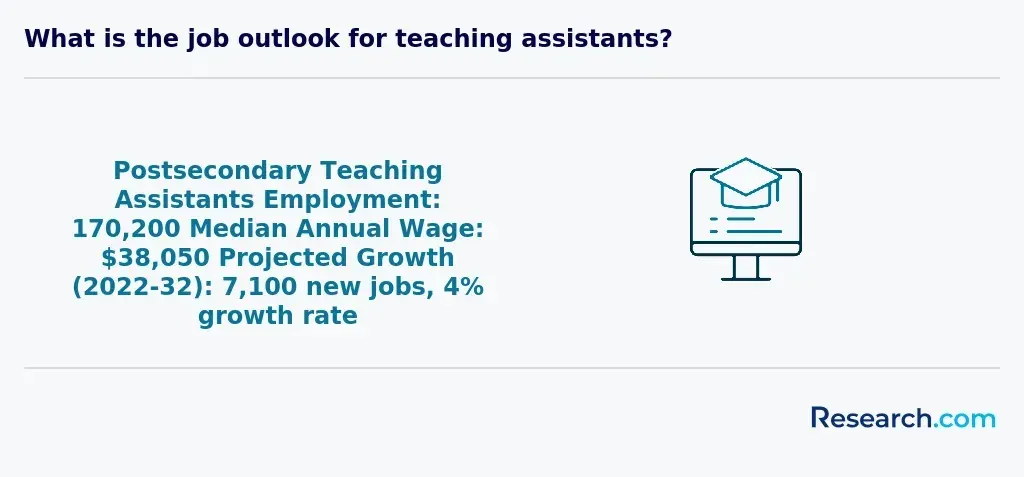
- Salary expectations should be realistic. Preschool teachers earn a median annual salary of approximately $34,290, but assistant pay can differ by employer, hours, funding source, and benefits.
Vermont’s small class sizes and favorable teacher-to-student ratios can create a supportive classroom environment, but staffing needs may still vary by region and employer. Always compare multiple job postings before choosing a credential path.
What mentoring and support networks are available?
Mentorship can make the difference between merely surviving the first year and becoming a confident early childhood professional. New preschool teacher assistants should ask employers whether they provide coaching, peer observation, professional learning communities, or lead-teacher mentoring.
- Lead teacher coaching: Helps assistants understand classroom routines, child observation, lesson support, and behavior guidance.
- Peer learning groups: Allow assistants to discuss common challenges, share strategies, and learn from colleagues in similar roles.
- District or program training: May cover safety procedures, mandated reporting, curriculum expectations, and family communication.
- Professional associations and local networks: Can help educators find workshops, policy updates, and career development opportunities.
If you are considering a later move into another teaching area, you can also explore how requirements differ for roles such as how to become a music teacher in Vermont.
Should preschool teacher assistants add specializations?
Additional specialization can be worth it when it connects to your actual classroom responsibilities or your next career step. It may not be worth the cost if you collect credentials without a clear job target.
| Specialization | Best reason to pursue it | Caution |
| Special education support | You work in inclusive classrooms or want to support children with individualized needs | Becoming a licensed special education teacher requires a separate pathway; review special education teacher certification in Vermont |
| ESL or multilingual learner support | Your program serves children from multilingual households | Short training can improve support skills, but full ESL teaching roles may require additional credentials |
| Behavior support | You want stronger tools for transitions, conflict, and emotional regulation | Choose evidence-based training rather than generic behavior workshops |
| Early literacy | You want to support vocabulary, phonological awareness, and book engagement | Training should be developmentally appropriate for preschool, not copied from older grades |
| Family engagement | You are interested in home visiting, family advocacy, or community programs | Clarify whether the role requires social services experience or additional credentials |
How can you find an affordable certification route in Vermont?
The most affordable route is not always the cheapest upfront program. A low-cost course may be a poor investment if it is not recognized by employers, does not prepare you for the CDA assessment, or does not transfer into a degree later.
- Start with job postings. Identify the credentials Vermont employers near you request most often.
- Ask whether CDA training includes assessment preparation. The $425 assessment fee may be separate from the training cost.
- Compare online, community college, and employer-sponsored options. Online programs may reduce travel costs, while community colleges may offer transferable credits.
- Check whether credits transfer. If you might pursue an associate or bachelor’s degree later, transferability matters.
- Ask employers about tuition support. Some programs may help with professional development or required credentials.
- Budget for hidden costs. Include books, technology, background checks, transportation, and time away from paid work.
For a closer look at cost-conscious teaching pathways, review the cheapest way to become a teacher in Vermont.
How much do preschool teacher assistants earn?
Salary depends on the employer, work schedule, funding source, location, benefits, and credentials. National pay data from the United States Bureau of Labor Statistics (BLS) shows that teacher assistants earn a median annual salary of $35,550 and an average annual salary of $36,430. Preschool teachers have a median annual salary of $37,130 and an average annual salary of $41,410.
Pay also varies by setting. Teaching assistants employed by local elementary and secondary schools earn a median annual salary of $36,130. Those working for private elementary and secondary schools earn $35,480, while teacher assistants in child daycare services receive $31,060.
If your long-term goal is to qualify for higher-responsibility roles, compare top online education degrees and look for programs that align with Vermont teacher preparation requirements, transfer goals, and your budget.
What are the schedule, benefits, and work-life trade-offs?
Preschool teacher assistant schedules often follow preschool operating hours, which may include weekday mornings and afternoons. In public school or school-year programs, the calendar may align with school breaks and holidays. In childcare centers, schedules may be longer or year-round.
- Work-life advantages: Many assistants value predictable daytime hours, school-year schedules in some settings, and the ability to continue studying while working.
- Work-life challenges: The work can be physically and emotionally demanding. Assistants spend much of the day moving, supervising, redirecting behavior, and responding to children’s needs.
- Benefits vary widely: Full-time roles in school districts or larger organizations may offer health insurance, retirement plans, and paid leave. Part-time roles may offer fewer benefits.
- Career growth is a major benefit: Assistant experience can help you decide whether to pursue lead teaching, special education, family services, or another education pathway.
If your goal is to become a lead early childhood educator, review the steps for how to become a preschool teacher in Vermont.
How could future trends affect this career?
Several trends are changing what preschool teacher assistants need to know. Digital documentation tools, family communication platforms, inclusion practices, multilingual classrooms, and increased attention to early childhood workforce quality are all shaping the role.
- Digital tools are becoming more common. Assistants may need to use tablets, learning documentation systems, or online communication platforms under teacher direction.
- Inclusive classrooms require stronger support skills. Assistants may work with children who have developmental delays, disabilities, language needs, or behavioral support plans.
- Employers may prefer stackable credentials. Short-term certificates, CDA training, and degree credits can help assistants build qualifications over time.
- Career mobility depends on planning. Experience alone may not qualify you for licensed teaching roles, so choose coursework that supports the next role you want.
If you are comparing education careers beyond preschool, you can examine paths such as how to become a middle school math teacher in Vermont to understand how requirements change across grade levels.
Can preschool teacher assistants move into private school teaching?
Preschool teacher assistants may move into private school roles, but they should not assume that classroom assistant experience alone will be enough for every teaching position. Private schools may have different hiring standards than public schools, and expectations can vary by school mission, curriculum, student age, and accreditation status.
- Private schools may value classroom experience. Experience with routines, child supervision, and family communication can be helpful.
- Credential expectations differ. Some private schools may prefer a degree, specialized training, or prior teaching experience.
- Curriculum may vary. Assistants moving into private schools may need to adapt to religious, Montessori, independent, or other instructional models.
- Family communication can be more direct. Private school roles may involve closer interaction with families and administrators.
For a role-specific overview, review guidance on how to become a private school teacher in Vermont.
What do preschool teacher assistants say about the role?
"Working as a preschool teacher assistant in Vermont helped me understand how much children learn through routines, play, and relationships. Supporting a lead teacher gave me daily practice with communication, patience, and classroom organization." — Joseph
"This role showed me that early childhood education is about more than helping children learn letters and numbers. I learned how to support confidence, emotional growth, and social skills while respecting each child’s pace." — Harris
"My classroom experience confirmed that I wanted a future in education. Professional development helped me improve my behavior support and teaching strategies, and the day-to-day work gave me a realistic view of what young children need from adults." — Don
How can assistants build digital and remote teaching skills?
Preschool is still a hands-on field, but digital skills matter more than they used to. Assistants may help document child progress, support online family communication, use digital learning tools, or assist with remote activities during disruptions.
- Learn your program’s platforms. Ask for training on attendance systems, family messaging tools, digital portfolios, and classroom technology.
- Use technology developmentally. Digital activities for preschoolers should be simple, supervised, and appropriate for young children.
- Strengthen communication skills. Clear written updates and respectful online communication can support family trust.
- Prepare for hybrid support when needed. Assistants may help organize materials, record observations, or support small-group virtual activities under teacher supervision.
For a broader view of online teaching preparation, see how to be an online teacher in Vermont.
How can classroom assistant experience support career advancement?
Preschool teacher assistant experience can be valuable if you turn it into a career plan. The key is to connect your daily responsibilities with credentials that qualify you for the next role.
- Clarify your target role. Decide whether you want to become a lead preschool teacher, kindergarten teacher, elementary teacher, special education professional, family advocate, or program administrator.
- Choose credentials backward from that goal. Do not take random courses. Select training that meets employer, degree, or licensure requirements.
- Document your experience. Track ages served, classroom responsibilities, professional development, supervisor feedback, and special projects.
- Ask for increasing responsibility. Offer to support small groups, prepare materials, help with family events, or assist with observation documentation.
- Use your network. Lead teachers, directors, and mentors can help you identify openings, references, and training options.
If kindergarten teaching is your goal, review the requirements to become a kindergarten teacher in Vermont before choosing your next education program.
Common mistakes to avoid when choosing a preschool assistant pathway
| Mistake | Why it can hurt you | Better approach |
| Choosing the cheapest program without checking recognition | You may complete training that employers do not value | Ask Vermont employers whether they accept the credential before enrolling |
| Ignoring transfer credit policies | Credits may not count toward a future associate or bachelor’s degree | Confirm transfer options in writing |
| Assuming all online training is equal | Some programs may not include required field experience or assessment preparation | Verify training hours, supervision, and credential alignment |
| Forgetting background check costs and timing | Hiring may be delayed if screening is incomplete | Ask employers when and how background checks are processed |
| Assuming assistant experience automatically leads to teacher licensure | Licensed roles usually require additional education and state approval | Map your coursework to the credential required for your target teaching role |
| Comparing salary without comparing benefits | A higher hourly rate may come with fewer benefits or fewer hours | Compare total compensation, schedule, paid leave, and advancement support |
Questions to ask before enrolling in a CDA or early childhood education program
- Is this program recognized by Vermont employers that hire preschool teacher assistants?
- Does the program prepare students for the CDA assessment and portfolio requirements?
- Are the $425 CDA assessment fee and other credentialing fees included or separate?
- Will credits transfer into an associate or bachelor’s degree later?
- Does the program include supervised experience with preschool-age children?
- Can I complete the coursework while working?
- What student support is available for online learners?
- Does the program help with job placement, references, or field placements?
- What are the renewal or continuing education expectations after completion?
- Are there scholarships, employer reimbursements, or low-cost public options available?
Related Articles for Nearby States
- 2027 How to Become a Preschool Teacher Assistant in New Hampshire: Requirements & Certification
- 2027 How to Become a Preschool Teacher Assistant in Massachusetts: Requirements & Certification
- 2027 How to Become a Preschool Teacher Assistant in New York: Requirements & Certification
- 2027 How to Become a Preschool Teacher Assistant in Connecticut: Requirements & Certification
- 2027 How to Become a Preschool Teacher Assistant in Rhode Island: Requirements & Certification
- 2027 How to Become a Preschool Teacher Assistant in Maine: Requirements & Certification
- 2027 How to Become a Preschool Teacher Assistant in New Jersey: Requirements & Certification
- 2027 How to Become a Preschool Teacher Assistant in Pennsylvania: Requirements & Certification
- 2027 How to Become a Preschool Teacher Assistant in Delaware: Requirements & Certification
- 2027 How to Become a Preschool Teacher Assistant in Maryland: Requirements & Certification
References:
- BLS (2024, August 29). Preschool Teachers. BLS
- BLS (2024, August 29). Teacher Assistants. BLS
- Bright Futures Child Information System. Welcome to Vermont Child Care Information Services. Bright Futures Child Information System
- Vermont Head Start Association. Careers & Jobs. Vermont Head Start Association
Key Insights
- A CDA is often the most direct credential for preschool assistant work. It can take about six months to a year and includes 120 hours of training, but you should confirm that your target employer recognizes it.
- An associate degree is a better fit if you want long-term advancement. It usually takes approximately two years and may support future movement into lead teacher or licensed teaching pathways.
- Budget beyond tuition. Include the $425 CDA assessment fee, background check costs of around $25 to $50, books, transportation, and possible lost work time.
- Vermont’s preschool enrollment growth supports opportunity, but jobs vary by setting. Public schools, Head Start programs, childcare centers, and private preschools may have different requirements, schedules, benefits, and pay structures.
- Do not rely on experience alone for advancement. If you want to become a preschool teacher, kindergarten teacher, elementary teacher, special education teacher, or specialist, map your next credential before enrolling in courses.
- The best path is the one that matches your goal and budget. Start with local job postings, verify credential recognition, compare transfer policies, and choose training that helps you qualify for the next role you actually want.
Other Things You Should Know About Becoming a Preschool Teacher Assistant in Vermont
No, Vermont does not require annual renewal of preschool teacher assistant certifications in 2027. However, maintaining professional development and staying updated with any state changes in regulations is recommended to ensure continued compliance.
Yes, you can become a preschool teacher assistant in Vermont with just a high school diploma. Here’s how you can embark on this fulfilling journey:
- Research Local Requirements: Start by exploring the specific requirements in your area. Vermont does not mandate formal certification for teacher assistants, but understanding local regulations is essential.
- Gain Experience: Volunteer or seek part-time work in childcare settings. This hands-on experience is invaluable and will enhance your resume.
- Consider Additional Training: While a high school diploma is sufficient, pursuing courses in early childhood education can boost your skills and employability. Many community colleges offer relevant programs.
- Apply for Positions: Once you feel prepared, start applying! Highlight your passion for working with children and any relevant experience.
In 2027, to become a certified preschool teacher assistant in Vermont, you need at least a high school diploma or GED. Additionally, you may need to complete a teacher assistant training program, pass a background check, and obtain CPR and first aid certification.
In 2027, many preschool teacher assistants in Vermont possess an associate degree in early childhood education or a related field. However, a high school diploma coupled with relevant work experience may suffice for entry-level positions. **Question** Do you need to renew your preschool teacher assistant certification in Vermont annually in 2027? **Answer** No, in 2027 you do not need to renew your preschool teacher assistant certification annually in Vermont. Renewal periods vary, so it's essential to check with the Vermont Agency of Education for specific timelines and requirements. **Question** Can you become a preschool teacher assistant in Vermont with just a high school diploma? **Answer** Yes, as of 2027, you can become a preschool teacher assistant in Vermont with just a high school diploma, though additional qualifications like child development coursework may enhance job prospects. **Question** What is required to become a certified preschool teacher assistant in Vermont in 2027? **Answer** To become a certified preschool teacher assistant in Vermont in 2027, you typically need a high school diploma or equivalent, alongside CPR certification and a cleared background check. Additional training in early childhood education can be beneficial.