2027 How to Become an English Teacher in Wyoming: Requirements & Certification

Co-Founder and Chief Data Scientist
Becoming an English teacher in Wyoming is a practical career goal, but it requires more than a love of literature and writing. You need the right degree, a state-approved preparation program, testing, supervised classroom experience, and a license from the Wyoming Professional Teaching Standards Board. You also need to understand where jobs are most available, how rural districts differ from larger communities, and how salary, benefits, cost of living, and professional development affect long-term career fit.
This guide is for future teachers, career changers, education majors, and licensed educators considering Wyoming. It explains the certification path, education requirements, job market, classroom expectations, advancement options, and application strategies so you can decide whether teaching English in Wyoming is the right move and how to prepare with fewer delays.
Quick Answer: How Do You Become an English Teacher in Wyoming?
To become an English teacher in Wyoming, you typically need a bachelor’s degree in English, education, or a related field; completion of a state-approved teacher preparation program; supervised student teaching; passing scores on required Praxis exams; proof of knowledge of the U.S. and Wyoming Constitutions; a background check with fingerprinting; and approval for licensure through the Wyoming Professional Teaching Standards Board. Candidates should also be prepared to complete professional development to keep their license active.
Key Things You Should Know About Becoming an English Teacher in Wyoming
- Wyoming has approximately 800 teaching vacancies annually, with many openings concentrated in rural communities where staffing is often more difficult.
- English teachers are among the educators needed in the state, especially in districts that struggle with recruitment because of location, salary expectations, or cost-of-living pressures.
- As of 2024, the average salary for English teachers in Wyoming is approximately $56,000 per year, though pay can differ by district, experience, and school level.
- The employment outlook for middle school teachers in Wyoming, including English teachers, is projected to grow by about 9.6% from 2022 to 2032.
- Cost of living is not the same across the state. Teton, Lincoln-Afton, Laramie, Sublette, and Campbell counties have a cost of living index above the national average of 100.
- Wyoming’s economy is supported by natural resources and tourism, but education budgets can still affect hiring, salaries, classroom resources, and district-level support.
- Steps to become an English teacher in Wyoming
- Education requirements for Wyoming English teachers
- Certification and licensing process
- Student teaching, internships, and classroom experience
- Wyoming English standards and curriculum expectations
- Job market, salaries, and hiring outlook
- Professional development and continuing education
- Classroom management and teaching methods
- Elementary teaching vs. English teaching in Wyoming
- Wyoming teaching certificate options
- Digital tools for English instruction
- Application and interview tips
- Career advancement and specializations
- Community engagement for English teachers
- Interdisciplinary qualifications and teaching flexibility
- Working with speech-language pathologists
- Support resources for new teachers
- Challenges and rewards of teaching English in Wyoming
- ESOL certification for Wyoming English teachers
- Advanced credentials and leadership roles
- Diversifying teaching subjects
- Using historical context in English instruction
- Timeline for earning a Wyoming teaching certificate
Steps to Become an English Teacher in Wyoming
The path to becoming an English teacher in Wyoming is straightforward if you plan each requirement in order. Most candidates move from degree completion to teacher preparation, student teaching, exams, licensure, and district applications. Career changers may have additional options, but they still need to satisfy state licensing rules before becoming the teacher of record.
| Step | What You Need to Do | Why It Matters |
| Complete a bachelor’s degree | Major in English, education, English language arts, or a closely related field. | A bachelor’s degree is the minimum academic foundation for licensure. |
| Finish teacher preparation | Enroll in a state-approved program with pedagogy, assessment, classroom management, and subject-area training. | Wyoming expects teachers to demonstrate both content knowledge and instructional readiness. |
| Complete student teaching | Work under the supervision of an experienced teacher in a real classroom. | Student teaching gives districts evidence that you can plan lessons, manage students, and assess learning. |
| Pass required exams | Take the required Praxis assessments and meet constitution knowledge requirements. | Testing verifies English language arts competency and state-required civic knowledge. |
| Apply for licensure | Submit the PTSB application, transcripts, institutional recommendation, test scores, and background check materials. | You cannot teach independently in Wyoming public schools without the appropriate license. |
| Apply to districts | Prepare a targeted resume, cover letter, references, lesson examples, and interview responses. | Hiring is local, so applications should match the needs of individual Wyoming districts. |
- Degree planning: Most candidates complete a bachelor’s degree with at least the coursework needed for English language arts teaching. Wyoming teacher preparation programs commonly include a minimum of 120 credit hours for licensure preparation.
- Licensure pathway: After the academic program, candidates must meet testing, background check, and application requirements. Wyoming offers an Initial License that is valid for three years, followed by additional options as teachers gain experience.
- License maintenance: Educators must complete 90 hours of professional development every five years to keep their credentials current.
- Job search preparation: A strong application should show subject knowledge, student teaching results, classroom management strategies, and readiness to work in Wyoming communities, including rural schools.
- District research: Openings may appear through the Wyoming Department of Education, individual school district websites, education job boards, networking events, and teacher job fairs.
The strongest candidates do not wait until graduation to prepare. They build classroom experience early, learn Wyoming standards, collect evidence of effective instruction, and tailor their applications to the district rather than sending the same materials everywhere.
Education Requirements for Becoming an English Teacher in Wyoming
Wyoming English teachers need academic preparation in both English content and teaching practice. The goal is not simply to know literature, grammar, and composition; it is to learn how to teach reading, writing, speaking, listening, research, and critical analysis to students with different skill levels and learning needs.
In a 2023 performance report by the Wyoming Department of Education, 59% of Wyoming students achieved “Proficient” or higher in Reading, and 59% of English learners showed progress. Those results show why English teachers need strong preparation in literacy, writing instruction, language development, and assessment.
- Bachelor’s degree: A bachelor’s degree is the standard minimum requirement. The most direct majors are English education, English, secondary education with an English language arts concentration, or a related approved field.
- English coursework: Candidates should expect study in literature, composition, rhetoric, grammar, linguistics, adolescent literacy, and written communication.
- Education coursework: Teacher preparation includes lesson design, assessment, classroom management, educational psychology, instructional methods, and strategies for diverse learners.
- State-approved teacher preparation: Wyoming candidates must complete a preparation program recognized for licensure. This usually includes student teaching and a formal institutional recommendation.
- Accreditation: Students should confirm that the college or university is properly accredited and that the teacher preparation program is approved for Wyoming licensure. Choosing the wrong program can delay certification.
- Testing readiness: Candidates must demonstrate subject competency through required exams, including Praxis II tests in English language arts where applicable.
Students comparing licensure pathways across states can review Illinois teaching credentials to understand how Wyoming requirements differ from another state’s process.
| Education Option | Best For | Important Consideration |
| Bachelor’s in English education | Students who know they want to teach English in middle or high school. | Usually the most direct route because content and pedagogy are built into the program. |
| Bachelor’s in English plus teacher preparation | Students who want deeper English content study and then add teaching preparation. | Make sure the preparation program is approved for Wyoming licensure. |
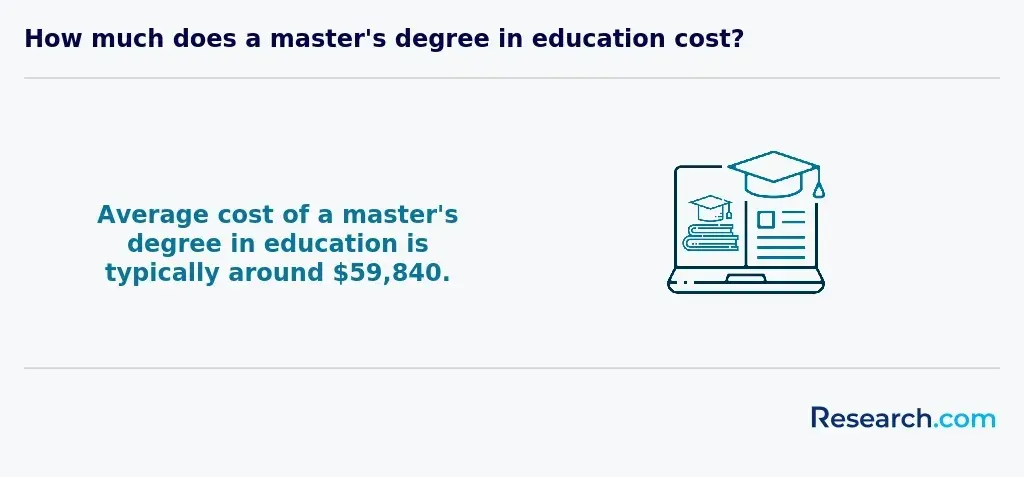
| Master’s degree after initial preparation | Teachers seeking advanced skills, leadership options, or specialized knowledge. | A master’s degree is not mandatory for initial certification, but it may support advancement. |
| Related education fields | Candidates interested in literacy, child development, language support, or special populations. | Additional endorsements or coursework may be needed for English language arts licensure. |
Certification and Licensing Process for an English Teacher in Wyoming
Wyoming teacher licensure is handled through the Wyoming Professional Teaching Standards Board. The process is designed to confirm that each teacher has completed approved preparation, demonstrated English content knowledge, passed required checks, and understands state-specific civic requirements.
- Earn an approved degree: Candidates must graduate from an accredited institution and complete a teacher preparation program that includes English-focused preparation. Students interested in related education-focused graduate study can compare child development degree institutions.
- Complete supervised teaching: The certification route includes student teaching. A key requirement is a placement lasting a minimum of eight consecutive weeks, though many candidates complete a longer placement through their university program.
- Pass required examinations: Future English teachers generally need Praxis Subject Tests that measure English language arts knowledge and teaching readiness.
- Meet constitution requirements: Applicants must show knowledge of the U.S. and Wyoming Constitutions through approved coursework or a PTSB-administered exam.
- Submit the application: The application package normally includes the completed PTSB license application, official transcripts, test scores, an Institutional Recommendation, and documentation of constitution knowledge.
- Complete the background check: Fingerprinting and a background review are required to protect student safety.
- Pay required fees: Applicants should budget for a non-refundable processing fee, which is invoiced by the PTSB after submission.
| Licensing Item | What to Confirm Before Applying |
| Program approval | Your teacher preparation program is accepted for Wyoming licensure. |
| Transcript accuracy | Official transcripts show degree completion and required coursework. |
| Testing | Praxis and any other required scores are sent correctly. |
| Student teaching | Your placement documentation meets state and program requirements. |
| Constitution requirement | You have coursework or exam proof for both the U.S. and Wyoming Constitutions. |
| Background check | Fingerprinting and related forms are completed without missing information. |
Student Teaching, Internships, and Classroom Experience
Classroom experience is one of the most important parts of becoming an English teacher in Wyoming because it turns theory into practice. Reading about lesson planning is different from teaching a unit, responding to student writing, managing discussion, adapting for struggling readers, and keeping a class engaged during a complex text.
Wyoming candidates typically complete student teaching through a university or approved preparation program. Many programs structure the experience as a full semester, and candidates must accumulate a minimum of 12 weeks of student teaching experience. The certification process also includes a student teaching placement with a minimum of eight consecutive weeks.
Internship and field experience opportunities may be available through Wyoming colleges, local school partnerships, and alternative-route organizations. Over 2.1 million teaching interns, including English teacher interns, are employed across the U.S. In Wyoming, the University of Wyoming and partner schools help candidates gain practical experience in classrooms that reflect the state’s mix of rural and more populated communities.
The Wyoming Department of Education has reported that 85% of teachers who completed a robust student teaching program felt well-prepared for their first year of teaching. That preparation matters because new English teachers must quickly learn how to assess writing, build reading stamina, support English learners, and use standards-based instruction.
- Ask for specific feedback: Do not settle for general comments such as “good lesson.” Ask your mentor teacher about pacing, questioning, student engagement, assessment, and clarity.
- Build a teaching portfolio: Save lesson plans, writing rubrics, student feedback examples, classroom management reflections, and evidence of growth.
- Learn rural teaching realities: If possible, gain experience in a rural placement so you understand smaller schools, multi-prep schedules, community expectations, and resource limitations.
- Tutor or volunteer before student teaching: Tutoring, substitute teaching, paraprofessional work, and literacy volunteering can strengthen your resume and confidence.
- Practice data-informed instruction: Learn how to use reading assessments, writing samples, and formative checks to adjust instruction.
Wyoming Standards and Curriculum Requirements for English Teachers
Wyoming English teachers are expected to teach toward state standards that emphasize reading comprehension, writing development, critical thinking, discussion, research, language use, and communication. These standards guide what students should know and be able to do, but teachers still need to make instructional choices that fit their students, grade level, school resources, and community context.
Wyoming’s approach also requires teachers to understand local relevance. Literature selections, writing assignments, research projects, and classroom discussions can connect to students’ lives, community history, regional issues, and broader national or global themes. This is especially valuable in rural schools, where students may respond strongly to instruction that respects local identity while still building college and career readiness.
- Reading: Students need exposure to fiction, nonfiction, poetry, drama, speeches, essays, and informational texts that support comprehension and interpretation.
- Writing: English teachers help students write arguments, narratives, explanatory pieces, literary analysis, research papers, and revised drafts.
- Speaking and listening: Classroom discussion, presentations, collaboration, and evidence-based conversation are central to English language arts instruction.
- Language: Grammar, vocabulary, syntax, usage, and conventions should be taught in ways that improve real writing and communication.
- Assessment: Teachers need rubrics, formative checks, conferencing, peer review, and performance tasks to track student growth.
Teachers who want to expand their understanding of language development and communication support can also explore related programs such as the most affordable online speech pathology degrees.
| Curriculum Area | Practical Classroom Application |
| Literature | Use close reading, discussion, theme analysis, and comparison across texts. |
| Composition | Teach drafting, revision, sentence control, organization, evidence, and voice. |
| Research | Help students evaluate sources, cite evidence, and build arguments responsibly. |
| Communication | Include presentations, Socratic seminars, debates, and collaborative projects. |
| Local relevance | Connect texts and assignments to Wyoming communities when appropriate. |
Job Market and Salary Expectations for English Teachers in Wyoming
The Wyoming English teacher job market is shaped by statewide teacher shortages, rural hiring needs, local district budgets, retirements, student enrollment patterns, and cost-of-living differences. Candidates who are flexible about location may find more opportunities than those applying only in larger population centers.
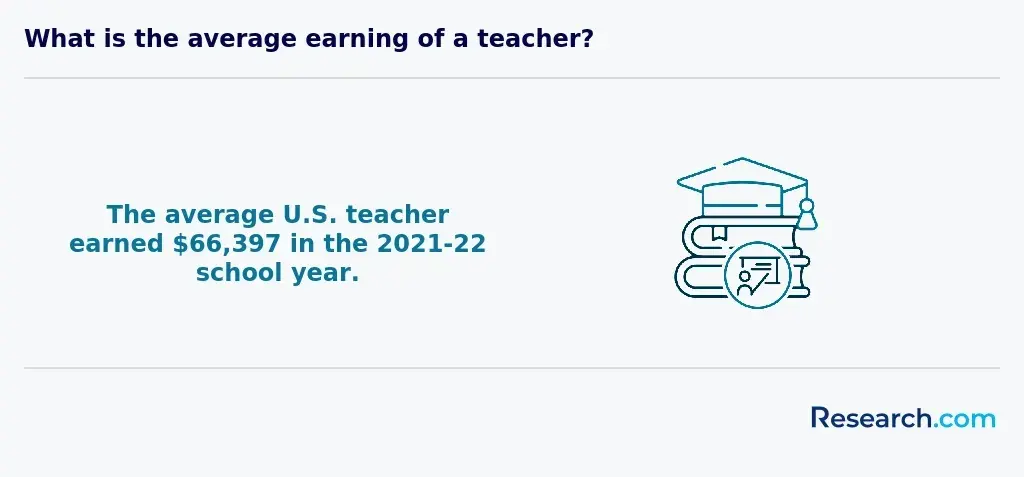
The 2024 data from the National Education Association lists the national average starting salary for teachers at $44,530 and $69,544 for tenured educators. In Wyoming, the average salary for an English teacher is approximately $56,000 per year. In cities such as Cheyenne and Casper, salaries may exceed $60,000 annually, while some rural districts may be closer to $50,000.
Salary should not be evaluated by pay alone. Benefits, retirement contributions, health insurance, paid leave, mentoring, professional development, housing availability, commute distance, and cost of living can significantly change the real value of a job offer. Counties such as Teton, Lincoln-Afton, Laramie, Sublette, and Campbell have a cost of living index above 100, which means an offer that looks strong statewide may feel different locally.
| Job Market Factor | What It Means for Candidates |
| Rural vacancies | Applicants willing to teach outside major population areas may face less competition and more urgent hiring needs. |
| Urban competition | Districts in larger communities may attract more applicants, so strong student teaching evidence and interview preparation matter. |
| Salary variation | Pay can differ by district, years of experience, education level, and negotiated salary schedules. |
| Benefits | Health coverage, retirement plans, and paid leave can make a position more attractive than salary alone suggests. |
| Projected growth | Middle school teacher employment in Wyoming, including English teachers, is projected to grow by about 9.6% from 2022 to 2032. |
The Wyoming Department of Workforce Services expects steady need for teachers because of retirements and demand for qualified educators. Candidates should review district salary schedules carefully and ask whether additional education, endorsements, or hard-to-staff assignments affect placement on the pay scale.
Professional Development and Continuing Education for Wyoming English Teachers
Professional development is not optional in Wyoming. It is part of license renewal and a practical necessity for teachers who want to stay effective as standards, technology, student needs, and instructional materials change.
- State-supported learning: The Wyoming Department of Education offers professional learning connected to instruction, standards, assessment, school improvement, and technology integration.
- Workshops and conferences: English teachers can attend training focused on literacy, writing instruction, English learners, assessment, curriculum design, and classroom technology.
- Professional Learning Communities: PLCs allow teachers to compare student work, plan interventions, study standards, and share instructional strategies across grade levels or departments.
- License renewal: Teachers must complete 90 hours of professional development every five years, so it is smart to track hours from the start instead of rushing near renewal time.
- Career expansion: Educators who want to move into specialized student support or related areas may explore special education careers as part of broader professional planning.
| Professional Development Choice | When It Is Especially Useful |
| Literacy workshops | When students need stronger reading comprehension, vocabulary, or writing support. |
| Technology training | When teachers are expected to use learning platforms, digital assessment tools, or multimedia assignments. |
| English learner training | When classrooms include students developing academic English. |
| Special education collaboration | When teachers need to differentiate instruction for students with IEPs or learning differences. |
| Leadership coursework | When teachers want to become department chairs, curriculum coordinators, or administrators. |
Classroom Management and Teaching Methods for English Teachers in Wyoming
Effective English teaching depends on both content knowledge and classroom systems. Research cited in the original article indicates that effective classroom management can boost student engagement and academic performance by 20%. For Wyoming teachers, this is especially important in classrooms where students may have different reading levels, writing confidence, technology access, and support needs.
- Set clear routines early: Students should understand expectations for discussion, independent reading, writing workshops, peer review, device use, and assignment submission.
- Use positive reinforcement: The original source notes that classrooms using positive behavior interventions saw a 30% reduction in disruptive incidents. Teachers should pair expectations with consistent recognition of productive behavior.
- Design active lessons: English classes work best when students read, annotate, discuss, write, revise, and reflect rather than only listen to lectures.
- Differentiate instruction: Provide varied texts, sentence frames, audio support, small-group instruction, choice-based assignments, and scaffolded writing tasks.
- Plan for special education needs: Approximately 14% of students in Wyoming receive special education services, so English teachers should know how to adapt lessons and work with support staff.
- Use technology carefully: A survey cited in the original article found that 75% of students reported higher engagement when lessons included technology, but digital tools should support the learning goal rather than replace instruction.
| Teaching Challenge | Better Strategy |
| Students avoid writing | Use short writing bursts, models, conferences, and revision checklists before assigning longer essays. |
| Class discussions are dominated by a few students | Use structured protocols, written preparation, small groups, and accountable talk stems. |
| Reading levels vary widely | Offer scaffolds, guided questions, vocabulary support, and occasional text choice. |
| Technology distracts students | Set device routines, use specific digital tasks, and return to paper-based work when needed. |
| Students struggle with analysis | Teach claim-evidence-reasoning explicitly and model how to move from summary to interpretation. |
Elementary School Teaching vs. English Teaching in Wyoming
Elementary teachers and English teachers both need Wyoming licensure, classroom experience, and strong instructional skills, but the roles differ in scope. Elementary teachers usually teach multiple subjects to one group of younger students, while English teachers typically specialize in English language arts at the middle or high school level.
| Comparison Point | Elementary Teacher | English Teacher |
| Primary focus | Multiple subjects, foundational literacy, math, science, social studies, and classroom routines. | Reading, writing, literature, communication, language, and research skills. |
| Typical grade range | Early and upper elementary grades. | Middle school or high school English language arts. |
| Preparation emphasis | Broad child development and multi-subject pedagogy. | Subject-specific English content and adolescent literacy instruction. |
| Best fit | Teachers who enjoy teaching many subjects and working with younger learners. | Teachers who prefer literature, writing, discussion, analysis, and subject specialization. |
If you are comparing both routes, review how to become an elementary school teacher in Wyoming to see how the requirements and career paths differ.
Types of Teaching Certificates Available in Wyoming
Wyoming offers several certification pathways for people entering teaching from different backgrounds. The traditional pathway usually fits undergraduate education majors, while alternative or expedited routes may serve career changers, out-of-state educators, or candidates who already meet certain criteria.
- Traditional certification: Best for students completing a bachelor’s degree and approved teacher preparation program.
- Alternative certification: Often useful for career changers who have strong subject knowledge but need structured teacher preparation.
- Expedited pathways: May help eligible candidates move faster through the process while still meeting state expectations.
Because certificate rules affect eligibility, candidates should compare options before enrolling in a program. For a deeper look at pathways and costs, see the guide to types of teaching certificates in Wyoming.
Digital Tools and Technologies That Can Improve English Teaching in Wyoming
Digital tools can help English teachers support reading, writing, feedback, collaboration, and assessment, but they work best when connected to a clear instructional purpose. Technology should make it easier for students to analyze texts, draft writing, revise, discuss ideas, and receive feedback; it should not become busywork.
- Learning management systems: Useful for distributing assignments, collecting drafts, posting rubrics, and communicating deadlines.
- Online annotation tools: Helpful for close reading, collaborative notes, and evidence collection.
- Writing platforms: Support drafting, revision history, teacher comments, and peer feedback.
- Assessment tools: Provide quick checks for comprehension, vocabulary, grammar, and standards mastery.
- Multimedia resources: Help students connect literature to speeches, film clips, interviews, historical materials, and visual texts.
Teachers interested in language development, communication, and interdisciplinary student support may also find it useful to explore how to become a speech pathologist.
How to Strengthen Your Application and Interview for Wyoming English Teaching Jobs
A strong application shows that you can teach English well in the specific district where you are applying. Wyoming schools may look for different strengths depending on location, student needs, staffing shortages, grade level, and community priorities.
| Application Element | What to Include | Common Mistake to Avoid |
| Resume | Student teaching, tutoring, classroom technology, writing instruction, assessment experience, and endorsements. | Listing duties without showing instructional impact. |
| Cover letter | Why you want that district, how you teach literacy, and how you support diverse learners. | Sending a generic letter to every school. |
| Portfolio | Lesson plans, rubrics, sample feedback, unit ideas, and classroom management reflections. | Including too many materials without explaining their purpose. |
| Interview responses | Clear examples of managing discussion, improving writing, differentiating reading, and using data. | Answering with theory only and no classroom examples. |
| References | Mentor teachers, supervisors, professors, or administrators who have seen you teach. | Choosing references who cannot speak to classroom readiness. |
- Prepare examples of how you would teach a difficult text, support reluctant writers, and respond to a wide range of reading levels.
- Ask district-specific questions about curriculum materials, mentoring, professional development, class sizes, technology access, and community expectations.
- Be ready to discuss rural teaching if applying outside larger population centers, including how you would build relationships and adapt with limited resources.
- Show flexibility without sounding unfocused. Districts value teachers who can contribute to clubs, writing programs, intervention work, or interdisciplinary projects.
For ideas on presenting creativity and interdisciplinary teaching strengths, compare strategies used by candidates learning how to become an art teacher in Wyoming.
Career Advancement and Specializations for English Teachers in Wyoming
English teaching can lead to several career directions beyond the first classroom role. Some teachers remain in the classroom and become highly skilled literacy specialists or mentor teachers. Others move toward department leadership, curriculum design, instructional coaching, administration, or policy work.
The Wyoming Department of Education has reported that approximately 20% of teachers transition into administrative positions within five years of their initial teaching roles. Advancement is not automatic, but English teachers who document instructional results, pursue additional training, and build leadership experience can position themselves for more options.
- Department chair: Leads English curriculum planning, supports colleagues, coordinates assessments, and helps align instruction across grade levels.
- Curriculum coordinator: Works on standards alignment, instructional materials, assessment systems, and districtwide English language arts planning.
- Reading or literacy specialist: Focuses on reading intervention, literacy coaching, and support for struggling readers.
- ESL or ESOL specialist: Supports students learning English and helps teachers adapt instruction.
- School administrator: Moves into leadership roles after additional preparation and licensure requirements.
- Policy or nonprofit work: Experienced teachers may contribute to curriculum, literacy initiatives, professional development, or education advocacy.
National Board Certification can also strengthen an English teacher’s professional profile. According to the National Board for Professional Teaching Standards, teachers who achieve this certification can earn up to $10,000 more annually in some districts. Actual compensation depends on district policy and available incentives.
How Local Community Engagement Can Strengthen Your Teaching Career in Wyoming
Community connection matters in Wyoming, especially in smaller districts where schools often serve as central gathering places. English teachers who build relationships with families, libraries, local writers, cultural organizations, museums, newspapers, and community groups can make reading and writing feel more relevant to students.
- Partner with local libraries for reading challenges, author visits, research projects, or media literacy activities.
- Invite community speakers to connect literature, writing, journalism, local history, and civic communication.
- Use local issues as prompts for argument writing, research, interviews, and public speaking.
- Collaborate with librarians and resource specialists to improve student access to texts and research tools.
Teachers interested in school library partnerships can review how to be a school librarian in Wyoming to understand how library professionals support literacy and inquiry.
Can Interdisciplinary Qualifications, Such as Music, Enrich English Teaching?
Interdisciplinary skills can make English instruction more engaging when they are used with intention. Music, art, theater, history, speech, and media studies can help students interpret tone, symbolism, rhythm, narrative structure, cultural context, and persuasive communication.
For example, music can support poetry analysis, performance, spoken word, rhetoric, and close listening. Teachers who want to broaden their instructional toolkit can explore music teaching qualifications in Wyoming as a complementary area of professional growth.
How Collaboration with Speech-Language Pathologists Can Improve Classroom Outcomes
English teachers often work with students who need support in vocabulary, comprehension, expressive language, speech clarity, fluency, or written communication. Collaboration with speech-language pathologists can help teachers identify barriers that may not be obvious during whole-class instruction.
- SLPs can suggest strategies for students who struggle to organize ideas orally or in writing.
- Teachers can adapt discussion tasks so students with communication needs can participate more successfully.
- Joint planning can improve vocabulary instruction, sentence expansion, and comprehension support.
- Collaboration helps align classroom expectations with individualized student supports.
For a closer look at professional expectations in this related field, see Wyoming SLP license requirements.
Resources and Support for New English Teachers in Wyoming
New English teachers in Wyoming do not have to navigate the first years alone. Support may come from state agencies, districts, mentor teachers, professional associations, university networks, and online resource communities. The quality of support varies by district, so candidates should ask about mentoring and professional learning during the interview process.
- Professional development events: Wyoming educators may attend conferences and workshops focused on language arts, literacy, reading instruction, assessment, and current teaching practices.
- Mentorship: Many districts pair beginning teachers with experienced educators who can help with lesson planning, grading, parent communication, classroom management, and school procedures.
- Teacher networks: Organizations such as the Wyoming Education Association provide advocacy, professional resources, and opportunities to connect with other educators.
- Instructional materials: New teachers can use district curriculum, open educational resources, state materials, and professional communities to build lessons aligned with standards.
- Continuing education: Teachers who want affordable ways to grow their skills can compare inexpensive online education programs.
| Question to Ask Before Accepting a Job | Why It Matters |
| Will I have a formal mentor? | Mentoring can reduce first-year stress and improve instructional confidence. |
| What curriculum materials are provided? | Some districts offer complete resources; others expect more teacher-created materials. |
| How many course preparations will I teach? | Multiple preps can increase workload, especially for new teachers. |
| What technology is available to students? | Access affects digital assignments, research, writing feedback, and assessment. |
| How does the district support professional development? | Training is required for renewal and important for long-term growth. |
Challenges and Rewards of Teaching English in Wyoming
Teaching English in Wyoming can be deeply meaningful, but candidates should understand the trade-offs before committing. The state’s geography, rural communities, district budgets, and local labor market create opportunities for teachers who value close school communities and flexibility, while also presenting challenges related to resources, isolation, and staffing demands.
| Potential Challenge | Practical Way to Prepare |
| Rural isolation | Build professional networks, join teacher communities, and seek mentoring early. |
| Limited resources | Learn to adapt texts, use open resources, collaborate with libraries, and design low-cost projects. |
| Multiple course preparations | Create reusable unit frameworks and plan grading systems that are sustainable. |
| Wide student skill ranges | Use differentiation, small-group instruction, scaffolds, and targeted writing feedback. |
| Salary and cost-of-living differences | Compare district pay schedules against housing, commuting, insurance, and local expenses. |
| Potential Reward | Why It Matters |
| Strong student relationships | Smaller school communities can make it easier to know students well and personalize instruction. |
| Community impact | English teachers help students develop literacy, communication, and critical thinking skills used beyond school. |
| Professional autonomy | Teachers may have room to design relevant lessons, local projects, and interdisciplinary units. |
| Supportive colleagues | Many Wyoming educators value collaboration, mentorship, and shared problem-solving. |
| High-need opportunities | Districts facing shortages may offer meaningful roles for teachers willing to serve hard-to-staff areas. |
Prospective teachers who are still mapping the basic education pathway can review what degree do you need to be a teacher in Wyoming for a broader look at entering the profession.
How ESOL Certification Can Enhance an English Teaching Career in Wyoming
ESOL certification can make an English teacher more effective with students who are developing academic English. It can also strengthen hiring prospects in districts serving multilingual learners because it signals preparation in language acquisition, vocabulary development, sheltered instruction, and culturally responsive teaching.
- Use targeted strategies for students who are learning English while also studying grade-level content.
- Improve collaboration with families, specialists, and other teachers.
- Support inclusive instruction in reading, writing, speaking, and listening.
- Qualify for specialized roles when districts need English learner support.
For requirements and pathway details, review Wyoming ESOL certification requirements.
What Graduates Say About Becoming an English Teacher in Wyoming
- Teaching English in Wyoming has given me room to work closely with students. Smaller classes have helped me give more individual feedback on writing, and I have watched students become more confident readers and writers. The community support and focus on literacy have made the work meaningful. Sherry
- I value the creative side of English teaching here. Technology has helped me bring in digital projects and tools that connect with students, and professional development has helped me keep improving my practice. Alyssa
- My teaching career in Wyoming has helped me grow personally and professionally. Salary and benefits matter, but the collaborative culture among teachers has been just as important. Seeing students develop a stronger interest in reading and writing has been one of the best parts of the job. Elliot
How Advanced Credentials Can Elevate a Wyoming Teaching Career
Advanced credentials can help English teachers move into leadership, curriculum, coaching, or administrative roles. A master’s degree is not required for initial licensure, but graduate study can deepen instructional expertise and support long-term advancement.
- Education leadership: Useful for teachers who want to become administrators, department leaders, or district-level coordinators.
- Literacy or reading: Valuable for teachers interested in intervention, coaching, or reading specialist work.
- Curriculum and instruction: Helpful for teachers who want to design materials, lead standards alignment, or train colleagues.
- Special education or ESOL: Strong options for teachers who want to serve specialized student populations.
Teachers considering leadership roles can explore what jobs can you get with masters in education leadership.
Can Diversifying Teaching Subjects Strengthen Career Prospects in Wyoming?
Adding another subject area can improve flexibility, especially in smaller districts where schools may need teachers who can cover more than one course or support interdisciplinary programs. English pairs naturally with history, theater, journalism, speech, media studies, reading, and humanities courses.
However, candidates should not assume that interest in another subject is enough. Additional endorsements, coursework, testing, or approval may be required. If history is a possible second area, review how to become a high school history teacher in Wyoming.
Can Historical Context Improve English Instruction in Wyoming?
Historical context can make literature more meaningful by helping students understand the events, conflicts, cultures, and ideas behind a text. This is especially useful when teaching speeches, novels, essays, poetry, Indigenous literature, regional writing, political rhetoric, and texts connected to social change.
- Pair primary sources with literature to help students compare perspectives.
- Use historical background to clarify theme, setting, conflict, and author purpose.
- Ask students to analyze how time period and audience shape language choices.
- Build interdisciplinary units with history or social studies teachers when schedules allow.
Teachers who want a stronger foundation in this area can examine high school history teacher requirements in Wyoming.
How Long Does It Take to Obtain a Wyoming Teaching Certificate?
The timeline depends on where you are starting. A first-time college student usually needs to complete a bachelor’s degree, teacher preparation, student teaching, testing, and the licensing application. A career changer or out-of-state educator may have a different timeline depending on transcripts, prior coursework, exams, and eligibility for alternative routes.
| Stage | What Can Delay You | How to Reduce the Risk |
| Degree completion | Missing required English or education courses. | Meet with an advisor and verify licensure alignment early. |
| Teacher preparation | Choosing a program not accepted for Wyoming licensure. | Confirm approval before enrolling. |
| Student teaching | Placement availability or scheduling conflicts. | Apply for placements on time and stay flexible about location. |
| Testing | Retakes or score reporting delays. | Schedule exams early enough to allow for retesting if needed. |
| Licensure application | Incomplete transcripts, background check delays, or missing documents. | Use a checklist and submit complete materials. |
For a detailed discussion of timeframes and alternative pathways, see how long does it take to get a teaching certificate in Wyoming.
Common Mistakes to Avoid
- Choosing a program without checking approval: A degree alone is not enough if the teacher preparation pathway does not meet Wyoming licensure expectations.
- Focusing only on salary: Compare benefits, retirement, housing costs, commute, class load, and professional support before accepting an offer.
- Waiting too long to take exams: Testing delays can push back your license application and job search.
- Ignoring rural opportunities: Some candidates look only at larger districts and miss openings where the need may be stronger.
- Submitting generic applications: Districts want to know why you fit their students, school culture, and community.
- Underestimating classroom management: English teachers need systems for discussion, writing workshops, independent reading, technology, and feedback.
- Assuming online coursework automatically qualifies: Always verify accreditation, program approval, and licensure alignment before enrolling.
- Forgetting renewal requirements: Track professional development from the beginning so the 90 hours every five years requirement does not become a last-minute problem.
Key Insights
- Wyoming English teachers usually need a bachelor’s degree, approved teacher preparation, student teaching, Praxis exams, constitution knowledge verification, a background check, and PTSB licensure.
- The state has approximately 800 teaching vacancies annually, and rural districts may offer strong opportunities for candidates who are flexible about location.
- As of 2024, the average English teacher salary in Wyoming is approximately $56,000 per year, but district pay, benefits, and cost of living can change the real value of a job offer.
- Middle school teacher employment in Wyoming, including English teachers, is projected to grow by about 9.6% from 2022 to 2032.
- Student teaching is more than a licensing requirement. Strong classroom experience, mentor feedback, and a teaching portfolio can improve hiring prospects.
- English teachers should prepare for differentiated instruction because Wyoming classrooms include students with varied reading levels, writing needs, English learner status, and special education services.
- Career growth can come through ESOL, literacy, reading, special education, curriculum, leadership, or additional subject endorsements.
- According to the original findings, Wyoming had approximately 1,200 certified English teachers as of 2023, high school teacher salary in Wyoming was around $63,900 in 2024, 85% of English teachers in Wyoming held a master’s degree or higher, the projected need included an additional 200 English teachers by 2025, and the teacher retention rate was 80%.
Related Articles for Nearby States
- 2027 How to Become an English Teacher in Montana: Requirements & Certification
- 2027 How to Become an English Teacher in South Dakota: Requirements & Certification
- 2027 How to Become an English Teacher in Nebraska: Requirements & Certification
- 2027 How to Become an English Teacher in Colorado: Requirements & Certification
- 2027 How to Become an English Teacher in Idaho: Requirements & Certification
- 2027 How to Become an English Teacher in Utah: Requirements & Certification
- 2027 How to Become an English Teacher in North Dakota: Requirements & Certification
- 2027 How to Become an English Teacher in Kansas: Requirements & Certification
- 2027 How to Become an English Teacher in Iowa: Requirements & Certification
- 2027 How to Become an English Teacher in Nevada: Requirements & Certification
References:
- ACE. (2023, July 31). University of Wyoming tackles rural teacher shortage with personalized professional development. American Council on Education. Retrieved September 6, 2024.
- EADiv. (2024, April 17). Wyoming cost of living for the fourth quarter of 2023. Economic Analysis Division. Retrieved September 6, 2024.
- Glassdoor. (2024, June 6). How much does an English Teacher make in Wyoming? Glassdoor.com. Retrieved September 6, 2024.
- ProjectionsCentral. (2024). Long-Term occupational projections (2022-2032): Wyoming middle school teachers, except special and career/technical education. ProjectionsCentral.org. Retrieved September 9, 2024.
- Salary.com. (2024, August 27). High school teacher salary in Wyoming (August 27, 2024). Salary.com. Retrieved September 9, 2024.
- WDE. (2023). Parent & community member overview: Accountability & school performance ratings. Wyoming Department of Education. Retrieved September 6, 2024.
Other Things You Should Know About Becoming an English Teacher in Wyoming
To obtain an English teaching certification in Wyoming in 2027, candidates must have a bachelor's degree, complete a state-approved teacher preparation program, pass the Praxis Subject Assessments, and apply for certification through the Wyoming Professional Teaching Standards Board. Continuing education is also required for certification renewal.
In 2027, Wyoming English teachers must adhere to privacy laws, anti-discrimination policies, and mandatory reporting requirements to maintain ethical standards. They must also comply with the Wyoming Professional Teaching Standards Board's (PTSB) code of conduct, ensuring professionalism and respect in their educational practices.