2027 Easiest Business Degrees

Co-Founder and Chief Data Scientist
Choosing an “easy” business degree usually means looking for a program that is flexible, practical, less math-heavy, and easier to complete around work or family responsibilities. It should not mean choosing a low-quality credential. The right program still needs proper accreditation, useful coursework, transparent costs, and clear career value.
This guide is for students, working adults, career changers, and professionals who want a business credential without committing to the most intensive or expensive path. You will learn which business degrees tend to be more manageable, how online and accelerated programs compare, what they cost, what jobs they can support, and how to avoid choosing a program that looks convenient but does not help your career.
Quick Answer: What Is the Easiest Business Degree to Get?
The easiest business degree for many students is usually an associate degree or bachelor’s degree in business administration, management, marketing, or human resources because these programs often emphasize communication, leadership, operations, and applied business concepts rather than advanced quantitative analysis. Online and accelerated formats can also make a program easier to fit into a busy schedule, but students should still expect reading, projects, exams, and regular deadlines.
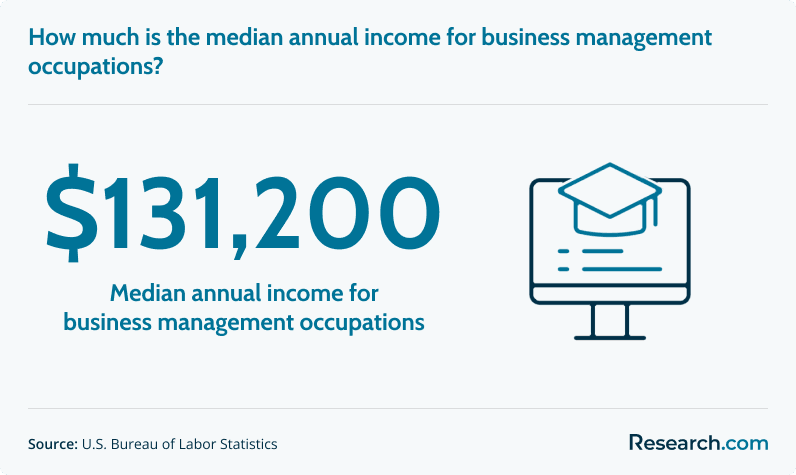
A manageable business degree can still lead to roles such as business administration specialist, marketing assistant, sales associate, recruitment coordinator, office manager, business analyst, or management analyst. Business majors earned around $65,000 annually in 2023, while the median annual wage for business and financial occupations in 2023 was $79,050.
What are the benefits of getting an easy business degree?
- A business degree can prepare you for versatile roles in administration, sales, marketing, finance, human resources, operations, and business analysis.
- Business and financial occupations reported a median annual wage of $79,050 in 2023.
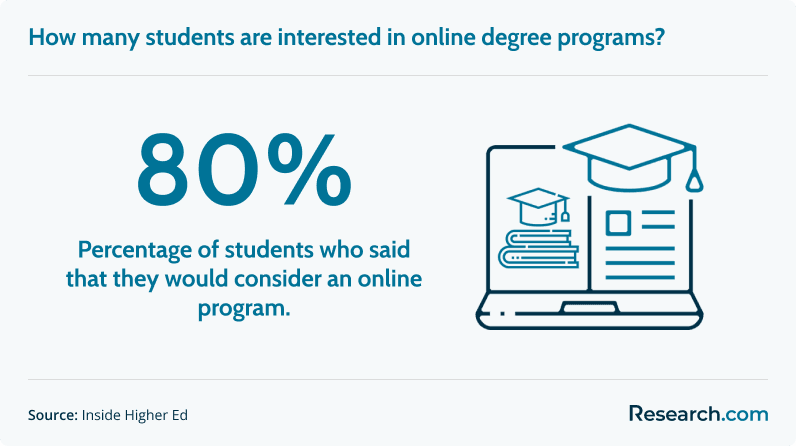
- An online business degree can make school more manageable for students who need to keep working, care for family members, or study from outside a traditional campus setting.
- Business programs often teach transferable skills, including communication, teamwork, problem-solving, budgeting, planning, and decision-making.
- A lower-intensity degree can become a foundation for later certifications, a bachelor’s degree, an MBA, or another graduate credential.
What can I expect from an easy business degree?
An easy business degree usually focuses on broad, practical business knowledge instead of highly technical theory. Students typically study how organizations operate, how teams are managed, how products and services are marketed, how basic financial information is used, and how professionals communicate in business settings.
| What to Expect | What It Means for Students |
| Broad business foundation | Most programs include accounting, marketing, management, business communication, economics, and finance at an introductory or intermediate level. |
| Applied assignments | Students may complete case studies, presentations, business plans, market research projects, or workplace-based assignments instead of relying only on exams. |
| Less advanced math in some tracks | Programs in management, human resources, marketing, or general business administration may be less quantitative than finance, accounting, economics, or analytics programs. |
| Flexible formats | Many manageable programs are offered online, part-time, accelerated, or through competency-based learning. |
| Stackable education options | Students can often begin with an associate degree, transfer into a bachelor’s program, and later pursue certificates or graduate study. |
Completion time varies by degree level. Associate degrees may take 2 years, while accelerated bachelor’s degrees may take 3 years or less in some online or competency-based formats. Some programs that serve working adults may cost less than traditional residential options, with total program costs often discussed in the $15,000 to $30,000 range.
Where can I work with an easy business degree?
A business degree is useful because nearly every organization needs people who understand customers, budgets, operations, teams, and communication. Graduates are commonly prepared for entry-level or early-career roles across private companies, public agencies, nonprofits, healthcare organizations, financial services firms, and small businesses.
- Sales: Business coursework can help you understand customer behavior, sales processes, market demand, and relationship-building.
- Customer Service: Communication, conflict resolution, and service management skills can support roles that involve client interaction and problem-solving.
- Entry-Level Management: With experience, a business degree may help you qualify for supervisor, team lead, or junior management roles.
- Financial Services: Some graduates pursue support roles such as loan officer assistant, customer service representative, or data analyst, although advanced finance roles may require more specialized training.
- Nonprofit Organizations: Nonprofits need business skills for budgeting, fundraising, grant writing, marketing, outreach, and event coordination.
- Healthcare Administration: Business training can support administrative roles in clinics, hospitals, insurance organizations, and healthcare service companies.
How much can I make with an easy business degree?
Income depends on the degree level, employer, location, industry, experience, and role. Graduates with associate’s degrees in Business may see starting salaries in the range of $25,000 to $40,000 annually. Graduates with bachelor’s degrees in business may start between $40,000 and $50,000 per year.
Advanced business degrees can lead to higher earning potential, especially for experienced professionals. According to recruiter surveys, MBA graduates can receive starting salaries of up to $125,000. However, no degree guarantees a specific salary, and outcomes vary by school, work history, industry, and market conditions.
Students who want stronger earning potential should build experience while enrolled, pursue internships, learn data and software tools, develop communication skills, and consider certifications or graduate education when those credentials align with their career goals.
- List of 10 Easiest Business Degrees for 2027
- How long does it take to complete an easy business degree program?
- How does an online business degree compare to an on-campus program?
- What is the average cost of an easy business degree?
- What are the financial aid options for students enrolling in an easy business degree?
- What are the prerequisites for enrolling in an easy business degree?
- What courses are typically in an easy business degree?
- What types of specializations are available in easy business degrees?
- How to choose the best easiest business degrees?
- What career paths are available for graduates of easy business degrees?
- What is the job market for graduates of an easy business degree?
- What steps can I take to secure a cost-effective business degree?
- Could a one year MBA program accelerate my career trajectory?
- Do Employers Recognize and Value Easy Business Degrees?
- How can I leverage internships and hands-on experiences to boost my business career prospects?
- How do online business degrees help you balance work, life, and education?
- Should I Pursue an Advanced Business Degree to Enhance My Career Prospects?
- Is an accelerated business degree program worth the investment?
- Are online accelerated MBA programs a viable fast-track option for advancing my career?
- What networking opportunities do online accelerated business degree programs offer?
- How can complementary accelerated programs diversify my career opportunities?
- What are the emerging trends in business education?
List of 10 Easiest Business Degrees for 2027
How do we rank schools?
Because a business degree requires time and money, rankings should be transparent and based on verifiable information. Research.com uses respected education data sources, including the IPEDS database, Peterson's database and its Distance Learning Licensed Data Set, the College Scorecard database, and the National Center for Education Statistics.
You can review the full ranking process and criteria in our methodology section.
| Rank | School and Program | Best For | Length | Cost | Credits | Accreditation |
| 1 | Southern New Hampshire University Master of Business Administration (MBA) | Working professionals seeking a flexible MBA | 1 year | $19,000 | 30 credits | New England Commission of Higher Education (NECHE) |
| 2 | Purdue University Global Associate of Science in Business Administration (ASB) | Students starting with a foundational business credential | 2 years | $15,000 | 90 credits | Higher Learning Commission (HLC) |
| 3 | Colorado State University Global Bachelor of Science in Healthcare Administration | Students interested in healthcare management | 4 years | $30,000 | 120 credits | Higher Learning Commission (HLC) |
| 4 | Bryan College Associate of Science in Business | Students seeking a shorter business foundation | 2 years | $12,000 | 60 credits | Southern Association of Colleges and Schools Commission on Colleges (SACSCOC) |
| 5 | Concordia University Bachelor of Arts in Business Administration | Students who want business training with liberal arts breadth | 4 years | $40,000 | 120 credits | International Accreditation Council for Business Education (IACBE) |
| 6 | Western Governors University Master of Science in Marketing | Professionals who want competency-based marketing education | 1-2 years | Estimate: $20,000 | N/A | Western Association of Schools and Colleges (WASC) |
| 7 | Florida State University Bachelor of Science in Health Science | Students combining health science and administrative interests | 4 years | $35,000 (in-state tuition) | 120 credits | Southern Association of Colleges and Schools Commission on Colleges (SACSCOC) |
| 8 | University of Southern Indiana Master of Business Administration Online | Professionals who want an online MBA with concentrations | 1 year | $25,000 | 30 credits | Higher Learning Commission (HLC) |
| 9 | Bellevue University Bachelor of Science in Business Administration | Students seeking a broad online-friendly business program | 4 years | $32,000 | 120 credits | North Central Association of Colleges and Schools (NCA) |
| 10 | University of Maryland Global Campus Bachelor of Science in Business Administration | Students balancing business study with work or other obligations | 3.5 years | $20,000 | 120 credits | Middle States Commission on Higher Education (MSCHE) |
1. Southern New Hampshire University Master of Business Administration (MBA)
The online MBA from Southern New Hampshire University is designed for professionals who want graduate-level business training in a flexible format. Students study major business areas such as finance, marketing, operations management, leadership, and strategy. The program may be a practical fit for learners who want to connect coursework quickly to workplace responsibilities.
- Program Length: 1 year
- Tracks/Concentrations: Business analytics, finance, marketing
- Cost: $19,000
- Required Credits to Graduate: 30 credits
- Accreditation: New England Commission of Higher Education (NECHE).
2. Purdue University Global Associate of Science in Business Administration (ASB)
Purdue University Global offers an Associate of Science in Business Administration for students who want to begin with core business knowledge before entering the workforce or continuing into a bachelor’s degree. The curriculum introduces accounting, management, marketing, and other fundamentals while supporting students who need an accessible format.
- Program Length: 2 years
- Tracks/Concentrations: N/A
- Cost: $15,000
- Required Credits to Graduate: 90 credits
- Accreditation: Higher Learning Commission (HLC)
3. Colorado State University Global Bachelor of Science in Healthcare Administration
The Bachelor of Science in Healthcare Administration at Colorado State University Global blends business training with healthcare-focused coursework. Students study healthcare policy, ethics, operations, and management, making the program relevant for learners who want administrative or management-oriented roles in healthcare settings.
- Program Length: 4 years
- Tracks/Concentrations: N/A
- Cost: $30,000
- Required Credits to Graduate: 120 credits
- Accreditation: Higher Learning Commission (HLC)
4. Bryan College Associate of Science in Business
The Associate of Science in Business from Bryan College gives students a shorter route into business fundamentals. Coursework includes subjects such as accounting, economics, and business law, which can support entry-level employment or transfer into a bachelor’s program.
- Program Length: 2 years
- Tracks/Concentrations: N/A
- Cost: $12,000
- Required Credits to Graduate: 60 credits
- Accreditation: Southern Association of Colleges and Schools Commission on Colleges (SACSCOC)
5. Concordia University Bachelor of Arts in Business Administration
The Bachelor of Arts in Business Administration from Concordia University emphasizes business foundations, ethical decision-making, leadership, and communication. Students who want a broad business education with liberal arts elements may find this format appealing, especially if they value internships and applied learning opportunities.
- Program Length: 4 years
- Tracks/Concentrations: N/A
- Cost: $40,000
- Required Credits to Graduate: 120 credits
- Accreditation: International Accreditation Council for Business Education (IACBE)
6. Western Governors University Master of Science in Marketing
The Master of Science in Marketing at Western Governors University is built for professionals who want to deepen skills in marketing strategy, digital marketing, and consumer behavior. Its competency-based model may work well for self-directed students who want to move through familiar material more efficiently while spending more time on areas they need to master.
- Program Length: 1-2 years
- Tracks/Concentrations: N/A
- Cost: Estimate: $20,000
- Required Credits: N/A
- Accreditation: WGU is accredited by the Western Association of Schools and Colleges (WASC).
7. Florida State University Bachelor of Science in Health Science
Florida State University offers a Bachelor of Science in Health Science that can appeal to students interested in healthcare, public health, and administrative roles. Coursework includes health policy, epidemiology, and healthcare management, giving students a foundation for health-related career paths.
- Program Length: 4 years
- Tracks/Concentrations: N/A
- Cost: $35,000 (in-state tuition)
- Required Credits to Graduate: 120 credits
- Accreditation: Southern Association of Colleges and Schools Commission on Colleges (SACSCOC)
8. University of Southern Indiana Master of Business Administration Online
The University of Southern Indiana’s online MBA is structured for professionals who need flexibility while building graduate-level business skills. Concentrations such as data analytics, healthcare administration, and human resources allow students to connect the degree to specific professional goals.
- Program Length: 1 year
- Tracks/Concentrations: Accounting, data analytics, human resources
- Cost: $25,000
- Required Credits to Graduate: 30 credits
- Accreditation: Higher Learning Commission (HLC)
9. Bellevue University Bachelor of Science in Business Administration
Bellevue University offers a Bachelor of Science in Business Administration that covers management, finance, marketing, and operations. Its practical focus may suit students who want broad business preparation that can apply to multiple industries.
- Program Length: 4 years
- Tracks/Concentrations: Accounting, human resource management, international business
- Cost: $32,000
- Required Credits to Graduate: 120 credits
- Accreditation: North Central Association of Colleges and Schools (NCA).
10. University of Maryland Global Campus Bachelor of Science in Business Administration
The University of Maryland Global Campus Bachelor of Science in Business Administration focuses on applied business skills in accounting, finance, marketing, and management. The program is designed for students who need accessible scheduling and want a degree that can support business, management, or entrepreneurship goals.
- Program Length: 3.5 years
- Tracks/Concentrations: Accounting, cybersecurity management, healthcare management
- Cost: $20,000
- Required Credits to Graduate: 120 credits
- Accreditation: Middle States Commission on Higher Education (MSCHE)
What Graduates Say About Earning a Business Degree
-
: "
"My business program connected me with classmates and professionals from many backgrounds. The projects felt practical, and the coursework helped me understand how business problems are handled outside the classroom." - Ken
"
-
: "
"Earning a business degree gave me more confidence in my career planning. The university community, advising, and learning resources helped me grow professionally and personally." - Andy
"
-
: "
"Business school strengthened my time management, discipline, and ability to work with people from different backgrounds. The discussions, projects, and industry connections helped me move forward in my career." - Dona
"
Key Findings
- Business programs are available at the associate, bachelor’s, master’s, and doctoral levels, so students can choose the depth of study that matches their goals.
- According to 2023 data, the average starting salary for MBA graduates is $125,000.
- The median annual salary for business and financial occupations in the United States ranges from around $70,000 to over $100,000, depending on the specific role and level of experience.
- Among business-related occupations, financial managers and management analysts show the highest projected job growth at 16% and 10%, respectively.
- Over 375,400 business degrees were conferred in 2022, making business the most popular field of study among bachelor's degree graduates.
How long does it take to complete an easy business degree program?
Most easy business degree programs take 2 to 4 years, depending on the degree level and enrollment pace. A shorter program can help you enter the workforce sooner, but students should still plan for consistent reading, projects, participation, and exams. If your goal is to finish faster, you may also compare accelerated marketing programs or an accelerated online business degree.
| Degree Type | Typical Full-Time Length | Typical Credits | Best Fit |
| Associate's Degree in Business | 2 years | 60 credit hours | Students who want an entry-level credential or transfer pathway |
| Bachelor's Degree in Business | 4 years | 120 credit hours | Students seeking broader career options and long-term advancement |
| Accelerated business degree | Varies by program | Varies by program | Motivated students who can handle heavier course loads or shorter terms |
| Part-time business degree | Longer than full-time study | Varies by program | Working adults and students with family or scheduling constraints |
- Degree level: Associate degrees are usually shorter than bachelor’s programs, while MBA and doctoral programs are designed for students with prior college experience.
- Enrollment pace: Full-time students generally complete faster than part-time students.
- Transfer credits: Prior college credits can reduce the number of courses you still need to complete if the receiving school accepts them.
- Program design: Accelerated terms, online delivery, and competency-based models can shorten completion time for some students.
How does an online business degree compare to an on-campus program?
Online and campus-based business programs can both be legitimate if they are properly accredited and aligned with your goals. The better choice depends on how you learn, how much structure you need, your schedule, and whether campus networking is important to you.
| Factor | Online Business Degree | On-Campus Business Degree |
| Schedule | Often more flexible, especially when courses are asynchronous | Usually follows fixed class times and campus calendars |
| Learning style | Best for self-directed students who can manage deadlines independently | Best for students who prefer in-person instruction and routine |
| Networking | May include virtual events, online groups, alumni networks, and career services | Often includes face-to-face events, student organizations, and campus recruiting |
| Costs beyond tuition | May reduce commuting, relocation, and housing expenses | May include housing, meal plans, transportation, and campus fees |
| Student experience | Convenient for working adults and remote learners | Stronger fit for students who want campus life and in-person peer interaction |
On-Campus Business Degree
- Structured classroom experience: Students attend scheduled classes and interact directly with instructors and classmates.
- Built-in campus engagement: Campus programs may offer clubs, speaker events, career fairs, and informal networking.
- Consistent routine: A fixed weekly schedule can help students who need external structure to stay on track.
Online Business Degree
- Flexible access: Similar to the easiest online degrees to get, many online business programs let students complete coursework from any location with reliable internet access.
- Work-friendly design: Online formats can help students continue earning income while studying.
- Potential cost savings: Some online programs may reduce total costs by eliminating relocation, housing, and commuting expenses. Students comparing graduate options may also review the cheapest online MBA.
What is the average cost of an easy business degree?
Business degree costs vary widely. Some associate degree programs may have tuition fees around $3,000, while prestigious MBA programs can cost over $100,000. Students should compare total cost, not just tuition, because fees, books, technology charges, commuting, housing, and lost work time can change the real price of a degree.
Associate's Degree
Tuition and fees for an associate's degree in business administration or a related field commonly range from $3,000 to $15,000 per year. Community colleges are often more affordable than four-year institutions, especially for in-district or in-state students.
Bachelor's Degree
Bachelor's degree tuition and fees often range from $10,000 to $40,000 per year at public institutions for in-state residents and from $20,000 to $60,000 per year at private institutions. Public universities usually charge higher tuition to out-of-state students than to in-state students.
Master's Degree
MBA and specialized business master’s programs typically cost from $20,000 to over $100,000 for the full program. Executive MBA programs, which are commonly designed for mid-career professionals, tend to cost more than traditional MBA programs. Students looking for lower-cost graduate study may compare an online MBA less than $10000 in tuition costs.
Doctoral Degree
Doctoral business programs, including Ph.D. and DBA options, can range from $50,000 to over $200,000 in total tuition costs at reputable institutions in the United States. That estimate generally reflects tuition only and may not include books, materials, housing, fees, or living expenses.
What are the financial aid options for students enrolling in an easy business degree?
Even a manageable business degree can be expensive, and the cheapest EMBA degree can still require a major investment. Before enrolling, students should compare aid eligibility, employer benefits, scholarships, payment plans, and transfer credit policies.
- Free Application for Federal Student Aid (FAFSA): The FAFSA is the starting point for many federal grants, loans, and work-study opportunities.
- Federal Pell Grant: This need-based grant supports undergraduate students with exceptional financial need.
- Federal Direct Subsidized Loans: These low-interest loans are available to undergraduate students with demonstrated financial need, and the government pays the interest while eligible students are enrolled at least half-time and during certain grace periods.
- Federal Direct Unsubsidized Loans: These low-interest loans are available to undergraduate and graduate students and are not based on financial need. Borrowers are responsible for interest from the time the loan is disbursed.
- Federal Work-Study: This program allows eligible students to earn money through part-time work on campus or with approved employers.
- State aid: Students should check their state higher education agency for grants and scholarships tied to residency, public institutions, or specific majors.
- Employer tuition assistance: Working adults should ask whether their employer reimburses tuition or pays for job-related business coursework.
- Institutional scholarships: Schools may offer awards based on need, merit, transfer status, military affiliation, or adult learner status.
What are the prerequisites for enrolling in an easy business degree?
Admissions requirements depend on the school, degree level, and program format. Undergraduate programs are usually more accessible than graduate programs, but students should still confirm required documents, GPA expectations, and placement rules before applying.
- High school diploma or equivalent: Most undergraduate business programs require a high school diploma or GED equivalent.
- Standardized test scores: Some undergraduate programs may request SAT or ACT scores. Graduate business programs may request GRE or GMAT scores, although some options, including MBA online programs no GMAT required, may waive that requirement.
- Transcripts: Applicants usually submit official transcripts from high school, prior colleges, or both.
- Minimum GPA: Some programs set a minimum GPA, and more selective schools may expect stronger academic records.
- Prerequisite coursework: Certain programs may require prior courses in math, economics, accounting, or business fundamentals.
- Graduate admissions materials: MBA and master’s applicants may need a resume, statement of purpose, recommendation letters, or work experience.
What courses are typically in an easy business degree?
Manageable business programs usually begin with broad courses that help students understand organizations before moving into specialized topics. These courses are often less technical than advanced finance, accounting, econometrics, or analytics classes, but they still require consistent effort.
- Introduction to Business: This course explains major business functions, including management, marketing, accounting, finance, and operations. A finance degree may also include some of these foundations before moving into more quantitative work.
- Business Communication: Students practice professional writing, presentations, workplace communication, and interpersonal communication.
- Business Law: This class introduces legal concepts that affect organizations, such as contracts, employment law, liability, and consumer protection.
- Principles of Management: Students study leadership, planning, organizing, staffing, motivation, and performance control.
- Business History: This course provides context on how business practices, markets, and organizations have developed over time.
- Organizational Behavior: Students examine motivation, teamwork, leadership, culture, and group dynamics inside organizations.
- Marketing Principles: Coursework may cover customer research, branding, pricing, promotion, and market positioning.
- Basic Accounting or Finance: Students learn how to read financial information, understand budgets, and make basic business decisions using numbers.
What types of specializations are available in easy business degrees?
Business is broad, so choosing a specialization can make your degree more useful and more motivating. Students who want an easier path often choose concentrations that emphasize people, communication, leadership, operations, or applied strategy rather than advanced mathematics.
| Specialization | Best For | Potential Challenge |
| Human Resource Management | Students who enjoy hiring, training, employee relations, and workplace policy | Requires strong judgment, communication, and knowledge of employment practices |
| Business Administration | Students who want the broadest business foundation and flexible career options | May feel general unless paired with internships, projects, or certificates |
| Marketing | Students interested in customers, campaigns, branding, content, and market research | Increasingly requires digital skills, analytics awareness, and portfolio evidence |
| Management | Students interested in leadership, teams, operations, and organizational performance | Advancement often depends on work experience, not just coursework |
- Human Resource Management: This concentration focuses on recruitment, employee relations, training, development, and workplace policy.
- Business Administration: This generalist option covers major business functions and can work well for students who want flexibility.
- Marketing: This path emphasizes customers, market research, strategy, branding, and campaigns. Students who want deeper training can later pursue a full marketing degree.
- Management: This specialization explores leadership, team building, planning, decision-making, and organizational behavior.
Students can also use a business degree as a foundation for related credentials, including a cheap project management degree online.
How to choose the best easiest business degrees?
The best easy business degree is not simply the least demanding program. It is the program that you can finish, afford, and use. Before enrolling, compare fit, accreditation, curriculum, transfer options, career services, cost, and student support.
1. Match the degree to your strengths
If you dislike advanced math, a general business, management, marketing, or human resources program may feel more manageable than finance, accounting, economics, or analytics. If you enjoy data and structured problem-solving, a more quantitative path may be worth the challenge.
2. Read the curriculum before applying
Do not rely only on the program title. Review every required course, math requirement, capstone, internship expectation, and technology requirement. A program that looks easy on the surface may include statistics, accounting, finance, or analytics courses that require extra preparation.
3. Verify accreditation and reputation
Accreditation matters because it affects transfer credits, employer recognition, graduate school eligibility, and access to certain forms of financial aid. Students should also consider whether the program reflects the standards associated with quality of education.
4. Connect the program to a career goal
A broad business degree can be useful, but it becomes stronger when tied to a role. If you want marketing, build a portfolio. If you want HR, look for internships or HR-related coursework. If you want management, gain supervisor or team leadership experience while studying.
5. Choose a format you can sustain
Online, evening, part-time, and accelerated programs solve different problems. Online learning helps with location and schedule. Part-time study can lower stress. Accelerated study can shorten time to completion but may feel intense. The easiest format is the one you can follow consistently.
Questions to ask before choosing a business program
- Is the institution regionally or nationally accredited by a recognized accreditor?
- Will my credits transfer if I later switch schools or continue into a bachelor’s program?
- What is the total cost after tuition, fees, books, technology charges, and living expenses?
- Are courses asynchronous, synchronous, or hybrid?
- How often are classes offered, and can I pause or reduce my course load if needed?
- Does the program include internships, career coaching, résumé support, or employer connections?
- What business software, data tools, or certifications can I build alongside the degree?
- Are salary or job placement claims based on recent, verifiable data?
The chart below highlights the highest-paying industries for business majors:
What career paths are available for graduates of easy business degrees?
Business graduates can pursue roles across many sectors because employers need people who can organize information, communicate clearly, support customers, coordinate projects, and improve operations. Recruiters and employers also value business graduates' data analysis and communication skills, along with the ability to think strategically and solve practical problems.
| Career Path | What You May Do | How to Strengthen Your Candidacy |
| Business Administration Specialist | Support departments, prepare reports, coordinate schedules, and assist managers | Build Excel, communication, and office software skills |
| Sales Associate | Sell products or services, manage customer relationships, and track sales activity | Develop negotiation, CRM, and product knowledge skills |
| Marketing Assistant | Support campaigns, social media, content, research, and event planning | Create a portfolio and learn digital marketing tools |
| Recruitment Coordinator | Screen applicants, schedule interviews, support hiring processes, and update applicant systems | Study HR practices and gain experience with applicant tracking systems |
| Office Manager | Oversee office operations, budgets, vendors, staff coordination, and administrative procedures | Strengthen organization, budgeting, leadership, and communication skills |
- Business Administration Specialist: These professionals support managers, departments, and business operations through administrative coordination and reporting.
- Sales Associate: Sales associates help customers, explain products or services, build relationships, and support revenue goals.
- Marketing Assistant: Marketing assistants may help with social media, content, campaigns, research, and performance tracking.
- Recruitment Coordinator: Recruitment coordinators support hiring by sourcing candidates, reviewing applications, scheduling interviews, and communicating with applicants.
- Office Manager: Office managers coordinate daily operations, supervise administrative work, track budgets, and keep teams organized.
Some students use business training to prepare for global roles. If you are considering that direction, reviewing what you can do with an international business major can help you compare domestic and international business paths.
What is the job market for graduates of easy business degrees?
The U.S. Bureau of Labor Statistics projects growth in several business and financial occupations. Employment of financial analysts is expected to grow by 8% until 2032. Management analyst jobs are projected to grow by 10% over the same period. Overall, more than 911,000 openings in business and financial occupations are expected each year until 2032.
Business degrees remain useful because the skills transfer across industries. Employers hire business graduates for communication, organization, analysis, customer understanding, and operational support. However, competition can be strong for desirable roles, so students should not rely on the degree alone. Experience, internships, software skills, and measurable achievements make a major difference.
Business graduates also report personal value from their education, with over 50% saying it enriched their lives. The chart below shows the top goals students achieved after pursuing graduate business education.
What steps can I take to secure a cost-effective business degree?
To keep a business degree affordable, focus on total value rather than the lowest advertised tuition. A low-cost program is only worthwhile if it is accredited, transferable, supported by adequate advising, and aligned with realistic career outcomes. Students comparing flexible options may find a cheap online business degree useful if it balances price with quality.
- Start at a community college if transfer is clear. An associate degree can lower the cost of the first 60 credits, but only if the credits transfer smoothly into a bachelor’s program.
- Ask for a full cost breakdown. Include tuition, fees, books, software, exam fees, graduation fees, and any required campus visits.
- Use transfer and prior learning credits. Some schools award credit for previous college work, military training, professional certifications, or workplace learning.
- Apply for aid early. Submit the FAFSA and check institutional, state, and private scholarships before deadlines.
- Compare program length. A shorter program may reduce living expenses or time away from work, but accelerated courses can be demanding.
- Check employer benefits. Tuition reimbursement can significantly reduce out-of-pocket costs for working adults.
Could a one year MBA program accelerate my career trajectory?
A one year MBA can be useful for professionals who already have business experience and want a faster graduate credential. These programs compress management, finance, strategy, leadership, and innovation coursework into a shorter timeline, which can help students apply new skills quickly without spending multiple years in school.
The trade-off is intensity. A shorter MBA may require a heavier workload, fewer breaks, and strong time management. Before choosing a one year MBA, compare the curriculum, accreditation, cohort format, career services, alumni network, and whether the program fits your work schedule.
Do Employers Recognize and Value Easy Business Degrees?
Employers are more likely to value an easy business degree when it comes from an accredited institution and is supported by relevant experience. Hiring managers may question credentials that appear too quick or too vague, so students should be ready to show what they learned and how they applied it.
You can strengthen employer confidence by completing internships, building a project portfolio, learning business software, earning role-specific certifications, and documenting measurable workplace achievements. For students interested in operations and leadership credentials, options such as the cheapest online MBA programs in project management may add career relevance when they match professional goals.
How can I leverage internships and hands-on experiences to boost my business career prospects?
Practical experience helps turn a general business degree into a stronger career asset. Employers often want evidence that you can work with teams, solve problems, meet deadlines, communicate professionally, and use business tools in real settings.
- Pursue internships in your target field: Marketing, finance, management, HR, sales, and operations internships can help you test career interests and build relevant experience.
- Use job shadowing to clarify career fit: Observing professionals at work can help you understand daily responsibilities before committing to a path.
- Choose project-based courses: Real or simulated business projects can help you demonstrate problem-solving, teamwork, research, and presentation skills.
- Network during internships: Ask thoughtful questions, request feedback, and build relationships with supervisors and colleagues who may become references or mentors.
- Use campus and online career resources: Career centers, business clubs, alumni groups, and employer panels can connect you with internships and entry-level opportunities.
- Track your results: Save examples of reports, presentations, campaigns, process improvements, or measurable contributions when confidentiality rules allow.
Emerging Trends in Business Education: What to Expect in 2024
Business education continues to evolve as employers look for graduates who can use data, understand technology, communicate clearly, and make responsible decisions. One important trend is stronger data analytics training. Programs such as an affordable online MBA in Business Analytics can help students build data-driven decision-making skills for areas such as finance, marketing, healthcare, and operations.
Sustainability and corporate social responsibility are also becoming more visible in business curricula. As organizations focus on environmental, social, and ethical performance, students may see more coursework in sustainable business practices, governance, and responsible leadership.
Technology-focused coursework is another major shift. Digital transformation has made topics such as automation, analytics, online marketing, and AI-supported decision-making more relevant even in general business programs.
How do online business degrees help you balance work, life, and education?
Online business degrees can make school more realistic for students who cannot attend campus on a fixed schedule. Many online programs use asynchronous courses, allowing students to watch lectures, complete assignments, and participate in discussions at times that fit around work and family responsibilities.
This flexibility does not mean the degree is effortless. Online students need reliable technology, time management, self-discipline, and a weekly study plan. The advantage is control: students can often study from home, reduce commuting, and apply business concepts immediately in their current jobs.
For students considering accelerated bachelor's degree business administration programs, the online format can shorten the path to graduation while preserving flexibility. However, accelerated online courses can move quickly, so students should confirm weekly workload expectations before enrolling.
Should I Pursue an Advanced Business Degree to Enhance My Career Prospects?
An advanced business degree may be worthwhile if your target role requires graduate education, if you want to move into leadership, or if you need specialized knowledge that your undergraduate degree did not provide. MBA, DBA, and specialized master’s programs can strengthen strategic thinking, analysis, leadership, and professional networks.
However, graduate school is not always the next best step. If you lack experience, a stronger move may be to work, earn certifications, or build a track record before investing in another degree. Professionals who want doctoral-level business education with flexibility may compare online DBA programs, especially if they are interested in executive leadership, consulting, teaching, or applied research.
Is an accelerated business degree program worth the investment?
An accelerated business degree can be worth it for students who want to finish faster and can handle an intensive pace. These programs may reduce time to completion and help students enter or advance in the workforce sooner. They are often a good fit for motivated learners, students with transfer credits, and working adults who can plan study time carefully.
The main risk is overload. Shorter terms can mean more reading, assignments, and exams in less time. Before enrolling, compare academic support, tutoring, advising, course availability, transfer policies, and career services. Reviewing options such as 1 year associate degree programs online can help you understand how accelerated formats differ by school and degree level.
Are online accelerated MBA programs a viable fast-track option for advancing my career?
Online accelerated MBA programs can be a viable fast-track option for experienced professionals who need flexibility and already understand basic business concepts. These programs often use intensive coursework, case studies, and applied projects to help students connect strategy, leadership, finance, and operations to workplace decisions.
They are not ideal for everyone. Students who need more time to absorb quantitative material, who have unpredictable work schedules, or who want a slower networking experience may prefer a traditional or part-time MBA. For detailed comparisons of faster graduate business pathways, review online accelerated MBA programs.
What networking opportunities do online accelerated business degree programs offer?
Online accelerated business programs may include virtual networking events, live classes, alumni groups, employer webinars, mentorship sessions, consulting-style projects, and group case studies. These experiences can help students build professional relationships without relocating or pausing work.
Because accelerated programs move quickly, students should be intentional about networking from the first term. Attend optional events, introduce yourself to classmates, connect with alumni, and use career services early. Students comparing intensive graduate options can explore one year MBA programs to see how different schools structure networking in a compressed format.
How can complementary accelerated programs diversify my career opportunities?
Complementary accelerated programs can help business graduates move into industries that require both management knowledge and technical context. For example, combining business training with project management, healthcare administration, analytics, construction management, or technology coursework can make a graduate more useful in specialized environments.
Industry-specific programs, including accelerated online construction management programs, can add practical knowledge that supports operations, budgeting, scheduling, vendor coordination, and cross-functional leadership.
What are the emerging trends in business education?
Business education is changing because employers increasingly expect graduates to understand technology, data, ethics, global markets, and human-centered leadership. Students pursuing easier business degrees should still pay attention to these trends so their education remains relevant.
- Growth of Online Business Schools: Online delivery has expanded access to business education for working adults, remote learners, and students who need flexible scheduling. Students comparing flexible options can review online business school programs.
- Data-Driven Decision Making: Business programs increasingly include data literacy so students can interpret reports, measure performance, and support decisions in marketing, operations, finance, and management.
- Focus on Sustainability: Courses in corporate social responsibility, ethical leadership, and sustainable business practices are becoming more common as organizations respond to environmental and social expectations.
- Rise of Micro-Credentials: Short credentials in areas such as digital marketing, entrepreneurship, project management, and analytics can help students add job-specific skills to a broad business degree.
- Integration of Artificial Intelligence (AI): Business schools are beginning to address AI use in marketing, finance, operations, automation, and decision-making.
- Personalized Learning Experiences: Adaptive platforms and online tools can help students move through material at different speeds and focus on areas where they need improvement.
- Increased Emphasis on Soft Skills: Communication, leadership, adaptability, teamwork, and problem-solving remain central to business education because employers continue to value them.
- Global Perspectives in Curriculum: International trade, cross-cultural management, and global supply chains are increasingly important as companies operate across borders.
How can you supplement your easy business degree with additional skills?
A general business degree becomes more powerful when paired with specific, marketable skills. Students should choose add-on skills based on the roles they want, not simply because a skill is popular.
- Technical skills: Learn spreadsheet analysis, presentation tools, data visualization, CRM platforms, project management software, or industry-specific systems.
- Communication skills: Strengthen writing, public speaking, negotiation, interviewing, and professional email communication.
- Leadership and management skills: Build skills in team coordination, project planning, conflict resolution, supervision, and performance feedback.
- Digital marketing: Study social media marketing, SEO, content planning, email marketing, analytics, and paid advertising fundamentals.
- Financial literacy: Learn budgeting, financial statements, forecasting, cost control, and basic financial analysis.
- Data literacy: Practice interpreting dashboards, reading business reports, identifying trends, and explaining numbers clearly to nontechnical audiences.
Common mistakes to avoid when choosing an easy business degree
| Mistake | Why It Can Hurt You | Better Approach |
| Choosing only because a program looks easy | A weak credential may not help with employment, transfer, or graduate school | Choose a program that is manageable, accredited, and career-relevant |
| Ignoring accreditation | Credits may not transfer, and employers may question the degree | Verify institutional and programmatic accreditation before applying |
| Looking only at tuition | Fees, books, software, and living costs can raise the real price | Compare total cost of attendance and net price after aid |
| Assuming online means easier | Online courses require self-discipline and strong time management | Ask about weekly workload, deadlines, and instructor support |
| Choosing a broad degree without building experience | General business knowledge may not stand out in competitive hiring | Add internships, projects, certifications, or software skills |
| Trusting salary claims without context | Salary outcomes vary by experience, location, role, and employer | Use salary data carefully and compare it with your target market |
Key Insights
- The easiest business degrees are often in business administration, management, marketing, and human resources because they tend to emphasize practical business skills over advanced quantitative theory.
- “Easy” should mean flexible and manageable, not low quality. Accreditation, transferability, curriculum, cost, and career support are still essential.
- Associate degrees can provide a shorter entry point, while bachelor’s degrees usually offer broader career options. MBA and DBA programs are better suited for professionals with clearer advancement goals.
- Online programs can help students balance work, life, and school, but they require discipline, planning, and reliable technology.
- Business graduates can pursue roles in administration, sales, marketing, recruitment, office management, financial services support, nonprofits, healthcare administration, and more.
- Career outcomes improve when students add internships, hands-on projects, software skills, communication skills, data literacy, and role-specific credentials.
- Before enrolling, compare total cost, financial aid, transfer credits, academic support, career services, and whether the program’s courses actually match the job you want.
References:
- Coffey, L. (2023, November 13). Survey: Public perception of online education is improving. Inside Higher Ed | Higher Education News, Events and Jobs.
- National Association of Colleges and Employers. (2022). Starting salary projections for class of 2022 new college graduates. NACE.
- U.S. Bureau of Labor Statistics. (2023). Field of degree: Business. BLS.
- U.S. Bureau of Labor Statistics. (2023). Management occupations (major group). BLS.
- Zippia. (2023, September 14). Average business major salary. Zippia.
Other Things You Should Know About the Easiest Business Degrees
Admission requirements for easy business degree programs in 2027 typically include a high school diploma or GED, a minimum GPA of 2.5, and completion of prerequisite courses in math and English. Some programs may also require SAT or ACT scores.
Most business associate and bachelor’s programs require 15 to 45 general education credits before upper-division business courses begin. Common subjects include English composition, college math, economics, and basic communication. Transfer students may use approved prior coursework or CLEP credit to meet some of these requirements.