
2027 How to Become a Private School Teacher in Oklahoma: Requirements & Certification

Co-Founder and Chief Data Scientist
Becoming a private school teacher in Oklahoma is less about following one fixed state licensure path and more about matching your education, classroom skills, subject expertise, and values to the expectations of individual schools. Private schools can set their own hiring standards, so one school may strongly prefer state certification while another may place more weight on experience, faith alignment, subject mastery, or a specialized teaching background.
This guide is for aspiring teachers, career changers, recent education graduates, substitute teachers, preschool educators, and current public school teachers considering private education in Oklahoma. You will learn what private schools typically look for, how certification works, what costs and timelines to expect, how salaries compare, and how to choose the pathway that fits your goals.
Quick answer: How do you become a private school teacher in Oklahoma?
Most candidates become private school teachers in Oklahoma by earning a bachelor’s degree, building classroom experience, completing background checks, and applying directly to private schools whose mission and curriculum match their strengths. A state teaching certificate is not always legally required for private school roles, but many schools prefer it because it signals formal preparation and professional credibility.
Key things to know before you apply
- Most private schools expect applicants to have a bachelor’s degree, although some schools may evaluate alternative qualifications, professional experience, or specialized subject expertise.
- Fingerprinting and background checks are standard parts of the hiring process because schools must protect student safety.
- Applicants should budget for background check and fingerprinting fees, which vary by provider and school process.
- Private school requirements are not identical across Oklahoma. Always review the standards of each school before assuming your degree, certificate, or experience will be accepted.
- Education requirements for private school teachers in Oklahoma
- Licensure, application, and renewal considerations
- Can a certificate alone qualify you to teach?
- Average private education program costs in Oklahoma
- Typical timeline to become a private school teacher
- Total cost to prepare for private school teaching
- Job outlook for Oklahoma private school teachers
- Private school teacher salary in Oklahoma
- Career paths for private school teachers
- How to choose the best pathway
- Other education careers in Oklahoma
- Certifications that can strengthen your teaching profile
- Long-term advancement options
- Preschool teacher transition requirements
- Whether a teaching degree is worth the investment
- Support systems for private school teachers Pathway planning Career options
- Why an online education degree may make sense
- Subject-specific certifications for private schools
- Professional development opportunities
- Certification pathways in Oklahoma
- Online private school teaching certification options Certification routes Professional growth
- Private school interview preparation
- Building a private school network
- Using technology in private school classrooms Networking Interview strategy Training Common mistakes
What are the educational requirements for private school teachers in Oklahoma?
Oklahoma private schools usually look for teachers who can demonstrate both subject knowledge and the ability to manage a classroom. Because private schools have more flexibility than public schools, the exact requirements depend on the school’s governance, grade level, curriculum, religious affiliation, accreditation status, and student population.
If you are comparing state requirements more broadly, reviewing the Montana teaching license application can help you see how teacher preparation processes differ across states.
- Earn a bachelor’s degree: A bachelor’s degree is the most common baseline qualification. Education majors are common, but private schools may also hire candidates with degrees in mathematics, science, English, history, theology, music, or another teachable subject.
- Build formal teaching preparation: A teacher preparation program can help you develop lesson planning, assessment, classroom management, child development, and instructional design skills. This is especially useful if your undergraduate degree was not in education.
- Consider state certification: Private schools in Oklahoma are not always required to hire state-certified teachers, but certification can make your application stronger and may be required by some schools.
- Use advanced education strategically: A master’s degree can be useful for specialized subjects, leadership roles, curriculum work, or higher grade levels. It is not always necessary for entry-level private school teaching, so weigh the cost against your target roles.
- Commit to continuing education: Private schools often expect teachers to keep improving through workshops, conferences, professional reading, peer collaboration, and school-based training.
| Requirement | How it helps | When it matters most |
| Bachelor’s degree | Shows academic preparation and subject knowledge | Most full-time classroom teaching roles |
| Teacher preparation program | Develops practical teaching and classroom management skills | Career changers and non-education majors |
| State teaching certificate | Strengthens credibility and may satisfy school hiring policies | Schools that prefer certified educators or follow accreditation expectations |
| Advanced degree | Can support specialization, leadership, or higher-level teaching | Department chair, curriculum, administration, or advanced subject roles |
| Professional development | Keeps teaching methods current and effective | All teachers, especially those seeking advancement |
According to the National Center for Education Statistics, approximately 32% of private school teachers have a decade or more of teaching experience. That matters for new applicants because many private schools value maturity, classroom confidence, and evidence that a teacher can stay effective over time.
What is the licensure application and renewal process for private school teachers in Oklahoma?
Private school teachers in Oklahoma are not generally required to hold the same state-issued license required for public school teaching. However, licensure can still be valuable. Some private schools prefer certified teachers, some require certification for certain positions, and some may view it as evidence that you have completed a recognized preparation pathway.
If you want to expand your education credentials beyond classroom teaching, programs such as the best library science degrees may also be relevant for school library, media, research, or instructional resource roles.
- Check each school’s stated requirements: Do not assume one private school’s policy applies to all. Review job postings, employee handbooks, accreditation expectations, and school mission statements.
- Confirm your degree fit: Many schools expect at least a bachelor’s degree in education or a relevant subject area. Some may give additional weight to graduate study, ministry training, Montessori preparation, special education coursework, or subject-specific credentials.
- Decide whether certification is worth pursuing: If you want broader job mobility, stronger credibility, or the option to move into public education later, state certification may be a smart step.
- Prepare for background screening: Fingerprinting and background checks are common in private school hiring and may be required before you begin working with students.
- Track renewal obligations if you become certified: If you hold a state certificate, follow the renewal rules tied to that credential, even if your private school does not require it for employment.
| Question | What to verify before applying |
| Does the school require state certification? | Ask whether certification is required, preferred, or optional for the exact role. |
| Does the school require a specific degree? | Confirm whether your major aligns with the grade level or subject you want to teach. |
| Will background checks be required? | Ask when fingerprinting and screening occur and who pays the fees. |
| Is the school accredited? | Accreditation can influence curriculum standards, teacher expectations, and family confidence. |
| Are renewal or continuing education hours expected? | Some schools require ongoing professional development even when state licensure is not mandatory. |
Can I become a private school teacher in Oklahoma with just a certificate?
A certificate may help you qualify for some private school roles, but it should not be treated as a guaranteed substitute for a degree. Oklahoma private schools can set their own hiring policies, and many still expect a bachelor’s degree. Some schools may be more flexible if you bring strong subject expertise, extensive experience with children, ministry or community leadership, tutoring experience, substitute teaching, or specialized training.
- Start with the school, not the credential: Identify the schools where you want to work, then compare their stated requirements.
- Understand what your certificate represents: A certificate may show training in a specific subject, grade level, pedagogy area, or alternative route, but schools will still evaluate your complete background.
- Gain supervised classroom experience: Tutoring, substitute teaching, student teaching, youth programming, coaching, or classroom aide work can make a certificate-only profile more competitive.
- Customize your application: Use your resume and cover letter to connect your certificate, experience, and teaching philosophy to the school’s mission.
- Stay open to entry points: Smaller schools, specialized programs, tutoring-based roles, enrichment classes, or assistant teaching positions may offer a practical starting point.
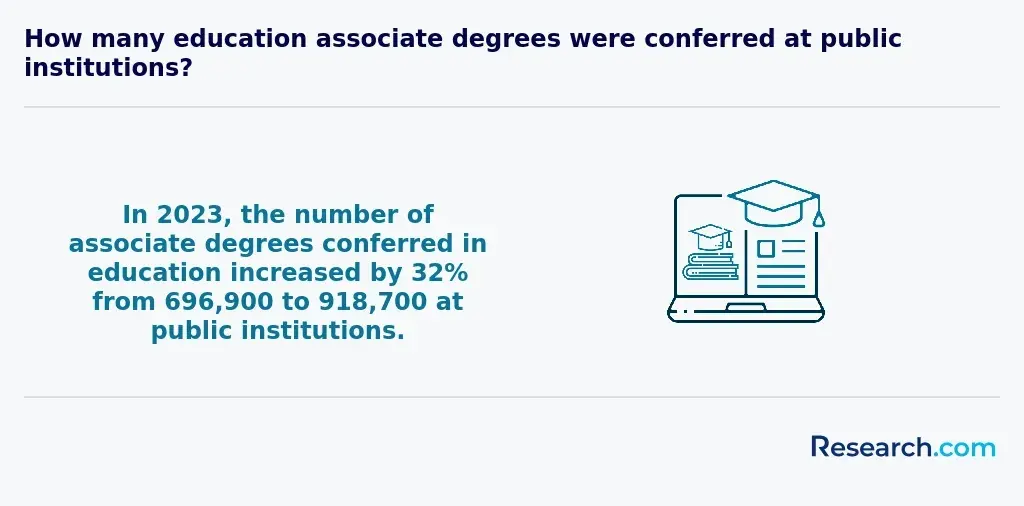
In the 2022-2023 academic year, postsecondary institutions awarded a total of 5.1 million degrees and certificates, ranging from sub-baccalaureate certificates to doctorates. Notably, there was a 32% increase in the number of associate degrees conferred during this period. For aspiring teachers, the takeaway is that certificates are common and useful, but they should be evaluated based on how closely they match the job you want.
What is the average cost of private education programs in Oklahoma?
The cost of private education in Oklahoma can vary substantially by institution, grade level, location, facilities, religious affiliation, and services offered. Annual tuition at private institutions can range from around $2,500 to upwards of $24,000. Families often pay between $8,000 and $12,000 annually, though individual schools may fall below or above that range.
For future teachers, these figures matter for two reasons. First, tuition revenue can affect staffing, class size, benefits, classroom resources, and program offerings. Second, understanding the financial model of private schools can help you evaluate whether a school’s expectations, compensation, and workload are sustainable for you.
| Cost factor | Why it matters to future teachers |
| Tuition level | Can influence staffing budgets, classroom resources, and program breadth. |
| Class size | May affect workload, parent communication, grading, and individual student support. |
| Academic reputation | Schools such as Augustine Christian Academy and Bishop McGuinness High School may attract families who closely evaluate outcomes such as ACT averages. |
| Mission or affiliation | Faith-based or mission-driven schools may include expectations beyond classroom instruction. |
| Student services | Special education support, counseling, enrichment, athletics, and arts programming can shape teacher responsibilities. |
How long does it take to become a private school teacher in Oklahoma?
The timeline depends on your current education, whether you pursue certification, and the type of school you want to join. For many candidates, the preparation period is four to five years, but career changers and already-degreed applicants may move faster if a school accepts their background.
- Bachelor’s degree: A traditional bachelor’s degree usually takes four years of full-time study.
- Teacher preparation: If you complete a teacher preparation program after or alongside your degree, the additional time can vary; some routes may add about a year.
- Certification exams: If you pursue a teaching certificate, exam preparation and testing can take several months.
- Hiring process: Private school hiring may include interviews, demonstration lessons, reference checks, background checks, and mission-fit conversations.
- Ongoing development: Professional growth continues after hiring through workshops, mentoring, curriculum training, and school-specific expectations.
| Starting point | Likely next steps | Estimated path |
| High school graduate | Earn a bachelor’s degree, gain teaching experience, apply to schools | Often four to five years |
| Bachelor’s degree holder in a non-education field | Add teacher preparation, certification, tutoring, substitute teaching, or subject-specific experience | Varies by school and credential route |
| Certified public school teacher | Research private schools, tailor applications, prepare for mission-fit interviews | May transition more quickly |
| Preschool or childcare educator | Document early childhood experience, complete additional coursework if needed, target age-appropriate roles | Depends on grade level and school requirements |
According to the National Center for Education Statistics, traditional public school teachers were more likely to have postbaccalaureate degrees than teachers in public charter or private schools in the 2020-2021 school year. Specifically, 62% of traditional public school teachers held postbaccalaureate degrees, compared to 51% of public charter teachers and 50% of private school teachers.
How much does it cost to become a private school teacher in Oklahoma?
The cost to prepare for a private school teaching career depends on your education route, certification decisions, testing needs, and job search expenses. Aspiring private school teachers in Oklahoma should anticipate initial costs ranging from $10,950 to $41,200, depending on their educational path and personal choices.
- Degree costs: Tuition for a four-year degree can range from $10,000 to $40,000 annually, depending on whether you attend a public or private institution.
- Certification expenses: If you pursue a teaching certificate, certification exams and preparation courses can total around $500 to $1,000.
- Background checks: Background screening can cost between $50 and $100.
- Professional development: Workshops, conferences, and continuing education may require around $200 to $500 annually.
- Classroom materials: Teachers may spend $200 or more each year on supplies, depending on school reimbursement policies and classroom needs.
| Expense | Amount stated | How to manage it |
| Four-year degree tuition | $10,000 to $40,000 annually | Compare public and private institutions, transfer credits, scholarships, and online options. |
| Certification exams and preparation | Around $500 to $1,000 | Confirm whether certification is required for your target schools before paying for exams. |
| Background check | Between $50 and $100 | Ask whether the school covers the fee or reimburses new hires. |
| Professional development | Around $200 to $500 annually | Look for employer-paid training, association discounts, and school-based workshops. |
| Classroom supplies | $200 or more each year | Ask about classroom budgets, reimbursement policies, and parent-supported supply lists. |
What is the job outlook for private school teachers in Oklahoma?
The private school teacher job market in Oklahoma is generally stable, but it is smaller and more relationship-driven than the public school market. Openings may depend on enrollment, budget changes, retirements, subject shortages, school expansion, and turnover. Candidates with strong subject expertise, classroom experience, technology skills, and alignment with a school’s mission may be more competitive.
- Research schools individually: Private schools differ in curriculum, faith orientation, governance, accreditation, grade levels, and hiring timelines.
- Target high-need subjects: STEM, special education, advanced coursework, and specialized electives may offer stronger opportunities. If special education interests you, explore online special education curriculum programs to understand advanced preparation options.
- Use substitute teaching strategically: Substitute work can help you learn school cultures, build references, and become known to administrators.
- Network before openings appear: Many private school roles are filled through referrals, professional associations, alumni networks, and direct outreach.
- Show mission fit: A strong private school application explains why you are suited to that specific school, not just why you want to teach.
How much do private school teachers in Oklahoma make?
Private school teachers in Oklahoma often earn less than public school teachers, though compensation varies by school type, grade level, subject, credentials, experience, and benefits. The average salary for a private school teacher in Oklahoma ranges from $30,000 to $50,000 annually.
Educators who want to improve their qualifications may consider affordable graduate or subject-area programs, including affordable online MFA programs or other cost-conscious education options.
- Experience affects pay: Teachers with several years of classroom experience, specialized expertise, or advanced degrees may qualify for higher compensation.
- Benefits change the real value of an offer: Health insurance, retirement plans, tuition discounts, professional development funding, and paid planning time can meaningfully affect total compensation.
- School type matters: Religious-affiliated schools and independent private schools may have different salary structures and budget models.
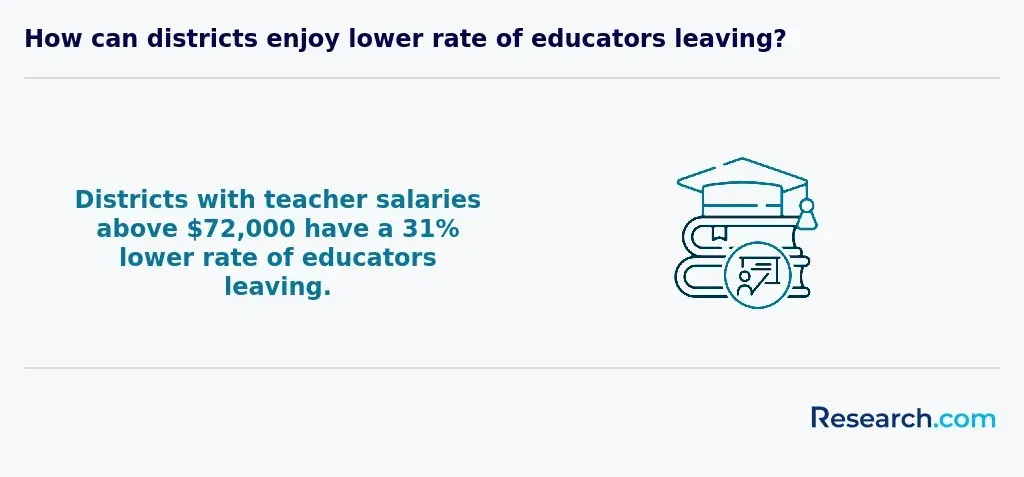
- Retention can be tied to compensation: Some private schools may face teacher retention challenges when salaries are low. Schools that offer salaries above $72,000 tend to have lower rates of teacher turnover.
| Compensation factor | What to ask before accepting an offer |
| Base salary | Is the salary annual, contract-based, or tied to the academic year? |
| Benefits | Are health insurance, retirement, tuition discounts, or paid leave included? |
| Workload | How many classes, preps, students, duties, and extracurricular responsibilities are expected? |
| Professional development | Does the school pay for conferences, certification renewal, or graduate coursework? |
| Advancement | Are there salary increases for experience, advanced degrees, leadership, or added responsibilities? |
What career paths are available for private school teachers in Oklahoma?
Private school teaching can lead to several education careers, especially for teachers who build a record of strong instruction, parent communication, curriculum leadership, and student support. The best path depends on whether you want deeper classroom specialization, leadership responsibility, or a shift into another education-related role.
- Classroom teacher: Many educators begin with elementary, middle school, or high school teaching and build expertise in lesson design, student engagement, assessment, and parent communication.
- Specialized teacher: Teachers may move into special education, ESL, gifted education, arts, theology, or subject-specific roles. Exploring secondary education degrees can help clarify preparation for middle and high school teaching.
- Curriculum developer: Experienced educators may design units, assessments, instructional materials, and school-wide learning frameworks.
- Department chair or instructional lead: Teachers with strong peer leadership skills may coordinate subject teams, mentor new teachers, or lead grade-level planning.
- Administrator: With additional preparation and leadership experience, teachers may pursue assistant principal, principal, admissions, student life, or academic dean roles.
- Instructional coach: Coaches support other teachers through observation, feedback, modeling lessons, and professional development.
| Career direction | Best fit for teachers who... | Preparation to consider |
| Classroom teaching | Enjoy direct student interaction and daily instruction | Bachelor’s degree, classroom experience, subject knowledge |
| Specialized instruction | Want to serve specific learners or teach a focused subject | Special education, ESL, STEM, arts, or subject certification |
| Curriculum development | Like designing learning materials and improving academic programs | Advanced coursework, assessment knowledge, instructional design experience |
| School leadership | Want to influence policy, staffing, culture, or school operations | Graduate study, leadership experience, mentoring, administration training |
| Instructional coaching | Enjoy helping other teachers improve practice | Strong teaching record, observation skills, professional development training |
How do you choose the right pathway to become a private school teacher in Oklahoma?
The right pathway depends on your starting point, target grade level, subject area, budget, and whether you want flexibility to teach in public schools later. A current college student, a career changer with a STEM degree, a preschool teacher, and a certified public school teacher may all need different strategies.
If affordability is your main concern, compare alternative routes and lower-cost credential options carefully. Researching the cheapest teaching credential program in Oklahoma can help you identify ways to prepare without taking on unnecessary costs.
| Your situation | Best pathway to consider | Why it may work |
| You do not have a degree yet | Bachelor’s degree in education or a teachable subject | Builds the foundation most private schools expect. |
| You have a non-education bachelor’s degree | Alternative certification, teacher preparation, tutoring, or substitute teaching | Connects your subject expertise to classroom practice. |
| You are already certified | Direct private school applications and mission-fit preparation | Your credential may make you competitive if the school values certification. |
| You want a faith-based school | Subject preparation plus demonstrated alignment with the school’s mission | Some roles may evaluate both academic and community fit. |
| You want leadership later | Teaching experience plus graduate study or leadership training | Supports future roles in administration, curriculum, or department leadership. |
Before choosing a route, ask target schools three direct questions: What education level do you require? Do you prefer or require Oklahoma certification? What experience makes a candidate stand out? Those answers will prevent you from paying for credentials that do not improve your hiring chances.
What other careers in education are available in Oklahoma?
If you want to work with students but are not sure classroom teaching is the right long-term fit, Oklahoma offers other education-related paths. Speech-language pathology is one example, especially for professionals interested in communication development, assessment, and individualized student support. Learn more through this guide on How to become a speech pathologist in Oklahoma.
What additional certifications can boost my teaching career in Oklahoma?
Additional certifications can help you stand out when they match real school needs. Private schools may value teachers who can support students with learning differences, teach high-demand subjects, lead enrichment programs, or bring specialized instructional methods into the classroom. If you want to expand your ability to serve diverse learners, review how to become a special education teacher in Oklahoma.
What are the long-term career advancement prospects for private school teachers in Oklahoma?
Private school teachers can advance by becoming department heads, instructional coordinators, curriculum leaders, admissions staff, student life directors, or administrators. Advancement usually depends on classroom results, professional trust, leadership ability, communication with families, and alignment with the school’s mission.
In faith-based private schools, a theology degree may be relevant for religion instruction, chaplaincy-adjacent work, curriculum leadership, or mission-centered administrative roles. The value of this degree depends on the school’s religious identity and the specific position.
What are the preschool teacher requirements for transitioning to private school roles in Oklahoma?
Preschool teachers who want to move into private school roles should compare early childhood requirements with the expectations for the grade level they want to teach. Experience with child development, family communication, classroom routines, and social-emotional learning can be valuable, but older grade levels may require additional subject preparation. Reviewing preschool teacher requirements in Oklahoma can help you identify what you already have and what you may still need.
Is a teaching degree a worthwhile investment for private school educators?
A teaching degree can be worthwhile if it helps you qualify for better roles, improves your classroom effectiveness, supports certification, or creates long-term mobility. It may be less cost-effective if your target schools do not require it and you already have strong subject credentials. The right question is not simply whether a teaching degree is valuable, but whether it improves your specific hiring and advancement options enough to justify the cost. For a broader career-focused analysis, see Is a teaching degree worth it?.
What are the support systems available for private school teachers in Oklahoma?
Private school teachers often rely on a combination of school-based mentoring, professional associations, conferences, peer networks, and online teaching resources. Because private schools vary widely in size and staffing, support can look very different from one campus to another.
- Oklahoma Association of Private Schools: Organizations such as the Oklahoma Association of Private Schools can help educators connect with peers, follow policy issues, and access professional resources.
- School-based training: Many private schools offer in-service days, curriculum training, classroom management workshops, or mission-specific formation.
- Mentoring: New teachers may benefit from being paired with experienced educators who understand the school’s culture and expectations.
- Online resources: Lesson planning platforms, educator communities, and evidence-based teaching resources can help teachers solve practical classroom problems.
- Grants and funding: Teachers may look for grants that support classroom projects, professional learning, technology, or enrichment programs.
- Local conferences: Conferences can provide training, networking, and exposure to new instructional strategies.
Why should I choose an online education degree to become a private school teacher in Oklahoma?
An online education degree may be a practical option if you need flexibility while working, raising a family, changing careers, or living far from a campus. A bachelor of education online degree can help aspiring private school teachers build foundational teaching skills while managing other responsibilities.
Benefits of an online education degree for future private school teachers
- Flexible scheduling: Online coursework can make it easier to study while working or gaining classroom experience.
- Relevant preparation: Many education programs include child development, instructional strategy, assessment, curriculum design, and classroom management.
- Local field experience: Some online programs include practicum or student teaching components arranged near the student’s location.
- Potential cost savings: Online study may reduce commuting, relocation, and housing costs, though tuition and fees should still be compared carefully.
| Online degree factor | What to check before enrolling |
| Accreditation | Confirm that the institution and program meet recognized quality standards. |
| Field placement | Ask whether the program helps arrange classroom experience in Oklahoma. |
| Certification alignment | Verify whether the program supports Oklahoma certification if you want that option. |
| Total cost | Compare tuition, fees, books, technology costs, and transfer credit policies. |
| School reputation | Ask target private schools whether they recognize or value the program. |
How can subject-specific certifications enhance my teaching impact in Oklahoma's private schools?
Subject-specific certifications can help private school teachers demonstrate deeper expertise and offer programs that smaller schools may struggle to staff. Music, STEM, special education, ESL, theology, and advanced humanities credentials may strengthen your application when they align with school needs. If music education is your focus, explore music teaching qualifications in Oklahoma.
What professional development opportunities are available for private school teachers in Oklahoma?
Professional development is essential because private school teachers often balance academic instruction, family communication, school culture, extracurricular duties, and sometimes faith-based or mission-specific expectations. Good training should improve daily teaching, not just add another certificate to your resume.
- Workshops and seminars: These may cover classroom management, curriculum planning, student engagement, literacy, assessment, or technology integration.
- Certification programs: Specialized credentials in special education, STEM education, technology integration, or subject areas can improve competitiveness for certain roles.
- Continuing education courses: Colleges and universities may offer teacher-focused coursework. Flexible options such as a cheap online elementary education degree may appeal to educators balancing work and study.
- Professional associations: Associations can provide conferences, publications, peer networks, and discounted professional learning opportunities.
- School-based training: Internal training may be closely tied to curriculum, school mission, student support systems, and expectations for parent communication.
- Mentorship and peer coaching: Observing strong teachers and receiving specific feedback can be one of the most practical forms of growth.
What are the available certification pathways for private school teachers in Oklahoma?
Certification pathways in Oklahoma can include traditional teacher preparation, alternative certification for career changers, and specialized credentials for particular subjects or student populations. Even when private schools do not require certification, it can improve your flexibility and signal professional preparation. For a more detailed overview, review types of teacher certification in Oklahoma.
| Certification pathway | Who should consider it | Main advantage |
| Traditional teacher preparation | Students planning a teaching career from the start | Structured coursework and classroom training |
| Alternative certification | Career changers with a bachelor’s degree or subject expertise | Can connect prior education to teaching more directly |
| Subject-specific certification | Teachers in music, STEM, special education, ESL, or other focused areas | Shows depth in a school’s area of need |
| Graduate-level preparation | Teachers seeking leadership, specialization, or higher-level roles | May support advancement and broader career mobility |
Can I earn my private school teaching certification online in Oklahoma?
Some teacher preparation and certification-related coursework can be completed online, but candidates should verify field experience, testing, background check, and state-specific requirements before enrolling. Online pathways can be convenient, but they are not all designed for the same outcomes. If you want a flexible route, review how to become a teacher online in Oklahoma and compare it with your target private schools’ requirements.
Here’s what graduates say about becoming a private school teacher in Oklahoma
- : "“Teaching in a private school in Oklahoma has helped me build closer relationships with students. Smaller classes give me more room to adjust instruction to individual needs, and watching students grow in that environment has been deeply rewarding.” — Barry K."
- : "“Private school teaching in Oklahoma gave me opportunities I had not expected. I can bring arts and physical education into the learning experience, and the support from families and administrators has made the school feel like a true community.” — Jamie N."
- : "“I chose private education because I wanted room to use creative teaching methods. Having more freedom to shape lessons has helped me engage students in ways that fit their interests and needs.” — Rachel G."
How can I excel in private school teaching interviews in Oklahoma?
Private school interviews usually evaluate more than instructional skill. Schools may also assess mission fit, communication style, parent partnership, classroom discipline philosophy, subject knowledge, and willingness to contribute to the broader school community. Review the school’s website, curriculum, accreditation information, student life programs, and values before the interview.
- Prepare a mission-fit answer: Explain why you want that school specifically, not just any teaching job.
- Bring classroom examples: Be ready to discuss lesson planning, differentiation, assessment, classroom management, and student growth.
- Expect practical questions: Schools may ask how you handle parent concerns, struggling students, behavior issues, or curriculum flexibility.
- Ask thoughtful questions: Ask about mentoring, class size, planning time, discipline policies, curriculum expectations, and professional development.
- Connect your credentials to their needs: If you are still building your qualifications, use how to become a teacher in Oklahoma to understand the broader preparation landscape.
How can I build a strong professional network in Oklahoma’s private school community?
Networking matters in private education because some openings are shared through referrals, alumni relationships, church communities, school associations, and direct recommendations before they appear on public job boards. A strong network can also help you understand school culture before applying.
- Attend local education events: Conferences, workshops, and school open houses can connect you with administrators and teachers.
- Use alumni networks: Contact faculty, career offices, and graduates from your degree program who work in Oklahoma schools.
- Volunteer strategically: Tutoring, youth programs, coaching, and classroom support can build relevant references.
- Join educator groups: Online communities and professional associations can surface job leads and practical advice.
- Learn from related pathways: If elementary teaching interests you, review how to become an elementary school teacher in Oklahoma.
How can I effectively integrate technology in my private school classroom in Oklahoma?
Technology should support learning goals rather than replace sound teaching. In private school classrooms, effective technology use may include learning management systems, digital assessments, collaboration tools, adaptive practice, virtual simulations, multimedia projects, and parent communication platforms.
- Start with the learning objective: Choose tools only when they make instruction clearer, more interactive, or easier to assess.
- Check school policies: Private schools may have specific expectations for device use, student privacy, screen time, and parent communication.
- Blend traditional and digital methods: Technology works best when paired with discussion, writing, hands-on work, feedback, and relationship-based teaching.
- Evaluate results: Track whether the tool improves participation, comprehension, feedback speed, or student independence.
- Use subject-specific tools carefully: History teachers, for example, can use archives, maps, timelines, and primary source platforms. Learn more through how to become a history teacher in Oklahoma.
Common mistakes to avoid when pursuing private school teaching in Oklahoma
| Mistake | Why it can hurt you | Better approach |
| Assuming certification is never needed | Some private schools prefer or require certified teachers. | Check each school’s hiring requirements before choosing a route. |
| Choosing a program based only on tuition | Low cost does not help if the program lacks recognition or practical field experience. | Compare accreditation, placement support, certification alignment, and total cost. |
| Ignoring background check requirements | Hiring can be delayed if fingerprinting or screening is incomplete. | Ask early about background check steps, timing, and fees. |
| Using one generic application | Private schools often hire for mission and culture fit. | Customize your resume and cover letter for each school. |
| Relying only on job boards | Some positions circulate through networks before being widely posted. | Build relationships with teachers, administrators, associations, and alumni. |
| Assuming salary outcomes are guaranteed | Pay varies by school, experience, benefits, and role. | Evaluate the full offer, including workload, benefits, and advancement opportunities. |
Key Insights
- Private school teaching in Oklahoma is school-specific. State licensure is not always required, but many schools still prefer certified, degree-holding candidates.
- A bachelor’s degree remains the safest preparation route for most full-time teaching positions, especially if you want long-term mobility.
- Certification can improve credibility, but it should be pursued strategically based on the requirements of your target schools.
- Applicants should plan for background checks, fingerprinting, application preparation, possible certification expenses, and ongoing professional development.
- Private school salaries in Oklahoma commonly range from $30,000 to $50,000 annually, but benefits, workload, class size, and school culture are also important parts of the decision.
- Networking is especially important because private school hiring can be relationship-driven and mission-focused.
- The best pathway is the one that aligns your education, classroom experience, subject strengths, budget, and long-term goals with the schools where you actually want to teach.
Related Articles for Nearby States
- 2027 How to Become a Private School Teacher in Texas: Requirements & Certification
- 2027 How to Become a Private School Teacher in Kansas: Requirements & Certification
- 2027 How to Become a Private School Teacher in Arkansas: Requirements & Certification
- 2027 How to Become a Private School Teacher in Missouri: Requirements & Certification
- 2027 How to Become a Private School Teacher in Colorado: Requirements & Certification
- 2027 How to Become a Private School Teacher in New Mexico: Requirements & Certification
- 2027 How to Become a Private School Teacher in Nebraska: Requirements & Certification
- 2027 How to Become a Private School Teacher in Louisiana: Requirements & Certification
- 2027 How to Become a Private School Teacher in Iowa: Requirements & Certification
- 2027 How to Become a Private School Teacher in Mississippi: Requirements & Certification
References:
- glassdoor.com (n.d.). Private School Teacher. https://www.glassdoor.com/Job/oklahoma-private-school-teacher-jobs-SRCH_IL.0,8_IS847_KO9,31.htm
- National Center for Education Statistics. (2023). Percentage Distribution of Years of Teaching Experience of Private School Teachers. https://nces.ed.gov/programs/coe/indicator/sld/public-private-school-teachers
- National Center for Education Statistics. (2023). Share of the Most Common Degrees for Private Elementary and Secondary School Teachers. https://nces.ed.gov/programs/coe/indicator/sld/public-private-school-teachers
Other Things You Should Know About How to Become A Private School Teacher in Oklahoma
In 2027, private schools in Oklahoma do not generally require teachers to have a state teaching license. However, they often prefer or require candidates to hold a bachelor's degree in a relevant field. Certification and experience requirements can vary significantly between private schools.
While Oklahoma private schools have autonomy in hiring practices, international educators typically need a recognized bachelor’s degree and proficiency in English. Schools may prefer candidates with teaching experience and familiarity with the U.S. education system. Steps, such as securing appropriate visas, are also necessary.
In 2027, a bachelor's degree is often essential for teaching in Oklahoma private schools, as many institutions require it for employment. However, some schools may prioritize teaching experience or specific expertise in a subject area over formal credentials.


