
2027 How to Become a Special Education Teacher in New York: Requirements & Certification

Co-Founder and Chief Data Scientist
Becoming a special education teacher in New York is a structured career path that requires the right degree, state certification, supervised classroom experience, and ongoing professional development. It is also a career that demands patience, legal awareness, collaboration, and strong instructional judgment. The decision matters because special education teachers support students whose learning needs may involve disabilities, behavioral challenges, communication differences, developmental delays, or complex support plans.
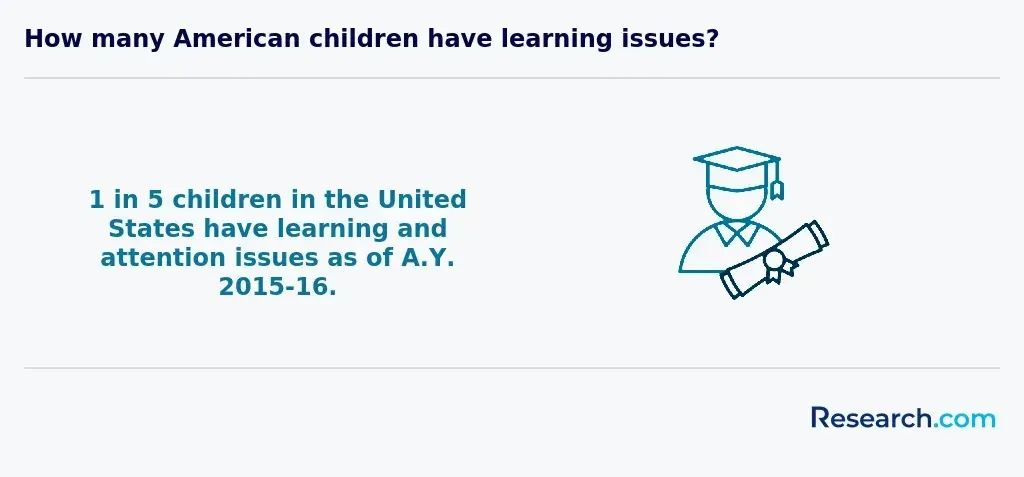
New York has a significant need for qualified special education educators. About 21% of public school students in the state receive special education services, and the role continues to be central to inclusive education. This guide explains how to become a special education teacher in New York, how long the process can take, what licensing steps are involved, what salary and demand look like, and how to decide whether this career path fits your goals.
Quick Answer: How do you become a special education teacher in New York?
To become a special education teacher in New York, you generally need to complete a state-approved special education teacher preparation program, finish student teaching or supervised fieldwork, pass required certification exams, complete fingerprinting and background checks, and apply for New York State teacher certification. Many candidates complete a bachelor’s degree first and then pursue a master’s degree in special education, making the total timeline commonly about five to seven years.
Key Things You Should Know About Becoming a Special Education Teacher in New York
- New York’s projected job growth rate for special education teachers is 15.33% through 2030, indicating continued demand for educators trained to serve students with disabilities.
- The average salary for special education teachers in New York is approximately $63,837 per year, though pay varies by district, experience, credentials, and school setting.
- Professional learning matters. Groups such as the New York State Association for Supervision and Curriculum Development (NYSASCD) provide development opportunities that can help teachers strengthen instruction, compliance knowledge, and classroom practice.
- Major employers include the New York City Department of Education, charter schools, private schools, and specialized institutions that serve students with diverse learning and support needs.
- What education do you need to become a special education teacher in New York?
- How long does the New York special education teacher pathway take?
- What certification and licensing requirements apply in New York?
- What is the job demand for special education teachers in New York?
- How much do New York special education teachers earn?
- What professional development options help special education teachers grow?
- What advanced roles can experienced special education teachers pursue?
- What challenges should future special education teachers expect?
- Which added certifications can strengthen a special education teaching career?
- How can a broader academic background improve special education teaching?
- How do New York special education laws affect teachers?
- How should you evaluate online bachelor’s programs in special education?
- How can special education teachers move into school psychology?
- Can counseling credentials improve student support skills?
- How do preschool credentials compare with special education requirements?
- How can New York special education teachers build a useful professional network?
- How can behavior analysis training support a special education career?
- What trends are shaping special education in New York?
- What scholarships and grants can help aspiring special education teachers?
- What career transitions are available to special education teachers?
- What other related careers can special education teachers consider?
- How can you pursue an affordable teaching credential in New York?
- Related career options, career transitions, funding options, and additional planning considerations
What education do you need to become a special education teacher in New York?
New York special education teachers need formal preparation in both teaching practice and disability-specific instruction. The most direct route is to complete a state-approved teacher preparation program in special education. These programs are designed to prepare candidates to teach students with disabilities, create individualized supports, collaborate with families and service providers, and follow state and federal requirements.
- Complete an approved special education degree or teacher preparation program: Candidates typically study special education, education, or a related teaching field through an approved program. Institutions such as Hunter College and the University at Buffalo offer pathways that prepare future educators to support students with disabilities in classroom settings.
- Meet academic program standards: Many programs expect applicants or continuing students to maintain a minimum cumulative GPA, often around 3.0. Requirements vary by school, so applicants should verify the standard before enrolling.
- Finish supervised teaching experience: Student teaching or internship placement in a special education setting is a critical requirement. This experience helps candidates practice lesson planning, behavior supports, differentiation, IEP implementation, and collaboration with general education teachers and related service providers.
Education pathway comparison
| Pathway | Best for | What to check before enrolling |
| Bachelor’s degree with special education preparation | Students starting college who want the most direct undergraduate route into teaching | State approval, student teaching placements, grade-level certification area, and exam preparation support |
| Master’s degree in special education | Graduates who already have a bachelor’s degree or teachers adding special education credentials | Admission requirements, fieldwork expectations, certification alignment, and whether prior coursework transfers |
| Alternative or transitional certification route | Career changers or working adults who need a structured but flexible route | Eligibility rules, mentorship requirements, employment conditions, and total cost |
Before choosing a program, confirm that it leads to the certification area you actually need. Special education certification can vary by grade band and student population, and not every education degree automatically qualifies a graduate for the same New York credential.
How long does it take to become a special education teacher in New York?
The timeline depends on your starting point, whether you study full time or part time, and whether you need both undergraduate and graduate preparation. For many candidates, the full process takes about five to seven years.
- Bachelor’s degree: A bachelor’s program usually takes about four years. Students may major in education, special education, or a related area depending on the program and certification goal. Schools such as Hunter College and New York University offer programs that may fit future special education teachers.
- Master’s degree: After completing a bachelor’s degree, many candidates spend another one to two years earning a master’s degree in special education. Graduate study can deepen expertise in assessment, instructional design, behavior support, and disability law.
- Student teaching or internship: Most teacher preparation routes include a semester-long student teaching or supervised placement. This is where candidates learn to manage real classroom responsibilities under the guidance of experienced educators.
- Certification exams and application steps: Preparing for required exams, completing fingerprinting, gathering documents, and applying for certification can add several months depending on scheduling and processing time.
| Stage | Typical time involved | Decision point |
| Undergraduate preparation | About four years | Choose a program aligned with New York special education certification requirements. |
| Graduate preparation | One to two years | Decide whether a master’s degree is needed for your certification route, employer expectations, or advancement goals. |
| Fieldwork and student teaching | Often one semester within the program | Look for placements that expose you to IEP meetings, inclusion classrooms, and specialized support models. |
| Exams and certification processing | Several months | Plan exam dates early so certification delays do not slow down job applications. |
If speed is important, ask programs whether they offer accelerated course sequences, summer study, evening classes, online coursework, or credit for prior graduate work. Faster is not always better; the best timeline is one that lets you meet certification requirements while gaining enough classroom experience to feel prepared.
What are the licensing requirements for special education teachers in New York?
New York requires special education teachers to hold the appropriate state certification before serving as teachers of record in public school settings. Certification verifies that the teacher has completed required coursework, supervised practice, exams, and safety checks.
- Required certification exams: Candidates must pass the exams required for their certification area. These assessments evaluate readiness in teaching knowledge, content, pedagogy, and special education practice.
- Fingerprinting and background review: New York requires fingerprinting and background checks to help protect student safety. Candidates should complete this step early because it can affect placement and employment timelines.
- Credential verification: Applicants must document that they completed required coursework, field experiences, and training in special education. Schools and the state use this information to confirm eligibility for certification.
- Ongoing renewal and professional learning: After certification, teachers must keep their credentials current through professional development. Renewal commonly occurs every five years and requires completion of required professional learning hours.
Questions to ask before applying for certification
- Does my program lead to the specific New York special education certificate I want?
- Which grade levels and student populations will I be certified to teach?
- What exams must I pass, and when should I schedule them?
- Does my student teaching placement satisfy New York requirements?
- What professional development will I need after initial certification?
The safest approach is to verify requirements directly with your program advisor and the New York State Education Department before you pay tuition, register for exams, or accept a placement.
What is the demand for special education teachers in New York?
Demand for special education teachers in New York is driven by the number of students receiving services, the legal obligation to provide appropriate supports, and the need for trained educators in inclusive and specialized classroom environments. Approximately 142,770 special education teachers are working across educational settings in New York, including public and private schools.
Special education is one of the important child development professional careers because it combines instructional expertise, compliance knowledge, and individualized student support. Current projections indicate a 15.33% job growth rate for special education teachers in New York through 2030. This is associated with an estimated 4,310 job openings each year.
| Demand factor | Why it matters for future teachers |
| High share of students receiving special education services | Schools need educators who can design and implement individualized instruction and accommodations. |
| Inclusive education models | Teachers must collaborate with general education staff, related service providers, and families. |
| Compliance responsibilities | Schools need teachers who understand IEPs, documentation, evaluations, and service delivery obligations. |
| Annual openings | The estimated 4,310 job openings each year create opportunities for qualified candidates across school settings. |
Demand does not mean every applicant will receive the same opportunities. Location, certification area, grade level, bilingual skills, experience with high-need disabilities, and willingness to work in hard-to-staff schools can all affect hiring prospects.
How much do special education teachers in New York earn?
Special education teachers in New York earn an average salary of approximately $63,837 per year. Actual pay can be higher or lower depending on district salary schedules, years of experience, degree level, union agreements, school type, and additional credentials.
Urban districts may offer higher pay than some rural districts, but cost of living can also be higher. Public schools often use salary schedules based on education level and years of service, while private schools and specialized institutions may structure compensation differently.
| Salary factor | How it can affect earnings |
| Experience | Teachers often move up salary schedules as they accumulate years in the classroom. |
| Advanced degrees | A master’s degree or additional graduate credits may affect placement on some salary schedules. |
| District or employer | Pay can vary between the New York City Department of Education, charter schools, private schools, and specialized institutions. |
| Additional certifications | Credentials in areas such as bilingual education, behavior analysis, or related support fields may improve competitiveness for certain roles. |
When evaluating salary, compare total compensation rather than salary alone. Benefits, pension eligibility, health insurance, paid leave, tuition reimbursement, mentoring, and workload expectations can substantially affect the value of a job offer.
What professional development opportunities are available for special education teachers in New York?
Professional development is not optional in special education. Teachers need to stay current on IEP practices, behavior supports, assistive technology, inclusive instruction, legal requirements, and evidence-informed interventions. Strong professional learning can also help reduce burnout by giving teachers better tools for complex classroom situations.
- New York State Association for Supervision and Curriculum Development (NYSASCD) Annual Conference: This conference gives educators a place to study instructional strategies, curriculum design, and school improvement practices, including methods relevant to special education classrooms.
- New York State Education Department (NYSED) workshops: NYSED-supported training can cover topics such as IEP development, inclusive practices, behavioral interventions, and regulatory updates. These sessions are useful for both new teachers and experienced educators who need current compliance knowledge.
- Online courses and webinars: Flexible online learning can help teachers study Universal Design for Learning, Positive Behavioral Interventions, data-based decision-making, and assistive technologies while managing full-time classroom responsibilities.
Professional learning can also support movement into related childhood development careers, especially for educators interested in leadership, intervention design, family support, or program coordination.
Are there advanced roles for experienced special education teachers in New York?
Special education can lead to leadership, assessment, behavioral support, teacher preparation, and program management roles. These positions often require graduate education, additional certification, or significant classroom experience, but they can expand a teacher’s influence beyond one classroom.
- Educational diagnostician: This role centers on evaluating students, identifying learning needs, and helping teams design appropriate educational plans. A master’s degree is commonly expected. Diagnosticians may work with districts such as the New York City Department of Education.
- Special education coordinator: Coordinators support compliance, teacher coaching, service delivery, and program quality. In large school systems, these professionals may help shape procedures and improve support across multiple classrooms or schools.
- Behavior analyst: Teachers with additional behavior-focused training can move into roles that design interventions for students with behavioral or developmental needs. These positions may appear in schools, private practices, or organizations such as the New York State Office of Mental Health.
- Adjunct professor: Experienced teachers may teach future educators at institutions such as Hunter College or Brooklyn College, supervise fieldwork, or lead professional development for practicing teachers.
| Advanced role | Good fit for teachers who enjoy | Likely added preparation |
| Special education coordinator | Compliance, mentoring, systems improvement, and program oversight | Leadership experience and often graduate-level preparation |
| Behavior analyst | Data-based behavior intervention and support planning | Additional certification or behavior analysis training |
| Educational diagnostician | Assessment, evaluation, and individualized planning | Advanced study in assessment and special education |
| Teacher educator or adjunct professor | Mentoring adults, teaching pedagogy, and preparing new educators | Graduate education and strong classroom experience |
The best advanced path depends on whether you want to stay close to students, coach teachers, influence school systems, or move into higher education.
What are the biggest challenges faced by special education teachers in New York?
Special education teaching can be deeply meaningful, but it is not a low-pressure role. Future teachers should understand the workload, emotional demands, legal responsibilities, and collaboration challenges before committing to the path.
- Heavy workload and caseload pressure: New York’s large and diverse student population creates significant need for special education services. Teachers may manage many IEPs, meetings, assessments, progress reports, and differentiated lessons at the same time.
- Limited resources: Some classrooms may not have enough instructional materials, paraprofessional support, assistive technology, or planning time. Teachers sometimes have to be creative when resources do not match student needs.
- Emotional strain: Supporting students with complex needs can be emotionally demanding. Compassion fatigue and burnout are real risks, especially when teachers lack mentoring, planning support, or manageable caseloads.
- Family communication: Parents and guardians often have urgent concerns about services, progress, placement, and rights. Strong communication can build trust, but difficult conversations require skill, patience, and careful documentation.
- Collaboration with paraprofessionals and support staff: Special education teachers frequently coordinate with aides, therapists, counselors, general education teachers, and administrators. When team members have different training levels or unclear responsibilities, the teacher may need to provide extra guidance.
| Common mistake | Better approach |
| Choosing a program without confirming New York certification alignment | Ask the school to identify the exact credential the program prepares you for. |
| Looking only at tuition | Compare total cost, field placement support, exam preparation, graduation requirements, and financial aid. |
| Assuming online coursework automatically meets all requirements | Verify accreditation, fieldwork rules, and state approval before enrolling. |
| Underestimating documentation responsibilities | Build strong habits around progress monitoring, IEP notes, communication logs, and deadlines. |
| Relying only on rankings or reputation | Choose based on certification fit, placement quality, advising, affordability, and completion support. |
If you are comparing teaching rules across states, it can be useful to understand how requirements differ elsewhere. For example, Research.com also explains South Carolina teaching license renewal for readers evaluating state-specific credential processes.
What additional certifications can boost your career as a special education teacher in New York?
Additional credentials can make a special education teacher more versatile, especially in schools that need educators who can support multiple student populations or teach across subject areas. The best added certification is not simply the one that sounds impressive; it is the one that matches your students, school setting, and career plan.
- Subject-area certification: A special education teacher who can also teach a high-demand content area may have more placement options, particularly at the middle or secondary level.
- Literacy or English-related preparation: Reading and writing support are central in many special education classrooms. Teachers considering this direction can review the pathway for how to become an English teacher in New York.
- Bilingual or multilingual preparation: Schools serving multilingual learners may value teachers who understand both language acquisition and disability-related support needs.
- Behavior-focused training: Educators working with students who need intensive behavioral supports may benefit from structured behavior intervention preparation.
Before adding a credential, ask whether it will improve your job options, increase your effectiveness with current students, support advancement, or qualify you for a clearly defined role. Avoid paying for extra credentials that do not connect to a practical goal.
How can diverse academic backgrounds enrich special education teaching?
Special education teachers often draw on more than traditional education coursework. Backgrounds in psychology, communication, sociology, social work, child development, language studies, and ethics can strengthen a teacher’s ability to understand students and families from multiple perspectives.
A broader academic foundation can be helpful when teachers need to interpret behavior, build culturally responsive lessons, communicate with families, or support students who have both academic and social-emotional needs. Even fields that are not directly tied to teacher certification can shape how educators approach community, values, and human development. For example, a theology major may help some educators think more deeply about ethics, service, and community support, though it does not replace required teacher preparation.
The key is alignment. Interdisciplinary study is valuable when it improves your instructional decisions, family engagement, collaboration, or student support planning.
How do New York’s special education laws impact teachers?
Special education teachers in New York work within a legal framework that shapes nearly every part of the job. Laws and regulations affect evaluations, eligibility, IEP development, service delivery, accommodations, family participation, discipline procedures, and documentation.
- Individuals with Disabilities Education Act (IDEA): IDEA requires eligible students with disabilities to receive a free appropriate public education (FAPE). In practice, this means teachers help develop and implement individualized education programs that define services, goals, accommodations, and supports.
- New York State Education Law and Commissioner’s Regulations: State rules add requirements for how special education services are planned and delivered. These rules emphasize collaboration among teachers, administrators, families, specialists, and related service providers.
- Parts 200 and 201 of state regulations: These regulations address identification, evaluation, placement, and discipline procedures for students with disabilities. Teachers must understand these rules because classroom decisions can have compliance implications.
Legal knowledge protects students and teachers. A strong special education teacher understands not only how to teach, but also how to document services, follow IEPs, communicate with families, and participate in team decisions appropriately.
Requirements vary by state, so readers comparing credential systems may also want to review the Wisconsin teacher licensure process to see how another state structures teacher preparation and licensing.
Which online bachelor's degree programs in special education are reputable and accessible?
Online bachelor’s programs can be useful for working adults, transfer students, and candidates who need a more flexible schedule. However, special education is a field where program approval, field placements, and certification alignment matter as much as convenience.
When reviewing online programs, prioritize regional accreditation, state approval, supervised fieldwork arrangements, transparent costs, faculty support, exam preparation, and clear information about whether the program leads to New York certification. Online coursework alone is not enough if the program does not satisfy certification requirements.
| What to evaluate | Why it matters |
| Accreditation and state approval | These affect certification eligibility, transferability, and employer confidence. |
| Field placement support | Special education candidates need supervised classroom experience, not only online assignments. |
| Certification outcomes | The program should clearly state which credential it prepares graduates to pursue. |
| Total cost | Compare tuition, fees, books, exam costs, travel for fieldwork, and lost work time. |
| Student support | Advising, tutoring, career services, and certification guidance can affect completion. |
To compare flexible program options, review Research.com’s guide to the best online bachelors degrees in special education.
How can special education teachers transition into school psychology roles in New York?
Special education teachers who want to focus more on assessment, mental health, learning evaluation, and schoolwide student support may consider school psychology. Classroom experience can provide a strong foundation because special education teachers already understand IEPs, learning differences, interventions, family meetings, and behavioral supports.
The transition usually requires advanced psychological training, supervised practice, and completion of New York-specific requirements. Teachers considering this path should compare program prerequisites, clinical experiences, certification expectations, and career outcomes before leaving the classroom. Research.com’s guide to school psychologist requirements New York can help educators understand the next steps.
Can supplemental counseling certifications enhance student support in special education?
Counseling-related training can help special education teachers better recognize student stress, behavior patterns, family challenges, and referral needs. It can also improve collaboration with school counselors, social workers, psychologists, and community providers.
Supplemental counseling credentials should not be viewed as a substitute for licensed mental health practice unless the teacher completes the full requirements for that profession. However, targeted training can strengthen day-to-day classroom support and help teachers respond more effectively when students need additional help. Educators interested in a counseling-adjacent path can explore how to become a substance abuse counselor in New York.
How do preschool teaching credentials differ from special education requirements in New York?
Preschool teaching and special education overlap in their focus on development, early intervention, and family collaboration, but the credential requirements and classroom responsibilities are not identical. Preschool educators typically focus on early childhood development, play-based learning, social-emotional growth, early literacy and numeracy, and age-appropriate assessment.
Special education teachers, by contrast, are prepared to serve students with disabilities through individualized instruction, IEP implementation, accommodations, specialized interventions, and compliance responsibilities. Some educators may pursue credentials that combine early childhood and special education preparation, but candidates should confirm the exact certification title and age range.
If you are comparing early childhood and special education routes, review the guide to preschool teacher requirements in New York.
How can I build a strong professional network in New York?
A strong network can help special education teachers find mentors, learn district expectations, discover job openings, share intervention strategies, and stay current on policy changes. Networking is especially valuable in special education because teachers often need practical advice from professionals who understand IEPs, behavior support, inclusion models, and family collaboration.
- Join state and local education associations that offer workshops or special education communities.
- Attend district-level professional development and introduce yourself to coordinators, specialists, and instructional coaches.
- Participate in online educator groups carefully, prioritizing communities that share evidence-informed practices and respect student confidentiality.
- Build relationships with related service providers, including speech-language pathologists, occupational therapists, counselors, and school psychologists.
- Seek mentors in both classroom teaching and special education compliance.
Teachers exploring broader elementary education roles can also review how to become an elementary school teacher in New York.
How can behavior analysis certification enhance my career as a special education teacher in New York?
Behavior analysis training can be valuable for special education teachers who work with students needing structured behavioral interventions, functional behavior support, data collection, and reinforcement-based strategies. This training may be especially relevant in classrooms serving students with autism, developmental disabilities, or significant behavioral needs.
Behavior analysis can help teachers move from reactive discipline to planned intervention. It can also improve collaboration with behavior specialists and families by giving teachers a clearer framework for observing behavior, identifying triggers, teaching replacement skills, and measuring progress.
Educators interested in this path can review how to become a BCBA in New York to understand how behavior analyst preparation differs from standard teaching certification.
What emerging trends are influencing the special education landscape in New York?
Several trends are shaping how special education teachers work in New York. Technology, data use, inclusive service models, and expanded attention to student wellbeing are changing expectations for classroom practice.
- Assistive and adaptive technology: Digital tools can support communication, reading, writing, organization, and access to curriculum when used thoughtfully and matched to student needs.
- Data-informed intervention: Teachers are increasingly expected to track progress and adjust instruction based on student performance rather than relying only on static plans.
- Inclusive education practices: Many schools continue to serve students with disabilities in general education settings when appropriate, increasing the need for co-teaching and collaboration.
- Integrated student support: Academic instruction is increasingly connected to behavioral, emotional, and family support systems.
Special education teachers who want to move further into student wellbeing roles may explore school counselor requirements in New York as part of a longer-term career plan.
Are there scholarships and grants available for special education teachers in New York?
Cost is one of the biggest barriers for future teachers, especially those who need graduate study to complete certification requirements. Scholarships and grants can reduce borrowing, but many come with eligibility conditions, academic requirements, service obligations, or annual application steps.
- New York State Masters in Education Teacher Incentive Scholarship: This scholarship provides up to $5,655 per semester for students pursuing a master’s degree in education at SUNY or CUNY if they commit to teaching in New York State public schools for five years. Eligibility includes being a matriculated graduate student in an approved program, maintaining a 3.5 GPA, and residing in New York State. The program opens for applications in July 2025, supports up to 500 new recipients annually, and requires annual FAFSA or NYS DREAM Act applications for continued funding.
- TEACH Grant: The Teacher Education Assistance for College and Higher Education Grant can provide up to $4,000 annually for students preparing to teach in high-need fields, including special education. Recipients must complete a service obligation by teaching in a designated low-income school for a required period.
How to reduce the cost of becoming certified
- Apply for federal, state, institutional, and district-based aid early.
- Ask whether your employer offers tuition assistance or reimbursement.
- Compare public and private program costs using total cost, not tuition alone.
- Look for programs that accept transfer credits or prior graduate coursework.
- Check whether scholarships require a service commitment before accepting funding.
What are the career transitions available for special education teachers in New York?
Special education teachers develop skills that can transfer into many education-related roles. They understand individualized instruction, student advocacy, documentation, family communication, behavior support, and collaboration with multidisciplinary teams. These skills can support transitions inside and outside the classroom.
One option is private education. Private schools may serve students with disabilities and can sometimes offer different curriculum models, class sizes, or support structures. Teachers considering this direction can review how to become a private school teacher in New York.
Another route is administration or program leadership. Special education coordinators, directors, and compliance specialists help schools manage services, mentor teachers, improve systems, and align practice with regulations.
Experienced teachers may also move into higher education, teacher preparation, professional development, advocacy, consulting, curriculum design, or assistive technology support. The right transition depends on whether you want to remain student-facing, work with adults, influence policy, or specialize in a technical area.
What other career paths are available to special education teachers in New York?
Special education teaching can be a long-term career, but it can also serve as a foundation for related professions. Teachers who enjoy communication development may investigate how to become a speech language pathologist in New York. Speech-language pathologists assess and treat speech, language, communication, and related disorders, often working closely with students who receive special education services.
Other possible paths include educational consulting, special education advocacy, assistive technology specialization, instructional coaching, curriculum development, disability services in higher education, and nonprofit program work. These careers use many of the same skills but differ in licensure requirements, daily responsibilities, and training expectations.
How can I obtain an affordable teaching credential in New York?
The most affordable route is not always the cheapest tuition listed on a website. A low-cost program can become expensive if it does not lead to the correct credential, delays your certification, requires unpaid travel, or provides weak placement support. A good affordability strategy compares cost, certification fit, speed, and completion support together.
- Start with state-approved programs that match your intended special education certification area.
- Compare SUNY, CUNY, private, online, hybrid, and alternative-route options.
- Ask whether transfer credits, employer tuition benefits, or scholarships can reduce out-of-pocket costs.
- Review exam pass support, advising access, and student teaching placement assistance.
- Calculate the full cost, including fees, books, certification exams, transportation, and reduced work hours during student teaching.
For a focused look at lower-cost credential options, see Research.com’s guide to teaching credential programs in New York.
What special education teachers in New York say about their careers
- “Teaching special education in New York has been deeply meaningful because every student brings a different story, strength, and challenge. Watching a student make progress after weeks of careful support reminds me why this work matters.” —Sarah
- “The professional community has helped me grow. Training, collaboration, and support from other educators have made me a stronger advocate for my students and their families.” —Michael
- “No two days are identical. Some days are difficult, but the relationships with students and families make the work powerful. When a student finally understands something that once felt impossible, it stays with you.” —Emily
Related Articles for Nearby States
- 2027 How to Become a Special Education Teacher in New Jersey: Requirements & Certification
- 2027 How to Become a Special Education Teacher in Pennsylvania: Requirements & Certification
- 2027 How to Become a Special Education Teacher in Connecticut: Requirements & Certification
- 2027 How to Become a Special Education Teacher in Massachusetts: Requirements & Certification
- 2027 How to Become a Special Education Teacher in Vermont: Requirements & Certification
- 2027 How to Become a Special Education Teacher in Rhode Island: Requirements & Certification
- 2027 How to Become a Special Education Teacher in Delaware: Requirements & Certification
- 2027 How to Become a Special Education Teacher in Maryland: Requirements & Certification
- 2027 How to Become a Special Education Teacher in New Hampshire: Requirements & Certification
- 2027 How to Become a Special Education Teacher in Ohio: Requirements & Certification
Key Insights
- Becoming a special education teacher in New York usually requires an approved teacher preparation program, supervised classroom experience, certification exams, fingerprinting, and state certification.
- The pathway commonly takes about five to seven years, especially for candidates who complete both bachelor’s and master’s-level preparation.
- New York’s need for special education teachers is supported by a 15.33% projected growth rate through 2030 and an estimated 4,310 annual openings.
- The average salary is approximately $63,837 per year, but job value should be evaluated through total compensation, workload, benefits, location, and advancement opportunities.
- Certification alignment is the most important program selection factor. Do not enroll until you confirm that the program leads to the New York credential you need.
- Strong special education teachers need more than compassion. They need instructional skill, legal knowledge, documentation habits, collaboration ability, and resilience.
- Advanced opportunities include special education coordination, behavior analysis, educational diagnosis, teacher preparation, school psychology, counseling-related paths, and speech-language-related careers.
- Financial aid such as the New York State Masters in Education Teacher Incentive Scholarship and the TEACH Grant can help reduce costs, but applicants must understand GPA, residency, application, and service-obligation rules.
References:
- NYSED.gov (n.d.). Teacher Performance Assessment Proposal: Testing:OTI:NYSED. https://www.highered.nysed.gov/tcert/certificate/swd-allgrades-faqs.html
- National Center for Education Statistics. (n.d.). Fast Facts: Students with disabilities (64). https://nces.ed.gov/fastfacts/display.asp?id=64
- Salary.com (2024). Special Education Teacher Salary in New York. salary.com https://www.salary.com/research/salary/benchmark/special-education-teacher-salary/ny
- U.S. Department of Education (2023). 45th Annual Report to Congress on the Implementation of the Individuals with Disabilities Education Act, 2023. https://sites.ed.gov/idea/files/45th-arc-for-idea.pdf
- U.S. Bureau of Labor Statistics (2023). Occupational Outlook Handbook: Special Education Teachers. https://www.bls.gov/ooh/education-training-and-library/special-education-teachers.htm
- Kolmar, C. (2024). Special education teacher salary by State: Highest-Paid Special Education Teachers by State [2024]. Zippia. https://www.zippia.com/advice/special-education-teacher-salary-by-state
- O*Net OnLine. (n.d.). New York employment trends: 25-2058.00 - Special education teachers, secondary school. https://www.onetonline.org/link/localtrends/25-2058.00?st=NY
- O*Net OnLine. (n.d.). New York employment trends: 25-2057.00 - Special education teachers, middle school. https://www.onetonline.org/link/localtrends/25-2057.00?st=NY
- O*Net OnLine. (n.d.). New York employment trends: 25-2056.00 - Special education teachers, elementary school. https://www.onetonline.org/link/localtrends/25-2056.00?st=NY
Other Things You Should Know About Becoming a Special Education Teacher in New York
The New York State Education Department (NYSED), through the Office of Teaching Initiatives, issues special education teacher certification. Candidates apply through the TEACH system, complete approved coursework and field experiences, and must meet New York’s certification requirements before earning Initial certification.
To become a special education teacher in New York in 2027, individuals typically need a bachelor's degree in special education or a related field. The program must be recognized by the New York State Education Department to ensure eligibility for state certification exams.
In 2027, aspiring special education teachers in New York must pass the Educating All Students Test (EAS) and the Content Specialty Test (CST) in their specific subject area, in addition to completing required courses and gaining experience through approved teacher preparation programs.


