
2027 How to Become an English Teacher in New York: Requirements & Certification

Co-Founder and Chief Data Scientist
Becoming an English teacher in New York is a licensing decision, an education planning decision, and a career-market decision all at once. Candidates must meet New York State Education Department requirements, complete approved preparation or an alternative pathway, pass required exams, gain supervised teaching experience, and compete for positions in districts that vary widely in salary, student needs, cost of living, and hiring timelines.
This guide is for college students, career changers, out-of-state teachers, international applicants, and current educators considering English Language Arts teaching in New York. It explains the main certification routes, education requirements, exams, field experience, salary expectations, classroom realities, advancement options, and common mistakes to avoid so you can plan a practical path into the classroom.
Quick Answer: How do you become an English teacher in New York?
To become an English teacher in New York, you generally need a bachelor’s degree, completion of a state-approved teacher preparation program or approved alternative pathway, supervised teaching experience, passing scores on required New York State Teacher Certification Examinations, fingerprinting and background clearance, and certification through the New York State Education Department. After initial certification, teachers must continue professional learning to maintain and advance their credentials.
Key Things You Should Know About Becoming an English Teacher in New York
- Salary can be strong, but varies by district. The average salary for English teachers in New York is approximately $85,000 per year, while other cited figures in this guide place average or median pay around $80,000 or approximately $70,000 depending on role, location, and data source. New York City districts may pay more than rural districts, but cost of living is also higher.
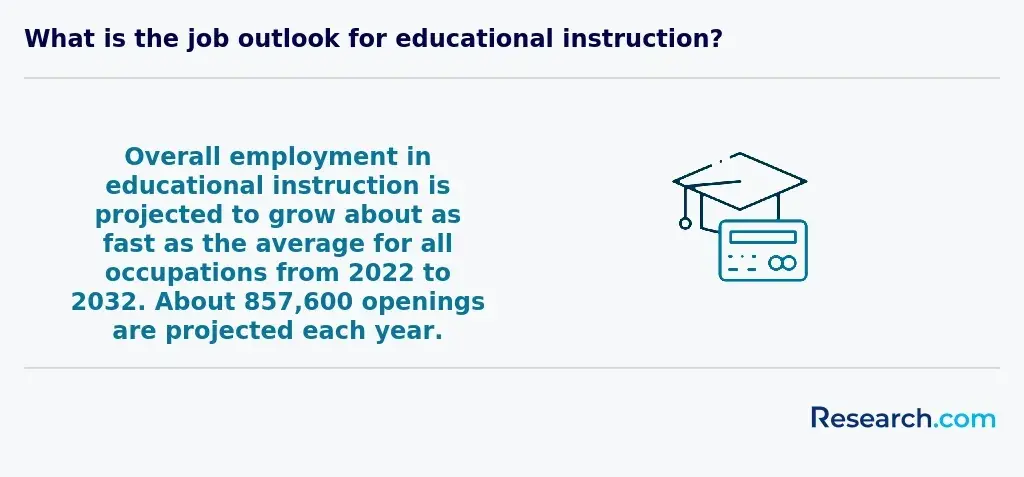
- Demand exists, but hiring is still competitive. The employment outlook for English teachers remains positive, with national teacher demand projected at about 4% by the U.S. Bureau of Labor Statistics. Urban areas such as New York often have higher need, especially for educators prepared to serve diverse learners.
- Cost of living should be part of your decision. In New York City, the average rent for a one-bedroom apartment can exceed $3,000, so salary alone does not tell the full story. Benefits, commuting costs, union agreements, loan forgiveness, and district location all matter.
- Licensure planning matters early. Candidates should confirm that their degree program, exams, fieldwork, and certification pathway match New York requirements before enrolling, especially if choosing an online, out-of-state, accelerated, or alternative program.
- How do you become an English teacher in New York?
- What education do you need to teach English in New York?
- What is the New York certification and licensing process?
- How much teaching experience do English teacher candidates need?
- What standards and curriculum requirements apply to New York English teachers?
- What is the job market and salary outlook for English teachers in New York?
- What professional development options are available?
- What classroom management and teaching methods work well?
- What other teaching careers are available in New York?
- How can you reduce the cost of earning a New York teaching credential?
- What alternative pathways can lead to English teacher certification? Review classroom strategies
- What advancement options and specializations are available?
- How can early childhood education experience help English teachers?
- What support is available for new English teachers?
- How should you prepare for New York teacher licensing exams?
- Can additional subject certifications help your teaching career?
- Can English teaching and library science work together?
- Can music improve engagement in English classes?
- Can English teaching experience support a move into speech-language pathology?
- How can you improve your teaching job applications and interviews?
- How can English teachers reduce burnout?
- What are New York ESOL certification requirements?
- How long can certification take before you enter the classroom? Compare ESOL requirements Plan for work-life balance Prepare applications Explore SLP options Use interdisciplinary teaching Consider library science Review added certifications Plan exam prep Find new-teacher support Read graduate perspectives Review key findings Compare final considerations
How do you become an English teacher in New York?
The typical route to becoming a New York English teacher is sequential: complete the right education, finish teacher preparation, pass required exams, apply for certification, and then meet ongoing professional requirements. The details can vary based on whether you are a traditional undergraduate student, a graduate student, a career changer, an out-of-state teacher, or an international applicant.
| Step | What you need to do | Decision point |
| Earn a degree | Complete at least a bachelor’s degree, usually in English, education, English Language Arts, or a related field. | Choose a program that aligns with New York certification requirements before enrolling. |
| Complete teacher preparation | Finish a state-approved teacher preparation program with pedagogy coursework and supervised fieldwork. | Confirm whether your program leads directly to New York certification or requires additional review. |
| Pass required exams | Take the New York State Teacher Certification Examinations, including assessments such as the Educating All Students Test and the Content Specialty Test in English Language Arts. | Build exam preparation into your timeline so testing delays do not postpone hiring. |
| Apply through NYSED | Submit your certification application, transcripts, exam results, background check, and fingerprinting documentation. | Track every document carefully; incomplete applications can delay certification. |
| Maintain certification | Meet professional development requirements after certification, including 100 hours of professional development every five years as cited in this guide. | Keep records of completed professional learning from the start of your career. |
A strong job application should connect your preparation to the needs of New York schools: literacy instruction, culturally responsive teaching, classroom management, assessment, support for English language learners, and the ability to teach literature, writing, speaking, listening, and critical analysis.
What education do you need to teach English in New York?
New York English teachers need a foundation in both subject matter and teaching practice. Knowing literature or writing is not enough; candidates must also learn how to design lessons, assess student growth, support diverse learners, and manage a classroom.
- Bachelor’s degree: A bachelor’s degree is the minimum academic starting point. Common majors include English, English education, education with an English concentration, or a closely related field.
- English coursework: Candidates should expect coursework in literature, composition, language, rhetoric, grammar, reading, and analysis. Strong English content preparation helps teachers explain complex texts and writing skills clearly.
- Pedagogy coursework: Teacher preparation programs include instructional methods, adolescent development, assessment, special education foundations, literacy instruction, and classroom management.
- Accredited institution and approved program: Accreditation and state approval are crucial. A low-cost or fast program is not useful if it does not meet certification requirements.
- Field experience: Programs typically include observation, tutoring, practicum work, and student teaching so candidates can practice under supervision before leading a classroom independently.
A master’s degree is not always the first requirement to enter the profession, but many teachers pursue graduate education to deepen their expertise, meet professional certification goals, qualify for salary advancement, or specialize. Candidates exploring adjacent education careers may also compare requirements with this guide to becoming a child life specialist.
What is the certification and licensing process for an English teacher in New York?
New York’s certification process is designed to verify that teachers have completed appropriate education, demonstrated subject knowledge, gained supervised experience, and cleared safety requirements. The process can feel complex because requirements differ by pathway and certification level.
- Complete your degree and preparation program. A bachelor’s degree from an accredited institution typically takes around four years. Candidates should choose programs that include teacher training aligned with New York learning standards and English Language Arts expectations.
- Pass required state assessments. Candidates may need exams such as the Educating All Students test, the Academic Literacy Skills Test, the EdTPA, and the Content Specialty Test in English Language Arts. Requirements can change, so candidates should verify current testing rules directly with New York certification resources.
- Submit your certification application. Applicants provide transcripts, test scores, program verification, fees, fingerprinting, and background-check materials through the New York State Education Department process.
- Advance or renew your credential. After initial certification, teachers must continue professional learning. This guide cites 175 hours of professional development every five years to advance to Professional Certification, so candidates should keep careful documentation and confirm the requirement that applies to their credential type.
If you want to strengthen your understanding of student development while preparing for teaching, reviewing graduate options such as a child development degree can help you compare how developmental coursework supports classroom practice.
The chart below shows that New York is one of the top-paying states for postsecondary English Language & Literature teachers, which can make the certification process worthwhile for candidates who are committed to the field.
How much teaching experience do English teacher candidates need?
Teaching experience is not just a certification box to check. It is where candidates learn how lesson plans work with real students, how to respond when discussions stall, how to support struggling readers, and how to manage classroom routines.
In New York, certification requires a minimum of 100 hours of supervised teaching experience, which may be completed through student teaching, internships, and other approved field placements. Student teaching often lasts for a full semester and places candidates under the guidance of an experienced educator.
| Experience option | Best for | What you can learn |
| Student teaching | Candidates in traditional teacher preparation programs | Lesson delivery, assessment, classroom routines, feedback cycles, and full-class instruction |
| Internships | Candidates seeking additional school-based practice | Tutoring, small-group instruction, instructional support, and school culture |
| Substitute teaching | Candidates who want broader exposure to different schools | Classroom management, adaptability, and district expectations |
| After-school programs or tutoring | Career changers and early-stage candidates | Student engagement, literacy support, and relationship-building |
To get the most from fieldwork, ask your mentor teacher for direct feedback, save examples of lesson plans and student work where permitted, reflect after each lesson, and observe how experienced teachers handle transitions, behavior, accommodations, and class discussion.
What standards and curriculum requirements apply to New York English teachers?
English teachers in New York must understand the state’s learning standards and translate them into lessons that build reading, writing, speaking, listening, research, and critical-thinking skills. Curriculum planning should also account for multilingual learners, students with disabilities, culturally diverse classrooms, and district-specific expectations.
Candidates preparing to teach English in New York generally complete a major or concentration in English along with a pedagogical core. This preparation helps future teachers support state learning standards across English language arts and related areas. The original requirements cited in this guide also include at least 12 semester hours of study in a world language other than English, reflecting the importance of language awareness and cultural understanding.
Effective English curriculum planning in New York typically includes:
- Literacy development: Students need explicit support in reading comprehension, academic vocabulary, writing structure, evidence use, discussion, and presentation.
- Culturally responsive texts: Literature and nonfiction selections should help students encounter multiple voices, histories, genres, and perspectives.
- Assessment alignment: Teachers should use formal and informal assessments to identify skill gaps and adjust instruction.
- Support for English language learners: Lessons should include language scaffolds, vocabulary support, discussion structures, and opportunities for meaningful communication.
- Technology and media literacy: Students increasingly need help evaluating digital sources, composing for different audiences, and using technology responsibly.
Teachers interested in advanced writing, literature, or creative practice may also compare graduate pathways such as an affordable online master's in fine arts, especially if they want to strengthen creative writing instruction or pursue postsecondary opportunities.
What is the job market and salary outlook for English teachers in New York?
The job market for English teachers in New York is promising but not automatic. Districts with high student need may actively recruit qualified teachers, while desirable schools can be highly competitive. Candidates who can demonstrate strong literacy instruction, classroom management, cultural competence, and support for diverse learners may be better positioned.
Salary figures vary by source, role, district, and experience level. The original data cited in this guide includes an average of around $80,000 annually for English teachers in New York, with New York City teachers sometimes exceeding $90,000 and rural-area salaries closer to $70,000. Another cited figure places the average salary at approximately $85,000 per year, while the key findings section cites a median annual salary of approximately $70,000 and experienced educators earning upwards of $90,000.
| Factor | How it affects pay and hiring |
| District location | Urban districts may offer higher salaries but can also involve higher housing and commuting costs. |
| Experience | New teachers usually start lower on salary schedules, while experienced educators may move into higher pay bands. |
| Education level | Graduate degrees and approved credits may affect salary placement depending on district contracts. |
| High-need credentials | Additional qualifications such as ESOL, special education, or literacy expertise may improve competitiveness. |
| Benefits | Health insurance, retirement plans, paid leave, and union-negotiated benefits can significantly affect total compensation. |
- Demand is especially important in urban districts serving large and diverse student populations.
- Some districts may offer incentives such as loan forgiveness programs or signing bonuses in high-need areas.
- Applicants should compare salary schedules with housing, transportation, certification costs, and graduate tuition obligations.
-
: "
One New York teacher described the job search this way: “I expected the market to be intimidating, but I learned that clear evidence of preparation, student-centered teaching, and commitment to the community helped me stand out.”
"
New York also has the highest employment level of postsecondary English Language and Literature teachers, followed by Texas, Florida, and California, as shown in the chart below.
What professional development options are available for English teachers in New York?
Professional development is part of maintaining certification and improving instruction. For English teachers, the most useful professional learning usually connects directly to literacy, writing instruction, student engagement, technology, assessment, culturally responsive teaching, special education, and English language learner support.
- NYSCATE courses and webinars: The New York State Association for Computers and Technology in Education provides professional learning focused on educational technology and instructional practice, including support for remote and hybrid learning environments.
- Targeted teacher licenses: NYSCATE has made available up to 75,000 teacher licenses, with priority for educators in major districts such as New York City, Buffalo, and Rochester.
- TRLE program: The Teaching in Remote and Hybrid Learning Environments program, funded by the Education Stabilization Fund, is intended to support over 190,000 educators with 450,000 hours of professional support.
- Workshops and seminars: Teachers can look for training in writing conferences, discussion-based teaching, inclusive literature selection, social-emotional learning, classroom technology, and literacy intervention.
- Graduate and specialist study: Some educators broaden their options through credentials connected to school libraries, digital literacy, or curriculum leadership, including pathways such as a library science degree online.
The best professional development is not simply a collection of hours. It should solve real classroom problems, strengthen your certification profile, and produce materials or strategies you can use with students.
What classroom management and teaching methods work well for English teachers in New York?
English classrooms rely on discussion, interpretation, writing, peer feedback, and debate. That makes classroom management especially important. Students need enough structure to feel safe and enough intellectual freedom to take risks with ideas and language.
| Strategy | Why it matters | Practical example |
| Clear routines | Predictability reduces confusion and saves instructional time. | Start each class with a short reading response, vocabulary task, or writing prompt. |
| Discussion norms | English classes often involve sensitive texts and differing opinions. | Teach students how to cite evidence, disagree respectfully, and build on a peer’s comment. |
| Differentiated instruction | Students enter with different reading levels, language backgrounds, and writing confidence. | Use audio supports, graphic organizers, sentence frames, small groups, and choice-based assignments. |
| Relevant texts | Students engage more deeply when literature connects to meaningful questions. | Pair canonical works with contemporary essays, speeches, poems, or media texts. |
| Technology integration | Digital tools can support drafting, feedback, research, and collaboration. | Use shared documents for peer review or online forums for pre-discussion writing. |
| Positive reinforcement | Students are more likely to participate when effort and growth are recognized. | Celebrate stronger thesis statements, improved evidence use, and thoughtful revisions. |
Strong English teachers also teach process. Instead of assigning essays and hoping students can write them, they model brainstorming, close reading, outlining, drafting, revising, citing evidence, and editing.
What other teaching careers are available in New York?
If you are interested in education but unsure whether English teaching is the right fit, compare it with other classroom roles. Elementary teaching, for example, focuses on broader foundational learning across subjects and younger student development. You can review how to become an elementary school teacher in New York to compare certification requirements, grade-level expectations, and daily responsibilities.
How can you reduce the cost of earning a New York teaching credential?
Teacher preparation can be expensive, especially when you include tuition, fees, exams, fingerprinting, transportation, unpaid student teaching, and possible graduate coursework. Cost-conscious candidates should compare public and private programs, transfer credit policies, accelerated formats, alternative certification routes, scholarships, employer partnerships, and district incentives. Reviewing the types of teaching certificates in New York can help you identify lower-cost routes and understand how credential choices affect timeline and eligibility.
What alternative pathways can lead to English teacher certification in New York?
Alternative pathways can help career changers, graduate students, and professionals with English-related backgrounds enter teaching without following a traditional undergraduate education route. These options can be useful, but they require careful planning because candidates must still meet state coursework, testing, fieldwork, and certification rules.
- Transitional B certification: This route is designed for candidates who already hold a bachelor’s degree in a related field and are completing an approved alternative teacher preparation program while teaching.
- Individual Evaluation Pathway: Candidates with prior coursework or professional experience may seek evaluation by the New York State Education Department to determine whether they meet certification requirements.
- Teach for America and similar programs: Programs such as Teach for America may place qualified candidates in classrooms while they complete alternate certification requirements, often in high-need communities.
- Graduate teacher preparation: Career changers may complete a master’s-level certification program that combines education coursework, fieldwork, and exam preparation.
Before choosing an alternative pathway, ask whether you can teach while enrolled, how supervision works, what exams are required, whether the program is approved for New York certification, and what happens if you do not complete requirements on schedule. For a broader overview, review what degree you need to be a teacher in New York.
What advancement options and specializations are available for English teachers in New York?
English teaching can lead to several career directions beyond the first classroom role. Advancement usually depends on experience, graduate study, additional certifications, leadership skill, and demonstrated instructional impact.
| Path | What it involves | Who it fits |
| Department leadership | Coordinating English curriculum, mentoring teachers, and supporting assessment planning | Teachers who want school-level influence while staying close to instruction |
| Literacy coaching | Helping teachers improve reading and writing instruction across grades or subjects | Educators interested in literacy intervention and professional learning |
| ESOL or TESOL specialization | Supporting English language learners through specialized language instruction | Teachers in multilingual schools or districts with high ELL populations |
| Curriculum development | Designing units, assessments, resources, and standards-aligned materials | Teachers who enjoy planning and instructional design |
| Administration | Moving into roles such as assistant principal, principal, or district leadership | Educators who want broader responsibility for school operations and policy |
-
: "
A New York educator summarized the transition into leadership this way: “I began in the classroom, but I wanted my work to affect more than one group of students. Moving into leadership was challenging, yet support from colleagues made the shift possible.”
"
How can early childhood education experience help English teachers in New York?
Early childhood education experience can strengthen an English teacher’s understanding of development, language acquisition, attention, motivation, and differentiated instruction. Even teachers who work with adolescents benefit from knowing how literacy foundations are built in younger grades. Reviewing preschool teacher career requirements can help aspiring educators understand developmental approaches that may later support reading, writing, and classroom engagement in English Language Arts.
What support is available for new English teachers in New York?
New teachers need more than certification. They need mentors, planning resources, peer networks, classroom management support, and realistic expectations for the first years of teaching.
- District mentoring: Many districts pair new teachers with experienced educators who can help with lesson planning, parent communication, assessment, and school procedures.
- Professional learning communities: English departments often collaborate on texts, writing rubrics, pacing guides, and common assessments.
- Instructional resources: New teachers can use standards-aligned lesson plans, district curriculum maps, digital libraries, and assessment tools to reduce planning overload.
- Support for English language learners: Teachers in New York often need strategies for multilingual classrooms, including vocabulary scaffolds, language objectives, and accessible texts.
- Professional associations and networks: Statewide and local educator networks can help teachers find workshops, conferences, peer advice, and job leads.
Teachers interested in school-based information literacy, reading support, or resource management may also explore library science career opportunities as a related long-term path.
Can music improve engagement in English classes?
Music can make English instruction more engaging when it is tied to clear literacy goals. Lyric analysis can support close reading, figurative language, theme, tone, voice, rhythm, and cultural context. Performance-based activities can also help students practice speaking, listening, interpretation, and creative response. Teachers who want to build a stronger interdisciplinary profile can compare this approach with music teaching qualifications in New York.
Can English teaching experience support a move into speech-language pathology?
English teachers develop valuable skills in language, communication, literacy, assessment, and student support. Those strengths can be relevant to speech-language pathology, but SLP is a separate licensed profession with additional academic, clinical, and certification requirements. If you are considering this transition, review New York SLP license requirements before assuming teaching experience alone will qualify you.
How can you improve your teaching job applications and interviews?
New York teaching applications should show evidence, not just enthusiasm. Districts want to see that you can plan standards-based lessons, support diverse learners, manage a classroom, assess writing, communicate with families, and collaborate with colleagues.
- Customize your resume: Highlight student teaching, English coursework, literacy strategies, assessment experience, technology tools, and work with diverse learners.
- Write a specific cover letter: Connect your preparation to the district’s students, curriculum, and mission instead of using a generic teaching statement.
- Build a teaching portfolio: Include lesson plans, writing rubrics, sample unit plans, assessment reflections, and classroom management philosophy.
- Practice interview questions: Be ready to explain how you teach writing, choose texts, support English language learners, respond to behavior issues, and use data.
- Prepare a demo lesson: Use a focused objective, clear modeling, student participation, and a brief assessment of learning.
Additional subject knowledge can make you more versatile. For example, candidates interested in interdisciplinary humanities teaching may compare English requirements with how to become a high school history teacher in New York.
How can English teachers reduce burnout?
English teaching can be rewarding, but grading essays, planning discussions, supporting students, meeting administrative requirements, and managing emotionally complex classroom issues can create burnout. Prevention requires systems, boundaries, and support.
- Use sustainable grading practices: Do not mark every error on every paper. Focus feedback on the skill being assessed.
- Create reusable lesson structures: Build routines for close reading, discussion, peer review, and writing workshops that can work across units.
- Set communication boundaries: Establish reasonable response times for email and family communication.
- Collaborate with colleagues: Share rubrics, texts, assessments, and pacing plans with department teams.
- Protect recovery time: Schedule non-work time intentionally, especially during heavy grading periods.
Some teachers reduce burnout by expanding into related humanities roles or interdisciplinary teaching. Comparing paths such as high school history teacher requirements in New York can help educators think strategically about long-term fit.
What are New York ESOL certification requirements?
ESOL certification can be valuable for English teachers in New York because many schools serve multilingual learners. Requirements may include specialized coursework, teaching experience, and assessments focused on language acquisition and instruction. For a focused overview, review the New York ESOL certification requirements.
How long can certification take before you enter the classroom?
The certification timeline depends on your starting point. A traditional undergraduate degree route typically includes around four years for the bachelor’s degree, while postgraduate teacher preparation programs often take one to two years. Alternative or expedited routes may shorten the path for eligible candidates, but they still require coursework, supervised teaching hours, exams, and application processing.
To avoid delays, map your timeline backward from your target hiring season. Include program admission deadlines, fieldwork placements, exam dates, score reporting, fingerprinting, transcript submission, and certification review. For a deeper timeline comparison, see how long it takes to get a teaching certificate in New York.
What do graduates say about becoming an English teacher in New York?
- Teaching English in New York has been deeply meaningful because my students bring so many languages, cultures, and perspectives into the room. Helping them find confidence in reading, writing, and discussion is what makes the work matter. Ria
- My classroom reflects the diversity of the city. I enjoy choosing texts that allow students to see themselves and also encounter experiences different from their own. The professional community has helped me grow as both a teacher and a person. Julian
- I did not fully understand the impact of English teaching until I saw students use writing to clarify their thinking and express who they are. Building lessons that encourage creativity and critical thought has been the most rewarding part of the job. Nelly
How should you prepare for New York teacher licensing exams?
Licensing exam preparation should begin before your final semester, not after graduation. Start by confirming which exams apply to your certification pathway, then create a study plan based on official test frameworks and practice materials.
- Use diagnostic practice: Identify weak areas before spending time on content you already know.
- Study the test framework: Align your preparation with the skills and domains actually assessed.
- Practice timed responses: Build speed and confidence under test conditions.
- Connect study to teaching: For English Language Arts, practice explaining texts, writing instruction, literacy strategies, and student misconceptions.
- Use peer support: Study groups and mentor feedback can keep you accountable.
Candidates comparing other licensure-heavy education and clinical fields may also look at structured programs such as the easiest SLP programs to get into, while remembering that SLP and teaching have different credentialing requirements.
Can additional subject certifications help your teaching career?
Additional certifications can make a teacher more flexible, especially in schools that need educators who can support multiple programs. English teachers often consider ESOL, literacy, special education, theater, media studies, or another humanities subject. The key is to choose an added credential that matches your interests and district needs rather than collecting certifications without a plan.
Creative teachers may also compare English teaching with arts education. For example, how to become an art teacher in New York can help you understand whether an arts credential would complement your English background.
Can English teaching and library science work together?
English teaching and library science overlap in literacy, research, digital citizenship, source evaluation, reading culture, and student inquiry. Teachers who enjoy helping students find information, evaluate sources, and build independent reading habits may find school librarianship or library media work appealing. To compare requirements, review how to be a school librarian in New York.
Key Findings
- The New York State Education Department reported that as of 2023, there is a projected need for over 10,000 new English teachers in the next five years.
- According to the Bureau of Labor Statistics, the median annual salary for English teachers in New York is approximately $70,000, with experienced educators earning upwards of $90,000.
- Recent surveys indicate that 85% of English teachers in New York express high job satisfaction, with many pointing to the value of helping students build literature and writing skills.
- The New York State Teacher Certification Examinations report shows that over 90% of candidates who complete a teacher preparation program pass the required exams on their first attempt.
- A 2023 study by the New York City Department of Education found that schools with dedicated English teachers saw a 15% increase in student literacy rates.
Other important questions about becoming an English teacher in New York
Is it worth becoming an English teacher in New York?
It can be worth becoming an English teacher in New York if you are committed to literacy, writing instruction, adolescent learning, and working in diverse school communities. The career may offer competitive pay, benefits, and meaningful work, but candidates should weigh certification costs, student teaching demands, housing costs, workload, and district fit.
- Choose this path if: You enjoy reading, writing, discussion, feedback, student mentoring, and long-term skill development.
- Think carefully if: You dislike heavy grading, classroom management, public speaking, or adapting instruction for many learning needs.
- Compare districts: Salary, workload, mentorship, commute, class size, and administrative support can vary widely.
Is an accelerated English degree program a good idea?
An accelerated English degree or teacher preparation program can make sense for candidates who already have college credits, strong academic preparation, and the time to handle an intensive schedule. These programs may take one to two years, but speed should not be your only criterion.
| Question to ask | Why it matters |
| Is the program approved for New York certification? | An accelerated timeline is not helpful if the credential does not meet state requirements. |
| How is student teaching arranged? | Field placement quality affects classroom readiness and hiring references. |
| What support is available for exams? | Exam delays can slow certification even after coursework is complete. |
| What is the total cost? | Include tuition, fees, books, testing, transportation, and unpaid fieldwork time. |
Can a foreign applicant work as an English teacher in New York?
Yes, international candidates may pursue English teaching roles in New York, but they must meet education, certification, language, credential evaluation, and work authorization requirements. A bachelor’s degree in English, education, or a related field is typically required, and a master’s degree may strengthen qualifications.
- Credential evaluation: Foreign academic records may need review by an approved agency to determine equivalency.
- Certification exams: Candidates generally must meet New York teacher testing requirements.
- Work authorization: Applicants need a valid work visa, such as the H-1B visa, or another authorization that permits teaching employment.
- English proficiency: Non-native speakers may need to demonstrate English ability through tests such as TOEFL or IELTS.
- Cultural competence: International educators can bring valuable perspectives, but they must also understand New York school expectations and student needs.
What legal and ethical responsibilities do New York English teachers have?
English teachers in New York are responsible for student safety, lawful practice, professional conduct, and inclusive instruction. These responsibilities begin before hiring and continue throughout a teaching career.
- Certification and background checks: Teachers must hold valid certification and complete required safety clearances.
- Mandated reporting: Teachers are legally required to report suspected child abuse or neglect.
- Inclusive instruction: English classrooms should respect student identity, background, language, disability status, and viewpoint while maintaining academic standards.
- Professional boundaries: Teachers must communicate appropriately with students and families, including in digital settings.
- Ethical text selection and discussion: Literature can raise sensitive issues, so teachers need thoughtful planning, clear norms, and respect for diverse perspectives.
Common mistakes to avoid
- Choosing a program before checking certification alignment: Always verify that your program supports New York certification.
- Looking only at tuition: Add exam fees, transportation, student teaching costs, lost wages, and graduate credit requirements.
- Assuming online programs automatically qualify: Online programs can be legitimate, but approval and field placement rules matter.
- Waiting too long to take exams: Testing schedules and score reporting can delay certification and hiring.
- Ignoring district fit: A higher salary may not offset a difficult commute, weak mentorship, or poor workload balance.
- Underestimating grading time: English teachers need efficient systems for feedback and assessment.
Related Articles for Nearby States
- 2027 How to Become an English Teacher in New Jersey: Requirements & Certification
- 2027 How to Become an English Teacher in Pennsylvania: Requirements & Certification
- 2027 How to Become an English Teacher in Connecticut: Requirements & Certification
- 2027 How to Become an English Teacher in Massachusetts: Requirements & Certification
- 2027 How to Become an English Teacher in Vermont: Requirements & Certification
- 2027 How to Become an English Teacher in Rhode Island: Requirements & Certification
- 2027 How to Become an English Teacher in Delaware: Requirements & Certification
- 2027 How to Become an English Teacher in Maryland: Requirements & Certification
- 2027 How to Become an English Teacher in New Hampshire: Requirements & Certification
- 2027 How to Become an English Teacher in Ohio: Requirements & Certification
References:
- New York State of Education Department Office of Higher Education (2023, January 23). Pathways to Certification: Which Pathway is Right for Me? highered.nysed.gov.
- English Teacher Edu. (2015, January 14). Education Requirements for Becoming an English Teacher in New York. englishteacheredu.org.
- New York State Education Department. (n.d.). Educator Resources. nysed.gov.
Key Insights
- Becoming an English teacher in New York requires more than an English degree; you need approved teacher preparation, supervised experience, exams, background clearance, and state certification.
- Salary can be attractive, with cited figures ranging from approximately $70,000 to approximately $85,000 and experienced educators earning upwards of $90,000, but cost of living and district differences are major factors.
- Alternative pathways can help career changers enter teaching, but they still require careful alignment with New York certification rules.
- Strong candidates build evidence of classroom readiness: lesson plans, student teaching feedback, literacy strategies, assessment skills, and experience with diverse learners.
- The best path is the one that balances certification eligibility, cost, timeline, field placement quality, exam preparation, and long-term career fit.
Other Things You Should Know About Becoming an English Teacher in New York
To become a certified English teacher in New York in 2027, candidates must pass the Educating All Students (EAS) test, the Content Specialty Test (CST) in English, and the edTPA assessment, which evaluates teaching skills through a practical teaching portfolio.
To become an English teacher in New York in 2027, you need at least a bachelor's degree in English or a related field. The degree must be from an accredited institution recognized by the New York State Education Department.
New York requires at least 100 clock hours of supervised field experience before student teaching, plus a full semester of student teaching in an approved classroom. The experience must be completed through a state-approved teacher preparation program and documented for certification by the New York State Education Department.


