2027 How to Become a Preschool Teacher in New York: Requirements & Certification

Co-Founder and Chief Data Scientist
Becoming a preschool teacher in New York requires more than a love of working with young children. You need to understand which credential applies to your setting, what degree or teacher preparation program is expected, which exams and documents NYSED requires, and how continuing education affects long-term certification. With over 50,000 positions filled in New York, early childhood education remains a major workforce area, but the pathway can feel confusing because requirements vary by employer type, program model, and career goal.
This guide explains the practical steps to become a preschool teacher in New York, including degree options, alternative certification routes, licensing steps, professional development, specializations, financial aid, career growth, and common mistakes to avoid. Use it to compare your options and choose a path that fits your timeline, budget, and teaching goals.
Quick answer: How do you become a preschool teacher in New York?
In most New York preschool teaching roles that require state certification, you will need a bachelor’s degree in early childhood education or a closely related field, completion of an approved teacher preparation program with supervised student teaching, passing scores on required New York State Teacher Certification Examinations, and an application through the New York State Education Department. Some candidates can use alternative certification programs, especially if they already hold a degree or have relevant classroom experience.
After certification, preschool teachers must stay current through ongoing professional learning. New York requires 100 hours of continuing education every five years for applicable certificate holders, which helps teachers maintain strong practice in child development, classroom management, inclusion, and curriculum design.
Key things to know before you start
- NYSED sets the certification rules. The New York State Education Department oversees teacher certification and establishes the standards for early childhood educators.
- A bachelor’s degree is the common baseline for certification. Candidates generally need a bachelor’s degree in early childhood education or a related field, plus a state-approved teacher preparation program that includes supervised classroom experience.
- Testing is part of the process. Candidates must pass the New York State Teacher Certification Examinations, including the Educating All Students Test and the Content Specialty Test in Early Childhood Education.
- The application is submitted online. After meeting education and exam requirements, candidates apply through the NYSED online system and provide transcripts, exam results, required documentation, and fees.
- Certification is not the final step. Teachers must complete 100 hours of continuing education every five years to keep their certification active when this requirement applies.
- What degree do I need to become a preschool teacher in New York?
- What are alternative certification programs for becoming a preschool teacher in New York?
- How do you get a preschool teaching license in New York?
- What are the continuing education requirements for preschool teachers in New York?
- What specializations are available for preschool teachers in New York?
- How can preschool teachers in New York advance their careers?
- How do New York state regulations affect preschool teaching?
- What are the career progression opportunities for preschool teachers in New York?
- What is the job outlook for preschool teachers in New York over the next 5 years?
- What skills are essential for success as a preschool teacher in New York?
- How can advanced education boost your career trajectory as a preschool teacher in New York?
- How can preschool teachers transition to private school teaching in New York?
- What are the emerging trends influencing preschool education in New York?
- What are the common challenges faced by preschool teachers in New York?
- What are the salary expectations and benefits for preschool teachers in New York?
- How can integrating the arts enhance early childhood education in New York?
- What is the most affordable way to become a preschool teacher in New York?
- What strategies can preschool teachers implement to support children with special needs in New York?
- What are the updated New York teacher certification requirements for preschool educators?
- What financial aid options are available for aspiring preschool teachers in New York?
- Can preschool teachers benefit from speech pathology training?
- Is it feasible to transition from preschool to middle school teaching in New York?
- Can diversifying into music education enhance your preschool teaching career?
What degree do I need to become a preschool teacher in New York?
For most state-certified preschool teaching roles in New York, the expected degree is a bachelor’s degree in early childhood education or a related education field. The degree should prepare you to work with young learners through coursework in child development, learning theory, curriculum planning, family engagement, assessment, inclusive teaching, and classroom management.
The right degree depends on the job you want. Some childcare or assistant roles may accept less education, while lead teaching positions in public or state-funded preschool settings usually require stronger credentials. If your goal is long-term advancement, choose a program that supports certification rather than selecting a degree based only on price or convenience.
| Education option | Best fit | Important limitation |
| Associate’s degree in early childhood education | Entry-level childcare, assistant teacher, or transfer pathway into a bachelor’s program | May not be enough for state-certified lead preschool teaching roles |
| Bachelor’s degree in early childhood education or related field | Candidates seeking New York preschool teacher certification and broader employment options | Must be paired with required preparation, exams, and state application steps |
| Master’s degree or graduate-level study | Teachers aiming for leadership, specialization, higher-level roles, or career mobility | Usually requires more time and cost, so compare the return on investment carefully |
How to choose the right degree program
- Confirm accreditation and state approval. A program should meet recognized academic standards and support the certification route you plan to use.
- Ask about supervised student teaching. Certification pathways generally require hands-on experience in an early childhood setting.
- Review transfer policies. If you start at a community college, make sure credits will transfer cleanly into a bachelor’s program.
- Check exam preparation support. Strong programs help students prepare for the Educating All Students Test and the Content Specialty Test in Early Childhood Education.
- Compare total cost, not just tuition. Include fees, books, transportation, background checks, testing costs, and lost work time.
A lower-cost degree can be a smart choice if it leads to certification. A cheap program that does not meet New York requirements can cost more in the long run because you may need extra coursework later.
What are alternative certification programs for becoming a preschool teacher in New York?
Alternative certification programs give some candidates a route into teaching without following the traditional undergraduate education-major pathway. These programs are often designed for people who already have a bachelor’s degree, career changers, teaching assistants, or education workers who want to become certified teachers.
New York’s alternative teacher preparation options usually combine pedagogy coursework, child development training, supervised practice, and certification exam preparation. They can be especially useful for working adults because many programs offer schedules that are more flexible than full-time campus study.
Traditional vs. alternative certification pathways
| Pathway | Who it usually serves | How the training is structured |
| Traditional teacher preparation | Students planning early for a preschool teaching career | Degree coursework, field experiences, and student teaching are built into the program sequence |
| Alternative certification | Degree holders, career changers, and experienced education support staff | Certification-focused coursework and supervised teaching are completed through a state-recognized route |
| Teaching assistant to teacher pathway | Classroom support professionals who want to become lead teachers | Prior classroom experience may strengthen preparation, but candidates still need to meet education, exam, and application requirements |
When an alternative program makes sense
- You already hold a bachelor’s degree and do not want to restart an undergraduate program.
- You have experience as a teaching assistant, childcare worker, or paraprofessional.
- You need a pathway that allows work and study at the same time.
- You are ready for an intensive certification-focused route rather than a slower traditional program.
Alternative certification is not a shortcut around standards. You still need to meet NYSED requirements, complete supervised teaching, pass required exams, and submit a complete application. If you are comparing teaching requirements outside New York, Research.com also provides a guide to teacher credentials in Virginia.
The chart below shows how early childhood educators are distributed by the age group they teach, offering context on where preschool educators commonly work:
How do you get a preschool teaching license in New York?
To get a preschool teaching license in New York, you need to complete the required education and preparation, pass state exams, clear background checks, gather documentation, and apply through NYSED. The exact requirements can vary by certificate type and employment setting, so verify details before enrolling in a program or paying exam fees.
Step-by-step licensing process
- Choose a qualifying education pathway. Complete a New York State-approved early childhood education program or another route that meets certification standards.
- Complete supervised teaching experience. Student teaching or an equivalent supervised field placement helps demonstrate that you can manage a real preschool classroom.
- Pass required certification exams. Candidates must complete the New York State Teacher Certification Examinations required for early childhood certification, including the Educating All Students Test and the Content Specialty Test in Early Childhood Education.
- Complete required workshops. You may need documentation for workshops such as training related to the Dignity for All Students Act.
- Submit fingerprints and background check materials. This step protects child safety and helps determine whether a candidate has any disqualifying record.
- Apply through NYSED’s online system. Upload or arrange submission of transcripts, exam results, program recommendation, workshop records, and required fees.
- Monitor your application status. Processing time can vary, so apply before your intended employment start date whenever possible.
Documents to prepare before applying
- Official college transcripts
- Proof of teacher preparation program completion
- NYSTCE score reports
- Required workshop documentation
- Fingerprinting and background check confirmation
- Any additional credentials, such as the Child Development Associate Credential, if relevant to your pathway
Common licensing mistakes to avoid
- Starting a program before confirming it supports New York certification
- Assuming all online education programs meet NYSED requirements
- Waiting until the last minute to schedule exams or fingerprinting
- Submitting an incomplete application and delaying review
- Confusing childcare employment requirements with state teacher certification requirements
If you are researching certification in other states as well, you can compare the process with Research.com’s guide to the teacher licensing process in Montana.
What are the continuing education requirements for preschool teachers in New York?
New York preschool teachers who are subject to continuing teacher and leader education requirements must complete 100 hours of professional development every five years. These hours help educators maintain certification and keep their practice aligned with current early childhood research, safety expectations, inclusion strategies, and instructional methods.
Professional development topics worth prioritizing
- Child development. Strong knowledge of developmental milestones helps teachers design age-appropriate activities and identify possible concerns early.
- Classroom management. Preschool teachers need routines, transitions, and behavior supports that work for young children.
- Inclusive education. Training in disability support, differentiated instruction, and collaboration with specialists can improve access for all learners.
- Social-emotional learning. Young children need help naming emotions, building relationships, and developing self-regulation.
- Family engagement. Effective communication with parents and caregivers supports consistency between home and school.
Continuing education can also support advancement. Teachers who want to move into leadership may consider graduate study, including options such as online doctoral programs in educational leadership, when that level of education fits their career goals and budget.
What specializations are available for preschool teachers in New York?
Specialization can help preschool teachers serve specific student populations, qualify for more focused roles, or stand out in a competitive hiring process. The best specialization depends on the children you want to teach and the type of school or center where you want to work.
| Specialization | How it strengthens preschool teaching | Best fit for teachers who want to |
| Early childhood special education | Builds skills for supporting children with developmental delays, disabilities, or individualized learning needs | Work in inclusive classrooms or collaborate closely with special education teams |
| Bilingual education | Supports language development and family communication in multilingual communities | Teach children from diverse language backgrounds |
| Montessori or Reggio Emilia methods | Emphasizes child-led exploration, creativity, observation, and classroom environment design | Use alternative early childhood teaching philosophies |
| STEM education for preschoolers | Introduces early problem-solving, observation, questioning, and hands-on discovery | Build science, technology, engineering, and mathematics readiness through play |
| Preschool curriculum development | Strengthens planning, sequencing, assessment, and alignment of learning experiences | Create or lead curriculum work in schools, centers, or programs |
Teachers exploring certification in another state can also review Research.com’s guide to teaching requirements in Nevada.
How can preschool teachers in New York advance their careers?
Career advancement in early childhood education usually comes from a combination of experience, added credentials, leadership skills, and specialized knowledge. Preschool teachers who plan strategically can move beyond the lead classroom role while still serving young children and families.
Career advancement options
- Earn an advanced degree. A master’s degree in early childhood education, curriculum, special education, or leadership may support higher-level instructional or administrative roles.
- Move into program leadership. Experienced teachers may pursue preschool director, center administrator, curriculum coordinator, or instructional coach roles.
- Mentor new educators. Veteran teachers can lead professional development, supervise student teachers, or support new staff onboarding.
- Specialize in high-need areas. Early childhood special education and bilingual education can create additional opportunities in diverse New York classrooms.
- Enter advocacy, research, or consulting. Teachers with advanced preparation may contribute to policy work, program evaluation, training, or early childhood research.
If you want to compare broader teaching pathways, Research.com’s resource on education degree programs in Louisiana can help you see how state pathways differ.
How do New York state regulations affect preschool teaching?
New York regulations shape what preschool classrooms look like, how programs operate, and what teachers are expected to document. For aspiring teachers, these rules matter because they affect staffing, curriculum planning, safety procedures, and daily classroom management.
Regulatory areas that affect preschool teachers
- Child-to-teacher ratios. New York mandates a 10:1 child-to-teacher ratio for preschool classrooms, which affects staffing plans and the amount of individual support children can receive.
- Health and safety expectations. Teachers must follow procedures related to cleanliness, nutrition, supervision, emergency readiness, and safe classroom materials.
- Licensing and credentialing. Educators in roles that require certification must meet state standards and maintain appropriate credentials.
- Curriculum frameworks. Teachers are expected to plan developmentally appropriate instruction that supports learning, play, and social-emotional growth.
- Assessment and reporting. Preschool programs often use observations and progress monitoring to guide instruction and communicate with families.
Regulations are not just compliance tasks. They set the conditions that help preschoolers learn safely, build relationships, and develop foundational skills.
What are the career progression opportunities for preschool teachers in New York?
Preschool teachers in New York can grow into several roles: lead teacher, mentor teacher, curriculum specialist, early childhood special education teacher, bilingual educator, program director, administrator, trainer, consultant, or policy advocate. The best path depends on whether you want to stay close to classroom teaching or move into management, curriculum, or systems-level work.
| Career goal | Possible next role | Preparation that may help |
| Stay in the classroom but deepen expertise | Lead teacher, specialist teacher, inclusion teacher | Specialized coursework, certification updates, professional development |
| Support other teachers | Mentor, instructional coach, training coordinator | Strong classroom record, leadership experience, adult learning skills |
| Lead a program | Preschool director, administrator, center manager | Graduate study, management training, regulatory knowledge |
| Influence early childhood systems | Advocate, researcher, consultant, policy contributor | Advanced education, research skills, professional network |
Some educators begin in support roles before moving into certified teaching. If that applies to you, review Research.com’s guide on becoming a teacher assistant in New York to understand how assistant experience can fit into a longer teaching plan.
What is the job outlook for preschool teachers in New York over the next 5 years?
The job outlook for preschool teachers in New York is projected to grow by approximately 10% over the next five years. Demand is influenced by access to early childhood programs, public and private preschool expansion, family needs, and local population trends. Urban areas may offer more openings, while rural hiring can be more limited depending on program availability.
Factors shaping demand
- Demographic diversity. New York classrooms serve children from many cultural and language backgrounds, increasing the value of culturally responsive teaching skills.
- Early education funding. Public investment in preschool access can create additional positions in state-supported and local programs.
- Public and private program growth. Teachers may find opportunities in school districts, community organizations, childcare centers, and private preschools.
- Economic conditions. Family demand and program budgets can shift with the economy, but early childhood education remains a core service for many communities.
Because local hiring conditions vary, candidates should look beyond statewide projections. Compare openings in your county, ask programs about turnover, and consider whether you are willing to work in multiple settings during your first years in the field.
The chart below shows where preschool teachers are employed across major sectors and helps illustrate the range of workplaces available to early childhood educators:
What skills are essential for success as a preschool teacher in New York?
Successful preschool teachers combine warmth with structure. They need to build trust with children, communicate clearly with families, plan engaging activities, observe developmental progress, and respond calmly when children struggle with emotions or behavior.
Core skills for New York preschool teachers
- Child-centered communication. Teachers must explain ideas in simple language, listen carefully, and help children express needs safely.
- Family partnership. Regular, respectful communication with parents and caregivers supports consistency and trust.
- Classroom management. Preschool classrooms need predictable routines, smooth transitions, and positive behavior supports.
- Creativity. Strong teachers turn play, stories, art, movement, and exploration into meaningful learning experiences.
- Observation and assessment. Teachers must notice developmental progress and adapt instruction to individual needs.
- Cultural responsiveness. New York educators often work with children from varied languages, cultures, and family structures.
- Patience and emotional resilience. Young children need calm adults who can guide them through frustration, conflict, and change.
Questions to ask yourself before choosing this career
- Do I enjoy repetitive routines, constant supervision, and high-energy classroom environments?
- Can I communicate professionally with families even during difficult conversations?
- Am I comfortable documenting progress, completing paperwork, and following regulations?
- Do I want to teach young children long term, or is preschool a stepping stone to another grade level?
- Am I prepared to keep learning after certification through required professional development?
How can advanced education boost your career trajectory as a preschool teacher in New York?
Advanced education can help preschool teachers move from classroom practice into specialized instruction, curriculum leadership, administration, coaching, or policy work. Graduate programs may strengthen skills in assessment, early intervention, inclusive education, research, and leadership. Teachers who want a broader credential can explore an online master’s degree in teaching and compare whether the curriculum aligns with early childhood certification or advancement goals.
How can preschool teachers transition to private school teaching in New York?
Private preschools and independent schools may evaluate teachers differently from public systems. Some emphasize teaching philosophy, parent communication, curriculum style, classroom portfolio, or specialized training. Before making the move, compare each school’s accreditation status, hiring standards, salary structure, benefits, and professional development expectations. Research.com’s guide to private school teacher requirements in New York can help you understand how credentials may be viewed in private school settings.
What are the emerging trends influencing preschool education in New York?
Preschool education in New York is being shaped by inclusion, digital learning tools, early STEM exposure, social-emotional learning, and culturally responsive instruction. Technology can support planning, documentation, and family communication, but it does not replace hands-on play, language-rich interaction, outdoor movement, and teacher observation. Teachers who want deeper preparation for these shifts may compare the best rated online master’s in early childhood education programs to find coursework that supports current classroom needs.
What are the common challenges faced by preschool teachers in New York?
Preschool teaching can be deeply rewarding, but it is also demanding. Teachers are responsible for children’s safety, emotional development, early learning, family communication, documentation, and classroom routines all at once. In New York City, preschool classrooms can have ratios of 1:10 or higher, so teachers need practical systems to keep children engaged and supported.
| Challenge | Why it matters | Better strategy |
| Large or busy classrooms | Children may need more attention than one teacher can easily provide | Use predictable routines, small-group rotations, and clear visual cues |
| Administrative workload | Paperwork and assessment can compete with planning and teaching time | Set weekly documentation blocks and use observation templates |
| Behavioral and emotional needs | Preschoolers are still learning self-regulation and social problem-solving | Use positive reinforcement, calm redirection, and explicit social-emotional teaching |
| Language and cultural diversity | Children and families may have different communication needs and expectations | Use multilingual resources, culturally relevant materials, and family input |
| Burnout risk | The work can be physically and emotionally exhausting | Build peer support, seek mentorship, protect planning time, and use professional development strategically |
What are the salary expectations and benefits for preschool teachers in New York?
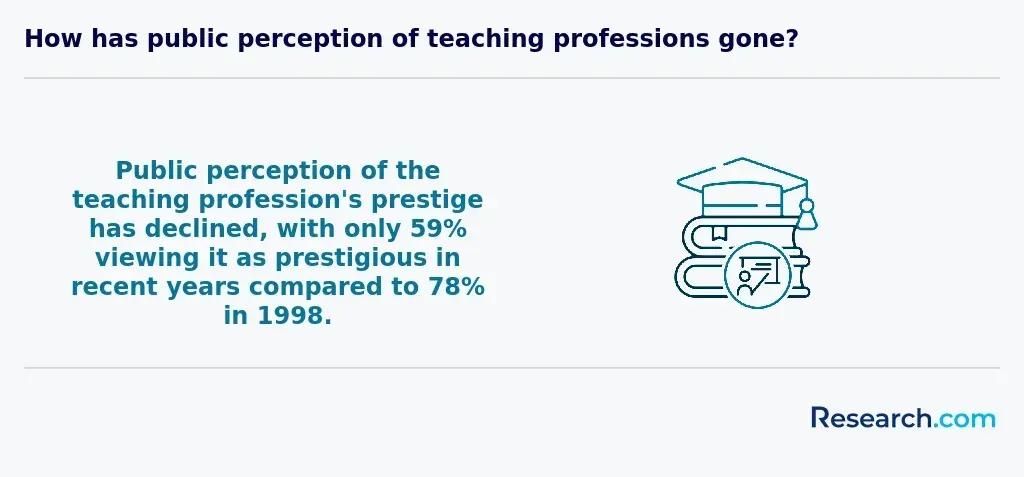
Preschool teacher pay in New York depends on location, employer type, credentials, experience, union status where applicable, and whether the role is in a public program, nonprofit setting, private preschool, or childcare center. Urban employers may offer higher pay to reflect cost of living, while some suburban or rural roles may differ in salary but offer other advantages such as smaller programs or shorter commutes.
When comparing job offers, look beyond base pay. Benefits such as health insurance, retirement plans, paid time off, tuition support, professional development funding, and predictable scheduling can change the real value of a position. Teachers who later move into elementary education may also compare credential requirements and advancement options through Research.com’s guide on how to become an elementary school teacher in New York.
How can integrating the arts enhance early childhood education in New York?
Arts integration can strengthen language, fine motor skills, emotional expression, collaboration, and creative thinking in preschool classrooms. Music, drawing, movement, storytelling, dramatic play, and hands-on art projects give young children multiple ways to communicate what they know. Teachers interested in deeper arts instruction can review Research.com’s guide on becoming an art teacher in New York and adapt age-appropriate arts methods for preschool learning.
What is the most affordable way to become a preschool teacher in New York?
The most affordable pathway is usually the one that meets certification requirements without unnecessary credits, duplicated coursework, or nontransferable classes. For many students, that means starting with a lower-cost public college or community college pathway, transferring credits carefully, applying for grants and scholarships, and choosing a program that clearly supports New York certification.
Cost-saving steps
- Confirm that the program leads to the credential you need before enrolling.
- Ask whether prior credits, work experience, or community college coursework can reduce total cost.
- Compare tuition, fees, testing costs, transportation, books, and student teaching scheduling requirements.
- Use financial aid before relying heavily on loans.
- Avoid programs that are inexpensive upfront but require extra coursework later to satisfy New York rules.
Research.com also provides a guide to the cheapest teaching credential program in New York, which can help you compare lower-cost credential routes.
What strategies can preschool teachers implement to support children with special needs in New York?
Preschool teachers support children with special needs most effectively when they combine observation, collaboration, individualized strategies, and family communication. Teachers should adapt activities, use visual supports, break tasks into smaller steps, coordinate with specialists, and document what works for each child. For a deeper look at credentialing and role expectations, review Research.com’s guide to special education teacher requirements in New York.
Inclusive classroom practices
- Use visual schedules and predictable routines.
- Offer multiple ways to participate, such as movement, pictures, verbal response, or hands-on materials.
- Collaborate with speech, occupational, behavioral, and special education professionals when available.
- Communicate consistently with families about strengths, progress, and supports.
- Focus on access and belonging, not only academic readiness.
What are the updated New York teacher certification requirements for preschool educators?
Certification requirements can change, so aspiring and current preschool teachers should check NYSED guidance regularly instead of relying only on older program brochures, informal advice, or employer assumptions. Requirements may involve education, approved preparation, examinations, workshops, background checks, applications, fees, and continuing education. Research.com’s overview of New York teacher certification requirements can help you verify which certificate type fits your goal.
What financial aid options are available for aspiring preschool teachers in New York?
Financial aid can make a major difference for future preschool teachers, especially because certification pathways may include tuition, fees, testing, transportation, and unpaid or reduced-work student teaching time. Start by completing financial aid forms early, then compare grants, scholarships, work-study, loans, employer support, and forgiveness options.
- Federal and state grants. The federal Pell Grant and New York State Tuition Assistance Program can reduce out-of-pocket costs for eligible students. TAP can provide up to $5,665 annually for eligible students pursuing degrees in early childhood education.
- Early childhood education scholarships. Professional organizations and colleges may offer awards for students preparing to work with young children.
- Loan forgiveness programs. Some educators, including those working in high-need areas, may qualify for loan forgiveness after five years of service under applicable programs.
- Continuing education support. Current teachers may find grants, scholarships, or employer assistance for professional development.
- Work-study and employer tuition assistance. These options can help students earn income or reduce tuition while gaining education-related experience.
Questions to ask financial aid offices
- Which grants or scholarships are available specifically for early childhood education students?
- Will student teaching affect my ability to work, and are there supports for that period?
- Can I use aid for certification exams, background checks, or required workshops?
- Does the program qualify for state or federal aid?
- Are there service commitments attached to any scholarship or forgiveness program?
Can preschool teachers benefit from speech pathology training?
Speech and language knowledge can help preschool teachers recognize early communication concerns, support vocabulary growth, model clearer language, and collaborate more effectively with specialists. Teachers do not become speech-language pathologists through short training alone, but they can use speech-informed strategies to improve classroom communication. Educators who want to understand the full professional pathway can read Research.com’s guide on how to become a speech pathologist in New York.
Is it feasible to transition from preschool to middle school teaching in New York?
Yes, but it is not an automatic move. Preschool teachers who want to teach middle school usually need additional subject-area preparation, grade-level certification, and a clear understanding of adolescent development and middle school curriculum. Classroom management experience can transfer, but the academic expectations and instructional methods are different. If mathematics is your target area, Research.com’s guide to becoming a middle school math teacher in New York can help you compare requirements.
Can diversifying into music education enhance your preschool teaching career?
Music can strengthen rhythm, listening, memory, language, movement, and social participation in preschool classrooms. Teachers who use songs, patterns, instruments, and call-and-response activities can make routines more engaging and support early learning across domains. If you want a more formal music education pathway, Research.com’s guide on how to become a music teacher in New York explains a related credential direction.
Educator perspectives on preschool teaching in New York
My first preschool classroom in New York changed how I understood teaching. Children arrived with curiosity, energy, and family stories from many cultures, and I had to learn how to make every child feel included from the start. That early experience later shaped the way I approached high school history because it taught me to build lessons around identity, belonging, and questions students genuinely care about. - Irish
I chose preschool teaching because I wanted to support children at the beginning of their learning lives. Volunteering in a community center showed me how much a patient, consistent teacher can matter. The classroom management, creativity, and relationship-building skills I developed in early childhood education continue to influence my work with older students. - Rhea
Teaching preschool in a New York neighborhood full of different languages, traditions, and family experiences taught me patience and flexibility. The relationships with children and families were the most meaningful part of the work. I still use that same creativity when I teach history, because young children showed me that learning becomes powerful when students can connect it to real life. - Wayne
Related Articles for Nearby States
- 2027 How to Become a Preschool Teacher in New Jersey: Requirements & Certification
- 2027 How to Become a Preschool Teacher in Pennsylvania: Requirements & Certification
- 2027 How to Become a Preschool Teacher in Connecticut: Requirements & Certification
- 2027 How to Become a Preschool Teacher in Massachusetts: Requirements & Certification
- 2027 How to Become a Preschool Teacher in Vermont: Requirements & Certification
- 2027 How to Become a Preschool Teacher in Rhode Island: Requirements & Certification
- 2027 How to Become a Preschool Teacher in Delaware: Requirements & Certification
- 2027 How to Become a Preschool Teacher in Maryland: Requirements & Certification
- 2027 How to Become a Preschool Teacher in New Hampshire: Requirements & Certification
- 2027 How to Become a Preschool Teacher in Ohio: Requirements & Certification
Key Insights
- Most certified preschool teaching roles in New York require a bachelor’s degree, approved teacher preparation, supervised teaching experience, required NYSTCE exams, and an NYSED application.
- Alternative certification can work well for career changers, degree holders, and teaching assistants, but it still requires formal preparation, testing, documentation, and state approval.
- Do not choose a program based only on tuition. Confirm accreditation, state approval, student teaching support, transfer policies, and exam preparation before enrolling.
- New York preschool teachers must plan for long-term professional development, including 100 hours of continuing education every five years when the requirement applies.
- Specializations such as early childhood special education, bilingual education, STEM, arts integration, and curriculum development can improve classroom impact and career mobility.
- Salary and job opportunities vary by employer type, location, credentials, and experience, so compare total compensation rather than base pay alone.
- The strongest candidates combine certification readiness with practical classroom skills: communication, patience, cultural responsiveness, family engagement, observation, and positive behavior support.
References:
- Borough of Manhattan Community College. (n.d.). Child care/early childhood education (A.S.). Borough of Manhattan Community College.
- Data USA. (2023). Preschool & kindergarten teachers: Education and skills. Data USA.
- National Association for the Education of Young Children. (n.d.). Advance your career. National Association for the Education of Young Children.
- New York State Education Department. (n.d.). Alternative teacher preparation programs. New York State Education Department.
- NYC Department of Education. (n.d.). Have institutional recommendation** in early childhood education. NYC Department of Education.
- Zippia. (2024). Preschool teacher demographics and statistics in the U.S. Zippia.
Other Things You Should Know about Becoming a Preschool Teacher in New York
While becoming a preschool teacher in New York typically requires a bachelor’s degree in early childhood education or a related field, some roles may be available with a Child Development Associate (CDA) credential, particularly in private or non-regulated settings. Always check specific job requirements as they may vary.
Absolutely! In New York, you can embark on a rewarding career as a preschool teacher with an associate's degree in early childhood education. This foundational qualification opens doors to nurturing young minds and shaping their futures. To enhance your journey, consider the following steps:
- Complete an associate's degree. Ensure your program includes coursework in child development and teaching methods.
- Gain experience. Seek internships or volunteer opportunities in preschool settings to build practical skills.
- Obtain certification. While an associate's degree is a great start, pursuing a bachelor's degree and obtaining a New York State teaching certification will broaden your opportunities and impact.
With dedication and passion, you can make a significant difference in the lives of children!
In 2027, becoming a preschool teacher in New York typically involves earning a bachelor's degree in early childhood education, completing a state-approved teacher preparation program, passing the New York State Teacher Certification Examinations (NYSTCE), and applying for Initial Certification in Early Childhood Education (Birth-Grade 2) through the New York State Education Department.